Top 10 Facts About Living Conditions in Thailand
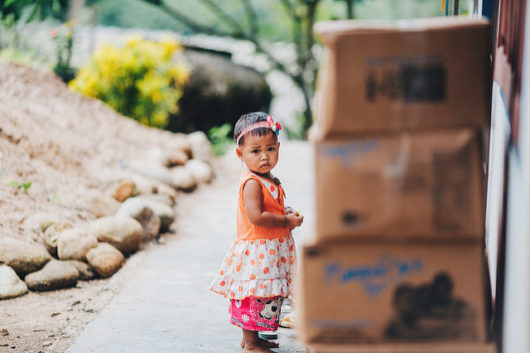
In the last few years, Thailand is becoming a really popular tourist and backpacking destination, not only for its breathtaking nature and for its rich culture, but also for its particular and interesting culinary. But not everything that most people see as travelers truly represents real life in the country. In the text below, the top 10 facts about living conditions in Thailand, that will try to give a clearer picture of this Southeast Asian nation, are presented.
Top 10 Facts About Living Conditions in Thailand
- Between the 1970s and 1990s, Thailand went through a monumental economic growth that led the country to a position in which it could improve the living conditions of a lot of its citizens. GDP per capita has increased from $863 in 1975 to $1,335 in 1985.
- Although some people could get huge benefits from Thailand’s economic growth, the wealth was not equally distributed, leaving the lower 30 percent of the population in rough conditions to fight for their survival.
- In the past, there used to be some policies that encouraged Thailanders to take their personal credit with programs like first car loans, for example. But after resulting in high household debt, the government decided to shut down the program.
- The country is suffering from a lack of labor force due to its quickly aging population. As a response to this, Thailand’s government is promoting women’s participation in the workforce by giving support to child care services.
- Thailand is considered to be a safe country to live in with a moderate crime rate of 47.7 percent. However, in the past three years, the country has increased its crime rate by 62.7 percent. Of all the cities of the country, Phuket is considered to be its most dangerous one to live in.
- Due to is high demand for entertainment and for being the economic, cultural, historical and commercial hub of the country, Thailand’s capital Bangkok is the most expensive city to live in and is among the world’s 100 most expensive cities.
- During the majority of the year, the weather is extremely hot in Thailand. April is the hottest month when the temperature can reach more than 30 degrees Celsius. From May to October, the country is in the monsoon season, presented with the particularly hot weather, but along with it with heavy rains. This can be thought for the ones not prepared for these living conditions.
- Thailand is considered to be highly polluted country. The belief is that this issue emerged after the country migrated from an agricultural economy to an industrialized one, resulting in rough polluted air that directly affects the population’s health.
- In the country’s education system, it is optional for the children to go to pre-school education. However, the percentage of parents that opt to enroll their infants in a daycare center or kindergartens is high. Nine years of public education are mandatory for all children in the country.
- The traffic in Thailand is considered a bit chaotic, as the average time index is 39.38 minutes. A car is the most used form of transportation, further compounding to the issue of air pollution in the country.
As for every country, the top 10 living conditions in Thailand show that there are various pros and cons of living in the country. There are things that cannot be easily repaired, such as the unequal distribution of wealth. But improving other things, such as air pollution and the safety of the country can be done by realizing that everyone is responsible and that only by a joint effort of all citizens, Thailand can move forward.
– Rafaela Neno
Photo: Flickr
