Key articles and information on global poverty.

After gaining independence in 1961, Tanzania’s government sought an advanced society for its population. The government’s attempt to grow a stable economy overlooked the estimated 85 percent illiteracy among its people. As a country with one of the largest young populations, these eight facts about education in Tanzania demonstrate how improvements to education have become a primary interest in public policy.
8 Facts About Education in Tanzania
- It is estimated that 5.1 million children between the ages of 7 and 17 are not in school. Primary school enrollment reached its peak of 86 percent in 2016, and in that same year, lower-secondary level school enrollment plummeted to a low of 33.4 percent. Many Tanzanian children do not experience a secondary education or vocational training. This leads to many children accepting jobs in hazardous conditions against the Tanzanian Law of the Child Act, which strictly defines and regulates prohibited tasks for children. Due to lack of enforcement of this act, 29.3 percent of children between the ages of five and 14 work in unsafe conditions in fields such as mining, quarrying and domestic work.
- The average yearly cost of an education in Tanzania totals 100,000 Tanzanian Shillings (TZS). This cost is equal to $50. However, with a national average salary of $22,662, many families cannot afford the fees that accompany their children’s education. These eight facts about education in Tanzania vividly depict poverty’s crucial role in receiving access to education. As of 2016, the poverty rate decreased to 26.8 percent, but an estimated 29 percent of students still live in households below the poverty line. In addition to school fees, parents must pay for uniforms, books and possibly transportation. Public secondary schools offer cheaper tuition as opposed to private schools, but additional schools fees can total up to $300 a year.
- Transportation to secondary school persists as an ongoing issue for millions of Tanzanian adolescents. Most of Tanzania’s population remains condensed in rural areas far away from secondary schools. Six people riding on one motorcycle to school lingers as a common image in some of these communities. Some students are able to receive housing at a boarding facility or private hostel by a school, while poorer families simply cannot make such sacrifice. This forces some students to walk or bicycle 20-25 kilometers, which usually takes more than an hour. Organizations such as The Tanzanian Education Fund (TEF), work with a board of organizational officers to manage the financial income for schools, review each school’s progress and fundraise for each school’s ongoing success. The TEF ensures that more than 465 students attending the Nianjema secondary schools in Bagamoyo, Tanzania have school buses through countless fundraising events.
- Adolescent girls in Tanzania are least likely to receive a secondary education. Research estimates that two out of every five girls in Tanzania marry before the age of 18. Within the population of married, secondary-school age girls, 97 percent are not in school due to marriage or pregnancy. Government policies also discriminate against pregnant and married girls by authorizing schools to expel them. Tanzania’s education regulations permit the expulsion of students when a student has committed what it considers an offense against morality. Many girls in Tanzania yearn to go back to school but encounter discriminating barriers like repeatedly contacting the school headmaster with no response. In addition, they must pay an $18-23 re-entry fee after pregnancy which ultimately deters them from returning.
- In 2010, Tanzania issued the Persons with Disabilities Act which guarantees the right to education and training services to children with disabilities. Today, disabled children still encounter barriers to attending primary school, and even fewer attend secondary school. Enrollment rates for disabled children dropped from 5,495 students to 5,328 students in 2013. Out of the 3,601 public secondary schools in Tanzania, only 75 schools accommodate children that require special needs education. Most of the students with disabilities do not have access to assistive devices like a wheelchair, cane or hearing aid. In other cases, few teachers receive training to teach children with learning disabilities. ADD International operates to fight global discrimination by influencing governments for change so every disabled person gets the best quality of life. Since partnering with Tanzanian activists in 2012, ADD International helped 1,404 children with disabilities enroll in primary school.
- The Primary School Learning Examination (PSLE) prevents 1.6 million students from entering secondary school each year. The average completion rate for primary students is 58.4 percent whereas fewer than 52 percent complete secondary school. Many of the schools in Tanzania do not prepare their students adequately for the national exam due to a lack of resources and poor student to teacher ratios. The average student to teacher ratio remains 59:1. Students in Tanzania receive only one opportunity to pass the exam as well.
- In 2015, the Tanzanian government eliminated the school fees required for all lower-secondary schools. The implementation of this practice emerged from Tanzania’s 2014 Education and Training policy which aims to improve the overall quality of education in Tanzania. As a result of the policy, secondary school enrollment in Tanzania has increased to 31.6 percent. The Tanzanian government’s goal to become a middle-income country by 2025 began with this significant change. The Tanzanian government made a commitment to provide free, compulsory basic education. This commitment coincided with a 12-year plan and a grant from The Global Partnership for Education (GPE)to strengthen its education system. By continuing to provide free education, skills in literacy and numeracy in Tanzania have improved exceptionally.
- By collaborating with the Tanzanian government, Project Concern International (PCI) makes strides in improving the infrastructure of countless schools in Tanzania. The organization, PCI, aids in lifting communities around the world out of poverty by enhancing health and ending world hunger. Studies show that only 62 percent of schools in Tanzania provide an improved water source. Eighty-four percent of the 2,697 primary schools in Tanzania goes without handwashing facilities. These conditions create an unsanitary environment for children and make them more susceptible to diseases like dysentery, diarrhea or an acute respiratory infection. Since 2011, PCI installed 191 water systems in primary schools, giving an estimated 103,456 students improved latrines.
In the end, these eight facts about education in Tanzania are improving with support from global organizations. Bringing attention to the government policies that restrict marginalized groups of students from receiving an education can commence change. Tanzania will experience sustained development as long as the government invests in its education system.
– Nia Coleman
Photo: Wikipedia Commons
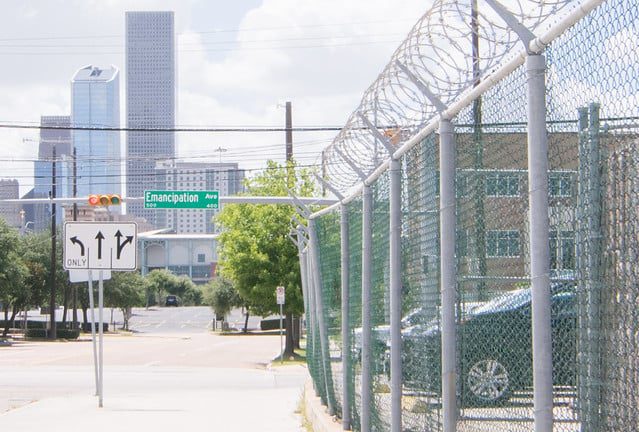 Immigrant detention camps are run by governments all over the world to hold immigrants, refugees and any asylum seekers. Many of these immigrants are fleeing to other countries to escape from violent and inhumane conditions in their home countries. Most governments have their own regulations on how to treat immigrants and what they have access to. More recently, the conditions in which immigrants are treated in detention camps in the United States raises questions about whether or not the U.S. detention camps should be considered concentration camps. Here are five facts about the conditions of immigrant detention camps.
5 Facts About the Conditions of Immigrant Detention Camps
- Overcrowding is a major problem with detention camps and is one of the main reasons illnesses are easily spread. Detention camps recently have been seen to hold over 40 detainees in cells built for eight people. Others report that detainees are standing on top of toilets to make room for people shoved into one cell. Overcrowding in detention camps is a health risk not just because of the ease of illness spreading, but also because of the lack of space for detainees to sit or rest apart from one another in the cells.
- There are multiple detention camps throughout the U.S. that do not have access to medical care for detainees. Without access to medical care, many immigrants, especially children, fall ill. With overcrowding, these illnesses are spreading and are hard to contain. Many times workers do not take sick detainees to hospitals for medical care. This increases the likeliness of illnesses spreading and increases the risk of death. According to a recent report, approximately seven children have died in the last year in detention camps.
- Many detention camps lack access to clean water or any water at all. Reports say that accessible water for detainees has foul odors and is discolored. Additionally, trying to get water to drink or shower is nearly impossible as a result of overcrowding. Other reports say children claim they do not have water to brush their teeth or shower in their cells. One reporter even stated that as soon as he walked into one detention camp, the smell as a result of those who could not shower was immediately apparent.
- Because of the lack of access to clean water, access to other basic sanitation in detention camps is limited. Some women report not having access to menstrual sanitation products. Plus, some mothers report not having access to a place where they can clean baby bottles. Because some detainees are standing on toilets due to overcrowding, access to bathrooms is limited, causing sanitary conditions in the cells to grow even worse.
- Many children in immigrant detention camps are separated from their families. Some children are in foster families. Others are held in detention camps until they are placed with adult relatives who are not in detention camps or until they turn 18. The separation of families is scarring, especially for young children who may not understand why they are being separated.
The Dignity for Detained Immigrants Act of 2019 is sponsored by New Jersey Sen. Cory A. Booker and is currently in rotation with the Senate. This act sets stricter standards for immigrant detention camps. These standards include periodic inspections, notifications and investigations of deaths in custody, annual reports to Congress, an online detainee location system, a Department of Homeland Security (DHS) locator and an online public facilities matrix. The online public facilities matrix goes on to include the name and address of the detention center, whether the facility houses adults, children or both, the average number of detainees and whether or not the facility is in compliance with the regulated standards set by Congress.
These five facts about the conditions of immigrant detention camps are the main talking points circulating around the political scene. Other horrendous conditions of detention camps include cold temperatures, lights being on at all times, lack of proper food rations or having expired foods and mental trauma caused by the terrible conditions. The conditions in which immigrants are living in detention camps need to be bettered with stricter regulations that must be enforced by the government. Recent public knowledge of the conditions of immigrant detention camps will help to force the government to provide aid for current detainees.
– Chelsea Wolfe
Photo: Flickr
 The United Nations World Tourism Organization (UNWTO) notes that tourism is capable of driving high economic status in developing countries. Three of the below initiatives are examples of how sustainable tourism can best support developing communities.
3 Examples of Sustainable Tourism Initiatives
- Cambodia’s Phare Circus
First unveiled in 2013, the Phare Circus has drawn a large tourist and local crowd over the years and has even organized tours and private performances across the world. The stories they showcase through their acts are an authentic look into Khmer history and culture. By telling stories through performance, the circus promotes Cambodian art both domestically and overseas. The Phare Circus is an initiative of Phare Ponleu Selpak in Battambang (PPSA), which translates to The Brightness of the Arts, a nonprofit school founded in 1994 with the mission of helping young people cope with war trauma through art. All students are able to participate for free and can even move on to work for the Phare Performing Social Enterprise (PPSE), the parent company of Phare and the Circus. Both the PPSA and the PPSE are true definitions of sustainable tourism. The circus returns 75 percent of profits to the educational program and school, who in turn work on creating employment opportunities for Cambodian artists. Like the circus, Phare’s other social businesses under PPSE, such as the Phare Productions International and the Phare Creative Studio, create a reliable income to sustain the school. - Hotel Bom Bom on Príncipe Island
Hotel Bom Bom is a bungalow resort situated on São Tomé and Príncipe, an island nation located 155 miles off the northwestern coast of Gabon. The hotel promotes water and recycling projects launched by the Príncipe Island World Biosphere Reserve and UNESCO and invites tourists to take part in these programs. Hotel guests, for example, can participate by exchanging 50 plastic bottles for one “Biosphere Bottle,” a reusable type of water container, which guests can fill up at one of the 13 water stations around the island. In total, 220,000 plastic bottles have been collected since December 2013. Preserving the local environment positively influences the livelihood of the native community. - Prainha do Canto Verde, Brazil
The native land of Prainha do Canto Verde, a coastal village located in the northeastern Brazillian state of Ceará has been threatened by illegal fishing and tourism development projects. As a result, the community decided to create its own tourism council in 1998. Since then, community tourism has come to represent 15 percent of the town’s source of income. Many of the initiatives they offer include “posadas,” or community inns, workshops and crafts, cooking, cultural activities and native fishing. The posadas are a true example of community-based tourism. Local residents offer up a few rooms in their homes to tourists. One posada, “Sol e Mar,” features a restaurant, garden, and six rooms which can accommodate up to 18 guests. Many families that run posadas end up registering with the Ministry of Tourism and joining the community’s council. It is an enriching experience for the locals that also improves living standards within the native community. Additionally, it allows locals to craft tourism activities and opportunities themselves so that there is little risk of endangerment to their culture. Overall, this tourism initiative in Prainha is actively working towards large goals to redistribute income and preserve the surrounding ecosystem of the village.
The Big Picture
When tourists support sustainable tourism, they are actively taking steps to meet locals, hear their experiences first-hand, and participate in greater causes to combat poverty in those regions. Sustainable tourism allows people to make a social impact on the place they are visiting and the initiatives mentioned above are just some of the few that are providing that opportunity.
– Melina Benjamin
Photo: Flickr

In Chad, 87 percent of the population lives below the poverty line. This contributes to the high prevalence of child labor, something for which Chad is infamous. Child labor is a controversial and multi-faceted issue, and these 10 facts about child labor in Chad show that the issue is complex and in need of a solution.
10 Facts about Child Labor in Chad
- A majority of all children are working. 48.8 percent of children ages 5-14 work full time. This percentage is among the highest in African countries. When added to the percentage of children who attend both school and work, the percentage goes up to 77.2.
- Nearly half of Chad’s population is ages 0-14. One reason why child labor in Chad is so prominent is that there are significantly more children than adults. With children under 15 years old making up 48.12 percent of the population, there is pressure to work in order to support one’s family.
- Child labor occurs in multiple sectors. Child labor occurs in the agricultural, urban and service industries. Children as young as 6-years-old typically work as herders for livestock, and as they get older, begin to perform other duties like chopping wood, fishing and harvesting crops. In the urban and service industries, children work in carpentry, mining and street vending. The Ministry of Labor permits light work in agriculture for children at least 12 years old, but this law can be exploited due to its lack of specificity.
- Education is not accessible. Another reason there are so many instances of child labor in Chad is because quality education is inaccessible. Despite the fact that the government mandates free and compulsory education up until the age of 14, only 37.9 percent of students complete primary school. Many schools require an additional payment for school-related fees, and some families cannot afford them. Additionally, there have been teacher strikes, decreasing the number of open schools in Chad altogether. The United Nations Development Assistance Framework (UNDAF) has been attempting to improve the access and quality of education in Chad since 2017, and future data will show how the program is going to affect school-age working children in Chad.
- Children are forced to be soldiers. Chadian children who live in Internally Displaced Persons sites are the most popular army recruits. Sometimes, they are kidnapped by army recruiters, but other times, they join willingly to escape horrible conditions and lack of education within the IDP site. In 2007, up to 10,000 children may have been used as soldiers in the conflict between Chad and its opposition groups. The government of Chad admits that it has no policy when it comes to the recruitment of children for the army, and a UNICEF program to remove children from military groups failed due to underfunding.
- Human trafficking worsens child labor. As a result of trafficking, children are sold and forced to work away from their families, sometimes even begging in the streets for money. One of the worst instances of child labor and trafficking occurs when boys called mahadjirine travel to Koranic schools to get an education, but they are forced to work and return all of their profits to their fraudulent teachers. The Chadian government criminalizes labor trafficking and began a procedure to identify and prosecute offenders, but its success only lasted briefly. The number of arrests and convictions for labor traffickers decreased and then remained stagnant only two years after the initial implementation.
- Chad’s respect for children’s rights is ranked as worst in the world. The Realization of Children’s Rights Index grades each individual country on a scale of 1-10 on how much the country respects children’s rights based on statistics of child mortality, child labor, poverty, education and other issues that affect children’s lives. Chad is the lowest on the list of 196 countries with a score of 0.05 out of 10. The highest country, Liechtenstein, scores a 9.42 out of 10. This means that every other country in the world has more policies in place to protect the rights of children.
- Nearly half of children ages 15-17 work in hazardous conditions. Despite the fact that Chad’s minimum working age is 14 years old, boys and girls ages 15-17 are counted in child labor statistics because of dangerous working conditions. 42 percent of working 15-17-year-olds deal with circumstances that can be physically and mentally harmful such as extensive work hours, working underground, working with heavy machinery and abuse.
- Child labor correlates with the prevalence of malnutrition. As instances of child labor increase, malnutrition becomes more likely. In a study of multiple developing countries that experience child labor, it was found that in countries with only 10 percent of children working, malnutrition affected up to 50 percent. For Chad, a country where more than half of children work, malnutrition could affect up to 70 percent of children.
- International groups are working to prevent child labor. The International Initiative to End Child Labor is an organization that is committed to ending child labor in countries like Chad. The group educates communities on what kinds of child work are considered acceptable or unacceptable, what the worst forms of child labor are and what working conditions are appropriate for young workers. The IIECL has been working towards the goal of eliminating the worst forms of child labor since 1998.
These 10 facts about child labor in Chad demonstrate the consequences of child labor and the need for action. If child labor is eradicated in Chad, the rest of Africa and the world could take notice and begin to address other countries with child labor issues as well.
– Katherine Desrosiers
Photo: Flickr

Out of Nigeria’s estimated population of 200 million, approximately 27 million people live with disabilities. A 2005 study by the Leprosy Mission Nigeria found that, of its 1,093 respondents, 37 percent struggled with visual impairments, 32 percent had limited mobility, 15 percent had reduced hearing and the majority of people surveyed—61 percent—were unemployed because of their disability. People with disabilities in Nigeria typically receive little support from the government and instead rely on family members, nongovernmental organizations (NGOs) and religious groups. One of their biggest obstacles is the stigma surrounding their disabilities, which excludes them socially, economically and politically.
Often, families treat people with disabilities in Nigeria as a secret shame, and work and education exclude them. In extreme cases, their families abandon them or, if the family is wealthy, they institutionalize them. The Leprosy Mission Nigeria found in its survey that 16 percent of its participants survived by begging.
The Stigma Surrounding Disabilities
Tobiloba Ajayi, a lawyer and cerebral palsy activist born with CP, regularly faces questions and judgments about her mental faculties. She told Bright Magazine that, in a university pre-admission interview, “They said, ‘Really, I don’t think you’ll survive the semester.’ I remember looking [them] in the face and saying, ‘Watch me.’” She graduated five years later with a law degree.
Activists with disabilities in Nigeria like Ajayi are working to fight the stigma by changing the public perception of people with disabilities. Often, people treat them as “one-dimensional charity cases” rather than empowered people with their own needs. Ajayi helped make history by being one the lawyers to draft the state of Lagos’Special Peoples Law, which criminalized discrimination against people with disabilities and required that state-owned buildings and large buses be wheelchair accessible. When enacted in 2011, Lagos became the first state in Nigeria to pass a disability protection law. While this law helps increase accessibility for people with disabilities in Nigeria, inaccessibility still leaves many out.
Accessibility
According to Leprosy Mission Nigeria, 70 percent of the participants lacked access to disability-specific health care. Social agencies in Nigeria often receive limited funding partly because of the prevailing belief that the government should take a hands-off approach to let the country grow. The lack of funding and manpower means that these social agencies cannot access rural areas where the most vulnerable population lives.
In addition to a lack of medical care, people with disabilities in Nigeria often struggle with finding accommodations. Cobhams Asuquo, a blind singer, songwriter and producer, often struggled with finding braille reading material. In college, the braille textbooks were expensive and hard to come by. He told Bright Magazine, “As a nation we’re missing out on the value [people with disabilities] can add, just because we’re not creating an enabling environment for them to thrive.”
For the past several years, activists have been working tirelessly to pass the Nigeria Disability Act. In January 2019, President Muhammadu Buhari signed it into law after two chambers of the National Assembly passed it. To ensure that Nigeria enacts this law effectively, Sightsavers Nigeria has petitioned the U.N. to uphold the rights of people with disabilities.
While Nigeria has a way to go to give people with disabilities equal opportunity, the passage of this law is a great start. By increasing access and protection, people with disabilities in Nigeria can have a greater voice in politics, education and the economy.
– Katharine Hanifen
Photo: Flickr

Of all the countries comprising the EU, Poland has one of the lowest life expectancy rates, ranking 22 out of 28. With a population of 38,420,687 people and an average life expectancy of 77 years, Poland has been facing healthcare problems for years. In the past two decades, several reform programs have been implemented to address these issues and life expectancy is on the rise. These top 10 facts about life expectancy in Poland describe the issues Polish citizens are facing and the lengths the Ministry of Health is going to in order to help.
10 Facts About Life Expectancy in Poland
- Life expectancy in Poland has risen consistently over the past several years. In 2014, the life expectancy for men was 73 years and for women it was 81 years. This is an increase of about four years for both men and women since the year 2000.
- Poland still ranks lower than average for life expectancy among other European countries. The average life expectancy of the EU is 78 years for men and 84 years for women. This discrepancy with the Polish population could be due to high tobacco and alcohol usage, obesity and various socioeconomic influences, with 36 percent of overall health issues being traced back to these factors.
- Polish people are 60 percent more likely to die from cardiovascular diseases than the rest of Europe. Among the population, cardiovascular diseases are responsible for 40 to 50 percent of deaths and cancer is responsible for an average of 25 percent. In 2015, Poland introduced a 10-year cancer strategy focusing on prevention, diagnosis, treatment and improving quality of life.
- With 6.5 hospital beds per 1,000 people, Poland ranks higher than the EU average for accessibility. However, there are only 5.2 nurses and 2.3 physicians practicing per 1,000 people, which ranks among the lowest in the EU (8.4 nurses and 3.6 physicians on average, per 1,000 people). In addition, healthcare services are divided by regional, county and municipal governments, making access and coordination among them difficult.
- The current unemployment rate in Poland is 3.5 percent, according to Eurostat, the statistical office of the European Union. However, the CIA World Factbook lists the poverty rate at 17 percent, as recently as 2015. The difference in healthcare between the population with the highest income and the lowest income is a 20 percent gap, with 71 percent of the highest income population reporting good health compared to just 53 percent of those with the lowest income.
- Although the average GDP spending for health in Poland has risen from 5.3 to 6.3 percent over the last 20 years, it is still well below the EU average of 9.9 percent. Per capita, Poland spends an average of EUR 1,272, making it the fifth lowest in the EU for spending. Private out-of-pocket spending made up about 23 percent of health spending, versus the EU average of 15 percent.
- There is an inability to train and retain an adequate number of healthcare workers and providers. Family medicine is not popular due to poor working conditions, low wages and limited career options. To combat this, a policy (Directive 2005/36/EC) was implemented in 2014 allowing all pediatricians and internists to work as primary healthcare physicians as well, without requiring any additional education or experience.
- Poland ranks fifth lowest for eHealth adoption and utilization among general practitioners and second-lowest for information and communication technology in the medical field. On average, 1.5 general practitioners use eHealth resources compared to the EU average of 1.9. The European Structural and Investment Funds are aiming to help further digitize the healthcare system in Poland, which in turn will lower wait times and provide more opportunities and access to a healthcare provider.
- Between 2014 and 2020, Poland will receive EUR 3 billion to fund health-related programs. The focus will be on emergency medical infrastructure, long-term healthcare, tobacco/alcohol/obesity prevention programs and eHealth access. The Polish Ministry of Health is committed to increasing public spending on health by 35 percent by 2024.
- Poland implemented the National Health Programme in order to address public health issues and promote healthy behaviors and activity. By using mass media, government-funded programs, such as the National Programme for Prevention of Alcohol-Related Problems, and legal acts, such as the Act of Physical Culture, the National Health Programme is working towards halving the growth rate of obesity and diabetes and reducing the amount of alcohol abusers by 10 percent, both by 2025. It is also aiming to reduce the amount of tobacco use by two percent by 2020.
With Polish healthcare falling short compared to EU averages, the Polish government and Ministry of Health have acknowledged the problem and are in the process of refocusing efforts to improve the quality of medical care in the country. These top 10 facts about life expectancy in Poland show that there has been an improvement in overall healthcare and life expectancy, although efforts are still ongoing. Life expectancy in Poland has been increasing by an average rate of 0.21 percent and with these changes that growth will continue over the next several years.
– Jessica Winarski
Photo: Unsplash
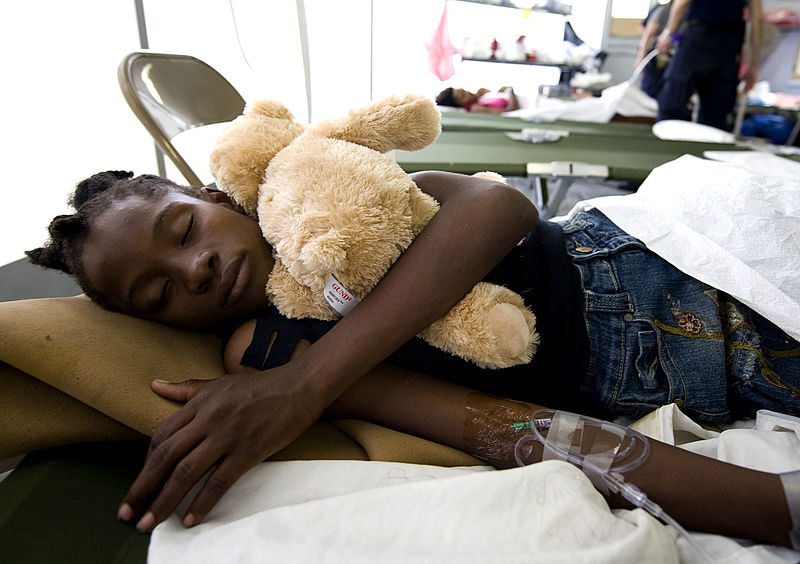 Nearly 88 percent of injury-related deaths happen in poverty-stricken countries. There is an urgent demand for emergency care in low- to middle-income countries. One study found that, in these countries, emergency professionals see 10 times the number of cases that a primary doctor does, and the rate of death in these areas is extremely high.
Many emergency care centers in developing countries are severely underfunded and under-resourced. Some lack basic medical instruments while others have medical professionals that work without training or any sort of protocol. The burden of emergency medical care in poor nations is not only due to the lack of medical care or training, but also poor infrastructure. Together for Safer Roads outlines the difficulties presented by deteriorating roads or indirect routes that affect both transport to the emergency scene and transport to the hospital. Improving these roads reduces the likelihood of crashes and unsafe traffic routes and increase the efficiency of trauma transport.
Kenya
Another study done by the National Center for Biotechnology Information (NCBI) has outlined a significant lack of emergency care. Only 25 percent of Kenyans are covered by health insurance, meaning that many must pay for medical care themselves. With so many bearing the financial burden of medical care, it is less likely they would seek it in an emergency.
There are barely any skilled professionals working in emergency medical clinics, resulting in a lack of specific training for emergency medical situations. However, it has recently been recognized as a specialty by both the Medical Practitioners and Dentists Board and the Clinical Officers Council (COC). The other issue at hand in Kenya is the lack of resources. The nation is severely lacking in ambulances, and due to the significant cost of transport by ambulance, many patients take private means like taxis. There is also not a reliable dispatch system in Kenya, making the rapid response of an ambulance unlikely.
The study concluded that there needs to be a creation of new policies at a national level to improve access to emergency care. It also states it is crucial that Kenya recognize emergency care as a significant part of the healthcare system in order to develop authority for emergency response, improve the expensive cost of emergency care and implement a communication network for an emergency system.
Haiti
The country of Haiti has been struck by several natural disasters, making the need for an adequate emergency system crucial. One of the largest issues is the location of clinics and hospitals. The country has around 60, but they are primarily located in larger cities, leaving rural areas with little to no access to trauma care.
Basic necessities like gloves and medicine are things patients have to pay for before they can receive care. Even asthma attacks can be fatal because some cannot afford the inhaler. Also, the medical instruments patients have to pay for out-of-pocket are not necessarily the most up-to-date or high quality. Similarly to Kenya, medical professionals are rarely trained to deal with emergency situations. However, some groups have begun the effort to train professionals in Haiti to be prepared for emergency situations. Dr. Galit Sacajiu founded the Haiti Medical Education Project for this purpose after the earthquakes of 2010. Her courses not only train the nurses and doctors of Haiti but also provide them with the knowledge of what to do with the little or substandard medical instruments they have access to.
Economic Benefit of Improvement
If the amount of injury-related deaths that occur in developing nations was reduced to that of high-income countries, over 2 million lives could be saved. The same study also set out to find the economic benefit of improving emergency care. They found that, if these deaths were reduced, it could add somewhere between 42 to 59 million disability-adjusted life years averted. By using the human capital approach, they also conclude that there is an added economic benefit to the reduction in mortality of $241 to $261 billion per year.
There are several factors that contribute to the effectiveness and availability of emergency medical care in developing nations. These factors mainly concern infrastructure or quality of medical care. Although the issue of trauma care seems far from being solved, a study done by the Brookings Institution states there are indications that it may improve. By monitoring the improvements in medical care in high-income countries, they found that similar improvements were beginning to occur with emergency medical care in developing nations. As trauma care becomes increasingly recognized as an urgent need, it can improve and save thousands of lives.
– Olivia Halliburton
Photo: Wiki
 Lack of access to menstrual products impacts many girls and women in both the developing and developed world. Having a period without access to proper sanitation products can hurt a girl’s educational and life opportunities. However, these four organizations fighting period poverty are providing access and empowerment to girls and women in need.
Top 4 Organizations Fighting Period Poverty
- PERIOD
Highschoolers Nadya Okamoto and Vincent Forand founded PERIOD in 2014 to combat period poverty and period stigma. Okamoto was inspired to help launch the nonprofit after dealing with homelessness as a teen. Homeless women often lack access to menstrual products because they cannot afford them or because shelters do not have enough products to go around. Today, PERIOD has more than 300 chapters that help distribute period products around the world, and so far, 510,181 women have been served by PERIOD’s work. The nonprofit is also fighting to eliminate the luxury tax on tampons and pads in the U.S. and abroad. - Freedom4Girls
Founded in 2016 by Tina Leslie, Freedom4Girls was inspired by Leslie’s experience working with the charity Maji Safi Projects in Kenya. During her time there, Leslie helped with Maji Safi Projects’ period poverty campaign, which consisted of creating sewing workshops for local women, making washable, reusable menstrual pads and delivering the pads to schools in the semi-rural area of Mombasa. The project also provided reproductive and menstrual education to girls and women in the community. Currently, Freedom4Girls provides menstrual products to 30 schools in the U.K. in order to increase girls’ abilities to go to school and participate in extracurricular activities while on their periods, since often, teachers are tasked with supplying menstrual products to their students. Freedom4Girls also works with community groups and other organizations fighting period poverty to host “Donation Stations” in order to collect menstrual products for other vulnerable groups, such as refugees. - Dignity Period
Dignity Period is a prime example of women’s empowerment and women’s health coming together to improve lives. In 2014, Fulbright Scholar Dr. Lewis Wall spent eight months improving residency education in gynecology and obstetrics at Mekelle University’s College of Health Sciences in Ethiopia. During his time there, he and his wife met Freweini Mebrahtu, owner of the Mariam Seba Sanitary Products Factory. Seeing that period poverty was an issue that could be resolved through outreach, education and empowerment, Wall and Mebrahtu partnered to create Dignity Period. Today, Dignity Period partners with Mekelle University to conduct studies about the socioeconomic and cultural impact of periods and to provide education; at the same time, the nonprofit provides reusable menstrual pads to community members through Mebrahtu’s factory, which trains and employs women in the area. - Days for Girls
Days for Girls (DfG), like other organizations fighting period poverty, provides reusable menstrual products for girls in need. However, it is unique in the way its menstrual products are created and how they impact communities. Days for Girls has developed menstrual product kits that are provided to women and girls in need. Each DfG Kit is sewn by volunteer individuals or chapters and begins as a Portable Object of Dignity (POD). PODs include one waterproof shield and two absorbent liners and serve as gateways to the creation of small businesses for local women. PODs are extremely affordable and can be easily adapted to the needs of the customer, meaning that women in developing countries can use PODs to start and grow their own micro-enterprises selling DfG Kits. There are five kits currently distributed by Days for Girls: the POD, DfG POD Plus, Supreme DfG Kit, Heavy Flow DfG Kit and the Menstrual Cup Kit. Each kit contains reusable menstrual pads, a washcloth, a drawstring bag, panties and other essentials for a dignified period.
Women and girls around the world face the impacts of not having access to menstrual products and reproductive education. Absences from school, decreased opportunities for socioeconomic mobility and loss of dignity are only a few of the struggles faced by those living in period poverty. As a result, organizations fighting period poverty are taking a stand to empower these women and improve their futures.
– Shania Kennedy
Photo: Pixabay

Morocco is a country in North Africa that borders the Atlantic Ocean in the west and the Mediterranean in the north. Its location makes it a strong competitor in international trade and business. Forbes has classified Morocco as an emerging country with financial, educational and political potential. In 2015, the Government of Morocco and the World Health Organization (WHO) teamed up to improve the public health situation in the country, focusing on five regional priorities: health security and control of communicable diseases, mental health and violence, nutrition, strengthening health systems and responsiveness to health crises. Here are the 10 facts about life expectancy in Morocco.
10 Facts About Life Expectancy in Morocco
- Life expectancy at birth in Morocco has increased by over 35 years since 1950. A recent report found that Moroccans should reach a 77-year life expectancy compared with the 42 years of average life expectancy in 1950. The Ministry of Family Solidarity, Equality and Social Development carried out this study in partnership with the National Observatory for Human Development.
- The same study found that the life expectancy of Moroccan women was age 60, which was 21 years longer instead of just 17 years longer as recorded in 1980. There was a similar increase with Moroccan men at age 60, who now should live 19 years longer instead of 17 years longer in 1980.
- The 2014 Moroccan census showed that nearly 3.2 million Moroccans are over 60 years old, while in 1960, less than one million Moroccans lived to be 60 years old. The aforementioned study predicts that by the year 2030, the number of people who live to be 60 and above will double to almost six million Moroccans, which is 20 percent of the population.
- Morocco is currently going through a demographic transition. The population is increasing but at a declining rate, as the overall life expectancy from birth continues to increase but women are having fewer children. Morocco is following development trends; the more it develops, the more the rate of its population goes down. When Morocco reaches the status of a developed country, its population will decline like countries across Europe and the United States of America.
- Overall infant, child and maternal mortality rates have decreased as there is more emphasis on expanding access to vaccinations, adequate nutrition, hygiene and better primary health care. Various international organizations and nonprofits, such as the WHO and CARE have managed to improve the overall health care situation in Morocco. All of these contribute to the decrease in mortality rates and the increase in life expectancy.
- Morocco has a shrinking population of children which reflects the decline in the total fertility rate from five in the mid-1980s to 2.2 in 2010. Total fertility rate (TFR) relates to the total number of children born or likely to be born to a woman in her lifetime, assuming she is subject to the age-specific fertility rate of her society’s population.
- Aging is the main trend in demographic shifts. The joint report found that by 2050, Morocco will have approximately 10 million senior citizens. This again points towards increased life expectancy and Morocco’s increasing overall development.
- The joint report also indicated that poverty in urban areas decreased from 4.9 percent to 0.7 percent and in the countryside from 14 percent to 4.5 percent in the span of almost a decade. This decrease in poverty, as well as the tendency of elderly to live in urban areas with increased access to health care, are all contributing factors to the increased life expectancy of elderly, as well as the general population.
- The study found that proper medical care and social care for the elderly is lacking, despite the increasing senior population in Morocco. Currently, there is not enough investment in welfare programs or senior living facilities and arrangements. This makes it more difficult for seniors to participate in Moroccan society by posing challenges to their own mobilization and physical health.
- The Ministry of Family, Solidarity, Equality and Social Development stress that research on life expectancy help the government to assess and develop adequate social welfare and health care programs. The increase in elderly people in the population implies the government should be investing in senior accommodations such as senior living homes.
These 10 facts about life expectancy in Morocco should help the country adequately serve its people through health care and social programs. With this knowledge, the country can prepare to provide care and housing for an older population.
– Laura Phillips-Alvarez
Photo: Flickr
