• Link to X
  • Link to Facebook
  • Link to Instagram
  • Link to TikTok
  • Link to Youtube
  • About
    • About Us
      • President
      • Board of Directors
      • Board of Advisors
      • Financials
      • Our Methodology
      • Success Tracker
      • Contact
  • Act Now
    • 30 Ways to Help
      • Email Congress
      • Call Congress
      • Volunteer
      • Courses & Certificates
      • Be a Donor
    • Internships
      • In-Office Internships
      • Remote Internships
    • Legislation
      • Politics 101
  • The Blog
  • The Podcast
  • Magazine
  • Donate
  • Click to open the search input field Click to open the search input field Search
  • Menu Menu

Archive for category: Global Poverty

Key articles and information on global poverty.

Global Poverty, Nonprofit Organizations and NGOs

10 Facts About Social Change

10 Facts About Social Change
Social change is an instance in which people reform the conventions of society. The behavior and attitudes of people determine the direction and significance of change, while the environment or society influence these behaviors. Here are 10 facts about social change.

10 Facts About Social Change

  1. Modernization and Technology: Social change is a combination of many factors. Different events, technologies or people can affect the behavior or norms within society. Modernization and technology have been two of the largest driving forces of social change throughout history. The Industrial Revolution in many countries forced governments to become more liberal as their citizenry became more valuable and leveraged for more rights at work.
  2. Social Order and Coordination: Social norms are central in social order or social coordination. Social norms are informal laws that dictate a group’s or society’s behaviors. A social norm can range from wearing a suit to work or holding the door for someone behind you to voting in the presidential election. Social change does not occur without a significant number of people coming together and changing the traditional behavior within a society.
  3. Social Justice: Social change often looks to change social norms that negatively affect social justice. Social justice is the idea that every aspect of society can achieve justice and equity rather than in only certain cases or for some individuals.
  4. Causes of Social Change: There are different types of social changes. Since social changes are whenever a group changes social behavior and consciousness, many factors can cause such an outcome. War, protests, strikes and nonviolent demonstrations are all ways social change comes about.
  5. Negative Social Change: Social change is not always a positive form of change. An extreme example is the Nazi regime and its persecution of the Jewish population that occurred because of a change to Germany’s social norms. It is up to people to choose which form of change is worth pursuing.
  6. Length of Time to Instigate Social Change: Often change takes place over many generations. The breaking down of social norms requires time to turn new ideas from fringe to conventional. Martin Luther King Jr, Nelson Mandela and Gandhi are prominent social figures. These men exemplify the multiple generation struggle, as all of them inherited a society in need of change and utilized the time to achieve social justice.
  7. Importance of Nonprofits: Nonprofits are vital in social change. Nonprofits are often the driver of awareness, bringing solutions to communities affected by a lack of progress. Groups like Oxfam International strive to uplift the poverty-stricken and decrease poverty around the world. By working in more than 90 countries, the organization has affected millions of people. The group looks to provide clean water and food to those without such necessities and diminish the effects of climate change in developing countries. In many of its efforts, it also looks to increase the economic well-being of developing countries to ensure their citizens are provided with enough resources to live and flourish.
  8. Theories About Social Change: Sociologists and anthropologists have studied social change and social norms extensively. These significant studies have led to many different theories of the causes and reasons for social change. Many see Karl Marx, Emile Durkheim and Max Weber as the most influential sociological thinkers, each offering differing theories on the progression of society. All three focused on the division of labor and how that affected social progress. Durkheim argued that with an increase in population, there is more competition for resources. To obtain social harmony as opposed to constant competition, people will look to specialize their skills and find new ways to make a living. Marx also analyzed the division of labor and the effect of work on people and society. Marx, however, believed that people often look to meet their human needs, and are in a constant struggle with the market or their owners of production to obtain financial security to live. Marx believed that life was a constant struggle between classes and that social change emerges from this struggle. While Marx believed that class solidarity would lead to social change, Weber believed that society required a charismatic leader to spark such change. Weber emphasized a transition to rational thought, and because rationality usually comes with collaboration, Weber believed bureaucracy would be essential to change.
  9. Difficulty to Instigate Social Change: Traditions are often difficult to change and violence is a common response to social movements. People in power often do not want to relinquish their power and the traditional system often provides the parameters and rules for those people to rise to that position. As a result, they see a change to the system as a threat to their status. What started as peaceful protests against an extradition bill has turned into months of clashes between protestors in Hong Kong. Pro-democracy activists began protesting in March 2019 against a bill that would extradite citizens of Hong Kong to Beijing. Activists saw this bill as an encroachment on their autonomy and held demonstrations to voice their opposition. After multiple peaceful demonstrations, police responded with force against protestors, and this use of force caused protestors to increase the intensity of their protests. Since the beginning of these protests, there have been constant clashes between protestors and police, including batons, rubber bullets, tear gas and even the shooting of multiple protestors with live rounds. Protestors have attacked businesses and police. Awareness and pressure are powerful deterrents to violence on both sides.
  10. Nonprofits for Peaceful Change: There are groups all around the world working for peaceful change. The Borgen Project is just one among many groups that look to uplift the impoverished and oppressed peoples of the world. Bill Gates, the former CEO of Microsoft, started the Bill & Melinda Gates Foundation to promote public health around the world. Bill and his wife Melinda look to provide millions around the world with resources and education to live healthily. The Foundation strives to reduce inequities in healthy by providing resources and education to countries with insufficient health care programs.

These 10 facts about social change show that change is constant within society and that with the level of technological advancement, the rate of societal change will only increase. With so many groups working for social justice and their ability to reach more people with their message, the time is right for societies around the world to become more inclusive. Inspired by social justice figures of the past, there has been an emphasis recently on the peaceful pursuit of social change. The number of groups striving for social justice around the world encourages people to live without conflict, without injustice or prejudice and to receive the necessary resources to live a healthy, fulfilling life. With technology as a spark for social change and the technological advances of today, there is the possibility of creating a world where uplifting those in need, even in different countries, is the norm.

– Jared Hynes
Photo: Flickr

October 24, 2019
https://borgenproject.org/wp-content/uploads/borgen-project-logo.svg 0 0 Jennifer Philipp https://borgenproject.org/wp-content/uploads/borgen-project-logo.svg Jennifer Philipp2019-10-24 10:09:022024-05-29 23:13:2310 Facts About Social Change
Global Poverty

Grand Challenges Canada Focuses on Mental Health in the Developing World

Mental Health in the Developing World
According to the World Health Organization, the number of people diagnosed with a mental health disease has increased by 40 percent in the last 30 years. Poverty has been well-established as a driving force behind mental illnesses in the developing world. The Mental Health Foundation reports that 23 percent of men and 26 percent of women among the lowest socioeconomic class are at high risk of mental health problems. However, Psychiatric Times reports that many psychiatrists receive little training on intervening and addressing poverty and its relationship to mental disorders. The nonprofit Grand Challenges Canada is improving mental health in the developing world by funding innovations and expanding access to mental health care.

Mental Health in the Developing World By the Numbers

According to Grand Challenges Canada, 75 percent of the global burden from mental disorders is in developing countries. In addition, a World Health Organization report reveals some cogent statistics about the relationship between poverty and mental health:

  1. Depression is 1.5 to 2 times higher among low-income individuals.
  2. Common mental disorders are more prevalent for people living in poor and overcrowded housing.
  3. People with the lowest socioeconomic status have eight times more relative risk for schizophrenia than those of a higher socioeconomic status.
  4. People experiencing hunger or facing debts are more likely to suffer from common mental disorders.
  5. Evidence indicates the relationship between poverty and poor mental health is cyclical. Grand Challenges Canada is committed to ending the poverty-mental illness feedback loop.

Grand Challenges Canada

According to its website, Grand Challenges Canada has given 159,000 individuals access to mental health treatment. The organization’s project portfolio entails 85 projects in 31 countries and estimates that by 2030, the number of individuals impacted will be between 1.1 million to 3.2 million. Global Challenges Canada has influenced 17 mental health policies in various countries.

One example of Grand Challenges Canada improving mental health in the developing world is The Friendship Bench project in Zimbabwe. In 2012, Grand Challenges Canada funded a controlled study of more than 500 individuals with depression in the country. The patients involved received six 45-minute cognitive behavioral therapy sessions with a lay health worker, one of which took place in the individual’s home. The study found the prevalence of depression throughout program participants after treatment was less than 10 percent versus the approximate 33 percent of non-participants. The program has now spread to more than 70 clinics in Zimbabwe’s three largest cities.

In Vietnam, Grand Challenges Canada partnered with the Center for Creative Initiatives in Health and Population to develop the Smart Care project. The focus of the campaign centers around early diagnosis of autism spectrum disorder (ASD) to enable the best circumstances for children with the disorder. The program is based on a mobile platform, which includes apps to support screening and home-based intervention, a model of pilot screening development and health checkups for children with ASD.

Grand Challenges Canada is improving mental health in the developing world through the funding of technologies that vastly expand access to care. In 2016 and 2017, the organization invested over CA$42 million in projects to mitigate mental disorders. By 2030, Grand Challenges Canada expects to have seen symptomatic improvement in 297,000 to 844,000 individuals involved in projects.

– Zach Brown
Photo: Flickr

October 24, 2019
https://borgenproject.org/wp-content/uploads/borgen-project-logo.svg 0 0 Jennifer Philipp https://borgenproject.org/wp-content/uploads/borgen-project-logo.svg Jennifer Philipp2019-10-24 10:08:392024-05-29 23:12:31Grand Challenges Canada Focuses on Mental Health in the Developing World
Food Aid, Food Security, Global Poverty

Kore Lavi Ends But Progress Continues

Kore Lavi Ends, Yet Haitians Look to Future with Optimism

In Aug. 2019, a USAID food insecurity program in Haiti, known as Kore Lavi, ended after five years of providing nutritious meals to malnourished Haitians. This comes at a time when an estimated 2.6 million Haitians — about a quarter of the population — still face food insecurity. Yet, Haitians are optimistic about the future. The Haitian government looks to build on Kore Lavi’s successful model through MAST, the SIMAST vulnerability mapping system and CARE’s micro-loan system.

Background

Today, Haiti is the most poverty-stricken nation in the Western Hemisphere; almost 60 percent of the population lives below the national poverty line. Corruption, natural disasters and high inflation are seen are the most prevalent impediments to Haiti’s economic growth. After the devastating earthquake in Jan. 2010 that decimated much of Port-au-Prince, the country was in dire need of a food insecurity program.

Kore Lavi, meaning “supporting life” in Creole, began in Sept. 2013 and has benefited 18,000 households from 21 food-insecure communes in the Northeast, Southeast, Central Plateau and Artibonite regions of Haiti, as well as the Isle of La Gonave. The program was originally scheduled to end in 2017, but after Hurricane Matthew destroyed many of the nation’s homes and crops, USAID extended Kore Lavi for two more years. The consortium was administered by MAST, Haiti’s Ministry of Public Works and Social Affairs, along with the help of four NGOs: Action Against Hunger, World Vision, the World Food Programme and CARE International.

Kore Lavi’s Success

The initiative’s strategy for combating food insecurity involved promoting the consumption of fresh, locally-produced food such as meat, fish and vegetables, which could be purchased at vendors approved by the program. Laurore Antoine, the coordinator of the program, believes this was an innovative method at the time. “We wanted to divorce ourselves from the traditional approach. We wanted to kill two birds with one stone, so we boosted local production, as well,” Antoine told VOA.

Kore Lavi provided participants with monthly vouchers and the opportunity to participate in a formal market. This, according to CARE, provided Haitians with an increased sense of dignity by making their own food choices and gave local farmers the opportunity to participate in a stronger economy. In its first year alone, Kore Lavi provided 109,790 people access to locally produced foods. In its first four years, the program provided malnutrition treatment to 83,000 children under the age of 5.

Building on Progress

From the outset, Kore Lavi’s plan was to cultivate local ownership through collaboration with local officials at every level of program implementation. The vision was always for Kore Lavi to phase out and have the Haitian government take the reins, according to CARE. The program was designed to implement a sustainable social safety net and, in the future, to be “country-led and county-run.”

One objective of Kore Lavi was to implement an equitable and effective means of reaching the most at-risk households. To that end, MAST developed the SIMAST vulnerability mapping system, which allows the government to more effectively identify and target households most vulnerable to food insecurity. Alexis Barnes, acting senior development, outreach and communications officer for USAID in Port-au-Prince, explained to VOA that this mapping system is now “supported by other donors such as the European Union, and international NGOs working on activities serving the most vulnerable.”

CARE also implemented a micro-loan system to support the food program. Antoine believes this system will “motivate former participants to unite and borrow money to launch small businesses that can pick up where Kore Lavi left off.” Youri Latortue, a Haitian lawmaker and poultry farmer, believes it is time for the Haitian government “to step in to do its part.” By boosting national food production, Latortue is hopeful that Haiti can end the food insecurity crisis. “That’s the only way out of this crisis,” he said in an interview. Although, Antoine acknowledges that MAST must secure financial resources to continue funding the program.

Looking Towards the Future

Barnes is optimistic Haiti will continue the progress: “The program succeeded in demonstrating that the government of Haiti can manage a predictable social transfer activity to the most vulnerable in this country in a well-targeted and transparent manner.” Though Kori Lavi has officially ended, its food voucher-based safety net system remains in place. This system has changed the lives of many beneficiaries over the past five years, many of them among the most vulnerable. Kore Lavi has lifted many of those facing extreme hunger and malnutrition out of desperation and provided hope for the future.

– Adam Bentz
Photo: USAID

October 24, 2019
https://borgenproject.org/wp-content/uploads/borgen-project-logo.svg 0 0 Jennifer Philipp https://borgenproject.org/wp-content/uploads/borgen-project-logo.svg Jennifer Philipp2019-10-24 09:37:582024-05-29 22:53:18Kore Lavi Ends But Progress Continues
Global Poverty, Human Rights, Human Trafficking

Top 10 Facts About Human Rights in Venezuela

Top 10 Facts About Human Rights in Venezuela
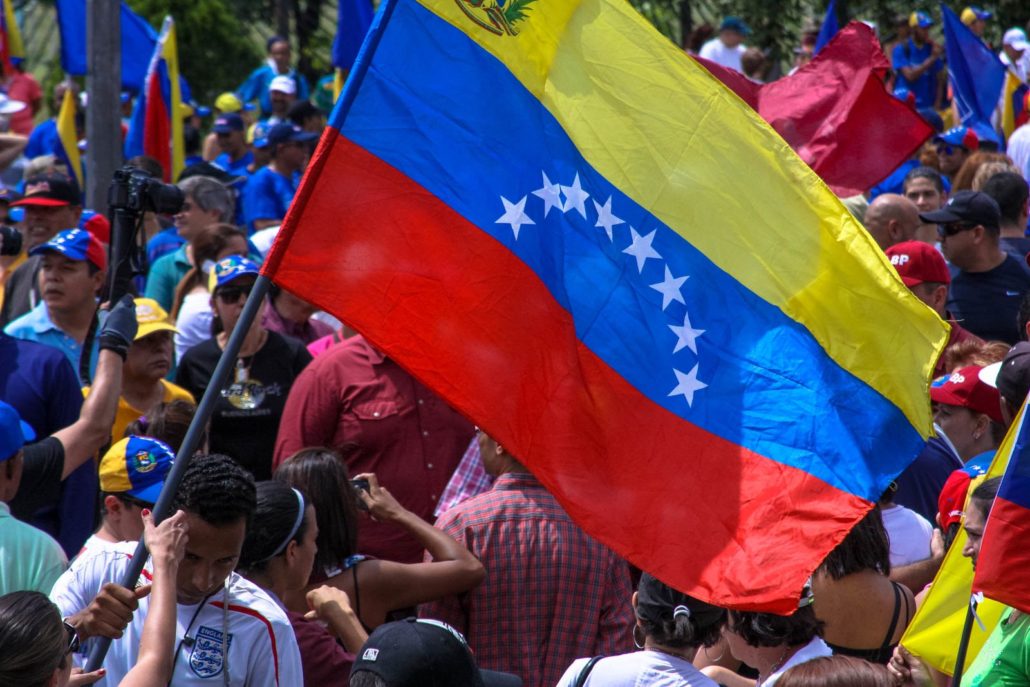
People have long associated the current humanitarian crisis in Venezuela with the autocratic governance of late President Nicolás Maduro and decades of socioeconomic downfall. Gross political corruption persists in Venezuela that constitutional violations show. These began in 2017 and have barred acting president Juan Guaidó from assuming the duties of his office. In September 2019, The UN Human Rights Council dispatched a team to the country to investigate alleged human rights abuses, including state-sanctioned killings, forced disappearances and torture. With this information in mind, here are the top 10 facts about human rights in Venezuela.

Top 10 Facts About Human Rights in Venezuela

  1. The Situation: Deteriorating social and economic conditions in Venezuela have incited a refugee crisis in the country. Since 2014, more than four million Venezuelans have fled (a figure which excludes unregistered migrants). Displaced by violence and corruption, Venezuelan migrants struggle to obtain legal residence, food security, education and health care resources in the nations they flee to. These bureaucratic hurdles and unstable living situations force many to return home.
  2. Maduro and Corruption: The dismantling of Venezuela’s National Assembly in March 2017 was the Maduro Administration’s first attempt of many to silence political opposition. The move stripped the opposition-led parliament of its legislating powers and immunity—important checks against potential exploits by the executive branch. Research from Amnesty International confirms that Maduro’s government used torture, unhinged homicides and extrajudicial executions to maintain support in the years following this constitutional scandal.
  3. Protests and Arrests: Nationwide protests and demonstrations began in 2014 in response to human rights violations and a buckling economy. According to the Penal Forum, authorities have arrested more than 12,500 people between the years 2014 and 2018 in connection with protests. Security personnel and government-backed militias often use excessive force—tear gas, firearms, asphyxiation, severe beatings and electroshock, etc.—against protesters and detainees in order to quell resistance efforts.
  4. Censorship: Maduro’s regime has used censorship of mainstream media to control Venezuelan civilians and eliminate its critics. A pervasive fear of reprisal effectively denies Venezuelans their freedom of expression and speech.  During times of global scrutiny, the government has blocked online news broadcasts, VPN access and streaming services to curb bad press and anti-government organizing. The government staged an information blackout in February 2019 in response to a clash between the military and aid convoys at the Colombian border.
  5. Political Bribery: The Venezuelan government has used political bribery to keep Venezuelans compliant. The government has used its monopoly on resources to withhold food and other basic goods from dissenters and reward supporters with the same incentives. In 2016, Maduro launched the government-subsidized food program, Local Food Production and Provision Committees (CLAPS). Through this insidious program, Venezuelans received monthly (oftentimes late or empty) food shares in exchange for having their voting activity tracked.
  6. Human Rights Crisis Denial: In February 2019 Maduro denied claims to the BBC that the country was undergoing a human rights crisis. He has repeatedly used the same rhetoric to reject foreign aid and unassailable evidence of health and welfare shortages in the country, by equating the acceptance of aid with the fall of his regime. That same month, there were disputes over $20 million in U.S. and European aid shipments at the Colombia-Venezuela border.
  7. Venezuela’s Inflation Rate: The International Monetary Fund forecasts Venezuela’s inflation rate will reach 10 million percent in 2019. Food scarcity and hyperinflation have led to millions of cases of malnutrition and premature death, especially amongst children.
  8. Doctors and Hospitals: Twenty thousand registered doctors have left Venezuela between 2012 and 2017 due to poor working conditions and growing infant mortality rates. Hospitals are unhygienic and understaffed, lacking the medicine and medical equipment to accommodate the excess number of patients. Tentative water sources and power outages make most cases inoperable, presenting a liability to doctors and causing untreated patients to become violent.
  9. Death Squads: In June 2019, the UN reported that government-backed death squads killed nearly 7,000 people from 2018 to May 2019. Maduro attempted to legitimize the killings by using the Venezuelan Special Police Force (FAES) to conduct the raids, which he staged through family separation techniques and the illegal planting of contraband and narcotics. Again, Maduro devised this strategy to threaten political opponents and people critical of the Maduro government.
  10. Human Trafficking: A 2016 report conducted by the U.S. Department of State condemned Venezuela’s handling of human trafficking in the country, in both regards to sex trafficking and internal forced labor. Venezuela lacks the infrastructure to properly identify and assist trafficking victims due to governmental corruption and rampant gain violence which facilitates human trafficking and forgoes accountability. Traffickers often trick or coerce Venezuelan migrants into the sex trade. In fact, 10 percent of 1,700 recorded trafficking victims in Peru between 2017 and 2018 were Venezuelan.

The top 10 facts about human rights in Venezuela should read as a call to action. Global aid agencies and national governments are currently working to bring humanitarian aid to Venezuelans and the growing Venezuelan migrant community. While the current political climate complicates internal relief efforts, spreading awareness about the state of human rights in Venezuela is the first step in addressing the crisis.

Cuarto Por Venezuela Foundation is a nonprofit organization conceived in 2016 by four Venezuelan women living in the United States eager to alleviate the situation at home. The Foundation works to create programs and partnerships to deliver comprehensive aid to Venezuelans in need. In 2018, the organization shipped over 63,000 lbs. of medicine, food and school supplies to Venezuela (four times the number of supplies shipped the previous year). Additionally, its health program has served nearly 40,000 patients to date through vaccination and disease prevention services.

– Elena Robidoux
Photo: Flickr

October 24, 2019
https://borgenproject.org/wp-content/uploads/borgen-project-logo.svg 0 0 Jennifer Philipp https://borgenproject.org/wp-content/uploads/borgen-project-logo.svg Jennifer Philipp2019-10-24 08:44:372020-01-18 15:01:28Top 10 Facts About Human Rights in Venezuela
Developing Countries, Development, Economy, Global Poverty

How the World Bank is Driving Human Capital Development in Somalia

Somalia is one of the 10 poorest countries in the world. UNICEF estimates that 43 percent of the Somali population live on less than a dollar a day, while around half of the labor force is unemployed. Social unrest caused by a long civil war, coupled with weak institutions have contributed to devastatingly high levels of poverty in the region. One especially prominent effect of this has been the incredibly weak education system in Somalia. Only half of the Somali population is literate and in 2016, only 32 percent of Somali children were enrolled in school. This has undermined much of the government’s attempts to build successful anti-poverty initiatives, as economic development requires substantial improvements in the human capital development of Somalia.

Partnership with the World Bank

Somalia had previously been unable to attain a partnership with the World Bank, due to high levels of debt carrying over from previous World Bank loans. However, the ambitious economic reforms of the new Somali government which was established in 2012, offer hope for improvement, culminating in the new Country Partnership Framework established by the World Bank in 2018. The World Bank has dedicated its resources to aiding the Somali government in developing stronger institutions and economic growth, in line with the government’s National Development plan. As a result of the new partnership, the World Bank now accounts for 15 percent of total financing (around $28.5 million) for Technical and Vocational Education and Training programs in Somalia.

Human Capital Investments

These investments play a significant role in human capital development, as they offer an opportunity for Somalia to diversify its economy and offer the potential for granting individuals access to sustainable long-term income. This is especially true of the role that education plays, as creating a more educated population can be vital to ensuring continued economic growth, reducing the overall reliance on foreign aid. Improvements in human capital have the potential for massive returns. The World Bank estimates that human capital growth can produce a 10 to 30 percent increase in per-capita GDP, providing economic resilience, as well as developing the tools necessary to help lift a country out of poverty. 

Such programs can play a vital role in improving employer confidence and organizing effective human capital advances. While many other reforms may contribute to economic growth, it is important to note that since the World Bank began the partnership in 2018, the country’s GDP has grown by 0.7 percent.

Overall, by securing this partnership with the World Bank, Somalia is working toward major educational reforms to boost human capital development for this and future generations.

– Alexander Sherman
Photo: Flickr

October 24, 2019
https://borgenproject.org/wp-content/uploads/borgen-project-logo.svg 0 0 Lynsey Alexander https://borgenproject.org/wp-content/uploads/borgen-project-logo.svg Lynsey Alexander2019-10-24 08:39:082024-05-29 23:13:14How the World Bank is Driving Human Capital Development in Somalia
Child Labor, Education, Global Poverty

10 Facts About Child Labor in Afghanistan

10 Facts About Child Labor in Afghanistan
Child labor is prevalent in Afghanistan partly due to the quarrelsome war between its government and the Taliban. The country remains one of the poorest in the world where corruption and greed riddle workplaces. Children work long hours and in servile ways to provide goods for their families. It is the only way they are able to survive in an environment marked by poor conditions and minimal social opportunities. Below are 10 facts about child labor in Afghanistan.

10 Facts About Child Labor in Afghanistan

  1. The Motivation for Child Labor: A quarter of kids between the ages of 5 and 14 in the country suffer the burden of working in jobs that are hazardous to their health and well being. The main reason kids work is to help their families survive economically and bring food to the table.
  2. Types of Labor: Children work in many dangerous jobs, such as metal workers, tinsmiths, welders, miners, in the carpet industry and street vendors where the hours are long and the pay is not favorable. One of the jobs that children most fear is bonded labor where they work in brick kilns. Bosses force the children to owe a debt and it becomes insurmountable. The salary children earn is not enough to help them and their families afford a daily meal.
  3. Minimum Employment Age: Afghanistan’s labor law states that the minimum employment age is 18 and prohibits children under 14 from working. Children between the ages of 15 and 17 can work in jobs that express vocational training where the environment is not harmful. The hazardous conditions children must go through at work violates the country’s labor laws.
  4. Limited Enforcement of Labor Laws: According to the Human Rights Watch, the labor law was due for an overhaul to meet international standards, but the government abated its plans to do so. This further interfered with the notion of a child-labor-free country. The safety of children is in jeopardy because the government has not enforced the prohibition against child labor. Children working in prohibited and dangerous jobs go unnoticed as a result of the government’s lack of capacity to inspect workplaces.
  5. Terrorist Groups: Every day, the country’s ongoing war makes matters worse by forcing children to live in constant fear. Various cities in Afghanistan become targets for terrorist groups on a daily basis. Children are at high risk of armed groups abducting them as well as being vulnerable to spontaneous attacks. Armed groups recruit children for use in an armed conflict where many of them face serious injuries, psychological damage and death. In 2018, the country’s government opened a juvenile rehabilitation center for kids formally involved in an armed conflict where it served 34 children.
  6. A Barrier to Education: According to Afghanistan’s Central Statistics, 55 percent of the country’s population lives in poverty. Illiteracy occurs because of the country’s high poverty level where many parents are not able to afford the prices for their children’s education. Around 3.7 million kids between the ages of 7 and 17 do not attend school, and 60 percent of them are girls. Children lose the opportunity to go to school because they need to work long hours in order to make a living and provide for their families’ basic needs. Armed groups constantly target school buildings to use as training grounds, leaving many kids in fear of attending classes.
  7. Girls Education: There is a very low enrollment rate for girls due to the lack of female teachers in Afghanistan. The education system is flawed and only 48 percent of teachers in the country possess minimum academic qualifications. Many schools lack the proper sanitation facilities needed to encourage girls to enroll and only 16 percent of schools in the country are all-girls.
  8. Girls’ Access to Teacher’s Education: To improve conditions, Girls’ Access to Teacher’s Education, a UNICEF supported program, offers a training course to female students in high-school who want to become teachers. UNICEF supported 5,300 community-based schools and accelerated learning centers in 2018, where children learn critical life skills and basic literacy and numeracy skills. As a result, 150,000 students, more than half of them girls, benefited from the organization’s well-doing. In addition, UNICEF worked with the Ministry of Education to provide hand washing stations, safe drinking water and menstrual hygiene curricula to various schools in the country.
  9. Dangers of Migration: Many children flee Afghanistan as a result of the violence and poverty that plague the country. Some kids go to Iran where they continue to work in hazardous environments. They do not attend school. Returnees are vulnerable to recruitment by armed groups and traffickers.
  10. Displacement Due to Natural Occurences: Displacement of populations is a constant occurrence in the country and a major cause of child labor. It is also a reason why poverty remains persistent. Natural occurrences such as floods force families to leave their communities and start a new life. In 2018, a displacement of 266,000 people in the northern and western parts of Afghanistan came as a result of severe drought, further perpetuating child labor along with the selling of daughters for marriage.

The 10 facts about child labor in Afghanistan above demonstrate how the country is in a state of crisis due to high poverty levels among the population. Child labor remains a main obstacle that people around the world need to be aware of in order to make a difference. Afghanistan’s current war only adds to the challenge. However, organizations like UNICEF are working hard to fix the issue and inspire economic progress.

– Eduardo Hernandez
Photo: Flickr

October 24, 2019
https://borgenproject.org/wp-content/uploads/borgen-project-logo.svg 0 0 Jennifer Philipp https://borgenproject.org/wp-content/uploads/borgen-project-logo.svg Jennifer Philipp2019-10-24 07:06:282020-01-18 15:02:5110 Facts About Child Labor in Afghanistan
Developing Countries, Development, Global Poverty, Health

Importance of a Sustainable Livestock

Building Sustainability through LivestockAround the world, billions are lost to see how vital livestock is to a sustainable lifestyle. For many in the developed world, the meat we buy at the grocery store every week and the process it has to go through may seem a bit amorphous and, some would argue, potentially problematic from an ethical perspective. The importance of sustainable livestock is crucial, not only to those of us lucky enough to be able to simply pick up a wide range of meats at a variety of places, but it can be the marker of success for local farmers and businesses in the developing world.
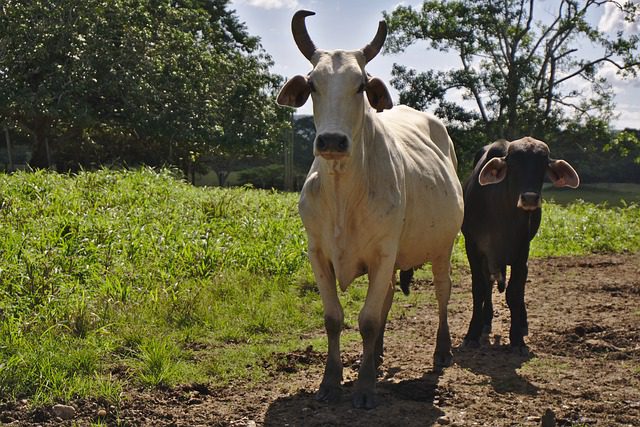
For those around the world that tend to livestock, they rely on it as a primary food source as well as for economic means. As a source of protein and nutrients, livestock is irreplaceable. Poor and developing countries find it difficult to access nutritionally balanced foods. Therefore, access to livestock such as cows and goats can provide much-needed food and economic relief when it comes to supporting yourself, your family and local businesses with products such as eggs, milk and other dairy products.

The acquisition is especially important in areas that are suffering severely from malnutrition. This is not lost on organizations such as, Oxfam and Heifer International that offer a charitable donation in the form of giving a family the much needed, “gift of sustainability,” as Oxfam calls it, such as a goat. Also, the economic and health benefits of owning livestock are not lost on many nations either. For example, Rwanda has initiated a government assistance program called One Cow per Poor Family (also known as Girinka).

A new study has expressed that this program shows great promise in limiting food insecurity. With Agriculture supporting 80 percent of the Rwandan population, owning livestock can also help with limiting the negative effects of soil infertility. However, in the absence of government assistance programs such as these, many poor families will be left with few options, should their crops fail or if other sources of income are dried up. And while there is no shortage of options when it comes to donating to help with food sustainability in underdeveloped nations, livestock sustainability sadly and continually falls to the waste side.

“The contribution of livestock to the wider rural economy remains under-appreciated by all players in development, except farmers,” says The Guardian in their article, “It’s time to recognize the important role livestock play in tackling poverty.” And with under-appreciation or lack of knowledge typically comes under-development and lack of funding. Additionally, livestock can take on many roles as it helps to keep families from slipping further into economic depression. For example, if the crops that the livestock are helping cultivate suddenly take a devastating turn, as they will often do, families will also have the option of selling the livestock itself to stay afloat.

Livestock also can give women in local communities the chance to not only make a profit but also help build economic sustainability for themselves as well. In a world where half the farmers are female, many women have taken the helm when it comes to raising and cultivating livestock. This work, which can be incredibly profitable, will not only give women a source of income and potential economic independence, but studies have shown that with these newfound funds, women will invest a majority of it back into the household. Those are expanded investments in school, food, healthcare, etc.

With the help of livestock, communities that are being ravaged by poverty have a chance to not only pull themselves out of it, but they provide an opportunity to build a sustainable future for themselves and their community. As long as livestock is brought to the forefront of discussions about poverty and development, then global sustainability can see greater positive results.

– Connor Dobson
Photo: Flickr


October 24, 2019
https://borgenproject.org/wp-content/uploads/borgen-project-logo.svg 0 0 Kim Thelwell https://borgenproject.org/wp-content/uploads/borgen-project-logo.svg Kim Thelwell2019-10-24 06:29:162020-01-18 15:03:18Importance of a Sustainable Livestock
Global Poverty, Technology

Improving Ghana’s Local Health Using Drones

Improving Ghana's Local Health
Ghana is a small West African country located on the Gulf of Guinea. Agricultural and mineral outputs mostly make up the country’s income. Ghana was the first African state to gain independence in 1957 and has a population of approximately 28,102,471 people. Although Ghana is one of the more stable countries in Africa and has one of the lowest reported HIV infection rates, the country still faces a multitude of health care issues. However, there has recently been a partnership between the Ghanian government and a tech company to work towards improving Ghana’s local health.

Illnesses in Ghana

A variety of illnesses in Ghana are similar to those occurring in developed countries, however, some of these illnesses can be more potent in areas like Ghana. These illnesses include trauma, women’s health issues, pregnancy complications and infections. HIV/AIDS hit Ghana slightly less than other African countries, but it still caused the deaths of 10,300 people in 2012. HIV/AIDS now stands at number six on the list of the top 10 causes of death in Ghana after malaria, lower respiratory infections, neonatal disorders, ischemic heart disease and stroke.

The anopheles mosquito can transfer malaria, but people can also transmit the illness through organ transplants, shared needles or blood transfusions. Malaria most commonly affects pregnant women and children. In 2012, malaria caused the deaths of 8.3 percent of the Ghanian population. It was also the leading cause of death among children under 5, dealing fatal damage to 20 percent of children in that age group. One of the primary reasons for visits to the hospital is infections. Medical professionals can easily treat most malaria cases with three days of pills from the government, however, some may suffer repeated bouts of malaria and it can be fatal is they do not receive treatment.

Ghana’s Medical Drone Delivery Program

In April 2019, Quartz Africa detailed that a community health nurse at the New Tafo Government Hospital in Ghana’s Eastern Region, Gladys Dede Tetteh, ran out of yellow fever vaccines. Mothers and their babies had to wait in a long line in the hot weather. The facility made an order for more vaccines, but in the past, deliveries often took two hours or more to arrive by road from the central medical stores. However, 21 minutes later, from 80 meters in the sky, a drone released a box onto a small lawn quad in the hospital. New Tafo Government Hospital was the first to sign up for Ghana’s new medical drone delivery program to receive medical products from unmanned aerial vehicles. The aim of this program is to reach hard-to-reach communities quickly and efficiently.

The Ghana Health Service’s Partnership with Zipline

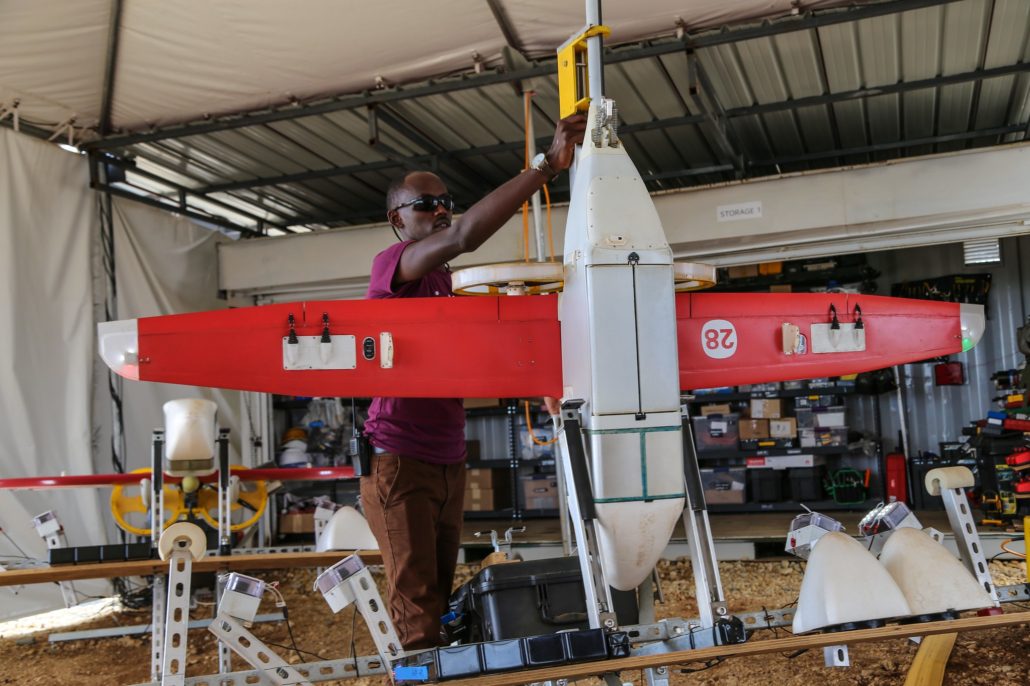
The Ghana Health Service recently began a partnership with Zipline, a drone company with the mission of giving every person instantaneous access to medical supplies. Ghana’s Vice President, Mahamudu Bawumia, officially launched the medical drone program on Wednesday, April 24, 2019. Zipline is a partner of the United Parcel Service (UPS), which also provided support when it opened its Rwanda program. Zipline also gained support from the Bill and Melinda Gates Foundation and Pfizer. Zipline’s Omenako center in Ghana is the first of four centers that the company plans to construct by the end of 2019. Zipline also plans to provide supplies to 2,000 health care facilities in order to serve 12 million Ghanaians once it completes all four centers.

Each distribution center will have 30 drones that will work together to make 500 deliveries a day. Zipline approximates that it will be able to make 600 delivery flights a day in total. Many claim that the drones are some of the fastest delivery drones in the world. The drones can fly up to 75 mph, transport around four pounds, fly as high as 99 miles and operate in various types of weather and altitudes.

Zipline’s Role in Reducing Deaths and Providing Vaccinations

The World Health Organization states that “severe bleeding during delivery or after childbirth is the commonest cause of maternal mortality and contributes to around 34% of maternal deaths in Africa.” Ghana’s policymakers expressed that they believe that this new drone delivery system is the first step to improving Ghana’s local health by decreasing maternal and infant mortality rates.

The drones will deliver to 500 health facilities from the Omanako center which has vaccines and medications. With the aid of Ghana’s Expanded Program on Immunization (EPI), Zipline drones will be able to provide support to those suffering from yellow fever, polio, measles & rubella, meningitis, pneumococcal, diphtheria, tetanus and more. Gavi provides the vaccines, which is an international organization with the intention of improving children’s access to vaccines in poor parts of the world. Drones will be able to pass where ground vehicles cannot, such as where there is underdeveloped or poorly maintained road infrastructure. Many also expect that the drone delivery program will reduce wastage of medical products and oversupplied hospitals.

Zipline aims to improve access to vital medical supplies, which in turn will hopefully reduce mortality rates and add to efforts in improving Ghana’s local health. Zipline’s mission in Ghana has only just begun, but so far it has been able to significantly reduce the time it takes to deliver important health supplies. Getting medical supplies and vaccines faster may be able to save a few lives in the future as well. Health issues and diseases like malaria continue to be the major causes of death in Ghana, but Zipline and the Ghanian government are making steps towards improving access to health care.

– Jade Thompson
Photo: Flickr

October 24, 2019
https://borgenproject.org/wp-content/uploads/borgen-project-logo.svg 0 0 Jennifer Philipp https://borgenproject.org/wp-content/uploads/borgen-project-logo.svg Jennifer Philipp2019-10-24 05:21:502024-05-29 23:14:41Improving Ghana’s Local Health Using Drones
Global Poverty, Malaria, United Nations

Malaria Treatment in Burundi

Malaria treatment

At the young age of six years old, YouTube and comedy star Kacaman (aka Darcy Irakoze) just became the latest victim of malaria in Burundi. He was one of the biggest names in Burundi’s comedy scene and had thousands of views on YouTube. His videos, featuring the rural dirt floors and rusty villages of Burundi, were lighthearted and melodramatic skits starring himself and other comedians/actors. Darcy Irakoze is just one example of the need to improve malaria treatment in Burundi.

A Silent Crisis

Kacaman’s death brings to light an often-unspoken crisis: Burundi’s malaria epidemic. Nearly half of the country’s population has been affected by malaria this year. Of that number, 1800 have died from the disease. This staggering amount actually rivals the number of deaths from Ebola in the neighboring Democratic Republic of the Congo.

Poor preventative measures have been the driving factors behind the epidemic. These include a lack of mosquito nets, the movement of the population with low immunity to malaria from mountain areas to city areas and various changes in climate. The crisis has received some attention from the World Health Organization and the United Nations, but it remains remarkably untouched as a result of the current leadership. Afraid of admitting weakness in health policies, President Nkurunziza is hesitant to admit he needs help increasing malaria treatment.

An Epidemic of the Poor

The brutal reality that a six-year-old boy in Burundi can access the internet and YouTube but not malaria treatment presents a serious call for action. Often referred to as the “epidemic of the poor,” malaria disproportionately affects poverty-stricken areas like Burundi because of the expense required to purchase preventative measures and medical treatment.

The disease presents many ramifications for family members of the sick. They deal with psychological pain, the strain on already tight budgets and job loss. Additionally, malaria damages the economic wellbeing of countries as it decreases the chances of tourism and foreign investment. This keeps poor countries in a vicious cycle because they are unable to provide enough funds for malaria treatments or to improve other aspects of their country.

What Is Being Done?

Innovations like the Kite patch offer promising improvement for malaria prevention. The patch works by making humans virtually invisible to mosquitoes for up to 6 hours, stopping any bites. The company is working to distribute the patch around the world through the Kite-Malaria-Free Campaign, but it still needs more funding. The World Health Organization has launched the “high burden high impact” campaign as a response to countries facing extremely large epidemics. This entails a more aggressive approach to preventing and treating malaria by working with national governments in each of the countries to create an organized and strategic approach.

Increasing prevention is still vital in the fight against malaria. Widespread distribution of mosquito nets and insecticide in areas where these items are inaccessible or too expensive could yield massive results. More effective antimalarial treatments are also needed to fight malaria. The problem of the developing resistance to antimalarials in certain populations needs to be addressed to increase the efficacy of the drugs. Finally, a successful malaria vaccination needs to be more accessible. A semi-effective vaccine has been developed, but the technology still requires some fine-tuning.

It is likely at least one child will have died from malaria in the last minute. Kacaman was one of those children. His death should inspire a revitalized passion and determination to conquer malaria. While some incredible advances have been made, more is needed. Hopefully, these efforts can make this world one where malaria treatment and prevention is just as viral as YouTube.

– Hannah Stewart
Photo: Flickr

October 24, 2019
https://borgenproject.org/wp-content/uploads/borgen-project-logo.svg 0 0 Jennifer Philipp https://borgenproject.org/wp-content/uploads/borgen-project-logo.svg Jennifer Philipp2019-10-24 01:30:322024-05-29 23:12:28Malaria Treatment in Burundi
Global Poverty, Migration

Where is the Northern Triangle?

Where is the Northern Triangle?
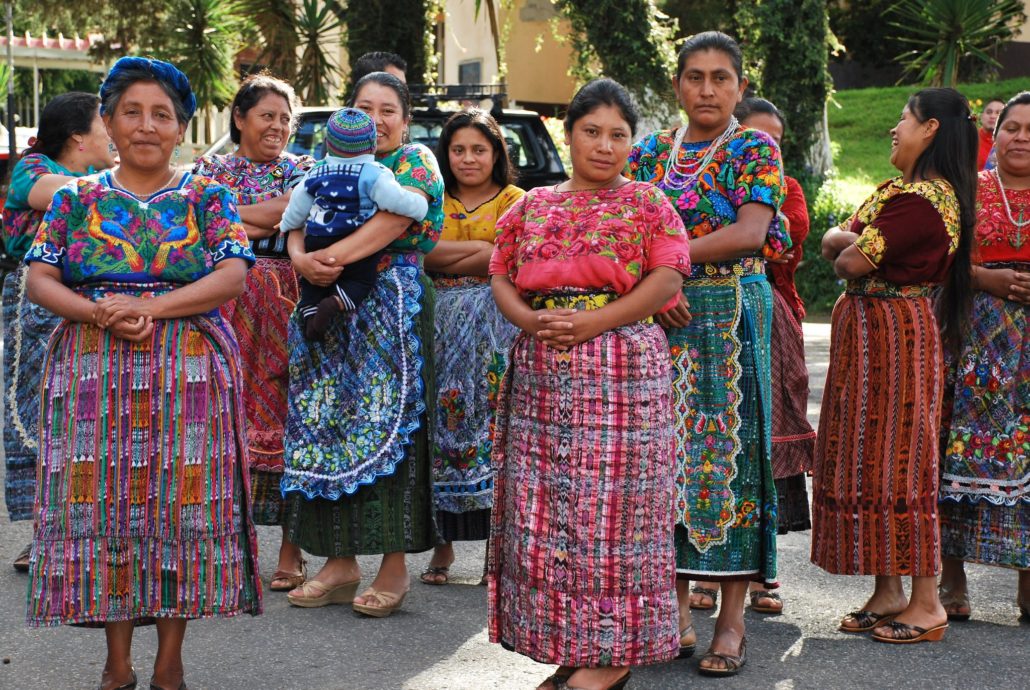
With a long history of political and economic instability, the Northern Triangle has provided little reason for citizens to stay. Where is the Northern Triangle? This emigration haven lies in Central America and comprises of Guatemala, El Salvador and Honduras.

Causes of Emigration

In short, the main emigration drivers in the NTCA involve political corruption (due to past wars and ongoing greed), economic instability (due to droughts and poor trade practices), gang violence (related to lack of educational and rehabilitation programs) and family matters (attributed to desired remittance and reunification with distant family).

The NTCA’s past, current and potential (up-for-office) political officials consistently squander the countries’ limited funds for personal advancement at the cost of its people. These authoritarian countries recently switched to democratic rule, but its leaders lack the experience and morale necessary to implement a well-running democracy. Low tax rates and lack of direction prevent subsidization of social, civil, health-related and educational programs and protection agencies vital to the NTCA’s transition to a safe, thriving region.

Since 2014, the U.S.A.’s Millenium Challenge Corporation (MCC) has collaborated with the NTCA to fund over $315 million of specialized programs improving tax administration, youth workforce and public-private markets across Guatemala, Honduras and El Salvador. Efforts from the MCC help the 25 percent of youth who do not work or attend school in these countries. As of 2017, nearly 60 percent of youth who do work do so informally or unregulated by the government.

Crime Management, Informal Work and Gangs

Beyond educational and vocational pitfalls, these countries possess poor crime management. NTCA homicide rates have decreased since 2014, but they remain higher than the global average. The Atlantic Council reports 75 percent of NTCA citizens as doubting their judicial systems’ ability to protect them. This primarily stems from the nearly active gang violence and 95 percent of homicides that go unsolved in these countries. According to the U.S. Global Leadership Coalition, six children flee to the U.S. per every 10 homicides in the Northern Triangle. This leads to the separation of families and greater difficulty in establishing long-lasting labor practices in these countries.

Informal work is another causal factor of emigration as people search for better financial opportunities. The U.S. is such a major destination for these emigrants, it is no wonder many U.S. Americans might ask “Where is the Northern Triangle?” In fact, in the first five months of FY2019, authorities apprehended about 26,937 Unaccompanied Alien Children (UACs) and 136,150 families at the U.S.-Mexican border, with nearly 47 percent of UACs and 49 percent of families, 25 percent of UACs and 38 percent of families and 11.5 percent of UACs and 9 percent of families coming from Guatemala, Honduras and El Salvador, respectively. These emigrants inadvertently create financial burdens, safety threats and attention deficits in the U.S.

UACs pose a huge threat to U.S. borders because of their use by gang members. U.S. immigration legislation, like Obama’s catch-and-release policy and the Dept. of Health and Human Services’ Trafficking Victims Protection Reauthorization Act of 2008 (TVPRA), allow gangs to get around policies involving UACs. Gangs make about $1,500 per smuggled child in border regions that they control and oftentimes convert UACs into gang members once they settle in U.S. territory. In return, alien-driven crime and the U.S. opioid epidemic continue to implode. Furthermore, transnational government corruption with cartel commerce continues.

According to U.S. Representative Norma J. Torres (D-CA), the State Department gave Congress an incomplete watch-list of criminal Northern Triangle government officials as the National Defense Authorization Act for Fiscal Year 2019 required. Thus, skepticism surrounds U.S. and NTCA political ties in criminal activity. Overall, government corruption and U.S. immigration policy loopholes remain pressing obstacles to boosting the workforce and prosperity of the Northern Triangle.

US Humanitarian Efforts

Fortunately, many U.S. humanitarian efforts positively impact life in the Northern Triangle. Notably, in the Plan Columbia (PC) of 1999, the U.S. gave Columbia $10 billion for economic and anti-narcoterrorist efforts. In return, Columbia acts as a key trader with the U.S. and a facilitator of progression tactics in NTCA. Similarly, the U.S. derived the Dominican Republic-Central America Free Trade Agreement (CAFTA-DR) of 2006 that supports Northern Triangle involvement in commerce and exposure to retail chains.

The U.S. also works with the Inter-American Development Bank to fund a billion-dollar improvement strategy written by the NTCA presidents. Within this strategy, called the Plan of the Alliance for Prosperity in the Northern Triangle, the three presidents provide strategic pillars and action plans to put outside funds to effective use. Additionally, the U.S. works with Mexican and Northern Triangle governments through the U.S.-Northern Triangle Enhanced Engagement Act to improve security at the NTCA-Mexico border.

Outside of government action, several international organizations aid in Central American projects that chip away at NTCA poverty and political issues. Action Aid largely focuses on anti-poverty efforts in the NTCA. Care International, CHF International and Center for International Private Enterprise assist the NTCA with crime reduction and community support, youth education and empowerment and educated civilian political involvement, respectively.

Assistance from humanitarian groups and relationships with American countries help NTCA leaders impose more effective government policies and citizen-focused programs. With expertise and financial aid from more developed countries, the new democratic leaders can grow with the young workforce to build a long-lasting, more-trusting culture in Guatemala, El Salvador and Honduras.

In return, a reduction in emigration, the ongoing gang turmoil and behind-the-scenes narco relations can help lead to a more sustainable Northern Triangle. Increased focus on the source of NTCA emigration and continued assistance might alleviate the inquisitive question, “Where is the Northern Triangle?”

– Caroline Bell
Photo: Flickr

October 23, 2019
https://borgenproject.org/wp-content/uploads/borgen-project-logo.svg 0 0 Jennifer Philipp https://borgenproject.org/wp-content/uploads/borgen-project-logo.svg Jennifer Philipp2019-10-23 18:20:092024-05-29 23:13:23Where is the Northern Triangle?
Page 1195 of 2180«‹11931194119511961197›»

Get Smarter

  • Global Poverty 101
  • Global Poverty… The Good News
  • Global Poverty & U.S. Jobs
  • Global Poverty and National Security
  • Innovative Solutions to Poverty
  • Global Poverty & Aid FAQ’s
Search Search

Take Action

  • Call Congress
  • Email Congress
  • Donate
  • 30 Ways to Help
  • Volunteer Ops
  • Internships
  • Courses & Certificates
  • The Podcast
Borgen Project

“The Borgen Project is an incredible nonprofit organization that is addressing poverty and hunger and working towards ending them.”

-The Huffington Post

Inside The Borgen Project

  • Contact
  • About
  • Financials
  • President
  • Board of Directors
  • Board of Advisors

International Links

  • UK Email Parliament
  • UK Donate
  • Canada Email Parliament

Get Smarter

  • Global Poverty 101
  • Global Poverty… The Good News
  • Global Poverty & U.S. Jobs
  • Global Poverty and National Security
  • Innovative Solutions to Poverty
  • Global Poverty & Aid FAQ’s

Ways to Help

  • Call Congress
  • Email Congress
  • Donate
  • 30 Ways to Help
  • Volunteer Ops
  • Internships
  • Courses & Certificates
  • The Podcast
Scroll to top Scroll to top Scroll to top