Source: Haiti Babi
Information and stories addressing children.

Source: Haiti Babi

There are over 3 million children that are HIV-positive, with more than 90% of them living in Sub-Saharan Africa. The World Health Organization (WHO) recommends both efavirenz and nevirapine for first-line pediatric use in resource-limited settings such as sub-Saharan Africa. A recent study compared the first-line treatments for HIV-positive children and was conducted by the Children’s Hospital of Philadelphia and the Perelman School of Medicine at the University of Pennsylvania, along with colleagues at the Botswana-Baylor Children’s Clinical Centre of Excellence. The study found that initial treatment with efavirenz was more effective than nevirapine in suppressing the virus in children ages 3 to 16, and that nevirapine is less effective than efavirenz. Nevirapine, the less effective drug, is used much more often in countries with a high prevalence of HIV.
The study notes that nevirapine costs less than efavirenz and is more widely available in pediatric formulations, which may explain this disturbing fact. Studies that focused on adult treatment also found efavirenz to be more effective than nevirapine. Conclusively, the study states, “Given this evidence, it is very reasonable to adjust pediatric HIV treatment guidelines…more work should be done to make efavirenz a more financially viable option for children on anti-retroviral therapy in these resource-limited settings.”
– Essee Oruma
Source: allAfrica
Photo: Science Daily

“Trafficking in persons is a grievous offense against human dignity that impacts every country on earth, and disproportionately victimizes girls and children.” – Rep. Ed Royce (R-CA)
House Foreign Affairs Committee Chair Ed Royce opened a hearing on human trafficking on May 7th, 2013. The hearing will discuss local and private sector initiatives to combat human trafficking. Modern-day slavery, human trafficking is a growing global crime.
One of the things society must wrestle with is how the vulnerable are treated and protected as well as what their responsibility is in coming to the aid of the exploited. Human trafficking exists in every nation worldwide and targets women and children in disproportionate amounts. Numbers indicate over 20 million victims of forced labor and forced sex work worldwide. However, bigger than the numbers are the faces and stories of the victims, largely children, who have been stripped of their hope, innocence, and youth.
Chairman Royce’s Chief of Staff, Amy Porter, spent time in India and Cambodia serving victims of human trafficking. She recounts girls as young as 3 years old in awful, disgusting situations. Closer to home, it is estimated that 100,000 children in the US are victims of human trafficking. The Foreign Affairs Committee has worked tirelessly to get human trafficking on the minds of Congress and will continue to work hard to make the issue an urgent and pressing one in the coming weeks and years.
The hearing will look at some of the promising private sector and community partnerships going on worldwide and the implications of those innovative partnerships in eradicating human trafficking. The tools that are being developed and the relationships established on the local, community level may just be the answer to fighting human trafficking worldwide.
Videos of the Question and Answer session as well as the opening statement can be found here.
– Amanda Kloeppel
Source: House Foreign Affairs Committee
Photo: Jewish Journal
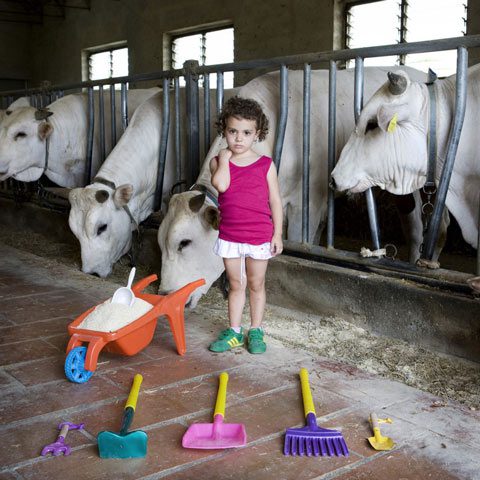
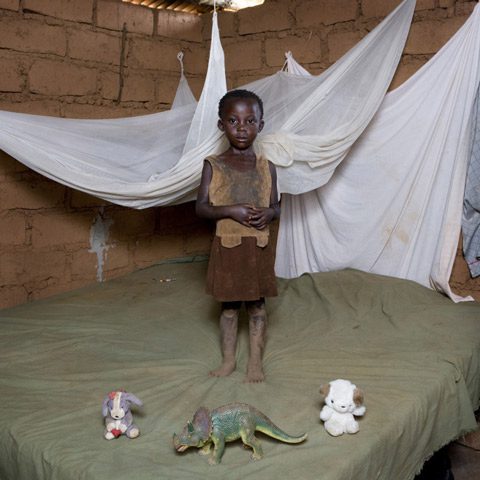
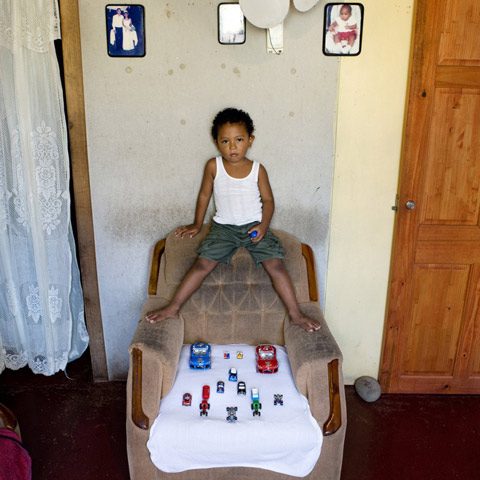
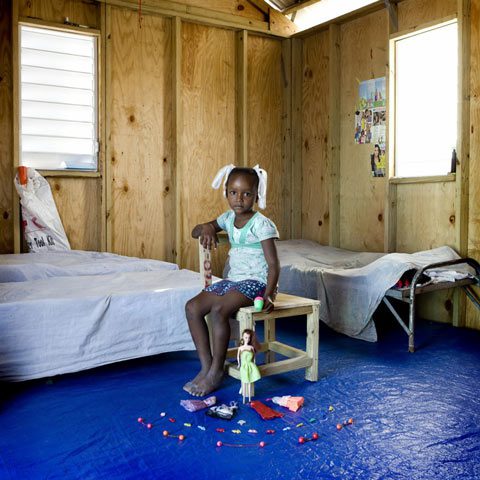
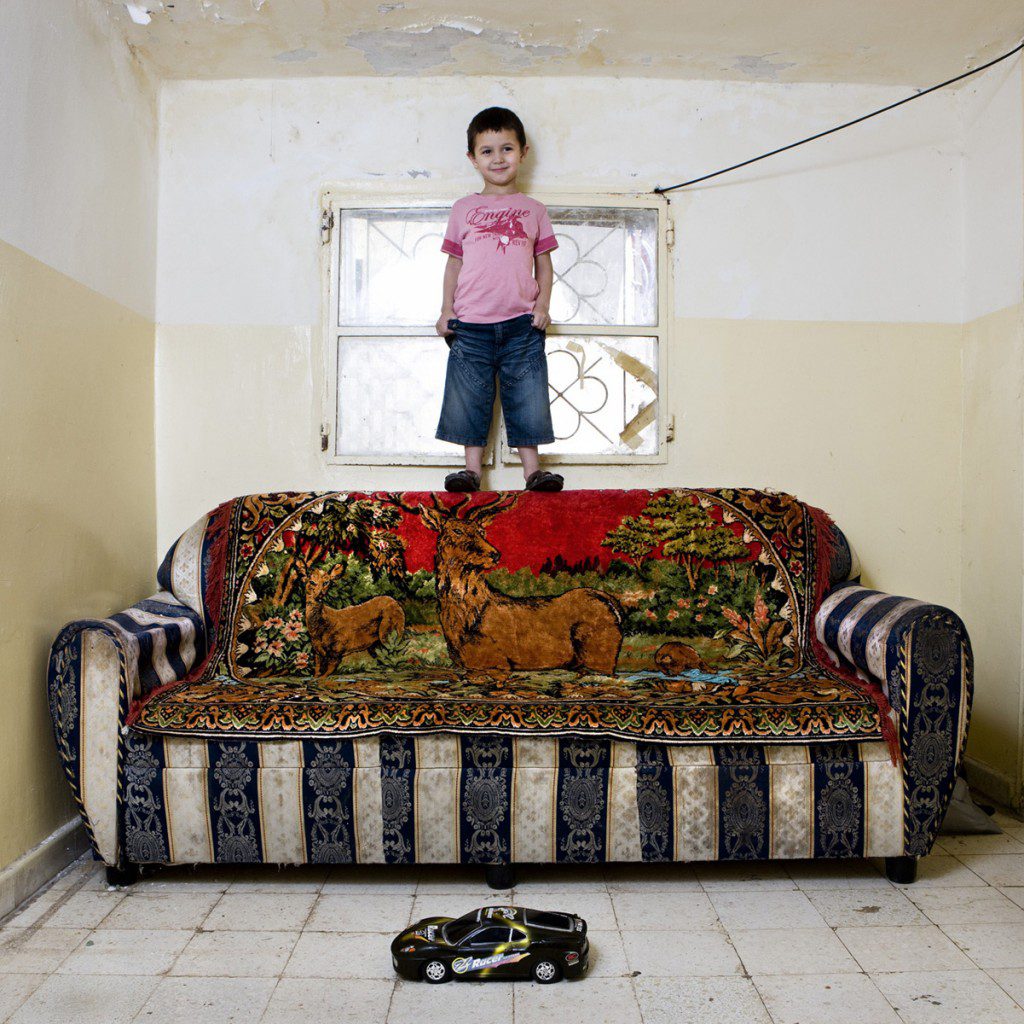
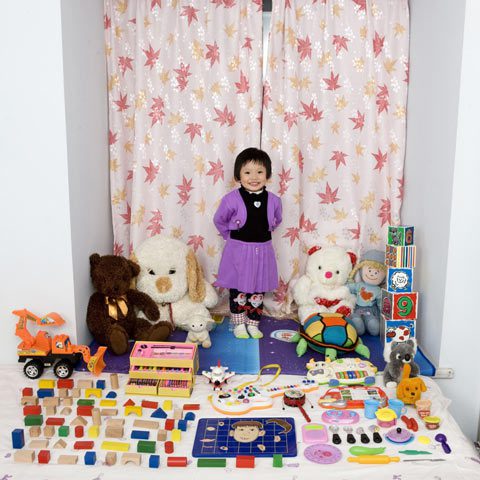
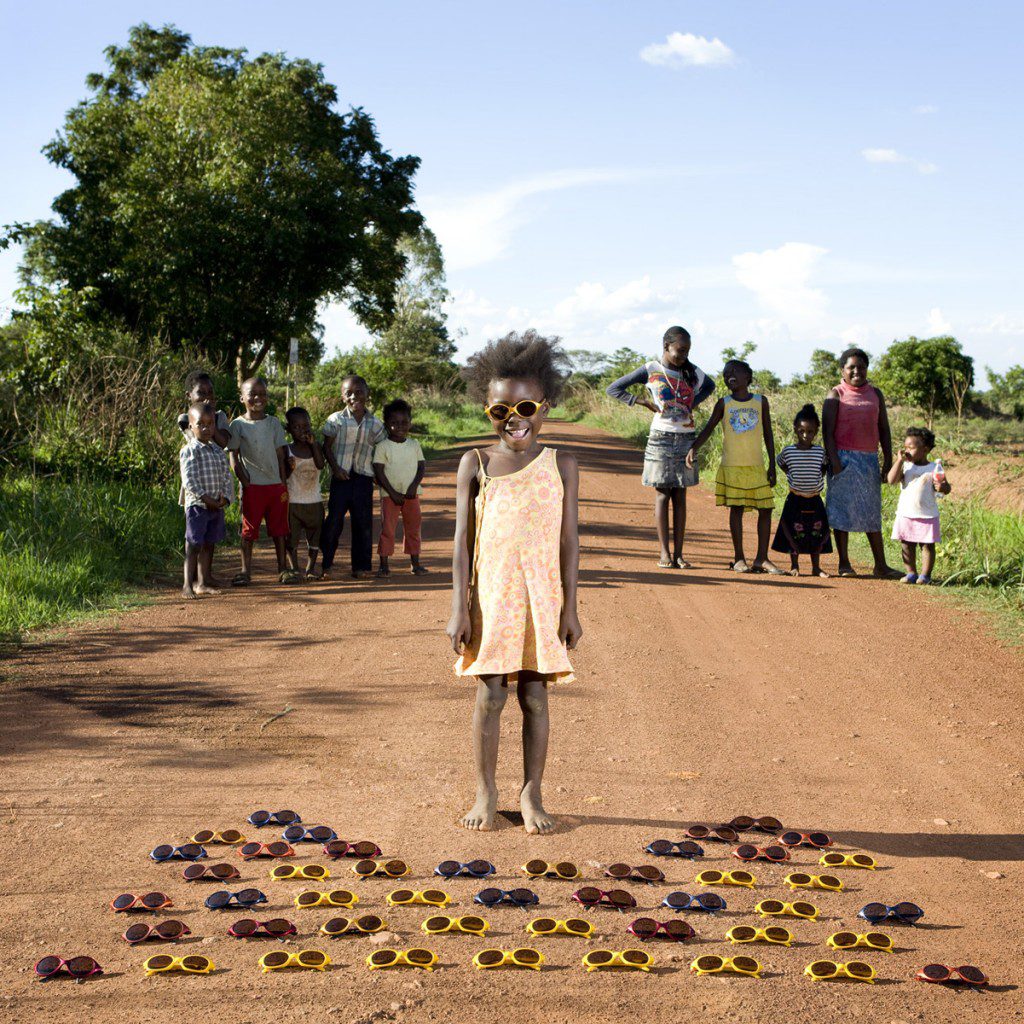
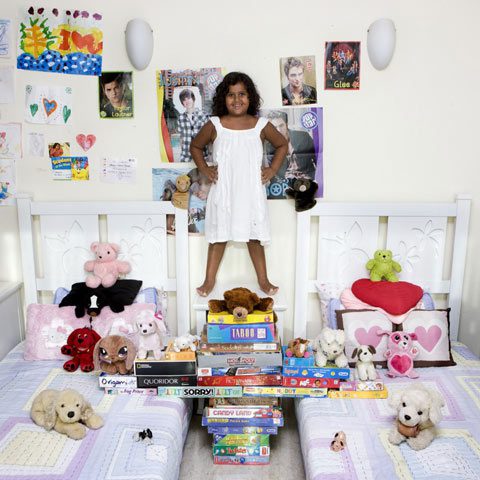
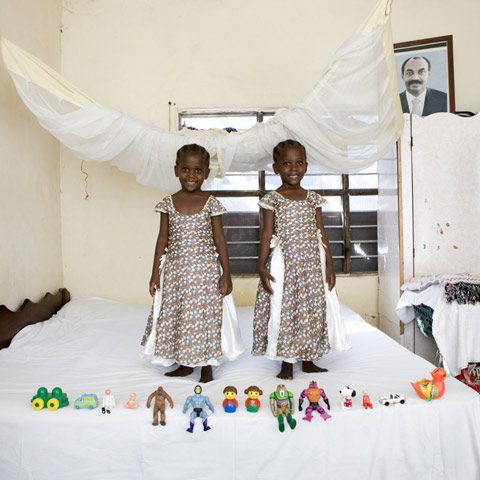
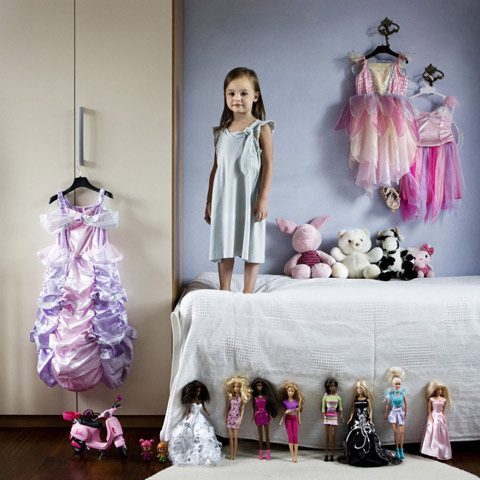
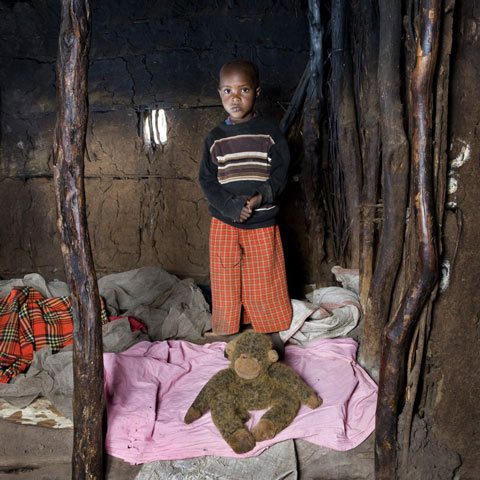
Italian photographer Gabriele Galimberti spent months traveling the world and captured children at their most vulnerable and innocent. His efforts were compiled into the project Toy Stories which documented children with their toys. For each child, Galimberti had them spread out in a very organized fashion all or some of their prized possessions and then photographed them. The toys even reflected not necessarily the socio-economic situations of each child but their geographical location or family’s occupation.
He also noted their demeanor and interaction with both him and the toys. Children in richer countries, he found, were more possessive with their toys while those from poorer countries were much easier to quickly interact.
But don’t be quick to jump to a pessimistic view that rich children are spoiled and don’t have the decency to appreciate what they have. Though it is true, it seems, that Galimberti’s experience illustrates such a pattern but keep in mind that they are just children. However, what this project shows and will hopefully stir up is a parent’s ability to help their children, no matter how young, to become aware of their luxuries and way of life and how those aren’t the same for everyone.
The notion that children are not able to understand such serious topics is completely unfounded. In fact, their strong sense of curiosity already creates the foundation of fostering care and awareness of poverty related issues, especially when it comes to other children. By starting with them at a young age, we can have a chance at making sure the next generation is internally wired to act and think differently about poverty to help end what perhaps this generation may only come close to doing.
Alessia- Catiglion Fiorentino, Italy

Enea- Boulder, Colorado

Chiwa- Mchinji, Malawi

Keynor- Cahwita, Costa Rica

Bethsaida- Port au Prince, Haiti

Taha- Beirut, Lebanon

Cun Zi Yi- Chongqing, CHina

Pavel- Kiev, Ukraine

Maudy- Kalulushi, Zambia

Shaira- Mumbai, India

Arafa & Aisha- Bububu, Zanzibar

Stella- Montecchio, Italy

Tangawizi- Keekorok, Kenya

– Deena Dulgerian
Source: feature shoot, gabriele galimberti

Childhood stunting effects a massive percentage of the world’s youth. UNICEF estimates that some 39% of children in the developing world are stunted. 40% of children in sub-Saharan Africa are stunted and in East and South Asia, estimates climb as high as 50% of children. The numbers tally in at 209 million stunted children in the developing world.
Childhood stunting is a condition that is defined as height for age below the fifth percentile on a reference growth curve. If, within a given population, substantially more than 5% of an identified child population have heights that are lower than the curve, then it is likely that said population would have a higher-than-expected prevalence of stunting. It measures the nutritional status of children. It is an important indicator of the prevalence of malnutrition or other nutrition-related disorders among an identified population in a given region or area.
Aside from inadequate nutrition, there are several other causes of childhood stunting. These include: chronic or recurrent infections, intestinal parasites, low birth weight, and in rare cases, extreme psychosocial stress without nutritional deficiencies. Several of these factors are influenced by each other. Low birth weight is correlated with nutritional deficiencies, and inadequate nutrition is correlated to chronic or recurrent infections.
One of the serious consequences of stunting is particularly impaired cognitive development. When a child has inadequate access to food, their body conserves energy by first limiting social activity and cognitive development in the form of apathetic and incurious children. These children may not develop the capacity to adequately learn or play. Then the child’s body will limit the energy available for growth.
Fortunately, studies have found that improvement in diet after age two can restore a child to near-normal mental development. Conversely, malnutrition after age two can be just as damaging as it is before age two. However, it is important to note that once stunting is established, it typically becomes permanent.
The reasons stated above serve as important reminders of why foreign aid and programs aimed at eliminating extreme malnutrition and nutritional deficiencies are so vital. The impact of new legislation focusing on increasing USAID and other foreign aid is substantial. Stunting can be seriously limited through the introduction of increased access to food security in the developing world. Knowledge of the facts surrounding stunting is also an important step in working to combat and eliminate childhood stunting worldwide.
– Caitlin Zusy
Sources: UNICEF, Future of Children

Josephine Bourne is the Associate Director of UNICEF. She sat down for an interview with the Inter Press Service to give her thoughts on the upcoming meetings to be held in Washington D.C. on the Global Education First Initiative.
The meetings will bring together Ministers in Finance from the Democratic Republic of the Congo, Haiti, South Sudan, Yemen, Nigeria, Ethiopia and Bangladesh. The topic of conversation will focus on sustainable solutions between the private sector and civil society organizations. The meetings will center around the importance of education on the global economy.
Bourne believes that the initiative will provide an increased pressure for political commitment in the field of education. She stated that UNICEF would like to continue to work towards ensuring education for the most vulnerable children, particularly girls, with disabilities as well as children living in conflict territories.
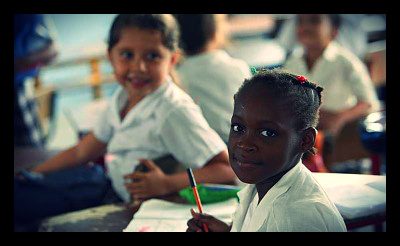
When Bourne was asked if there was one thing in particular that greatly diminished a child’s opportunity to obtain an education, she bluntly stated that being born into poverty as a girl in a rural area is a huge disadvantage. The longer a girl is able to attend school, the fewer children she will have – an incredibly important factor in poverty reduction.
Around the world, girls who have seven years of education have 2.2 fewer children than those that do not. When those girls have children, those children will be healthier and better educated, helping to lower the poverty percentage in their given communities. Bourne believes that this environment leads to economic growth, more female leaders, and more sustainable development.
In the interview, Bourne was also asked about gender equality and education. She said that girls from disadvantaged groups are oftentimes the most marginalized because of the special risks that could take them out of school. She believes that there is serious inequity in schools around the world.
Women’s education and empowerment have been a popular theme in the media lately with the recent release of the documentary “Girl Rising”. While this is a very positive thing, Bourne was quick to note, however, that the increased media attention to gender and education inequality, as well as the empowerment that comes with it are not enough to bring about social change. In her opinion, in order to create lasting change, we need the complete commitment of all duty bearers; from organizations such as UNICEF and the UN to parents and communities; to be involved in the promotion of the human right of education for all children around the world.
– Caitlin Zusy
Source: Inter Press Service
Photo: UNESCO

One of the many harmful consequences of malnutrition in children is permanent “stunting” of the mind or body. The United Nations Children’s Fund is addressing this issue that affects more than 25 percent of children less than five years old. The organization is particularly concerned because “stunted” kids are put in a severe disadvantage for the rest of their lives.
According to Anthony Lake, executive director of UNICEF, there are several ways to help prevent birth of stunted children. Some of these methods include advocating for breastfeeding, proper vitamin intake, and consuming clean water. Lake explains a child with access to these important elements is likely to have his or her brain and body develop normally. Children who do not receive the necessary nutrient are also put at risk for numerous other illnesses or even premature death.
The first two years of life are the most significant to a child’s health. Even in the womb, children are at risk if the mother is not dedicated to a balanced diet, drinking clean water, and consuming enough Vitamin A, iron, or folic acid. If a child does experience stunted growth or “stunting,” there is no way to reverse the damage after the age of two.
Anthony Lake describes “stunting” as “the least understood, least recognized and least acted upon crisis.” Unlike being underweight, stunted children can never be fully cured. Thus, the child must carry out his or her life with an underdeveloped brain and possible nerve and cell damage. Not only is this catastrophic for the child’s learning capacity and future career, but it is also detrimental to society as well.
Most stunted children live in Sub-Saharan Africa and South Asia. In India, 48 percent of children under five years old suffer from “stunting.” All of these children will never have the chance to live up to their full potential. When new generations are unable to contribute intellectually and financially to society, the country’s entire economic system suffers. UNICEF is tackling the issue of one child at a time.
– Mary Penn
Source: News OK
Photo: CNN

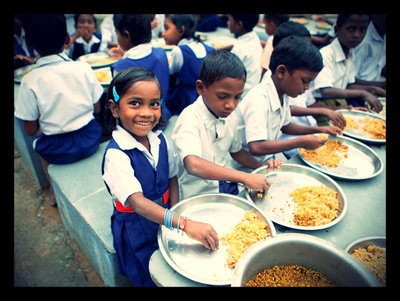
Imagine what it’s like to have to choose between attending elementary school or harvesting wheat as a means of preventing starvation. Sadly, for many children in India where –according to UNICEF – upwards of 40 % of the population under five is underweight, this choice is one that many of their students have to make on a daily basis. However, thanks to the efforts of The Akshaya Patra Foundation and some assembly line ingenuity, free meals for Indian school children are now a reality for many elementary and middle school students.
The free meals for Indian school children program were incorporated following a 2001 Supreme Court Ruling institutionalizing free meals for all children under the age of 13. The Indian Government – in cooperation with The Akshaya Patra Foundation – has been able to feed 1.4 million children a day, resulting in greater attendance and a heightened ability to focus in class. The Foundation’s Vice Chairman, Chanchalapathi Dasa, remarked that “If a child is hungry in the classroom then he or she will not be able to receive all this education.”
But how does the government-run a program to provide that many free meals for Indian school children in one day? The answer is through an ingenious “gravity flow” kitchen that utilizes the technologies of mass production and efficiency. Basically, the kitchen is divided into 3 floors where food is prepped on the third floor, sent down –via a chute – to the cauldrons for cooking on the second floor, and sent down a final chute to be packaged and shipped to the schools on the first floor. Vice-Chairman Dasa added that the organization knew the scope of the problem that they were trying to address and “realized that in order to see a significant impact we have to do it in scale and that we have to use modern techniques of management and innovation” to make a difference.
Programs such as these serve as a much needed shot in the arm in combating global poverty and chronic undernourishment for much of India’s youth. By providing free meals for Indian schoolchildren, investments made by the government today will result in greater technological innovation through educational achievements in the future.
– Brian Turner
Source: CNN
Photo: UNICEF

Approximately 20 million babies are born underweight each year with 96% of them being born in developing countries. Further, underweight babies have a higher risk of becoming one of approximately 4 million babies that die within 27 days of birth every year.
One of the difficulties associated with premature, underweight babies is a lack of the necessary fat to regulate body temperature. If a low body-weight baby is not placed into a warm environment as a way to regulate temperature early on, death is highly possible. For hospitals located in areas where electricity is spotty or where resources are low, creating the necessary warm environment may be very difficult, if not impossible. Incubators may not emit enough heat or may fail to work at all and hospital heating generators may not be present or go out occasionally.
This is why Embrace Global has created a simple, low-cost product that will help save the lives of many babies at the fraction of the price of current solutions, such as incubators. The product, notedly named Embrace BabyWrap, resembles a mini sleeping bag and helps to regulate a baby’s internal temperature effectively and for long periods of time. This is done with the use of a WarmPak. A WarmPak is placed into a AccuTemp heater for 25 minutes then transferred to the back of the BabyWrap where it slowly releases heat for up to 6 hours. Further, the BabyWrap traps heat inside, providing a warm and insulated place for the baby at the perfect temperature – 37 degrees Celsius.
The Embrace BabyWrap is a great innovation that is “embracing embrace” and saving the lives of underweight babies worldwide.
– Angela Hooks
Sources: AllAfrica, Embrace Global

The U.S. Department of State recently hosted a number of government officials in a conference on nutrition and hunger in Guatemala. Attendees included representatives from USAID, the Guatemalan Health Minister, officials of the Government of Guatemala, a panel of nutrition experts, and private sector leaders.
As part of the larger Zero Hunger Pact, started by the President of Guatemala in 2012, Guatemala’s goal is to lower chronic malnutrition in children throughout the country by 10 percent by 2015.
In addition to representatives from the United States and Guatemala, members from the World Bank, the World Food Program, and other high-profile organizations appeared at the event. Participants of the event gathered to discuss and strategize on Guatemala’s implementation of the Zero Hunger Pact, which included planning the necessary next steps for the country to take to reduce malnourishment.
Guatemala has one of the highest rates of child malnutrition in the world as nearly half of all children in the country under five years of age suffer from chronic malnourishment; the issue is particularly bad in the Western highlands of Guatemala. U.S. government officials praised the Guatemalan government’s efforts to tackle child nutrition at the conference and also praised their efforts for sustainable results in fighting hunger.
In addition to the Zero Hunger Pact, Guatemala is also a focus area for the United State’s global hunger and food security initiative called Feed the Future.
– Christina Kindlon
Source: State Department

“The Borgen Project is an incredible nonprofit organization that is addressing poverty and hunger and working towards ending them.”