• Link to X
  • Link to Facebook
  • Link to Instagram
  • Link to TikTok
  • Link to Youtube
  • About
    • About Us
      • President
      • Board of Directors
      • Board of Advisors
      • Financials
      • Our Methodology
      • Success Tracker
      • Contact
  • Act Now
    • 30 Ways to Help
      • Email Congress
      • Call Congress
      • Volunteer
      • Courses & Certificates
      • Be a Donor
    • Internships
      • In-Office Internships
      • Remote Internships
    • Legislation
      • Politics 101
  • The Blog
  • The Podcast
  • Magazine
  • Donate
  • Click to open the search input field Click to open the search input field Search
  • Menu Menu

Archive for category: Aid

Aid, Global Health, Global Poverty, USAID

72nd UNGA Establishes Key Goals and Aid

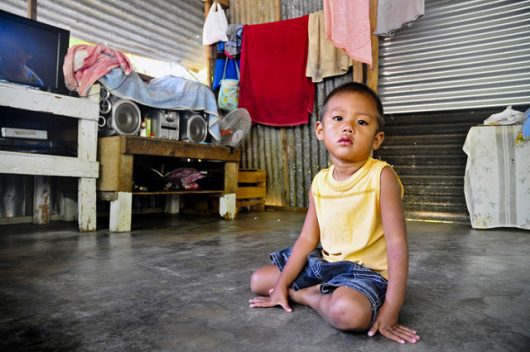
US Participation in 72nd UNGAThe annual General Debate of the 72nd Regular Session of the United Nations General Assembly (UNGA) was held at the U.N. Headquarters in New York City from September 19-25, 2017. This debate is a stage for world leaders to gather in discussion about the most vital global issues. The theme of the General Debate was “Focusing on People: Striving for Peace and Decent Life for All on a Sustainable Planet,” which is fitting for the state of our world today.

As the main deliberative, policymaking and representative organ of the U.N., the General Assembly provides a unique forum for universal discussion on the full spectrum of international issues. U.S. Agency for International Development (USAID) administrator Mark Green met with bilateral and multinational partners at the 72nd UNGA General Debate to discuss U.S. priorities in a number of key areas.

Development
As a major component of the U.S. approach to foreign affairs and national security strategy, development was a large focus of many of Administrator Green’s meetings at the 72nd UNGA. Representatives from all over the world met with Administrator Green to discuss the shared vision for increased efforts towards development assistance.

Specifically, Administrator Green met with European Commissioner for International Cooperation and Development Neven Mimica to discuss the importance of their cooperation in delivering development assistance that builds long-term resilience. The administrator and the commissioner discussed the possibility of financing future development projects through the new European Union External Investment Fund.

Administrator Green also met with Isabella Lövin, Minister for International Development Cooperation and Climate of the Kingdom of Sweden. The two agreed on the growing need to promote long-term development through building the capacity of national institutions and civil-society organizations to foster durable and self-reliant communities.

Global Health
Administrator Green announced that the U.S. President’s Malaria Initiative (PMI), led by USAID and the U.S. Centers for Disease Control and Prevention, will launch new programs in west and central Africa, including Cameroon, Côte D’Ivoire, Niger, Sierra Leone and Burkina Faso. More than 480 million people at risk of malaria have already benefited from existing PMI programs and this new expansion is estimated to benefit 90 million more.

Additionally, Administrator Green reaffirmed the U.S. commitment to global health programs at the World Health Organization and Stop TB Partnership reception at the 72nd UNGA. Green referred to eradicating tuberculosis as not a challenge of technology or intellect but rather a challenge of political will. The U.S. invests over $240 million each year through bilateral tuberculosis programs and partners with governments in 22 high-risk countries; however, Administrator Green highlighted the need for more partnerships and assistance in order to eradicate tuberculosis.

Humanitarian Aid
Administrator Green announced nearly $264 million in additional humanitarian aid for the people of Iraq. This new money brings the total of U.S. government humanitarian aid in Iraq to nearly $1.7 billion since 2014. The assistance will benefit the people of Iraq by providing food, water, hygiene kits, sanitation, shelter, basic health care and medicines.

Just one day later, the U.S. announced more than $575 million in additional humanitarian aid for those affected by famine and violence in Yemen, South Sudan, Nigeria and Somalia. U.S. humanitarian aid in these four countries now totals $2.5 billion since the beginning of this year.

Although Administrator Green announced almost $1 billion in additional humanitarian aid in less than 48 hours, he noted that “humanitarian assistance, we all know, alone will not solve these crises.” Green reiterated the need for long-term political solutions that can only result from a common agenda for bilateral and multinational support.

Crisis Management
Administrator Green declared the U.S. commitment to pursuing political solutions to the massive displacement and victimization of people in the Rakhine State of Burma, the rampant violence in South Sudan, and the public health crises in Nigeria, Syria, and Yemen. With the world facing the greatest humanitarian crisis since 1945, Administrator Green met with many leaders to discuss paths to peace, stability and prosperity.

Canadian Minister for International Development Marie-Claude Bibeau and Administrator Green discussed tactics to combat corruption and promote transparency amid crisis resolution. Administrator Green also met with Secretary of State for the Department of International Development of the United Kingdom Priti Patel, where they noted the potential for much-needed increased bilateral cooperation in the wake of unprecedented crises.

In addition to the U.S. priorities above, Administrator Green addressed and discussed a variety of other priorities. The General Assembly is a unique platform for the discussion of issues that affect our world on a global scale, as it is the only one of the six principal organs of the United Nations in which all 193 member nations have equal representation. Although the world faces global challenges, each meeting and address at the 72nd UNGA alludes to global solutions.

– Jamie Enright

Photo: Flickr
October 15, 2017
https://borgenproject.org/wp-content/uploads/borgen-project-logo.svg 0 0 Kim Thelwell https://borgenproject.org/wp-content/uploads/borgen-project-logo.svg Kim Thelwell2017-10-15 01:30:402024-06-11 23:16:5072nd UNGA Establishes Key Goals and Aid
Aid, Disease, Global Poverty

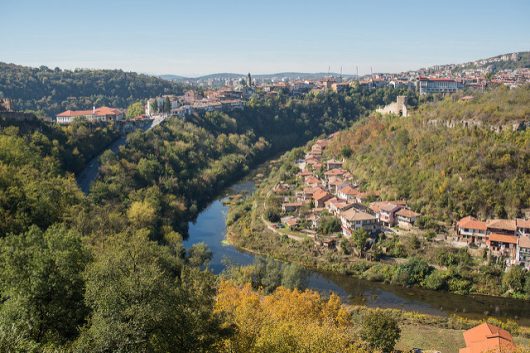
How to Help People in Bulgaria

How to Help People in BulgariaUSAID classifies Bulgaria as a nation of upper-middle income, with a GNI of over $53 billion and a GNI per capita of over $7,000. Despite these statistics, learning how to help people in Bulgaria from a U.S. standpoint might begin with funding.

U.S. disbursements to the nation for fiscal year 2015 totaled over $18 million. Unlike many other nations needing assistance in health or emergency services, the top two activities were:

  • International Materials Protection and Cooperation (Department of Energy)
  • Foreign Military Financing Program, Payment Waived (Department of Defense)

Unsurprisingly, those departments are also listed as the top partners for Bulgaria, with the Department of Defense leading over Energy. Furthermore, the top sector involved conflict, peace and security, and over half of the financial assistance for Bulgaria fell under the “military” (rather than the “economic”) category.

However, these focuses may not be the best ways of how to help people in Bulgaria, as the World Bank estimated the percentage of people living under the country’s poverty line in 2014 at around 22 percent.

Furthermore, while HealthGrove statistics estimated the life expectancy in the country at about 74 years, it maintained one of the highest mortality rates in comparison to other nations in Europe. It ranked above only Belarus, Moldova, Ukraine and Russia. Healthgrove breaks down the risk of mortality between communicable, maternal, neonatal and nutritional diseases, injuries and non-communicable diseases.

Of these, non-communicable diseases (such as cardiovascular problems and cancer) ranked much higher than the other two in terms of mortality rates. Consequently, making arguments for funds to treat diseases that can be transferred—like HIV, malaria and tuberculosis—might seem pointless. However, that does not mean that funding cannot go toward health in general when determining how to help people in Bulgaria.

A report from the United Kingdom providing tips on those traveling to Bulgaria explained that, relative to the United Kingdom, “facilities in most Bulgarian hospitals are basic and old-fashioned.” It did, however, make note of hospitals and clinics that are private as “generally well equipped and not expensive in comparison with the U.K.”

Although this measure is dependent on comparing and contrasting with the United Kingdom, it does not change the fact that funding from the United States could be reallocated toward health initiatives, instead of focusing so heavily on the Departments of Defense/Energy.

While the Global Health Innovation Act seems to highlight the importance of addressing communicable diseases in other countries, it may still be influential on the healthcare of Bulgarian citizens. Additionally, the International Affairs Budget is another important piece of legislation addressing U.S. funding to other nations.

Implementing effective practices when figuring out how to help people in Bulgaria can often be as simple as supporting bills and acts that relate to the U.S. budget.

– Maleeha Syed

Photo: Flickr

October 15, 2017
https://borgenproject.org/wp-content/uploads/borgen-project-logo.svg 0 0 Kim Thelwell https://borgenproject.org/wp-content/uploads/borgen-project-logo.svg Kim Thelwell2017-10-15 01:30:122024-06-05 23:47:16How to Help People in Bulgaria
Aid, Developing Countries, Global Poverty

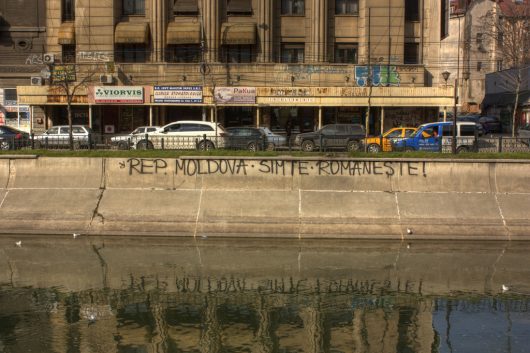
How to Help People in the Republic of Moldova

Help People in the Republic of Moldova

The Republic of Moldova is the poorest country in Europe. The national GDP amounts to $1,900 per capita. Moldova relies heavily on agriculture as a main source of income, rendering the environment a major factor in the country’s economic affairs. It faces many economic challenges, including political corruption, which impact the economic depreciation as well. In order to help people in the Republic of Moldova, it is necessary for international aid and domestic reform.

Get Involved – How to Help People in the Republic of Moldova

Major organizations helping the people in the Republic of Moldova include recognizable institutions such as The World Bank and the United Nations.

The World Bank

The World Bank currently has eight projects underway. They are designed to help people in the Republic of Moldova by increasing internal revenue through rejuvenating local businesses and helping to construct a self-sustaining economic foundation.

You can learn more about the World Bank’s mission and how to help by connecting with them on their website.

The United Nations

The United Nations Development Programme focuses on environmental efficiency, developing an accountable and transparent government, and evolving inclusive growth for the people of Moldova.

You can supplement this mission by donating funds or by advocating for change and promoting the mission by visiting their website.

Promo-LEX

Local non-profits are working to promote equality and the insurance of human rights by working directly with Moldovan administration to benefit citizens on a residential level.

The Promo-LEX Association is a group dedicated to democratic values, civic liberties and social justice through pro-bono legal work. By subscribing to the Promo-LEX newsletter, you can keep up to date on legal movements and significant occurrences in Moldova.

Volunteering Moldova

Volunteering Moldova is a state-run non-profit charity whose objective is to aid vulnerable populations including children, the disabled, and those facing financial hardship.

You can get involved by volunteering at group homes, disabled institutions and orphanages. Donations are equally important for non-profits that rely on benevolence; learn how you can fund supplies including diapers, food, medicine, books and school supplies and other general goods. Your efforts will help people in the Republic of Moldova.

Moving Forward

Despite these hardships, Moldova’s economy is growing steadily. Legislative efforts, combined with those of independent organizations, have contributed to successfully reducing poverty. This shows hope for a promising future for the Republic of Moldova.

– Sloan Bousselaire

Photo: Flickr

October 12, 2017
https://borgenproject.org/wp-content/uploads/borgen-project-logo.svg 0 0 Borgen Project https://borgenproject.org/wp-content/uploads/borgen-project-logo.svg Borgen Project2017-10-12 01:30:532024-06-05 23:47:16How to Help People in the Republic of Moldova
Aid, Food & Hunger, Global Poverty

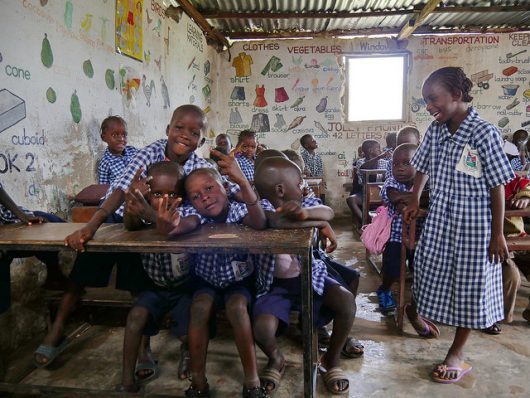
How to Help People in The Gambia

Help People in The GambiaAt the westernmost tip of Africa exists one of the smallest and poorest countries on the entire continent. The Gambia is a nation of just over two million people and roughly 75 percent of the population live in poverty. The 2011 U.N. Human Development Index (HDI) assessed The Gambia as ranking 168th out of 187 countries. The HDI ranks countries based on their level of human development as a society, averaging things like life expectancy, per capita income and birth rate to make projections.
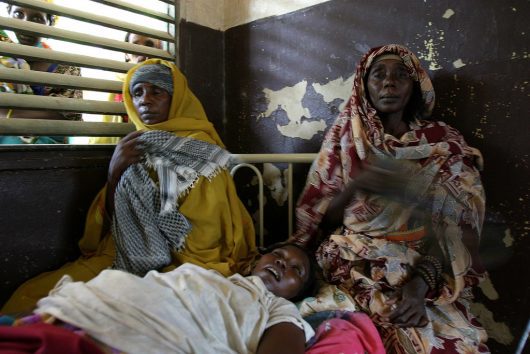
The Gambia scored so poorly on the HDI for a variety of reasons, but one predominant contributor is poor conditions leading to lack of food and agriculture production. About 60 percent of The Gambia’s population depends on some sort of farming for survival. Despite the fact that The Gambia River runs clear across the middle of the country, only 16.7 percent of the country’s available land is arable. This, in conjunction with frequent and erratic rainfall make the life of a Gambian subsistence farmer an especially tough one. The peak rainy season runs through the duration of the summer, hence food production during this time is negligible. Families who depend on subsistence farming – that is, growing enough food to feed themselves – attempt desperately every year to stock their food supplies in anticipation of the rainy season.

The harsh reality of the situation is that the circumstances are not getting any better, weather patterns become more unpredictable by the year and the price of food in the Gambian economy continues to rise steadily. The combination of all of these factors has led to the emergence of a global need to help people in The Gambia. One particular charity organization, which makes strides to improve life for those in The Gambia, is Aid for Africa. Since its inception in 2004, Aid for Africa has worked to combine the efforts of nonprofit organizations working in Sub-Saharan Africa to help those in need. They have made an impact on the lives of impoverished Gambians by establishing “community based self-help programs,” which aim to provide people with the skills and resources they need to escape the cycle of poverty.

The quickest and most effective way to help people in The Gambia is to donate to a charity such as Aid for Africa or even other similar charities. As members of the international community, we have an obligation to help those in need, and now, more than ever, the people of The Gambia need our help to escape poverty.

– Tyler Troped

Photo: Flickr

October 8, 2017
https://borgenproject.org/wp-content/uploads/borgen-project-logo.svg 0 0 Kim Thelwell https://borgenproject.org/wp-content/uploads/borgen-project-logo.svg Kim Thelwell2017-10-08 01:30:572024-05-25 00:19:08How to Help People in The Gambia
Aid, Development, Global Poverty, Malaria

Combating Malaria Threat Important for Poverty Alleviation

Combatting Malaria Threat Important for Poverty AlleviationDespite the progress being made in improving global healthcare, malaria still remains a pressing concern. After HIV, it is becoming one of the most ubiquitous diseases in war-torn and impoverished countries, especially in sub-Saharan Africa. The impacts of malaria can be especially debilitating for the poor. Even though the threat of malaria has decreased during the past 15 years, it still belongs to the group of 20 ‘’neglected tropical diseases’’.
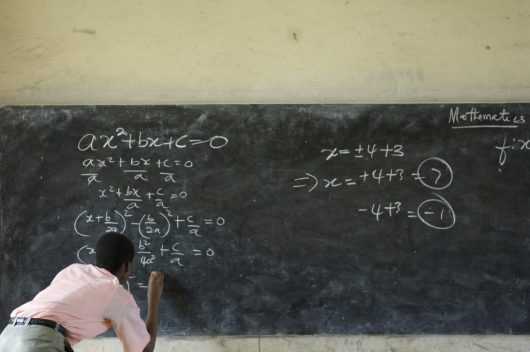
Malaria is a disease caused by the Plasmodium parasite that is secreted by the bite of the female Anopheles mosquito. Anopheles mosquitos often lay their eggs in stagnant water, after which these eggs become adult mosquitos. The disease is prevalent in areas with poor sanitation and hygiene facilities, making it especially common and potentially dangerous in refugee camps.

The WHO estimated in 2015 that nearly half the world’s population is vulnerable to malaria, with a significant proportion concentrated mainly in sub-Saharan African countries. In 2015 alone, there were more than 222 million cases of malaria recorded, with a death toll of nearly 492,000. It was discovered that there is a link between climate change and the threat of malaria and other diseases. Global warming is resulting in an increase in global temperatures, which creates a more favorable environment for Anopheles mosquitos.

The Bill and Melinda Gates Foundation, a renowned organization spearheading development funding and global health initiatives, has spoken about the U.S. budget cuts to foreign aid and healthcare. Achieving further progress in countering the malaria threat will be hindered by these cuts. Their analysis estimated that this decrease would lead to an additional 5 million deaths by 2030.

Fortunately, UNICEF noted that between 2000 and 2005, the malaria mortality rate has actually fallen by around 37 percent globally. Artemisinin-based therapies have been quite successful in reducing the harmful impacts of Plasmodium falciparum, one of the most deadly forms of malaria.

Many of the countries most affected by malaria are stepping up their efforts to combat the disease. Rwanda is treating the malaria threat with insecticide-treated nets, indoor residual spraying and the use of artemisinin-based drugs.

Nigeria alone accounts for nearly 25 percent of the malaria cases in Africa, which is one of the leading causes of premature death in the country. The Global Fund is working in Nigeria to treat the record levels of malaria cases and control the spread of the disease. WHO is also scaling up its operations in addressing the malaria threat in the country.

The recent malaria prevention drive in South Africa reaffirmed its support for alleviating the malaria threat in the country. The initiative is a collaborative agreement between South Africa, Swaziland and Mozambique. The high incidence of diseases like HIV in South Africa often exacerbates the impact of malaria, making it particularly important to be addressed.

Working on preventive and mitigation efforts for malaria will go a long way towards addressing the rampant spread of the disease. The progress currently being made in reducing the malaria threat will yield successful results in the future.

– Shivani Ekkanath
Photo: Flickr

October 6, 2017
https://borgenproject.org/wp-content/uploads/borgen-project-logo.svg 0 0 Kim Thelwell https://borgenproject.org/wp-content/uploads/borgen-project-logo.svg Kim Thelwell2017-10-06 07:30:472024-05-29 22:27:17Combating Malaria Threat Important for Poverty Alleviation
Aid, Education, Global Poverty

Ghanaian Government Supports Free Education Program

Free EducationPresident of Ghana Nana Addo Dankwa Akufo-Addo has shown full support for the Government’s Free Senior High School (SHS) program, which launched on September 12, 2017. The initial implementation of this policy was held at West Africa Senior High School (WASS) to officially integrate free senior high school education.
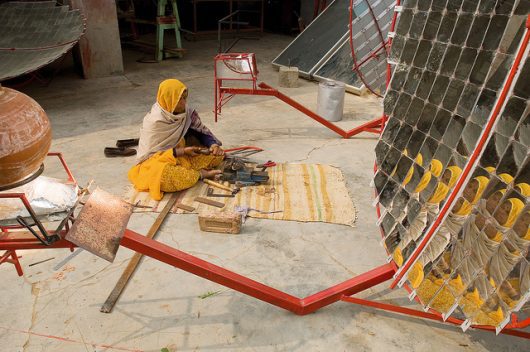
The Ghanaian government’s decision to implement this program was based on the desire to educate at a faster rate to encourage national development and progress.

“By free SHS, we mean that in addition to tuition, which is already free, there will be no admission fees, no library fees, no science center fees, no computer laboratory fees, no examination fees, no utility fees. There will be free textbooks, free boarding and free meals and day students will get a meal at school for free,” said President Akufo-Addo.

The program covers topics including agricultural, vocational and technical studies at the high school level, which will prepare students to be successful members of the community.

With free education opportunities, more children throughout Ghana will be able to attend school, especially girls who struggle with increasing teen pregnancy and teen marriage rates.

Students interested in the free SHS program need to apply, and the most eligible candidates are granted access. Girls, for aforementioned reasons, are prioritized in the decision process in an attempt to increase the number of educated Ghanaian females.

All applicants are fairly reviewed for the free education program, and so far over 420,000 young Ghanaians have applied. Out of these, 267,327 applicants have been accepted and placed in schools. When students are denied initial acceptance into the free SHS program at the school of their choice, they are placed on a waiting list and provided a selection of schools with vacancies.

The free education program has been fully supported by the Ghanaian government, and the opening ceremony at WASS was attended by the President, Vice President of the Republic, Minister for Education, Minister of State for Education and several officials from the Ministry of Education.

The work done by the Ghanaian government to provide free SHS opportunities will open the door for several young students who would otherwise remain uneducated with slim to no future career prospects.

“The coming into effect of the free SHS policy is vital for the transformation of the Ghanaian economy,” President Akufo-Addo said.

– Kassidy Tarala

Photo: Flickr

October 5, 2017
https://borgenproject.org/wp-content/uploads/borgen-project-logo.svg 0 0 Borgen Project https://borgenproject.org/wp-content/uploads/borgen-project-logo.svg Borgen Project2017-10-05 01:30:412020-07-22 08:04:58Ghanaian Government Supports Free Education Program
Aid, Development, Education, Global Poverty, Women

Teaching Impoverished Women Solar Panel Engineering

Teaching Impoverished Women Solar Panel EngineeringA business partnership between law firm Hogan Lovells and Barefoot College seeks to help women in the developing world rise out of poverty by offering programs in solar panel engineering. Barefoot College, founded in 1972, is a college built by and for the rural poor, whose main objective is “to demystify and decentralise technology and put new tools in the hands of the rural poor with a singular objective of spreading self-sufficiency and sustainability.” This initiative, conducted in partnership with Hogan Lovells, focuses on teaching impoverished women solar panel engineering. The objective is for these women to bring the technology back to their villages and provide a renewable light source to destitute rural areas.
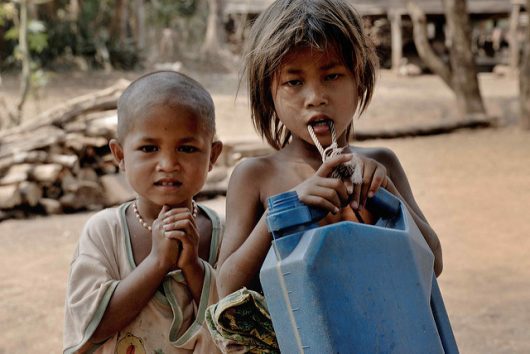
The project estimates it will bring clean, renewable power to over 200,000 people by training 400 women at five centres in Latin America, Africa and the Pacific Islands. Since 2008, when the initiative started, the college estimates it has trained 1084 women, or ‘solar mamas’ as they call them, from 83 different countries in solar panel installation and maintenance. Hogan Lovells is now providing Barefoot with pro bono legal advice and financial backing to help with the most recent expansion of the program.

Although a majority of the women are illiterate, through sign language and color-coded textbooks they are taught how to create, install and maintain solar panels for their community. Not only does this help bring a renewable power source to thousands of destitute villages, but by teaching impoverished women solar panel engineering, it helps to develop gender equality in these regions. The ‘solar mamas’ become respected community advisers and hold a high position as the installers and maintainers of a village’s main power source.

Installing solar panels also brings an array of other benefits to poor, rural, areas. It replaces the use of toxic kerosene, allowing children to study at night with the use of lamps, and family incomes tend to rise, since they pay less than what they paid for kerosene, batteries, candles, etc. Barefoot estimates that it has replaced over 500 million litres of the highly toxic and flammable kerosene since the program started.

Barefoot College and its ‘solar mama’ initiative in cooperation with Hogan Lovells is an example of the innovative progress made by non-governmental institutions in the race to meet the U.N’s Sustainable Development Goals. By training impoverished women in solar panel engineering, Barefoot, in a single program, addresses seven of the 17 goals, including tackling poverty, promoting gender equality and developing affordable and clean energy. It is an example to be followed.

– Alan Garcia-Ramos

Photo: Flickr

September 29, 2017
https://borgenproject.org/wp-content/uploads/borgen-project-logo.svg 0 0 Borgen Project https://borgenproject.org/wp-content/uploads/borgen-project-logo.svg Borgen Project2017-09-29 01:30:522020-07-17 08:15:49Teaching Impoverished Women Solar Panel Engineering
Aid, Global Poverty

How to Help People in Laos

How to Help People in LaosMore than half of the population in Laos lives below the poverty line. This is one of the highest statistics of poverty in the world. Unfortunately, a massive proportion of these individuals are children. Children living in poverty in Laos frequently do not have access to healthcare or education. This is one of the biggest humanitarian issues facing Laos, but, of course, there are also many others. Here is how to help people in Laos, especially children:
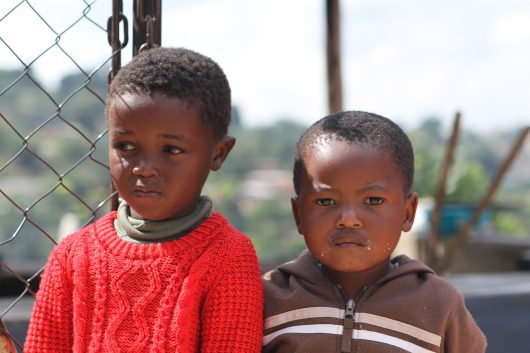
Firstly, you can donate or contribute to a variety of organizations that do work in the region. SOS Children’s Villages International is an organization that works to protect the rights of children in Laos and other countries. They focus on providing quality emotional and physical care to children who have lost their families or are not in a position to stay with their families. You can sponsor a child or a village, or make a one-time donation.

Care is another organization that works in Laos, among many other countries. Care’s goals are to cut poverty off at the root by providing substantial and sustainable change to those who are most vulnerable to poverty, hunger and disease. They also provide emergency relief when necessary. Care accepts donations.

ChildFund Australia is another organization that works to secure children’s rights and promote community development. They work in a variety of countries, including Laos. ChildFund Australia puts 78 percent of all funds towards program expenditures in the countries they work in. They accept donations and allow you to sponsor a child.

There are a lot of other nonprofit organizations that work to protect children’s rights in Laos, but these are a few of the largest. Whichever of these organizations you donate, volunteer, or contribute to, the people in Laos need all the help they can get. Now you know what to say the next time someone asks how to help people in Laos.

– Liyanga De Silva

Photo: Flickr

September 29, 2017
https://borgenproject.org/wp-content/uploads/borgen-project-logo.svg 0 0 Borgen Project https://borgenproject.org/wp-content/uploads/borgen-project-logo.svg Borgen Project2017-09-29 01:30:412024-05-27 09:21:04How to Help People in Laos
Aid, Global Poverty, Water

How to Help People in Swaziland

SwazilandSwaziland is a small, landlocked country in southern Africa with a population of approximately 1.1 million. An estimated 63 percent of the population lives below the national poverty line, and 350,000 people are food insecure and in need of food aid. Swaziland also has one of the highest incidence rates of HIV/AIDS in the world, with nearly 26 percent of people aged 15 to 49 living with the disease. The average life expectancy is only 49 years so, as a result, 45 percent of children are left orphaned or vulnerable at a young age. Here are just some of the primary ways in which humanitarian organizations and the Swazi government are working to help people living in poverty in Swaziland.

Helping Vulnerable Children Access Necessary Resources

Due to the high prevalence of HIV/AIDS which predominantly affects the country’s younger population, many children have lost one or both of their parents. Parents of children who are HIV-positive often cannot afford retroviral therapy. Many HIV-positive children are cut off from basic health services and education. One in 10 children in Swaziland is severely malnourished. There is also a low school enrollment rate of 60.1 percent, with one in five primary-school-aged children not enrolled in primary school.

Organizations such as SOS Children’s Villages and the World Food Programme are currently working on providing orphaned and vulnerable children with access to education and healthcare services. SOS Children’s Villages provides daycare and medical assistance in three different locations in Swaziland. The World Food Programme also provides nutritious meals to children at community-led daycare centers throughout the country. The project aims to provide vulnerable children with both nutrition and access to social services such as early childhood education, psychosocial support and basic healthcare services.

Providing Treatment for HIV/AIDS and TB

With 26 percent of people aged 15 to 49 living with HIV, the prevalence of HIV/AIDS has also greatly depleted Swaziland’s labor force. Tuberculosis (TB) is also one of the leading causes of death in the country, although 80 percent of TB patients are also infected with HIV. In order to combat the spread of these diseases, the Centers for Disease Control and Prevention (CDC) and the Swazi Ministry of Health work together to broaden the scope of HIV testing and antiretroviral treatment in Swaziland. Since 2012, thousands have been provided with access to antiretroviral treatment, HIV testing and counselling services. In addition to helping those in need, combating HIV will also help ease the strain HIV puts on the Swazi economy.

Providing Communities with Sustainable Sources of Clean Water

Approximately 330,000 people in Swaziland do not have access to a source of clean water, and half a million people do not have access to adequate sanitation. Every year, over 200 children under the age of five die due to diarrhoeal diseases caused by poor water and sanitation conditions in Swaziland. The high incidence of HIV/AIDS only makes the need for safe water and hygiene even greater.

This is why organizations such as WaterAid and the Thirst Project have made it their goal to provide a source of clean water to all those in Swaziland who do not currently have one. WaterAid works with local communities to introduce affordable technologies that can be easily maintained by the communities themselves. It also lobbies the Swazi government to ensure water and hygiene are prioritized and budgeted for.

The Thirst Project also works to bring clean water sources to communities and hopes to have provided all Swazi communities in need with safe water by 2022. “They build something sustainable, that’s not going to dry up even though there are tremendous droughts right now in Swaziland,” states Paola Pozzaglia Nilsen, an adviser for a local chapter of the Thirst Project in New York. Nilsen added that clean water is an integral part of how to help people in Swaziland as it helps communities to become self-sufficient, healthier, and safer.

By investing in the nutrition and education of children, the treatment of diseases like HIV/AIDS and tuberculosis and the construction of clean water sources, progress toward eradicating poverty in Swaziland can begin to happen.

– Amanda Quinn
Photo: Flickr

September 29, 2017
https://borgenproject.org/wp-content/uploads/borgen-project-logo.svg 0 0 Kim Thelwell https://borgenproject.org/wp-content/uploads/borgen-project-logo.svg Kim Thelwell2017-09-29 01:30:132024-05-28 00:03:07How to Help People in Swaziland
Aid, Global Poverty

Four Ways to Help People in Zambia

Help People in ZambiaZambia – a Sub-Saharan African nation that has the largest copper industry and is home to one of the Seven Wonders of the World – is one of the poorest nations in the world. Despite its beautiful Victoria Falls attraction and other scenery, 60 percent of Zambia’s population (16 million people) live below the poverty line.

Five million people in Zambia do not have access to safe water, and eight million of their people do not have access to sufficient sanitation. These cause diarrheal diseases and often death for children under five. Aside from physical health deterioration, many kids do not get the proper schooling, which in turn makes it more difficult to get jobs in the future to financially stabilize themselves and their families. This is a major concern for Zambia, with more then half of the nation living below the poverty line. Luckily, there are many easy ways to help people in Zambia.

Donate
One way to help the people in Zambia is to donate. There are multiple organizations that accept donations which go directly to Zambia. An organization called Children’s International uses donations to pay for school uniforms, supplies, scholarships, tutoring and medications that are inaccessible to people in Zambia. Children’s International also works with setting kids up for employment by holding mock interviews, resumé building workshops as well building both workplace and technical skills.

Sponsor
Another way to help those suffering in Zambia is to sponsor a child. An organization called Children International works to create a better environment for kids to grow up in by running a sponsorship. Sponsoring a child in Zambia would allow Children International to continue to provide education and healthcare to children in need.

Hands-On Volunteering
For those looking to get first-hand experience acting on the poverty crisis in Zambia, you can join one of the many organizations that work hands-on in the country. One of the best ways to help people in Zambia is to volunteer your time on the ground. One organization that works in Zambia to create sanitation facilities throughout the country is called Water Aid. In 2016, Water Aid was able to provide 61,000 people with safe water and 62,000 people with better sanitation.

Support the Bill
Another way to help people in Zambia is to be a voice by supporting the AGOA & MCA Modernization Act. If passed, the bill will authorize the Millenium Challenge Corporation to operate concurrent economic compacts in other countries, including Zambia. Contacting members of congress by phone or email to let them know you support the bill is an easy way to help out those in Zambia. The people in Zambia are not able to provide a voice for themselves, but others have the ability to stand up for them.

Donating, sponsoring a child, volunteering and supporting the AGOA & MCA Modernization Act are all fantastic ways to get involved and help the people of Zambia. The more people willing to help, the sooner Zambia can start to see its citizens being lifted out of poverty.

– Chloe Turner

Photo: Flickr

September 28, 2017
https://borgenproject.org/wp-content/uploads/borgen-project-logo.svg 0 0 Borgen Project https://borgenproject.org/wp-content/uploads/borgen-project-logo.svg Borgen Project2017-09-28 01:30:222020-07-16 21:34:55Four Ways to Help People in Zambia
Page 45 of 65«‹4344454647›»

Get Smarter

  • Global Poverty 101
  • Global Poverty… The Good News
  • Global Poverty & U.S. Jobs
  • Global Poverty and National Security
  • Innovative Solutions to Poverty
  • Global Poverty & Aid FAQ’s
Search Search

Take Action

  • Call Congress
  • Email Congress
  • Donate
  • 30 Ways to Help
  • Volunteer Ops
  • Internships
  • Courses & Certificates
  • The Podcast
Borgen Project

“The Borgen Project is an incredible nonprofit organization that is addressing poverty and hunger and working towards ending them.”

-The Huffington Post

Inside The Borgen Project

  • Contact
  • About
  • Financials
  • President
  • Board of Directors
  • Board of Advisors

International Links

  • UK Email Parliament
  • UK Donate
  • Canada Email Parliament

Get Smarter

  • Global Poverty 101
  • Global Poverty… The Good News
  • Global Poverty & U.S. Jobs
  • Global Poverty and National Security
  • Innovative Solutions to Poverty
  • Global Poverty & Aid FAQ’s

Ways to Help

  • Call Congress
  • Email Congress
  • Donate
  • 30 Ways to Help
  • Volunteer Ops
  • Internships
  • Courses & Certificates
  • The Podcast
Scroll to top Scroll to top Scroll to top