• Link to X
  • Link to Facebook
  • Link to Instagram
  • Link to TikTok
  • Link to Youtube
  • About
    • About Us
      • President
      • Board of Directors
      • Board of Advisors
      • Financials
      • Our Methodology
      • Success Tracker
      • Contact
  • Act Now
    • 30 Ways to Help
      • Email Congress
      • Call Congress
      • Volunteer
      • Courses & Certificates
      • Be a Donor
    • Internships
      • In-Office Internships
      • Remote Internships
    • Legislation
      • Politics 101
  • The Blog
  • The Podcast
  • Magazine
  • Donate
  • Click to open the search input field Click to open the search input field Search
  • Menu Menu

Archive for category: Aid

Aid, Global Poverty

How to Help People in Moldova

How to Help People in Moldova

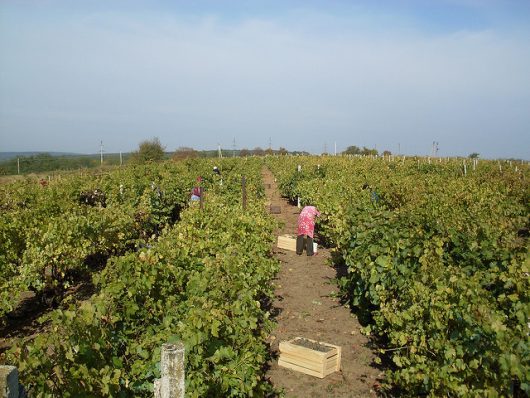
Finding out how to help people in Moldova does not necessarily require a singular approach. But whatever the method, it must be efficient, as a press release from The World Bank highlighted it as “one of the poorest countries in Europe.” Over 5 percent of the country’s people endure extreme impoverishment, and its administration “pledges to take out of poverty over 150,000 men and women” by the year 2020.

The United States AID explorer page marks the country as lower-middle income. For 2015, U.S. disbursements to the nation reached over $136 million, with its top sector focusing on agriculture. Furthermore, 11 percent of these U.S. funds took the form of military aid, while the rest fell under the economic umbrella.

The United Nations Development Programme (UNDP) released an analysis with potential growth changes needed to help Moldovans have a better quality of life. It broke down the needs into categories with the percentage of growth for each:

  • More decent jobs (89 percent)
  • Higher and fair pensions and social benefits (64 percent)
  • A reliable justice system (36 percent)
  • Access to high quality health services (36 percent)
  • Promotion of a healthy lifestyle (24 percent)
  • Investment in infrastructure (22 percent)
  • Transparent governance (20-21 percent)

UNDP mentioned that with U.N. support, the National Bureau of Statistics would consult with those “from vulnerable groups” in the spring of this year to allow better evaluations of “the complexity of poverty phenomenon and its dimensions, given that economic indicators…are not always in line with those experiences and perceptions of people…”.

The World Bank named some of the highlights from the Moldova Poverty Assessment 2016:

Pensions
Pros: Increased income
Cons: There are better methods that benefit disadvantaged groups

Labor markets
Pros: “Contributed to the progress”
Cons: This progress occurred “mostly through productivity increases rather than job creation”

Because a significant part of confronting Moldova’s poverty revolves around the workforce, it is paramount to support legislation that addresses this. This may seem like a daunting task for ordinary people outside of the country to fulfill. But for those questioning how to help people in Moldova, supporting important legislation like the Economic Growth and Development Act—which strives for “market-based economic growth in developing countries”—can be one of the most effective methods in making headway.

– Maleeha Syed

Photo: Flickr

September 28, 2017
https://borgenproject.org/wp-content/uploads/borgen-project-logo.svg 0 0 Borgen Project https://borgenproject.org/wp-content/uploads/borgen-project-logo.svg Borgen Project2017-09-28 01:30:112024-06-05 04:52:34How to Help People in Moldova
Aid, Global Poverty

Three Ways to Help Alleviate Poverty in Brazil

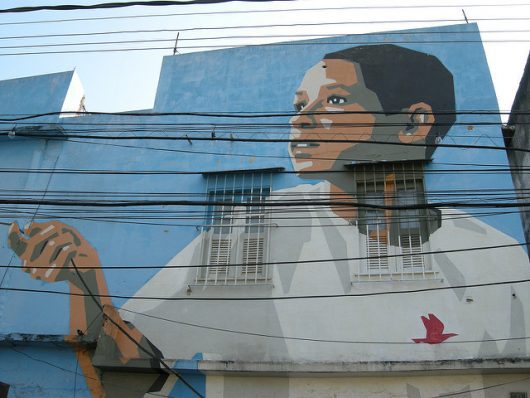
Help People in BrazilThough Brazil boasts a strong economy, income disparity between the rich and poor is vast, and 3.7 percent of the total population lives in poverty. Much of the poverty in Brazil is concentrated in northern rural areas, where young people in particular feel the effects of poverty. In Northern Brazil, about 25 percent of all children under the age of five suffer from chronic malnutrition. This income disparity is partially due to unevenly distributed land, and high land prices make it difficult for small-scale farmers to compete in the market. In recent years, the government has undergone measures to correct this imbalance, including reducing taxation on farming, which has already begun to improve the welfare of rural poor.

Brazil has been very successful in alleviating much of its own poverty, in particular through a government program known as Bolsa Familia. Through Bolsa Familia, parents receive a monthly stipend in exchange for sending their children to school and to health checkups. Still, there is much to be done to ensure that the rural poor continue to thrive.

Here are just three ways to help people in Brazil:

  1. Sponsor a child. With young people in Brazil most harshly affected by income inequality, this may be one of the most effective ways to disrupt the cycle of poverty and help people in Brazil. For example, Child Fund International offers programs to sponsor individual children. This money goes toward supplying a child with food, clean water and education.
  2. Volunteer. There are many ways to volunteer time toward bettering conditions for people in Brazil. Project Favela, based out of Rio de Janeiro, is a volunteer-run organization which offers both schooling and after school care for poor children (and many adults as well) completely for free. Volunteers help teach English, science, math, reading, art, theatre and even coding.
  3. Encourage vocational training. CARE, a nonprofit organization based out of the UK, has had tremendous success addressing the structural causes of poverty in Brazil and encouraging rural schools to provide vocational training to its students. In addition, CARE has helped poor communities in Brazil develop sustainable business practices and has provided access to microfinance.

Though Brazil still struggles with inequality and poverty, it’s clear that, on its own, the country has made tremendous strides toward fixing its problems. With a bit of help, it can continue to bring down the poverty rate and build a better future for all its citizens.

– Audrey Palzkill

Photo: Flickr

September 25, 2017
https://borgenproject.org/wp-content/uploads/borgen-project-logo.svg 0 0 Borgen Project https://borgenproject.org/wp-content/uploads/borgen-project-logo.svg Borgen Project2017-09-25 07:30:032024-05-28 00:16:27Three Ways to Help Alleviate Poverty in Brazil
Aid, Education, Global Poverty

How to Help People in Togo Through Education

Help People in Togo

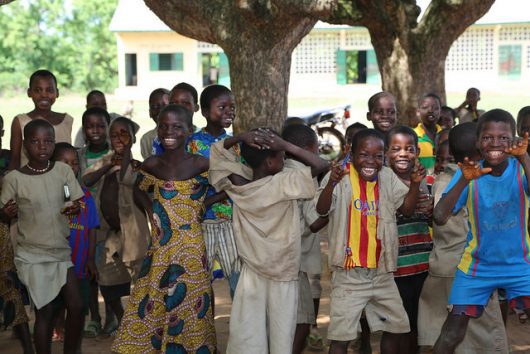
Togo is an African country that values education, even though “more than 30% of the population lives below the poverty line.” There is a need to help people in Togo receive proper education to prevent further poverty and to empower its women and youth. The different ways to help people in Togo revolve around these factors.

Accessible Education
Over the last decade, Togo has benefited from free basic education. Previously, a basic education was less accessible to children simply because their families could not afford the yearly fees. The efforts to help people in Togo ensure that families were not keeping their children out of school because of fees have continued to this day.

However, 20 percent of children still do not attend school and 30 percent must work to aid their families. Advocating for primary education to be a requirement for all Togolese children is the next step towards progress. Nonetheless, funding Togo’s schools ensures they will not be forced to charge families once again.

As for the quality of that education, it is crucial to hire adequate teachers who do not utilize child labor for the teacher’s own economic gain. Moreover, for the children’s safety and for a more effective learning environment, most buildings require extensive maintenance and infrastructure improvements. For example, many schools in Togo do not have electricity.

Efforts made by organizations partnered with Togo have seen improvement. Even with a standard class size of 80 children, non-government organizations have provided students with necessary materials and other forms of aid.

Empowerment
Providing adequate education allows Togo’s young adults to trust their own educated minds to help them make a difference in their country. This idea has already started to bear fruit, as a number of Togolese are working to foster innovation and healthful practices among their fellow citizens.

Sename Koffi Abdojinou founded WoeLab, an organization that utilizes renewable resources to create technology to help people in Togo. For example, a member named Afate Gnikou made a 3D printer out of e-waste alone.

Kokou Senamé, a youth from Togo, advocates for sexual education. He feels that youth leadership is vital and that youths should be able to educate one another about contraceptives. The voice of a peer is very impactful when it comes to topics with intense stigmas. Sexual education is extremely important in a country with about 120,000 people with HIV. Educating youths to use protection also helps prevent unwanted pregnancies.

Safe Childbirth
UN Women works to protect the life and health of pregnant women. In 2010, there were “287,000 maternal deaths…in Central African Republic, Chad, Guinea, Haiti, Mali, Niger and Togo.” Without proper healthcare and education, pregnancy puts mothers and their children at risk.

To help people in Togo, UN Women is advocating for adequate training for midwives and other health workers, ensuring a safer birthing process.

Empowering women to gain adequate knowledge regarding childbirth and child rearing is the first step towards alleviating poverty. Once Togolese mothers are properly cared for, they can advocate for their own children to value education and provide youths with the confidence to fight for change.

– Brianna White

Photo: Flickr

September 24, 2017
https://borgenproject.org/wp-content/uploads/borgen-project-logo.svg 0 0 Borgen Project https://borgenproject.org/wp-content/uploads/borgen-project-logo.svg Borgen Project2017-09-24 01:30:232020-07-09 17:54:20How to Help People in Togo Through Education
Aid, Global Poverty

How to Help People in Peru Out of Poverty

Help People in Peru

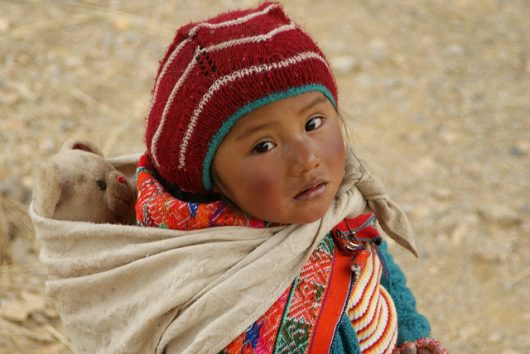
While the poverty rate in Peru has dropped over the last year, there are still people living without access to basic human necessities. There are several programs and organizations that help people in Peru by putting them in a position to live a better life.

In Peru, over 3 million people are living in poverty and over 5 million have no water resources, according to HELP International, a globally responsive organization. Over 40,000 more people have left poverty compared to last year, but the government is expecting a decrease of 3 percent this year because of floods resulting from El Niño earlier this year and a graft scandal that has halted public works.

The flooding caused by El Niño killed about a hundred people and damaged thousands of homes. Organizations in Peru like Save the Children and ADRA Peru have been working and accepting donations since then to help those affected.

Global Giving is another nonprofit organization resource that lists the specific needs of people in certain regions living in less than desirable conditions. On the Global Giving website, you can find a list of projects accepting donations for relief for the thousands that were forced to abandon their homes.

By giving help to people in Peru, you would be helping the one-third of Peru’s population that lives in poverty. This help goes a long way towards continuing the progress that Peru has made in its fight to reduce poverty.

– Jalil Perry

Photo: Flickr

September 24, 2017
https://borgenproject.org/wp-content/uploads/borgen-project-logo.svg 0 0 Borgen Project https://borgenproject.org/wp-content/uploads/borgen-project-logo.svg Borgen Project2017-09-24 01:30:162024-06-07 05:07:43How to Help People in Peru Out of Poverty
Aid, Global Poverty

How to Help People in Tonga

Help People in Tonga

There are many ways to help people in Tonga thanks to the wide variety of organizations taking action and accepting donations from the public.

Here are a few of the organizations that are making changes and contributing to the well-being of citizens in Tonga.

  1. One of Tonga’s biggest struggles is its high threat for experiencing natural disasters. The Australian Red Cross works with the Tonga Red Cross to help provide relief to disaster victims who live in Tonga.
  2. A Catholic agency in New Zealand by the name of Caritas works with Tonga to help citizens adjust to the effects of climate change. Caritas also supports a Caritas Tonga Climate Change Officer by the name of Amelia Ma’afu, whose area of focus is on the island of Ha’apai. As a Climate Change Officer, her responsibilities include conducting training sessions to raise climate change awareness, researching information to build a plan of action to help citizens deal with climate change and visiting communities to talk to inhabitants and gather data.
  3. The World Bank is not only helping the people in Tonga with the aftermath of former disasters, but it is also working to protect the future of the community. The World Bank has helped Tonga by assisting the government with building cyclone-proofed homes on safer areas of land. Supporting The World Bank is a great way to help people in Tonga.
  4. The Volunteer Service Abroad (VSA) volunteers are helping in Tonga by working to bring more variety in employment and help ensure citizens have a dependable income. Tonga supports itself with agriculture, exporting products such vanilla, kava and coconut. Volunteers through VSA are helping make sure that Tonga’s agricultural department thrives.
  5. The Asian Development Bank/Japan Scholarship Program (JSP), offers scholarships to people in Tonga. This creates opportunities for many young citizens in Tonga – those who are 35 years old or younger, of good health and hold a bachelor’s degree are eligible to apply for these scholarships.

By donating and volunteering with organizations such as these, everyday citizens are able to help people in Tonga, bringing hope and changing lives for the better. Consider taking the time to check into these organizations and make a contribution today.

– Noel Mcdavid

Photo: Flickr

September 23, 2017
https://borgenproject.org/wp-content/uploads/borgen-project-logo.svg 0 0 Borgen Project https://borgenproject.org/wp-content/uploads/borgen-project-logo.svg Borgen Project2017-09-23 01:30:422024-05-29 22:26:53How to Help People in Tonga
Aid, Global Poverty

How to Help People in Paraguay

How to Help People in ParaguayFor years, Paraguay has been one of the poorest countries in South America. The poverty rate in Paraguay is 40 percent. Its population is 6.7 million and many people in Paraguay have no regular income. Water, electricity and housing are very scarce in Paraguay. With all of these issues, people in other countries often wonder how to help people in Paraguay.
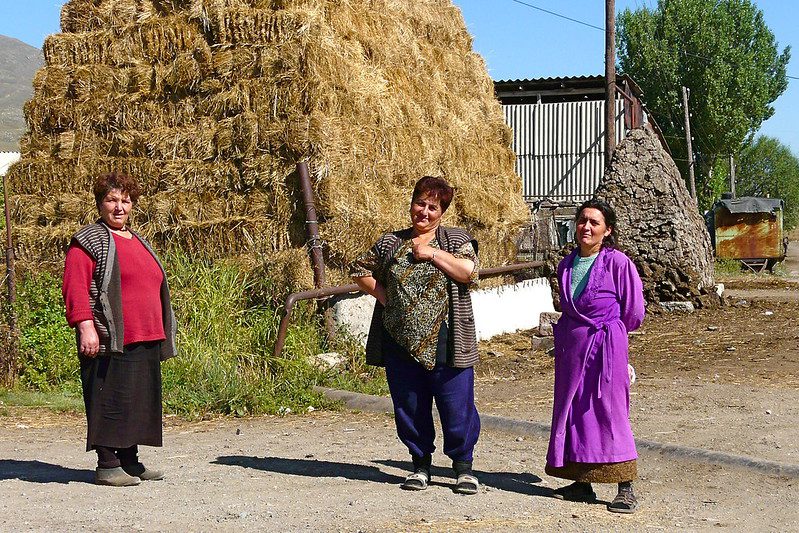
Paraguay is a predominantly young nation. Youths make up 35 percent of the population, and a large number are orphans. Because of the lack of parental care, many children resort to robbery or prostitution to stay alive. These children do not get a primary school education, and approximately 210,000 people in Paraguay are illiterate.

Children are forced to do hard labor and some are trafficked to larger cities like Asunción. The children are treated as sex slaves when they are trafficked. Street children are targets for human trafficking because they do not have any family support.

Many organizations are helping those in need. SOS Children’s Villages have been created in different locations to help Paraguayan children. The villages provide day care, education and vocational training. The Project for the People (PPP) was created to help people in Paraguay by providing health and dental care, education and human development. The organization helps implement self-development programs in communities. Project for the People has many opportunities to volunteer and donate to the cause.

Habitat for Humanity have been working since 1998 to help provide support to families with inadequate housing conditions. Out of every 100 families in Paraguay, 43 live in poor housing conditions. In 2016, Habitat for Humanity served 176 families that live in poor housing conditions. Habitat for Humanity has plenty of volunteering opportunities and donations are accepted. Events take place during the year to raise awareness and mobilize volunteers.

The answer to how to help people in Paraguay starts with you. Make a change by volunteering to raise awareness about the issues in Paraguay.

– Treasure Shepard

Photo: Google

September 23, 2017
https://borgenproject.org/wp-content/uploads/borgen-project-logo.svg 0 0 Borgen Project https://borgenproject.org/wp-content/uploads/borgen-project-logo.svg Borgen Project2017-09-23 01:30:012020-07-14 11:11:40How to Help People in Paraguay
Aid, Global Poverty

How to Help People in Armenia

As one of the earliest Christian civilizations, Armenia holds steadfast to countless traditions, including those rooted in dance, music, art and cuisine. Disappointingly, Armenia’s customs come with a bleak history of deficiency and shortage. 32 percent of Armenians live an underprivileged lifestyle. Non-government organizations have been working to decrease this large percentage and address many other issues within the country. These three NGOs offer more insight into learning how to help people in Armenia.

KASA Swiss Humanitarian Foundation
For almost 20 years, KASA has been supporting impoverished Armenians through the contribution of material aid, training opportunities and developmental tools. Education alongside communication allows KASA to promote a civil society and sustainable growth. This NGO is currently involved in three projects, with their most popular one titled Sponsored Families. Every year, 20 to 25 Armenian families struggling with illness, unemployment and inadequate housing are supported through Sponsored Families. KASA strongly encourages others to help people in Armenia by funding these families. The organization also prospers via volunteer efforts, organizing collaborated events and spreading the word.

Full Life
Originated due to civic responsibility, Full Life works for equal rights for the 6.2 percent of Armenians struggling with disabilities. Their involvement goes beyond advocacy and public awareness through the implementation of multiple programs. A recent project included employment of people with disabilities in the livestock sector. This project is certainly a priority when one considers the 35.2 percent poverty rate among Armenian households with no employed members. Full Life seeks most of its support through volunteer work and contributions. They also build awareness through various campaigns and encourage the public to join their mission of equal opportunity.

Peace Dialogue
Like many other countries around the world, Armenia has experienced its fair share of conflict. A prime example is a disagreement with their neighbor Azerbaijan over the territory of Nagorno-Karabakh. Ethnic clashes date back centuries, with tension between the two countries still existing. Peace Dialogue studies conflict and unites experienced human rights defenders to promote peace-building initiatives. Over the course of 2015-2016, Peace Dialogue has been involved in seven projects. The programs ranged from reducing corruption risk in public transportation to using artistic means for human rights protection. Much of Peace Dialogue’s assistance is generated through sponsors, but they accept help in the form of donations as well. Involvement is also stimulated by their online presence where they feature articles, research and annual reports.

Helping people in Armenia begins with looking at what the country needs. Many of Armenia’s goals relate to poverty reduction, equal rights and peace. Successful NGO outcomes require more than subsidies to see results. Management and large-scale immersion are also crucial to successful function. Each NGO mentioned offers three methods of participation: funding, volunteerism and public understanding. If you are unable to share your money or time, exchanging thoughts on Armenia’s issues over social media is an excellent way to get the ball rolling.

– Emilee Wessel

Photo: Flickr

September 22, 2017
https://borgenproject.org/wp-content/uploads/borgen-project-logo.svg 0 0 Borgen Project https://borgenproject.org/wp-content/uploads/borgen-project-logo.svg Borgen Project2017-09-22 01:30:302024-05-28 00:15:51How to Help People in Armenia
Aid, Global Poverty

How to Help People in Namibia

How to Help People in Namibia

Located in Southwestern Africa, adjacent to Botswana, Zambia, Angola and South Africa, the Republic of Namibia is an arid and sparsely-populated nation of 2 million people. The country faces one of the highest HIV/AIDS rates in the world of approximately 13 percent, a chronic malnourishment rate of 20 percent and fluctuating levels of water supply.

Needless to say, the situation begs the question of how to help people in Namibia.

Firstly, and perhaps the most obvious, many charities based in Namibia work to improve the situation of the country’s population. For example, Books for Africa is a non-profit that provides books and educational materials to 48 countries across the continent. “Books for Africa is a simple idea, but its impact is transformative. For us, literacy is quite simply the bridge from misery to hope.” says former U.N. Secretary-General Kofi Annan.

Another method useful in answering the question of how to help people in Namibia is to support DAPP (Development Aid from People to People) Namibia, a not-for-profit organization based in Namibia that empowers local communities in a variety of ways. Some of DAPP’s initiatives include agricultural training networks and camps, creating programs responsible for combatting HIV/AIDS and increasing the availability of contraceptives across the nation. As an organization based in Namibia, DAPP is in a unique position to understand, identify and tackle national issues on a first-hand basis.

Finally, wildlife conservation is a key factor in understanding how to help people in Namibia. Preserving the country’s wildlife is indispensable to maintaining a steady tourism industry as many people come to the country to visit its wildlife and safari parks. Naankuse is a nonprofit based in Namibia that works to preserve the country’s rich and colorful variety of not only wildlife but indigenous cultures and people as well. Naankuse specifically focuses on three key areas: wildlife conservation, the preservation of national landscapes and support of rural communities. Supporting Naankuse will enable the country to protect its most valuable assets to one of the economy’s most valuable industries.

These are just a few examples of ways to get involved in helping to boost development and reduce poverty in Namibia.

– Brad Tait

Photo: Flickr

September 20, 2017
https://borgenproject.org/wp-content/uploads/borgen-project-logo.svg 0 0 Borgen Project https://borgenproject.org/wp-content/uploads/borgen-project-logo.svg Borgen Project2017-09-20 04:30:162024-05-28 00:16:30How to Help People in Namibia
Aid, Economy, Global Poverty, Technology

App Boosts African Informal Economy

African Informal Economy

The informal economy in sub-Saharan Africa is booming. Comprised of jobs ranging from independent manufacturers to food vendors, the informal economy is responsible for nearly 70 percent of employment in the sub-Saharan. Additionally, it’s estimated that on average, the African informal economy accounts for nearly two-fifths of national GDP.

Working in the informal economy does come with certain challenges. Access to communication technology and money transfers is particularly difficult. Additionally, access to loans for ready liquid capital is slim. Most could be addressed with banking infrastructure and all are necessary services that businesses operating in the formal economy enjoy.

However, from the bank’s perspective, it is not in their financial interest to service many in the informal economy. Many unbanked Sub-saharan Africans, nearly 500 million of them, consistently make small transactions—usually less than $5  a day. For this reason and the cost of opening and maintaining banking branches, banks don’t consider these individuals serviceable.

That’s where companies like Nomanini step in.

Nomanini, meaning “Anytime” in saSwiti, is just one of several tech companies investing in the African informal economy. With the use of mobile point-of-sale (PoS) devices, individuals can become walking, talking ATMs.

Nomanini’s physical PoS terminal is no bigger than perhaps two smartphones put together and is fully wireless. The Google cloud also hosts the system, giving clients more stability.

Armed with the PoS device, vendors can sell pre-paid mobile airtime, electricity, facilitate banking transactions, and help others pay their bills. In some cases, clients are even granted micro-loans, allowing them access to working capital and the opportunity to build credit.

With the help of Nomanini’s digital PoS app, the African informal economy is exploding. Some vendors have seen their monthly incomes grow 20-30 percent.

Since launch in 2010, Nomanini has facilitated more than 16 million transactions. With the help of Nomanini, the African informal economy, armed with only smartphones and a wireless connection has shown its viability, It has also proven that its large number of unbanked shouldn’t be ignored by institutions just because of the size of their transactions.

– Thomas James Anania

Photo: Flickr

September 20, 2017
https://borgenproject.org/wp-content/uploads/borgen-project-logo.svg 0 0 Borgen Project https://borgenproject.org/wp-content/uploads/borgen-project-logo.svg Borgen Project2017-09-20 01:30:502024-12-13 17:58:28App Boosts African Informal Economy
Aid, Global Poverty

How to Help People in Malawi

Help People in Malawi

Malawi is one of the most densely populated countries in Africa. With a population of over 18 million people, 50 percent live below national poverty lines. Malawi’s poverty rates are widespread, with rural poverty continuing to grow. Fortunately, there are three nongovernment organizations working to decrease poverty inside the region. How to help people in Malawi is a question that three establishments below have started to answer.

  1. CARE
    CARE works to provide food, health, education and social empowerment to Malawians. A special emphasis is placed on women, with CARE referring to them as, “The faces of poverty.” One specific project – CARE’s Pathways Program – has helped Malawi women substantially improve their lives through agricultural farming. If you are wondering how you can support this organization, they offer both volunteer and fundraising opportunities. CARE also hosts learning tours so others can experience the impact they have on reducing poverty.
  2. The Hunger Project
    One of Malawi’s main challenges exists in addressing its food security needs. Malawi is prone to flooding and droughts, which make those living in rural areas susceptible to extreme hunger. The Hunger Project is helping by distributing food security programs, such as agricultural training and food banks, to Malawi communities. The organization asks for most of its support in the form of funding and donations. They also host many events, including an annual Fall Gala, where the proceeds go toward multiple food programs.
  3. Raising Malawi
    HIV/AIDS has left more than one million children orphaned in Malawi. Established by Madonna, Raising Malawi has created many programs to assist with eliminating this epidemic. The most recent project is the Mercy James Centre for Pediatric Surgery and Intensive Care. Childrens’ lives are now being saved with the country’s first pediatric hospital to offer surgery and an intensive care unit. You can help this organization by donating to stock the new unit with supplies.

How to help people in Malawi ranges from volunteer work and donations to a simple conversation about what is going on in order to get more people involved. These three organizations are helping to alleviate poverty in Malawi, but they cannot function alone. It takes new individuals constantly getting involved for substantial development to be seen. When more people begin to stand up for the country’s fundamental human needs, Malawi will be on the right track to seeing improvement.

– Emilee Wessel

Photo: Flickr

September 20, 2017
https://borgenproject.org/wp-content/uploads/borgen-project-logo.svg 0 0 Borgen Project https://borgenproject.org/wp-content/uploads/borgen-project-logo.svg Borgen Project2017-09-20 01:30:362024-05-29 22:26:54How to Help People in Malawi
Page 46 of 65«‹4445464748›»

Get Smarter

  • Global Poverty 101
  • Global Poverty… The Good News
  • Global Poverty & U.S. Jobs
  • Global Poverty and National Security
  • Innovative Solutions to Poverty
  • Global Poverty & Aid FAQ’s
Search Search

Take Action

  • Call Congress
  • Email Congress
  • Donate
  • 30 Ways to Help
  • Volunteer Ops
  • Internships
  • Courses & Certificates
  • The Podcast
Borgen Project

“The Borgen Project is an incredible nonprofit organization that is addressing poverty and hunger and working towards ending them.”

-The Huffington Post

Inside The Borgen Project

  • Contact
  • About
  • Financials
  • President
  • Board of Directors
  • Board of Advisors

International Links

  • UK Email Parliament
  • UK Donate
  • Canada Email Parliament

Get Smarter

  • Global Poverty 101
  • Global Poverty… The Good News
  • Global Poverty & U.S. Jobs
  • Global Poverty and National Security
  • Innovative Solutions to Poverty
  • Global Poverty & Aid FAQ’s

Ways to Help

  • Call Congress
  • Email Congress
  • Donate
  • 30 Ways to Help
  • Volunteer Ops
  • Internships
  • Courses & Certificates
  • The Podcast
Scroll to top Scroll to top Scroll to top