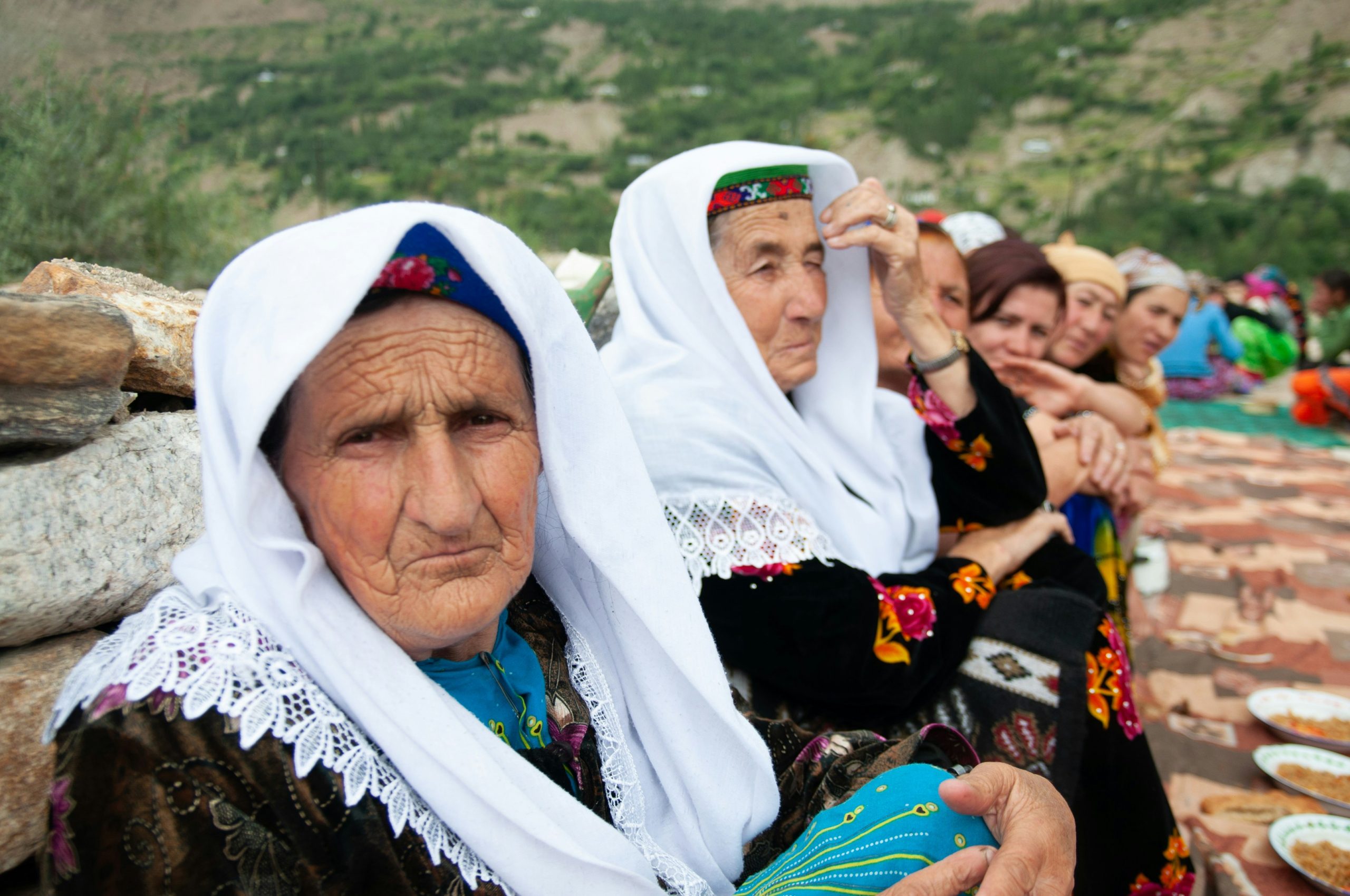
 In 2018, International Alert, an organization attempting to tackle community violence in societies with a history of conflict and extreme poverty, embarked on the Living with Dignity project, an effort to tackle economic insecurity and reduce domestic abuse, hoping to improve mental health in Tajikistan.
Poverty and Gender Inequality in Tajikistan
Declaring its independence from the Soviet Union in 1991, Tajikistan had a deadly civil war from 1992 to 1997, which greatly deepened social, economic and political inequalities already largely prevalent in the country.
Despite recent successful efforts to decrease poverty, Tajikistan is still the poorest country in Central Asia. As of 2019, approximately 26% of inhabitants lived in poverty, calculated based on income compared to the costs of basic necessities, with higher poverty rates in rural areas. In addition, around 6% of the population falls below the international poverty line. The Living with Dignity project has found that this widespread economic insecurity has profoundly negative consequences for mental health in Tajikistan.
Another key issue in the country is gender inequality. UNICEF reported a significantly higher rate of female suicide than male suicide, which by global standards is unusual, prompting questions as to the causes of this unique case. While official government figures report that approximately 31% of women from the ages of 15-49 have experienced forms of physical and emotional domestic abuse, research by International Alert indicates that the real figure could be greater than 60%. One key cause of this propensity to violence within many households is economic insecurity and the stresses it places upon families. The high rates of abuse have massively detrimental effects on mental health in Tajikistan.
Living With Dignity
International Alert’s Living with Dignity program focussed on transforming violent familial behavior through communication and reflection workshops, which provided a space for family members to understand each other’s experiences and needs better, according to the International Alert report. It found that a key cause of discord within the family was economic insecurity. So a key tenet of the project was the economic empowerment of women who generally have very little say in household financial management. The program also made use of gender sensitivity training and professional mental health services to challenge the patriarchal norms that dominated these areas and explore how they harm women’s mental health.
Economic Empowerment
International Alert found an increase in economic independence for women to be highly important in improving mental health, with participants reporting that they felt more heard in decision-making within the household. Moreover, an upturn in women’s participation in work led to greater economic security, which massively affects mental well-being. Throughout the Living with Dignity project, there was a 32% increase in families having enough food and money to support their needs. Moreover, at the beginning of the project 42% of women reported going to bed hungry at least once a week, while by the end of the project, that number was down to just 8%, according to the International Alert report. Many participants stated that an increase in economic stability was the key change in improving their mental health, given it made many women feel more valued and respected by their families.
Effects on Domestic Abuse
International Alert reports a 24% decrease in women feeling fearful in their household every week throughout the program. According to interviews conducted, this was largely brought about by an increase in respect between family members, fewer instances of domestic violence, greater economic independence of women and thus greater mobility. International Alert also found an increase in women feeling comfortable sharing their opinion on matters of household finance by 22%, and a 38% increase in women believing they now had more of a say in decision-making, both of which correlated strongly with improved psychological and emotional wellbeing.
Throughout the project, there was also a marked decrease in specific instances of violence and the amount of individuals who felt the use of violence in the home was acceptable. The gender sensitization training aimed to encourage families to deal with disputes in non-violent, diplomatic ways, which produces more comfortable home environments for women, facilitating better mental health outcomes.
The Living with Dignity project, then, has had a positive effect on the lives of many of these women, improving mental health in Tajikistan through tackling patriarchal, often abusive, norms and promoting both women’s safety and economic independence. Programs like this show that, by tackling global poverty we can reduce domestic violence and improve mental health outcomes.
– Billy Jardine
Billy is based in Liverpool, UK and focuses on Global Health for The Borgen Project.
Photo: Unsplash

Fighting Diseases in Palestine
Political and economic instability–worsened by the blockade and fighting– has left the health care infrastructure in shambles, severely impacting the well-being of Palestinians. Both chronic and transferable illnesses, coupled with a rapid decline in mental health, have steadily worsened. However, international and local nongovernmental organizations (NGOs) are working to combat the dire situation.
Crumbling Health Care System
The health care system in Palestine, particularly in Gaza, is on the brink of collapse. The conflict has led to severe shortages of medicines, fuel and medical supplies, making it nearly impossible for hospitals and clinics to function effectively. According to reports, there are around 350,000 patients in Gaza suffering from chronic conditions such as cancer and diabetes, alongside 50,000 pregnant women who are struggling to access necessary care.
The World Health Organization (WHO) has reported that nearly two-thirds of health clinics in Gaza are nonfunctional. Furthermore, the United Nations Relief and Works Agency (UNRWA) for Palestine Refugees in the Near East has indicated that fewer than half of its health centers can offer primary care to patients. This has left a sizable portion of the population without access to basic medical services, exacerbating the health crisis.
Sanitation and Water Crisis
The water and sanitation situation in Palestine is extremely dire. There is only one shower for 4,500 people and one toilet for more than 200 people. This has led to a significant increase in the spread of infectious diseases in Palestine. The situation is a result of the ongoing conflict, which has forced many Palestinians to seek refuge in overcrowded shelters or relocate to the south, where unsanitary conditions prevail.
Contaminated water supply and poor hygiene are leading to outbreaks of illnesses such as diarrhea, respiratory infections and chickenpox. Up to 70 people are crammed into single rooms, creating an environment ripe for disease transmission. Respiratory diseases in Palestine are particularly rampant, with more than 150,000 cases of upper respiratory infections reported, alongside numerous cases of meningitis, skin rashes, lice and chickenpox. The risk of cholera and other epidemics looms large as the health and sanitation infrastructure continues to deteriorate.
Efforts to Combat Disease
Despite the overwhelming challenges, various efforts and initiatives are underway to alleviate the health crisis in Palestine. NGOs are spearheading humanitarian aid to mitigate the ongoing situation.
WHO is improving health conditions by coordinating with local and international partners to enhance aid delivery and establish more supply routes. More than a dozen high-risk operations have been conducted to provide supplies to hospitals in Gaza. WHO helped establish two kitchens at Al-Shifa Hospital, which serve 1,200 meals a day. Its distribution of medical supplies currently supports treatment for 1,250 children with severe malnutrition.
The United Nations Children’s Fund (UNICEF) also plays a pivotal role in saving lives. In addition to first aid, it provides 600,000 vaccinations and nutritional supplements to children and expecting mothers. It also provides safe drinking water for 1.3 million people to curb infectious diseases.
While efforts to provide relief are ongoing, the situation remains precarious. However, the resilience and determination of health care workers combined with international support allow for much optimism. Sustained efforts and global solidarity offer hope in paving the way for a healthier future in Palestine.
– Asiya Siddiqui
Photo: Flickr
Elder Poverty in Czechia: What You Should Know
The age dependency ratio in the country, otherwise known as the number of children and elderly people to the number of people of working age, is 58%. This figure is higher than that of other countries such as Bosnia and Herzegovina and the United States, which have an age dependency ratio of 50% and 54% respectively. Therefore it is clear that the elderly make up a significant amount of the population.
Behind Elder Poverty in Czechia
The age dependency ratio in the country, otherwise known as the number of children and elderly people to the number of people of working age, is 58%. This figure is higher than that of other countries such as Bosnia and Herzegovina and the United States, which have an age dependency ratio of 50% and 54% respectively. Therefore it is clear that the elderly make up a significant amount of the population, and so the fact that so many people are experiencing poverty is concerning.
In 2016, nine out of 10 elderly Czech people living in poverty were female, placing Czechia on the higher end of the scale of the EU’s table of statistics on the number of elderly women living in or at risk of poverty by country. A possible cause of this is the fact that elderly Czech women tend to receive less pension money, with their average monthly pension in 2014 amounting to just 10,000 crowns, and men’s averaging at 12,200.
Organizations Helping
While these figures may make the situation seem bleak, organizations are helping reduce the rate of elderly poverty in Czechia. The Olga Havel Foundation has introduced a program that aims to support the ageing population of Czechia. It makes contributions towards the cost of nursing care that elderly people, provides crisis helplines, contributes a transport allowance for care services and much more.
Apart from the governmental funding, members of the public and non-profit organizations can also make contributions. The scheme improves the quality of life of elderly people by removing the pressure of having to pay to access nursing and allows them to maintain their independence by giving them the option to be cared for in their own homes instead of in a retirement facility.
The Caritas Czech Republic also aims to help elderly people and other vulnerable groups in Czechia. It provides health and social care to a total of nearly 150,000 people a year. One of its projects is the Brno Diocesan Charity Rescue Network, which aims to assist vulnerable populations by enabling them to access health care and fulfill other basic needs.
Closing Remarks
While elder poverty in Czechia is a significant problem, it is evident that efforts are being made to lessen the extent of the issue. The Olga Havel Foundation, for example, is especially instrumental in the effort to prevent elder poverty in Czechia, with its program to cover the costs of in-home nursing care and other allowances that reduce the financial burden the elderly have to shoulder to meet their daily needs. The Caritas Foundation also makes valuable contributions to help those affected by poverty of all ages access health care and other necessities that their own money may not sufficiently cover.
– Sue-Joyce Headon
Photo: Unsplash
Bicycle Relief Offers Opportunities for Women
The Way Society Moves
Transportation powers the way society moves, getting people from one place to another in a reasonable amount of time. It is this flexibility that not only provides freedom and convenience in daily life but also boosts development and economic growth. For many people living in rural areas, imited access to vehicles and high costs make it difficult to progress. World Bicycle Relief aims to bridge these barriers by targeting specific areas of this region offering a chance for women to expand their economic opportunities and provide them with a basic means of transportation.
World Bicycle Relief has distributed almost 786,000 bikes since 2005. Its “Buffalo Bike” is the nonprofit’s model, customized to withstand daily use such as handling rough terrain, long distances, and pulling cargo. The bike’s build is stronger than typical road bicycles that are more lightweight. It features steel tubing, heavy-duty spokes and rims, puncture-resistant tires, a rear rack capable of holding 100kg and a durable seat for comfort. After the distribution, locals within these rural areas get mechanics training, using basic tools and locally available spare parts, keeping riders on the move and continuing the program’s progress. There are now more than 3,000 mechanics available.
Gender Gaps and Poverty
Gender gaps put women and girls at a disadvantage early on in their lives trapping them into continuous poverty, limiting their productivity and potential. In sub-Saharan Africa, 37% of women were married or in a union before the age of 18 and girls are more likely to drop out of school than boys. More than half (56%) of urban women and girls live in slum conditions, where they lack access to clean water or suitable housing conditions. Approximately 980 million women do not have access to financial services walking long distances to work and school. Work inequalities also limit opportunities, as many women earn income by selling goods and produce.
Within the household women often take on the domestic role spending more on transport costs because they make more trips to and from their local markets to provide for their families. There are additional challenges for expecting mothers and mothers with young children as they face difficulties accessing health facilities in larger cities where they can receive medical services and child care resulting in missing or postponing appointments The maternal mortality ratio (MMR) in the region is 556 deaths per 100,000 births making it the highest at two thirds of all maternal deaths each year, according to the U.N. Women. Despite mobility being the most beneficial for women, men are the primary owners and operators of transportation. However, most of the trips they make outside their communities are for personal reasons.
Empowering Communities
At least 70% of bike recipients with World Bicycle Relief are women and girls, empowering them to focus on their education and growth opportunities and prioritize their well-being. The next big goal is to deliver 1 million bikes. In a world that is fast-moving, everyone should have a chance to move along with it.
– Tanita Love
Photo: Flickr
Cultivating Growth in Bangladesh with Floating Gardens
The transition from predominantly growing rice to cultivating more nutrient-dense foods like pumpkins, tomatoes, papayas and beans will be instrumental in promoting health and well-being across Bangladesh, a country with one of the highest malnutrition rates. Development charities like Practical Action and humanitarian organizations like Care International have helped bring an ancient farming practice to the country’s most at-risk areas, namely rural and impoverished communities.
Agricultural Progress and Environmental Setbacks
In the past few decades, Bangladesh has made significant strides toward reducing poverty and averting famine with incremental improvements in farming technologies. According to the World Bank, productive agricultural strategies facilitated a tripling of food grain production between 1972 and 2014, helping meet the needs of a rapidly expanding population. Still, salt intrusion, drought and flood threaten to hamper progress, which demands continued adaptability and innovation in the agricultural sector.
Revival of Ancient Agricultural Practices
Farmers in south-central Bangladesh, are turning to a historical gardening practice: floating vegetable gardens. These gardens, constructed on artificial islands in swampy wetlands and rivers, provide a lifeline during monsoon seasons. They also serve as shelters for livestock and double as fishing spots. The simplicity of this method makes it a viable alternative to traditional farming during periods of intense flooding. Farmers tend to their plants by paddling across the water in rafts fashioned from natural materials like water hyacinth. As the floating gardens rise and fall with rain patterns, farmers reap the rewards of their labor and nourish local villages.
Hydroponic Innovations to Resource-Poor Regions
While hydroponic gardening has shown promise in some parts of Bangladesh, it’s crucial not to overlook the areas with fewer resources. These regions, often in urgent need of intervention, could greatly benefit from the tools and support to convert their fields into floating gardens. The work of groups like Practical Action, which have set up floating gardens in the northern part of the country, enables and empowers farmers to grow food year-round, regardless of weather conditions.
Looking Ahead
Bangladesh’s adaptation of hydroponic floating gardens promises a resilient agricultural future, especially for regions perennially affected by flooding. As more communities embrace this innovative farming technique, it could significantly enhance food security and reduce malnutrition nationwide. Continued support from development charities and local innovation will be key to expanding these ongoing sustainable practices to ensure all regions can thrive despite environmental challenges.
– Natalie Kaufman
Photo: Flickr
Poverty and Wildlife Conservation in Cambodia
Community-Based Conservation Initiatives
The integration of sustainable livelihood activities into conservation programs is one promising approach. Empowering local communities through ecologically friendly income-generating activities, such as sustainable agriculture, ecotourism ventures and harvesting nontimber forest products, can alleviate poverty and reduce dependence on destructive practices. Central to these ongoing efforts is community-based conservation, which places local stakeholder involvement at the core of decision-making and resource management. In Cambodia, initiatives like the Community Protected Area concept have succeeded by granting communities rights and responsibilities over specific conservation areas. This approach not only protects biodiversity but also supports sustainable economic development in communities burdened by poverty.
KEO SEIMA REDD+ Project
The KEO SEIMA REDD+ project actively supports biodiversity and communities in the Keo Seima Wildlife Sanctuary, which is one of many forests that collectively make up 40% of Cambodia’s territory. The Wildlife Conservation Society describes REDD+ as an innovative approach designed to cut emissions from deforestation and forest degradation, thus decreasing CO₂ emissions that result from clearing and exploiting forests.
Since its founding in 1895, the Wildlife Conservation Society has partnered with the Royal Government of Cambodia’s Ministry of Environment. In Cambodia, 65% of the population relies on forest resources for their livelihoods. The Keo Seima Wildlife Sanctuary hosts more than 1,000 wild species, including 85 globally threatened ones and serves as both the ancestral and current home of the Indigenous Bunong people. Their unique culture and beliefs are deeply intertwined with the forest. With more than 13 years of protection and support, the program has safeguarded 166,000 hectares and prevented 21 million tons of carbon dioxide emissions.
Enhancing Conservation
New partnerships among conservation organizations, government agencies and private enterprises could enhance the scale and effectiveness of poverty-reduction efforts linked to conservation achievements. Projects like payment for ecosystem services and sustainable tourism enable various stakeholders to collaborate on solutions that benefit both people and wildlife. Moreover, adopting technologies such as remote sensing and data analytics can potentially bolster monitoring and enforcement efforts, thereby reducing illegal activities that threaten biodiversity and human well-being.
Supportive policy frameworks play a crucial role in promoting sustainable development and conservation outcomes. During the implementation of the Cooperation Framework, the United Nations and the Royal Government of Cambodia will engage in annual discussions, co-chaired by the U.N. Resident Coordinator and the Prime Minister of Cambodia. These discussions will provide a crucial platform for the United Nations and the Cambodian Government to identify areas for support and to enhance and broaden their collaboration, aiming to expedite progress towards achieving the Sustainable Development Goals (SDGs) by 2030.
Looking Forward
Cambodia’s commitment to community-based conservation and sustainable development practices promises a brighter future for both its people and its rich biodiversity. Strengthening partnerships and adopting advanced technologies could enhance conservation efforts, including wildlife conservation in Cambodia and bolster economic growth. By aligning these ongoing initiatives with global sustainable development goals, Cambodia aims to achieve a balance between environmental protection and poverty alleviation.
– Honorine Lanka Perera
Photo: Flickr
Inequitable Asthma Deaths in Low-And-Middle-Income Countries
Disproportionate Asthma Deaths
Underdiagnosis and under-treatment remain a major hurdle in managing the disease effectively. A study published in the “Journal of Allergy and Clinical Immunology” revealed that only 10% of people with asthma symptoms in Uganda had a formal diagnosis. The effect of this is shown starkly as the “Ugandan asthma mortality rate of 19 deaths per 1000 person-years is 90 times that of the United Kingdom (U.K.).” This is not unique to Uganda, as 90% of asthma deaths occur in low-middle-income countries.
While it is believed that “there is no logical biological rationale for asthma to differ between countries according to their income alone,” the environment can have a drastic impact. A fetus exposed to factors such as smoke, air pollution and antibiotics in utero is more likely to experience asthma and these conditions are often found in urban, lower-income environments.
What Is Being Done?
The Global Initiative for Asthma (GINA) has organized World Asthma Day since 1998. It advocates education as a partial solution to asthma. Since 2014, the organization has been funded entirely by people purchasing its resources. Some of the organization’s objectives include “increasing awareness of asthma and its public health consequences” and “improving availability and accessibility of effective asthma therapy.”
The World Health Organization (WHO) also advocates for empowering asthmatics (and those who live with them) through education. It believes that increased knowledge in areas such as symptom management, triggers and how to administer medicines will not only reduce health costs but also reduce absences from school and work, resulting in fewer hospitalizations and, ultimately, asthma deaths.
The Good News
The good news is that convenient treatments for asthma have been available since the invention of the inhaler in 1956. Additionally, in 2023, the American Food and Drug Administration (FDA) approved Airsupra inhalation aerosol “to reduce the risk of asthma attacks in patients with asthma 18 years of age” and above. However, while there is some difficulty with using inhalers in emergencies or with children, WHO has found that homemade spacers made from plastic bottles “can be as effective” as manufactured ones.
New treatments for asthma continue to be developed. The SHAMAL study in 2023 showed that the use of injected benralizumab every four to six weeks allows more than 90% of patients to decrease their use of steroids, thus reducing the prevalence of undesirable side effects. While the study needs to be corroborated, it may be the start of more “biologic” treatments for people living with asthma.
Final Remark
The fight against asthma is far from over. Yet, with the development of new treatments and hard work being done on the ground educating not only people with asthma but their families and health care professionals, we are working toward a future where asthma-related deaths are a thing of the past.
– Rachael Denton-Snape
Photo: Freepik
How the War in South Lebanon Is Ruining Its Economy
The War in South Lebanon
The skirmishes between Hezbollah in South Lebanon and Israel have been ongoing since the beginning of the Gaza war on October 7, 2023. On May 28, 2024, after Israel’s aerial strike on Rafah, Hezbollah’s missile attacks reached an all-time high, getting up to 3,000 rockets, leaving 86 settlements in Northern Israel heavily damaged.
Israel has been responding with aerial attacks that have left most of the villages in Southern Lebanon uninhabitable, forcing many to flee either to Beirut or the mountains. According to the International Organization for Migration’s (IOM) Displacement Tracker Index, some 86,000 people have been displaced and 51% of those displaced are women.
Since the beginning of the war, Lebanon has remained the country with the highest displaced population per capita in the world, totaling 2.47 million and including Syrian and Palestinian people as well.
The Olive Trees Crisis
Agriculture is a major source of income in Southern Lebanon. It employs hundreds of thousands. The olive oil business, in particular, makes up 7% of Lebanon’s agricultural gross domestic product (GDP) and provides some 110,000 farmers with their livelihoods.
This has been greatly affected by Israeli airstrikes on agricultural land. Additionally, the use of white phosphorus bombs, which the Lebanese Ministry of Environment claims, has increased the amount of phosphorus 900 times above healthy levels, specifically in areas targeted by the Israeli military.
The damage to the land in this area is incredibly poignant, considering that approximately 12 million trees cover the farming land used in the olive oil business and that this farming land makes up almost one-quarter of the country’s total agricultural area.
How the UN is Helping
Under the Regional Refugee Resilience Plan by the United Nations High Commissioner for Refugees (UNHCR), the Inter-Agency unit in Lebanon has accomplished significant milestones in assisting the country with absorbing and managing its large displaced population.
Since the beginning of the war, the unit has supported 22,196 small-scale farmers through education and the provision of essential materials to rural and underserved areas. The unit has also been directly providing aid to shelters, dishing out 209,109 daily meals to the inhabitants of Saida and Tyre’s shelters.
While the situation as a whole remains somewhat dire, U.N.-funded organizations and other charitable institutions have been providing immense help to the underprivileged people of Southern Lebanon. However, they are receiving only 13% of their required budget, making lobbying an even more urgent duty to us all.
– Carl Massad
Photo: Flickr
Where There Is No Doctor: Providing Health Care Education to All
The Scarcity of Health Care
With advances in technology and medicine contributing to the increase of global life expectancy, there remains a persistent disparity in access to quality health care between higher and lower-income countries. According to a 2020 study conducted by the World Health Organization (WHO), there is only one doctor for every 3,324 people in Africa. In contrast, in Europe, there is one doctor for every 293 people.
The varied distribution of people versus health care workers highlights the scarcity of adequate health care in some regions of the world. To achieve universal health coverage, organizations like Hesperian Health Guides are providing health care education to rural areas where there is little to no access to doctors.
Where There Is No Doctor
Following his experience of working at Project Piaxtla, a primary health care program operated by disabled village health workers in western Mexico, David Werner wrote and published “Where There Is No Doctor (Donde No Hay Doctor)” alongside his colleague Jane Maxwell. It is the first health care manual to consider the people of low-income and rural settings. Originally published in Spanish, “Where There Is No Doctor” explained complex health topics in a comprehensible language.
Since the 1973 publication of “Where There Is No Doctor,” Hesperian Health Guides has issued more than 40 titles to 221 countries. Its books, which have been translated into more than 85 languages, explain topics such as general health, women’s health, children’s health, environmental health, disabilities, health rights and advocacy and more. With each book taking about four to 10 years to complete, the nonprofit continuously updates and revises its handbooks.
Making a Global Impact
Pivotal stakeholders in global public health commend the accuracy, accessibility and clarity of Hesperian Health Guides. For example, since the ’80s, every Peace Corps volunteer has been supplied with copies of Hesperian handbooks. Through donations, the Hesperian distributes its books to various community health workers, including missionaries, midwives, teachers, community organizers, nonprofit organizations, health educators and government agencies.
Each stakeholder utilizes the Hesperian Health Guides to address the health concerns of their community while actively reducing the global health disparity. According to its 2023 annual report, Hesperian Health Guides has helped about 2,700,000 people. For those with access to the internet, the organization’s free HealthWiki has been providing health care education to more than 36 million people since the website’s launch in 2011.
Conclusion
With the recent decrease in access to essential health services, global health inequalities persist. Vulnerable populations with low levels of access to health care suffer the most as they are exposed to more health risks. Efforts to increase equitable access to health care are crucial to reducing the global health disparity. By providing health care education to rural communities, Hesperian Health Guides addresses global public health inequities in an effort to better the personal, community and environmental health of all.
– Naima Rasheed
Photo: Flickr
5 Poverty Fighting Nongovernmental Organizations Based in India
End Poverty
End Poverty (EP) is a civil society organization established in India in 2009. Its main goal is to mobilize rural communities to improve their socioeconomic well-being. Given that India’s rural population accounts for nearly 65% of the total population, EP is dedicated to enhancing rural infrastructures through various social interventions.
For instance, EP has endorsed the Holistic Rural Development Project (HRDP) alongside the HDFC bank to revitalize village area opportunities through educational services and agricultural skills training, such as multi-cropping techniques. The HRDP initiative has reached nearly 17 states across India and has triumphantly assisted more than 1,100.
Aarohan
Since its founding in 2005, Aarohan has been fulfilling its mission of supporting child-focused rights and protection. Through intensive research and surveys, the NGO has prioritized healthy development for impoverished children. The organization compartmentalizes multiple sustainable development goals (SDGs) while enforcing food security, health care access and efficient education in its projects.
In particular, Aaarohan’s “Education Program Approach” promoted academic stability for impoverished children in concurrence with nutritional consistency. It has also endorsed vocational training, such as computer skills and financial literacy. This ensures that all individuals who aspire to, can pursue further employment opportunities. This organization has positively influenced more than 7,000 children and has demonstrated a holistic approach to poverty relief through the integration of SDGs in its work.
Dilasa
This agricultural NGO was established in 1994 and is acknowledged for collaborating with 25 other NGOs based in India, working to alleviate poverty. Dilasa has taken on hands-on projects such as building and distributing temporary shelters, housing sheds and educational resources. These projects have touched the lives of more than 2,334 families across the villages of the Marathwada and Vidarbha regions.
Dilasa is also instrumental in its agency for farmer welfare. This organization has successfully set up a farmer support center in Mumbai that has aided women farmers. It has promoted agricultural techniques such as protective irrigation to store rainwater. By doing so, farmers can acquire a stable income that will maintain an adequate standard of living.
Vimochana
Vimochana is a women’s focused NGO based in India. This organization was established in 1979 and has dedicated its mission to establishing security for women who come from distressing environments for vulnerable women. Vimochana has supported women who have experienced societal injustices such as poverty, domestic violence and sexual exploitation. Through the force of advocacy, Vimochana has empowered more than 30,000 women.
Rainbow Homes Program
Formed in 2002 by the Rainbow Foundation India, the Rainbow Homes Program’s agenda is to protect the homeless children in urban India. With more than 18 million vulnerable children working on the streets of India, the nonprofit primarily focuses on caring for children who have been abandoned or forced to live on the streets in the country’s metropolitan cities.
The Rainbow Homes Program remains focused on creating community centers and children’s homes alongside the help of the public sector. This program has extended to approximately 5,601 children and adolescents across India.
These nongovernmental organizations based in India have demonstrated the resilience and effort needed to fight poverty and associated social injustices in the country.
– Abigail Lobo
Photo: Unsplash
Mental Health in Tajikistan: The Living With Dignity Project
Poverty and Gender Inequality in Tajikistan
Declaring its independence from the Soviet Union in 1991, Tajikistan had a deadly civil war from 1992 to 1997, which greatly deepened social, economic and political inequalities already largely prevalent in the country.
Despite recent successful efforts to decrease poverty, Tajikistan is still the poorest country in Central Asia. As of 2019, approximately 26% of inhabitants lived in poverty, calculated based on income compared to the costs of basic necessities, with higher poverty rates in rural areas. In addition, around 6% of the population falls below the international poverty line. The Living with Dignity project has found that this widespread economic insecurity has profoundly negative consequences for mental health in Tajikistan.
Another key issue in the country is gender inequality. UNICEF reported a significantly higher rate of female suicide than male suicide, which by global standards is unusual, prompting questions as to the causes of this unique case. While official government figures report that approximately 31% of women from the ages of 15-49 have experienced forms of physical and emotional domestic abuse, research by International Alert indicates that the real figure could be greater than 60%. One key cause of this propensity to violence within many households is economic insecurity and the stresses it places upon families. The high rates of abuse have massively detrimental effects on mental health in Tajikistan.
Living With Dignity
International Alert’s Living with Dignity program focussed on transforming violent familial behavior through communication and reflection workshops, which provided a space for family members to understand each other’s experiences and needs better, according to the International Alert report. It found that a key cause of discord within the family was economic insecurity. So a key tenet of the project was the economic empowerment of women who generally have very little say in household financial management. The program also made use of gender sensitivity training and professional mental health services to challenge the patriarchal norms that dominated these areas and explore how they harm women’s mental health.
Economic Empowerment
International Alert found an increase in economic independence for women to be highly important in improving mental health, with participants reporting that they felt more heard in decision-making within the household. Moreover, an upturn in women’s participation in work led to greater economic security, which massively affects mental well-being. Throughout the Living with Dignity project, there was a 32% increase in families having enough food and money to support their needs. Moreover, at the beginning of the project 42% of women reported going to bed hungry at least once a week, while by the end of the project, that number was down to just 8%, according to the International Alert report. Many participants stated that an increase in economic stability was the key change in improving their mental health, given it made many women feel more valued and respected by their families.
Effects on Domestic Abuse
International Alert reports a 24% decrease in women feeling fearful in their household every week throughout the program. According to interviews conducted, this was largely brought about by an increase in respect between family members, fewer instances of domestic violence, greater economic independence of women and thus greater mobility. International Alert also found an increase in women feeling comfortable sharing their opinion on matters of household finance by 22%, and a 38% increase in women believing they now had more of a say in decision-making, both of which correlated strongly with improved psychological and emotional wellbeing.
Throughout the project, there was also a marked decrease in specific instances of violence and the amount of individuals who felt the use of violence in the home was acceptable. The gender sensitization training aimed to encourage families to deal with disputes in non-violent, diplomatic ways, which produces more comfortable home environments for women, facilitating better mental health outcomes.
The Living with Dignity project, then, has had a positive effect on the lives of many of these women, improving mental health in Tajikistan through tackling patriarchal, often abusive, norms and promoting both women’s safety and economic independence. Programs like this show that, by tackling global poverty we can reduce domestic violence and improve mental health outcomes.
– Billy Jardine
Photo: Unsplash