10 Facts About Poverty in Tajikistan
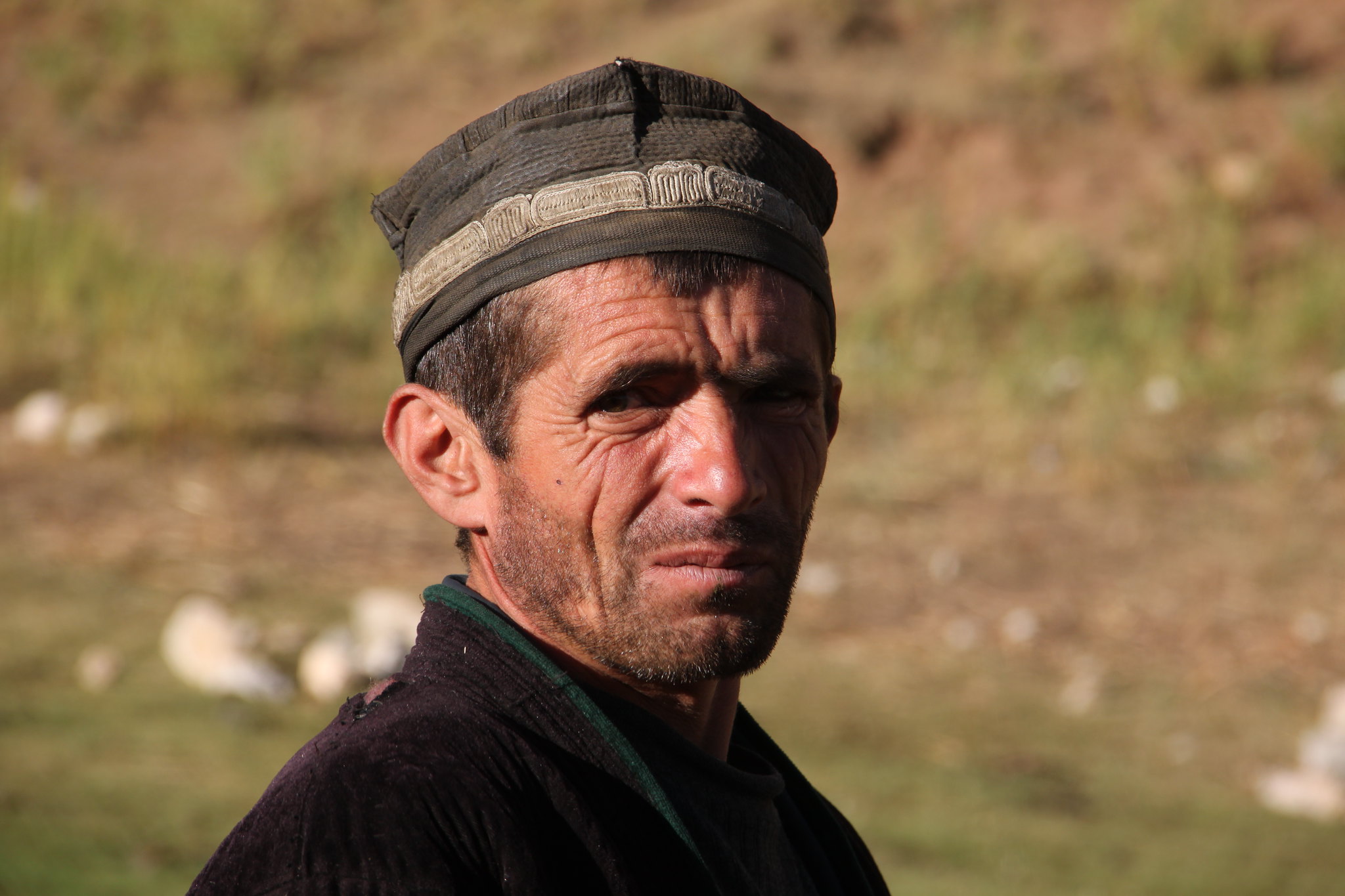 Nestled in between Afghanistan, China, Kyrgyzstan and Uzbekistan, Tajikistan sits in Central Asia among its sprawling mountain range. In the past decade, major oil and natural gas reserves have been found in Tajikistan which has kindled the hope of stimulating the nation’s struggling economy and of shifting their economic power back to them. As of 2018, around 27.4% of the population in Tajikistan lived below the national poverty line. Here are 10 facts about poverty in Tajikistan.
10 Facts About Poverty in Tajikistan
- Regions in Poverty: Not all regions of the country are grappling with poverty to the same extent. In the northwest region of Sugd, the poverty rate was 17.5% in 2018. In the region just below, the Districts of Republican Subordination, that rate was almost doubled at 33.2%.
- Agriculture: Poverty seems to affect rural areas of Tajikistan more severely than urban areas. Farming cotton, one of Tajikistan’s main cash crops, does very little for mitigating poverty levels or maneuvering individuals out of poverty. However, those with non-agricultural jobs in urban areas like the capital, Dushanbe, can go to Russia to find work. This is a common occurrence. As of 2018, the poverty rate in urban Tajikistan stood at about 21.5%, whereas the rate for rural Tajikistan was at 30.2%.
- Poverty Reduction: The rate of poverty reduction in Tajikistan has decreased. From 2000 to 2015, the rate of poverty dropped from 83% to 31%. Since 2014, the national poverty rate has slowed to dropping by 1% each year.
- Limited Job Creation and Wage Growth: One can attribute this slowing rate of poverty reduction to a lack of job creation and stagnating wage growth. With a lack of new and improved jobs to stimulate the economy, much of the workforce turns to employment in Russia; this does little to stimulate Tajikistan’s own economy.
- Households: A reported 75% of households have concerns about meeting their family’s basic necessities over the next year. Tajikistan is the poorest and most distant of the independent former Soviet Union states. In the first nationally conducted survey since the war ceased and Tajikistan gained its independence, studies found that more than 95% of households failed to meet the minimum amount of food consumption to be considered appropriately sustained.
- Child Malnutrition: Tajikistan has a prevalence of child malnutrition and stunting; this is due to inconsistent access to clean water and food. Many households spend more than they can truly afford to obtain drinking water. For the 64% of people in Tajikistan living below the national poverty line, this means incurring extra expenses while already making under $2 a day.
- Housing: For every 1,000 inhabitants, there are only 163 places to live. Tajikistan has the lowest housing stock in the Europe and Central Asia regions at 1.23 million units. This can largely due to the government no longer being able to provide public housing, while private owners have no extra money to invest in or maintain the upkeep of properties.
- Challenges for Youth: About 35% of Tajikistan’s population is under the age of 15. In the world’s wealthier nations, this number hovers at about 17%. A disproportionate amount of youth in the population means more problems for the burgeoning workforce as they struggle to earn an income: especially in a place where the economy may not be ready to respond. This could further the stagnation of Tajikistan’s economy, with frustrated young workers leaving to find work in other nations, as many are already doing.
- Employment in Russia: As many as 40% of Tajiks in Russia may be working illegally. Tajikistan relies on remittances from Russia. This accompanies Russia’s increasingly strict administrative processes for foreigners seeking work. Due to these two conditions, The Russian Ministry of Internal Affairs’ reported number of 1 million Tajiks working in Russia per year is questionably low. Between 30% and 40% of households in Tajikistan have at least one member of the family working abroad.
- Literacy: The literacy rate in Tajikistan is 99.8% as of 2015. Primary education is compulsory and literacy is high, though the skill level in youths has been decreasing. This is due to economic needs calling the younger population away from their education in search of an income to help meet their daily needs.
Looking Ahead
Tajikistan has been climbing its way out of poverty since it has gained its independence in 1991. However, the nation’s over-reliance on remittances has allowed for its own economy to stagnate. This has resulted in a hungry workforce and few jobs to supply them. Groups like Gurdofarid work to try and empower the Tajik workforce; they teach women vocational skills that are necessary for them to become employed in their own country.
– Catherine Lin
Photo: Flickr
