Mental Health in Tajikistan: The Living With Dignity Project
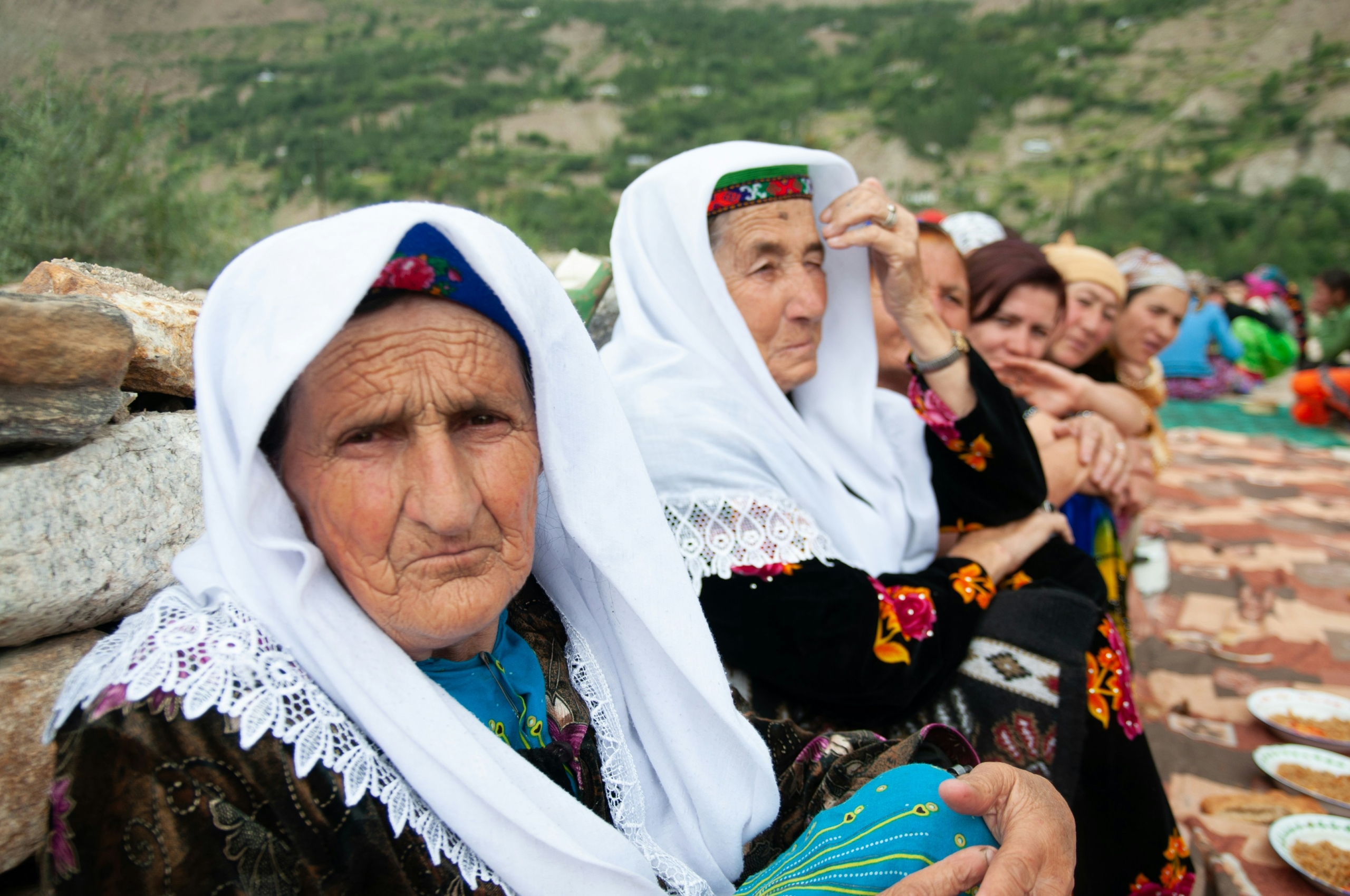 In 2018, International Alert, an organization attempting to tackle community violence in societies with a history of conflict and extreme poverty, embarked on the Living with Dignity project, an effort to tackle economic insecurity and reduce domestic abuse, hoping to improve mental health in Tajikistan.
Poverty and Gender Inequality in Tajikistan
Declaring its independence from the Soviet Union in 1991, Tajikistan had a deadly civil war from 1992 to 1997, which greatly deepened social, economic and political inequalities already largely prevalent in the country.
Despite recent successful efforts to decrease poverty, Tajikistan is still the poorest country in Central Asia. As of 2019, approximately 26% of inhabitants lived in poverty, calculated based on income compared to the costs of basic necessities, with higher poverty rates in rural areas. In addition, around 6% of the population falls below the international poverty line. The Living with Dignity project has found that this widespread economic insecurity has profoundly negative consequences for mental health in Tajikistan.
Another key issue in the country is gender inequality. UNICEF reported a significantly higher rate of female suicide than male suicide, which by global standards is unusual, prompting questions as to the causes of this unique case. While official government figures report that approximately 31% of women from the ages of 15-49 have experienced forms of physical and emotional domestic abuse, research by International Alert indicates that the real figure could be greater than 60%. One key cause of this propensity to violence within many households is economic insecurity and the stresses it places upon families. The high rates of abuse have massively detrimental effects on mental health in Tajikistan.
Living With Dignity
International Alert’s Living with Dignity program focussed on transforming violent familial behavior through communication and reflection workshops, which provided a space for family members to understand each other’s experiences and needs better, according to the International Alert report. It found that a key cause of discord within the family was economic insecurity. So a key tenet of the project was the economic empowerment of women who generally have very little say in household financial management. The program also made use of gender sensitivity training and professional mental health services to challenge the patriarchal norms that dominated these areas and explore how they harm women’s mental health.
Economic Empowerment
International Alert found an increase in economic independence for women to be highly important in improving mental health, with participants reporting that they felt more heard in decision-making within the household. Moreover, an upturn in women’s participation in work led to greater economic security, which massively affects mental well-being. Throughout the Living with Dignity project, there was a 32% increase in families having enough food and money to support their needs. Moreover, at the beginning of the project 42% of women reported going to bed hungry at least once a week, while by the end of the project, that number was down to just 8%, according to the International Alert report. Many participants stated that an increase in economic stability was the key change in improving their mental health, given it made many women feel more valued and respected by their families.
Effects on Domestic Abuse
International Alert reports a 24% decrease in women feeling fearful in their household every week throughout the program. According to interviews conducted, this was largely brought about by an increase in respect between family members, fewer instances of domestic violence, greater economic independence of women and thus greater mobility. International Alert also found an increase in women feeling comfortable sharing their opinion on matters of household finance by 22%, and a 38% increase in women believing they now had more of a say in decision-making, both of which correlated strongly with improved psychological and emotional wellbeing.
Throughout the project, there was also a marked decrease in specific instances of violence and the amount of individuals who felt the use of violence in the home was acceptable. The gender sensitization training aimed to encourage families to deal with disputes in non-violent, diplomatic ways, which produces more comfortable home environments for women, facilitating better mental health outcomes.
The Living with Dignity project, then, has had a positive effect on the lives of many of these women, improving mental health in Tajikistan through tackling patriarchal, often abusive, norms and promoting both women’s safety and economic independence. Programs like this show that, by tackling global poverty we can reduce domestic violence and improve mental health outcomes.
– Billy Jardine
Billy is based in Liverpool, UK and focuses on Global Health for The Borgen Project.
Photo: Unsplash
