Where There Is No Doctor: Providing Health Care Education to All
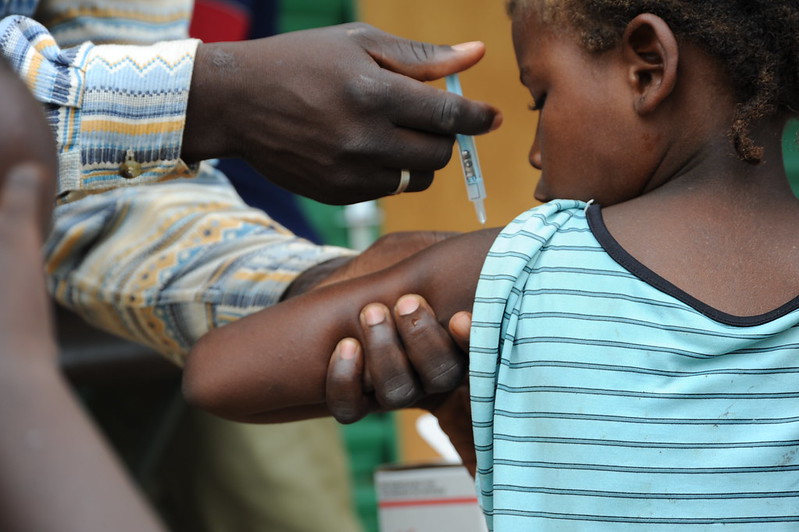 For more than 50 years, Hesperian Health Guides has provided health care education to remote communities, aiming to address and reduce the global health disparity.
The Scarcity of Health Care
With advances in technology and medicine contributing to the increase of global life expectancy, there remains a persistent disparity in access to quality health care between higher and lower-income countries. According to a 2020 study conducted by the World Health Organization (WHO), there is only one doctor for every 3,324 people in Africa. In contrast, in Europe, there is one doctor for every 293 people.
The varied distribution of people versus health care workers highlights the scarcity of adequate health care in some regions of the world. To achieve universal health coverage, organizations like Hesperian Health Guides are providing health care education to rural areas where there is little to no access to doctors.
Where There Is No Doctor
Following his experience of working at Project Piaxtla, a primary health care program operated by disabled village health workers in western Mexico, David Werner wrote and published “Where There Is No Doctor (Donde No Hay Doctor)” alongside his colleague Jane Maxwell. It is the first health care manual to consider the people of low-income and rural settings. Originally published in Spanish, “Where There Is No Doctor” explained complex health topics in a comprehensible language.
Since the 1973 publication of “Where There Is No Doctor,” Hesperian Health Guides has issued more than 40 titles to 221 countries. Its books, which have been translated into more than 85 languages, explain topics such as general health, women’s health, children’s health, environmental health, disabilities, health rights and advocacy and more. With each book taking about four to 10 years to complete, the nonprofit continuously updates and revises its handbooks.
Making a Global Impact
Pivotal stakeholders in global public health commend the accuracy, accessibility and clarity of Hesperian Health Guides. For example, since the ’80s, every Peace Corps volunteer has been supplied with copies of Hesperian handbooks. Through donations, the Hesperian distributes its books to various community health workers, including missionaries, midwives, teachers, community organizers, nonprofit organizations, health educators and government agencies.
Each stakeholder utilizes the Hesperian Health Guides to address the health concerns of their community while actively reducing the global health disparity. According to its 2023 annual report, Hesperian Health Guides has helped about 2,700,000 people. For those with access to the internet, the organization’s free HealthWiki has been providing health care education to more than 36 million people since the website’s launch in 2011.
Conclusion
With the recent decrease in access to essential health services, global health inequalities persist. Vulnerable populations with low levels of access to health care suffer the most as they are exposed to more health risks. Efforts to increase equitable access to health care are crucial to reducing the global health disparity. By providing health care education to rural communities, Hesperian Health Guides addresses global public health inequities in an effort to better the personal, community and environmental health of all.
– Naima Rasheed
Naima is based in New York, NY, USA and focuses on Good News, Global Health for The Borgen Project.
Photo: Flickr
