How the War in South Lebanon Is Ruining Its Economy
 Lebanon’s progress under the United Nations (U.N.) Sustainable Development Goals (SDGs) has been stagnant at best since its financial crisis in 2017 and the 2020 Beirut blast, which left 300,000 people displaced and more than 200 people killed. Since then, the South of Lebanon has also found itself at war with Israel, which has further worsened the economic situation in the country.
The War in South Lebanon
The skirmishes between Hezbollah in South Lebanon and Israel have been ongoing since the beginning of the Gaza war on October 7, 2023. On May 28, 2024, after Israel’s aerial strike on Rafah, Hezbollah’s missile attacks reached an all-time high, getting up to 3,000 rockets, leaving 86 settlements in Northern Israel heavily damaged.
Israel has been responding with aerial attacks that have left most of the villages in Southern Lebanon uninhabitable, forcing many to flee either to Beirut or the mountains. According to the International Organization for Migration’s (IOM) Displacement Tracker Index, some 86,000 people have been displaced and 51% of those displaced are women.
Since the beginning of the war, Lebanon has remained the country with the highest displaced population per capita in the world, totaling 2.47 million and including Syrian and Palestinian people as well.
The Olive Trees Crisis
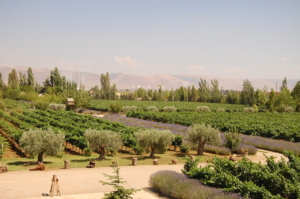
Agriculture is a major source of income in Southern Lebanon. It employs hundreds of thousands. The olive oil business, in particular, makes up 7% of Lebanon’s agricultural gross domestic product (GDP) and provides some 110,000 farmers with their livelihoods.
This has been greatly affected by Israeli airstrikes on agricultural land. Additionally, the use of white phosphorus bombs, which the Lebanese Ministry of Environment claims, has increased the amount of phosphorus 900 times above healthy levels, specifically in areas targeted by the Israeli military.
The damage to the land in this area is incredibly poignant, considering that approximately 12 million trees cover the farming land used in the olive oil business and that this farming land makes up almost one-quarter of the country’s total agricultural area.
How the UN is Helping
Under the Regional Refugee Resilience Plan by the United Nations High Commissioner for Refugees (UNHCR), the Inter-Agency unit in Lebanon has accomplished significant milestones in assisting the country with absorbing and managing its large displaced population.
Since the beginning of the war, the unit has supported 22,196 small-scale farmers through education and the provision of essential materials to rural and underserved areas. The unit has also been directly providing aid to shelters, dishing out 209,109 daily meals to the inhabitants of Saida and Tyre’s shelters.
While the situation as a whole remains somewhat dire, U.N.-funded organizations and other charitable institutions have been providing immense help to the underprivileged people of Southern Lebanon. However, they are receiving only 13% of their required budget, making lobbying an even more urgent duty to us all.
– Carl Massad
Carl is based in Sarba, Jounieh, Lebanon and focuses on Politics and World News for The Borgen Project.
Photo: Flickr
