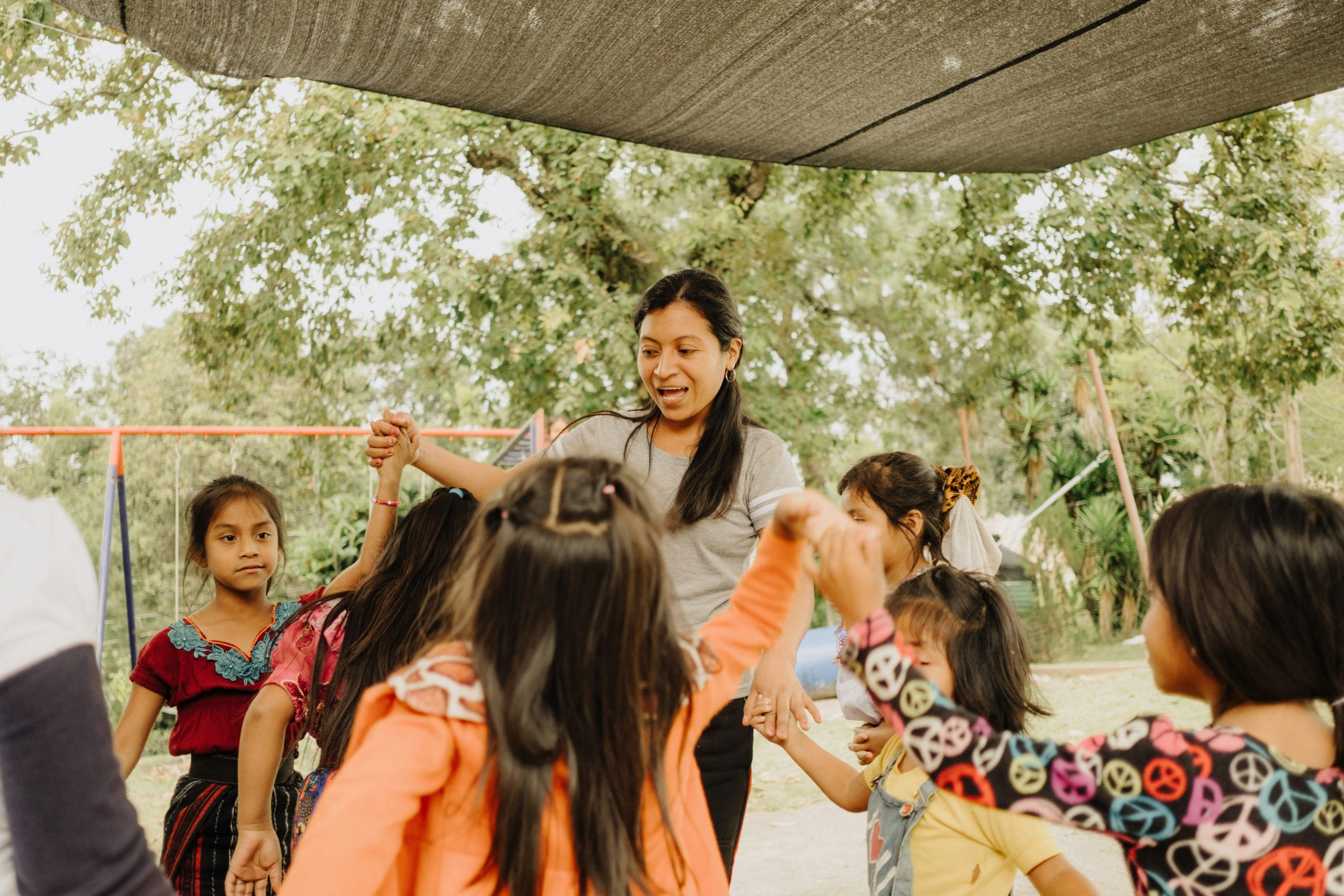
 The Global Innovation Fund (GIF) is a not-for-profit organization based in the United Kingdom (U.K.). Since 2015, the organization has invested a massive $119 million in development projects in low- to middle-income countries. It expects to impact the lives of 156 million impoverished people by 2033. GIF focuses on empowering and investing in people by giving them financial backing to create meaningful and effective change within their communities.
The nonprofit seeks out innovative ideas, not just in business but also in endorsing positive social change, policy, products, services and “breakthrough solutions” that could change the lives of millions of impoverished people. Here are four programs the Global Innovation Fund has partnered with to address poverty in developing nations, especially sub-Saharan nations.
CityTaps
Access to clean, running water is a staple in poverty reduction. In developing countries, more than three billion people have limited access to the basic infrastructure for running water. Even for those with access to running water, many must endure elongated periods without it. Water companies can shut off access, usually because of late or a lack of payment, which in many cases is because of poor management and organization.
In response, GIF made a significant investment in CityTaps, a company committed to helping water utilities. This allowed the company to introduce a three-stage strategy to support water companies. First, it has developed a smart water meter that can accurately record and send water usage in real-time. Second, it has incorporated new software that monitors this data and communicates important information to the water companies and their customers. Finally, it has integrated a pre-paid service whereby the customers gain control over their water budget and usage.
Bandeberho (Role Model)
Gender-based violence (GBV) is an epidemic in Rwanda, with 43% of women who have been married having to endure violence inflicted by their male counterparts. Although the government of Rwanda has made considerable efforts toward combating GBV in the country, the issue persists.
Bandeberho, an initiative by the Rwanda Men’s Resource Center (RWAMREC), has recognized that issues within masculinity norms in Rwanda can manifest as violence toward women. Therefore, through a partnership with GIF, the center has developed a program where it can intervene early to educate young men with positive role models in hopes of addressing gender inequalities, recognizing females’ autonomy over their bodies and reducing GBV.
Studies that have reviewed the effectiveness of this program have praised male intervention and education. Additionally, they reported an increase in male participation in family life, a decrease in physical reprimand toward children and women having more authority in decision-making.
Educate
In Uganda, 30% to 36% of people of working age are unemployed. In sub-Saharan Africa, people aged between 15 and 25 are by far more likely to be without employment than any other age group. Access to education is slowly improving. However, many younger people are not prepared to deal with the realities of modern economics. They lack some essential skills to enter the workforce.
Educate is an initiative preparing African youths to thrive in this modern economy. It offers a “gender-blind” mentorship and training program that prepares young people for employment by investing and perpetuating them toward entrepreneurship and leadership. Through in-school and out-of-school solutions, mentors focus the program on the students themselves, which authentically creates a more catered experience, giving students more autonomy, choice and vision.
In 2015 and 2017, GIF invested $600,000 in Educate, enabling it to reach an additional 250 schools in Uganda. By the end of 2017, Educate had visited 502 schools in Uganda, impacting more than 19,000 students.
One Acre Fund
Smallholder farms produce all but 20% of food for the African continent. However, smallholder farmers are among the most impoverished in developing nations, with many living in absolute poverty. In sub-Saharan Africa, there are more than 50 million small farms, with their primary income coming from livestock, fishing and crops.
The One Acre Fund is an organization that invests in people and supports farmers by improving farming practices throughout Kenya, Rwanda, Burundi, Tanzania, Malawi and Uganda. The aim is to increase land productivity and crop yields by educating farmers and offering access to tools and products.
With a $15 million grant from the Global Innovation Fund, One Acre Fund has developed an innovative system to increase the income of smallholder farmers in rural sub-Saharan Africa. This innovation’s impact is multifaceted. It can directly improve the lives of farmers, invigorate local and national economies and give other impoverished people and communities access to more food. By the end of 2020, One Acre Fund reached one million farmers in Africa, increasing their annual profit by an average $96.
Conclusion
The global initiative fund, as well as all the other incredible organizations and businesses, is putting money where it matters, investing in people and innovations that innately understand the issues plaguing developing nations. They inject hope and resources into ideas that have the potential to change the world and bolster the lives of those living in poverty, not with handouts but with faith and trust in self-determination.
– Philip Mundy
Philip Mundy is based in Bristol, U.K. and focuses on Good News for The Borgen Project.
Photo: Unsplash

How Paper Technology is Supporting Postural Care in Kenya
Understanding Appropriate Paper Technology (APT)
Appropriate Paper Technology (APT) offers an affordable solution by recycling materials like cardboard, paper and nylon tights into sturdy, lightweight support devices. At the Potters House CBO workshop, the construction process involves layering thick cardboard with a flour and water mixture and reinforcing it with used nylon tights. These support devices are then covered with old newspapers or paper bags and decorated. This method not only provides essential support to children in need but also facilitates financial support for their families through employment in device production.
Impact and Outreach of the Project
The project’s impact is significant, with 145 support devices created and 721 children and adults benefiting from the services. The project has established new APT workshops and trained 17 Kenyan therapists in postural care. These ongoing initiatives demonstrate the project’s commitment to providing immediate aid and promoting sustainable development through education and skill-building.
NHS Education for Scotland highlights the importance of postural care in preventing complications in various body parts such as hips, knees, spine and pelvis. Without appropriate care, individuals can suffer from severe physical deformities and health issues, impacting their ability to perform daily functions and reducing their quality of life.
Poverty Alleviation
The importance of postural care in Kenya extends beyond individual health to address broader socioeconomic challenges. According to UNICEF’s 2022 report, more than half of Kenyans face multidimensional poverty, with even higher rates among children with cerebral palsy. The efforts of APT4SD and The Potters House play a vital role in supporting impoverished families, illustrating the critical link between health care interventions and poverty alleviation.
Looking Ahead
The innovative approach of Appropriate Paper Technology (APT) promises to expand its impact, offering sustainable postural support and livelihood opportunities across Kenya. Continued collaboration between local and international partners could be crucial to enhance the scope and reach of these empowering projects. Moreover, by addressing the intertwined challenges of health and poverty, APT4SD and The Potters House are paving the way for a more inclusive and supportive future for individuals with disabilities.
– Rachael Denton-Snape
Photo: Pixabay
Efforts and Successes in Combating Disease in Sri Lanka
The Efforts
Disease in Sri Lanka comes in two forms: communicable diseases and NCDs. Considering the side of communicable diseases, Sri Lanka has taken great strides to reduce two of the most prevalent diseases within the nation: Malaria and Leprosy.
The Anti-Malaria Campaign (AMC) has taken on malaria and its prevalence within the region in full force. This initiative, supported by country collaborations, technical leadership and financial investments from the World Health Organization (WHO) and the Global Health Fund, has supplemented a national budget dedicated to the fight against malaria.
Leprosy shares a similar story. Successful campaigns and efforts against the disease caused Sri Lanka to experience a considerable decline in the prevalence of leprosy in the years following 1983, with the introduction of multidrug therapy (MDT) by the WHO.
However, communicable diseases in Sri Lanka were only responsible for 14,265 deaths in the year 2019. In contrast, NCDs such as heart disease and diabetes were responsible for the deaths of 96,072 people in the same year.
Public Health in Sri Lanka
Public health in Sri Lanka relies not only on funding from the WHO and the Global Health Fund but also on grassroots efforts to educate the public about the dangers of a sedentary lifestyle. Managing NCDs requires a preventive care approach, leading to a reorganization of the country’s health care system through the globally funded Primary Health care System Strengthening Project (PSSP). This project aims to support the government in enhancing the utilization and quality of health care, with a primary focus on the detection and prevention of NCDs.
The Successes
Since the turn of the century, Sri Lanka has made excellent progress in reducing the prevalence of malaria—the total number of cases in Sri Lanka was reduced by 78%, from 22.9 million to 5 million. The budget from the Global Health Fund and the WHO supplemented the efforts to successfully eradicate malaria as a common disease in Sri Lanka.
Leprosy has also wavered greatly in recent years. Assisted by the creation of MDT by the WHO, the country achieved a WHO elimination goal of leprosy cases, yielding less than one for every 10,000 people in the population by the turn of the 21st Century. The formative research provided by outside organizations, along with the campaign’s efforts to increase social awareness about the disease and its communicability, successfully reduced the rate of Leprosy.
NCDs are also being addressed, however, in a drastically different manner than that of communicable diseases. The people in Sri Lanka have been informed of the dangers of communicable diseases yet are ill-informed of the dangers of a sedentary lifestyle and how being proactive is healthy for the body. This is being curbed through efforts established by the PSSP and its association with Primary Medical Care Institutions (PMCI).
Primary Medical Care Institutions
According to the World Bank, curative primary health care services in Sri Lanka are delivered mainly through PMCI. This includes district-level hospitals and Primary Medical Care Units situated around the nation. In March 2022, about 350 of the 1,030 PMCI in Sri Lanka were strengthened under the PSSP initiative. However, by the end of the project in 2023, this number reached a minimum of 550.
The lack of information regarding the dangers of a sedentary lifestyle is slowly being overturned through an increasingly active information campaign. Alongside this are initiatives to raise awareness of the importance of daily exercise and how a proper diet is beneficial to overall health. These efforts by the PSSP are effectively paving a path toward a healthier nation.
Final Remark
Sri Lanka has yet to eradicate diseases completely. Even with the successful efforts to combat malaria and leprosy, there is still a great risk of their return. Diseases are always on the cusp of coming back. However, with the continued dedication of organizations around the world and commitment from the leadership of Sri Lanka, it will always be at the forefront.
– Luke Scroggins
Photo: Flickr
Charities in England You May Not Know About
In the United Kingdom (U.K.), where 22% of the population experienced poverty in 2021/2022, charities are essential partners in the fight against poverty, complementing government efforts and driving sustainable changes. Here are five charities in England and the wider U.K. that you may not know about:
Greggs Foundation
The Greggs Foundation focuses on setting up breakfast clubs across England, Wales, Scotland and Northern Ireland. Supported by local businesses, these clubs provide fun and food to children before their school day. The foundation has set up 900, helping to feed more than 62,000 children daily. The work it does enables children to face a day of learning with a nutritious breakfast, allowing them to focus on expanding their knowledge.
British Gas Energy Trust
Best known for fueling the nation, quite literally, British Gas also has an energy trust that aims to alleviate fuel poverty. With the cost-of-living crisis, energy bills have soared for many families, meaning people increasingly have to choose between heating their homes and putting food on the table. The energy trust, however, aims to offer support and provide grants for those who are facing this issue. So far, the trust has helped 700,000 people through its grants and schemes.
Refugee Action
Focusing on refugees and migrants, Refugee Action is a U.K.-based organization that aims to fight for better living conditions for those seeking asylum. Centered around a collaborative and inclusive approach, the charity aims to support and advise those entering the U.K. With an ambitious approach, the organization seeks to improve the prospects for all refugees. In 2023, the charity helped 3,000 people and resettled 1,700 refugees, making the work it does vital.
Together Women
Together Women is another of the charities in England but is mainly concentrated in the northern part of the country. Its key target is women who may be vulnerable to entering the criminal justice system. Additionally, the charity aims to support those who are at risk of homelessness. The goals that its centers achieve through support groups and courses are crucial. By supporting at-risk women, the life prospects for those most in need are heightened.
Turn2us
Turn2us has been operating for more than 125 years and provides support for those facing financial insecurity. Its key aim is to support older adults who may be facing poverty through its nine care homes situated across the U.K. The charity also provides key grants to those who are at risk of greater financial insecurity.
– Sarah Littleton
Photo: Pexels
The Declining Yen and Its Impact on Japan
Reluctance to the Digital Shift
Japan remains one of the few analog societies, still relying on fax machines and cash while retaining traditional methods. This digital gap stems from Japanese companies’ reluctance to adopt information and communications technology (ICT) and a fixed mindset. Renowned tech companies like Sony, successful in the past, resist adapting to new technologies. Additionally, the COVID-19 pandemic exacerbated this issue. While much of the world shifted to remote work, many in Japan continued working on-site, missing opportunities to embrace digitalization.
Japan’s Economic Golden Age
In the 1960s, Japan’s economy flourished, opening to world trade and focusing on exporting goods. The Income Doubling Plan of 1960, which aimed to boost Japanese income through enhanced government support for social welfare and education, played a significant role. During this period, Japan emerged as a leading manufacturer of electronics, automobiles, metals and chemicals. Companies such as Sony, Nikon, Canon, Toyota, Honda, Mazda, Mitsubishi and Suzuki dominated the international market by emphasizing high-quality and high-technology products.
The Economic Bubble Burst
In the 1980s, Japan’s economy grew rapidly, with soaring stock prices, real estate values and the Yen’s strength. This period of economic excess is known as the bubble economy. However, the bubble burst in 1992 when the Bank of Japan raised its interest rate. This led to a stock market crash and a steep decline in asset prices. Since then, Japan has faced economic stagnation, a period often referred to as the lost decades.
The Dilemma of Low Interest Rates
The Bank of Japan has maintained a low-interest rate for decades, contributing to the continuous decline in the value of the Yen. Higher interest rates can boost a currency’s value by attracting foreign investment, which is why countries often raise rates to curb inflation. For instance, the U.S. increased its interest rate during the COVID-19 pandemic to stabilize the dollar. Conversely, lower interest rates can reduce a currency’s value but are used to stimulate economic activities such as borrowing, spending and investing. In Japan, the strategy to drop interest rates to near zero was intended to encourage consumer spending. However, this approach backfired by making the economy less attractive for foreign investment and further decreasing the Yen’s value.
Path Forward for Economic Recovery
Over the years, Japan has resisted raising its interest rates despite economic stagnation. With low demand for the Yen, Japan feared that higher rates would exacerbate its ability to pay off debts. However, in March 2024, for the first time in 17 years, Japan increased its interest rate from 0% to 0.1%, ending its negative interest rate policy.
By 2026, Japan will face a shortage of 2.3 million digital workers due to a fundamental lack of digital skills. Embracing a digital shift to enhance technology promises to spur economic growth. Additionally, gradually raising the interest rate at a steady pace could eventually strengthen the value of the Yen.
Focusing more on tourism offers another avenue to alleviate economic stagnation. Currently thriving due to the declining Yen, Japan’s tourism industry benefits from government efforts to attract more foreign visitors. In 2024, visitor numbers from the U.S. and Germany, where currency strength outpaces the Yen, surged by 64.3%. The weakened Yen draws tourists looking for cost-effective travel options, presenting an opportunity for Japan. By actively attracting international visitors, Japan could leverage its economic challenges to bolster the tourism industry, potentially significantly contributing to the gross domestic product.
Looking Forward
Japan’s decision to increase interest rates and its openness to digital transformation offers hope for economic revitalization. As Japan adapts to global digital trends and continues to enhance its tourism sector, it sets a path toward overcoming decades of economic stagnation and the declining yen. These ongoing strategic shifts promise to gradually restore the strength of the Yen and reinvigorate Japan’s global economic standing.
– Eunsung Koh
Photo: Flickr
Renewable Energy in Papua New Guinea Forges a Brighter Future
Keeping the Lights on To Save Lives
According to the World Bank, about 85% of PNG’s citizens live in rural communities. For that populace, receiving medical treatment can often be a toil due to a lack of transport infrastructure or struggling health care facilities. This has led to plights such as low children vaccination rates and insufficient care for expecting mothers and as a consequence, PNG has one of the highest documented mortality rates for both groups in the Western Pacific region.
One solution to these problems is to supply clinics with their own energy sources, which is exactly what one hospital in the Nipa-Kutubu district located in the Southern Highlands province did. The Pimaga Rural Hospital frequently had to refer patients to the Mendi General Hospital, which was two hours away.
However, with help from the United States Agency for International Development (USAID) and Santos, an international energy corporation, the Pimaga Rural Hospital installed 207 solar panels on its roof. With an uninterrupted flow of electricity, the hospital can now provide consistent treatments and care.
Solar Power for Equality
High maternal mortality rates are just one of the health issues that women living in provincial PNG face. Because women are often responsible for most household chores, they are at a higher risk of lung illnesses caused by air pollution from wood cooking stoves. Arduous domestic duties also mean that women don’t have as much time to partake in economic opportunities.
For women in PNG, the cycle of poverty can begin at a young age since daughters are usually their mothers’ helpers. Consequently, girls are excluded from education and have more limited prospects. Solar energy would provide a means to not only create safer and healthier living environments, but it could also cut labor for women and girls, leaving them to pursue educational or economic endeavors.
The organization Solar Buddy is part of the effort to electrify PNG and saw that solar panels could also help women who run small businesses from their homes, which mainly consist of selling homemade goods. According to Solar Buddy, “solar lighting access can allow women to draw in more customers and extend their working hours.” Having an income can give women financial freedom and lift them and their families out of poverty.
Conclusion
Harnessing the sun’s power isn’t the only renewable energy option in Papua New Guinea: hydropower, geothermal resources and wind turbines could also be utilized to reach PNG’s clean energy goals. During the development time of larger projects, mini-solar grids can provide easier access for impoverished regions to improve the quality of life of the people who inhabit them.
– Melissa Harper-France
Photo: Flickr
Balancing Prosperity and Income Inequality in Luxembourg
Economic Prosperity
Luxembourg has a very high economic potential, with a strong financial services industry, high-quality steel and a strategic position in geography. Its financial sector acts as the backbone of its economy. It attracts world corporations, investment funds and financial institutions who are looking for stability and fine regulatory frameworks.
Financial services are one industry that heavily contributes to Luxembourg’s gross domestic product (GDP). Luxembourg for Finance reports that “the financial sector accounts for approximately 26% of the GDP of the country, making it one of the greatest contributors to the economy.”
Although not quite as prosperous as in its heyday, Luxembourg’s steel industry remains another important sector of the country’s economy. Its location in the center of Europe makes it easy to trade and carry out commerce, making it a good place for international businesses to have their headquarters or regional offices.
Income Inequality in Luxembourg
Despite its prospering economy, Luxembourg is faced with sharp income inequality, a challenge pervading many aspects of society. According to a report by Sustainable Development Goal (SDG) Watch Europe, the top 20% of earners in Luxembourg take home about five times what the bottom 20% earn.
Differences between the well-off and the underprivileged are reflected in the accessibility of basic services: education, health and housing. While the country is generally characterized by a high living standard, spots of poverty and social exclusion do remain, particularly among certain groups.
Government Response
The government of Luxembourg has implemented social welfare policies that try to alleviate poverty and enhance social mobility. At the very core of these lies a comprehensive social safety net. They include salient welfare programs in the form of unemployment allowances, housing subsidies and even health support schemes. These range from better education and training opportunities to job prospects that economically empower marginalized communities.
Conclusion
Of course, Luxembourg’s impressive economic success is praiseworthy. The government continues with new social welfare policies and programs intended to level the playing field in society. They aim to foster mobility and bring the nation closer to achieving its vision of an equitable society.
– Honorine Lanka Perera
Photo: Unsplash
Global Innovation Fund Addresses Poverty in Developing Countries
The nonprofit seeks out innovative ideas, not just in business but also in endorsing positive social change, policy, products, services and “breakthrough solutions” that could change the lives of millions of impoverished people. Here are four programs the Global Innovation Fund has partnered with to address poverty in developing nations, especially sub-Saharan nations.
CityTaps
Access to clean, running water is a staple in poverty reduction. In developing countries, more than three billion people have limited access to the basic infrastructure for running water. Even for those with access to running water, many must endure elongated periods without it. Water companies can shut off access, usually because of late or a lack of payment, which in many cases is because of poor management and organization.
In response, GIF made a significant investment in CityTaps, a company committed to helping water utilities. This allowed the company to introduce a three-stage strategy to support water companies. First, it has developed a smart water meter that can accurately record and send water usage in real-time. Second, it has incorporated new software that monitors this data and communicates important information to the water companies and their customers. Finally, it has integrated a pre-paid service whereby the customers gain control over their water budget and usage.
Bandeberho (Role Model)
Gender-based violence (GBV) is an epidemic in Rwanda, with 43% of women who have been married having to endure violence inflicted by their male counterparts. Although the government of Rwanda has made considerable efforts toward combating GBV in the country, the issue persists.
Bandeberho, an initiative by the Rwanda Men’s Resource Center (RWAMREC), has recognized that issues within masculinity norms in Rwanda can manifest as violence toward women. Therefore, through a partnership with GIF, the center has developed a program where it can intervene early to educate young men with positive role models in hopes of addressing gender inequalities, recognizing females’ autonomy over their bodies and reducing GBV.
Studies that have reviewed the effectiveness of this program have praised male intervention and education. Additionally, they reported an increase in male participation in family life, a decrease in physical reprimand toward children and women having more authority in decision-making.
Educate
In Uganda, 30% to 36% of people of working age are unemployed. In sub-Saharan Africa, people aged between 15 and 25 are by far more likely to be without employment than any other age group. Access to education is slowly improving. However, many younger people are not prepared to deal with the realities of modern economics. They lack some essential skills to enter the workforce.
Educate is an initiative preparing African youths to thrive in this modern economy. It offers a “gender-blind” mentorship and training program that prepares young people for employment by investing and perpetuating them toward entrepreneurship and leadership. Through in-school and out-of-school solutions, mentors focus the program on the students themselves, which authentically creates a more catered experience, giving students more autonomy, choice and vision.
In 2015 and 2017, GIF invested $600,000 in Educate, enabling it to reach an additional 250 schools in Uganda. By the end of 2017, Educate had visited 502 schools in Uganda, impacting more than 19,000 students.
One Acre Fund
Smallholder farms produce all but 20% of food for the African continent. However, smallholder farmers are among the most impoverished in developing nations, with many living in absolute poverty. In sub-Saharan Africa, there are more than 50 million small farms, with their primary income coming from livestock, fishing and crops.
The One Acre Fund is an organization that invests in people and supports farmers by improving farming practices throughout Kenya, Rwanda, Burundi, Tanzania, Malawi and Uganda. The aim is to increase land productivity and crop yields by educating farmers and offering access to tools and products.
With a $15 million grant from the Global Innovation Fund, One Acre Fund has developed an innovative system to increase the income of smallholder farmers in rural sub-Saharan Africa. This innovation’s impact is multifaceted. It can directly improve the lives of farmers, invigorate local and national economies and give other impoverished people and communities access to more food. By the end of 2020, One Acre Fund reached one million farmers in Africa, increasing their annual profit by an average $96.
Conclusion
The global initiative fund, as well as all the other incredible organizations and businesses, is putting money where it matters, investing in people and innovations that innately understand the issues plaguing developing nations. They inject hope and resources into ideas that have the potential to change the world and bolster the lives of those living in poverty, not with handouts but with faith and trust in self-determination.
– Philip Mundy
Photo: Unsplash
Poverty and Mental Health in Hong Kong
Even more concerning is the state of mental health of youth in the city: A 2023 survey estimates that about one in five participants experienced at least one mental health issue in the past 12 months, a rate significantly higher than the global average. In addition, more than half of the sufferers experience more than one mental disorder.
The Risk of a Vicious Cycle
Poverty and mental health in Hong Kong are deeply interconnected. Studies focusing on the city found that in comparison to their higher-income peers, working adults and children in low-income groups face poorer mental health and lower self-esteem. Research also suggests that poverty contributes to poor mental well-being by causing material deprivation. At the same time, income poverty does not directly correlate with mental health.
Besides the direct relationship between poverty, deprivation and mental disorders, lower-income individuals are also more vulnerable to other risk factors for mental disorders, such as the pressure to overwork. A 2016 survey found that workers in Hong Kong work an average of 50.1 hours per week, 35% higher than the global average among 71 other cities. As a result, 25% of Hong Kong workers suffer symptoms of depression and anxiety, 2.5 times above the global average. Another contributor to mental health problems is housing conditions and limited living space, an issue almost only faced by low-income individuals.
While low-income populations are more vulnerable to mental health problems, the symptoms of mental illnesses and the social stigma attached to them make it harder for sufferers to lift themselves out of poverty. Such a two-way relationship between poverty and mental health can lead to a self-perpetuating vicious cycle for low-income individuals, leading to chronic, intergenerational poverty.
Government Initiatives
In December 2023, in response to the city’s mental health crisis, the government launched a 24-hour mental health support hotline that coordinates the resources of about 20 related organizations. Earlier in the year, the Hospital Authority (HA) also promised to enhance support for patients with severe mental disorders by increasing the ratio between case manager and patient, exploring new treatments and reducing patient waiting time.
Grassroot Organizations
Nongovernmental organizations (NGOs) also play a crucial role in addressing Hong Kong’s mental health crisis. Mind HK, for example, provides free talking therapies and check-in services for individuals with mild to moderate mental health problems. The organization also engages in campaigns and events to raise awareness of mental well-being, as well as training sessions that educate people on mental health literacy. In 2022 alone, more than 6000 participants joined the nonprofit’s training sessions.
KELLY support group, on the other hand, focuses on the mental health of youth and adolescents. The organization organizes programs that promote peer support around emotional well-being and provides referral services to match youth with partnering organizations for counseling services and other support.
Final Remark
While the interconnections of poverty and mental health in Hong Kong are associated with the risk of a vicious cycle for sufferers of mental disorders, from a positive perspective, addressing the mental health crisis in the city also contributes to poverty elimination in the long term. Hong Kong’s ongoing initiatives protect not only the mental wellness of its residents but also social equity and economic development.
– Wangruoxi Liang
Photo: Flickr
Fighting Diseases in Palestine
Political and economic instability–worsened by the blockade and fighting– has left the health care infrastructure in shambles, severely impacting the well-being of Palestinians. Both chronic and transferable illnesses, coupled with a rapid decline in mental health, have steadily worsened. However, international and local nongovernmental organizations (NGOs) are working to combat the dire situation.
Crumbling Health Care System
The health care system in Palestine, particularly in Gaza, is on the brink of collapse. The conflict has led to severe shortages of medicines, fuel and medical supplies, making it nearly impossible for hospitals and clinics to function effectively. According to reports, there are around 350,000 patients in Gaza suffering from chronic conditions such as cancer and diabetes, alongside 50,000 pregnant women who are struggling to access necessary care.
The World Health Organization (WHO) has reported that nearly two-thirds of health clinics in Gaza are nonfunctional. Furthermore, the United Nations Relief and Works Agency (UNRWA) for Palestine Refugees in the Near East has indicated that fewer than half of its health centers can offer primary care to patients. This has left a sizable portion of the population without access to basic medical services, exacerbating the health crisis.
Sanitation and Water Crisis
The water and sanitation situation in Palestine is extremely dire. There is only one shower for 4,500 people and one toilet for more than 200 people. This has led to a significant increase in the spread of infectious diseases in Palestine. The situation is a result of the ongoing conflict, which has forced many Palestinians to seek refuge in overcrowded shelters or relocate to the south, where unsanitary conditions prevail.
Contaminated water supply and poor hygiene are leading to outbreaks of illnesses such as diarrhea, respiratory infections and chickenpox. Up to 70 people are crammed into single rooms, creating an environment ripe for disease transmission. Respiratory diseases in Palestine are particularly rampant, with more than 150,000 cases of upper respiratory infections reported, alongside numerous cases of meningitis, skin rashes, lice and chickenpox. The risk of cholera and other epidemics looms large as the health and sanitation infrastructure continues to deteriorate.
Efforts to Combat Disease
Despite the overwhelming challenges, various efforts and initiatives are underway to alleviate the health crisis in Palestine. NGOs are spearheading humanitarian aid to mitigate the ongoing situation.
WHO is improving health conditions by coordinating with local and international partners to enhance aid delivery and establish more supply routes. More than a dozen high-risk operations have been conducted to provide supplies to hospitals in Gaza. WHO helped establish two kitchens at Al-Shifa Hospital, which serve 1,200 meals a day. Its distribution of medical supplies currently supports treatment for 1,250 children with severe malnutrition.
The United Nations Children’s Fund (UNICEF) also plays a pivotal role in saving lives. In addition to first aid, it provides 600,000 vaccinations and nutritional supplements to children and expecting mothers. It also provides safe drinking water for 1.3 million people to curb infectious diseases.
While efforts to provide relief are ongoing, the situation remains precarious. However, the resilience and determination of health care workers combined with international support allow for much optimism. Sustained efforts and global solidarity offer hope in paving the way for a healthier future in Palestine.
– Asiya Siddiqui
Photo: Flickr
Elder Poverty in Czechia: What You Should Know
The age dependency ratio in the country, otherwise known as the number of children and elderly people to the number of people of working age, is 58%. This figure is higher than that of other countries such as Bosnia and Herzegovina and the United States, which have an age dependency ratio of 50% and 54% respectively. Therefore it is clear that the elderly make up a significant amount of the population.
Behind Elder Poverty in Czechia
The age dependency ratio in the country, otherwise known as the number of children and elderly people to the number of people of working age, is 58%. This figure is higher than that of other countries such as Bosnia and Herzegovina and the United States, which have an age dependency ratio of 50% and 54% respectively. Therefore it is clear that the elderly make up a significant amount of the population, and so the fact that so many people are experiencing poverty is concerning.
In 2016, nine out of 10 elderly Czech people living in poverty were female, placing Czechia on the higher end of the scale of the EU’s table of statistics on the number of elderly women living in or at risk of poverty by country. A possible cause of this is the fact that elderly Czech women tend to receive less pension money, with their average monthly pension in 2014 amounting to just 10,000 crowns, and men’s averaging at 12,200.
Organizations Helping
While these figures may make the situation seem bleak, organizations are helping reduce the rate of elderly poverty in Czechia. The Olga Havel Foundation has introduced a program that aims to support the ageing population of Czechia. It makes contributions towards the cost of nursing care that elderly people, provides crisis helplines, contributes a transport allowance for care services and much more.
Apart from the governmental funding, members of the public and non-profit organizations can also make contributions. The scheme improves the quality of life of elderly people by removing the pressure of having to pay to access nursing and allows them to maintain their independence by giving them the option to be cared for in their own homes instead of in a retirement facility.
The Caritas Czech Republic also aims to help elderly people and other vulnerable groups in Czechia. It provides health and social care to a total of nearly 150,000 people a year. One of its projects is the Brno Diocesan Charity Rescue Network, which aims to assist vulnerable populations by enabling them to access health care and fulfill other basic needs.
Closing Remarks
While elder poverty in Czechia is a significant problem, it is evident that efforts are being made to lessen the extent of the issue. The Olga Havel Foundation, for example, is especially instrumental in the effort to prevent elder poverty in Czechia, with its program to cover the costs of in-home nursing care and other allowances that reduce the financial burden the elderly have to shoulder to meet their daily needs. The Caritas Foundation also makes valuable contributions to help those affected by poverty of all ages access health care and other necessities that their own money may not sufficiently cover.
– Sue-Joyce Headon
Photo: Unsplash