6 Things to Know About Poverty Reduction in India
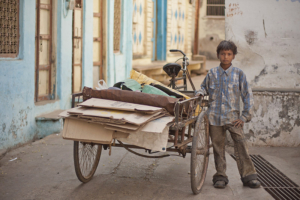 Poverty remains a significant challenge in India, a country with a population of more than 1.4 billion people. However, efforts to alleviate poverty have shown progress over the years. Here are six things to know about poverty reduction in India.
6 Things to Know About Poverty Reduction in India
- Significant decrease in poverty rates – From 1993 to 2011, according to the World Bank, the national poverty rate declined from 45% to 22%. This notable achievement could be due to a combination of factors, including economic growth, targeted government programs and increased access to education and health care. This reduction has lifted millions of people out of poverty and improved their living conditions.
- Rural-urban divide persists – Poverty rates in India are still higher in rural areas compared to urban areas. Approximately 65% of India’s population resides in rural regions, where access to basic services and economic opportunities can be difficult. Addressing rural poverty remains a crucial focus for poverty reduction efforts. The Mahatma Gandhi National Rural Employment Guarantee Act (MGNREGA) guarantees 100 days of employment per year to rural households, providing a safety net and enhancing livelihoods.
- Social welfare programs – The Indian government has implemented various social welfare programs to combat poverty. One significant initiative is the Sarva Shiksha Abhiyan (SSA), launched in 2001, which aims to provide free and compulsory education for all children between the ages of 6 and 14. The Mid-Day Meal Scheme started in 1995 and is another crucial program that ensures free lunch meals at schools for underprivileged children. These programs have contributed to increased school attendance and improved educational outcomes among disadvantaged communities.
- Affirmative action policies – To promote social equity and equal opportunities, the Indian government has implemented affirmative action policies. These policies include reservations for Scheduled Castes, Scheduled Tribes and Other Classes in educational institutions, government jobs and political representation. These efforts aim to address historical marginalization and create a more inclusive society.
- Targeting marginalized communities – In addition to affirmative action, the government has launched development initiatives specifically targeting marginalized groups. For example, the National Rural Livelihood Mission (NRLM) focuses on empowering women and the rural poor through self-help groups and skill development programs. Similarly, the National Urban Livelihoods Mission (NULM) aims to enhance livelihood opportunities and improve living conditions for urban poor communities. These programs have reached millions of individuals, providing them with training, access to credit and support for entrepreneurial ventures.
- Progress toward universal access to education and health care – The Indian government has taken significant steps toward ensuring universal access to education and health care services. Efforts like the Pradhan Mantri Jan Dhan Yojana, launched in 2014, have aimed to provide access to financial services for the unbanked population, enabling them to save money, access credit and benefit from government welfare schemes. Another program is the Ayushman Bharat program which aims to provide health insurance coverage to millions of vulnerable households, reducing the financial burden.
Looking Ahead
While progress is visible, challenges persist in India’s fight against poverty. Income inequality, regional disparities and limited access to basic services remain key issues. It appears that there is a need for continued efforts to enhance social protection systems, promote inclusive economic growth and ensure equal opportunities for all in a bid to reduce poverty in India.
India’s commitment to poverty reduction, coupled with its growing economy, cultural diversity and vast human resources, provides a foundation for continued progress. By addressing the multifaceted nature of poverty and implementing targeted interventions, there is hope that India can strive toward establishing a more equitable and prosperous society for all its citizens.
– Pranav Ramanathan
Photo: Flickr
