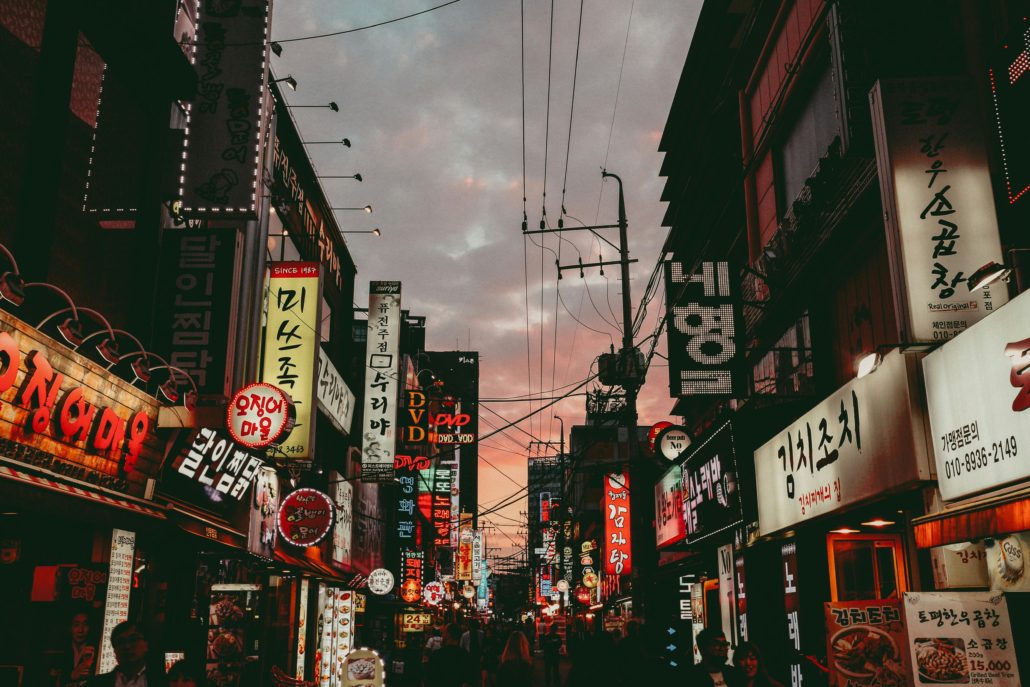
 Korea throughout History has had its fair share of turmoil with colonization, slavery and war. Most recently, after a long struggle it has established a fully democratic government fighting through 40 years of turbulence preceding the end of the Korean War. But despite South Korea’s rapid growth and vast success, there are still big challenges it must face. With 15.1% of South Koreans living in relative poverty, soaring housing and rental costs and a tight and highly competitive job market, there are still some harsh realities South Korea’s poorest citizens must contend with.
Social Stigma
In South Korea, entering the world of employment can be a stressful ordeal. As of 2009, South Korean university students take five years and four months on average to complete a four-year degree. One reason is the high societal expectations on individuals to find employment and achieve financial and material success, thus some students prolong their graduation to maintain the title of student.
For those living under the poverty line, these stigmas stretch further, working in low-paying jobs and struggling to provide the necessities for themselves and their families, this reality can be incredibly isolating as they are subject to prejudice. This further leads the poor in South Korea to become marginalized members of their communities.
Salary Disparity
In the 1960s, South Korea’s government wanted a rapid economic boost. So, it turned to Chaebols, business conglomerates that specific South Korean families run. The Chaebols are family-run businesses that were given a large amount of support from the government to boost business and exports. This worked wonders, even today these Chaebols are vital to South Korea’s Economy. Samsung for example, is responsible for 20% of Korea’s GDP.
There is a lot of competition to work for companies like Samsung which can offer more incentives, job security, insurance, higher wages and better working spaces. Adversely, it leaves smaller companies scrambling for business and forced to pay far lower wages, fewer benefits and constant concerns regarding job security.
Large companies offer only 13.9% of jobs in South Korea, creating a large disparity between these highly sought-after jobs and employment opportunities from smaller companies, or part-time/temporary positions. This makes it very difficult for the poor in South Korea to lift themselves out of relative poverty, because of a lack of stable opportunity and an incredibly competitive job market.
Housing Crisis and Ageing Population
In 1997, South Korea suffered through the Asian financial crisis. During this time, South Korea’s most vulnerable turned to jjokbangs. These small, cramped, improvised dwellings became home to many poor in South Korea, who had nowhere else to go. These jjokbangs average around 35 square feet, however, they gave a living space to otherwise homeless individuals. This term is still in use today and is associated with poverty and a last option for the poor in South Korea.
According to the Los Angeles Times, in 2023 there were more than 3,000 jjokbangs in the Seoul greater metropolitan area alone and the prices for apartments have increased by 58% between 2017 and 2021. It has been at the forefront of political manifesto, with voters trying to find legitimate plans for new housing projects.
Therefore, it is a difficult and frustrating time for young South Koreans, newlyweds, the elderly and the poor of South Korea who cannot afford to invest in property or pay rent because of the state of the housing market and the lack of affordable and sufficient accommodation.
Data from the OECD shows currently 48.6% of South Koreans, 65 and over are living under the poverty line and are among Korea’s poorest citizens. It is estimated that by 2025 Korea will have entered a ‘super-aged’ population, more than 20% of Korea will be over 65. There is a grave concern about the safety and security of Korea’s elderly.
South Korea’s Bright Future
In the fight against poverty, South Korea has taken these issues seriously and has implemented new policies to strengthen its welfare state. In recent years the government has raised the minimum wage, in an attempt to lessen the wage gap between the rich and the poor.
It has implemented a safety net basic pension scheme which provides to 70% of those 65 and older. Therefore, the amount spent on Pension spending has increased from 1.9% of the GDP in 2000 to 4% in 2020, as more people are becoming eligible. This will likely increase in the coming years with South Korea’s ageing population and could prove vital, especially to elderly South Koreans living in Poverty.
The government also pledged to supply 830,000 housing units by 2025 to create more affordable housing for the younger generation, according to The Korean Herald. It hopes to build smaller, higher-quality apartments but offers them as low-cost public rental housing. In hopes of alleviating the market and giving Koreans better options for housing.
South Korea has proven that it can take big ideas and make them a reality, as a previous receiver of assistance from the Organisation for Economic Cooperation and Development (OECD), a collection of countries that hold each other accountable by sharing skills and suggesting new policies for the betterment of its citizens. South Korea is now a proud member and has offered insight into education, technology, and sustainability, all areas it has performed well within its own country.
– Phil Mundy
Phil is based in Bristol, UK and focuses on World News for The Borgen Project.
Photo: Unsplash

Inclusive and Quality Education in Ghana
Since 2000, Ghana has had a gross enrollment rate of more than 100%. It has attained gender parity in primary education, with notable, though more modest, gains in secondary education. The country has provided an effective educational environment through several policies and strategies, one of which includes its Inclusive Education (IE) policy framework.
Inclusive Education (IE) Policy Framework
Ghana’s IE policy goes beyond the concept of physical location, embodying core values that promote participation, friendship and interaction. This policy acknowledges Ghanaians’ diverse educational needs and requires all stakeholders in the education sector to address these varied needs. This policy was established to ensure the full inclusion of people with disabilities (PWD).
Ghana’s educational sector was surveyed to gauge public perception of inclusive education to measure the impact of the policy. The survey analysis revealed progress in the enrollment of children with special educational needs (SEN). Additionally, students without disabilities have become more accepting of their special needs classmates. This progress is attributed to ongoing orientation on the IE Policy, capacity-building activities related to IE practices and sensitization on inclusion and diversity at all levels.
The Free Senior High School Program
Fee removal has become a popular policy to improve access to secondary education, with Ghana being among the countries implementing this practice. The Free Senior High School (SHS) program, established in September 2017, provides new opportunities for children who previously were unable to continue their education beyond junior high school. The program is dedicated to removing cost barriers, ensuring equality and equity and expanding school infrastructure.
This initiative resulted in an 11% increase in enrolment. Before the program’s implementation, during the 2016/17 academic year, 11,336 out of 420,135 students could not enroll in senior high school due to financial constraints. After the program’s introduction in the 2017/18 academic year, this number decreased to 62,453 out of 424,224 students, indicating increased access to senior high school education.
The Secondary Education Improvement Project (SEIP)
This project was established by the World Bank in Ghana, with the Ghana Education Sector (GES) as a key development partner. The project is known as the first World Bank education initiative in Ghana and it utilizes a results-based financing strategy. It addresses limitations related to the availability and provision of educational resources and infrastructure. This is achieved by constructing new schools in districts lacking public schools. This project also addresses challenges that prevent individuals and communities from accessing education. This is achieved through scholarships and bursaries for low-income students, particularly girls; these were adapted into bursaries following the introduction of free secondary education in 2017, covering expenses such as transportation and school supplies.
Additionally, targeted in-service training for teachers enhances the quality of science and mathematics education. At the same time, performance partnerships with schools promote increased accountability. Information and Communications Technology (ICT) solutions support learning, with beneficiary schools selected using specific criteria to ensure pro-poor targeting. This project witnessed the transition rates from lower secondary to higher secondary schools in the poorest districts. Rates rose from 39% in 2014 to 72% in 2019. Also, the construction of 21 new senior secondary schools and the rehabilitation of 125 others has substantially expanded the availability of educational spaces. This has created approximately 43,000 additional seats between 2014 and May 2020. From 2014 to 2019, at least 20,000 low-income students received scholarships/bursaries, alleviating financial barriers to education.
– Teniola Yusuf
Photo: Flickr
Issues Affecting Women’s Rights in Tonga
Gender-Based Violence (GBV)
GBV remains a pervasive issue in Tonga. An estimated 5,000 to 10,000 women (between 31% and 62% of all women) in Tonga experience intimate partner violence yearly. However, nongovernmental organizations (NGOs), such as the United Nations Women, have been working to combat such pervasive statistics. As a result, Tonga has implemented a “no drop” policy that stipulates due process for such cases once they are reported. This policy stipulates that when a case of gender violence comes in, it has to be given priority and cannot be dropped until it has been resolved.
Education and Economic Inequities
Tongan girls are not as well represented in primary education, with a Gender Parity Index of 88, which is lower than the developing country average of 96. The situation improves in secondary and tertiary education, with parity indexes of 97 and 98, respectively. However, despite these improvements, Tongan women still make up only 39% of the nonagricultural workforce.
Women make up 43% of income earners in subsistence farming, paid work and entrepreneurship. However, there is a significant disparity in earnings, with Tongan women earning, on average, only 47% of what men earn.
Equal inheritance rights on divorce and during employment, which are taken for granted in developed countries, are also not available to Tongan women, impeding their ability to participate fully in business activities. Women are also prohibited from owning land in the Tongan economy.
Political Representation
In the November 2010 elections, the majority of seats in Parliament were filled democratically for the first time. Yet no women were elected in this or the next election in 2014, when only 16 female candidates stood as people’s representatives but only received 7% of the vote. Throughout the history of Tonga’s Parliament, only three women have been appointed to ministerial positions.
However, the Tonga Women’s Action for Change (TWAC), a network of professional women, brings together a group of women from various backgrounds to talk about the low level of women’s representation in Parliament. The network aims to encourage women’s participation in the country’s elections.
Efforts of the Tongan Government
In recent years, Tonga has pursued national planning measures in support of its women. A national Gender and Development (GAD) policy was adopted in 2001 and reviewed in 2011. Additionally, in 2010, the government introduced a new policy allowing women maternity protection in the civil service and initiated nationwide consultation on the potential ratification of the Convention on the Elimination of all Forms of Discrimination Against Women (CEDAW).
Further, the government is trying to strengthen the National Women’s Machinery through initiatives such as gender-based budgeting. This will ensure that these national, regional and international commitments are taken seriously. Continued efforts and a collective commitment to gender equality can help Tonga move toward a more equitable and just society for all its citizens.
– Sakshi Bhagat
Photo: Flickr
Charities Operating in Somalia
.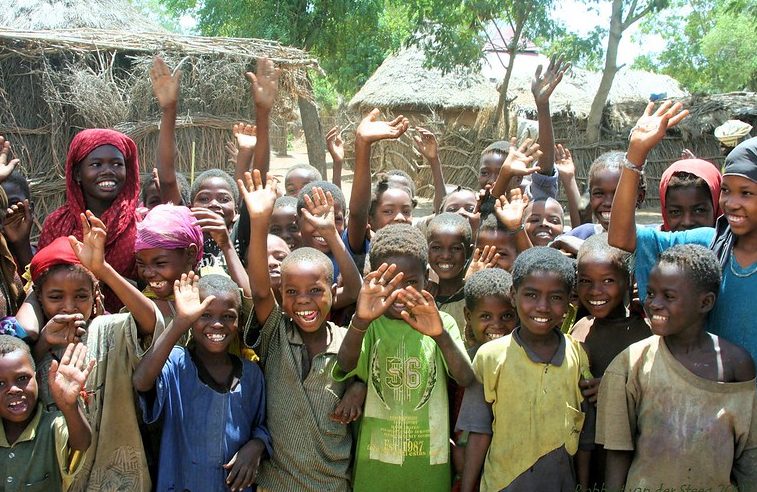 The changing climate and conflict are the driving factors behind poverty in Somalia, where ongoing droughts and political insecurity have led to internal displacements, with much of the population living in camps. As a result, almost 70% of Somalis live below the poverty line and only 53% of children are enrolled in school. In response, many organizations are providing valuable resources to alleviate poverty in Somalia. Here are just five charities operating in Somalia that have made a difference in poverty reduction.
Islamic Relief
This charity provides valuable resources for local communities affected by water scarcity due to the ongoing drought. Islamic Relief has helped displaced communities by drilling a borehole and creating a water supply system in Baidoa, a large city in the southern region of Somalia.
Islamic Relief also trained local community members to establish a water management committee. This has enabled them to oversee the water facility independently. The facility was officially handed over to the local community in August 2023. It now supplies clean drinking water to 3000 homes in Baidoa.
Concern Worldwide
With a mission to end extreme poverty, this charity operates several projects in Somalia that focus on emergency responses to natural disasters and population displacement. It also invests in long-term programs to improve the resilience of local communities. Its latest achievements include the establishment of 13 fixed and 15 mobile health centers. These centers provide patient consultations, antenatal and postnatal services, treatment for malnutrition and immunization for 503,000 patients in 2022. Concern Worldwide also focuses on livelihood support and has created 65 self-help groups for women in Somaliland. The support has improved their social and economic positions in society.
Ifrah Foundation
This charity has been operating in Somalia since 2014 and aims to eradicate Female Genital Mutilation (FGM). This practice is a violation of human rights. It has a prevalence rate of 99% in Somalia – the highest in the world. FGM is carried out on young girls and can cause severe bleeding, extreme pain, cysts and infections, problems urinating and complications in childbirth. It can also negatively impact the mental health of young girls, causing shock, depression and anxiety.
Empowering women and improving gender equality is a key accelerator for sustainable development. Ifrah Foundation’s “Dear Daughter” campaign works across three pillars of action to improve the quality of life for Somali women: Advocacy, Awareness raising and Community Empowerment. The charity has trained 665 community activists on the dangers of FGM and the power disparity between genders, which allows girls and women to be violently targeted. These activists then return to their local communities in Somalia and advocate for the end of FGM by sharing their knowledge with members of their community.
Salam Charity
This organization is dedicated to empowering Somalia’s youth. About 70% of Somalia’s population is aged less than 30 and 67% are currently unemployed. As a result, most young people in Somalia cannot afford vital health care. In response, Salam Charity has created a mobile medical clinic by recruiting teams of medical professionals in Somalia.
This traveling clinic can dispatch essential medical treatments to hard-to-reach communities affected by the civil conflict. In addition to providing free check-ups and treatments, the nonprofit also offers funding to pay for life-altering cataract surgery, which can increase opportunities for the visually impaired.
Muslim Aid
This charity has been operating in Somalia since 1993, when it was first established there in response to the civil war. Since then, it has introduced various projects to aid the country’s recovery and development.
One of its priorities has been education. In 2006, Muslim Aid formed Basaso College, which has now expanded into a university with 532 students. It also addresses gender inequality by providing training and equipment to 500 women to build their skillsets and teach them how to run their businesses. Additionally, it has provided counseling for victims of rape and gender-based violence.
These charities operating in Somalia are improving the lives of vulnerable Somalians by providing them with access to water, education and health care.
– Sabrina Batouche
Photo: Flickr
Improving Chad’s Air Quality
Factors Contributing to Air Pollution in Chad
Air pollution is when the air is contaminated by particles, gas and chemicals that are harmful when breathed in and cause respiratory illnesses. Chad is one of the worst in the world because according to the World Health Organization (WHO), it measured to be 17 times higher than the acceptable limit, making the country dangerous to breathe in.
The factors contributing to Chad’s poor air pollution include indoor sources such as stoves but also uncontrolled waste burning, textile, oil, meatpacking industries and vehicle emissions.
The electricity in Chad is also generated from 90% fossil fuel, which is another cause of air pollution, as well as the Bodele Depression. Located south of the Sahara Desert in north-central Africa, it is one of the largest sources of airborne dust, which brings large dust clouds to the region.
Bad quality air affects everyone in Chad, but it is especially dangerous to those who live in urban cities such as N’Djamena, Chad’s capital. It affects those in poverty-stricken areas more often as they live closer to the factories and other pollution-causing sources and don’t have the means to protect themselves from the air. The most vulnerable groups affected by air pollution are the elderly, children and pregnant women.
Health Impacts of Poor Air Quality
Air pollution can not only lead to respiratory disease, but it can also cause strokes, lung cancer and heart disease. In the worst cases, it can even cause death. In 2017, an estimated 13,329 Chadians died with association from air pollution, with more than 7,000 of those deaths being young children with respiratory infections.
According to the State of Global Air, air pollution is the third-leading risk of death or disability in Chad as of 2017, trailing behind sanitation and malnutrition. Additionally, Chadians lose 2 years and 11 months in life expectancy at birth due to air pollution.
Initiatives to Improve Air Quality
There are some initiatives in place to combat this rampant air pollution in Chad. According to a study by UNEP in 2015, it found that the government lacks policies in place to combat pollution. However, this is changing, as Chad is beginning to promote cleaner cooking fuel to reduce indoor air pollution and grid electrification.
The National Poverty Reduction Strategy is also working to make power generation more widespread and cost-efficient, reducing air pollution, as well as other methods of energy like solar and wind. With the United Nations’ support, it implemented waste management in refugee camps and communities such as Sila, Wadi Fira and Salamat, which granted 74% of households proper services.
The Interactive Country Fiches also includes opportunities to implement new policies such as waste management to improve public health rather than burning it. Different factories and industries also require more regulation to better improve the health of all Chadians and beyond.
Looking Ahead
Chad is on a promising path to significantly enhance air quality and public health through targeted environmental initiatives and cleaner energy solutions. By focusing on sustainable practices and improved regulatory frameworks, the nation aims to reduce the burden of air pollution on its most vulnerable citizens. Continued collaboration with international organizations and a commitment to innovative policies could be crucial for improving Chad’s air quality and securing a healthier future for all Chadians.
– Sabrina Betterly
Photo: Unsplash
Peru’s Inclusive Growth Agenda
Addressing Poverty
One major objective of Peru’s Inclusive Growth Agenda is reducing poverty. The government has issued several policies and programs targeting the most vulnerable. An example is the Juntos program, launched in 2005, which consists of the payment of conditional cash transfers to impoverished households, conditioned by satisfaction of specific stipulations like schooling and health check-ups. This would imply that studies by the Inter-American Development Bank (IDB) have established the effect of Juntos on steeply reducing poverty rates, particularly in rural areas where poverty is more entrenched.
Improving Access to Education and Health Care
Quality education and accessible health services are key factors in poverty reduction. Peru has strived far to improve access to such services through the initiative of Qali Warma, a school food program in the country since 2013 that emphasizes the nourishment of children and their school attendance.
Similarly, Seguro Integral de Salud, which translates to Comprehensive Health Insurance, was launched in 2002 and includes health insurance coverage for low-income families. These two programs have ensured that, as reported by the World Bank, more and more marginal communities are sending their children to schools and, in cases of need, seeking medical treatment.
Creating Employment Opportunities
Unemployment and underemployment continue to be major problems in Peru, particularly among the youth and female population. Therefore, job creation remains at the top of the government’s agenda with large programs such as Proempleo and Construyendo Perú.
Proempleo offers training and support to the most vulnerable to find employment. So far, the initiative has helped more than 100,000 people. At the same time, Construyendo Perú focuses on infrastructure projects to generate employment in underserved areas. The International Labor Organization (ILO) paper demonstrates that the program played a significant role in reducing unemployment and fostering social inclusion.
Enhancing Social Protection Mechanisms
Social protection systems have thus gained importance in shielding vulnerable populations from economic shocks. Peru has increased social protection through programs such as Pension 65 and Life Insurance (Seguro de Vida). The former offers cash transfers for elderly citizens in poverty, while the latter offers life insurance to low-income households.
Even though the Inclusive Growth Agenda in Peru has scored some successes, there are still challenges to be considered. The regional inequalities are still significant; for example, in indicators of development, rural areas trail far behind their urban counterparts. Secondly, the COVID-19 pandemic only stressed the previous weaknesses. It once again urged further initiatives that will assure growth with inclusiveness and resilience.
Conclusion
Peru’s Inclusive Growth Agenda has been the most laudable in seeking to address poverty and ensure sustainable development. Its government has done a lot to achieve better access to education, health, employment opportunities and social protection through well-focused policies and programs.
Further, evaluation on a continuous basis and adaptation to the prevailing circumstances remain to be done in dealing with the challenges that are still current and paving the way for the benefits of development to include all societal strata.
– Honorine Lanka Perera
Photo: Unsplash
Breakthroughs in Malaria Treatment and Global Advocacy
Malaria’s Impact and Transmission
Malaria, a deadly parasite, spreads through specific mosquito species and not directly from person to person, except through contaminated needles or blood transfusions. This disease can cause severe illness and death within just 24 hours of infection. In 2020, malaria claimed more lives in Africa than COVID-19, with four countries alone contributing to 50% of the global malaria death toll. Tragically, in Africa, 80% of malaria fatalities among children occur before their fifth birthday. An estimated 40 million children in the region could benefit from a malaria vaccine.
Celebrity Advocacy: David Beckham’s Role
David Beckham, an iconic English football star, achieved fame playing under Sir Alex Ferguson at Manchester United, where he contributed to winning six Premier League titles. Since retiring, Beckham has leveraged his status to advocate for various causes. As a UNICEF Goodwill Ambassador since 2005, he supports the #TogetherBand Campaign and has long championed the fight against malaria. He has backed Malaria No More UK since 2009 and was the face of the world’s first voice petition to end malaria with MalariaMustDie in 2019.
Advances in Malaria Treatment
Scientists have actively pursued new malaria treatments and vaccines since the 1980s, achieving notable success with the RTS,S/AS01 (RTS,S) vaccine. Since 2019, this new treatment has been administered in Ghana, Kenya and Malawi, reaching more than two million people and reducing early childhood deaths from all causes by 13%. The vaccine primarily benefits children who lack other forms of malaria protection. An expanded rollout to 18 additional countries has been approved, although vaccine supplies remain limited.
In 2023, the successful introduction of the first malaria vaccine was followed by the launch of the R21/Matrix-M vaccine, which boasts a 75% efficacy rate, meeting a World Health Organization (WHO) target that the 2019 vaccine did not meet. Adrian Hill, the chief investigator for the R21/Matrix-M malaria vaccine, asserts that it represents the most effective single intervention against malaria due to its scalability and affordability, costing only $3.90 per dose.
Future Directions and Global Impact
Organizations such as Gavi, the Vaccine Alliance, are actively developing strategies to distribute this lifesaving vaccine. Their roadmap projects a need for up to 60 million doses by 2026 and 100 million doses annually by 2030. Their mission focuses on promoting the equitable and sustainable use of vaccines. They collaborate with major partners including the WHO, UNICEF, the World Bank and the Bill and Melinda Gates Foundation to save lives globally.
Looking Forward: Progress in Malaria Treatment
This new malaria treatment is crucial as previous methods have shown limitations. Mosquitoes carrying malaria have developed resistance to insecticides used to control their population and the parasite itself is increasingly resistant to current oral malaria drugs. In an interview with Nadine Dreyer and HealthWorld, Adrian Hill states that the fight against malaria is gaining momentum and he is aware of other vaccines in development. With ongoing innovations in vaccinations and the expansion of global distribution for existing treatments, there is a greater chance of achieving the Sustainable Development Goals by 2030, which the escalating threat from malaria could otherwise hinder.
– Rachael Denton-Snape
Photo: Flickr
Being Poor in South Korea
Social Stigma
In South Korea, entering the world of employment can be a stressful ordeal. As of 2009, South Korean university students take five years and four months on average to complete a four-year degree. One reason is the high societal expectations on individuals to find employment and achieve financial and material success, thus some students prolong their graduation to maintain the title of student.
For those living under the poverty line, these stigmas stretch further, working in low-paying jobs and struggling to provide the necessities for themselves and their families, this reality can be incredibly isolating as they are subject to prejudice. This further leads the poor in South Korea to become marginalized members of their communities.
Salary Disparity
In the 1960s, South Korea’s government wanted a rapid economic boost. So, it turned to Chaebols, business conglomerates that specific South Korean families run. The Chaebols are family-run businesses that were given a large amount of support from the government to boost business and exports. This worked wonders, even today these Chaebols are vital to South Korea’s Economy. Samsung for example, is responsible for 20% of Korea’s GDP.
There is a lot of competition to work for companies like Samsung which can offer more incentives, job security, insurance, higher wages and better working spaces. Adversely, it leaves smaller companies scrambling for business and forced to pay far lower wages, fewer benefits and constant concerns regarding job security.
Large companies offer only 13.9% of jobs in South Korea, creating a large disparity between these highly sought-after jobs and employment opportunities from smaller companies, or part-time/temporary positions. This makes it very difficult for the poor in South Korea to lift themselves out of relative poverty, because of a lack of stable opportunity and an incredibly competitive job market.
Housing Crisis and Ageing Population
In 1997, South Korea suffered through the Asian financial crisis. During this time, South Korea’s most vulnerable turned to jjokbangs. These small, cramped, improvised dwellings became home to many poor in South Korea, who had nowhere else to go. These jjokbangs average around 35 square feet, however, they gave a living space to otherwise homeless individuals. This term is still in use today and is associated with poverty and a last option for the poor in South Korea.
According to the Los Angeles Times, in 2023 there were more than 3,000 jjokbangs in the Seoul greater metropolitan area alone and the prices for apartments have increased by 58% between 2017 and 2021. It has been at the forefront of political manifesto, with voters trying to find legitimate plans for new housing projects.
Therefore, it is a difficult and frustrating time for young South Koreans, newlyweds, the elderly and the poor of South Korea who cannot afford to invest in property or pay rent because of the state of the housing market and the lack of affordable and sufficient accommodation.
Data from the OECD shows currently 48.6% of South Koreans, 65 and over are living under the poverty line and are among Korea’s poorest citizens. It is estimated that by 2025 Korea will have entered a ‘super-aged’ population, more than 20% of Korea will be over 65. There is a grave concern about the safety and security of Korea’s elderly.
South Korea’s Bright Future
In the fight against poverty, South Korea has taken these issues seriously and has implemented new policies to strengthen its welfare state. In recent years the government has raised the minimum wage, in an attempt to lessen the wage gap between the rich and the poor.
It has implemented a safety net basic pension scheme which provides to 70% of those 65 and older. Therefore, the amount spent on Pension spending has increased from 1.9% of the GDP in 2000 to 4% in 2020, as more people are becoming eligible. This will likely increase in the coming years with South Korea’s ageing population and could prove vital, especially to elderly South Koreans living in Poverty.
The government also pledged to supply 830,000 housing units by 2025 to create more affordable housing for the younger generation, according to The Korean Herald. It hopes to build smaller, higher-quality apartments but offers them as low-cost public rental housing. In hopes of alleviating the market and giving Koreans better options for housing.
South Korea has proven that it can take big ideas and make them a reality, as a previous receiver of assistance from the Organisation for Economic Cooperation and Development (OECD), a collection of countries that hold each other accountable by sharing skills and suggesting new policies for the betterment of its citizens. South Korea is now a proud member and has offered insight into education, technology, and sustainability, all areas it has performed well within its own country.
– Phil Mundy
Photo: Unsplash
Understanding the Gender Wage Gap in Moldova
Root Causes of the Gender Wage Gap in Moldova
The question of women’s empowerment in the case of Moldova is presented in traditional gender stereotypes and gender roles that institutionalize women’s oppression and ensure that there is a lack of equity in access to important resources.
In populations affecting policy, change and reform, according to the National Bureau of Statistics of the Republic of Moldova, in 2019 the number of female government ministers was 11% leaving 89% of males in government positions. Meanwhile, in other vocations, such as unpaid care work including domestic work and caregiving, which continues to be undervalued and largely invisible, thereby ensuring economic dependence and limiting the contribution to the formal economy.
In 2022, the National Bureau of Statistics of the Republic of Moldova reported that the average women’s gross income was estimated at $9,618.4 and men’s gross income was estimated at $11,380.7.
Structural, cultural and institutional factors—historical legacies and Soviet-era patriarchal norms—provide the ground for gender relations that underlie women’s access to resources and decision-making roles.
Economic transitions and globalization have exacerbated disparities, resulting in job losses, informal employment and precarious work conditions disproportionately affecting women.
Gender-based violence and cultural norms of discrimination contribute to the continued hindrances of women’s rights to justice. The lack of policies and gender-sensitive programming furthers women’s vulnerability to poverty and socio-economic empowerment, which in turn contributes to the vicious circles of deprivation.
Holistic Solutions for Empowerment
The interaction of gender inequality with poverty is such that it has to be done by multidimensional intervention at the roots while empowering women to participate effectively in the economic, social and political spheres. The short-term interventions should be focused on the economic empowerment of women, such as training in skills development, access to finance and support to businesses that women run.
According to UNDP, “trends of recent years show an amplification of the discrepancy in both the women employment (35.4% as compared to 44.7% for men) and labour force participation rates (36.4% and 46.5%, accordingly).” Righting the wrongs of gender violence, UNDP is actively breaking these discriminating norms and opening up a supportive environment for the socio-economic rise of women. Creating inclusive and comprehensive policies and programs while embedding gender equality and inclusive development can help break systemic barriers and foster sustainable socio-economic empowerment for women in Moldova.
UNDP has seen extraordinary progress in the past 20 years. According to U.N. Women, 46.1% of the female population of Moldova above statutory pensionable age receive a pension in comparison to 100% of males.
In contemporary Moldova, there are greater numbers of women in public office than ever before. These female change makers help achieve greater gender equality, targeting gender wage gap discrepancies. According to the UNDP, “Moldova is a country where people want to live and where all people fully exercise their human rights and enjoy a better quality of life in a more inclusive and resilient society by 2027.”
The Women’s Caucus
UNDP plans to relaunch the Women’s Caucus in the Parliament and raise the capacities of women parliamentarians to promote gender-responsive policies in order to combat gender inequalities. As of July 2021, Moldova has achieved a record of 40 women MPs seats in the Parliament of the Republic of Moldova. According to the UNDP on the accomplishments of the Women’s Caucus, “The introduction of a 40 percent electoral gender quota for parliamentary and local elections, an affirmative measure supported by UN Moldova is efficient, having so many women in today’s Parliament. However, to progress towards parity in decision-making, we need to simultaneously address the tremendous deterrents women face in entering politics, ranging from gender bias and stereotypes to physical and online violence and abuse, in addition to lack of financing and support from political parties,” said Valeria Ieșeanu, Officer in Charge, UNDP Moldova.”
The gender wage gap in Moldova and poverty are intertwined challenges. However, the empowerment of women is one important step forward.
– Honorine Lanka Perera
Photo: Flickr
Refugee Employment Programs in Jordan
Jordan Compact
This landmark deal, concluded in 2016 between Jordan and the international community, aims to create jobs for Jordanians and Syrian refugees. The Compact aims to spur economic growth that will eventually generate jobs through instruments such as preferential trade access and financial assistance. A World Bank study cited the role of the Compact in economic resilience and improving the livelihood of refugees and the communities hosting them.
Cash for Work Programs
Cash for Work programs by agencies like the United Nations High Commissioner for Refugees (UNHCR) and Mercy Corps entail the short-term employment of refugees in sectors that include agriculture, construction and infrastructure development. Apart from offering a source of income to the refugees, the programs provide back-to-community development initiatives. The International Labor Organization (ILO) believes that cash-for-work programs have helped and they continue to have a huge impact on poverty alleviation and the promotion of social cohesion.
Vocational Training and Skill Development
Since skill development is an important factor in refugees’ employability, Jordan has taken steps to increase investments in vocational training programs. Programs such as the Vocational Training and Employment Services for Syrian Refugees within the Jordan Compact help provide refugees with market-relevant skills that will be relevant in their labor markets. According to a UNHCR study, vocational training facilitates integration and self-reliance for refugees.
Challenges and Opportunities
The challenges persist, even though the programs of Jordanian refugee employment are making some strides. Other main barriers to the integration of refugees relate to limited access to formal employment opportunities, legal restrictions on the employment of refugees and competition with hosts. The economic shock from COVID-19 will exacerbate the existing vulnerabilities, so sustained support and investment in refugee livelihoods will be crucial.
Employment programming for refugees in Jordan has been one of the most crucial steps toward meeting economic and social needs among displaced populations. These programs not only reduce the poverty burden among the refugees by providing access to employment but also socially integrate them into the Jordanian community. Continuous efforts in this regard will help overcome the prevailing challenges and ensure long-term refugee livelihoods.
– Honorine Lanka Perera
Photo: Flickr
Child Soldiers in Pakistan
The Past
According to UNICEF, conflict parties around the world recruited more than 105,000 children between 2005 and 2005 and that number could be “much higher than reported.” It is hard to quantify just how responsible Pakistan is to these numbers due to the lack of statistics surrounding the subject, but that does not detract from its role in the involvement of child soldiering.
Pakistan struggles with the problem of active recruitment from factions and parties that are not associated with an official government. These militant groups work on cross-border recruitment strategies to bolster their ranks. The Taliban in Afghanistan forced recruitment through madrassas, Islamic seminary groups acting to radicalize the children. Similar situations arise in the bordering regions in Kashmir and Jammu, where party elders recruit teenagers and subject them to informal combat training. The elders push the envelope further as after combat training, they monitor the recruits at home to make sure that they are following the recruitment program.
In Pakistan, internal recruitment independent of outside parties was also going strong. The Mohajir Quami Movement (MQM) represents the Mohajir community in Pakistan but concurrently engages in periodic violence to resolve religious disputes. It is unknown how many numbered the ranks of MQM in the early 20th century, but the Coalition to Stop the Use of Child Soldiers reported that a degree of their number did consist of underage soldiers.
Socioeconomic Realities
Forced recruitment is not the only underlying cause of the prevalence of child soldiers in Pakistan: many choose to enlist. The reasons vary according to political circumstances and geographical and socioeconomic realities and can explain voluntary recruitment. In 2018, 21.9% of people in Pakistan lived in poverty. Poverty was prevalent while economic opportunity was scarce and many children did not have viable options to support themselves. The onset of poverty and financial instability led many children to resort to becoming child soldiers as a way to escape the poverty of Pakistan.
To further the issue, an increased number of underage soldiers is a result of the legislation and constitution of Pakistan. Under Article 39 of the 1973 Pakistan Constitution, “the state shall enable people from all parts of Pakistan to participate in the Armed Forces of Pakistan.” The law of Pakistan meant that as long as one volunteered, they could serve, independent of a legal and required age. As the U.N. reported in Geneva in 1997, the legal age [was] between 17 and 22 for officers and between 16 and 25 for soldiers, according to the Coalition to Stop the Use of Child Soldiers.
The constitutional mandate of 16 being the minimum age to serve in an official capacity paired with the active recruitment of militants through madrassas and grievance causes created a pipeline of child soldiers, however, in a more progressive turn, the government has slowly decreased the amount of child soldiers in Pakistan.
Government’s Initiatives
The Pakistani government is all too aware of their issues and has taken the first steps to overcome the issue of recruitment. Beginning with the problem of madrassas and radicalization of religion for terrorism, the Pakistani military announced it would bring more than 30,000 religious schools under government control in 2019. Many non-state armed groups used these schools to forcibly recruit children. By recognizing the issue of indoctrination at a young age from outside militants, the government is protecting the children and giving them an opportunity for education without the possibility of forced recruitment for armed conflict.
Other initiatives can help increase the education retention rate and act as a deterrent to becoming child soldiers voluntarily. There are multiple options for rehabilitating and inclusion besides forced participation in school. Programs like sports and recreation centers can keep kids engaged and able to experience childhood without the ramifications of militant group recruitment. Additionally, the Pakistani government can implement reintegration centers to destigmatize and de-radicalize former child soldiers. By addressing their issues, accepting them as part of society and taking steps towards integration, the rate of child soldiers will drop dramatically.
Child Soldiers Prevention Act (CSPA)
In 2008, the U.S. federal government passed the Child Soldiers Prevention Act (CSPA). This Act had one major goal: to combat the recruitment or use of children as soldiers by publicly identifying countries that engage in this practice. Since its inception, Pakistan has appeared on the CSPA list every year. However, in 2021, Pakistan, notably, was removed from the list, no longer being seen as a country that engages and participates in the practice of child soldiers. The justification waiver the President released upon the removal of Pakistan from the CSPA list relates as follows: maintaining “security assistance to Pakistan subject to the CSPA restriction supports critical U.S. objectives of promoting regional stability and counterterrorism in South Asia,” according to the Stimson Center.
Pakistan, a country once embroiled in political turmoil and radicalization has taken the first steps to legitimize itself. Taking the initiative to protect the education of children, increasing education rates and the protection of children shows that leadership is reforming the problems of the past. Children are no longer subjected to the active recruitment practices of internal militants and outside organizations. Stability within the region provided by the Pakistani military has created a wave of progression that is slowly eradicating the practice of child soldiers in Pakistan, serving as an example to other countries within the region and the globe.
– Luke Scroggins
Photo: Flickr