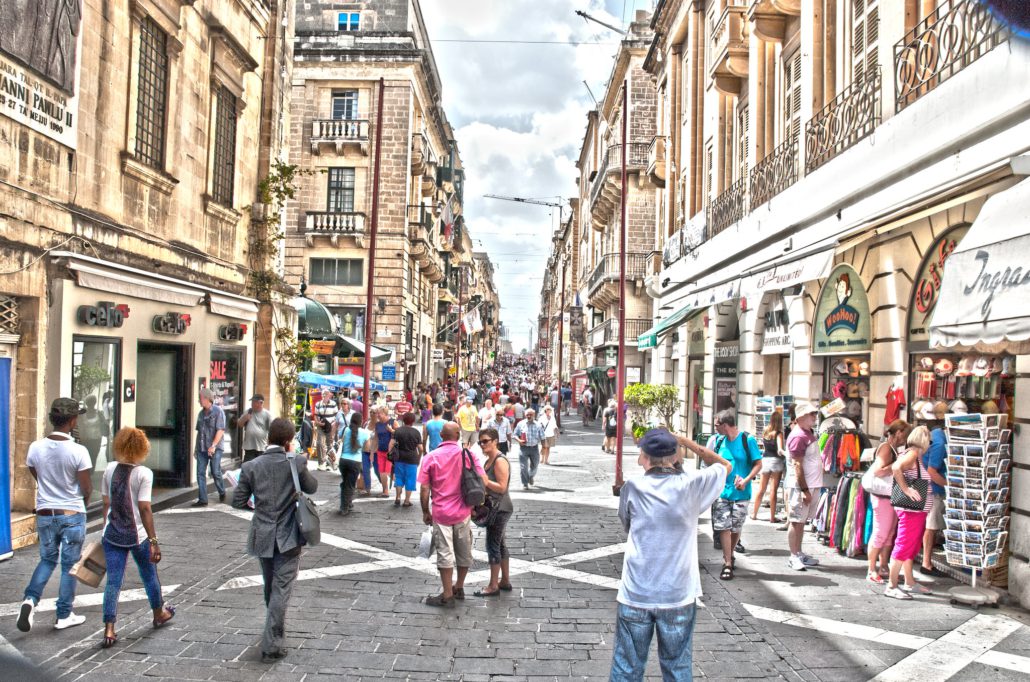
 Malta, the small island state at the heart of the Mediterranean Sea, faces an epidemic of undiagnosed mental health problems. As many as 120,000 of its citizens struggle with some form of mental illness. An article from Lovin Malta interviewed several Maltese individuals who shared their mental health struggles. Two interviewees described living with anxiety and stress, self-diagnosing as suffering from Post-Traumatic Stress Disorder (PTSD). Another two detailed their difficulties with neurodivergence—one with suspected Asperger’s syndrome and the other with inattentive ADHD—conditions that significantly impact mental well-being.
The mental health issues in Malta are as varied as in any other part of the world. Maltese people face similar challenges to those in more developed countries, not due to a lack of humanity or civility, but because of limited access to essential services and an unstable economy. Despite these challenges, “0.7% of all deaths among Maltese residents in 2017 were deaths by suicide” and the country ranks 40th globally in terms of national happiness.
Factors Affecting Mental Health Decline
Over the past decade, Malta has experienced a significant influx of migrant workers from within the EU and beyond. This population increase places pressure on society, particularly on the healthcare system, straining those responsible for its operation. This cultural shift forces the host nation to adapt inclusively to reflect the values of all its inhabitants. While this progression is often seen positively, it can be overwhelming for some, especially those already in a fragile mental state. The result is a society where some embrace change, while others feel abandoned by their culture.
Ironically, the push towards a more egalitarian society has disproportionately affected the vulnerable. As women increasingly enter the workforce, traditional care roles are diminishing, leaving the elderly and infirm to rely more on state support.
Until recently, the Maltese government did not prioritize open discourse about mental health. A lack of political will, consensus and leadership hampered efforts to address the issue, according to Health Policy.
Need for Change: Positive Developments
Significant improvements have been made in Malta’s approach to mental health over the past decade, building on reforms from the early 1990s. In 2012, Malta appointed its first Mental Health Commissioner, marking a turning point, Health Policy reports. Increased pressure from public bodies and media figures has helped to destigmatize mental health issues, prompting more open discussions.
Previously, Malta had the highest average length of stay for inpatients with mental and behavioral disorders in the EU. In 2013, the average stay was 57 days, which decreased to around 40.5 days by 2019. The number of hospitalized patients per 100,000 population also dropped from 144 to 89.7 during the same period, according to Health Policy.
The health care system now favors community hostel care or independent living arrangements over prolonged hospital stays, allowing patients to maintain their autonomy and human identity.
NGO Involvement
Several organizations are spearheading initiatives to combat mental health issues in Malta. These include the Mental Health Association Malta (MHAM), the Malta Federation of Organizations Persons with Disability (MFOPD) and the Malta Health Network (MHN).
Founded in 1982, MHAM supports caregivers of the mentally ill, educates the public to reduce ignorance and stigma and advocates for legislative changes to benefit caregivers and support workers.
Founded in 1970, MFOPD supports 41 member organizations and works on initiatives to reduce stigma, enhance societal understanding and improve integration and services for persons with disabilities. It advocates for the rights and needs of persons with disabilities, engages in lobbying efforts, and participates in relevant government structures and European events.
Established in 2007, MHN is an organization that focuses on promoting health-related interests for patients and the community in Malta. It collaborates with governmental, non-governmental, and not-for-profit organizations as well as patient representative groups to enhance health services and patient advocacy.
In February 2024, the organization launched a “To be seen and to be heard” (Arani u Ismagħni) campaign seeking to empower patients and equip them with skills of self-management and professional communication.
Future Directions
While Malta has made observable progress, the WHO is keen to draw attention to the work still to be done. Reducing poverty from its current rate of 9.2% to zero is crucial, but, according to WHO, so, too, is improving staff communication with patients and spreading information about mental health issues.
Financial hardship and mental distress are interconnected. Studies suggest both poverty and mental health issues are still stigmatized, with some believing mental health is a middle-class issue. Research in Glasgow, however, indicates higher rates of mental health issues in deprived areas, though suicide rates are higher in affluent areas. This disparity highlights structural differences in access to resources, with the affluent having better access to mental health services, while the impoverished often face desperation and neglect.
It is challenges such as the above that an organization like MHA seeks to overcome; by combating the stigma that mentally ill people and their caregivers face in Malta and ensuring mental health services are both well-staffed and well-funded.
In September 2017, the MFOPD initiated a campaign comprising a series of educational modules that sought to assist those living with intellectual disabilities to engage in an independent lifestyle. The project’s mission statement was “Enhancing Social and Economic Inclusion Through Independent Living” and it reached 360 people by the project’s end.
– Thomas Johnston
Thomas is based in Dungannon, County Tyrone, Northern Ireland and focuses on Good News and Global Health for The Borgen Project.

Poverty and the Preservation of Cultural Heritage in Ghana
Cultural Heritage as an Economic Catalyst
Preserving Ghana’s cultural heritage offers more than a nostalgic look back; it promises economic revitalization. Ghana, known for its ancient traditions and diverse ethnic groups, provides a rich foundation for cultural tourism. Consider the UNESCO World Heritage Sites like Cape Coast Castle and Elmina Castle, which stand as powerful reminders of the nation’s intricate history. These sites preserve the memory of the transatlantic slave trade and serve as economic engines through tourism. Similarly, initiatives like the Nzulezu Stilt Village in the Western Region showcase the unique architectural heritage of Ghana’s indigenous communities. There, guided tours and local craftsmanship provide sustainable livelihoods for the residents.
Community-Based Approaches
Empowering the community is central to successfully preserving cultural heritage in Ghana. Community-based approaches focus on actively involving local populations in every part of the decision-making process, aligning preservation initiatives with the cultural values and aspirations of the people. For example, the Nzulezu Stilt Village serves not only as a tourist attraction but also showcases the resourcefulness and ingenuity of the Nzema community in surviving and thriving in their environment.
Residents actively participate in managing the site and guide visitors on how to care for the surrounding ecosystem. Similarly, the Ghana Museums and Monuments Board collaborates with communities across the nation to develop heritage conservation plans that incorporate traditional knowledge and practices.
These ongoing initiatives have raised awareness among communities about their roles as custodians of their heritage, empowering them with greater ownership and agency. This empowerment helps ensure social cohesion and resilience against external forces of change.
Traditional Knowledge for Sustainable Development
Cultural heritage plays a vital role in achieving sustainable development goals in Ghana. Generations have passed down traditional knowledge systems that significantly contribute to sustainable resource management and environmental care. For example, the Kente weaving tradition of the Ashanti people not only preserves cultural identity but also promotes sustainable practices like natural dyeing and ethical material sourcing. By integrating this traditional knowledge into current development policies, Ghana can better address contemporary challenges such as climate extremes and food insecurity while leveraging the wisdom of its ancestors.
Cultural Heritage as a Tool for Social Unity
Cultural heritage preservation unites people in Ghana, offering a platform for social inclusion and reducing ethnic, religious and socioeconomic divisions prevalent in the country. Celebrations and festivals, such as the Chale Wote Street Art Festival in Accra, play a pivotal role in enhancing cultural diversity and encouraging dialogue among different communities. These events not only reinforce national identity but also promote mutual understanding and cohesion among Ghana’s diverse population.
Creating Opportunities Through Innovation
Despite the pivotal role of cultural heritage in sustainable development, it faces numerous challenges such as underfunding, inadequate infrastructure and pressures from urbanization and globalization. To combat these ongoing challenges, Ghana is exploring innovative solutions such as public-private partnerships and community-based ecotourism initiatives. Leveraging digital technologies and investing in education and capacity-building can potentially empower local communities, enabling them to take an active role in preserving and promoting their cultural heritage while fostering economic growth and sustainability.
Looking Ahead
Ghana’s focus on preserving cultural heritage positions it uniquely to foster economic growth and community empowerment. By integrating traditional knowledge and local involvement in heritage sites, Ghana could sustainably enhance its tourism sector and provide substantive benefits to its communities. Continued investment and innovation in cultural conservation promise to build stronger, more resilient communities while promoting a diverse and unified national identity.
– Honorine Lanka Perera
Photo: Unsplash
Mood Over Matter: Mental Health in Malta
The mental health issues in Malta are as varied as in any other part of the world. Maltese people face similar challenges to those in more developed countries, not due to a lack of humanity or civility, but because of limited access to essential services and an unstable economy. Despite these challenges, “0.7% of all deaths among Maltese residents in 2017 were deaths by suicide” and the country ranks 40th globally in terms of national happiness.
Factors Affecting Mental Health Decline
Over the past decade, Malta has experienced a significant influx of migrant workers from within the EU and beyond. This population increase places pressure on society, particularly on the healthcare system, straining those responsible for its operation. This cultural shift forces the host nation to adapt inclusively to reflect the values of all its inhabitants. While this progression is often seen positively, it can be overwhelming for some, especially those already in a fragile mental state. The result is a society where some embrace change, while others feel abandoned by their culture.
Ironically, the push towards a more egalitarian society has disproportionately affected the vulnerable. As women increasingly enter the workforce, traditional care roles are diminishing, leaving the elderly and infirm to rely more on state support.
Until recently, the Maltese government did not prioritize open discourse about mental health. A lack of political will, consensus and leadership hampered efforts to address the issue, according to Health Policy.
Need for Change: Positive Developments
Significant improvements have been made in Malta’s approach to mental health over the past decade, building on reforms from the early 1990s. In 2012, Malta appointed its first Mental Health Commissioner, marking a turning point, Health Policy reports. Increased pressure from public bodies and media figures has helped to destigmatize mental health issues, prompting more open discussions.
Previously, Malta had the highest average length of stay for inpatients with mental and behavioral disorders in the EU. In 2013, the average stay was 57 days, which decreased to around 40.5 days by 2019. The number of hospitalized patients per 100,000 population also dropped from 144 to 89.7 during the same period, according to Health Policy.
The health care system now favors community hostel care or independent living arrangements over prolonged hospital stays, allowing patients to maintain their autonomy and human identity.
NGO Involvement
Several organizations are spearheading initiatives to combat mental health issues in Malta. These include the Mental Health Association Malta (MHAM), the Malta Federation of Organizations Persons with Disability (MFOPD) and the Malta Health Network (MHN).
Founded in 1982, MHAM supports caregivers of the mentally ill, educates the public to reduce ignorance and stigma and advocates for legislative changes to benefit caregivers and support workers.
Founded in 1970, MFOPD supports 41 member organizations and works on initiatives to reduce stigma, enhance societal understanding and improve integration and services for persons with disabilities. It advocates for the rights and needs of persons with disabilities, engages in lobbying efforts, and participates in relevant government structures and European events.
Established in 2007, MHN is an organization that focuses on promoting health-related interests for patients and the community in Malta. It collaborates with governmental, non-governmental, and not-for-profit organizations as well as patient representative groups to enhance health services and patient advocacy.
In February 2024, the organization launched a “To be seen and to be heard” (Arani u Ismagħni) campaign seeking to empower patients and equip them with skills of self-management and professional communication.
Future Directions
While Malta has made observable progress, the WHO is keen to draw attention to the work still to be done. Reducing poverty from its current rate of 9.2% to zero is crucial, but, according to WHO, so, too, is improving staff communication with patients and spreading information about mental health issues.
Financial hardship and mental distress are interconnected. Studies suggest both poverty and mental health issues are still stigmatized, with some believing mental health is a middle-class issue. Research in Glasgow, however, indicates higher rates of mental health issues in deprived areas, though suicide rates are higher in affluent areas. This disparity highlights structural differences in access to resources, with the affluent having better access to mental health services, while the impoverished often face desperation and neglect.
It is challenges such as the above that an organization like MHA seeks to overcome; by combating the stigma that mentally ill people and their caregivers face in Malta and ensuring mental health services are both well-staffed and well-funded.
In September 2017, the MFOPD initiated a campaign comprising a series of educational modules that sought to assist those living with intellectual disabilities to engage in an independent lifestyle. The project’s mission statement was “Enhancing Social and Economic Inclusion Through Independent Living” and it reached 360 people by the project’s end.
– Thomas Johnston
Tobacco in Vietnam: A Cause and a Symptom of Poverty
Smoking as a Symptom of Poverty
Socioeconomic inequality can be inherently linked to levels of tobacco consumption. A 2012 study by the National Institute of Health found that poorer men in society were 2.5 more likely to smoke than the wealthier male population. The World Health Organization (WHO) Framework Convention on Tobacco Control found that more than “80% of the world’s smokers” reside in “low or middle-income countries.” This is supported by the fact that only 29.1% of Vietnam’s wealthier quintiles smoke daily, compared to 47.9% in the poorer sectors.
The damaging physical and mental impacts of cigarette use further support an argument for tobacco as an indicator of poverty. Nicotine addiction results in Vietnam’s most impoverished citizens consuming tobacco to “reduce the stress of social isolation, economic hardship, prior trauma and the loss of power and status.” Vietnam’s predominantly higher rates of tobacco consumption can be correlated directly with its status as a lower economically developed country.
Smoking as a Cause of Poverty
Cigarettes are not only an indicator of poverty in Vietnam but also a contributing cause of such. A 2018 study found that tobacco-related expenditure increased the number of Vietnamese people considered poor by 305,090 (0.31% of the country’s population). Expenditure on cigarettes exacerbates already stretched budgets in low-income households. A WHO study identified three characteristics of tobacco-related expenses that could amplify the troubles of necessitous households:
The morbidity and mortality associated with cigarettes aggravates the financial struggles of tobacco-smoking households. Developing countries, like Vietnam, do not have the health care infrastructures in place to support the prevalence of tobacco-induced ailments. Vietnam’s “weak” social insurance system and “expensive” health care means there is a higher risk of smokers and their families falling below the poverty line.
National and International Tobacco Corporations
The tobacco industry employs various tactics to maximize profits, both nationally and internationally. In 2022, a state-owned company, Vietnam National Tobacco Corporation (Vinataba), had the largest share in the national Vietnamese cigarette market, at 58%. This contextualizes the finding that Vietnam has one of the lowest tobacco taxes in Southeast Asia, higher only than Laos, Cambodia and Myanmar.
In 2021, Vietnam imported more than $242 million worth of tobacco from companies such as Philip Morris International (PMI) and Japan Tobacco International (JTI). The multinational tobacco industry recognizes the female population of Vietnam as an untapped industry. As a result, these companies relentlessly target this societal sector through advertising campaigns that associate cigarettes with “fashion, glamor, independence and empowerment.”
However, female tobacco consumption in Vietnam is significantly lower than the male population, at an estimated 4.3% of women compared to a staggering 72.8% of men. While tobacco use is largely gendered, it is recorded that 48% of women are exposed to second-hand tobacco smoke at home and 25% suffer exposure at work. It is also documented that 19,000 Vietnamese citizens have died as a result of passive smoking, with 60% of these being women.
Steps Toward a Smoke-Free Future
The Vietnam National Tobacco Harm Prevention and Control Program aims to reduce tobacco use in Vietnam by raising public awareness of the social, financial, environmental and health consequences of cigarettes. It focuses primarily on younger age groups (between 15 and 24 years old). The program has numerous aims, including a reduction of passive smoking by 30% in the workplace, 75% in restaurants and 80% in cafes and bars between 2026 and 2030.
Through collaborations with international organizations and liaison with local agencies, this initiative has launched media campaigns and school initiatives that promote a smoke-free future for upcoming generations in Vietnam.
Final Remark
Smoking is an epidemic in Vietnam and can be correlated directly with poverty levels. However, the health dangers and economic implications of smoking are being recognized, a recognition that has seen measurable improvements in tobacco-related repercussions. From 2015 to 2022, Vietnam has reduced the number of smokers by 0.85, preventing 280,000 premature deaths and saving 1.277 trillion Vietnamese dongs ($54.4 million). Tackling tobacco abuse has the inherent impact of alleviating poverty in marginalized Vietnamese communities.
– Thea Carter
Photo: Flickr
Project PEARLS: Alleviating Poverty in the Philippines
Inequality and Economic Challenges
Despite a slight decrease in poverty incidence as reported by the Philippine Statistics Authority, with a fall to 22.4% in 2023 from 23.7% in 2021, significant challenges remain. Approximately 25.2 million Filipinos still struggle to meet basic needs, highlighting the persistent inequality within the country. Wealthy regions prosper while impoverished communities lag, often exacerbated by insufficient government initiatives to redistribute wealth effectively. With looming threats of climate disturbance and rising inflation rates, the poorest are increasingly vulnerable, making the role of NGOs like Project PEARLS crucial as they provide essential support and services.
Expanding Impact and Future Goals
In a revealing interview with The Borgen Project, Melissa Villa, co-founder of Project PEARLS, detailed the organization’s inception and ongoing efforts to combat extreme poverty in the Philippines. From its beginnings in Tondo, Project PEARLS has expanded its reach to include multiple regions such as Bulacan, Cavite and Mindanao. The organization now implements programs aligned with the first four United Nations (U.N.) Sustainable Development Goals, covering education, health care, nutrition and skills development. These initiatives aim to lift children and families out of poverty and offer them a chance at a better future. Melissa Villa’s continued leadership and dedication are pivotal as Project PEARLS strives to extend its lifeline to more regions and address the complex facets of poverty in the Philippines.
Addressing Poverty in the Philippines
Villa shared alarming statistics highlighting the scope of poverty in the nation: “In the first semester of 2023, the poverty incidence among the population was estimated at 22.4% or approximately 25.24 million Filipinos,” indicating the dire economic conditions many face. She further explained that these figures represent individuals whose income fails to meet basic life necessities, emphasizing the critical need for targeted poverty alleviation initiatives.
Project PEARLS’ Community Impact
Through its comprehensive approach, Project PEARLS has made significant strides in alleviating poverty. Villa noted, “Project PEARLS serves 3000 meals weekly and supports over 750 scholars from preschool to college.” The organization’s G.R.O.W. program, according to Villa, empowers women by teaching skills such as macramé and shirt printing, enhancing their income opportunities. These ongoing initiatives not only address immediate needs but also aim to foster long-term community resilience.
“This year, we plan to reopen our health clinic in the slum community of Tondo and build a small preschool classroom,” Villa shared, outlining the organization’s goals to expand its educational support. It also aims to reach indigenous and marginalized communities, extending its impact beyond the immediate regions they currently serve.
Looking Ahead
Villa reflected on the organization’s role and future, stating, “Project PEARLS is more than just a feeding program; it is a global movement of individuals from diverse backgrounds uniting to fight poverty in the Philippines.” Her words underscore the transformative impact of its work, which continues to offer hope and practical solutions to those in dire need. As it moves forward, Project PEARLS remains committed to enriching lives and empowering communities, navigating through challenges toward a more prosperous future for all it serves.
– Lauren Alkhalil
Photo: Flickr
Women’s Rights Issues in Tuvalu
Underrepresentation in Parliament
Tuvalu gained independence from Britain in 1978 and since then, only three women have been elected as members of the Tuvalu Parliament. Most recently, in the general election of 2019, only 5.4% of candidates were women and only one was successfully elected. Tradition and cultural norms are factors as to why women are not represented in the government as much as men. Traditionally, it is the belief that women should take care of domestic labor while men dominate the workforce. While this belief is not a hard and fast rule, it does bleed into governance as women are excluded and limited from decision-making in local governmental participation.
In addition, family ties and connections play a big role in who gets elected, as there are no formal campaigns or parties. Although progress toward improving equal representation in the government has been made, tangible improvements toward this goal in terms of a permanent legislature have yet to be made. Exclusion from decision-making marginalizes women’s influence on the legislature that addresses issues that directly affect them, such as poverty, poor education and underemployment. By including women in government, these pressing issues like poverty could be directly confronted.
Economic Disparity
In Tuvalu, women’s participation in the workforce remains unequal to that of men. According to the World Bank, in 2023, young women from the ages of 15 to 24 made up only 43% of the workforce, while young men made up 53%. Additionally, the unemployment rate for women was 16.2% and 4.6% for men in 2022. In terms of education, 37.4% of women were not in training, employment or education. The lack of women in the labor force keeps Tuvaluan women in a cycle of economic inequality and poverty. Addressing these issues could lead to a more productive workforce and economic development that not only helps improve the lives of low-income women but also of the community.
Gender-Based Violence
In Tuvaluan society, nearly 36% of women between 15 and 49 reported experiencing physical violence from a partner within their lifetimes, with 24.3% of women stating that they experienced violence within the 12 months before the report. Violence, including physical, sexual and emotional forms, significantly impacts the lives of Tuvalu women. These women might have a harder time accessing money or making any financial decisions, which can contribute to their financial dependency and their exposure to poverty.
Looking into the Future
While these major areas of society need women to be included to improve, one organization is working on building a better future for the island and women’s rights issues in Tuvalu. The Tuvalu Coastal Adaptation Project (TCAP) focuses on building infrastructure to protect and raise the island away from rising sea levels due to climate change. A huge component of this project is advocating for women to speak up in the government and community spaces.
The project focuses on supporting women through education, offering scholarships and helping them obtain governing positions. Two female recipients have already been placed into universities abroad thanks to this program. Additionally, TCAP has created 100 new jobs that not only fight against island erosion but also prioritize female applicants to maintain a 50-50 gender balance. TCAP trains women in the relevant skills to boost their careers and also gives them a platform for their existing streams of income, which typically come from selling handicrafts.
– Rachel Venable
Photo: Flickr
Jaco Swanepoel: A South African Transforming the Slums of India
The Mission
For more than a year, Jaco Swanepoel has immersed himself in the vibrant yet challenging landscapes of India, dedicated to uplifting the lives of those grappling with poverty. His journey, marked by relentless effort and a compassionate heart, has touched the lives of thousands, particularly among the slum dwellers and the most marginalized communities.
Swanepoel’s mission is not just about providing immediate relief but also about creating lasting change and empowering local populations to sustain themselves. His work exemplifies the profound impact of humanitarian efforts that transcend international borders.
A Year of Transformative Work
Jaco Swanepoel’s commitment to helping the underprivileged has led him to some of the most deprived areas in India. In the past year, he has provided meals to between 900 and 1,100 children living in garbage dumps and to residents of leprosy colonies. These are places where necessities are scarce and survival is a daily struggle. The sight of children rummaging through heaps of trash for food is a stark reminder of the extreme poverty that exists in these regions.
By offering nutritious meals, Swanepoel not only fills their stomachs but also brings hope and dignity to these young lives. His work in leprosy colonies is equally significant. Though curable, leprosy still carries a severe social stigma in many parts of India. Affected individuals are often ostracized from their communities, leading to a life of isolation and neglect. Swanepoel’s presence and assistance in these colonies help break down these barriers, fostering a sense of inclusion and care.
A Vision for Sustainable Impact
Swanepoel’s mission is far from over. He plans to spend another 9 to 12 months in India, traveling to cities like Varanasi and Delhi, which are hubs of both rich cultural heritage and stark economic disparity. His future endeavors will focus on not just providing immediate aid but also empowering communities through training and education. By equipping people with the tools and knowledge they need to sustain themselves, Swanepoel aims to foster self-sufficiency and resilience.
Education and vocational training are central to his approach. In slum areas, where access to quality education is limited, Swanepoel plans to set up learning centers and workshops. These initiatives will provide children and adults with the skills necessary to improve their socioeconomic status. For instance, teaching basic literacy and numeracy can open up new job opportunities. Similarly, vocational training in areas such as tailoring, carpentry or digital literacy can enable individuals to start their own businesses or find better employment.
The Global Impact of Humanitarian Work
Swanepoel’s work highlights a crucial aspect of humanitarianism: the idea that helping humanity is not restricted by international borders. Poverty, illness and suffering are universal challenges that require a global response. Swanepoel, originally from South Africa, has shown that compassion and solidarity can bridge the distance between continents. His efforts in India have not only benefited local communities but have also inspired people around the world to contribute to global causes.
Furthermore, the ripple effect of Swanepoel’s work extends far beyond the immediate aid he provides. By raising awareness about the issues faced by slum dwellers and impoverished communities, he encourages a broader understanding and response to these challenges. His stories and experiences shared through social media and other platforms can mobilize support from both local and international organizations. Increased awareness often leads to increased funding and resources, which are crucial for sustaining long-term development projects.
Final Remark
As Jaco Swanepoel continues his journey across India, his legacy will undoubtedly leave a lasting impact. The communities he touches will not only remember his kindness but also carry forward the knowledge and skills he imparts. By empowering individuals to sustain themselves, he creates a foundation for ongoing improvement and development. His mission is a testament to the power of one person to drive change and inspire others to do the same.
– Sakshi Bhagat
Photo: Unsplash
Portable Ultrasound Machines Are Changing Health Care in Kenya
In emergencies, it is also not realistic for women in rural communities to travel several hours to care centers that have the equipment necessary to have them. As a result of the inaccessible costs of Kenya’s maternal health care system, only about 50% of deliveries in Kenya occur in actual medical facilities, which can prove dangerous for mothers and babies.
Portable Ultrasound Technology
Created by the medical equipment company Philips, the Lumify Probe is a portable ultrasound machine that has revolutionized health care in Kenya for pregnant women. Implementation programs begin with training for midwives on how to use the Lumify Probe. Health care centers in remote villages of Kenya then received one of the devices, increasing the reach and accessibility of ultrasound and obstetrics in Kenya.
The device itself has many important applications. Most importantly, it can give midwives and mothers information on the viability of the pregnancy, show the number of fetuses and show the position of the fetus. With this information, midwives can better advise their patients and spot potential complications like breech positions or multiple pregnancies earlier.
Incorporating Artificial Intelligence
With the rise in artificial intelligence (AI) in recent years, efforts have been made to use the new technology for ultrasounds. AI could help simplify the process of obtaining obstetric measures and provide information to midwives and mothers earlier in the pregnancy. A pilot program in Kenya has already shown promise and there is hope of expanding the initiative to more countries in Africa.
The Bill and Melinda Gates Foundation has funded these efforts for several years now, even increasing a grant for Philips to $60 million for its research into AI-powered ultrasound technology.
The Impact of Portable Ultrasound Machines
Portable ultrasound machines will increase access to obstetric care in Kenya and eventually other countries as programs to implement the devices expand. Midwives can travel to their patients’ homes and conduct community visits to reach even more people. Moreover, the new machines are more cost-effective for low-income families who can’t afford to travel to centers in larger cities or the mainland.
Whereas ultrasounds at specialist facilities may cost around Ksh 1,000 or 1,500, portable ones are only around Ksh 500 (this is $10 to $15 versus just $5). While the World Health Organization (WHO) advises that mothers receive “at least one obstetric screen, done before 24 weeks of gestation,” many mothers could not do so before these pilot programs for portable ultrasound machines.
However, since their introduction, more than 2,500 mothers have been screened in Kenya and the number is only increasing. Ultimately, portable ultrasound machines like the Philips Lumify Probe will save countless lives as mothers become more informed about the conditions of their pregnancies and maternal health care in Kenya improves.
– Hannah Hipólito
Photo: Flickr
UN Initiatives To Address Severe Drought in Zambia
In response to the drought, which is considered Zambia’s worst drought in 20 years, the U.N. allocated $5.5 million in relief funding. In early May of 2024, the U.N.’s Office for the Coordination of Humanitarian Affairs (OCHA) submitted an appeal for another $228 million in funding. This additional aid, if approved, will bolster humanitarian efforts to address the drought in Zambia.
Rainfall and Crop Production
Zambia relies on rainfall for crop production and inconsistent rainfall means a serious lack of food. When subsistence farmers cannot harvest crops to feed their families, their only option is to purchase food. But even the commercial farmers who supply that food are struggling. As food production becomes more constrained, costs skyrocket, leaving millions hungry.
Alternative water collection methods, such as irrigation systems, are expensive and, therefore, not widely used in Zambia. Commercial farmers can sometimes obtain loans, which enable them to install such technology. However, subsistence farmers, without a consistent source of revenue, are often unable to receive such funding. The drought’s impact is felt most strongly among small-scale farmers who cannot water their crops, have no funding to install water technology and have limited means to purchase food.
Hydroelectricity
The drought in Zambia has extensive consequences beyond the food crisis. Zambia relies largely on hydroelectric power for its energy needs; about 80% of its total power is derived from hydroelectric sources. Low water supply has forced Zambia Electricity Supply Corporation (ZESCO), which supplies about 95% of the country’s energy needs, to limit power generation to only eight hours per day.
This widespread energy crisis has far-reaching consequences. According to the World Bank, “lack of reliable electricity severely restricts the country’s potential for improving per capita gross domestic product (GDP) and reducing poverty.” Furthermore, “increasing rural access to modern energy promotes social cohesion and assists the government in economic development initiatives.”
National Government’s Proposed Solutions
Zambia’s legislature has proposed realigning the national budget to allocate more funding toward drought relief. It also offers loans to subsistence farmers to install irrigation technology. For the most vulnerable people who simply have no access to food, Zambia plans to enhance its Social Cash Transfer Program (SCT), which aims to reduce extreme poverty.
To prevent future crises, Zambia plans to diversify its energy mix by adding other renewable sources, such as wind and solar. Relying less heavily on hydroelectric power will help mitigate the effects of future droughts on the nation’s farmers. The Zambian government has been in a debt restructuring process for three years, constraining its ability to give loans and direct cash aid to starving families. Hichilema is calling on the nation’s creditors to expedite the process, stating that “if this process does not close, it’s not just an indictment on Zambia but the global system.”
UN Initiatives
The World Food Programme (WFP), a branch of the United Nations, is working with Zambia to combat the current crisis. Its efforts include distributing food, using boreholes to find clean water and updating the country’s water technology systems. Cindy McCain, the executive director of the WFP, explains that the relief effort must focus on both long-term and short-term goals.
According to McCain, the short-term priority is increasing food availability. In contrast, long-term relief efforts would focus on preventative measures, such as installing irrigation systems and distributing drought-resilient seeds. The crucial first step is securing the additional $228 million in aid requested by OCHA. This funding infusion will greatly help the national government, the U.N. and other nongovernmental organizations meet the needs of the nation’s struggling farmers.
– Maren Fossum-Wernick
Photo: Flickr
Bridging the Gender Wage Gap in Laos: Progress and Challenges
Understanding Laos’ Gender Wage Gap
Several factors contribute to the gender wage gap in Laos. One significant factor is the concentration of women in low-skill sectors such as informal employment, where wages are typically lower and job security is precarious, according to UNFPA. Women also often face barriers to career advancement and leadership positions due to the unequal nature of family care and responsibilities placed on them. In Laos, women make up only 21.9% of Parliament. The disparity is more present in rural areas, with entrenched traditional gender roles and limited access to education and employment opportunities. This in turn exacerbates poverty among women.
Closing the Gap
Recognizing the importance of addressing the gender wage gap and women’s poverty, the Lao government has implemented various initiatives aimed at promoting gender equality and empowering women in the workforce. One such initiative is the Fourth National Plan of Action on Gender Equality, which the government renewed in 2021 to mainstream gender perspectives into national policies and programs.
Under this strategy, the government has introduced measures to improve access to education and vocational training for women, enhance women’s participation in decision-making processes, and eliminate discriminatory practices in the labor market. The government also has taken further steps to enact legislation to promote equal pay for equal work and strengthen enforcement mechanisms to address wage discrimination.
Before the renewal of the Fourth National Plan of Action on Gender Equality, The Third National Plan of Action on Gender Equality achieved several significant milestones in advancing gender equality and women’s rights from 2016 to 2020. For instance, the government allocated education funding for 1,200 students, with approximately 78% of the recipients being girls. Additionally, the government provided training to 563 underprivileged students in rural areas, with approximately 69% of the participants being girls. As a result, the number of students enrolled in vocational institutions increased by 5,420 between 2015 and 2016, with female students making up approximately 41% of the total enrollment. The Fourth National Plan of Action on Gender Equality aims to build upon these achievements and further advance gender equality in Laos.
The Role of Empowerment
In addition to governmental efforts, non-governmental organizations play a crucial role in addressing the gender wage gap and reducing women’s poverty in Laos. One notable example is the Lao Women’s Union, a grassroots organization that works to empower women and promote gender equality across various sectors.
The Lao Women’s Union significantly contributed to the increase in female elected officials in the 2016 8th National Assembly Election. The Union actively promoted the importance of gender balance in political roles to the Lao citizens. Consequently, there was a notable 2.9% rise in the number of women elected compared to the previous 7th National Assembly Election, according to the Fourth National Plan of Action.
Another key organization that has contributed significantly is The Asia Foundation. The Asia Foundation is an international non-profit organization that has been collaborating with Laos since 1958. In 2011, The Asia Foundation announced a scholarship for women undergoing education in Science, Technology, Engineering and Mathematics (STEM) fields, to promote equal gender representation in these traditionally male-dominated fields. The scholarship aided 84 women in completing their education at the National University of Laos, and the subsequent introduction of 42 new candidates between 2020 and 2021.
Addressing Poverty Among Women
Poverty among women in Laos remains an issue. The gender wage gap worsens economic inequalities, making it harder for women to lift themselves and their families out of poverty. By addressing the gender wage gap, Laos can significantly reduce poverty. This has been demonstrated by the Poverty Reduction Fund’s Road Maintenance Groups program implemented in 2017. The program aimed to encourage women to partake in quality jobs to increase female representation in the labor force. Women from all across Laos, especially those from some of Laos’ poorest villages, were provided with the skills and training needed to repair roads in rural Laos. Evaluations following the program found that women were 77% more likely to become consistent income earners, and the monthly wages of women who participated in the program increased by an average of $19.
Ensuring equal pay for equal work and improving women’s access to higher-paying jobs and educational opportunities will not only empower women but also contribute to the overall economic development of the country. As women gain financial independence and stability, they can better support their families and communities, leading to a more prosperous and equitable society.
Continued efforts by both governmental and non-governmental actors are essential to dismantle systemic barriers, challenge gender norms, and create an inclusive and equitable labour market where women have equal opportunities to thrive and succeed. By prioritizing gender equality and investing in women’s empowerment, Laos can unlock the full potential of its workforce and foster sustainable development for all its citizens.
– Jennifer Lee
Photo: Flickr
Efforts to Improve Housing in Djibouti
The Persistent Challenge of Poverty
Despite Djibouti’s small population compared to its neighboring countries, gathering detailed data on the extent of poverty is challenging due to limited participation in national censuses. However, some recorded statistics have shown that more than 35% of the population of Djibouti lives in poverty, with at least 21% of the population living below the poverty line as of 2022. Poverty’s impact is most severe in rural areas, where it affects the majority of residents. Although only 15% of Djibouti’s population resides in urban areas, these citizens represent more than half of the country’s extremely poor.
Housing Crisis in Djibouti
Djibouti-Ville, the capital and largest city of Djibouti is home to more than 60% of the population. Numerous slums within the city provide shelter to Djiboutian nationals as well as refugees and asylum seekers, highlighting a nationwide shortage of affordable housing.
Balbala, a slum in Djibouti, accommodates a large portion of the country’s homeless population, many of whom lack access to adequate food and water. The Djiboutian government is addressing these harsh conditions with the Zero Slums Program, which aims to evaluate and resolve homelessness and poor living conditions in slums. Concurrently, the government’s Slum Upgrading Project seeks to enhance living conditions in various settlements nationwide, helping residents move from slums to affordable housing and preventing the necessity of slum living.
Economic Outlook and Community Support
In recent years, Djibouti has seen economic improvements. Despite these gains, homelessness and poor living conditions persist as major concerns for both the government and its citizens. Notably, Djibouti demonstrates significant compassion by supporting refugees and asylum seekers from Ethiopia, Somalia and Yemen. Despite its small geographical size, Djibouti’s generosity is immense. However, the country still faces a shortfall of up to 20,000 houses needed to adequately support its citizens.
On average, Djibouti needs to construct 3,000 new houses each year to meet its housing demand. However, both private and public sectors have limited capacity, managing to establish only enough houses to leave between 15 to 20% of Djiboutian citizens without suitable housing or experiencing homelessness.
Addressing Homelessness Through Aid
Several nongovernmental organizations, including Eevah, are actively supporting Djibouti’s citizens experiencing homelessness by providing humanitarian aid and resources to address the housing crisis. Eevah, known for using profits from jewelry sales to aid children worldwide, campaigns specifically for Djibouti to ensure that children in the country can access clean water, sustainable food and proper housing.
Promoting Sustainable Livelihoods with Penha
Since its establishment in 1994, the organization Penha has been supporting Djiboutian nationals, refugees and asylum seekers alongside government initiatives. Penha aims to alleviate poverty in the Horn of Africa by subsidizing communities to enhance livestock and nonlivestock-based livelihoods. This support is particularly beneficial in Djibouti, where such livelihoods are common in urban areas. Penha collaborates closely with local communities to ensure they play an active role in their development. The organization operates across Djibouti, Eritrea, Kenya, Somalia and South Sudan.
Al-Abrar Foundation
The Al-Abrar Foundation, based in London, also engages with communities in Djibouti, alongside its outreach programs in Ethiopia, Somalia and Tanzania. This foundation delivers educational programs, events and workshops to foster positivity and socioeconomic growth in Djiboutian areas affected by extreme poverty. It focuses on youth projects and strives to provide food resources and suitable shelter for those without sustainable incomes.
Cultural Richness
Djibouti, a small nation, is home to many people who need suitable housing, guaranteed food resources and a supply of clean water. Beyond its poverty statistics, Djibouti boasts attractions like snorkeling with whales and sharks and swimming opportunities. The country also features stunning preserved architecture and a captivating landscape, offering much more than meets the eye.
The wildlife of Djibouti thrives in natural habitats and integrates seamlessly into urban areas, exemplifying the harmony between humans and animals. Despite the pressing housing crisis, the country boasts a rich cultural tapestry. Djibouti serves as a cultural crossroads where Djiboutian, Somali and Ethiopian traditions converge and celebrate a diverse coexistence.
Looking Ahead
Djibouti is poised to harness its unique geographical and cultural assets to further tackle the challenges of poverty and housing. Continued partnerships with NGOs and proactive government programs are key to achieving sustainable improvements in living conditions. With concerted efforts, Djibouti aims to transform its economic landscape and ensure a better quality of life for all its residents.
– Brogan Dickson
Photo: Flickr