Mental Health Resources in UgandaUganda has an international poverty rate of almost 60% as of 2019. With so many people living in poverty, the mental health crisis in Uganda is serious. Poverty raises rates of depression and anxiety, while Uganda’s history of civil conflict has also increased cases of post-traumatic stress disorder (PTSD). As one of the top six countries in Africa with the highest rates of people suffering from depressive disorders, Uganda’s mental health care system is overcrowded and struggling to keep up with the country’s needs.

However, programs have been developed to increase mental health resources in Uganda, such as YouBelong Uganda and Pamoja Afya Initiative.

YouBelong Uganda

Founded in 2016, YouBelong Uganda works to deinstitutionalize people from mental institutions and focus on support through the community. A major concern surrounding mental health resources in Uganda is that many people become trapped in institutional systems and are unable to reacclimate to their communities. YouBelong uses “The YouBelong linked model of engagement and care [to build] a bridge between the institution and the community.”

A key part of this is that YouBelong provides transport for people from institutions back to their communities. YouBelong also uses government resources to prepare the individual for community life and to prepare the community to best support the individual.

The YouBelong HOME is a section of YouBelong that focuses on addressing the inflow and outflow problems at the national mental institution. It works to reintegrate between 40 and 60 people a month from Butabika National Referral Mental Hospital back into their communities. To reduce inflow to the mental hospital, YouBelong is working to expand resources at local health centers to help people before they reach institutionalization.

YouBelong has several programs under its wing. These programs address issues such as inequalities in mental health care for women, early intervention for children experiencing mental health issues, psychosis and learning from the experiences of those in recovery. YouBelong Uganda is a large organization that works at many levels to increase access to mental health resources in Uganda.

Pamoja Afya Initiative

Pamoja Afya focuses on communities surrounding Uganda’s national parks and was founded in 2024. This organization operates on a much broader scale, covering topics such as water and sanitation, snakebite prevention and coexistence with wildlife. Among its many programs, Pamoja Afya Initiative also has a mental health program that provides targeted interventions to help communities.

The initiative brings awareness to youth in schools about disorders such as depression, substance abuse and PTSD. These awareness programs teach students emotional regulation, healthy coping mechanisms and relationship building. Pamoja Afya also works with teachers to foster a more emotionally safe learning environment. 

It equips teachers with the tools to support their students and themselves. The program also conducts mental health screenings and gives those diagnosed with mental health issues access to resources.

Conclusion

Programs like YouBelong Uganda and Pamoja Afya Initiative are helping bridge the gap in access to proper mental health resources that many Ugandan citizens lack. By giving small communities resources to address mental health problems early on, people are better able to cope with the growing mental health crisis. YouBelong then steps in to help reintegrate people into their communities and get the support they need.

Mental health resources in Uganda are few and far between, but certain organizations are working to increase access for more people.

– Kaitlyn Crane

Kaitlyn is based in Rohnert Park, CA, USA and focuses on Good News for The Borgen Project.

Photo: Flickr
Surf TherapyAn estimated 70% of South Africans aged 15 to 24 struggle with mental health challenges, with the highest prevalence reported in the Western Cape and Cape Town. Many young people in South Africa face racism, violence and poverty, underscoring the need for effective, sustainable mental health initiatives in the region. Yet only one in 10 people has access to mental health treatment. Waves for Change is a local nonprofit working to address this crisis through a unique approach: surf therapy.

About Waves for Change

Waves for Change was founded in 2009 and officially became a registered nonprofit in 2011. Before then, the organization began as voluntary weekend surfing sessions at Muizenberg Beach in Cape Town, led by its two founders, Apish Tshetsha and Tim Conibear. From there, the nonprofit quickly expanded with support from universities, mental health practitioners and a dedicated team of relatable surf coaches. 

Operating across the Western Cape and Eastern Cape of South Africa, the organization combines the adrenaline of surfing with its Take 5 model:

  • Energizers: Short, engaging physical activities designed to boost energy and sharpen focus.
  • Emotional check-ins: Structured, safe spaces that help participants identify and express their emotions.
  • Paced breathing exercises: Simple breathing techniques that help calm the nervous system.
  • Self-regulation games: Play-based activities that teach emotional control and encourage future planning.
  • Emotional check-outs: Reflective activities that reinforce the lessons above and help ensure emotional safety before completing the Take 5 model.

The Surf Therapy Program

The fight to improve mental health support in high-stress environments has grown significantly since the COVID-19 pandemic. Waves for Change has delivered free surf therapy programs to 2,800 adolescents living in high-stress environments and has trained 215 coaches who have gone on to support more than 10,000 young people. The organization also shares its evidence-based protocols globally through its website, allowing surf schools around the world to adopt this sustainable, community-driven approach.

In essence, the surf therapy program teaches participants essential self-regulation skills while supporting healthier emotional and behavioral responses to the daily stress many South African youth face. Documented short-term benefits include a stronger sense of belonging among peers and opportunities to develop new social skills. They also include an engaging approach to stress management and emotional well-being while encouraging more positive future goal-setting.

Long-term benefits include reduced risky behavior, greater confidence and emotional control and lower stress levels. They may also include improved physiological responses and a reduced risk of developing mental health conditions such as depression, anxiety and substance abuse.

Final Remarks

With 90% of the world’s adolescents living in low- and middle-income countries, exposure to toxic stress and unpredictable environments poses a significant risk to youth mental health. South Africa continues to face high rates of violent crime, social inequality and widespread poverty. However, in response, Waves for Change is helping support some of the country’s most vulnerable communities in the Cape through a unique approach: surf therapy.

– Alyssa Forget

Alyssa is based in San Juan del Sur, Nicaragua and focuses on Good News for The Borgen Project.

Photo: Unsplash

SDG 3 in NigeriaThe progress of Nigeria toward Sustainable Development Goal 3 (SDG 3), which focuses on good health and well-being, reflects both policy commitment and persistent development challenges. Health outcomes in Nigeria remain closely tied to poverty, limited healthcare access and uneven infrastructure across rural and urban areas. While government reforms and international partnerships have expanded immunization campaigns and maternal health programs, the country continues to face structural barriers that slow progress toward the 2030 targets.

However, several initiatives at the community and sub-national levels are improving health outcomes. Data-driven health interventions, expanded immunization campaigns and partnerships among government agencies, multilateral partners and civil society organizations continue to strengthen Nigeria’s health system. These targeted efforts demonstrate how improved data systems and coordinated implementation can accelerate progress toward SDG 3 in Nigeria as the 2030 deadline approaches.

Updates on SDG 3 in Nigeria

SDG 3 is one of the 17 Sustainable Development Goals that the United Nations adopted to create a better world by 2030. The goal focuses on ensuring healthy lives and promoting well-being for people of all ages.

In Nigeria, SDG 3 focuses on improving health outcomes by reducing disease, expanding healthcare access and promoting healthier lifestyles. Key priorities include maternal health, reducing child mortality, combating infectious diseases and strengthening mental health services.

Overview of SDG 3 in Nigeria

Nigeria reaffirmed its commitment to the Sustainable Development Goals in July 2025 when it presented its Third Voluntary National Review (VNR) at the United Nations High-Level Political Forum in New York. The review involved an inclusive national consultation process that engaged stakeholders across Nigeria’s six geopolitical zones, including youth, children and persons with disabilities.

The review highlights both progress and persistent structural challenges. Nigeria has improved child survival and expanded immunization campaigns through partnerships with global health organizations. However, rapid population growth, resource limitations and uneven healthcare access continue to slow progress toward SDG 3 targets.

Health outcomes in Nigeria also closely intersect with poverty. According to the World Bank, about 40% of Nigerians live below the national poverty line, which limits access to healthcare, nutrition and sanitation services. Poverty increases the likelihood that families delay medical treatment, skip vaccinations or rely on under-resourced health facilities, particularly in rural communities.

Nigeria’s development strategy also links health improvements to broader economic reforms. The upcoming Medium-Term National Development Plan (2026–2030) prioritizes strengthening primary healthcare infrastructure, improving maternal and child health services and expanding digital health data systems. Policymakers designed the plan to increase investment in rural healthcare and expand partnerships with international development agencies to accelerate SDG progress.

Maternal Health and Systemic Challenges

Maternal health remains a critical component of SDG 3 in Nigeria. The country continues to record one of the highest maternal mortality ratios globally, with estimates exceeding 500 deaths per 100,000 live births in recent years. This figure remains far above the SDG target of 70 deaths per 100,000 live births.

Several structural factors contribute to this challenge. Many women still lack access to skilled birth attendants and emergency obstetric care. Rural communities often face shortages of trained healthcare workers, essential medicines and transportation to health facilities. Economic hardship also limits access to maternal care services.

Nigeria’s health authorities have begun addressing these gaps through stronger data systems. Health agencies introduced a real-time national platform that tracks maternal and newborn health outcomes across 54 hospitals. Policymakers use this system to identify treatment gaps and improve healthcare delivery decisions.

Child Mortality and Survival

Child mortality remains a critical public health challenge in Nigeria. According to UNICEF (2024), the country’s under-five mortality rate exceeds 100 deaths per 1,000 live births, far above the Sustainable Development Goal target of 25 per 1,000 by 2030.

Research published in Scientific Reports shows that under-five mortality in Nigeria is strongly linked to socioeconomic and geographic inequalities. More recent evidence indicates that Nigeria accounts for a significant share of global child deaths, with disparities driven by poverty, regional inequalities and access to healthcare. Additional peer-reviewed studies confirm that preventable causes, weak health systems and low immunization coverage remain key barriers to improving child survival outcomes.

Low immunization coverage remains one of the main drivers of child mortality. In 2022, Nigeria recorded more than 2.2 million “zero-dose” children who had not received the first dose of the diphtheria-tetanus-pertussis vaccine, the highest number globally.

Immunization

Immunization programs remain central to Nigeria’s SDG 3 strategy. The country achieved major success in eliminating wild poliovirus transmission, demonstrating the effectiveness of coordinated national campaigns.

However, routine immunization coverage still faces logistical and social barriers in many communities. To address these challenges, Nigeria’s government expanded targeted outreach campaigns through the Community Health Influencers, Promoters and Services (CHIPS) program. The initiative trains community health workers to improve vaccine awareness, track immunization coverage and connect families to local health facilities.

Community-Level Health Actions

Local innovation continues to strengthen Nigeria’s healthcare response. One example is the ADVISER program (AI-Driven Vaccination Intervention Optimiser), which health authorities implemented in Oyo State. The initiative uses artificial intelligence to analyze vaccination data and identify households that need targeted outreach.

The program has already improved vaccination delivery strategies for more than 13,000 families by helping health workers identify barriers to immunization and adjust outreach strategies.

Community health initiatives also play a key role in expanding healthcare access beyond formal health facilities. Several organizations operate outreach programs that provide malaria screening, deworming treatments, nutrition assessments and health education for children in underserved areas.

Challenges in Data and Implementation

Nigeria’s 2025 Voluntary National Review also emphasizes the importance of reliable development data for monitoring SDG progress. Policymakers launched Nigeria’s Inclusive Data Charter Action Plan to strengthen the collection and analysis of disaggregated development data.

Improved data systems will help policymakers identify healthcare gaps, measure program outcomes and design targeted interventions that address regional health disparities and gender inequality.

Looking Ahead

Nigeria still faces major obstacles in achieving SDG 3 by 2030, but expanding partnerships, stronger health data systems and increased investment in primary healthcare offer signs of progress. If these reforms continue and policymakers address the link between poverty and health access, Nigeria could significantly reduce preventable deaths and improve well-being for millions of people in the coming years.

– Umeobi Andrew Felix Nonso

Umeobi is based in Abuja, Nigeria and focuses on Global Health for The Borgen Project.

Photo: Unsplash

Healing Gaza’s Children: Why Teachers Are Frontline Mental Health WorkersIn Gaza, more than half of the children needed mental health support even before October 2023. Psychologists warn that more than 80% of Gaza’s children show symptoms of severe trauma, highlighting the urgency of addressing mental health among Gaza’s children. The United Nations Children’s Fund (UNICEF) Middle East and North Africa Regional Director Edouard Beigbeder stated that one million children have endured daily violence, leaving them with deep emotional wounds. However, psychosocial support from teachers who continue to provide lessons and mental health services has positioned them as frontline mental health workers, allowing children to process their emotions.

Beyond PTSD

Dr. Aneeza Pervez urges psychologists to reflect on how they respond to the suffering of children in contexts of war and extreme violence, arguing that healing Gaza’s children requires psychologists to address the issue openly. She asks whether silence or neutrality in the face of widespread harm is compatible with the responsibilities of psychology, as children in Gaza are individuals entitled to safety, dignity, care and psychological support.

Psychotherapist Teresa Bailey explains that trauma rewires a child’s brain and argues that these children do not suffer from post-traumatic stress disorder (PTSD) but something more severe, because they experience traumatic terror daily.

Red Paint, Silence and Rap

A young girl from Deir al-Balah, a displacement camp in Gaza, used only red in an art therapy session, overcome by memories of violence following repeated bombings. Humanitarian practitioners should track child mental health and protection as a separate priority from wider health clusters because the funding allocated to psychosocial support remains unclear. Training teachers to support and offer pathways for these children to communicate and release their emotions is essential.

Asal al-Ladawi, 9, suffered from traumatic mutism after witnessing the death of her mother in a bombing. However, psychotherapy techniques such as virtual reality programs have aided children like her in finding their voices again and rebuilding a sense of security.

MC Abdul is a teenager who left Gaza and makes music about the ongoing suffering of people there, as well as his family. His song “The Pen & The Sword,” released in 2023, addresses the lost dreams of children living in Gaza.

Teachers as Healers

According to a 2019 report, Mental Health and Psychosocial Support (MHPSS) received only 0.14% of Overseas Development Assistance funding between 2015 and 2017. In Gaza, SOS Children’s Villages provides specialized psychosocial support programs to help integrate children and adolescents through recreational activities. Zoya Thatlgieh of SOS Children’s Villages Palestine stated that when a child opens up to someone they trust, recovery is always possible. According to a report in October 2025, SOS Children’s Villages provided mental health assistance to 30,632 children in Gaza.

Teacher Ahmed Abu Riziq set up schools in tents to bring structure and learning to his pupils. Abu Riziq and his colleagues launched Gaza Great Minds in 2024. By 2025, more than 3,000 students between the ages of 3 and 16 were receiving lessons in tents alongside professional psychiatric support.

In displacement camps south of Khan Younis in the Gaza Strip, more teachers have set up schools in tents. Teacher Abdulsalam explained that these tents have become a line of defense, describing education in the camps as a form of therapy as well as a source of knowledge. Teachers can detect behavioral changes in children and can support the mental health of young people in Gaza.

Hadeel al-Gharbawi, a Palestinian teacher, helps children cope with trauma through yoga practice. These classes allow children to step away from their fears and feel in control, even if only temporarily. The tent also offers educational and other recreational programs for displaced children.

Evidence of Success

Education International member organizations from South Africa, the U.K., Portugal, Italy, Spain and Australia set up a joint initiative to support the General Union of Palestinian Teachers. The project trains hundreds of female teachers across the region and financially assists teachers in Gaza and the West Bank.

Similar programs such as the Syrian American Mental Health Network have delivered and supervised training on Teaching Recovery Techniques to large numbers of children in Jordan, Lebanon and Turkey. The Union of Medical Care and Relief Organizations (UOSSM) has reached more than 50,000 displaced Syrians through school and camp programs, offering telepsychiatry through Yale University.

This demonstrates that teachers trained in basic mental health support can play a meaningful role in healing Gaza’s children.

Looking Ahead

Teachers can become a major lifeline for children in Gaza if they receive training in psychological first aid, helping to reduce the effects of conflict on young people. Healing Gaza’s children requires trained teachers, sustained funding and continued international support.

– Anisa Begum

Anisa is based in Birmingham, UK and focuses on Business and Global Health for The Borgen Project.

Photo: Flickr

Child Poverty in IndiaDespite India’s rich culture, food and traditions, stark gaps in wealth and education persist. Moni Basu of CNN reports that approximately 35% of Indians are illiterate, meaning they cannot read or write. Of the country’s nearly 1.3 billion people, about 60% live on less than $3.10 a day and 21% (more than 250 million people) survive on less than $2 a day.

The caste system reinforces these inequalities. Jill Lawson of HuffPost writes that many Indians are “rich in spirituality yet struggling to survive.” At the same time, wealth at the top continues to grow. According to BBC reporter Meryl Sebastian, the number of billionaires in India rose to 166 from 102 in 2020 alone, reflecting a system shaped by inherited wealth and social status.

Sebastian also reports that taxing the country’s top 100 billionaires at 2.5% could nearly fund the cost of returning an estimated 150 million children to school.

Child Poverty in India

For those not living in luxury, daily life is marked by limited access to education, unemployment or underemployment, inadequate health care infrastructure and persistent social inequalities. Discrimination based on caste, gender and ethnicity often creates cycles of poverty that are difficult for future generations to escape. UNICEF India Representative, Cynthia McCaffrey, notes that improving children’s well-being requires a “collective will” and is not solely dependent on resources.

Some organizations argue that yoga can help address child poverty by fostering mental well-being and community. Accessible to both the affluent and the less fortunate, yoga promotes calmness and a shared purpose, creating a more supportive environment for learning and personal growth. According to Yogift, the benefits of yoga are wide-ranging, with regular practitioners reporting improvements in daily life, self-awareness and relationships with others.

How Does Yoga Alleviate Child Poverty in India?

Yoga classes can offer several benefits, particularly for children living in poverty. They:

  1. Provide mindfulness and resilience. These sessions provide a break from daily life, where minds are taken off of hardship outside. Students gradually develop inner strength and willpower that they can take home with them.
  2. Build a community. Children feel safe making friends and coming out of their shells. They will feel less alone and it makes the day-to-day that little bit easier.
  3. Improve physical health. By building physical strength, students are less likely to contract illnesses and injuries, thereby increasing attendance at school and reducing stress on health care systems.

Organizations Using Yoga To Address Child Poverty

YoGift, founded in 2020, works to combat child poverty by highlighting the health and economic challenges faced by children in India. The organization notes that about one-third of Indian children suffer from lung problems caused by pollution and unsafe living conditions. At the same time, limited access to job training perpetuates generational poverty.

YoGift raises funds in the United Kingdom (U.K.) through workshops, events, donations and partnerships. Proceeds support Harmony House, a children’s day center in Delhi founded in 2010. The center serves more than 1,000 children daily, providing support in areas such as well-being, education, nutrition and career preparation.

Since its inception, the group has raised more than $8,000 for Harmony House. Another organization, Yoga Gives Back, founded in 2006, also emphasizes community through yoga-based fundraising. Its Sister Aid program provides primary education to about 600 girls and abandoned children and offers microloans to nearly 600 mothers.

The organization’s Scholarship for Higher Education program supports approximately 440 disadvantaged youths who are pursuing college degrees. According to Yoga Gives Back, these efforts have helped approximately 600 girls avoid child labor or early marriage and provided additional educational support to around 800 rural children following the COVID-19 school closures.

Balancing Bodies and Economies

McCaffrey shed light on India’s vast progress on poverty reduction and how “India’s flagship programs have supported investments in children, putting India on track for SDG 1.2 ahead of the 2030 endline.” Evidence of this progression is presented in the World Bank Group’s 2025 Report. It states that rural poverty has decreased from 64.9% to 27.7% and urban poverty decreased from 39.7% to 14.3%.

Despite this progression, there is still further to go. The top 1% of the country’s population still holds 73% of the wealth. Empowering and educating India’s next generation means investing in not only its economy but its people.

The Bhagavad Gita itself invites us to “participate actively in the world, [we are] encouraged to fight for justice and righteousness.” Through practices such as yoga and its mass funding opportunities, we can all use this soft power to make life that little bit more equal, one balance at a time.

– Gemma Nailer

Gemma is based in Manchester, UK and focuses on Good News for The Borgen Project.

Photo: Flickr

Mindfulness Practices to Support Refugees in Conflict and PovertyAs of late 2024, there are more than 40 million refugees worldwide. Many live in high-poverty, conflict-affected environments where well-being is undermined by high rates of trauma, depression, anxiety and stress. These challenges are worsened by limited access to food, housing and economic resources. Structured mindfulness-based interventions (MBIs) and mindfulness practices—such as meditation, yoga, art therapy, walking and sitting—are cost-effective ways to improve well-being and reduce trauma’s long-term effects. Global nongovernmental organizations (NGOs) and mental health organizations are implementing these approaches to support the health of displaced populations.

Refugee Mental Health Challenges

Several factors undermine refugees’ mental health:

  • Poverty
  • Discrimination
  • Family separation
  • Unsafe environments
  • Loss of social networks
  • Limited resources

According to the World Health Organization (WHO), one in five individuals affected by conflict will experience depression, anxiety, post-traumatic stress disorder (PTSD), bipolar disorder or schizophrenia. Refugee aid bases are often congested, which can increase stress for individuals who do not receive clear information on where to access essential resources. Services are further strained by staff shortages, insufficient medication and inadequate training for emergency responders.

Mindfulness Practices to Support Refugees

Mindfulness practices—including meditation, breathing exercises, art therapy, yoga and mindful walking—support refugees by regulating emotions, reducing stress and building resilience. Trauma-sensitive mindfulness (TSM) allows refugees to observe difficult emotions without becoming overwhelmed.

  • Breathing practices provide immediate tools for grounding during anxiety.
  • Art therapy offers a nonverbal outlet for refugees facing language barriers.
  • Yoga and mindful walking reconnect body and mind to restore safety and presence.
  • Meditation, which focuses attention on a single object such as the breath, helps complete the stress cycle and release stored trauma.

Together, these low-cost, culturally adapted practices offer accessible healing for displaced communities.

Evidence of Impact

Mindfulness practices foster self-compassion and build long-term resilience, which are vital for refugees who often live with chronic insecurity and displacement. Programs run by NGOs and community organizations show measurable benefits:

  • Mindfulness Across Borders supports Syrian and Afghan women and children in the Idomeni camp in northern Greece.
  • Meditation Without Borders runs meditation programs in Rwanda in partnership with local women’s organizations.
  • Reaching Across Borders delivers community-based services in the Bekaa Valley, Lebanon.
  • The Observing Minds Lab adapts trauma recovery programs for refugees in Europe, the Middle East, Africa and North America.

These initiatives demonstrate that mindfulness reduces post-traumatic stress disorder (PTSD), depression and anxiety while improving overall well-being. Aid workers trained in mindfulness also report less burnout and greater capacity to support traumatized populations.

Looking Ahead

Refugees face immense mental health burdens, but mindfulness practices and interventions offer scalable, evidence-based tools to reduce trauma and improve well-being. Stronger funding and policy support can expand these programs, helping build resilience and stability for millions of displaced people around the world.

– Miranda Yacynych

Miranda is based in Pittsburgh, PA, USA and focuses on Good News and Global Health for The Borgen Project.

Photo: Flickr

Mental Health in the ComorosThe Comoros, an archipelago of three islands in the Indian Ocean located between Madagascar and the southeast African mainland, is facing one of the world’s most silent mental health crises. With only one psychiatrist for 800,000 people, no national mental health strategy and 45% of the population living below the poverty line, access to psychiatric care is minimal. In addition, mental health issues remain heavily stigmatized within Comorian society, often being attributed to supernatural causes, such as jinn (demon) possession or witchcraft.

Lack of Mental Health Policy

The Comorian government has yet to adopt a mental health strategy, legislation or a specific budget for mental health care. This policy vacuum reflects decades of political instability and military coups since the country’s independence in 1975, compounded by pervasive poverty that besets the archipelago. Without a national plan, there is no framework to develop services, train providers or secure international funding for scalable solutions.

Poverty and Mental Health in the Comoros

Mental health care is too costly for most Comorian families. Without insurance systems or government-funded services, families often exhaust their savings on traditional healing or resort to physically restraining relatives with severe symptoms. The economic impact extends beyond individual families, as untreated mental illness reduces productivity, increases school dropout rates and reproduces poverty.

In 2018, the country’s Human Capital Index was only 0.40, suggesting that children born in 2018 will only achieve 40% of their productive potential, a figure partly influenced by preventable health issues, including mental disorders.

Cultural Beliefs and Stigma

Mental illness in Comoros is predominantly attributed to supernatural causes. As a result, many people first seek treatment from marabouts, who use Quranic verses, herbal remedies and amulets. These practices often delay medical treatment and can worsen psychiatric conditions. Women face particular obstacles, as cultural stigmatization often prevents them from seeking help or freely deciding about their treatment. Older people are also vulnerable, with no geriatric mental health support available.

However, organizations like Grand Challenges Canada (GCC) have supported mental health innovation in the Union of Comoros by training community health workers and facilitating psychiatric consultations via mobile phones. To reinforce monitoring and public awareness, the program also deploys tablets for weekly reporting and mobile apps to inform local communities about mental health issues.

Furthermore, youth-led initiatives like the Al Shara Youth Comoros “Moroni hub” based in Moroni, provide safe places for the youth to discuss mental health, challenge misconceptions and empower those affected by mental health issues.

Innoventive Mental Health Alternatives

Several other promising initiatives have emerged in recent years. In 2020, a telepsychiatry project was launched, with three key objectives. First, it helps raise awareness about mental health in Comoros, working to reduce misconceptions and stigma surrounding mental health disorders. Moreover, it also trains health care practitioners to manage conditions, such as depression, schizophrenia and bipolar disorder.

Finally, the project facilitates tele-consultations through Skype/Teams, connecting people and health care providers in remote areas with the country’s only psychiatrist and consultants from Madagascar and France. These tele-consultations provide diagnostic guidance and treatment recommendations, helping to mitigate the scarcity of psychiatric specialists.

E-education platforms are also slowly expanding, providing ongoing psychiatric and psychological training for health care workers. Targeted economic investment, especially from the U.S., could help develop these pivotal initiatives and bring mental health care to thousands of Comorians who currently suffer in silence. Addressing mental health care in Comoros requires sustained efforts, cultural sensitivity and international support to build more resilient communities.

– Juliette Delbarre

Juliette is based in London, UK and focuses on Global Health and Politics for The Borgen Project.

Photo: Flickr

Zimbabwe’s Friendship Bench: Grandmothers, Therapy, and TechnologyIn Zimbabwe, an ongoing revolution is transforming mental health care, driven by an unlikely group: the country’s grandmothers. These women, with little formal training, sit on park benches, offering not just a shoulder to lean on but evidence-based counselling that’s changing lives. Currently, they are using digital tools to extend their reach beyond the benches, bringing support to even the most isolated communities.

Mental Health Landscape in Zimbabwe

Zimbabwe’s road to its current mental health crisis took shape from years of trauma, from colonial history to the long fight for independence. Over time, socio-economic challenges, including hyperinflation, rampant unemployment and a failing health system, have deepened the emotional toll. As of 2021, the country faces one of the highest suicide rates in the world (23.6 per 100,000), alongside widespread depression and post-traumatic stress. With just 18 psychiatrists serving a population of 17 million, mental health care in Zimbabwe has been inaccessible for most and barely recognized. 

The Birth of the Friendship Bench

 The Friendship Bench began with a simple idea. Dr. Dixon Chibanda, a psychiatrist working in Harare, realized that Zimbabwe’s mental health crisis needed something different from more doctors. So, he turned to a deeply rooted tradition in Zimbabwean culture: the matriarchs of the community.

In 2006, psychiatrist Dr. Dixon Chibanda partnered with local health authorities to train a group of elderly women, many of whom had no formal education in mental health, in a simple yet effective form of therapy called Problem-Solving Therapy (PST). These women, affectionately known as the “grandmothers,” were among the few people with the time and willingness to serve as lay health workers, especially given the country’s severe shortage of mental health professionals. By shifting the model to rely on available, community-rooted personnel, something positive began to take shape.

Sitting on brightly painted benches outside local clinics, these grandmothers became trusted figures in their neighborhoods. They offered more than advice, they listened. Through open, empathetic conversations rooted in cultural familiarity, they used behavioral therapy techniques to address kufungisisa—a Shona term that translates loosely to “thinking too much” and often describes depression or deep emotional distress. Their approach was grounded in traditional values like kusimudzira (to uplift), kuvhurika pfungwa (opening up the mind) and kusimbisa (to strengthen). These weren’t just abstract ideas; they were culturally resonant tools for healing. 

Clinical trials showed that after just a few sessions on the bench, 98% of people who had previously considered suicide were no longer suicidal six months later. People who arrived feeling hopeless left with a sense of dignity, strength and direction. 

Taking a Digital Leap

The pandemic could have halted the progress of the Friendship Bench, but instead, it propelled it into a new era. With Zimbabwe’s already impressive mobile phone penetration (90% of the country has access), the grandmothers began reaching out through WhatsApp and voice calls, extending their therapy services to people who could not make it to a physical bench.

The shift kept the spirit of Zimbabwe’s Friendship Bench intact. This digital pivot meant that counselling could reach those in remote villages, women unable to leave their homes and even young people navigating mental health challenges in crowded urban centers. Unexpectedly, it also helped improve communication between the grandmothers and their supervisors, strengthening the support system behind the scenes. What started as a grassroots intervention under a tree had quietly evolved into a scalable, hybrid model. 

A Model for Accessible Global Mental Health

As of 2025, more than 2,000 grandmothers in Zimbabwe are delivering therapy to at least 500,000 people across the 11 provinces. But the model has not stopped at the country’s borders. It is currently in more than nine countries, including Kenya, Malawi and even the United States (U.S.), with each country tailoring the approach to its own cultural and social contexts. Yet wherever it goes, the core stays the same: community-led care, empathy, accessibility and the belief that healing can begin with a simple conversation.

Scaling Zimbabwe’s Friendship Bench

According to experts, scaling the Friendship Bench model further will depend on strong collaboration between Zimbabwe’s government, local health authorities and international partners. Sustaining the program’s momentum could mean finding smart ways to integrate it into existing public health and technology infrastructures.

The mobile phone industry, for example, offers real potential, not just for reaching clients, but for training grandmothers, supervising their work, collecting data and enabling real-time support through virtual platforms. By continuing to build on what’s already available, the Friendship Bench could go even further, reaching more people, in more places, with the same message: healing doesn’t have to be out of reach. By adapting an age-old tradition of community care to the digital age, Zimbabwe has created a model for mental health that could potentially be replicated globally. 

– Sriya Regulapati

Sriya is based in Vancouver, Canada and focuses on Business and Global Health for The Borgen Project.

Photo: Friendship Bench

Depression in AfricaDepression is a word that embodies profound pain, despair and societal stigma. Despite growing mental health awareness, mental illness remains misunderstood as a sign of personal weakness. The reality is that depression can lead to suicide, which claims more than 700,000 lives worldwide every year. Treatment-Resistant Depression (TRD), a subset of major depressive disorder unresponsive to at least two treatments, affects approximately one-third of depression sufferers, raising suicide risk and posing a global concern.

In Africa, the situation is particularly acute. The continent has the highest suicide rate in the world, at 11 per 100,000 people, compared to nine globally. It is estimated that more than 20 million individuals in Africa have depression, representing 9% of the global burden. North, West and Central Africa are particularly affected, grappling with fragile health care systems, conflicts, stigma and limited mental health services.

The Central African Republic (CAR) has one of the highest suicide rates worldwide, often linked to untreated depression. In contrast, Nigeria has more than seven million sufferers. Even in better-resourced countries like Egypt, Tunisia and Morocco, depression rates remain high.

Africa’s Mental Health Crisis

Mental health systems in Africa are underfunded. African governments allocate less than $0.50 per person annually to mental health. This is far below the recommended $2 per capita for low-income countries. In 2020, only 94 mental health outpatient visits were recorded per 100,000 people compared to 2,001 worldwide, indicating a lack of formal treatment access for most Africans with mental health issues.

In West and Central Africa, psychiatric hospitals are scarce and located in large cities. The situation is further complicated by conflicts in Mali, the Democratic Republic of Congo (DRC), CAR and Libya, where many health facilities have been destroyed or are difficult to access. On average, sub-Saharan Africa has just one psychiatrist per million people. Specialists are often concentrated in capitals or major cities, leaving rural populations underserved. Patients usually face long-distance travel costs to tertiary hospitals, which are cost-prohibitive for many and rely on general practitioners with limited psychiatric training.

Furthermore, antidepressants and psychotropic drugs are often out of stock or unaffordable for many patients. According to the WHO, more than 75% of people with mental disorders in low- and middle-income countries, including most of Africa, receive no treatment for depression. Second-line TRD treatments, such as atypical antipsychotics and dopaminergic drugs, are rarely stocked in public health facilities or private clinics in Sudan, South Sudan, Niger, Mali and CAR. Even in Nigeria, Uganda and Ghana, which have better health care infrastructures, access to these treatments remains limited to tertiary referral hospitals in major cities, with frequent shortages.

Initiatives Addressing Mental Health in Africa

Despite challenges, promising efforts are underway, from policy reforms to community-led interventions.

  • Policy Reforms. Several countries have begun updating policies to prioritize mental health. Nigeria, for example, passed its first national Mental Health Act in 2023, replacing the colonial-era lunacy law. The legislation aims to improve access to mental health services and protect patients’ rights. It includes the creation of a Mental Health Department within the Ministry of Health and integrating mental health services into primary care. The Act also prohibits discriminatory and outdated practices like chaining or arbitrarily detaining individuals with mental disorders.
  • Community-Led Initiatives. StrongMinds, an NGO operating in Uganda and Zambia, uses group interpersonal therapy led by trained lay counsellors to address depression, particularly among women in low-income communities. Since 2013, StrongMinds has treated more than one million people. Addressing untreated depression helps break cycles of poverty, food insecurity, trauma and disruption. Strongminds also works with governments and other NGOs to incorporate mental health services into food security, health care and education programs. It intends to expand across Africa over the next decade. The International Medical Corps (IMC) also plays a crucial role. In Mali, IMC supports more than 100 health facilities and mobile clinics across northern and central regions. The IMC provides primary and mental health care. It offers psychosocial support alongside services for gender-based violence and nutrition. In CAR, IMC provides mental health consultations through health centers and mobile clinics in underserved areas, trains local health workers and community leaders to support those in distress and publishes educational booklets on mental health. IMC also collaborates with National Ministries of Health and Community-Based Organizations, ensuring its integrated Mental Health and Psychosocial Support (MHPSS) efforts respond to crises and build long-term resilient communities.

Conclusion

Depression in Africa is not just a personal struggle but a public health emergency driven by limited funding, poor access to care and deep-rooted stigma. With suicide rates among the highest globally and millions untreated, the call for action is urgent. Expanding community care, improving mental health training and ensuring access to essential medications are critical.

– Juliette Delbarre

Juliette is based in London, UK and focuses on Global Health for The Borgen Project.

Photo: Flickr

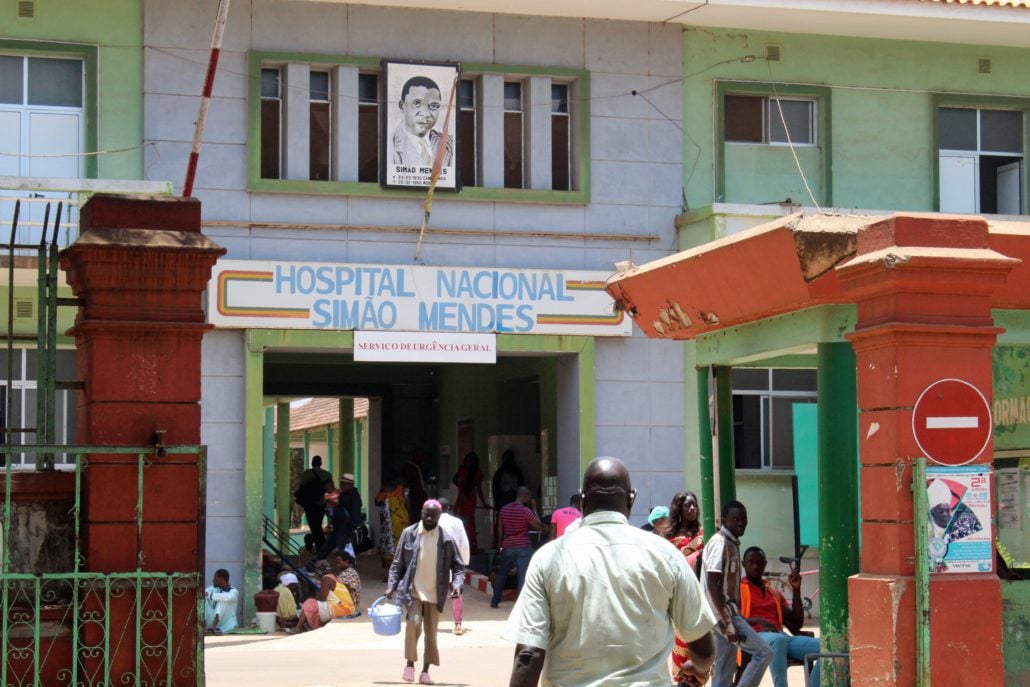
Mental Health in Guinea-BissauIn the small West African country of Guinea-Bissau, rich culture and strong tradition mask a growing crisis, mental health neglect. Among the most prevalent conditions are depression and anxiety, often left unaddressed due to systemic gaps and social stigma.

A System Without Specialists

As of 2017, Guinea-Bissau had zero practicing psychiatrists. The country’s ratio of just 0.13 doctors per 1,000 inhabitants falls far below global standards for basic health care. This shows that mental health support is almost absent from the primary care setting. Additionally, a screening of adults attending general health facilities in Guinea-Bissau revealed that at least 12% had a diagnosable mental disorder. This shows the urgent need for integrated mental health services in the nation’s fragile health system.

A baseline study found that general practitioners correctly diagnose only one in three patients, meaning that the people in Guinea-Bissau’s rural communities are unknowingly struggling with mental disorders. They carry a silent weight that forces them to push through each day with far greater effort than others, struggling in isolation just to survive.

Poverty and Psychological Strain

Things such as rising climate anxieties and pandemic poverty are worsening mental health in Guinea-Bissau. In 2021, the poverty rate was reported to have increased by 2.8 percentage points, adding an additional 80,000 poor. Research shows that mental illness reduces employment and therefore income.

Cultural Beliefs and Stigma

Mental health in Guinea-Bissau is often interpreted through a spiritual lens. Communities blame mental issues on things like curses and ancestral wrath. As a result, individuals often look down upon seeking help from medical professionals. Sixty-three percent of rural mothers go to the witchdoctor, and 65% believe that curses have the power to kill. While traditional healers play a vital role in this community, their methods can delay access to cures. Stigma remains a barrier to those suffering silently.

Lending a Helping Hand

This West African nation faces a mounting crisis that demands international attention. Every person deserves access to necessities like mental health care. Guinea-Bissau’s struggle is a global problem; poverty, trauma and neglect reflect broader challenges that low-income countries face worldwide.

Progression Efforts

Mental health in Guinea-Bissau is beginning to see a glimpse of hope in this landscape. International organizations such as the World Health Organization (WHO) have stepped in to support the country. Guinea-Bissau’s fragile health system has improved as groups are working to train general health workers in basic psychiatric care.

The NOVAFRICA Knowledge Center is working to strengthen health care in Guinea-Bissau through an inclusive and culturally sensitive approach. Its model brings together modern medical practitioners and traditional healers, including witchdoctors, to bridge trust gaps and improve access to care. By acknowledging and respecting spiritual traditions deeply embedded in the community, NOVAFRICA promotes the acceptance of modern medical practices and helps lay the groundwork for more effective health interventions, including in mental health.

The Path Forward

In collaboration with NGO VIDA, NOVAFRICA supported the launch of a community health insurance program that allows residents to pay affordable premiums in exchange for access to medical care, transportation and essential medicines. Though the country still lacks a national suicide prevention strategy, collaborative efforts between NGOs and local health authorities are laying groundworks for a future policy reform.

Guinea-Bissau’s challenges are steep, but the people are resilient. With continued international support and growing local engagement, the nation is taking its first steps toward a future where the silenced have a voice. Acknowledging, treating and respecting mental health is not just the goal, it is the path to a future defined by dignity and resilience.

– Marissa Schoth

Marissa is based in Benton, LA, USA and focuses on Technology and Global Health for The Borgen Project.

Photo: Unsplash