Migration to Chad: The Program Aiding Migrants Returning to Chad
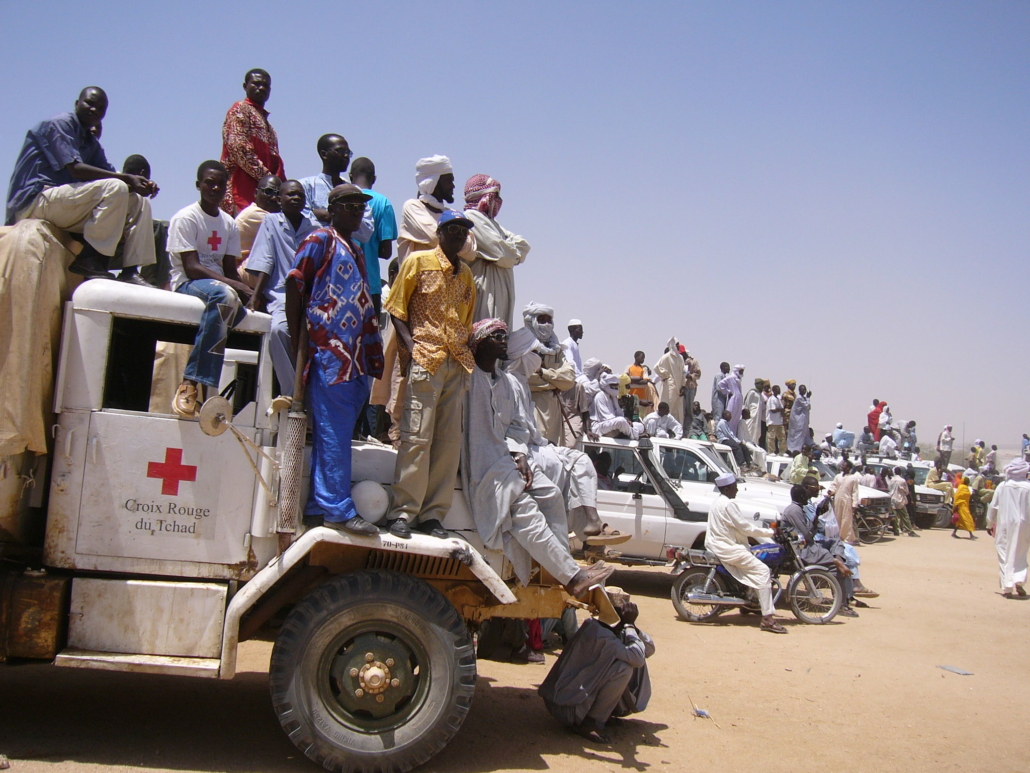 Returning migrants, or ‘returnees’ refers to individuals who move back to their country of origin. Many migrants return to Chad involuntarily and face numerous challenges as they try to reintegrate into society.
Chad’s Humanitarian Crisis
Armed conflict, the climate crisis and food insecurity have worsened Chad’s humanitarian crisis. In 2022, 44.8% lived in poverty and rises to 50% for those living in rural areas. Migration to Chad from Sudan, the Central African Republic and Cameroon have added 1.8 million refugees to an already struggling nation. This has placed further strain on limited and stretched resources.
The Challenges of Returnees
According to the World Bank, more than 120,000 people fled Chad in 2025. But many migrants choose to return due to risks of trafficking, detention, forced deportation and family separation. A lack of opportunities and additional difficulties in the country of transit or destination has also contributed to the decision for returning migration to Chad. More than 300,000 Chadians have gone back to the eastern part of the country due to the Sudanese conflict.
Returnees often face unique challenges to other forms of migration to Chad. Many accumulate debt to fund their journeys and return to no assets or employment and no way to repay what they owe. This can lead to animosity from those they are indebted to. Some communities shun or shame individuals for their ‘failed’ migration attempt and competition over limited resources can create additional tensions. This can make it particularly difficult for individuals to resume the life they left behind.
The Sahel Integrated Climate Resilience and Migration Programme
The International Federation of Red Cross and Red Crescent Societies (IFRC) launched the Sahel Integrated Climate Resilience and Migration Programme in 2024 to address issues returnees face across the region. The program seeks to improve access to employment opportunities, life skills training, social protection measures such as housing and education, and mental health support.
Many migrants returning to Chad experience acute psychological difficulties, such as anxiety, feelings of failure, isolation and fear. The IFRC seeks to help national societies provide counselling and support before and after migrants return to assist with reintegration.
The programme also aims to strengthen social cohesion. Initiatives such as mothers’ clubs and farmers field schools are intended to encourage positive relationships between local communities. Returnees will also receive job opportunities, vocational training schemes and micro-entrepreneurships to empower those returning to Chad and the communities who receive them.
Cash-based assistance will be a key aspect of the initiative. Allowing individuals and families to decide where funds are best spent creates a sustainable system in which migrants returning to Chad are encouraged to reach financial independence and stability and local economies are stimulated.
Conclusion
Migrants returning to Chad often face major reintegration challenges, including poverty, debt, stigma and limited access to resources, alongside psychological stress and social isolation. These difficulties are intensified by wider pressures such as conflict, food insecurity, and the changing climate. The Sahel Integrated Climate Resilience and Migration Programme supports returnees in their reintegration into Chadian society to help them to re-establish the lives they left behind.
– Louise Nethercott
Louise is based in Vienna, Austria and focuses on Good News and Global Health for The Borgen Project.
Photo: Flickr
