Migration to Bangladesh – The Rohingya Crisis
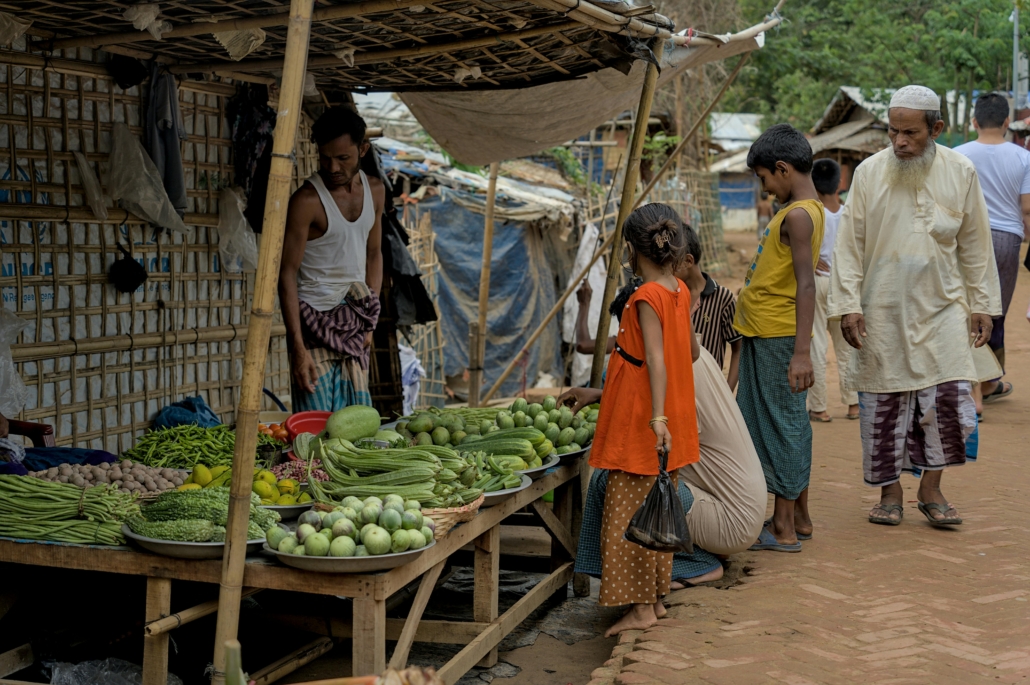 The Rohingya remain one of the most displaced people in the world, with more than a million Rohingya currently living as refugees outside of Myanmar and more than 3 million internally displaced. Fearing persecution, many have sought refuge in neighboring countries, including in Cox’s Bazar, the world’s largest refugee camp, in Bangladesh where they continue to face dire living conditions. Here is more information about the Rohingya and migration to Bangladesh.
Who Are the Rohingya?
The name Rohingya refers to an indigenous Muslim ethnic minority who were living in the Arakan Kingdom, which Burma, now known as Myanmar, invaded in 1784.
Historically, Burma fell under the colonial occupation of the British during which time, the Rohingya people remained in Arakan and maintained their language and community while living alongside the Buddhist Rakhine, who resented their presence in the region.
Disputes between the Muslim Rohingya and the Buddhist Rakhine intensified through the Japanese invasion during World War II and continued on after Myanmar gained its independence in 1948. From then on, the Myanmar government has continuously denied the Rohingya people their right to citizenship and launched systematic persecution against the Rohingya, which lasts to this day.
The situation got drastically worse in 2017 and drove nearly half a million Rohingya out of their home country resulting in a large Rohingya migration to Bangladesh. The Rohingya people remain stateless to this day.
Migration to Bangladesh
As of 2025, more than 1 million Rohingya refugees reside in the world’s largest refugee camp, Cox’s Bazar, in Bangladesh where living conditions are precarious. Aside from overcrowding, refugees currently face other humanitarian challenges such as:
- Poor access to water and food
- Poor access to healthcare
- Poor access to education
- Malnutrition and spread of infections
- Risk of exploitation and insecurity
UNICEF noted more than 235,000 refugee children between the ages of 5-17 have no access to schools, leaving them vulnerable to child trafficking and labor. Furthermore, Rohingya refugees do not have a legal right to leave the camp or to work on their own terms. On top of this, the Rohingya people are left to navigate their trauma on their own and many children are born in limbo. Currently, the Rohingya crisis is being addressed at the International Court of Justice.
Remaining Hopeful
As court proceedings unravel, many organizations continue to work on the ground to meet the needs of the Rohingya people in refugee camps.
- International Rescue Committee (IRC): The IRC is working to bring lifesaving aids to refugees in Cox’s Bazar, including a recently launched measles response to a major outbreak in April 2026, which includes vaccinations and other health services for 20,000 children aged 6 months to 5 years in Rohingya refugee camps. The IRC also provides child protection and education programs in the refugee camps, with more than 400 staff operating across 33 camps in Bangladesh.
- Médecins Sans Frontières (MSF): MSF is working to provide healthcare support on the ground, including mental health support and maternity care to refugees not only in Cox’s Bazar, but all around the world. With an increasing influx of refugees arriving to Cox’s Bazar, there are increased risks of infections, which MSF staffs are helping to alleviate. In 2025, MSF launched a “test and treat” campaign, which addresses the alarming rate of hepatitis C infections among the Rohingya refugees. Of 2,136 individuals who were positive for hepatitis C, MSF has already treated 2,102 individuals.
- UNHCR The UN Refugee Agency: Migration to Bangladesh comes with various challenges, especially weather hazards. From May to October, Bangladesh faces the monsoon season, which comes with heavy rainfall and storms. This poses an immediate threat to refugees living tents not designed to withhold such extreme weather conditions. The UNHCR has a monsoon response where staffs provide practical assistance to families impacted by the monsoon. In anticipation for the monsoon season, the UNHCR staffs provide tie-down kits to as many as 40,000 households to help them upgrade their shelters.
Looking Ahead
With recent cuts in foreign aid in the U.S. and the U.K., humanitarian efforts supporting the Rohingya community proving more challenging, the work does not stop. However, with the help of individual donors around the world, aid workers are able to continue helping refugees. The good news is that the Rohingya people now have their voices being heard at the International Court of Justice, so the world can no longer turn away.
– Marine Baume
Marine is based in London, UK and focuses on Good News and Global Health for The Borgen Project.
Photo: Pexels
