Everything To Know About Hunger in Chile
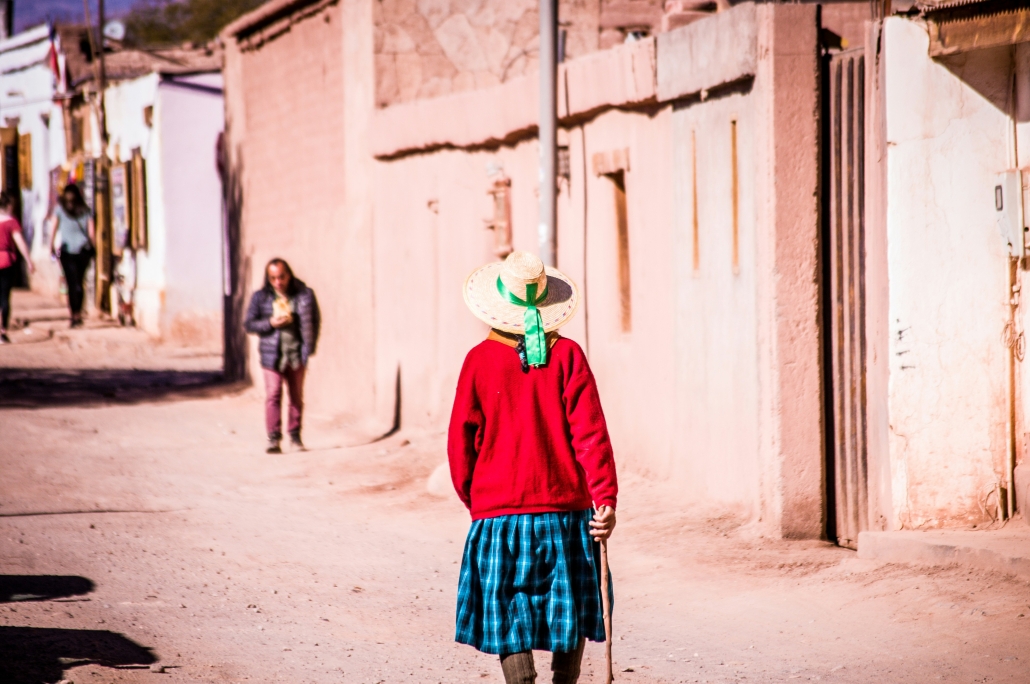 Chile is a country in South America with a population of about 21 million. Compared to other countries in the region, hunger is not one of its major problems. It scores less than five on the Global Hunger Index. This puts it in the top 25 countries in terms of GHI. As positive as this is, this doesn’t tell everything there is to know about hunger in Chile.
Everything To Know About Hunger in Chile
Food insecurity has typically not affected Chile in the same way as it has other Latin American countries. The statistics on it can be quite misleading. The Millennium Development Goal (MDG) is a set of goals aimed at halving the number of people suffering from malnutrition. In 2015, it was the first country to do this, but on the flip side, 28.2 % of the country’s population still suffered from malnutrition. Even in just the last 10 years, food security has become a real issue. It affected 17.3% of the population in 2023, whereas it now affects more than three million people.
Why Has This Happened?
Hunger in Chile really comes down to two main issues, agriculture and migration.
Technology is advancing, and in most cases, these are positive steps forward. However, farmers in Chile have struggled to keep up. Statistics from the Chilean government show that indigenous agriculture and family-owned farms make up about 73% of the total agricultural units in the country. This means that they are more likely to use older and less efficient equipment than adopt modern ways of farming, which naturally has resulted in slower production.
Also, according to the Migration Policy Centre, the growing concern of climate unpredictability is causing farmers to leave rural areas for the city. These issues combined are resulting in less and less production of food for both themselves and the broader public.
Migration
The other issue affecting food security is migration. Migration has spiked in recent years in Chile, and this is causing the demographics of the country to change quite significantly. Between 2018 and 2023, there was a 47% increase in the foreign population. The vast majority of migrants are coming from other Latin American countries, mainly Venezuela (38%), amongst others. Migrants are an at–risk group, and food insecurity usually disproportionately affects them. In particular, migrant women often find it harder to afford a place to live, especially with the current high cost of living in Chile. This, paired with their finding it harder to access the necessary support networks, means migrant women are at a higher risk of suffering malnutrition.
Solutions
Unfortunately, the issue of migration continues to cause real concern regarding food security, especially for the migrants themselves. In regard to farming, the Chilean government has been stepping up to help alleviate some of its agricultural issues. In January 2024, it invested $50 million in a project with specific goals set out to tackle its food security concerns.
The first is to modernize Chilean farms and farmers themselves. The government set out to educate farmers through digital means, while also helping to monitor progress on farms through technological advancement.
As part of the investment plan, new technology is now also helping to prevent diseases and pests from harming the land and livestock.
As mentioned previously, the climate is a major concern for farmers, whether it be to continue to grow food or just to simply live in that area and not have to migrate to the city. This is why, as part of this investment, risk management has become a major factor. The government expanded the coverage of the Red Agroclimatologica Nacional (RAN), which is the National Agro – Meteorological Network of Chile.
It is not only the government that is helping to slow down the rate of food insecurity. An NGO called Fundacion Social Amar Das is a Chilean-based nonprofit, started in 2019, that sets out to “support the hope of the hopeless in Chile,” as its website says. GlobalGiving has vetted it and recognizes it, and volunteers who deliver food directly to people who are often homeless run it. Through donations, it is actively improving the lives of many.
Looking Ahead
The goals that the government set out are now slowly changing the path on which Chile was headed concerning food security. Chile is becoming more proactive, rather than reactive, in regard its farming policies. There is still much work that the country needs to do, but as these plans take shape, the Chilean people, especially the migrant population, have hope for a more secure and prosperous future.
– Oisin Downes
Oisin is based in Galway, Ireland and focuses on Politics for The Borgen Project.
Photo: Unsplash
