Statistics and Support: Elderly Poverty in Sao Tome and Principe
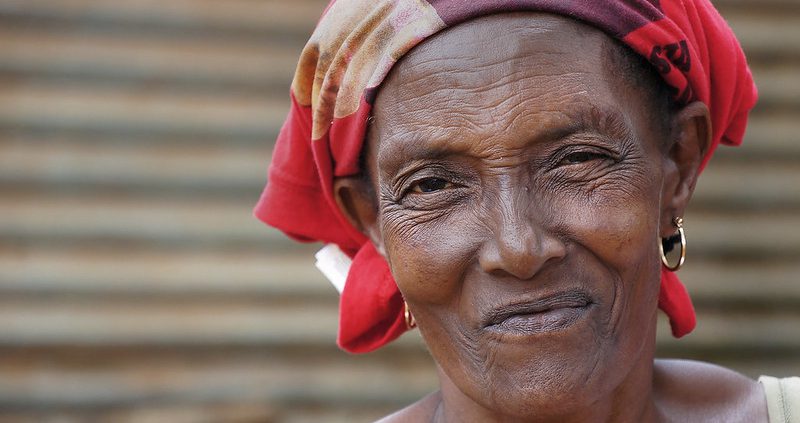 Elderly poverty in Sao Tome and Principe is an ongoing issue. Sao Tome and Principe is an island nation off the coast of West Central Africa and the second smallest country in Africa. Uninhabited until the arrival of the Portuguese in 1470, it became a colony of plantations dependent on the labor of enslaved Africans who eventually protested and sought independence. Through organized resistance, the Republic finally gained its independence in 1975 and is now considered by the World Bank a model for the democratic transition of power in Central Africa.
Since its establishment, Sao Tome and Principe’s economy has relied on food and fuel imports and produced agricultural exports. Its population is increasing steadily, with a projected population of 245,000 by 2026. However, the country has high income inequality, and in 2024, 16.8% of the population lived on less than $2.15 USD per person daily. For those of working age in Sao Tome and Principe, the job market is not robust and many are leaving the country in search of job opportunities. However, this is not a viable option for the elderly and brings into question the poverty rates among the elderly population of Sao Tome and Principe.
Statistics for Elderly Poverty in Sao Tome and Principe
According to the World Bank, 8.1% of citizens aged 65 or older in Sao Tome and Principe live on the international poverty line of $3 USD per day or less. This is about 7 percentage points lower than the poverty rate among children aged 14 years or less, which stands at 15.1%. The difference may partially reflect Sao Tome and Principe’s relatively large youth population, while adults aged 65 and older make up only about 5% of the population.
As socio-economic vulnerabilities persist, looking at the most vulnerable populations, such as children and the elderly, is important to protect the growing population. According to the World Health Organization (WHO), lower income and instability, as well as dependence on family members, can lead to abuse and abandonment if support is unavailable. As a result, attention to statistics around elderly poverty in Sao Tome and Principe is essential as the country’s population continues to increase.
Solutions
Many organizations are working with the elderly population to support those living in poverty and prevent isolation or violence. The Red Cross in Sao Tome and Principe has hosted a welcome center for the elderly since 2005. It hosts around 18 residents and welcomes and supports other elderly visitors. It receives funding from churches, associations and members of the diaspora.
This welcome center not only provides water, meals and washrooms for its visitors and residents, but also becomes a space for the community to develop among the elderly living there. Volunteers not only provide basic needs for the residents but also social connections.
There is also Stitchting Lagalaga, a newer NGO established in 2023. In 2024, its volunteers provided direct aid to more than 45 individuals, children and the elderly. In its policy plan for 2025-2027, a core objective of theirs is to provide wellness visits and social programs for isolated elders without state pensions, alongside monthly aid packages, ensuring their health and dignity.
Looking to the Future
Though the islands may be subject to economic volatility, significant progress has been made in Sao Tome and Principe. Life expectancy is steadily increasing, averaging almost 70 years in 2024. As life expectancy increases, so will the elderly population of Sao Tome and Principe, making improved living conditions a necessity for their well-being. With the support of the World Bank, Sao Tome and Principe continues to improve access to electricity and education for all its residents, as well as strengthen public financial management, road and digital connectivity and the climate resilience of its coastal communities.
– Daphne Komut
Daphne is based in Renton, WA, USA and focuses on Business and New Markets for The Borgen Project.
Photo: Flickr
