Cycling Out of Poverty: A Ride Toward a Better Development
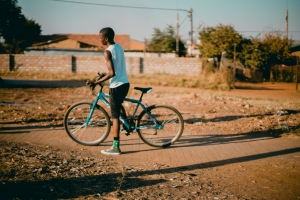 Bicycles are a reliable, low-cost, high-return, low-polluting and resilient means of transport. They provide an alternative to motorized vehicles for distances that would be too challenging to cover on foot. But bicycle use is not equally widespread worldwide.
While countries like the Netherlands and Denmark have made bicycles one of their most recognizable cultural staples, riding a bike is not as common in other parts of the world, particularly sub-Saharan Africa. Here are some reasons why bikes could be beneficial in certain communities, along with the aims of the foundation Cycling out of Poverty (CooP).
Poverty in Rural Sub-Saharan Africa
Rural areas in sub-Saharan Africa are among the world’s most impoverished regions. As of 2024, about 67% of the world’s impoverished live in sub-Saharan Africa. About 40% of the population in sub-Saharan Africa lacks access to clean drinking water, while 70% of children suffer from deprivation in vital sectors, including health care, education and nutrition.
This systematic lack of access to quality education, health care facilities and job opportunities compromises the well-being of entire communities.
About Cycling Out of Poverty
CooP is an organization that believes focusing on mobility could be an indispensable turning point to provide access to other facilities for underserved communities. CooP believes that providing access to alternative mobility solutions could drastically reduce the development shortfalls local communities face. It proposes using bikes to gain access to better services, thereby improving the region’s socioeconomic conditions.
According to a report, bikes can improve education and economic development by enabling riders to access facilities they would not otherwise have. In 2004, after a tsunami hit the Sri Lankan coast, World Bicycle Relief donated 24,300 bicycles to people affected by the disaster. A bit over two years later, 88% of recipients relied on the bicycle as part of their livelihood, while 82% of women recipients reported that their bicycles were used for income-generating activities.
Improving footpaths and promoting the use of nonmotorized vehicles can be an efficient way to transition from subsistence agriculture to small-market production, thereby developing local economies. This is the key innovation CooP aims to introduce. The organization believes bicycles can play an indispensable role in the development of rural communities.
As a result, it partnered with the social enterprises Bikeventures and Greenhub Shops to bring more bicycles to rural communities in Uganda and Kenya. The goal is simple: to improve the livelihoods of African families by making bicycles more accessible and widely available.
Initiatives of Cycling Out of Poverty
CooP runs several branches of the project, including Bike4Work, Bike4School and Bike4Care, which promote entrepreneurship, education and health care, respectively. Beyond providing bicycles, the organization also offers training in bicycle mechanics and maintenance, as well as traffic rules and road safety practices. While bicycles can be indispensable, safe road conditions and responsible practices are equally important.
The organization aims to equip the next generation with the knowledge and tools to recognize and advocate for their needs as cyclists, including improved roads and traffic conditions. This serves as an important first step in helping communities fully benefit from bicycles and use them to improve their living conditions.
Final Remarks
Through these projects, CooP is advancing several Sustainable Development Goals (SDGs). First and foremost, it supports SDG 1: No Poverty, as bicycles have been shown to improve the socioeconomic conditions of their users. Through Bike4School, the organization also contributes to SDG 4: Quality Education, while Bike4Care supports SDG 3: Good Health and Well-Being.
The initiative also addresses SDG 5: Gender Equality, as women are more likely to access employment and achieve economic independence when they have reliable transportation to reach their workplaces. In the end, something as simple as a bicycle can become a powerful tool for change and social mobility. While it may not be the ultimate solution to global poverty, it offers a practical and effective way to address many of the everyday challenges caused by poverty and underdevelopment.
– Alice Girardi
Alice is based in Paris, France and focuses on Business and Technology for The Borgen Project.
Photo: Unsplash
