Addressing HIV/AIDS in Bahrain
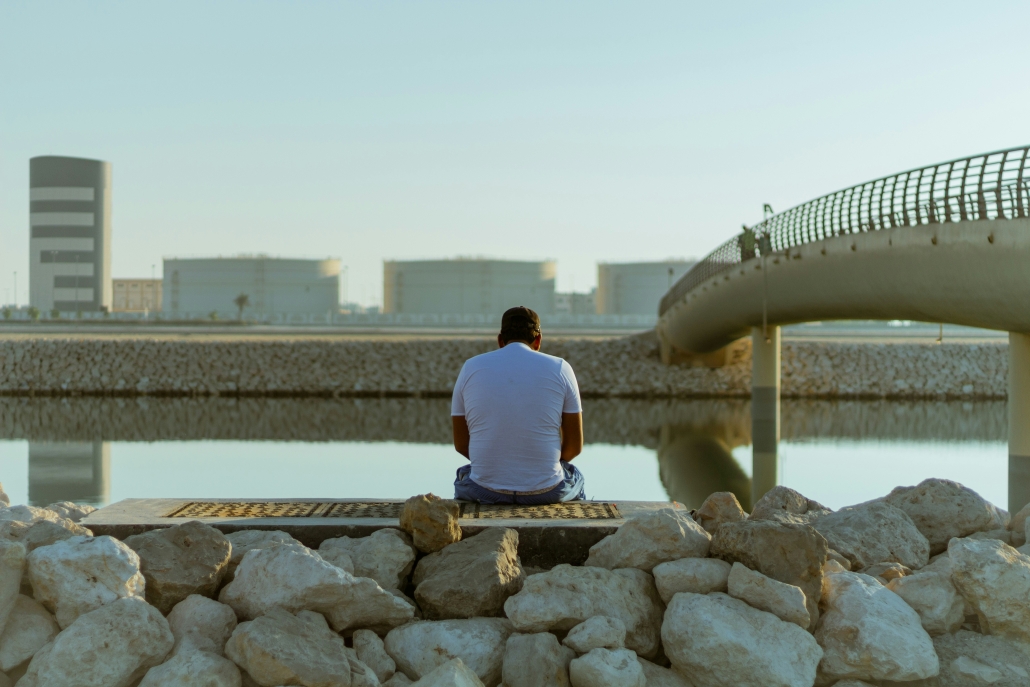 As a country with a mix of Islamic and Western influences, Bahrain finds itself in a unique position. This blend is a result of a large migration of foreign nationals into the country. More than half of the country’s population is made up of foreign nationals.
HIV/AIDS in Bahrain
According to a report, 237 cases of HIV were recorded in the Kingdom of Bahrain. Transmission through sexual contact was more common in foreign nationals, accounting for 45.7% of cases, while drug abuse was the predominant cause for Bahraini citizens, making up 38.8% of cases of HIV/AIDS in Bahrain.
There is also a large, underreported sex trafficking industry in Bahrain. While sex workers exist in almost every country, their legality in some nations makes it easier to do HIV testing. However, in a country like Bahrain, where sex work is illegal, and authorities arrest women for participating in sex work, it becomes rather difficult.
Currently, sex workers receive testing for HIV/AIDS in Bahrain only after authorities arrest them, which means that there is probably a huge number of untested HIV-positive individuals. Additionally, there might be many sex workers who do not receive testing out of fear of arrest, and many people who have contracted the disease without knowing it.
Public Attitudes About HIV
According to a study that Janahi et al conducted, which includes the knowledge, risk perceptions and attitudes of 1,038 Bahraini adults, misconceptions towards HIV do exist in the region.
About 60% support patient isolation and 52.4% see HIV as a divine punishment. Meanwhile, 84.4% of people believe that religion plays a role in limiting the spread of disease. These misconceptions require attention to create a society that makes people less hesitant to get HIV testing, as people fear their family and friends shunning them just for being HIV positive.
A report by the Journal of Bahrain Medical Society states that “The HIV-related stigma and discrimination in the health care sector has not been studied in Bahrain, most probably due to the low prevalence of HIV and AIDS in our country.”
Efforts That Bahrain is Making
The National AIDs Programme, which has been a GCC-sponsored health initiative since 1987, provides free antiretroviral therapy, which is commonly known as ART, for patients who are recorded as positive with HIV. Before the National AIDs Programme, the government did not have a central plan to combat AIDs as there was no approved drug back then. Treatment back then mostly relied on palliative and supportive care. The free therapy has seen success with 68% receiving free healthcare in the year 2021, a notable increase from 33% in the year 2015. However, Bahrain must make efforts to create a population that is ready to undergo HIV testing, to make steady improvements in the crisis.
The Free ART treatments has been a success with many patients receiving free healthcare, and this is the reason why HIV/AIDs in Bahrain doesn’t lead to poverty. The Kingdom of Bahrain also claims that the global definition of global poverty does not apply to the country, as there are no people living below the poverty line, but a United Nations report ranks Bahrain third in poverty among GCC countries, making one doubt everything the country claims.
Concluding Thoughts
Public attitudes and laws make it difficult to record and diagnose cases. However, the National AIDs programme has been successful in treating patients, although more progress is needed to address widespread ignorance.
– Adil Sayyad
Adil is based in Mumbai, India and focuses on Global Health for The Borgen Project.
Photo: Unsplash
