Addressing the Gender Wage Gap in Chad
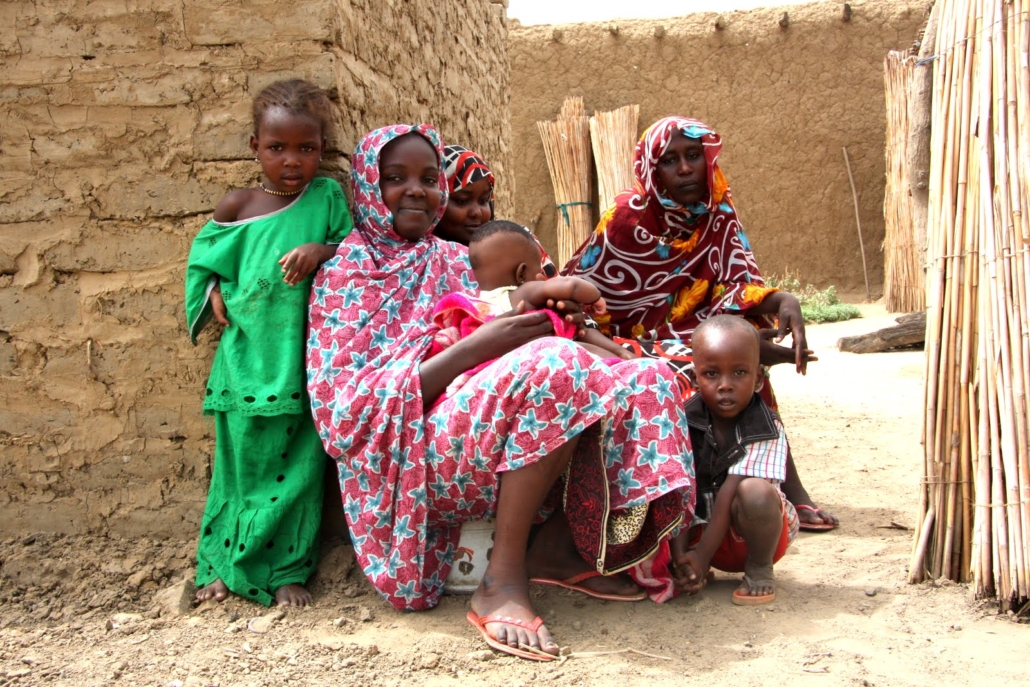 Chad is a landlocked country in north-central Africa, bordered by Libya to the north and Sudan to the east. As well as being the fifth-largest country in Africa, Chad ranks fourth in gender inequality across the world, according to the U.N. Peacebuilding Fund. Understanding the gender wage gap in Chad is challenging because only 34.4% of indicators needed to monitor the Sustainable Development Goals (SDGs) are available. This leaves considerable gaps in data regarding care work, physical and sexual harassment and women’s access to assets.
Social History Behind the Gender Wage Gap in Chad
Deep-rooted patriarchal traditions have shaped Chadian society alongside cultural practices reinforcing gender hierarchies. In south-eastern regions of Chad such as Salamat, Sila and Guera, the traditional practice of female genital mutilation continues. This practice aims to control female sexuality and enforce celibacy until marriage, driven by fear of community rejection.
Child marriage in Chad is widespread. According to UN Women, 35% of girls are married before the age of 15 and 60% are married before the age of 18. This traps generations of women in cycles of limited freedom and economic dependence.
These factors contribute to what UNICEF’s researchers call the Pygmalion effect, when a society holds low expectations for women, those expectations continue to shape behavior and reinforce stereotypes. As a result, external expectations limit female economic growth and widen the gender wage gap in Chad.
Gender Wage Gap in Chad Today
The gender wage gap in Chad is stark. While precise data on the imbalance between hourly wage data remains limited, the World Economic Forum’s 2025 Global Gender Gap report ranked Chad 146th out of 149 countries, with an overall gender parity score of 51.7%.
Further, the UN Women reported that 36.9% of the female population of Chad are employed below the international poverty line, compared to 35.8% of the male population.
While the majority of the female population in Chad hold agricultural roles, 98.99% of women in non-agricultural roles are in informal employment, which can range from family-based enterprises to street vendors or domestic workers. Such work is often unregulated, untaxed and lacking social security, leaving women without financial safety nets.
Women in formal non-agricultural roles face additional barriers to financial equality. Only 14.85% of women aged 15 years and older hold an account at a financial institution, compared to almost 30% of men owning a bank account, according to UN Women. Additionally, 63.6% of the female population do not own a home. Once can trace the gender wage gap to the Chadian school system, which reportedly witnesses a 48% out of school rate for girls in comparison to 29.6% for boys. This study suggests that community and economic pressures divert young girls out of school into domestic work, further increasing the gender wage gap.
Efforts To Close the Gender Wage Gap in Chad
Several initiatives are striving to combat this pay inequality. Launched in early 2022, UNICEF’s Women in Learning Leadership program works to empower women in school leadership roles, which in turn helps young girls. Evidence across 11,754 schools shows that female-led community schools have a 5.3% lower student dropout rate than male-led schools. Additionally, research shows that there is a strong positive correlation between the decreasing dropout rates for girls as the proportion of female teachers rises. The Women in Learning Leadership program is currently running in 15 provinces across Chad.
Alongside UNICEF’s WiLL program, the World Food Program (WFP) partnered with local Chadian authorities to provide daily nutritious meals in schools, supporting more girls to remain in education. WFP noted how 57% of the 2.3 million school-aged children in Chad go without quality and inclusive education, with many low income households unable to provide children with resources needed to go to school. As a result, the World Food Program distributed school meals to 125,000 children in refugee-hosting areas in 2025. As well as this, the World Food Program revealed that the average pass–rate for girls in WFP assisted schools is 2.5% higher than Chad’s national average.
Literacy and Vocational Training
Beyond school, UNESCO’s Capacity Development for Education program supports women and youth through literacy and vocational training. This initiative trained 9,400 teachers and with its huge success, UNESCO advocated for the program to be expanded. This led the Chadian government to include a focus on literacy and non-formal education in a new $10 million project titled Emergency Project to Reinforce Education and Literacy in Chad.
Further, the Chadian government and UNFPA established the Observatory for the Promotion of Gender Equality and Equity in 2022 to advance women’s rights. In 2023, the Observatory delivered trained 400 members across Ministries and the National Human Rights Commission on integrating gender mainstreaming into plans and budgets.
Conclusion
These efforts have not gone unnoticed. As of February 2024, women held 26.4% of parliamentary seats in Chad, a meaningful marker of political representation and a step closer toward closing the gender wage gap. Another indicator of progression is the percentage of literate women compared with men’s literacy. While both figures are concerningly low, women’s literacy sits at 22.3% in comparison to men’s literacy rate at 14%, representing a result of the drive for girls in education. At a national level, the Ministry of Women continues to advocate for women’s rights, signaling a structural shift in how some are addressing the gender wage gap in Chad.
– Helen Turnbull
Helen is based in Cardiff, UK and focuses on Good News and Politics for The Borgen Project.
Photo: Flickr
