How Vocational Training for Syrian Women Supports Empowerment
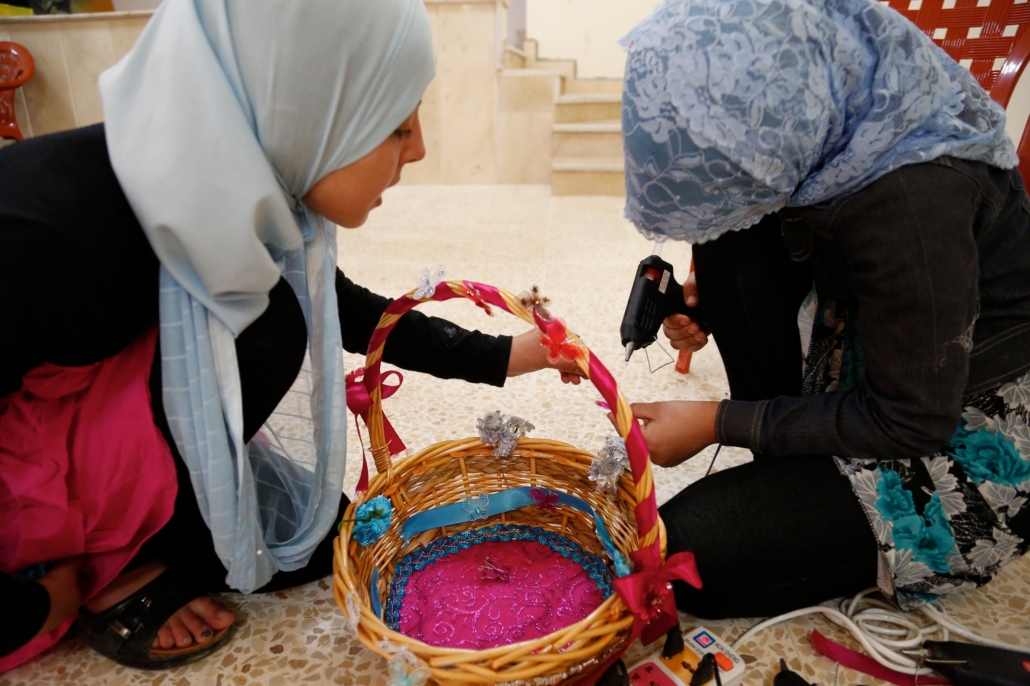 The economic collapse following the Syrian conflict left more than 90% of Syrians living below the poverty line, with many women becoming heads of households in a society lacking the legal reforms needed to support their transition into this role. Of these households, 92% living in displacement camps were unable to meet their basic needs. As of 2025, women’s labor-force participation stands at 12.7%, compared to 61.4% for men. Vocational training helps to address this gap by providing women with specialized skills that support financial stability, self sufficiency and improved access to work opportunities. These findings explain why humanitarian organizations are prioritizing vocational training for Syrian women, expanding education access and supporting their path to economic independence. Here are the four key ways vocational training for Syrian women is supporting their empowerment.
Economic Independence
Vocational training centers in Syria give women “income-generating skills” that support long-term economic stability, according to the Aga Khan Development Network. DCA Syria developed its programs in response to the socio-economic instability women face, offering training that equips women with the skills and knowledge needed to generate their own income.
The U.K. Foreign, Commonwealth and Development Office’s Building Life Skills and Resilience (BLRS) program also provides specialized vocational training for Syrian women that strengthens their employability and confidence. Ashwaq, a 21-year-old woman, benefited from BLRS training in 2024. CARE reported that the program’s bakery training equipped her with practical, transferable skills that helped her earn a sustainable income and create stability for her family.
Women’s Roles in the Workforce
In 2017, the Tahrir Institute for Middle East Policy reported that the Syrian conflict had severely affected women’s lives but also opened new avenues for them in the workforce. The deaths and displacement of husbands, fathers and brothers created a significant labor gap that women are now filling. As a result, women have become the primary earners in almost one in three households.
In response to these changes, the UNDP developed workshops, vocational training and emergency employment opportunities to support women’s participation in the workforce. TIMEP noted the effectiveness of these initiatives, reporting that the UNDP provided career opportunities to 6,103 women heading households in 2016.
Vocational training has significantly reshaped Syrian women’s economic roles. Organizations continue to educate and support Syrian women “economically, professionally, socially and culturally.”
Education Access for Young Women
In 2025 UNICEF enabled 164,883 girls to return to learning and develop transferable competencies through non-formal education. These programs include self-learning, remedial education, early childhood education and life-skills training. UNICEF reported that this approach highlights the growing need to provide women and girls, including internationally displaced persons, returnees and vulnerable host communities, with opportunities to rebuild their confidence and strengthen their learning pathways.
UNICEF has also expanded programs aimed at “strengthening adolescents’ resilience, agency and social cohesion.” These programs teach life skills, employability training and civic engagement. By the end of 2025, these initiatives strengthened wider efforts to stabilize communities and reached 255,488 adolescent girls.
Rebuilding After Displacement
Vocational education gives women and displaced people practical training that supports reintegration into society, strengthens economic stability and contributes to recovery from conflict-related trauma. The Columbia University Journal of International Affairs emphasizes the importance of these programs, noting that two-thirds of Syrians displaced globally are women who are underrepresented in the “global narrative.”
Refugee camps also support women as they return to community life by offering training opportunities. In research on displacement in the Abu Khashab camp, Acted documented Heba, a woman who gained practical skills and new opportunities through participation in training centers. These skills helped her reintegrate into community life and build long-term stability.
Conclusion
Vocational training centers in Syria play a central role in supporting women’s empowerment through expanding access to job opportunities and practical life skills. These programs have emerged in response to the barriers that continue to limit women’s achievements. The experiences of women such as Ashwaq and Heba show how practical training can create pathways to employment and stability, even in a post-conflict society. As humanitarian organizations continue investing in vocational training for Syrian women, these initiatives remain essential to strengthening women’s roles within their communities and the labor market.
– Flora de Leeuw
Flora is based in Exeter, UK and focuses on Good News and Global Health for The Borgen Project.
Photo: Flickr
