• Link to X
  • Link to Facebook
  • Link to Instagram
  • Link to TikTok
  • Link to Youtube
  • About
    • About Us
      • President
      • Board of Directors
      • Board of Advisors
      • Financials
      • Our Methodology
      • Success Tracker
      • Contact
  • Act Now
    • 30 Ways to Help
      • Email Congress
      • Call Congress
      • Volunteer
      • Courses & Certificates
      • Be a Donor
    • Internships
      • In-Office Internships
      • Remote Internships
    • Legislation
      • Politics 101
  • The Blog
  • The Podcast
  • Magazine
  • Donate
  • Click to open the search input field Click to open the search input field Search
  • Menu Menu

Tag Archive for: The World Health Organization

Posts

Disease, Global Poverty, Life Expectancy

10 Facts About Life Expectancy in Oman

10 Facts About Life Expectancy in Oman
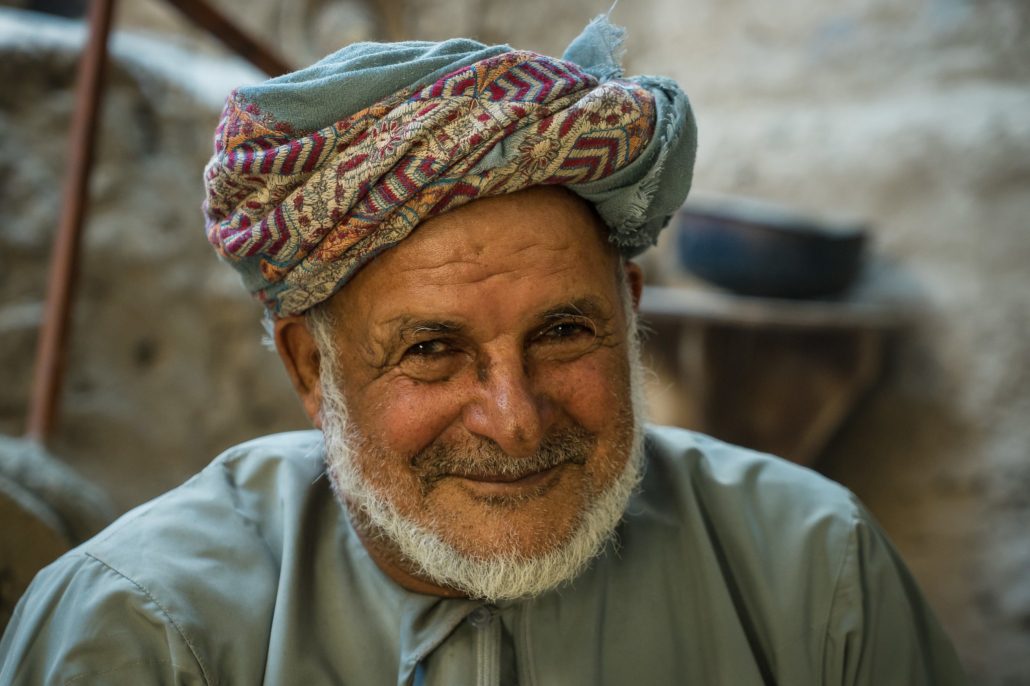
Oman is a country located in the southeastern Arabian Peninsula, bordering Saudi Arabia, Yemen and the United Arab Emirates. The majority of the country’s population is located on the coast of the Gulf of Oman and the Arabian Sea. Wealthy in oil and progressive in culture, Oman is experiencing high levels of immigration and some expect its population to double by 2050. These 10 facts about life expectancy in Oman contribute heavily to this.

10 Facts About Life Expectancy in Oman

  1. Oman, with a population of 4.6 million (as of the last census in 2017), ranks 97th in the world in life expectancy with the average life lasting 75.9 years. The country ranks eighth in life expectancy out of the 19 Middle Eastern countries and fifth out of the seven countries on the Arabian Peninsula.
  2. Women outlive men by approximately 4.1 years on average with the female life expectancy at 78 years and the male life expectancy at 73.9 years. These averages are by no means abnormal on a global scale and are due to men being more prone to heart disease and accidents on the roadways.
  3. The life expectancy in Oman has more than doubled since 1950 when the average Omani life lasted just over 33 years. This is a 233 percent increase. The U.N. projects that the average Omani life expectancy will reach 80 years in the early 2030s. This is in large part due to the country’s advancing health care system. Qaboos bin Said Al Said, the Sultan of Oman since 1971, has stated multiple times that health care is a basic human right. He established the Ministry of Health (MoH) by a royal decree. The MoH guarantees that Omani citizens receive basic health care, free of charge.
  4. As of 2016, Oman had 69 hospitals and over 6,400 beds within them. That calculates out to slightly more than 15 beds per 1,000 people. This serves as a sign of substantial progress, given that when Qaboos bin Said Al Said came to power in 1970, only two hospitals were in operation.
  5. The World Health Organization (WHO) is working in collaboration with the MoH, and in 2014, the organization announced a long-term plan entitled Health Vision 2050. This plan calls for larger investments in the health care field. The WHO is assisting in the development and sustainment of health-related technologies. The organization also commits to teaching more proper methods of personal and professional care. The MoH currently covers more than 80 percent of the costs associated with these health care expenditures, which is roughly 11 percent of the Omani government’s entire yearly budget.
  6. Ischemic heart disease, road injuries, stroke, diabetes and lower respiratory infections are the leading causes of death in Oman. Communicable diseases have seen a sharp decline in frequency and severity in Oman due to the steadily increasing quality of life. Now, lifestyle diseases, such as diabetes, obesity and hypertension are on the rise.
  7. Obesity has become substantially more prevalent within the past decade. As of 2017, approximately 27 percent of Omani adults are obese. Oman is now the 36th most obese country in the world. The MoH is attempting to address this by educating the populous on the importance of having a healthy diet and exercising regularly.
  8. Typically, as birth rates decrease, life expectancy increases. Omani women are having far fewer children than their parents before them. The average Omani woman living in 1982 had 8.35 children. As of 2016, this number has fallen to a mere 2.67 children per woman, and many expect it to continue to decrease.
  9. As the Omani family is getting smaller, individuals are receiving more attention. Literacy rates are rising quickly, and as of 2017, 97 percent of Omani citizens are functionally literate. This is drastically higher than the surrounding countries, with the average literacy rate of the Middle East and Northern Africa at 80 percent.
  10. Oman is a young country with a median age of 25.8. Roughly 30 percent of the population falls between the ages of zero and 14.

These 10 facts about life expectancy in Oman highlight just some of the extraordinary strides the country has made since its renaissance in the early 1970s. Although its health care system still faces issues, the way the country has tenaciously planned to advance itself is admirable and people should view it as a model for what thorough and proper planning can accomplish.

– Austin Brown
Photo: Flickr
September 26, 2019
https://borgenproject.org/wp-content/uploads/borgen-project-logo.svg 0 0 Kim Thelwell https://borgenproject.org/wp-content/uploads/borgen-project-logo.svg Kim Thelwell2019-09-26 07:30:132024-05-28 00:00:1010 Facts About Life Expectancy in Oman
Global Poverty

How Nigeria Beat Polio with Vaccinations

Nigeria Beat Polio
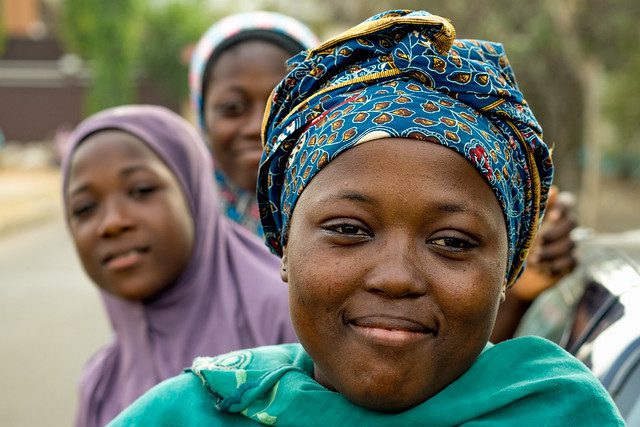
Like many countries in Africa, Nigeria has historically had to deal with serious diseases. One such disease that has been a prominent issue for the country is polio. Polio is an infectious disease that the poliovirus causes. The most common symptoms of polio are fevers, sore throats and nausea, among others. In more severe cases, polio can induce paralysis and meningitis, an infection that affects the spinal cord and brain. Recently, Nigeria beat polio by increasing vaccinations.

Polio Vaccines in Nigeria

The Nigerian government banned vaccinations for the poliovirus in 2003 amid fears they caused Muslim girls to become sterile and helped spread AIDS throughout the region. Around this time, reports stated an outbreak of polio cases throughout Nigeria, as well as many other parts of Africa. Afterward, United Nations officials convinced the then governor of Kano that the vaccinations were safe, although the virus continued to plague Nigeria.

In 2007, reports stated that many new cases of polio in Nigeria came as a result of a mutated vaccine. Normally the polio vaccine involves an injection with a more mild version of the poliovirus. Around this time, however, the vaccines appeared to have helped induce polio instead. This increased people’s concern over vaccinations and many did not perceive them to be a good idea, although it the United Nation’s World Health Organization (WHO) stressed the rarity of these mutations.

According to WHO, Nigeria accounted for more than half of all polio cases in 2012. However, WHO also reported that the country made great efforts since then to reduce the incidents of polio, including “increased community involvement and the establishment of Emergency Operations Centers at the national and state-level.” These efforts have allowed the Nigerian government to respond to outbreaks more efficiently and carry out vaccinations accordingly.

A Reduction in Polio Cases

According to WHO, Nigeria went two years from 2014 to 2016 without any cases of polio. WHO has attributed this to the Nigerian government’s efforts to combat the disease. However, this period quickly came to an end on August 2016, when reports indicated that polio paralyzed two children in the northern Borno state.

As of August 20, 2019, Nigeria achieved three years without any cases of polio. The liberation of the Borno State area in northeastern Nigeria from the Islamist military group, Boko Haram, may be a cause. This military group’s stated purpose was to forbid Muslim citizens in Nigeria from taking part in any activities associated with Western society. As a result of the liberation from Boko Haram, more children have been able to receive treatment for polio, including vaccinations.

Compared to the 600,000 children under the age of 5 who missed out on vaccinations in 2016, only 60,000 children under the age of 5 missed out on receiving vaccinations as of August 20, 2019. This is thanks to factors such as increased surveillance in various islands on Lake Chad, thus allowing them to see which ones people inhabit, thus allowing them to perform vaccinations on more people.

Nigeria Free of the Poliovirus

Nigeria is the last country in Africa to have had any records of the wild poliovirus, and WHO has announced that polio is no longer endemic on the African continent. In other words, thanks to the fact that vaccines have become more advanced and widespread, and the Nigerian government’s increased efforts to respond to these cases, many believe that not only has Nigeria beat polio, it is also virtually nonexistent in Africa as a whole.

While Nigeria beat polio and the virus’ presence in Africa may have faded, the disease has not completely disappeared. Several projects have formed to put an end to it once and for all, though. One such project is the Global Polio Eradication Initiative (GPEI). GPEI partners with organizations such as the World Health Organization and Rotary International. According to the GPEI website, it has helped ensure over 2.5 billion vaccinations for children all across the world in over 200 countries. This is a clear example of what the average person can do to help eliminate this disease.

– Adam Abuelheiga
Photo: Flickr

September 25, 2019
https://borgenproject.org/wp-content/uploads/borgen-project-logo.svg 0 0 Jennifer Philipp https://borgenproject.org/wp-content/uploads/borgen-project-logo.svg Jennifer Philipp2019-09-25 11:35:412024-05-29 23:13:03How Nigeria Beat Polio with Vaccinations
Disease, Health

Cholera: Health Crisis in Yemen

Cholera Health Crisis in Yemen
A massive resurgence of cholera afflicts Yemen, a bacterial infection that can kill within hours if untreated. Between January 2018 and June 2019, reports have determined there have been about 800,000 cases of cholera in the country. Here is a breakdown of the cholera health crisis in Yemen and the response from four notable organizations.

What is Cholera?

Cholera is a potentially fatal bacterial infection that can cause diarrhea, severe dehydration, nausea and vomiting. It mainly spreads through the consumption of water and food contaminated with the bacterium Vibrio cholerae.

Industrialized countries with proper water sewage filtration systems are unlikely to experience surges of cholera outbreaks. However, countries with inadequate water treatment are at a much higher risk of experiencing a cholera epidemic. Areas afflicted by natural disasters, poverty, war and refugee settings are at an exacerbated risk of experiencing cholera outbreaks.

The oral cholera vaccine is highly effective but the vaccine was not available in Yemen prior to the epidemic outbreak in 2017. Since then, more than 300,000 Yemenis received the cholera vaccination but continuous conflict provides a barrier between health care officials and the rest of the population. Doctors Without Borders maintains that the vaccine, while highly effective, is not enough to end cholera due to its low supply and short term protection.

Cholera Health Crisis in Yemen

As Yemen faces its fourth year of war, the country also fights a looming health crisis. The cholera health crisis in Yemen affects 22 of 23 governorates and almost 299 of Yemen’s 333 districts. Recording over one million cholera cases in 2017, Yemen’s crisis is the worst cholera epidemic on record.

Driven by years of war, the country has experienced a significant collapse in access to food, safe drinking water and health care. With millions of Yemenis facing famine, malnourishment increases the risk of cholera infections becoming fatal.

Many organizations are on the ground in Yemen, treating as many cholera cases as possible. Organizations responding to the health crisis in Yemen include Médecins Sans Frontières (MSF) or Doctors Without Borders, Save the Children, Islamic Relief Foundation and World Health Organization (WHO).

If left untreated, the mortality rate of cholera can be very high. With proper treatment, cholera is very easy to cure. The problem is that it is not easy for cholera victims to get to a medical center quickly, especially amidst times of war. One MSF treatment center in the governorate of Khamer explains the hardship that increasing fuel prices pose on those seeking health care.

During the peak of the cholera health crisis in Yemen, MSF treated over 100,000 patients with cholera. The use of cholera kits, essentials to treat the infection, allows the charity to respond quickly and effectively to any cholera outbreak. MSF also has cholera treatment centers in the heart of areas with cholera outbreaks.

Since cholera can lead to severe dehydration, the main cause of death in cholera cases, MSF has rehydration points conveniently located closer to communities than medical centers. Such rehydration points are effective in treating mild cholera cases.

Save The Children Offers Health Care

Since children with malnutrition are three times more likely to die from cholera, groups that provide nourishment in Yemen are essential. Save the Children, the first-ever international aid group in Yemen, not only distributes cash and food vouchers to families but also provides food for children and pregnant women.

Supporting 167 health facilities in Yemen, Save the Children provides training to health care professionals and volunteers in malnutrition management and prevention, a step taken to further alleviate the cholera crisis in Yemen.

Islamic Relief USA Provides Access to Clean Water

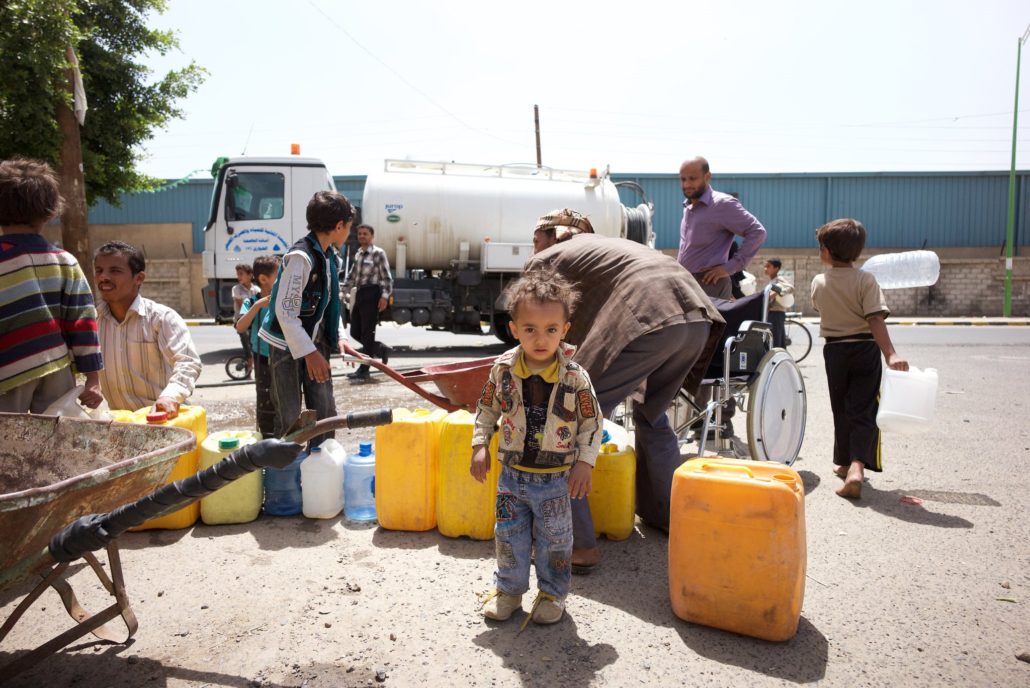
Islamic Relief USA works to provide vital aid, emergency food assistance and emergency water supply in the war-torn country. Clean water is vital to the country because cholera mainly spreads through contaminated drinking water. Islamic Relief USA is actively providing a clean supply of water to the governorates of Aden and Taiz. Both Taiz and Aden will have water tanks installed close to homes and schools so they remain water-secure when the organization is no longer active in these governorates. About 4,000 internally displaced people in these governorates will be at a decreased risk of cholera infection due to an increase of clean water supply from the water tanks.

The World Health Organization Increases Defenses Against Cholera

The World Health Organization maintains that Yemen is beginning to see a decrease in cholera infections. Financial aid from Saudi Arabia and the United Arab Emirates are contributing to this decrease. Millions of Yemenis now have access to health care unlike before. WHO is working on increasing the availability of diarrheal treatment centers, cholera vaccines and training of health providers in Yemen.

With 17.8 million water insecure people, Yemen is a breeding ground for cholera. Organizations like those listed above are essential to promoting prevention, care, and hopefully soon, the suppression of the cholera health crisis in Yemen.

– Rebekah Askew
Photo: Flickr

September 14, 2019
https://borgenproject.org/wp-content/uploads/borgen-project-logo.svg 0 0 Kim Thelwell https://borgenproject.org/wp-content/uploads/borgen-project-logo.svg Kim Thelwell2019-09-14 09:00:432024-06-06 00:26:26Cholera: Health Crisis in Yemen
Disease, Global Poverty

Combating African Sleeping Sickness

African Sleeping Sickness, also known as African Trypanosomiasis, is common in rural Africa. It is spread by the tsetse fly, which is only found in 36 sub-Saharan countries, with about 70 percent of cases occurring within the Democratic Republic of the Congo. When the tsetse fly bites, a sore develops and within weeks hosts suffer from fever, severe headaches, irritability, extreme fatigue, joint pain and skin rashes. As the disease progresses and invades the nervous system, people face confusion, personality changes and ultimately sleeplessness. African Sleeping Sickness can prove to be fatal within months, if not treated.
Due to regional differences, there is both an East African Sleeping Sickness and West African Sleeping Sickness. The Eastern disease is caused by the parasite Trypanosoma brucei rhodesiense, with a couple hundred cases reported each year by the World Health Organization (WHO). The West African Sleeping Sickness on the other hand is caused by a parasite called Trypanosoma brucei gambiense, with nearly 10,000 cases reported annually by the WHO.

The Span of the Disease

Unfortunately, due to the lack of medicine and awareness in these rural African regions, there is minimal caution taken to avoid the disease. The African Sleeping Sickness is often neglected by other countries due to its limited region. A majority of those in affected regions have minimal access to health care or knowledge of disease prevention and treatment. Due to overcrowding and poverty, transmission increases among both animals and people. In fact, 40,000 cases were reported in 1998 from the WHO, but researchers estimate that at least 300,000 cases were left undiagnosed that year. The fear with this is that the disease will be allowed to escalate. There have been cases in which the patients have attacked their own family members, experienced frightening hallucinations or have screamed in gut-wrenching pain.

Treatments

The limited research and knowledge of this disease puts the victims at a heavy disadvantage. While there are a few drugs available for both East and West African Sleeping Sickness, at the moment there is no cure or vaccine. The most commonly used drug, pentamidine, is often used for first stage West African Sleeping Sickness, with other CDC approved drugs being uramin, melarsoprol, eflornithine and nifurtimox. However, these approved drugs can also have negative side effects, with melarsoprol found to have reactions that can prove to be fatal, and pentamidine causing stomach issues. The disease, if left untreated, can lead to meningoencephalitis, coma or death.

Organizational Support

Despite the grim standings of the disease, organizations are making efforts to change the status quo. The WHO is working to supply technical aid to national programs in Africa and are having volunteers deliver anti-Trypanosoma medicines for free. In 2009, the WHO established a biological specimens bank for researchers to conduct studies regarding new drugs and treatments. When attention towards the disease began to fade, the WHO developed a coordination network for victims of the disease to secure and maintain efforts against it. Starting in 2002, Bayer, supplied 10,000 vials of suramin treatment annually for an entire decade. Bayer took steps to expedite the fight against the disease in 2013 by funding and supporting mobile intervention teams in the Democratic Republic of the Congo. Through combined efforts, non-profit organizations as well as private companies are taking great strides against the deadly African Sleeping Sickness.

– Haarika Gurivireddygari
Photo: Flickr

September 11, 2019
https://borgenproject.org/wp-content/uploads/borgen-project-logo.svg 0 0 Kim Thelwell https://borgenproject.org/wp-content/uploads/borgen-project-logo.svg Kim Thelwell2019-09-11 08:52:392024-06-06 00:26:25Combating African Sleeping Sickness
Global Poverty

The Fight to Eliminate Polio in Pakistan and Afghanistan

Curing Polio in Pakistan and Afghanistan
In 1988, polio existed in more than 100 countries and infected close to 1,000 children daily. Due to advocacy efforts and the implementation of preventable vaccinations, cases of polio have significantly dropped at a rate of 99 percent. In 1988, about 350,000 children had polio while statistics indicated that in 2017, only 22 documented illnesses existed. However, children are still struggling as Pakistan and Afghanistan attempt to eliminate polio their countries.

Children are most vulnerable to contracting polio between birth and age five. One in 200 contagions result in irreparable paralysis, most commonly in the legs; five to 10 percent of those infected die from this disease due to the disabling of their breathing muscles.

Most children that are living with polio do not experience manifestations; however, polluted water and food can still spread the disease. Polio is preventable through several doses of vaccinations, but there is no treatment.

Modernized Vaccines to Prevent Polio

In 2013, all countries began to implement one dose of the new vaccines and terminate the use of the oral vaccines by 2018, which the Polio Eradication & Endgame Strategic Plan instructed.

In order to eliminate polio in Pakistan and Afghanistan, the Polio Eradication and Endgame Strategic Plan is terminating the administrations of oral vaccines which only protected against type 2 of the virus; instead, Afghanistan and Pakistan are implementing doses of the inactivated polio vaccine, which should be more effective in preventing the disease as it prevents all three types of polio. The modern vaccine can also enhance immunity and inhibit further epidemics of polio.

Efforts to Eliminate Polio in Pakistan and Afghanistan

In 2018, The Ministry of Public Health in Afghanistan partnered with UNICEF and The World Health Organization to initiate the country’s third nation-wide polio vaccination campaign. Nearly 9.9 million children below age five received the vaccination.

Regions such as Kandahar, Helmand, Uruzgan and Zabul contained nearly 1.2 million children who did not have access to the vaccine. However, this past program and future programs will ensure that these children can also receive the necessary dosages.

Vaccinated children also received Vitamin A capsules to strengthen their immunity and decrease diarrhea. This also strengthened their immune systems from respiratory infections. Immunity can increase their chances of survival by nearly 24 percent. Nearly 70,000 health workers visited every household to administer vaccinations. This was to ensure that other children received the preventable medication as well. Because polio is contagious, each family’s chances of surpassing the disease increases if every child receives a vaccination.

In Pakistan, the number of polio infections is at a low rate. Further, improved immunity has also begun to increase. While this country has made progress in battling polio, many children have not received the preventable vaccines in high-risk areas. Therefore, Pakistan has begun to implement various solutions such as customized vaccines. Additionally, the country has partnered with the Emergency Operations Centers to administer effective prevention techniques.

Polio is most common in Karachi as well as the federally administered tribal areas, the Quetta block and the Khyber-Peshawar corridor. While the disease is highly present in these areas, other areas nationwide are susceptible to contracting the virus due to travel and migration.

The Partnership Between Pakistan and Afghanistan

To eliminate polio in Pakistan and Afghanistan, the two nations plan on partnering to identify children who are vulnerable to the disease and provide vaccinations, while also administering health campaigns to promote advocacy about the prevention of polio. Environmental surveillance has discovered the presence of polio. This serves as evidence that children with weaker immune systems are present in these areas. Consequently, this enables the disease to grow and infect other children.

– Diana Dopheide

Photo: Flickr

September 10, 2019
https://borgenproject.org/wp-content/uploads/borgen-project-logo.svg 0 0 Kim Thelwell https://borgenproject.org/wp-content/uploads/borgen-project-logo.svg Kim Thelwell2019-09-10 07:30:252019-12-16 12:44:26The Fight to Eliminate Polio in Pakistan and Afghanistan
Disease, Global Poverty, Life Expectancy, Water

10 Facts About Life Expectancy in Fiji

10 Facts About Life Expectancy in Fiji
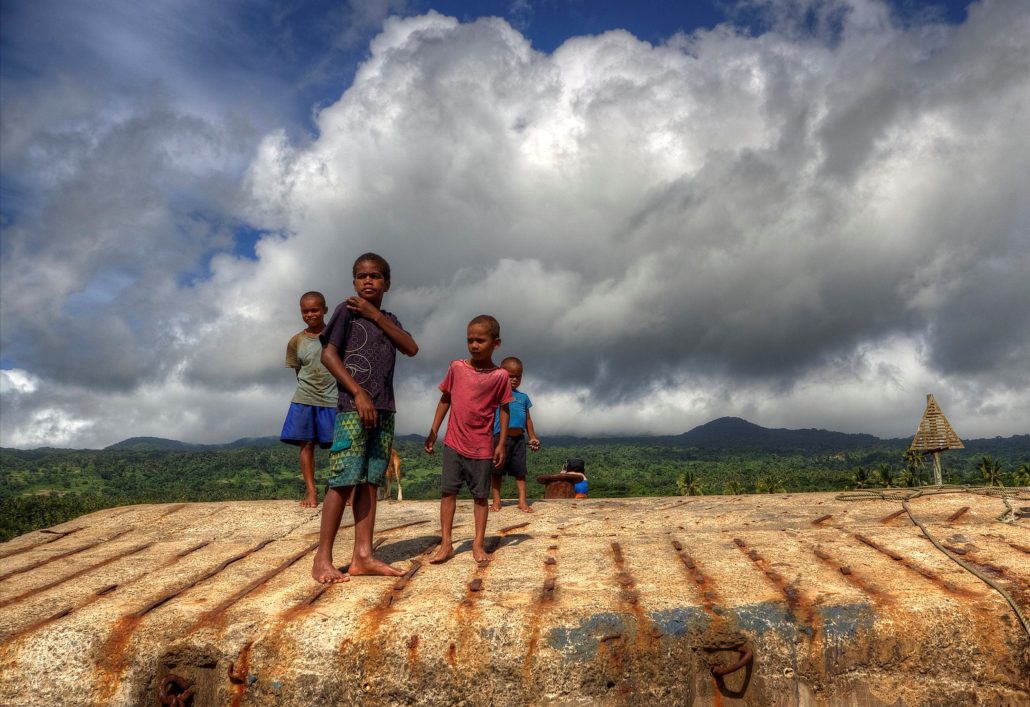
Fiji is an island that attracts tourists with its beautiful beaches and humble hosts but is one of the top 100 countries when it comes to short life expectancy. Here are 10 facts about life expectancy in Fiji.

10 Facts About Life Expectancy in Fiji

  1. In 2017, 25 out of every 1,000 babies died before their fifth birthday. Malnutrition is one of the primary causes of such a high under-five mortality rate. UNICEF reported that in 2004, over 40 percent of children in Fiji were malnourished and parents did not have the funds to buy their children the food they needed to survive.
  2. In 2013, 28 percent of the population lived below the poverty line. Currently, over 250,000 of the 900,000 people in Fiji are in poverty. Due to a lack of income, many people that live in rural areas moved to urban areas in order to increase livelihood and potentially live longer.
  3. Neonatal mortality was at 11 per 1,000 births in 2017. Neonatal mortality was another reason the death rate was high in Fiji. Premature births, birth defects and low birthweight were the leading causes. According to UNICEF, lack of access to food due to economical shortages contributed to early childhood deaths.
  4. Fiji had 49 tuberculosis incidents per 100,000 of its people in 2017. People who lived in urban areas were susceptible to tuberculosis due to pollution and overcrowding.
  5. In 2016, there was a 31 percent mortality rate due to heart disease, cancer, diabetes or chronic respiratory disease. Obesity is one of the leading causes of heart disease, diabetes and chronic respiratory disease. In 2016, there were 81 percent of women and 55 percent of men who were overweight.
  6. Fiji has both private and public health care facilities, but both suffer from limited access to medication. According to a survey by the National Center for Biotechnology Information, this is due to affordability, as unemployed patients can not always afford their required medication. Based on the survey, 16 out of 48 people were unable to receive medication due to lack of funds. Fiji is trying to improve this through better water infrastructure, more centralized resources and community aid.
  7. Dengue fever is a common illness in Fiji. Dengue fever is a mosquito illness that causes flu-like symptoms. The symptoms can be fatal if it goes untreated. The death rate spiked due to how common the illness is and doctors’ inability to treat patients in rural areas. Estimates determine that 100 million cases occur each year, especially during the summer. Fiji destroyed mosquito habitats and recommended avoiding mosquito bites to combat this.
  8. Statistics estimate that Fijians should live until age 73. As of 2018, rankings placed Fiji at 141 out of 223 countries, which made life expectancy in Fiji the 82nd worst country. Diseases, lack of medicine and poverty are the main reasons why Fijians do not live longer.
  9. Sixty-eight percent of Fiji’s population drink unsafe tap water in urban areas. In some cases, the people who lived in the urban areas of Fiji became sick because they had to rely on rivers for fresh water. Organizations like UNICEF and the World Health Organization worked on the development of Fiji’s water quality by training environmental health officers to test water supplies and make sure it was safe to drink.
  10. In 2016, the death rate was seven per 1,000 people. Noncommunicable diseases accounted for 84 percent of these deaths. Others included physical violence toward women, infant deaths and malnutrition.

These 10 facts about life expectancy in Fiji should not be a cause for concern, because, despite Fiji’s low life expectancy, it has improved over the years. Poverty was at 35 percent in 2009 and it is now at 28 percent. As long as the government continues to find ways to increase the stability of people in rural areas, Fiji’s life expectancy should continue to increase.

– Reese Furlow
Photo: Flickr
September 5, 2019
https://borgenproject.org/wp-content/uploads/borgen-project-logo.svg 0 0 Jennifer Philipp https://borgenproject.org/wp-content/uploads/borgen-project-logo.svg Jennifer Philipp2019-09-05 01:30:112024-05-27 23:59:5210 Facts About Life Expectancy in Fiji
Global Poverty, Life Expectancy

Top 10 Facts About Life Expectancy in Turkmenistan

Life Expectancy in Turkmenistan
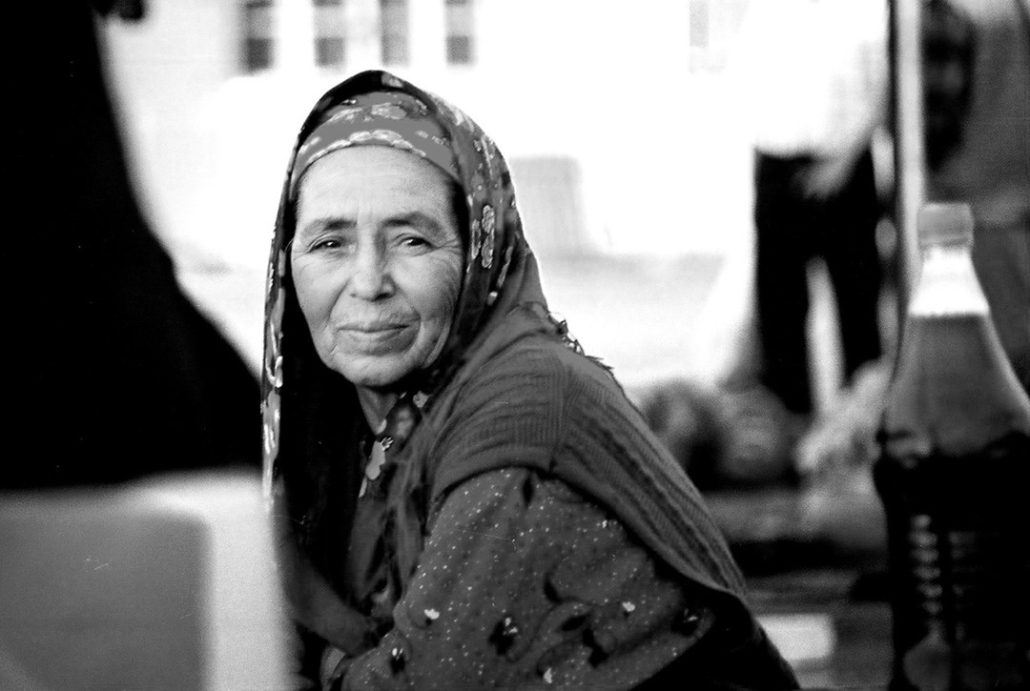
Turkmenistan, a country rich with gas and export struggles, corruption and poverty. The country is located in Central Asia and shares its borders with Uzbekistan, Kazakhstan, Iran and Afghanistan and has been independent since 1991. Meanwhile, the life expectancy in Turkmenistan has been on a steady rise within the last decade. Here are the top 10 facts about life expectancy in Turkmenistan.

10 Facts About Life Expectancy in Turkmenistan

  1. The life expectancy in Turkmenistan is around 68 years. According to the BBC, the average lifespan for women is 71 and 64 years for men. The country’s life expectancy ranks four years lower than neighboring Uzbekistan and Tajikistan, while it ranks five years lower than the world average life expectancy.
  2. Turkmenistan suffers from a high mortality rate which affects overall life expectancy. The World Health Organization states in its “Highlights on Health in Turkmenistan” report written in 2005, that “As could be expected, excess mortality is due to communicable, respiratory and digestive diseases.” The two highest causes of death are infectious and parasitic diseases.
  3. Water resources are rather scarce because desert covers a lot of Turkmenistan. In fact, it is one of the most water-deficient countries in the world. The government tried to create projects, such as the creation of parks, to make cities appear greener. The plan backfired because these plants required a large amount of water. Seventy-one percent of the population has access to drinking water, while 29 percent of the population still lacks clean water.
  4. Turkmenistan has 22 physicians per 1,000 people within a given population. The former president, Gurbanguly Berdymukhammedov, tried to make changes to the health care system and citizen’s lifestyles and has been encouraging spending on public health and healthier lifestyles. A lack of doctors takes its toll on rural communities, while limited access to sanitary water increases the chances of becoming sick. While urban areas have modernized hospitals, care can be expensive. Meanwhile, rural communities suffer from old equipment and shortages in medicine which could affect life expectancy statistics as well.
  5. Turkmenistan is a healthy nation. The government focuses on nutrition through private agriculture and food production. It tries to create healthy lunches in schools by banning unhealthy foods and drinks. Some noncommunicable diseases affecting the population comes from malnutrition, such as raised blood pressure, blood glucose and blood cholesterol. These can be life-threatening diseases.
  6. Housing in Turkmenistan differs from other countries in their structures. People often live in yurts due to weather conditions or economic reasons. The yurts surround cities and traditional families heavily populate them. Houses do exist but the monthly rates tend to be higher than the people’s wages. Yurts are a more affordable form of shelter considering the increase of food and gas prices.
  7. The infant mortality rate in Turkmenistan is 33 deaths per 1,000 births, which ranks the country number 55 in the world. The maternal mortality rate is 42 deaths per 100,000 births, which places Turkmenistan at 104 in the world.
  8. The literacy rate in Turkmenistan is 99.7 percent for people ages 15 and older. Most students spend up to 11 years in school. The government is trying to reform the educational system to be more effective for students. Its main goal is to get everyone into the local workforce and have it perform internationally as well. Children receive a basic education that fits the needs of the government or specific jobs that they can work internationally. It does not necessarily include a well-rounded course curriculum.
  9. Turkmenistan has a high poverty and corruption rate. The given wages are not nearly enough to cover common products. The further away from the center of Ashgabat that people live, the fewer resources they have available to them. Those who live in urban cities have more access to natural resources. Those living in rural communities have less, especially when it comes to natural gas.
  10. The crime rate in Turkmenistan’s cities is low compared to the surrounding countries. Towards the border, the crime rate grows due to terrorism and the drug trade. The cities set a curfew for 11 p.m. to lower crime at night.

Though these 10 facts about life expectancy in Turkmenistan put things into a grim perspective, the government is doing what it can to change the future. If the government successfully reforms Turkmenistan’s education system, allowing for a workforce that can compete internationally, people could raise their living standards, and potentially, the country’s life expectancy as well.

– Christina Atler
Photo: Flickr

September 4, 2019
https://borgenproject.org/wp-content/uploads/borgen-project-logo.svg 0 0 Jennifer Philipp https://borgenproject.org/wp-content/uploads/borgen-project-logo.svg Jennifer Philipp2019-09-04 01:30:132024-05-29 23:12:20Top 10 Facts About Life Expectancy in Turkmenistan
Global Poverty, Human Trafficking, Violence Against Women

A Global Treaty to End Violence Against Women

Lobbying for a Global Treaty to End Violence Against Women
With the #MeToo movement sweeping the United States, Portland-native Lisa Shannon is pushing for an end to violence against women around the world. Shannon is CEO and Co-Founder of the Every Woman Treaty, a campaign to establish a global treaty to end violence against women. At a recent discussion panel hosted by Global Washington, Shannon spoke out about the consistent violations of women’s rights pervading every corner of the globe and explained how Americans can make a lasting impact.

Defining Violence Against Women

Violence against women, whether psychological, physical or emotional, is “the most pervasive human rights violation on earth.” Sex trafficking, forced marriage and domestic violence are three of its most common forms, and all are prevalent globally. While the Convention on the Elimination of All Forms of Discrimination Against Women (CEDAW), adopted in 1979, suggests establishing protective legislation for women, the agreement has not sufficiently fueled action to prevent violence. There is a need for a more direct global treaty to end violence against women.

Sources of Violence

Human trafficking causes significant violence against women due to how it damages each person involved and the expanse of the industry. Suamhirs Piraino-Guzman from the International Rescue Committee shared at the Global Washington event that “40 million people around the world are victims of human trafficking.” A recent U.N. report adds that 79 percent of trafficking consists of the sexual exploitation of women and girls, which means that there is a total of around 30 million women being sex-trafficked today. That is greater than the population of Australia. In addition, human trafficking is the fastest-growing criminal industry in the world.

Forced marriages represent another preventable source of violence against women. They eliminate a woman’s freedom of choice and frequently result in violent partnerships. According to UNICEF, although international law and many national legislations prohibit it, forced marriage is still a widespread practice. One in five women enters marriage without offering full, free and informed consent. This is mostly due to lack of government crackdown on forced marriage cases.

Even when a relationship is consensual, domestic violence is frustratingly frequent. The World Health Organization estimates that about 35 percent of women experience physical or sexual violence from an intimate partner in their lifetimes. It does not help that an estimated one billion women lack legal protection from domestic violence, according to a World Bank Study. Domestic sexual violence is only a crime in one in every three countries.

What Needs To Change

The establishment and enforcement of legislation related to protecting women have been lax. A lack of accountability leads to millions of women suffering. UNODC Director Antonio Maria Costa lamented that “while the number of convictions for human trafficking is increasing, two out of every five countries covered by the UNODC Report had not recorded a single conviction.”

People are not holding governments accountable for protecting women within their borders. However, many professionals agree that lasting change will stem from the political realm. Data easily shows the benefits of legislation. Shannon pointed out countries that, in the past, experienced a reduction in female mortality by 32 percent with a ban on domestic violence. There is a need for a global treaty to end violence against women to improve the accountability of governments that create and enforce laws protecting women. That is exactly what Every Woman Treaty is striving to accomplish.

The Global Treaty To End Violence Against Women

The Every Woman Treaty requests a partnership between every country in the global community to bring accountability to protecting women. Countries that sign the treaty would ensure they have sufficient legislation to prevent the most common abuses of women, provide services for victims, promote prevention education and contribute towards a global implementation fund with a goal towards ending violence against women. As the movement gains traction, the Every Woman Treaty is asking individuals to sign onto its platform to show governments that it has the support of the public.

Several of the 2015 Sustainable Development Goals released by the U.N. focus on protecting women from violence. Voices across the global community scream for change on this issue. Despite this, governments are still not providing the legislative changes necessary to end the violence once and for all. A global treaty to end violence against women, like the one the Every Woman Treaty proposes, could be the answer—the final push to make this issue a priority. Lisa Shannon made clear at the event that violence against women is horrible, but an “absolutely solvable problem. We just have to decide we’re ready to (solve it).”

To sign onto the Every Woman Treaty’s cause, visit https://everywoman.org.

– Olivia Heale
Photo: Flickr

September 3, 2019
https://borgenproject.org/wp-content/uploads/borgen-project-logo.svg 0 0 Kim Thelwell https://borgenproject.org/wp-content/uploads/borgen-project-logo.svg Kim Thelwell2019-09-03 19:28:442019-09-03 19:28:44A Global Treaty to End Violence Against Women
Clean Water Access, Education, Food Security, Gender Equality, Global Poverty

6 Ways Access to Clean Water Changes Lives

Access to Clean Water
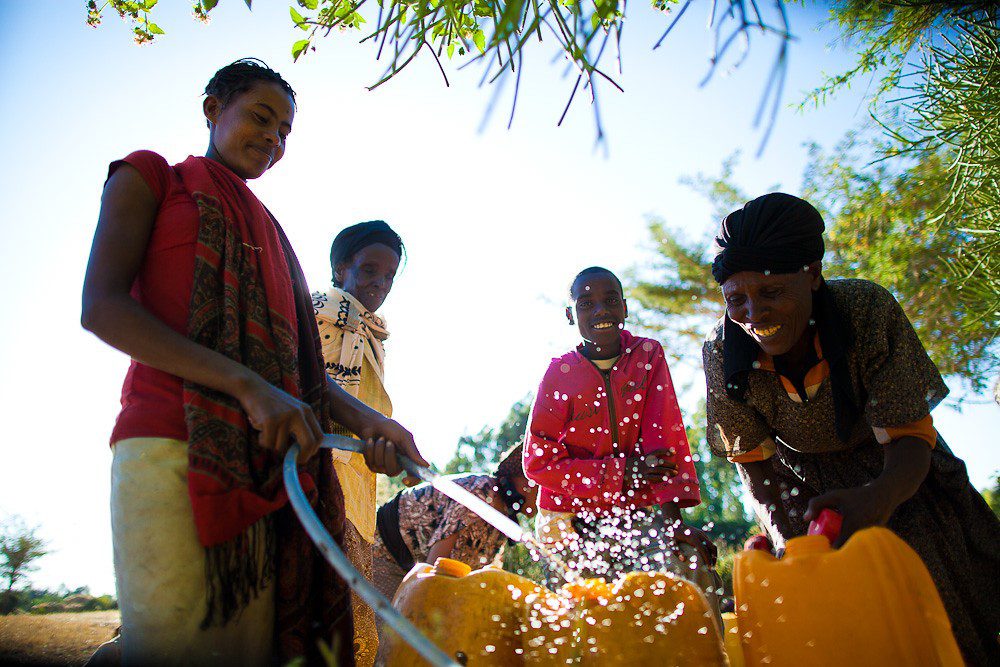
Around 844 million people in the world do not have access to clean water. The lack of access to clean water affects all aspects of life from drinking to agriculture and hygiene. Furthermore, the lack of clean water perpetuates gender inequality and traps communities in poverty. However, the world has made significant progress. Between 1990 and 2015, the percent of the world’s population with access to clean water rose from 76 percent to 91 percent. That means that millions of people have felt the benefits. Here are six ways that access to clean water changes lives.

6 Ways Clean Water Changes Lives

  1. Improved Sanitation: Around 2.4 billion people worldwide do not have access to toilets or basic sanitation. In Sub-Saharan Africa, just 24 percent of people in rural areas have access to a modern toilet. With no running water, villagers must go out into isolated fields in order to find privacy, leaving women and girls especially at risk of attack. A lack of bathrooms also means that girls often miss school while they are menstruating. When communities gain access to improved sanitation systems, quality of life improves, women and girls are safer and girls are more likely to go to school consistently.
  2. Improved Health: Currently, 80 percent of illnesses in developing nations are related to contaminated water and poor sanitation. This particularly affects children due to their weak immune systems. One-fifth of all deaths which occur under the age of 5 are from water-borne illnesses. When children are sick, they cannot go to school and often another family member has to miss work to take care of them. When people are healthy, children can go to school and adults can have steady employment, leading to continued economic development. The elimination of deaths from water-related illnesses alone would lead to an added $18.5 billion in economic gains for affected countries. Families also save money on health care costs with the elimination of water-borne illnesses.
  3. Increased Gender Equality: Eighty percent of the time, women and girls are responsible for collecting water when it is not available at home. Worldwide, women collectively spend 200 million hours daily collecting water, sometimes walking six kilometers a day. This means they have little time to work, go to school and take care of their families. The long walks also leave women vulnerable to assault and rape. Additionally, the long journey and heavy loads can be dangerous for pregnant women. Access to clean water at home increases the educational and economic opportunities available to women and girls. With increased water access, women could have time to work or even start small businesses. Additionally, girls could go to school, which would have a life-long impact. In fact, for every year a girl spends in school, she increases her anticipated income as an adult by 15 to 20 percent.
  4. Education: Walking to fetch water can take hours every day. Children, particularly girls, are often responsible for doing it. Access to clean water changes lives because when children no longer have to spend most of their day fetching water, they are free to go to school. Drinking dirty water can also cause students to fall behind in their studies as they deal with the symptoms of water-borne illnesses. Education generally becomes a low priority as people struggle to survive. With clean water at home, children can stay in school and build better futures for themselves.
  5. Food Security: Without clean water, it is difficult to grow crops and prepare food. While one might think of water mostly as something to drink, worldwide, people use 70 percent of water resources in agriculture. Eighty-four percent of people who are without modern water systems also live in rural areas, where many rely on subsistence agriculture. Improvements in water management lead to increased agricultural production and allow community members to start small gardens to grow food to eat or sell.
  6. Escaping Poverty: When people no longer have to spend a significant portion of their days fetching water, children have time to go to school and adults can work and learn trades. When people no longer get sick from water-borne illnesses, they can go to school and work uninterrupted. Clean water also allows people to grow more food and practice better sanitation. Access to clean water has a proven position impact on development. The World Health Organization estimates that every dollar that people invest in water and sanitation brings an economic return of between $3 and $34. The U.N. estimated that in sub-Saharan Africa alone, people spend 40 billion hours a year retrieving water. In fact, the world loses $260 billion of potential income each year due to a need to find water.

Many groups succeded in bringing clean water to communities and showing how access to clean water changes lives. For instance, Water.org helped more than 21 million people gain access to clean water through small loans. Millions worldwide spend more than 20 percent of their income on water, as a lack of clean water at home means they must go to a water merchant or pay exorbitant rates to have someone install plumbing. Giving people small loans allows them to quickly pay for plumbing, which eliminates costs in the future.

The Water Project addresses the water crisis by directly donating clean water sources. This organization builds and repairs wells, installs rain catchment tanks and constructs sand dams to improve irrigation. So far, the Water Project has helped close to 500,000 people gain access to clean water for drinking and agriculture.

The World Bank, UNICEF and the World Health Organization determined that providing basic water and sanitation infrastructure to those that need them would cost $28.4 billion a year for 15 years. Right now, the U.S. spends around $600 million on the military each year. A readjustment of federal priorities, taking into account the ripple effects which clean water has on communities, could make a drastic difference for the world’s poor.

– Clarissa Cooney
Photo: Flickr

September 3, 2019
https://borgenproject.org/wp-content/uploads/borgen-project-logo.svg 0 0 Kim Thelwell https://borgenproject.org/wp-content/uploads/borgen-project-logo.svg Kim Thelwell2019-09-03 11:26:432024-05-29 23:12:366 Ways Access to Clean Water Changes Lives
Disease, Global Poverty, Life Expectancy

10 Facts About Life Expectancy in Argentina

10 Facts About Life Expectancy in Argentina
Between 2010 and 2014, mortality from HIV/AIDS rose from 3.2 deaths per 100,000 people to 3.4 deaths per 100,000. Some people in Argentina also face water scarcity, a lack of basic services and supplies, low wages and limited access to food markets. These 10 facts about life expectancy in Argentina display the quality of life and health of Argentinians.

10 Facts About Life Expectancy in Argentina

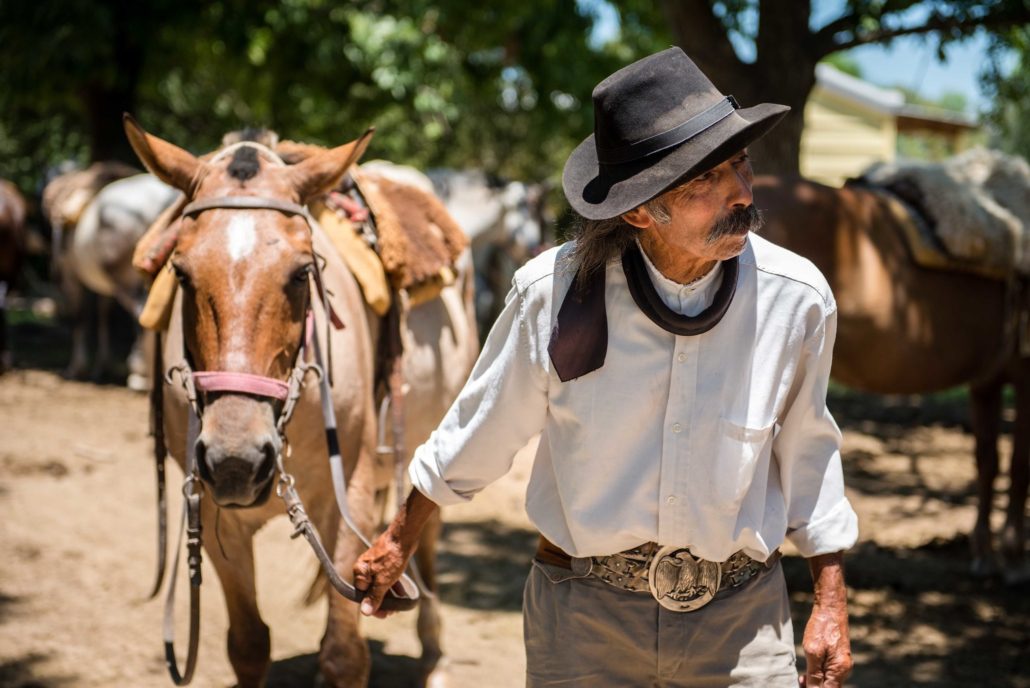
  1. Over the years, life expectancy has increased for Argentina‘s citizens, reaching 76.7 years in 2017 while it was just over 65 in 1960.
  2. Due to Argentina’s increased focus on allocating resources frugally, creating a relatively high inpatient service availability and undergoing rapid socioeconomic development, Argentina’s improving health care system has worked to optimize available medical resources. These resources help sustain and slowly increase the average life expectancy in Argentina to 77 years, four more than the global average.
  3. Access to affordable clean drinking water in Argentina has dramatically improved over the last two decades while millions still encounter drinking water contaminants dangerous to public health. According to a book by Eileen Stillwaggon, Argentina has “Twenty thousand child deaths a year from avoidable causes, such as summer diarrhea…” The spread of disease with relative ease creates grim conditions for Argentina’s working and lower class, who have comparatively inadequate health care. Currently, 84 percent of residents have access to water from a public grid, while 58 percent have access to sanitation services. According to the World Health Organization, approximately half the population has no proper waste disposal service. The socio-economic conditions of the indigenous population in Argentina suggests a fundamental flaw in their health and safety infrastructure, that ultimately allows for the easy spread of disease.
  4. Despite the appearance of affluence and impressive medical infrastructure, the economic disparity between the rich and poor creates disproportionate aid distribution. This disparity explains the unusually high life expectancy, where the rich often live longer and healthier lives near the developed parts of the country. The 40 percent of those impoverished in Argentina have “no unemployment compensation, health coverage or pensions” living in slum conditions due to Argentina’s splintered health care system. As a result, certain areas are more prepared to fight disease outbreaks.
  5. With arduous living and drinking conditions, and most of the poor being children, infant and maternal mortality rates are surprisingly lower than in other countries with a smaller GDP. According to the World Health Organization, maternal mortality declined from 331 deaths to 298, a decline from 4.4 to 3.9 maternal deaths per 10,000 births in certain regions. The maternal mortality rate increased above the global average in other areas.
  6. Chagas disease has infected more than five percent of people in Argentina. With a crippling medical infrastructure, these health hazards fester and allow the spread of disease, where the impoverished live off garbage from dumps with mixtures of industrial and medical waste due to improper disposal.
  7. The percentage of people below the poverty line has decreased by five percent since 2016. COFESA, the federal health council, is working with the national authorities in Argentina to create and implement an effective universal health care system to reintegrate impoverished people back into the workforce. Its primary focusses are specific health problems and the lack of access to medical care in various regions.
  8. Argentina has eliminated many preventable diseases such as measles and rubella. Most universal vaccinations have been very successful with outbreaks of hepatitis A and B on the decline. A study in 2012 confirmed that the rate of measles outbreak has remained steady for almost a decade. Argentina spends seven percent of its GDP on health care initiatives, one of the highest in South America.
  9. Despite 37 percent of Argentina’s population being classified as overweight and 20 percent obese, food protection agencies have developed better public health initiatives to educate people about the dangers of overconsumption. The overall decreased consumption of salt demonstrates the success of these government programs aimed at fixing the conditions of marginalized rural and urban communities and increasing public health along with improved life expectancy.
  10. Infection by Trypanosoma cruzi (Chagas disease) affected 2.5 percent of pregnant women and 5.7 percent of children during pregnancy and leading up to delivery. Infections in pregnant women are of paramount importance due to the relative ease of passing diseases onto offspring.

Argentina, Bolivia, Brazil and Paraguay created a joint initiative to study the socio-economic conditions of the more rural regions to discover why diseases plague certain parts of their countries and not others. With an increasing life expectancy, Argentina’s has one of the largest labor forces in the world. Universal access to health care is Argentina’s end goal and some of the information in these 10 facts about life expectancy in Argentina demonstrate that things are looking positive for the future.

– Adam Townsend
Photo: Flickr

September 1, 2019
https://borgenproject.org/wp-content/uploads/borgen-project-logo.svg 0 0 Jennifer Philipp https://borgenproject.org/wp-content/uploads/borgen-project-logo.svg Jennifer Philipp2019-09-01 01:30:522024-06-11 23:17:1610 Facts About Life Expectancy in Argentina
Page 15 of 17«‹1314151617›»

Get Smarter

  • Global Poverty 101
  • Global Poverty… The Good News
  • Global Poverty & U.S. Jobs
  • Global Poverty and National Security
  • Innovative Solutions to Poverty
  • Global Poverty & Aid FAQ’s
Search Search

Take Action

  • Call Congress
  • Email Congress
  • Donate
  • 30 Ways to Help
  • Volunteer Ops
  • Internships
  • Courses & Certificates
  • The Podcast
Borgen Project

“The Borgen Project is an incredible nonprofit organization that is addressing poverty and hunger and working towards ending them.”

-The Huffington Post

Inside The Borgen Project

  • Contact
  • About
  • Financials
  • President
  • Board of Directors
  • Board of Advisors

International Links

  • UK Email Parliament
  • UK Donate
  • Canada Email Parliament

Get Smarter

  • Global Poverty 101
  • Global Poverty… The Good News
  • Global Poverty & U.S. Jobs
  • Global Poverty and National Security
  • Innovative Solutions to Poverty
  • Global Poverty & Aid FAQ’s

Ways to Help

  • Call Congress
  • Email Congress
  • Donate
  • 30 Ways to Help
  • Volunteer Ops
  • Internships
  • Courses & Certificates
  • The Podcast
Scroll to top Scroll to top Scroll to top