• Link to X
  • Link to Facebook
  • Link to Instagram
  • Link to TikTok
  • Link to Youtube
  • About
    • About Us
      • President
      • Board of Directors
      • Board of Advisors
      • Financials
      • Our Methodology
      • Success Tracker
      • Contact
  • Act Now
    • 30 Ways to Help
      • Email Congress
      • Call Congress
      • Volunteer
      • Courses & Certificates
      • Be a Donor
    • Internships
      • In-Office Internships
      • Remote Internships
    • Legislation
      • Politics 101
  • The Blog
  • The Podcast
  • Magazine
  • Donate
  • Click to open the search input field Click to open the search input field Search
  • Menu Menu

Tag Archive for: The World Health Organization

Posts

Global Poverty, Life Expectancy

10 Facts About Life Expectancy in Belarus

10 Facts About Life Expectancy in Belarus
Belarus is a former member of the Soviet Union, located between Russia, Poland and Lithuania. Like most post-Soviet states, Belarus has experienced substantial economic and societal problems since attaining sovereignty. The country has developed under a dictatorship and today Belarus has virtually full employment and an official poverty rate of less than six percent. However, the country still faces significant obstacles to public health and economic development. Here are 10 facts about life expectancy in Belarus.

10 Facts About Life Expectancy in Belarus

  1. There is a Stark Gender Gap: The first of the 10 facts about life expectancy in Belarus is that the average life expectancy is 73 years, but there is a significant disparity in life expectancy between males and females. While women in Belarus have an average life expectancy of 79 years, men in the country live until only 67.8 on average. Non-communicable diseases are the leading cause of death in Belarus. While a genetic predisposition is typically the leading risk factor for non-communicable disease, lifestyle choices are commonly to blame in Belarus. The biggest risk factors for both Belarusian men and women are alcohol consumption, tobacco use and a lack of exercise.
  2. Alcoholism is a Major Problem: Belarus is one of the heaviest alcohol consuming countries in the world. In 2010, Belarusian males consumed an average of almost 29 liters of pure alcohol per capita annually. By 2016, this number was down to 18 liters per capita, which was still triple the global average. Alcohol abuse has concrete consequences for life expectancy in Belarus as alcohol consumption was the cause of over half of liver disease in Belarus in 2016.
  3. There is a Culture of Male Tobacco Use: Almost half of all adult men in Belarus smoke daily, while less than 10 percent of women do. Despite laws establishing an age minimum of 18 for purchasing tobacco, one in every 20 boys between 10 and 14 years old identified themselves as daily smokers in 2016 alone. That same year, tobacco use related to over a quarter of deaths from non-communicable diseases among males in Belarus.
  4. Men Often Die Early: Premature death is very common, particularly among males, skewing data for the average life expectancy for men in Belarus. In contemporary Belarus, an average of close to 40 percent of men dies prematurely between the ages of 30 and 70. Non-communicable diseases are the leading cause of death in Belarus, accounting for almost 90 percent of all mortalities and the vast majority of premature deaths.
  5. Belarus Guarantees Health Care: The Constitution of Belarus guarantees that the government will provide free, accessible health care to all Belarusians. This does not translate into universally free health care but does include free emergency care, vaccinations, hospital stays and childbirth. According to the 2019 Bloomberg Health Efficiency Index, Belarus ranks within the top 50 most efficient health care systems globally.
  6. Suicide is Prevalent: In 2019, Belarus had the fifth-highest suicide rate in the world. Further, men were reportedly six times more at risk than women. This is largely linked to alcoholism, which is far more common among Belarusian men than women.
  7. Premature Death Hurts Economically and Demographically: According to a 2018 report by the World Health Organization, the loss of productivity and government expenditure associated with premature deaths cost the Belarusian economy over five percent of its GDP every year. Belarus is one of the fastest shrinking countries due to its net population decline of 750,000 since 1990.
  8. Substance Abuse is a Rural Problem: Rural regions of Belarus, particularly those bordering Russia and Lithuania, experience many alcohol-related deaths at a disproportionate level. This is largely due to increased poverty, which fuels the widespread production of homemade alcohol. One of the first-ever studies on rural alcoholism and homemade alcohol took place in 2016, but due to its significant impact on life expectancy in Belarus, as well as its unregulated nature, the government has made the alcohol black market a legislative priority.
  9. Many Slavic Countries Have Similar Problems: Russia, Belarus’s closest ally, has higher rates of suicide, substance abuse and premature mortality than its neighbor. It has a similar gender gap in life expectancy and is also experiencing a decline in population. Belarus’ cultural, political and geographic proximity to countries like Russia, which have similar cultures of unhealthiness, strengthen may of its problems.
  10. The Government Has Made Steps: The government of Belarus has taken action recently to improve the country’s health standards. In 2018, the World Health Organization reported that the total alcohol consumption per capita had fallen to just 10 liters. In February 2019, the Belarusian president instituted new regulations on the tobacco industry in order to decrease its use, particularly around children.

These 10 facts about life expectancy in Belarus show that the tradition of substance abuse impacts the country’s life expectancy gravely, which Belarus largely ignored until recent years. Belarus’ robust health care system shows that the government has an interest in public health. Until recent years, state-run and international health organizations alike had difficulty combating the country’s culture of unhealthiness. This has become a clear governmental priority as reflected in the gradual shift toward more restricted access to tobacco and alcohol.

Since 2015, more studies on alcoholism in Belarus have published than ever before, and the issues of premature death and life expectancy have become common pieces of the national dialogue. Although Belarus has not yet definitively solved the problem of premature death and substance abuse, the country is certainly on the right path to reversing its health trends.

– Daniel Rothberg
Photo: Flickr
August 22, 2019
https://borgenproject.org/wp-content/uploads/borgen-project-logo.svg 0 0 Jennifer Philipp https://borgenproject.org/wp-content/uploads/borgen-project-logo.svg Jennifer Philipp2019-08-22 13:34:262024-05-29 23:11:1110 Facts About Life Expectancy in Belarus
Global Poverty

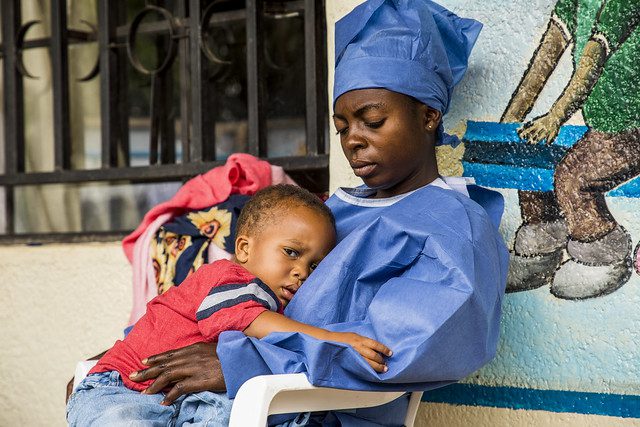
6 Facts about the Ebola Outbreak in Congo

Ebola in the Democratic Republic of the Congo

In August of 2018 the Democratic Republic of Congo declared an Ebola outbreak. The first case of the virus erupted in the city of Goma, located on the border of Rwanda. As the tenth Ebola outbreak in Congo within 40 years, the virus became a public health concern for the over 1 million people that call Goma home. Goma also acts as a popular transit hub for many people crossing the border into Rwanda putting the population at a heightened risk for the disease to spread. The International Health Regulations Emergency Committee has met four times following this initial Ebola case.

  1. A Widespread Disease: Congo’s ongoing Ebola outbreak is now the world’s second-largest. According to The World Health Organization (WHO), the virus has infected 2,512 people and killed 1,676. The largest Ebola outbreak on record took place in West Africa killing more than 11,300 people. WHO continues its efforts to stop the spread of the disease in Congo with its team of medical specialists. In the worst cases, death and uncontrollable bleeding have resulted from the viral hemorrhagic fevers of the disease.
  2. A Global Issue: On July 17, 2019 the World Health Organization (WHO) declared the Ebola outbreak in Congo a global health emergency. Following the first case of Ebola, intensive training for the prevention and control of the virus heightened for more than six months. News of a female traveller from Beni that contracted the virus, and then visited Uganda sparked growing concern in Uganda and Congo. Between June and July of 2019 an estimated 245 confirmed cases of Ebola were reported in the North Kivu and Ituri provinces of Congo. WHO makes the continuous effort to monitor the cases of those infected, as well as travel and trade measures in relation to the virus.
  3. Dangerous Territory: The Ebola response teams in the Democratic Republic of Congo face violent attacks. David Gressley, the United Nations’ secretary-general, became the deputy of the U.N. missions in Congo and witnessed it firsthand. Gressley requested a force of peacekeepers along with the health officials to assist him amid the attacks. The violent attacks often hinder the Ebola responders from treating people with the virus, and still no one knows the reasoning or people behind the attacks. The U.N. estimates that due to the attacks about 1,200 have been shot or slashed to death with machetes. One popular theory points to Congolese politicians orchestrating the attacks in order to undermine political rivals. On the other hand, the Congolese government blames the Mai Mai militia. Rumors continue to swirl that the U.N. responders fail to treat Ebola patients, and intentionally spread the virus which makes them even more susceptible to these attacks.
  4. Catching Ebola: Common diseases such as measles and malaria share initial symptoms of Ebola. Many medical specialists in Congo believe that to put a stop to this epidemic they first must isolate the disease. Most Ebola patients receive a diagnosis too late, and go through multiple health facilities before getting treatment. Response teams understand that controlling the transmission of Ebola, and catching the disease in its early stages has the potential to save an entire community.
  5. The Ebola Vaccination: More than 111,000 people have received the Ebola vaccination. Developed by Canadian scientists, the Ebola vaccine (also known as the rVSV-ZEBOV vaccine) consists of an animal virus that can wear a non-lethal Ebola virus protein, which results in the human immune system developing a pre-emotive defense to the disease. Health care professionals, and family members of Ebola patients are the majority of those vaccinated. Health care responders in Congo ensure that all the contacts of Ebola patients receive a vaccine to stop the epidemic. Reports show no deaths from individuals that developed Ebola symptoms more than 10 days after receiving the vaccination.
  6. Promoting a Disease-Free Environment: Medecins Sans Frontieres/Doctors Without Borders (MSF) promotes healthcare and community engagement in Congo. This organization sends teams to determine and assist the medical needs of populations in crisis with exclusion from healthcare. Among the Ebola outbreak in Congo, MSF continues to provide free healthcare for non-Ebola needs, such as malaria and urinary tract infections. First starting in the city Goma, the MSF has now shifted aid to the Ituri province to limit infections with sanitation activities, and provide access to clean water.

These six facts about the Ebola outbreak in Congo demonstrate global organization’s enthusiasm to assemble in times of crisis. Countless organizations continue to lend support to the Democratic Republic of Congo, and in due time the country will be at its best with a healthy population.

– Nia Coleman
Photo: Flickr

August 13, 2019
https://borgenproject.org/wp-content/uploads/borgen-project-logo.svg 0 0 Kim Thelwell https://borgenproject.org/wp-content/uploads/borgen-project-logo.svg Kim Thelwell2019-08-13 14:41:392024-05-29 23:10:386 Facts about the Ebola Outbreak in Congo
Global Poverty, Technology

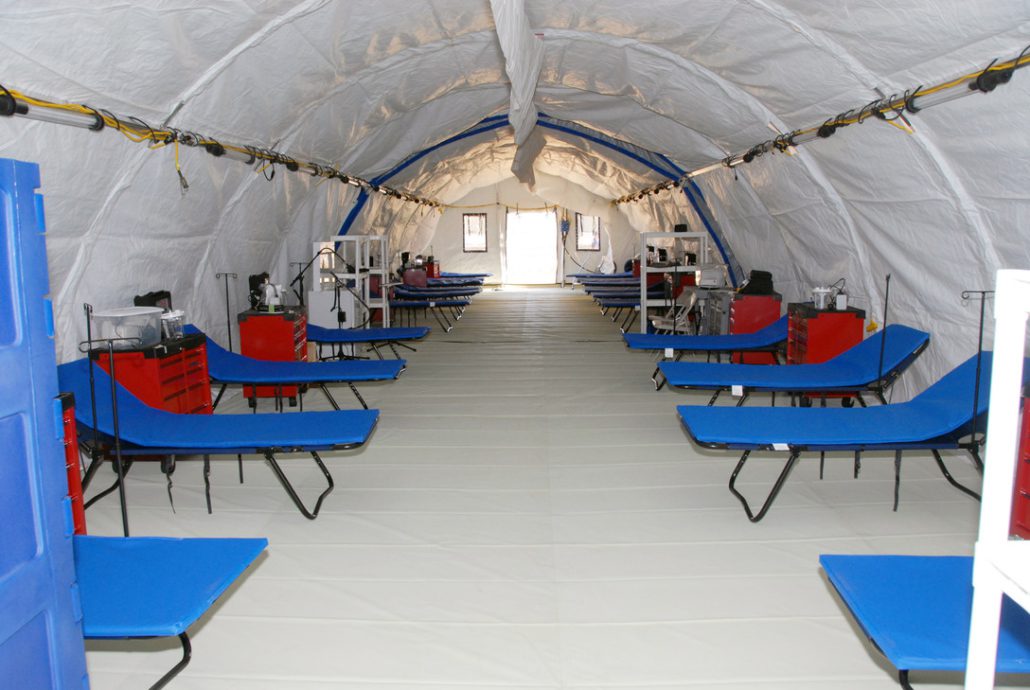
MSF Uses Virtual Reality to Build Better Hospitals

MSF Uses Virtual Reality to Build Better HospitalsMédecins Sans Frontières (MSF), or Doctors Without Borders to the English-speaking world, is a global organization that provides professional medical care wherever poverty, war, disasters or otherwise raise a need. According to the group’s International Activity Report, 6.3 million donors funded 11.2 million outpatient consultations, 750,000 inpatients’ treatment and more than 100,000 major surgical interventions in 2018 alone. MSF consistently achieves a huge global impact. While generous donors and devoted staff are part of this success, the organization also improves its operations to ensure progress. MSF takes every opportunity to evolve and utilize resources more efficiently. Most recently, MSF uses virtual reality to build better hospitals.
Building Innovation

One such evolution began back in November 2013 when Typhoon Haiyan struck the Philippines. After providing several weeks of emergency support from tent hospitals, MSF determined the municipality of Guiuan needed a more permanent solution. Plans to build a transitional hospital quickly began, and four months later, the organization completed the sturdier facility for use.

Two years later, MSF found an opportunity for innovation. With the help of design firm Pyxis, MSF’s technical team built a 3D printed model of the Guiuan hospital. Designers then turned the same 3D layout into an interactive virtual landscape, which was explorable through a virtual reality (VR) headset. But why should MSF redesign plans for an already built hospital?

Benefits of Creating a 3D Printed Model

These steps were not just for novelty; they served as a proof-of-concept for an innovative approach to the construction process. Since then, MSF has used this innovative virtual reality technology to build better hospitals. The tangible nature of the 3D printed model promotes a more user-friendly design stage. Planners can clearly determine if the facility’s design suits the environment it will serve.

On a more granular level, doctors can also optimize the facility’s layout before people start laying the foundation. The most immersive VR model supports this aspect. Is the main corridor wide enough to accommodate high traffic? Are the sterile processing rooms, scrub sinks and operating rooms in a useful order, or would doctors have to retrace their steps in situations where seconds matter? These details are crucial to the efficiency of a finished hospital.

The worst crises also benefit from the new approach. For example, the World Health Organization named the current Ebola virus outbreak in the Democratic Republic of the Congo a global health emergency, and the Ebola outbreaks require a quick response and reliable facilities. In this case, the best health care facility is the one that is operable first. Virtual reality expedites the construction process. Designers can create and build more nuanced plans potentially months faster than with traditional blueprints.

MSF uses virtual reality to build better hospitals by improving and expediting the construction process. VR landscapes and 3D plans are easier to visualize, edit and share amongst MSF staff around the world. Better yet, adopting VR technology now only makes it easier for designers to utilize future innovations. CAVE-CAD software, for example, is one such advancement that would allow architects to make changes to VR schematics while still inside the virtual environment. One thing is for sure; Médecins Sans Frontières continues to receive positive attention for the care it provides. As for hospitals, if MSF builds it, those who need it will come.

– Molly Power
Photo: Flickr

August 6, 2019
https://borgenproject.org/wp-content/uploads/borgen-project-logo.svg 0 0 Kim Thelwell https://borgenproject.org/wp-content/uploads/borgen-project-logo.svg Kim Thelwell2019-08-06 19:54:062019-08-06 19:54:06MSF Uses Virtual Reality to Build Better Hospitals
Global Poverty, Life Expectancy

Life Expectancy in the Democratic Republic of Congo

Life Expectancy in the Democratic Republic of Congo

Major, violent conflict and extreme, rampant poverty have gripped the Democratic Republic of Congo, a large nation in the center of Africa. The Congolese people have faced decades of government and humanitarian failures that have greatly impacted their quality of life. These 10 facts about life expectancy in the Democratic Republic of Congo paints the circumstances the nation faces as well as the human impact of its problems.

10 Facts About Life Expectancy in the Democratic Republic of Congo

  1. The Democratic Republic of Congo has a male life expectancy of 59 years of age and a female life expectancy of 62. The overall average life expectancy in the Congo in 2017 is 60 years of age. This average ranks the Congo far below the worldwide average and illustrates the dire situation in the nation.
  2. The probability of dying under five years of age is 9.1 percent. According to the World Health Organization, 91 out of 1000 births in 2017 died before reaching the age of five years old.
  3. The probability of dying between the ages of 15 and 60 is between 28.1 percent and 23.2 percent. A quarter of the population of the Congo dies before reaching 60 years old. Two hundred and thirty-two females out of 1000 die before 60 while 281 out of 1000 males die.
  4. The ongoing Congolese civil war greatly affects children. One of the most undeniable factors affecting the life expectancy of the Congolese people is the Congo Civil War. While everyone in the nation has suffered due to the conflict, the practice of child soldiers may be a reason for limited life expectancy. According to the Human Rights Watch, the Congo’s military enlisted children “between twelve and twenty years old” in its armed forces. The conditions for these child soldiers “appear to be deplorable” and leave many open to becoming “victims to epidemics.”
  5. The violence in the Congo has been widespread and devastating. The Congolese civil war and subsequent violence had been one of the worst humanitarian crises in world history until very recently. Dubbed “Africa’s World War” by observers, the war has claimed up to six million lives by both violent means and humanitarian failures. The Congolese people are still feeling the impacts of the war today as civil, governmental or health conditions are still unacceptably poor.
  6. The infant mortality rate is abnormally high. Despite the worldwide infant mortality rate decreasing dramatically due to an epic global effort, the infant mortality rate in the Democratic Republic of Congo remains a troubling sight. According to the World Health Organization (WHO), 237,000 infants died in 2015. The neonatal deaths are extremely high in the Congo with 98,000 deaths in 2015.
  7. The maternal mortality rate is also much higher than the worldwide average. Childbirth remains a dangerous endeavor in the Congo with a maternal mortality rate of 693 deaths per 100,000 childbirths. The high maternal and child death rate is due, in large part, to the fact that “an estimated 70 percent of Congolese have little or no access to health care,” according to USAID. The lack of safe, quality health care for those most vulnerable in the Congo puts many mothers and children at risk.
  8. The Congo has a significant problem with many rare and preventable diseases. The overall lack of health care in the Democratic Republic of Congo has left millions vulnerable to many diseases that are not commonplace in the Western world. There were reports of malaria, leprosy and tuberculosis in 2015 with 1.6 million reports of malaria, over four thousand reports of leprosy and a tuberculosis death rate of 70 per 100,000 people.
  9. The situation in the Democratic Republic of Congo is improving. Despite these 10 facts about life expectancy in the Democratic Republic of Congo, there is hope. Thanks to an increase in global attention to the Congo, the environment for the Congolese people is improving. According to USAID, the Congo government has “increased its allocation for health in the overall country budget from 3.4 percent to 8.6 percent.” In addition to USAID providing health care services at “1.793 health facilities [and] serving over 12 million people,” health in the Congo has improved as mortality under five years of age has decreased. The percentage of vaccinated children has increased and the nation has been polio-free for years.
  10. There are many nonprofits and NGOs helping to improve the Congo including the International Rescue Committee. The International Rescue Committee (IRC) has been in the Congo since 1996 “providing emergency assistance and humanitarian aid to those affected by violence.” Even more than twenty years later, the IRC remains in the Congo “providing health care, shelter, water, sanitation and emergency supplies.” Organizations like the IRC have worked tirelessly to improve the Congo, and due to its hard work, it has aided 2.3 million people since it started working in the area.

The situation in the Democratic Republic of Congo has been quite dire. The Congolese people are in desperate need of additional support, aid and attention, but there is still hope. These 10 facts about life expectancy in the Democratic Republic of Congo should draw awareness to the Congo’s situation and possibly inspire action.

– Zachery Abunemeh
Photo: Wikipedia Commons

August 1, 2019
https://borgenproject.org/wp-content/uploads/borgen-project-logo.svg 0 0 Jennifer Philipp https://borgenproject.org/wp-content/uploads/borgen-project-logo.svg Jennifer Philipp2019-08-01 17:44:512020-01-26 19:48:24Life Expectancy in the Democratic Republic of Congo
Food Security, Global Poverty, Health

The Damaging Effects of Desertification

Effects of Desertification
Desertification poses many threats. In the fields of sustainable development and climate change, it is a serious problem mentioned in one of the 17 global goals for sustainable development. It is also a pertinent issue in the fields of herders in pastoral Africa and China with too many animals who overgraze the vegetation. Among the many preconceived notions and potential threats that it poses, there are several effects of desertification.

According to the United Nations Convention to Combat Desertification (UNCCD), desertification is defined as “land degradation in arid, semi-arid and dry sub-humid areas resulting from various factors, including climatic variations and human activities.” Defining and fixing desertification is a balancing act between human activity versus climatic activity. Environmental and social processes continue to stress the existing arable land still available. The resulting effect of desertification poses a threat to the condition of the land, the productivity of the agriculture and the health of the people, which all point to the larger issue of poverty in those areas.

Desertification’s Effect on Agriculture

Climatic change and human impact are the largest factors in desertification. Within the subcategory of climate change, one of the biggest causes includes climatic variation. Although desertification may intensify with a general climatic trend towards aridity, desertification itself can initiate change in local areas. As such, desertification has serious agricultural effects. When productive land becomes arid and useless, the absence of crop production on a local level has potential global effects. For example, in Jeffara, Tunisia, “desertification threatens around 52% of the land area suitable for agriculture, forestry and pasture farming.” Desertification in Jeffara has resulted in unusable forms of land with degrading soil, as well as salinization and water and wind erosion. These have all led to a loss of land productivity.

It would be natural to wonder what Tunisia has done to combat these contemporary issues. However, these issues are anything but contemporary. Tunisia has been on the search for solutions to desertification since ancient times since it contributes greatly to the country’s impoverished state. The first step to fighting these persistent issues is monitoring. With the use of monitoring initiatives, from field studies to high-resolution satellite images, The Sahara and Sahel Observatory (OSS) developed an environmental monitoring program to set up dashboards and agendas for countries combating desertification through the lens of national policy and sustainable management of resources. With monitoring initiatives like these, people can track the effects of desertification and governments can respond with suitable measures that can not only aid in reducing negative agricultural effects but also subsequently alleviate the poverty in the area.

Desertification’s Effect on the Environment

Beyond the agricultural aspect, desertification has a significant impact on the environment. There is a strong interrelation between desertification and climate change. Desertification not only compromises food production and future food security, but it also releases greenhouse gases into the atmosphere, accelerating global warming. The decomposition of organic matter and biomass in desertified areas in the last 7,800 years has resulted in carbon dioxide emissions that compare to the total emissions from fossil fuel combustion so far.

The Mediterranean Basin has felt these environmental effects of desertification since Platonic times. Plato described forests transforming into rocky lands, resembling “the bones of a sick body.” Unfortunately, this imagery still exists today. Because desertification results in carbon dioxide emissions without replenishing biomass and drastically changes the water content in degraded soil, one of the primary solutions is to restore moisture in drylands with silvopasture and agroforestry. These processes aim to rehabilitate desertified areas by rebuilding carbon sinks, while also providing employment to local farmers. These methods are a win-win solution since they address both the reversal of environmental degradation and the economic concerns of farmers.

Initiatives such as Project Wadi Attir in Northern Negev, Israel are adopting such approaches. The project aims to sequester 10-20 million tons of carbon dioxide into recovering biomass while providing work to thousands. These solutions are promising because they address the environmental effects of desertification while also providing jobs, both which aim to help the state of poverty in the area.

Desertification’s Effect on Health

The effects of desertification on agriculture and the environment points to a larger issue; the health of the people. According to the World Health Organization, land degradation has a significant effect on the health of the land as well as the people that live in it. Desertification forces food production to halt, water sources to dry up and inhabitants to move. Additionally, there are higher chances of malnutrition from this lack of access to food and water, respiratory diseases from the dust produced by wind erosion and the spread of disease due to migratory populations. The case of respiratory disease is not as regional as it may seem. For example, dust storms affect not only neighboring countries, but the entire globe. A recent study by the International Union for the Scientific Study of Population showed that there is a strong correlation between dust storms in China and mortality in Korea, specifically with the onset of cardiovascular disease in males under 65 years old.

One of the best measures for preventing these adverse effects, as suggested by the aforementioned study, is early warning systems. According to the UNCCD, it is the synergy of “meteorological networks, air quality monitoring stations, and use of satellite data” that can best prevent these health risks. Another approach that shares similar goals with alleviating environmental effects is source mitigation. Sustainable land management and restoration techniques can both help the degraded land itself and prevent the source from spreading these adverse health effects.

Desertification is a complex topic. The question of what the effects of desertification are is a difficult one to answer because it involves complicated interactions between natural and human activity. Desertification manifests in negative agricultural, environmental and health effects, which are all indicators of poverty. The hope is that the solutions to these individual effects can address the larger issue of poverty in those arid regions.

– Andrew Yang
Photo: Flickr

July 25, 2019
https://borgenproject.org/wp-content/uploads/borgen-project-logo.svg 0 0 Kim Thelwell https://borgenproject.org/wp-content/uploads/borgen-project-logo.svg Kim Thelwell2019-07-25 01:30:432024-06-12 07:49:35The Damaging Effects of Desertification
Developing Countries, Global Poverty, Health

5 Ways Uganda is Improving Mental Health Care

5 Ways Uganda is Improving Mental Health Care
Following Uganda’s independence in 1964, the nation went through devastating periods of unrest that significantly impacted its population of 42.8 million people. While Uganda has seen major improvements in recent years due to reaching their millennium development goals, such as lowering poverty from 33.8 percent in 1998 to 19.5 percent in 2012, the nation is still struggling with an epidemic of mental illness. As much as 35 percent of the population suffers from mental illness, 15 percent of which require treatment.

Changing Precedents

Major improvements have been made to Uganda’s healthcare system, raising the average life expectancy from 44 to 59-years-old. However, less then 1 percent of the 9.8 percent of GDP Uganda dedicates to healthcare goes towards mental health. The majority of this funding goes towards the national mental health hospital in Butabika, which holds 500 beds and is still almost always overcrowded.

Mental Health Still Neglected

The rest of Uganda’s mental health budget is spread out over a network of 28 out-patient facilities that specialize in follow-up care. These services are starved of the funding needed for proper medication. According to a study conducted by the World Health Organization in 2006, only 57 percent of clinics had at least one psychotropic medication in each class, meaning medication someone needs is highly unlikely to be available in Uganda.

The stigma around mental illness in the nation comes in particular from traditional beliefs that associate illnesses of the mind with spirits and witchcraft. Due to religious culture in the area, mental illness is viewed as a spiritual curse.

While mental health care in Uganda is struggling, many improvements have been made in recent years to help those who are affected by it.

5 Ways Uganda is Improving Mental Health Care

  1. Ending the stigma around mental illness is the first step that must be taken to tackle the problem. According to the Community Development Officer of the rural district, “…most people think that [mental illness] is bewitching. Others associate it with disagreements with their elders.” Bringing awareness about the true cause of mental illness is allowing the healthcare system to grow and make room for mental health care. This may be the most important of the 5 ways Uganda is improving mental health care.
  2. Increased aid would drastically improve the living conditions in Uganda. For every dollar invested in mental health, the economy sees a return of $4 due to an improved ability to work. In Uganda, the mentally ill often have trouble finding employment, however, increased aid would allow them to become contributing members of society. Organizations such as Basic Needs are working to tackle both poverty and mental illness by supporting locals to create small businesses. By helping the mentally ill and their families, organizations such as this are increasing peoples means and helping them afford the care that can save them.
  3. The Mental Health Action Plan for 2013-2020 was released by the World Health Organization (WHO) in the spring of 2012. The plan cites its goal “is to promote mental well-being, prevent mental disorders, provide care, enhance recovery, promote human rights and reduce the mortality, morbidity and disability for persons with mental disorders.” In order to accomplish this, the WHO has set out to achieve four goals: strengthen government leadership, provide integrated mental health care in community-based areas, strategize prevention techniques, and strengthen information and research for mental illness.
  4. Grand Challenges Canada, an organization that supports “Bold Ideas with Big Impact,” has trained nearly 500 faith healers, otherwise known as witch doctors, to recognize symptoms of mental illness and refer them to physiatrists. This unlikely tactic takes advantage of the abundant number of traditional healers in Uganda. While there are only 32 western-trained, psychiatrists in the country, there is a ratio of one witch doctor for every 290 Ugandans. As a result, most suffers of mental illness go to faith healers for their symptoms. This new technique is building a bridge between traditional healing and western health care.
  5. New Legislation in Uganda such as the Mental Health Act of 2018 is improving health care conditions. The Act provides mental health treatment at primary health centers, along with emergency treatment and involuntary admission and treatment for those who need it.

Mental health care is a complicated system and as Uganda improves life expectancy and poverty reduction, improvements and funding for mental health will become more available. There is a long way to go for the Ugandans suffering from mental illness, but enhancements are present as indicated by these 5 ways Uganda is improving mental health care.

– Maura Byrne
Photo: Pixabay


July 21, 2019
https://borgenproject.org/wp-content/uploads/borgen-project-logo.svg 0 0 Kim Thelwell https://borgenproject.org/wp-content/uploads/borgen-project-logo.svg Kim Thelwell2019-07-21 09:50:522019-12-18 13:49:335 Ways Uganda is Improving Mental Health Care
Global Poverty, Life Expectancy

10 Facts About Life Expectancy in Morocco

10 Facts About Life Expectancy in Morocco
Morocco is a country in North Africa that borders the Atlantic Ocean in the west and the Mediterranean in the north. Its location makes it a strong competitor in international trade and business. Forbes has classified Morocco as an emerging country with financial, educational and political potential. In 2015, the Government of Morocco and the World Health Organization (WHO) teamed up to improve the public health situation in the country, focusing on five regional priorities: health security and control of communicable diseases, mental health and violence, nutrition, strengthening health systems and responsiveness to health crises. Here are the 10 facts about life expectancy in Morocco.

10 Facts About Life Expectancy in Morocco

  1. Life expectancy at birth in Morocco has increased by over 35 years since 1950. A recent report found that Moroccans should reach a 77-year life expectancy compared with the 42 years of average life expectancy in 1950. The Ministry of Family Solidarity, Equality and Social Development carried out this study in partnership with the National Observatory for Human Development.
  2. The same study found that the life expectancy of Moroccan women was age 60, which was 21 years longer instead of just 17 years longer as recorded in 1980. There was a similar increase with Moroccan men at age 60, who now should live 19 years longer instead of 17 years longer in 1980.
  3. The 2014 Moroccan census showed that nearly 3.2 million Moroccans are over 60 years old, while in 1960, less than one million Moroccans lived to be 60 years old. The aforementioned study predicts that by the year 2030, the number of people who live to be 60 and above will double to almost six million Moroccans, which is 20 percent of the population.
  4. Morocco is currently going through a demographic transition. The population is increasing but at a declining rate, as the overall life expectancy from birth continues to increase but women are having fewer children. Morocco is following development trends; the more it develops, the more the rate of its population goes down. When Morocco reaches the status of a developed country, its population will decline like countries across Europe and the United States of America.
  5. Overall infant, child and maternal mortality rates have decreased as there is more emphasis on expanding access to vaccinations, adequate nutrition, hygiene and better primary health care. Various international organizations and nonprofits, such as the WHO and CARE have managed to improve the overall health care situation in Morocco. All of these contribute to the decrease in mortality rates and the increase in life expectancy.
  6. Morocco has a shrinking population of children which reflects the decline in the total fertility rate from five in the mid-1980s to 2.2 in 2010. Total fertility rate (TFR) relates to the total number of children born or likely to be born to a woman in her lifetime, assuming she is subject to the age-specific fertility rate of her society’s population.
  7. Aging is the main trend in demographic shifts. The joint report found that by 2050, Morocco will have approximately 10 million senior citizens. This again points towards increased life expectancy and Morocco’s increasing overall development.
  8. The joint report also indicated that poverty in urban areas decreased from 4.9 percent to 0.7 percent and in the countryside from 14 percent to 4.5 percent in the span of almost a decade. This decrease in poverty, as well as the tendency of elderly to live in urban areas with increased access to health care, are all contributing factors to the increased life expectancy of elderly, as well as the general population.
  9. The study found that proper medical care and social care for the elderly is lacking, despite the increasing senior population in Morocco. Currently, there is not enough investment in welfare programs or senior living facilities and arrangements. This makes it more difficult for seniors to participate in Moroccan society by posing challenges to their own mobilization and physical health.
  10. The Ministry of Family, Solidarity, Equality and Social Development stress that research on life expectancy help the government to assess and develop adequate social welfare and health care programs. The increase in elderly people in the population implies the government should be investing in senior accommodations such as senior living homes.

These 10 facts about life expectancy in Morocco should help the country adequately serve its people through health care and social programs. With this knowledge, the country can prepare to provide care and housing for an older population.

– Laura Phillips-Alvarez
Photo: Flickr

July 18, 2019
https://borgenproject.org/wp-content/uploads/borgen-project-logo.svg 0 0 Kim Thelwell https://borgenproject.org/wp-content/uploads/borgen-project-logo.svg Kim Thelwell2019-07-18 14:46:072024-05-28 00:02:1910 Facts About Life Expectancy in Morocco
Global Poverty, Malaria

PAHO and WHO’s Initiatives to Eliminate Malaria

Initiatives to Eliminate Malaria
The Pan American Health Organization (PAHO) and World Health Organization (WHO) have initiatives in place to help eradicate malaria with hopes that malaria will be eliminated by 2030. Five initiatives to eliminate malaria are Municipalities for Zero Malaria, Malaria Champions of the Americas, Global Technical Strategy for Malaria, Millennium Development Goal 6, Rapid Access Expansion Program (RAcE) and the Global Malaria Program. It is estimated that half the world’s population, 108 million, is at risk for malaria.

Municipalities for Zero Malaria

Municipalities for Zero Malaria is a newly launched initiative by PAHO arriving on World Malaria Day, April 25, 2019. This initiative is focused on the Americas and its struggles and triumphs with malaria. Recent research has found that malaria in 19 countries exists in 25 municipalities. These 25 municipalities hold 50 percent of all cases of malaria in the Americas. This new initiative will focus on the empowerment of communities and addressing malaria at a local level. Local level measures allow for earlier access to diagnosis and treatment for malaria patients as well as raising awareness of seeking health care treatment. According to Dr. Marcos Espinal, the goals and keys for the success of the Municipalities for Zero Malaria are that “Organizations, citizens and local government authorities must be engaged in developing key interventions for malaria elimination at a municipality level if we are to ensure that no one gets left behind.” This initiative will be a part of the current program, Malaria Champions of Americas.

Malaria Champions of the Americas

Malaria Champions of the Americas started in 2009 and honors countries that have the best practices for eliminating malaria. This organization is a platform to continue to promote good news about malaria and the ongoing fight to eliminate it. The organization chooses and nominates municipalities based on efforts to eliminate malaria. This year, Malaria Champions of the Americas hopes that the new initiative, Municipalities for Zero Malaria, will spark new growth at local level prevention and eradication of malaria. Over the past 11 years, these great initiatives made an effort to eliminate malaria:

  1. In 2010, Suriname achieved a 90 percent decrease in the incidence of malaria through its National Malaria Board initiatives.
  2. Paraguay became champions in 2012 because of its efforts to control malaria on national, regional and local levels. Its National Malaria Eradication Service of the Ministry of Public Health and Welfare opened up 20 labs for diagnosis and seven entomology labs.
  3. Costa Rica accomplished a 100 percent decrease in malaria from 2000 until 2014 due to its national plan to eliminate malaria and supervised malaria treatment programs.
  4. Suriname decreased its malaria-related hospital admissions from 377 in 2003 to 11 in 2015. In addition, these hospitals had no death records for 2014 and 2015.
  5. El Salvador accomplished a decrease of 98 percent of malaria cases in 2014.
  6. Brazil’s National Program for the Prevention and Control of Malaria was about to treat 97 percent of patients within 24 hours after diagnosis of malaria in 2014.
  7. In 2017, Brazil became champions again after the number of malaria cases dropped from 8,000 in 2013 to 126 cases in October 2017. Brazil also reduced malaria in isolated populations.
  8. Paraguay received the WHO certification of a malaria-free country in 2017.

World Health Organization

The World Health Organization has three initiatives currently in motion. WHO’s Global Malaria Program is an overarching program that guides all of WHO’s initiatives and publishes a yearly malaria world report. As of 2017, incidence rates have dropped from “72 to 58 per 1000 population at risk” and deaths declined from 607,000 in 2010 to 435,000 in 2017. Currently, 46 countries have equal to or less than 10,000 cases of malaria.

The Global Technical Strategy for Malaria is a longterm initiative that will run from 2016 until 2030. The goal is to reduce case incidence and mortality rates by 90 percent, eliminate malaria in more than 35 countries and prevent the revitalization of malaria in areas it no longer exists. The program is primarily to help guide and support regional programs with the elimination and prevention of malaria.

Rapid Access Expansion Program (RAcE) concentrates on five endemic countries, Democratic Republic of Congo, Malawi, Mozambique, Niger and Nigeria, through an integrated community case management (iCCM) program. Each country has a corresponding organization partner to help obtain the goals of RAcE. The objectives of RAcE are to reduce the mortality rates, increase the access to diagnosis, treatment and referral services, meet the Millennium Development Goal 6 and provide evidence and support to WHO policymakers on iCCM. RAcE’s results have been successful with “over 8.2 million children under 5 were diagnosed and treated for malaria, pneumonia, and diarrhea from 2013-2017.” The program also trained 8,420 health care workers to deliver these services to communities.

The Millennium Development Goal 6 has achieved its goal with a 37 percent decrease in cases of malaria over 15 years. Estimates determine that malaria-ridden countries avoided about 6.2 million deaths between 2000 and 2015 due to the initiatives to eliminate malaria.

– Logan Derbes
Photo: Flickr

July 18, 2019
https://borgenproject.org/wp-content/uploads/borgen-project-logo.svg 0 0 Kim Thelwell https://borgenproject.org/wp-content/uploads/borgen-project-logo.svg Kim Thelwell2019-07-18 09:37:042024-05-29 23:00:25PAHO and WHO’s Initiatives to Eliminate Malaria
Global Poverty, Malaria

Testing of the First Malaria Vaccine Begins in Malawi

First Malaria Vaccine
Malaria is a parasitic virus transmitted through mosquito bites, and those infected with the disease often experience grave fevers, chills and flu-like symptoms. Although malaria can potentially end in death, physical precautions such as safety nets in malaria-dense environments and prompt treatment can usually prevent it. Unfortunately, because malaria largely affects poorer nations, it can be a great strain on national economies and impoverished populations. The World Health Organization is enlisting pilot testing for the first malaria vaccine.

The Problem

Malaria reportedly infects tens of millions, killing over 400,000 people worldwide every year and mostly children; Sub-Saharan African countries are the primary nations in which malaria thrives—the World Health Organization estimates that over 250,000 African children die every year from the virus.

The malaria-carrying parasite is able to evade victims’ immune systems by constantly changing its surface, which is why developing a vaccine against the virus has been so difficult. With today’s modern technology and scientific insight, that is beginning to change.

Testing the First Malaria Vaccine

In April of 2019, a large-scale pilot test of what many are dubbing the world’s first malaria vaccine to give partial protection to children began in Malawi. Scientists from the drug company GSK first created the RTS,S vaccine in 1987 and has been refining it ever since. Organizations like Path Malaria Vaccine Initiative have been instrumental in supporting this initiative.

The new RTS,S vaccine is attempting to teach the immune system how to attack the malaria parasite. A patient needs to receive the vaccine four times—once a month for three months, followed by a fourth and final dose 18 months later. In 2009, Kenya held smaller trials of the vaccine and concluded with a 40 percent protection rate of the five to-17 month-olds who received the vaccination. Since then, malaria rates have plateaued rather than decreased, which is another reason the new pilot test is so vital in the modern-day.

Now testing is taking place in Malawi, Kenya and Ghana with aims to immunize 120,000 children aged two-years-old and younger. These three countries are ideal for two reasons: one, these nations already have large anti-malaria programs in place; and two, in spite of this, they still have high numbers of malaria cases. As Dr. Matshidiso Moeti (World Health Organization Regional Director for Africa) stated, “Malaria is a constant threat to the African communities where this vaccine will be given” and explains that the vaccine is needed because “we know the power of vaccines to prevent killer diseases and [hope to] reach children, including those who may not have immediate access to the doctors, nurses and health facilities they need to save them when severe illness comes.”

Looking Towards the Future

The purpose of the pilot tests is to build up evidence that can be reliably considered while WHO policy is debating its recommendations on the broader use of the RTS,S vaccine. The experiment will examine the reductions (if any) in child deaths, vaccine uptake rates (including how many children receive all four vaccinations) and the overall safety of the vaccine in routine use.

If the testing goes well, not only will the World Health Organization aid the vaccine to its core package of recommended measures for malaria prevention and treatment, but hopefully, it will begin a chain reaction that again sparks a decrease in malaria cases around the world.

– Haley Hiday
Photo: Flickr

July 16, 2019
https://borgenproject.org/wp-content/uploads/borgen-project-logo.svg 0 0 Kim Thelwell https://borgenproject.org/wp-content/uploads/borgen-project-logo.svg Kim Thelwell2019-07-16 09:37:332024-05-27 09:34:08Testing of the First Malaria Vaccine Begins in Malawi
Global Poverty

Cyclone Idai and Cholera Outbreaks

Cyclone Idai and Health Crisis
With winds equivalent to a category 3 hurricane and storm surges surpassing 20 feet, Cyclone Idai made landfall near Beira, Mozambique in the early hours of March 15, 2019. One of the most powerful storms to ever hit Southern Africa, Idai left a trail of destruction and displacement, turning life upside down for residents along the coast. Now, months later, communities throughout the region continue to cope with the aftermath.

Effects of Cyclone Idai

What is now 2019’s deadliest weather event, the latest figures put Idai’s death toll at 847. The storm left millions of people affected, thousands displaced, entire communities in shambles and thousands of hectares of crops destroyed. As authorities continue to unpack the extent of the damage, the need for increased public health initiatives is evident. With the floods triggering widespread water contamination across the region, cholera and malaria outbreaks are becoming shockingly prevalent.

Perhaps Cyclone Idai afflicted Mozambique the most, where Reuters News reported that it killed nearly 600 people and destroyed more than 110,000 homes. In Beira, home to roughly 500,000 people, sweeping power outages and water contamination has made the city a hotbed for disease outbreaks. “The supply chain has been broken, creating food, clean water, and healthcare shortages,” says Gert Verdonck, the Emergency Coordinator for Doctor’s Without Borders (MSF) in Beira. “The scale of extreme damage will likely lead to a dramatic increase of waterborne diseases.”

Doctors Without Borders (MSF)

Following the storm, MSF quickly scaled up operations in Beira and other cyclone-stricken areas of Mozambique. With roughly 146,000 internally displaced persons seeking refuge in 155 camps across the country, MSF has launched an enormous relief effort. Dispatching emergency response teams to communities in need, MSF is working to implement vaccination programs and distribute food, water and medical supplies throughout Mozambique. Yet the scope of the damage is proving to be a difficult challenge for authorities and relief organizations. Treating over 200 cholera cases daily, MSF is calling on the international community to step up.

The World Health Organization and Cholera Vaccines

Also integral to relief efforts, the World Health Organization (WHO) is spearheading a massive vaccination program aimed at fighting the recent outbreaks. Through partnerships with humanitarian aid organizations Gavi and UNICEF, the WHO facilitated a shipment of almost 1 million cholera vaccines that arrived in Beira on April 2, 2019. A day later, a plane carrying 6.7 tonnes of medical supplies – essentials like medicine, stretchers, clean bandages and disposable gloves – landed in the coastal city. Opening an additional 500 beds and seven cholera treatment centers across cyclone-stricken Mozambique, the WHO is hoping to stifle water-borne illnesses in the region.

Despite valiant efforts from the WHO, MSF and other aid groups, the need for more funds and resources is evident. On April 1, the WHO requested an additional US$13 million to address communities affected by Cyclone Idai. With local authorities in Mozambique overwhelmed and underequipped to handle the fallout from Idai, the WHO is seeking to lead the charge, establishing response coordination at the national and provincial levels. Annual health care and aid expenditures in Mozambique are almost five percent below the global average, making foreign aid and nongovernmental relief organizations a vital piece of the recovery process.

An International Response

While some experts initially criticized the sluggish international response to Cyclone Idai, the global community has since placed considerable emphasis on relief efforts. Countries like Turkey, Botswana, Brazil and many more have supported Mozambique, allocating emergency funds and sending military assets to facilitate food, water and medicine distribution. Although combatting the cholera outbreaks and rebuilding communities that the storm devastated will be a stout challenge, the international response is promising. The response to Cyclone Idai indicates an international community both capable and willing to respond to natural disasters that impact the developing world.

– Kyle Dunphey
Photo: Google

July 1, 2019
https://borgenproject.org/wp-content/uploads/borgen-project-logo.svg 0 0 Kim Thelwell https://borgenproject.org/wp-content/uploads/borgen-project-logo.svg Kim Thelwell2019-07-01 18:32:072024-05-29 22:59:40Cyclone Idai and Cholera Outbreaks
Page 16 of 17«‹14151617›

Get Smarter

  • Global Poverty 101
  • Global Poverty… The Good News
  • Global Poverty & U.S. Jobs
  • Global Poverty and National Security
  • Innovative Solutions to Poverty
  • Global Poverty & Aid FAQ’s
Search Search

Take Action

  • Call Congress
  • Email Congress
  • Donate
  • 30 Ways to Help
  • Volunteer Ops
  • Internships
  • Courses & Certificates
  • The Podcast
Borgen Project

“The Borgen Project is an incredible nonprofit organization that is addressing poverty and hunger and working towards ending them.”

-The Huffington Post

Inside The Borgen Project

  • Contact
  • About
  • Financials
  • President
  • Board of Directors
  • Board of Advisors

International Links

  • UK Email Parliament
  • UK Donate
  • Canada Email Parliament

Get Smarter

  • Global Poverty 101
  • Global Poverty… The Good News
  • Global Poverty & U.S. Jobs
  • Global Poverty and National Security
  • Innovative Solutions to Poverty
  • Global Poverty & Aid FAQ’s

Ways to Help

  • Call Congress
  • Email Congress
  • Donate
  • 30 Ways to Help
  • Volunteer Ops
  • Internships
  • Courses & Certificates
  • The Podcast
Scroll to top Scroll to top Scroll to top