• Link to X
  • Link to Facebook
  • Link to Instagram
  • Link to TikTok
  • Link to Youtube
  • About
    • About Us
      • President
      • Board of Directors
      • Board of Advisors
      • Financials
      • Our Methodology
      • Success Tracker
      • Contact
  • Act Now
    • 30 Ways to Help
      • Email Congress
      • Call Congress
      • Volunteer
      • Courses & Certificates
      • Be a Donor
    • Internships
      • In-Office Internships
      • Remote Internships
    • Legislation
      • Politics 101
  • The Blog
  • The Podcast
  • Magazine
  • Donate
  • Click to open the search input field Click to open the search input field Search
  • Menu Menu

Tag Archive for: The World Health Organization

Posts

Global Poverty

How the WHO is Fighting Disease in the DRC with Ebola Vaccine

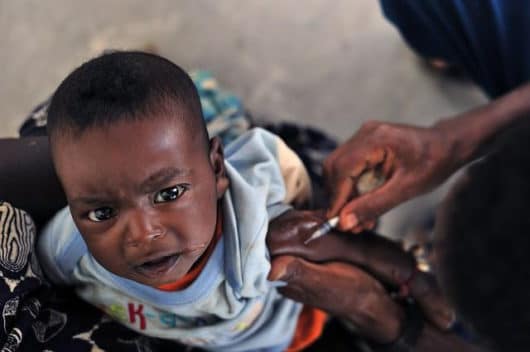
Ebola VaccineThe Democratic Republic of the Congo (DRC) is currently facing its worst outbreak of Ebola in the country’s northeastern regions, with over 2,000 declared cases, but in cooperation with the DRC’s government, the World Health Organization (WHO) has worked to provide Ebola vaccine for those who are at risk of contracting the virus.

First declared by the DRC’s government in June 2018, the Ebola outbreak has resulted in the death of over 1,000 people, and cases have also spread into neighboring Uganda. This outbreak is the second largest ever Ebola epidemic, after the outbreak that took place in West Africa from 2014-2016. There is worry that the virus could spread across the nation’s eastern borders or into major cities.

How the WHO is Combatting Ebola with Vaccines

The Ebola vaccine that the WHO uses is known as Merck’s V920, and was first employed in the early stages of an outbreak in the DRC’s Equateur province. The WHO was able to contain the virus and put an end to the epidemic in that province in under three months, although 33 people unfortunately still fell victim to the Ebola virus. When the DRC officially declared an outbreak, the Ebola vaccine, although still unlicensed, was employed on the grounds of compassionate use. The Ebola vaccine was highly effective, achieving a nearly 100 percent protection rate for more than 119,000 people living in the eastern provinces of Ituri and North Kivu.

The WHO is following a “ring vaccination” strategy, which proved successful in fighting the epidemic in Equateur. In this strategy, all those who are known contacts of people who contracted Ebola are offered the Ebola vaccine. Then, the WHO offers the vaccine to any contacts of those, as well as to anyone classified as at particularly high risk of contracting the virus, such as healthcare workers. By forming a ring of immunity around someone that is confirmed to have Ebola, they are able to reduce the chance that the virus will spread.

However, the ring vaccination strategy is quite time consuming, as it requires what is known as “contact tracing” in which every single person diagnosed with Ebola must disclose every single person that they might have been in contact with. By following this ring vaccination strategy, the WHO was able to vaccinate more than 119,000 people from August 2018 to May 2019. However, despite the vaccine’s high success rate, the number of cases continued to grow. Due to increased occurrences of violence in the country, it is more difficult for aid workers to build these vaccination rings around those who are at risk.

Modifying the Vaccination Strategy

On May 7, 2019, the WHO’s Strategic Board of Experts (SAGE) announced new recommendations that would significantly modify the vaccination strategy in order to strengthen their fight against the virus. These new recommendations focus on adjusting the dosage of the vaccine, offering an alternative vaccine for those that are at a lower risk of contracting Ebola, expanding the scope of people that are eligible for one and working to accelerate the vaccination process. In addition, SAGE recommends that the WHO provide a different vaccine to those in affected areas that are at a low risk. Johnson & Johnson have developed a MVA-BN vaccine that is currently being investigated and is at an advanced stage in moving towards deployment.

In order to expand the scope of people that can receive the vaccine, the WHO will begin to establish “pop up” vaccination sites in villages so that everyone in an area who consents to the vaccine can receive it (the WHO says that 90 percent of people consent to the Ebola vaccine). SAGE recommends that the WHO also work to vaccinate members of neighborhoods and villages where a case has been reported within the last three weeks. Vaccinating entire villages will ensure that the virus’s movement is limited, and will definitely make it much easier to contain.

Together with the DRC’s government, WHO has made great strides in fighting against the Ebola outbreak and working to contain the virus. In establishing the ring strategy that focuses on vaccinating individuals that may have been in contact with the virus, the WHO has been successfully able to build rings of immunity. The WHO has used the highly efficacious Merck’s V920 vaccine to vaccinate over 119,000 people and continues to research additional vaccines and strategies. The WHO continues to refine their approach so they can contain the Ebola epidemic as soon as possible and save as many lives as they can.

– Nicholas Bykov
Photo: Boston University
July 1, 2019
https://borgenproject.org/wp-content/uploads/borgen-project-logo.svg 0 0 Kim Thelwell https://borgenproject.org/wp-content/uploads/borgen-project-logo.svg Kim Thelwell2019-07-01 11:29:262024-05-29 23:00:45How the WHO is Fighting Disease in the DRC with Ebola Vaccine
Global Poverty, Life Expectancy

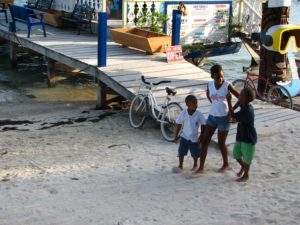
Top 10 Facts About Life Expectancy in Belize

Life Expectancy in Belize

Belize is a small country located in Central America, along the Caribbean Sea. It has the lowest population in Central America, populated by 385,854 people. It is an English speaking country comprised of people from several different ethnic backgrounds. Tourism makes up the greater part of the economy of Belize, as it contains beautiful islands with crystal-clear waters that attract people year-round. Belize is both a destination and a home for many. Despite the tourist-rich islands, poverty is widespread throughout the country and its effects remain prevalent in many lives. Below is a list of the top 10 facts about life expectancy in Belize.

Top 10 Facts About Life Expectancy in Belize

  1. As of 2018, the average life expectancy in Belize is 74.7 years. For females, the average is 76.3 years, while the males’ average is slightly lower at 73.1 years old. According to the Central Intelligence Agency, this life expectancy ranks 122nd globally. The life expectancy in Belize has improved over the past few decades, increasing from an average of 71.1 years in 1990.
  2. About 40 percent of the annual deaths in Belize is comprised of cardiovascular diseases, cancers, diabetes, and chronic respiratory disease. The second greatest mortality rates result from injuries and external causes at about 28 percent annually. An additional 20 percent results from communicable diseases, such as HIV, which continues to be a concern throughout Belize.
  3. The country’s high homicide rate specifically affects male life expectancy. According to the United Nations Office on Drugs and Crime, Belize is continually ranked on the top 10 list for world homicides. Gang violence is extremely present in Belize City, making homicide one of the leading causes of death in males, alongside HIV and road traffic incidents.
  4. Poverty is most prevalent within the child population of Belize. While 41 percent of the total population lives below the poverty line, approximately 49.3 percent of all children live in poverty. Children are less likely to overcome poverty since they cannot fully provide for themselves.
  5. There is a substantial impact on the indigenous population in Belize from poverty. Of all children under the age of five, 18 percent suffer from stunting; However, this percentage jumps to 50 percent when looking at the indigenous community.
  6. Belize has high access to clean resources. 99.5 percent of the population has access to a water source. One factor is the significant amount of the population that lives along the coast. Another 90.5 percent of the population has access to a sanitation facility. The high percentage of access to water and sanitation allows for better overall health in the country, aiding the life expectancy in Belize.
  7. Belize is susceptible to natural disasters such as hurricanes and coastal flooding between June and November. Due to flooding and infrastructure, the damage comes lack or difficulty to access clean resources, such as water. As a result, sanitary conditions are put in jeopardy. Furthermore, this gives way to the spread of waterborne illness or infectious disease, specifically in children, who are more vulnerable to sickness. Ultimately, being detrimental to life expectancy in Belize.
  8. The Belize Health Structure Strategic plan was created in 2014 to improve the country’s health sector by 2024. The goal is to develop a Primary Health care based system through integrated health service delivery networks. This will both positively impact the health of the population while creating more sustainable outcomes.
  9. The World Bank Group has created an objective to improve youth employability and at-risk youth inclusion. This is a targeted program to enhance the employment of youth, and specifically at-risk youth males, ages 8-19, who are susceptible to street violence and crime. It aims to provide young people with the skills needed to work and motivation to remain employed.
  10. The World Health Organization created a country cooperation strategy agenda with four specific priorities from 2017-2021. The goal is to achieve a higher quality of life for all people in Belize. The agenda includes health systems accessible to all, human resources for the growing population, promoting health and wellness to reduce the major causes of death, and addressing health emergencies to the public.

The top 10 facts about life expectancy in Belize reveal the country’s continual struggle with poverty and its impacts on health and well being; However, it simultaneously shines a light on the significant steps the country and government is taking. With a constantly increasing population, the next decade of growth and improvement is crucial for the country of Belize.

– Savannah Huls

Photo: Flickr

June 21, 2019
https://borgenproject.org/wp-content/uploads/borgen-project-logo.svg 0 0 Kim Thelwell https://borgenproject.org/wp-content/uploads/borgen-project-logo.svg Kim Thelwell2019-06-21 06:30:062024-05-29 22:59:58Top 10 Facts About Life Expectancy in Belize
Global Health, Global Poverty, Health, Malaria

Malaria and Poverty in Underdeveloped Countries

Malaria, the number one killer of children in underdeveloped countries
Malaria is a devastating disease that occurs mostly in tropical and subtropical environments in areas around the world. Malaria is the number one killer of children in underdeveloped countries and is often responsible for the child mortality rates of children under the age of five. Failure to eradicate this disease in these countries is a result of poverty, scarce resources and socio-economic instability. In regions like Africa, mainly south of the Sahara region, those are of the major causes of the continued spread of this devastating disease, creating a noticeable link between malaria and poverty in underdeveloped countries

Malaria in Underdeveloped Countries

Malaria is the number one killer of children in underdeveloped countries. Children who contract severe malaria frequently develop one or more of the following symptoms: severe anemia, respiratory malfunction and cerebral malaria. In areas where transmission is higher, children under the age of five are more susceptible to infection and death, with more than 70% of all malaria deaths falling into this group. Even though the number of malaria deaths within this age group had decreased by 155,00 in 2016, malaria remains the major cause of death for children under five years of age, ending a life every two minutes.

Malaria occurs when climate and other conditions suddenly favor transmission to areas where people have no immunity to malaria. They can also occur when people with low or no immunity move into areas of intense malaria transmission, for example, refugees and those looking for work. Human immunity plays a very important factor, especially in areas of moderate and intense transmission conditions. Partial immunity can be developed through the years, and while it never provides complete protection, can reduce the risk of infection. However, children under the age of five have not had the chance to build any kind of immunity because they have not been exposed to the disease.

The High Cost of Malaria

Malaria is directly related to poverty and economic inequality in underdeveloped countries due to the exponential costs that these countries must face by both individuals and governments. Costs include the purchase of necessary medication, treatment, maintenance, supply and staffing of trained personnel in health facilities, lost days of work with resulting loss of income, burial expenses and the overall loss of economic opportunities ventures through tourism during an outbreak.

Direct costs for illness, treatment and premature death are estimated to be at least $12 billion per year. Total funding for malaria control and elimination was only $2.7 billion in 2016, but this amount is not enough to eradicate the program to its completion. In order to hit the 2030 target from the WHO, an investment of $6,5 billion will be required annually by 2020. Which may be a problem because, on average since 2014, investments in malaria treatment and control have actually been declining in many highly affected countries.

Investing in the Eradication of Malaria

The level of progress in a specific country depends on the strength of that country’s national health system, the level of investment of the disease control and a number of factors including biological determinants, like the environment and the social, demographic, political and economic factors in a particular country.

Some of the challenges in trying to eradicate malaria include the lack of sustainable and predictable international and domestic funding, risks posed by countries in endemic areas, anomalous climate patterns, the emergence of parasite resistance to anti-malaria medicines and mosquito resistance to insecticides and other substances used for eradication and control purposes. In the 41 high-burden countries, malaria funding often remains below $2 per person.

All of these factors contribute to the reversal in recent progress of the eradication and continued treatment of the disease. Many high burden but low-income countries have reported reducing the funding per capita for the population at risk of malaria. For example, the complex situation of Nigeria, South Sudan, Venezuela and Yemen have all resulted in the interruption of services and increasing instances of malaria.

The Sucess of the Global Fund

The Global Fund response to malaria has been very successful, but it presents many future challenges in the battle of eradicating this disease. Between 2002 and 2017, the Global Fund has provided more than half of all international financing for malaria, investing $10.5 billion in programs aimed at controlling the disease in more than 100 countries. The approach targets several areas, such as education about symptoms, prevention and treatment; prevention methods like mosquito nets,  insecticides and preventive treatment for children and pregnant women and diagnosis.

The Global Fund works with at-risk communities by providing training and treatment to stop the disease. They provide information about what malaria is, how it is transmitted, what treatments are available and, most importantly, what action to take if malaria is detected. In Ghana, for example, village elders educate their community “not to let the sun set twice” on a child with a fever.

Malaria is a devastating disease that affects everyone but presents a higher risk in children under the age of five especially in areas like the sub-Saharan region in Africa. There is a noticeable link between Malaria and poverty in underdeveloped countries. The efforts to eradicate this disease have been enormous, but the lack of funding, the disease’s immunity to drugs and insecticides, the socio and economic instability of the governments of some of these countries and the lack of training and information about the disease present major challenges to the successful eradication of the disease. Investing must continue. Hopefully, the work of organizations such as the Global Fund will ensure a future without Malaria.

– Mayra Vega
Photo: Flickr
February 22, 2019
https://borgenproject.org/wp-content/uploads/borgen-project-logo.svg 0 0 Kim Thelwell https://borgenproject.org/wp-content/uploads/borgen-project-logo.svg Kim Thelwell2019-02-22 01:30:402024-05-29 22:57:52Malaria and Poverty in Underdeveloped Countries
Global Poverty

Ebola Epidemic in the Democratic Republic of the Congo

Ebola Epidemic in the Democratic Republic of the Congo
On May 8, 2018, The Ministry of Health in the Democratic Republic of the Congo (DRC) declared an outbreak of the virus disease Ebola in the North Kivu Province. The Democratic Republic of the Congo declared the epidemic over on July 24, 2018. This represented the ninth Ebola epidemic in this African country since 1976.

The Development of Ebola Epidemic in the Democratic Republic of the Congo

The disease had been slowly building to the epidemic, even catastrophic levels. According to The World Health Organization (WHO), the country had seen and been aware of the virus in the area since the April 4. The organization reports that, in April, a total of 44 people had been infected with the Ebola virus, which included 23 deaths.

However, in May, this number was disputed, as only 3 new cases were confirmed. The World Health Organization later narrowed the origins of this particular epidemic and found that it began in the northwestern area of Bikoro, which was the place where first cases were recorded on May 8. From this, The World Health Organization identified nearly 400 contacts of Ebola victims that are currently and continuously being followed up.

The History of Ebola Outbreaks in DRC

This isn’t the first Ebola outbreak the country has seen, however. Though Ebola outbreaks are uncommon, the Democratic Republic of Congo has experienced multiple flare-ups of the virus- nine since 1976. One such flare-up happened in not so distant past, in 2017 to be exact, with five confirmed cases that were quickly dealt with. The fast response and eradication convinced many, including the World Health Organization and health officials that the 2018 Ebola epidemic in the country will be easily dealt with. Yet, this prediction proved to be optimistic and naive since, within a month of declaring the outbreak of an epidemic, two health officials were among those affected.

The Declaration of Epidemic

The World Health Organization was very quick to declare this year’s Ebola epidemic in the Democratic Republic of Congo as a global emergency to public health. Unlike the Ebola epidemic that ravaged Western Africa in 2014, The World Health Organization declared a state of emergency in the Democratic Republic of Congo swiftly after seeing the number of cases increase.

Moreover, the organization made an immediate urgent request for $57 million to stop the spread of Ebola. In total, the money received amounted to $63 million, exceeding the appeal by $6 million. Among those who contributed to the funding towards ending this Ebola epidemic in the DRC was USAID who contributed with $5.3 million.

On July 24, 2018, Al Jazeera reported that the Ebola epidemic in the Democratic Republic of Congo has been declared over. The virus had lasted a total of 10 weeks and had taken a total of 33 lives. Fortunately, the disease had remained contained, as Bikoro, the epicenter of the epidemic is a remote area of the country.

Although the people that were infected as a result of last Ebola virus in the Democratic Republic of Congo have completed their treatment, and have thus been declared cured, the health ministry of the Democratic Republic of Congo, as well as The World Health Organization are monitoring the situation in the country closely to ensure the virus does not spread.

– Isabella Agostini
Photo: Flickr

November 24, 2018
https://borgenproject.org/wp-content/uploads/borgen-project-logo.svg 0 0 Borgen Project https://borgenproject.org/wp-content/uploads/borgen-project-logo.svg Borgen Project2018-11-24 01:30:552019-12-16 08:09:47Ebola Epidemic in the Democratic Republic of the Congo
Global Poverty, Health, Malaria

Life Expectancy On the Rise in Africa

Life Expectancy in AfricaLife expectancy is one of the methods used to measure health in various countries. Countries with low life expectancies usually have problems maintaining health and longevity, while countries with higher life expectancies generally have better healthcare and longevity. Africa is a continent that has long had a very low life expectancy; however, in recent years the life expectancy in Africa has fortunately been on the rise.

Since 2000, the average life expectancy in African countries has increased from 20 percent to 42 percent. That is the biggest increase in life expectancy recorded in that time frame in all regions around the world. One of the biggest life expectancy increases has occurred in Malawi. Malawi’s life expectancy in 2000 was 44.1 years. In 2014, it was reported that the new life expectancy in Malawi was 62.7 years – a 42.2 percent increase.

Health and welfare improvements are one of the main reasons why life expectancy in Africa has been on the rise. One of the biggest health issues that Africa has been plagued with is the HIV/AIDS epidemic. HIV/AIDS has tragically claimed many lives in Africa, which is a large reason why life expectancy was so low. Treating these diseases was difficult at the height of the epidemic, so many Africans unfortunately died. Because HIV/AIDS has been such a huge issue, there has been a lot of research done to help alleviate the problem. Improvements in medication and treatment have helped Africans and others around the world combat the AIDS epidemic. Not only is there now medicine available to help suppress the disease, but this medicine has become much more affordable for all people, including those in developing countries.

Although an epidemic, HIV/AIDS was not the only problem that African countries suffered from. Malaria was also an issue that affected life expectancy in Africa. However, strides have since been made to alleviate that issue as well. The World Health Organization (WHO) in Africa has reported that the rate of malaria has decreased by 66 percent since the year 2000. More importantly, malaria in African children under the age of five has decreased by 71 percent. This is important because more children are surviving in Africa. Prior to these improvements, HIV/AIDS and malaria have claimed many lives of children under the age of five. Since healthcare – and access to it – has increased in Africa, more children are surviving past age five. Once these kids clear the first five years of their lives, it is much more likely that they will grow up to reach the age of 60.

Life expectancy in Africa has increased and things are only looking to get better. Not only has the life expectancy dramatically increased, it is beginning to look like malaria may be eliminated by 2020 and HIV/AIDS by 2030. This will surely serve to further increase the life expectancy of African countries, as well as elsewhere around the world.

– Daniel Borjas

Photo: Flickr

November 10, 2017
https://borgenproject.org/wp-content/uploads/borgen-project-logo.svg 0 0 Kim Thelwell https://borgenproject.org/wp-content/uploads/borgen-project-logo.svg Kim Thelwell2017-11-10 01:30:252024-05-29 22:29:12Life Expectancy On the Rise in Africa
Page 17 of 17«‹151617

Get Smarter

  • Global Poverty 101
  • Global Poverty… The Good News
  • Global Poverty & U.S. Jobs
  • Global Poverty and National Security
  • Innovative Solutions to Poverty
  • Global Poverty & Aid FAQ’s
Search Search

Take Action

  • Call Congress
  • Email Congress
  • Donate
  • 30 Ways to Help
  • Volunteer Ops
  • Internships
  • Courses & Certificates
  • The Podcast
Borgen Project

“The Borgen Project is an incredible nonprofit organization that is addressing poverty and hunger and working towards ending them.”

-The Huffington Post

Inside The Borgen Project

  • Contact
  • About
  • Financials
  • President
  • Board of Directors
  • Board of Advisors

International Links

  • UK Email Parliament
  • UK Donate
  • Canada Email Parliament

Get Smarter

  • Global Poverty 101
  • Global Poverty… The Good News
  • Global Poverty & U.S. Jobs
  • Global Poverty and National Security
  • Innovative Solutions to Poverty
  • Global Poverty & Aid FAQ’s

Ways to Help

  • Call Congress
  • Email Congress
  • Donate
  • 30 Ways to Help
  • Volunteer Ops
  • Internships
  • Courses & Certificates
  • The Podcast
Scroll to top Scroll to top Scroll to top