Relying heavily on irrigation from the ancient Tigris and Euphrates rivers, creating sustainable agriculture in Iraq entails overcoming numerous environmental, economic and political dilemmas.
Home to 37 million people, Iraq has experienced worsening agricultural results in the past 20 years, with a GDP contribution of only six percent from the agriculture industry since 1993. Some of the most influential problems that prevent the development of sustainable agriculture in Iraq include the lack of technologies and educated farming practices, lack of economic power, lack of access to clean water and even civil unrest among cities full of refugees.
According to Nations Encyclopedia, about one-third of Iraqis in the labor force are in the agriculture industry, despite having such a low GDP contribution. A few of the main crops in Iraq include wheat, barley and dates, some of which are staple, or exported crops.
In 1989, the Iraqi government privatized the agriculture industry in an unsuccessful attempt to boost the industry. Still faced with problems today, the privatized farms struggle to produce enough crops to support the urban populations. In response to this food shortage, Iraq began importing food through the United Nation’s Food-for-Oil program, starting in 1995 and lasting until 2003, through which Iraq traded oil reserves for imported foods.
This program led to an increase in competition for local farmers, increasing the difficulty for Iraqi farmers to sell their crops. However, there are aid programs that strive to provide sufficient nutrition to overcrowded, urban areas. The World Food Program (WFP) provides rations to more than 230,000 Iraqis struggling to obtain food. Rations include basic ingredients such as wheat, flour, rice, beans and more.
Additionally, according to Food and Agriculture Organization of the United Nations (FAO), the European Union donated more than €80 million in agricultural advancement. USAID has invested about $6.6 billion toward improving a wide variety of issues in Iraq, some of which include the improvement of marshlands by reflooding original marshlands, the financing of small, local farms and the improvement of irrigation techniques. The World Bank has also provided more than $990 million since 2003 in grants and soft, low-interest loans for farmers to improve their water supply, irrigation and drainage resolutions.
One of the biggest problems that these programs address is Iraq’s water irrigation systems and cleanliness. Iraqi farmers normally irrigate their crops by flooding their fields; however, this is a short-term solution which causes even more problems in the future, including erosion. The constant flooding of fields leads to water-fueled erosion, which disrupts irrigation canals and tunnels that have gone without maintenance due to a lack of funding and resources from the Iraqi government.
Another dilemma in creating sustainable agriculture in Iraq is the salinity of water used to irrigate crops. According to FAO, about 70 percent of arable land in Iraq is threatened by salinity. Salinity reduces the soil’s health and fertility, directly impacting farmers’ abilities to produce a high yield of crops.
Another short-term solution that Iraqi farmers have found is overgrazing. Overgrazing allows farmers to produce more livestock to meet the high demands of urban populations. However, overgrazing without improving the quality of pastures has led to nutrient-deprived soils, drastically affecting sustainable agriculture in Iraq and advancing soil erosion.
Lastly, the recent political unrest and violence in Iraq has created a massive population of war refugees, as well as directly impacted the ability to grow crops. More than 700,000 people are living in refugee camps, and as of 2017, more than 800,000 Iraqis still require a food assistance program to survive. Such a high number of refugees is what initiated the nation’s increase of imports, therefore causing increased competition with Iraq’s farmers. Violence and conflict can also result in physical damage to arable land as well as to irrigation systems, causing more strain on farmers.
Creating sustainable agriculture in Iraq is a continuous struggle with issues that cannot be fixed through a simple method. The ongoing violence ensures economic hardship for farmers, and with few technologies accessible, alternative, long-term solutions are farmers’ only option to create a sustainable agriculture industry.
– Austin Stoltzfus
Photo: Flickr
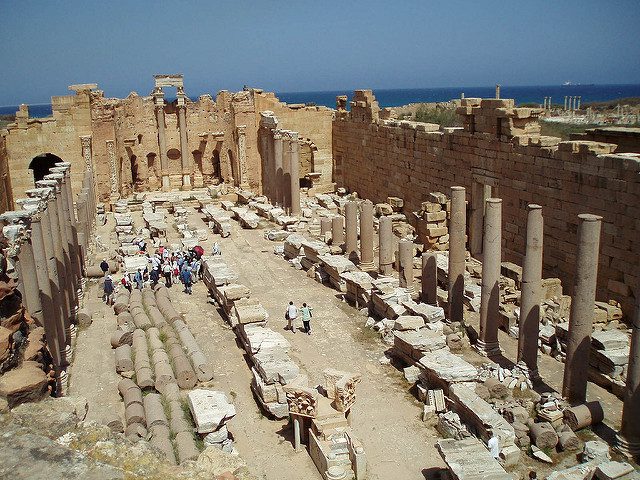 When the 2011 Arab Spring swept through the Middle East, it left behind a number of ongoing conflicts that still continue to rage. One of the most serious of these conflicts is the Libyan civil war, which began with the ousting and subsequent death of longtime ruler Muammar Gaddafi. The conflict has been a long and complicated one, with many different factions taking their turn in the spotlight. Below are 10 facts about the Libyan crisis:
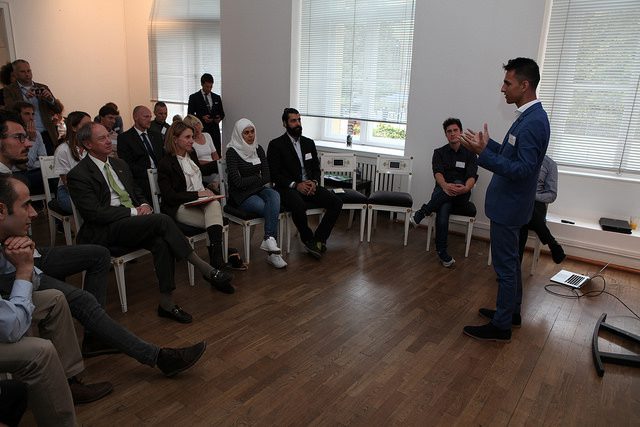 In 2016, the United Nations Office of the High Commissioner for Refugees (UNHCR) published its annual Global Report on the state of the world’s refugee crisis. Among other things, the report highlights a 6 percent rise in what it terms ‘populations of concern’ over the past year alone. That is a total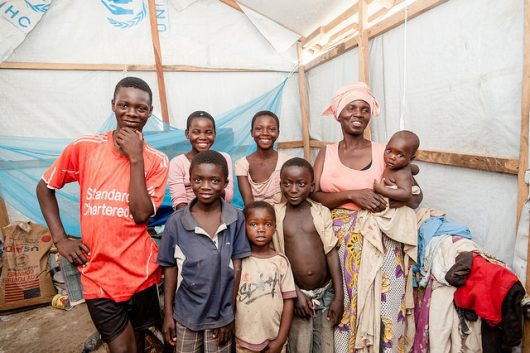
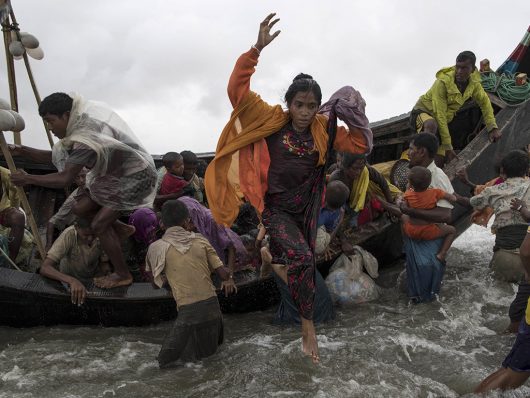 The Rohingya are the most persecuted people in the world. The population has lived in Myanmar for centuries, but the government continues to view the people as illegal immigrants. Across the border, Bangladesh believes the group is Burmese. Thus, the population is stateless.
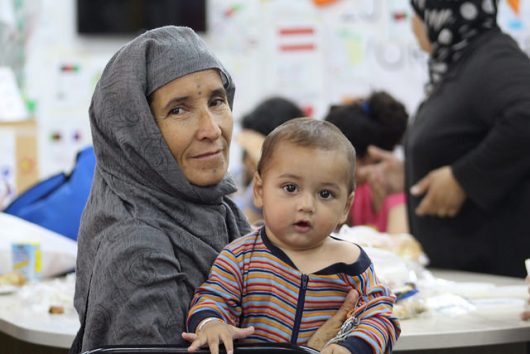 Oman is a coastal nation that sits on the Arabian Peninsula, south of Saudi Arabia and east of
 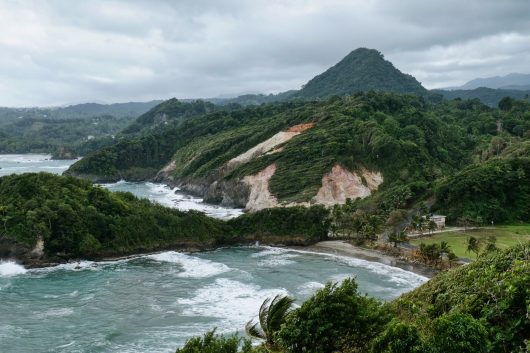 Nations such as the Commonwealth of Dominica, and in the Caribbean in general, have become increasingly popular for those seeking asylum throughout the world, demanding an understanding of refugees throughout Caribbean nations. Here on ten facts about Dominican refugees.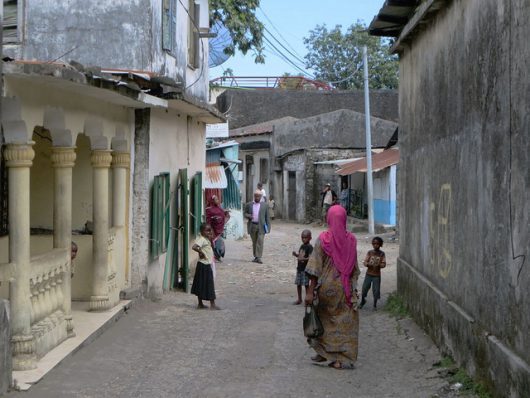
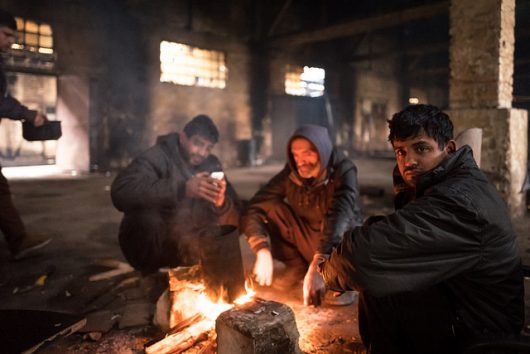 While it is apparent there has been an increase in refugee traffic over the last few decades, the history of refugees extends much farther back in time. There are some important messages contained within these mass movements that can help explain why refugees are displaced to begin with, what human rights refugees have, why it has been challenging to integrate refugees into society once displaced and the major social advantages in doing so. Furthermore, the history of refugee movements is not localized to any single region, but rather it is