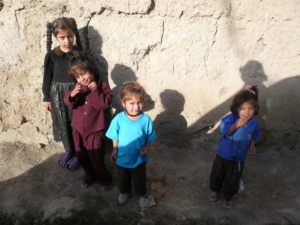
 About half of the population in Afghanistan faces food insecurity. With food and fertilizer costs on the rise, organizations such as The World Food Programme (WFP) and the World Bank are dedicating themselves to sending remittances to Afghanistan by boosting crop production for local farmers with a budget of over $200 million.
The Situation
According to a recent Integrated Food Security Phase Classification (IPC) study, around 19.7 million people, about half of the population in Afghanistan are food insecure. This means that they are unable to provide food for themselves on a day-to-day basis. These people are suffering mainly due to food prices reaching new highs and an increase in the cost of producing agricultural materials, especially fertilizer.
The IPC dates back to January and February 2022. In actuality, “the report predicts that the outlook of June-November 2022 sees a slight improvement in the food security situation, with a reduction in the number of people facing acute food security to 18.9 million.”
To combat this, The Afghanistan Emergency Food Security Project plans to boost the production of crops in order to benefit local farmers in Afghanistan. With help from the Food and Agricultural Organization, (FAO) and The World Bank, a $195 million emergency project has emerged, according to U.N. News.
This project plans to ensure “critical life-saving and livelihood assistance to smallholder farmers.” This reduction is largely thanks to the upcoming wheat harvest that will take place from May to August.
Planned Project
There is hope regarding the current remittance to Afghanistan. According to Mary-Ellen McGroarty, the country Director Representative in Afghanistan of the WFP, the largest food operation was established in August 2021 and assisted over 16 million people. “We are working with farmers, millers and bakeries, training women and creating jobs to support the local economy…Allowing the economy to function normally is the surest way out of the crisis, otherwise suffering will grow where crops can not,” she said to WFP.
According to U.N. News, “It is a historic moment for poor farmers in Afghanistan, and it represents an important milestone in our collective efforts to deliver results at scale… and make real transformative differences in the lives of vulnerable people,” said QU Dongyu, the director of FAO. FAO’s funding for remittance to Afghanistan is supporting about 2 million people during the November and March-November 2023 cultivation seasons.
Also, FAO plans on supporting the needs of children, people with illness and women-led households. The goal is to provide seeds and other necessary tools for gardening and the kitchen combined with training on improving nutrition and nutrition habits. “Secondly, the project will increase access to water for irrigation, while improving soil and water conservation,” U.N. News reports.
WFP has helped more than 16 million people since 2021 by providing remittances to Afghanistan. The organization has granted food to locations across the north of the country in an effort to help the communities there that are cut off during harsh snow storms.
Future Outlook
Both McGroarty and WFP are proud of the achievements that have been made thus far but admitted that the need for assistance amounts to $220 million in order to adequately assist the people of Afghanistan. According to the latest surveys performed by WFP, “an estimated 98% of Afghans are not consuming enough food- a worrisome 17% rise since August 2021.”
Due to increasing the costs of food and fertilizer, half of Afghanistan’s population faces food insecurity. Organizations such as the World Bank and the WFP are dedicating themselves to the people of Afghanistan with a $200 million budget to increase the production of crops and ensure the continuing function of the country’s economy.
– Henry Hyman
Photo: Flickr
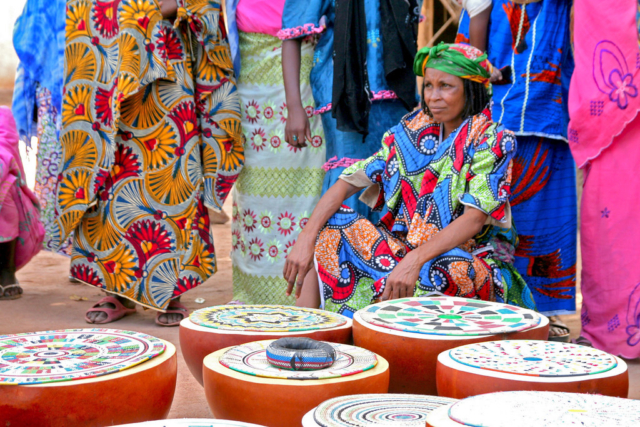 MADE51 is a global initiative created by the U.N. Refugee Agency (UNHCR) and the World Free Trade Organization to
 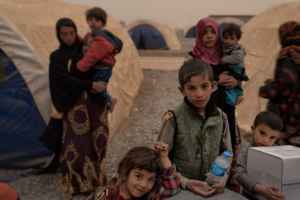 The World Bank predicts that by 2030,
 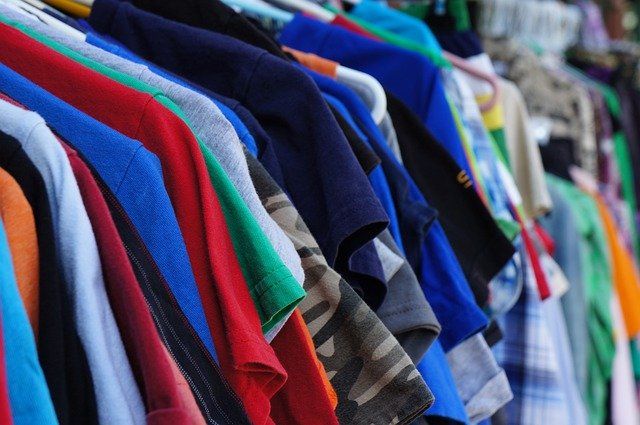 “My favorite part of Helping Hand packing days is seeing everyone work together. The entire group helps each other with deciding which category an item should go into and where to find that category’s box.” In an interview with The Borgen Project, Bisma Ahmed talked about her experience participating in the packing events organized by Helping Hand for Relief and Development (HHRD). “It makes me feel great knowing that children in need across the world will be wearing the very clothes I am packing.”
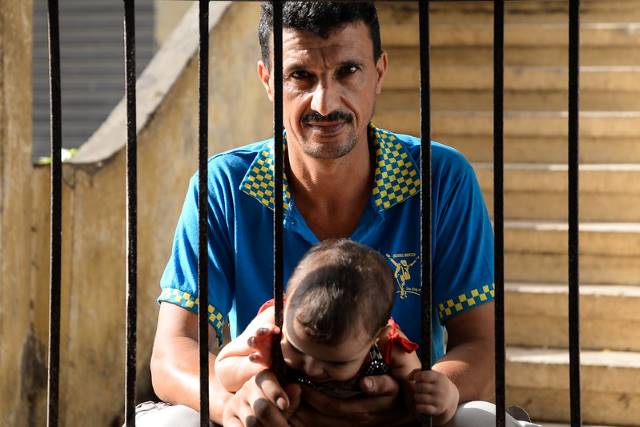 Fact or fiction, books are a great way to create empathy and understanding of the real-life experiences of other people. An experience that is not uncommon yet unique to each individual who has lived it, is the global refugee struggle. There are many books that tell the stories of refugees and contemporary fiction books are only one example of a genre that can raise awareness through storytelling. Raising awareness about the struggles of refugees through books and literature helps encourage more humanitarian efforts directed at helping refugees.
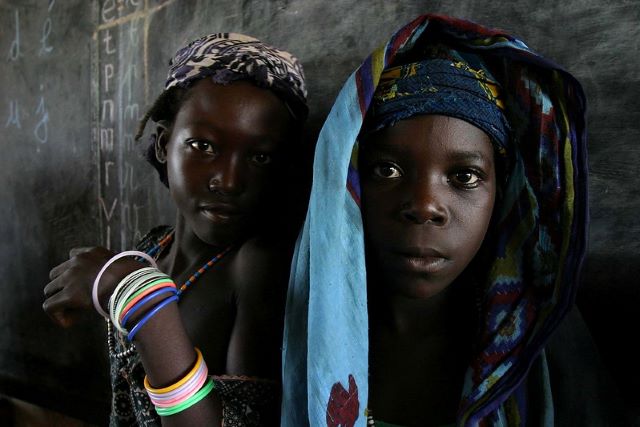 One year after repatriation efforts began, refugees from the Central African Republic are returning home. Although repatriation operations began in November 2019, the return of refugees from the Central African Republic was delayed by the COVID-19 pandemic. Enhanced health and safety precautions made their return possible. The United Nations Refugee Agency, a U.N. agency responsible for protecting refugees, organized the implementation of health and safety precautions. Measures included the use of masks and temperature screening. Handwashing stations were also installed to prevent the spread of disease.
 Sesame Street is
  In 2019, the U.N. Refugee Agency reported that there were about
 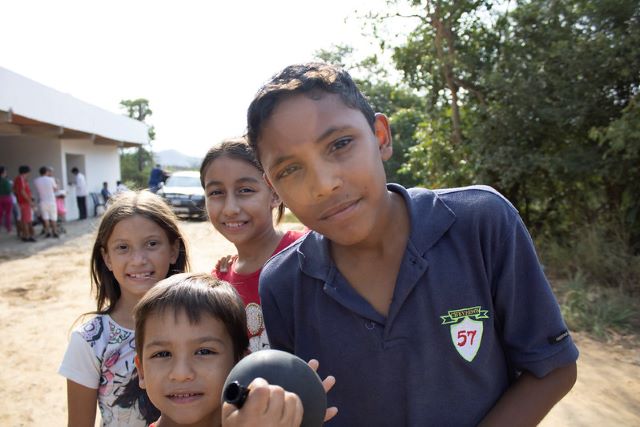 A combination of poor leadership and crippling sanctions have created a nation-wide economic crisis in Venezuela. The Center for Strategic and International Studies found that even before U.S. sanctions were placed on Venezuela, the country was already enduring hyperinflation, had seen
 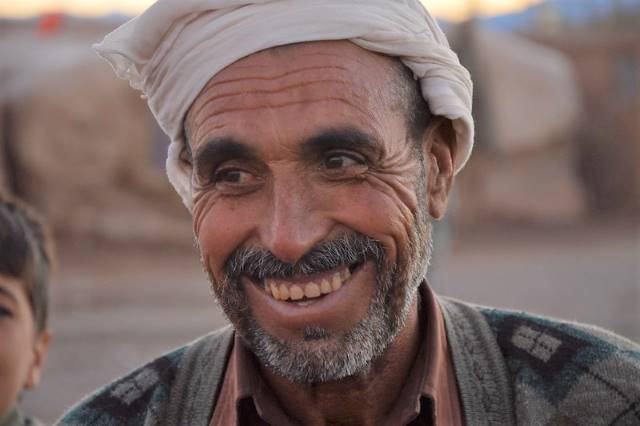 At the end of 2019, there were