Poverty in Oman: Past, Present, and Future
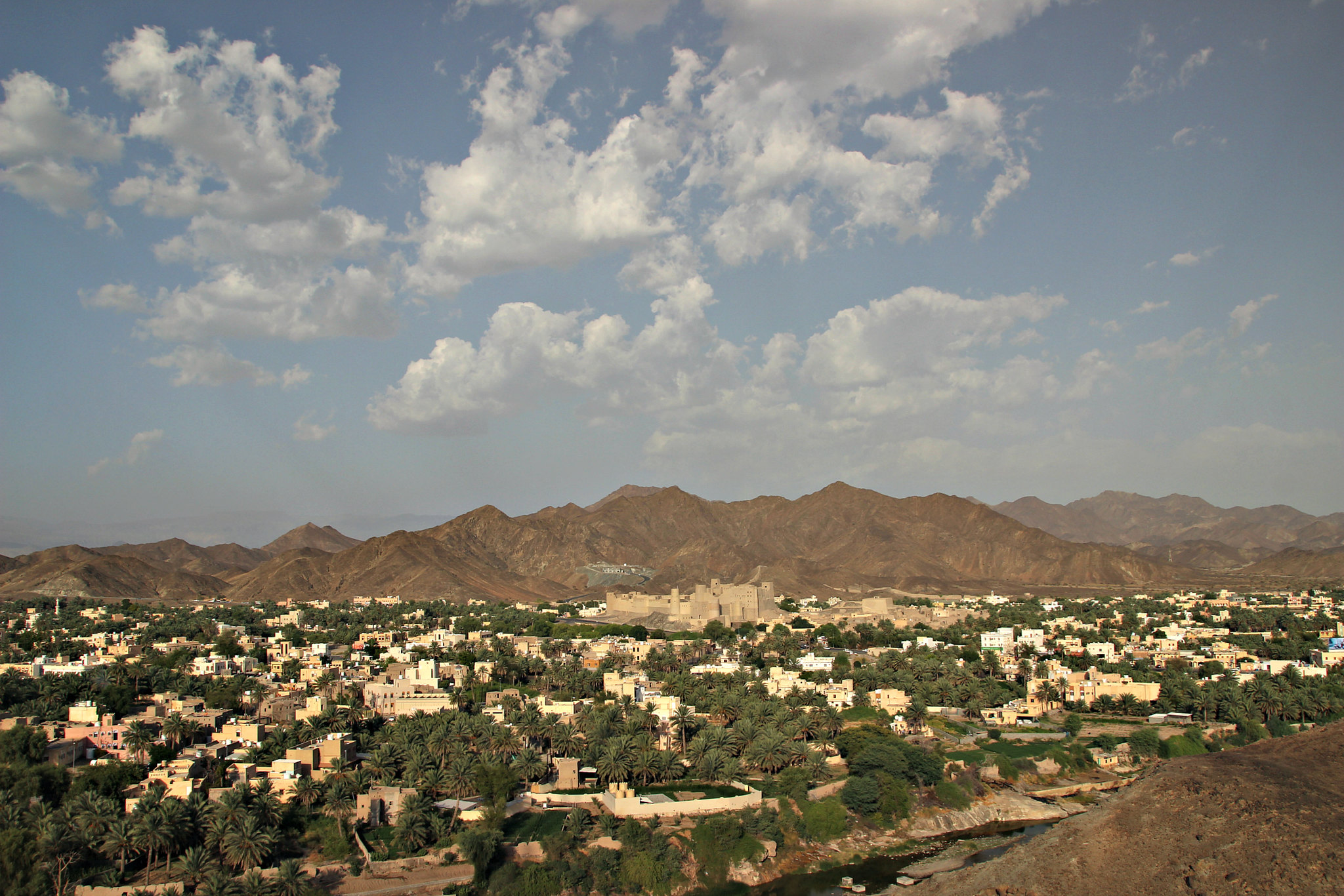
Oman is a country in the Arabian Peninsula bordering Saudi Arabia, Yemen and the United Arab Emirates, which places it in the southeastern coast of the region. The coastal regions of the country benefit from fertile soil and a beautiful landscape with impressive mountains. Despite the country’s strong agriculture and its oil, it has recently faced an economic downturn following its big investments in social welfare, causing oil prices to drop and the budget to decrease.
Economic Crisis
The aforementioned economic downturn of the country was due to a protest during the Arab Spring in 2011. The citizens demanded more employment opportunities, economic benefits, and a crackdown on the government’s corruption, which is an absolute monarchy led by the Sultan of Oman. While the government did respond to the protest by providing social welfare benefits, the result was an unmanageable budget that contributed to the poverty in Oman. The biggest concern on the economy of Oman is related to the shifting prices of oil, as the country is highly dependent on oil to generate revenue. In fact, oil can account for somewhere between 68% and 85% of the country’s entire revenue generated in a year. This is why Oman suffered a budget deficit of $13.8 billion in the year 2016, the same year global oil prices dropped.
Wages and Migrant Inequity
While the statistics don’t indicate a high rate of the country’s nationals being under the poverty line, poverty in Oman primarily affects migrant workers. Omani nationals benefit from a minimum wage at $592 a month in addition to a $263 allowance. Migrant workers in Oman do not have access to these benefits and are compensated with low wages.
Many countries in the Middle East, including Oman, employ female migrants to work in households. They are tasked with taking care of the children, cooking, and doing daily chores. Oman has at least 130,000 of these female migrant workers, and they face poor working conditions. This includes lower wages than initially promised, excessively long working hours and, according to interviews with about 59 of the workers, there are even cases of physical and sexual abuse from employers.
A Plan Forward
The state is at risk of major deficits in its budget in a case where oil prices drop, as was the case in the year 2016. To solve this, the sultan has been seeking alternative ways for generating revenue in order to reduce the risk of another economic downturn. The country has already made progress by making a development plan in 2016 to decrease its oil dependency. The plan seeks to open doors in industrialization and privatization, diversifying its sources of revenue.
According to the CIA, “The key components of the government’s diversification strategy are tourism, shipping and logistics, mining, manufacturing, and aquaculture.” Despite Omani nationals struggling to find employment opportunities due to migrant workers’ lower wages in earlier years, the country has seen an increasing number of citizens entering the job market recently. To highlight some of the progress Oman has made in previous years, its tourism industry has been opening up and contributing to the country’s GDP. 32 new hotels opened in 2018 to add over 3000 rooms to accommodate tourists, which put the country at an expected tourism growth rate of about 13% between 2018 and 2019.
COVID-19 Influence
Reports in recent months have shown a spike in Covid-19 cases among migrant workers in the Arabian Gulf countries, including Oman. Living conditions for these workers tend to be cramped and they lack access to necessary equipment and care for protection against the virus. Back in April, 16 NGOs sent letters to the gulf countries with recommendations to protect migrant workers amidst the pandemic. These recommendations include providing equal testing, medical access and continued wages for workers no longer able to work in these conditions.
While Oman has yet to respond to the letters, there has been a decline in Covid-19 daily cases over the past week. It peaked at an estimated 2164 new cases on July 13th but has been declining. In comparison, on July 15th, there were an estimated 1157 new cases.
Despite facing an economic downturn in 2016, the country has made strategic progress by diversifying its sources of revenue and decreasing its dependency on oil. These changes can greatly alleviate poverty in Oman.
– Fahad Saad
Photo: Flickr
