• Link to X
  • Link to Facebook
  • Link to Instagram
  • Link to TikTok
  • Link to Youtube
  • About
    • About Us
      • President
      • Board of Directors
      • Board of Advisors
      • Financials
      • Our Methodology
      • Success Tracker
      • Contact
  • Act Now
    • 30 Ways to Help
      • Email Congress
      • Call Congress
      • Volunteer
      • Courses & Certificates
      • Be a Donor
    • Internships
      • In-Office Internships
      • Remote Internships
    • Legislation
      • Politics 101
  • The Blog
  • The Podcast
  • Magazine
  • Donate
  • Click to open the search input field Click to open the search input field Search
  • Menu Menu

Tag Archive for: Poverty In Pakistan

Posts

Global Poverty, Health

Pakistan’s Lady Health Worker Program & Poverty Reduction

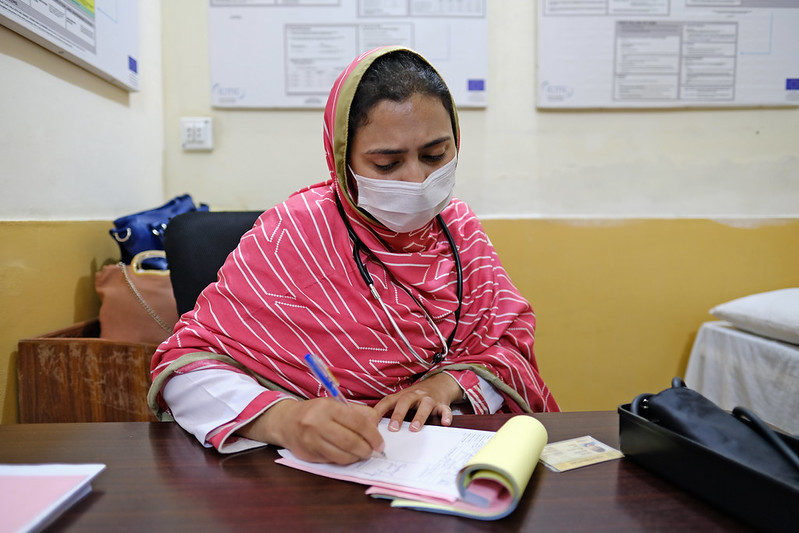
Lady Health Worker ProgramFor a low-income family living on the edge of poverty in rural Pakistan, even a minor illness can become a life-altering crisis. One medical emergency can push them deeper into systemic poverty, force children out of school and trap the family in debt they may never escape. A large majority of the Pakistani rural population falls under this socioeconomic category, where they remain “clustered just above the poverty line.”

Lacking access to quality health care, education and secure land or housing, they struggle to establish themselves within the middle class and remain constantly at risk of slipping back into poverty. At the same time, rising public debt and fiscal constraints have limited government investment in infrastructure, resulting in uneven service delivery and reduced access to essential health and education services. According to the World Bank, these domestic challenges disproportionately affect women and girls.

For example, if the journey to a school is more than five kilometres, the likelihood of girls being out of school is 76% higher than for boys.

Gendered Impacts of Poverty and Weak Health Systems in Pakistan

Furthermore, in low- and middle-income countries (LMICs) like Pakistan, particularly in rural areas, the provision of appropriate antenatal care is constrained by limited health infrastructure and a shortage of skilled medical professionals. To provide vital services to children who are most difficult to reach, community health systems are crucial. Failing social structures expose the “gendered face of poverty,” where deprivation is not only economic but also social and deeply politicized.

Women are the most excluded from public services, yet they bear the greatest burden of inadequate care. Gender-disaggregated data show that although about 45% of Pakistan’s population lives below the poverty line, more than 75% of those in poverty are women and girls. This inequality is further reflected in the World Economic Forum’s Gender Gap Index, where Pakistan ranks last out of 148 countries, underscoring persistent disparities in economic opportunity, political representation, health and education.

As a result, the country forfeits significant productive potential, as women’s labor force participation remains among the lowest in South Asia at just 21% in 2019. In Pakistan, women remain disproportionately poor due to deeply entrenched patriarchal practices, discriminatory laws and restrictive social norms.

Pakistan’s Lady Health Worker Program

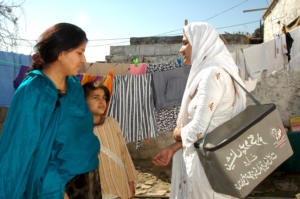
As part of its national public health strategy, Pakistan’s Lady Health Worker (LHWs) program was launched in the mid-1990s to support families with limited access to formal health care. The initiative trains local women to deliver basic health services within their communities, particularly in low-income and rural areas where clinics and hospitals are scarce. LHWs provide prenatal and postnatal care, childhood immunizations, family planning guidance and basic health education.

Because they live and work in the communities they serve, they are often the first point of contact for families with health concerns. This accessibility allows health issues to be identified and addressed early, reducing the risk of complications that would otherwise require costly emergency care. Pakistan’s maternal mortality ratio has improved significantly, falling from 432 deaths per 100,000 live births in 1985 to 155 in 2023, highlighting the importance of expanded maternal health services.

Earlier high mortality rates were largely driven by high fertility levels and limited access to health care, with only 15% of women reporting at least one antenatal care visit during their most recent pregnancy. Social and cultural constraints, such as women’s restricted mobility outside the home without an escort, further limit access to health treatment in Pakistan.

Pathways Out of Poverty

For the LHWs themselves, the position represents a significant opportunity and a pathway out of poverty. The paid role advances their education through training and practical work experience, enhancing social mobility and helping to break down class and gender barriers. After three months of classroom training, LHWs undergo a year of on-the-job training.

Although training patterns vary across provinces, this typically includes 15 days of refresher training annually, plus one week of training each month over 12 months. Because they are required to build relationships across caste and class boundaries, some LHWs have gone on to become leaders within their communities. The project also aligns with Pakistan’s broader socioeconomic transformation, including rapid urbanization, increased media exposure, growing acceptance of female education and a rising desire among women to work, particularly after gaining access to schooling.

The program is state-backed, giving participants the status of holding a “government job.” As provincial funding has increased to offset earlier federal shortfalls, the programs in Khyber Pakhtunkhwa, Punjab and Sindh are now adequately resourced, following a period of severe financial constraints across regions.

Contribution to Poverty Reduction

The LHW program contributes to poverty reduction by addressing one of the most common causes of financial instability in low-income households: preventable illness. In rural areas, many families depend on daily wages, meaning even a short illness can result in lost income. When health care is delayed or unavailable, minor health issues can quickly escalate into crises that require costly treatment or long trips to distant hospitals.

LHWs help families avoid these financial shocks by delivering preventive care at the household level. Early treatment of common illnesses, childhood immunizations and prenatal checkups all reduce the likelihood of expensive medical interventions. The program’s core objective is to provide basic preventive, promotive and curative health services within communities, particularly for women and children living in marginalized rural areas and urban slums.

Through this model, approximately 90,000 LHWs deliver primary health care to an estimated 115 million people who would otherwise have limited or no access to health services. National Vision Action Planning documents highlight the critical role of LHWs in improving the quality and accessibility of Reproductive, Maternal, Newborn, Child and Adolescent Health and Nutrition (RMNCH) services. Their work strengthens community-based care, ensures continuity of treatment in rural districts and urban slums and helps remove financial barriers that prevent families from seeking timely care.

Final Remarks

Pakistan’s Lady Health Worker program demonstrates how poverty reduction in Pakistan is closely linked to access to basic, preventive health care. By delivering essential services directly to underserved communities, the initiative helps families avoid medical expenses and income losses that often deepen poverty. Its emphasis on early intervention shows that health care can function not only as a social service but also as an economic safety net for low-income households.

Community-based health care offers a practical, affordable and sustainable response to Pakistan’s widespread poverty. Long-term funding for initiatives like these may improve public health, promote home and help end intergenerational cycles of poverty, demonstrating that significant development often starts at the community level.

– Prubleen Bhogal

Prubleen is based in London, UK and focuses on Good News and Politics for The Borgen Project.

Photo: Pixnio

February 3, 2026
https://borgenproject.org/wp-content/uploads/borgen-project-logo.svg 0 0 Hemant Gupta https://borgenproject.org/wp-content/uploads/borgen-project-logo.svg Hemant Gupta2026-02-03 07:30:412026-02-03 01:45:21Pakistan’s Lady Health Worker Program & Poverty Reduction
Global Poverty, Health, Women

Pakistan’s HPV Vaccine Rollout: Protecting 13 Million Girls

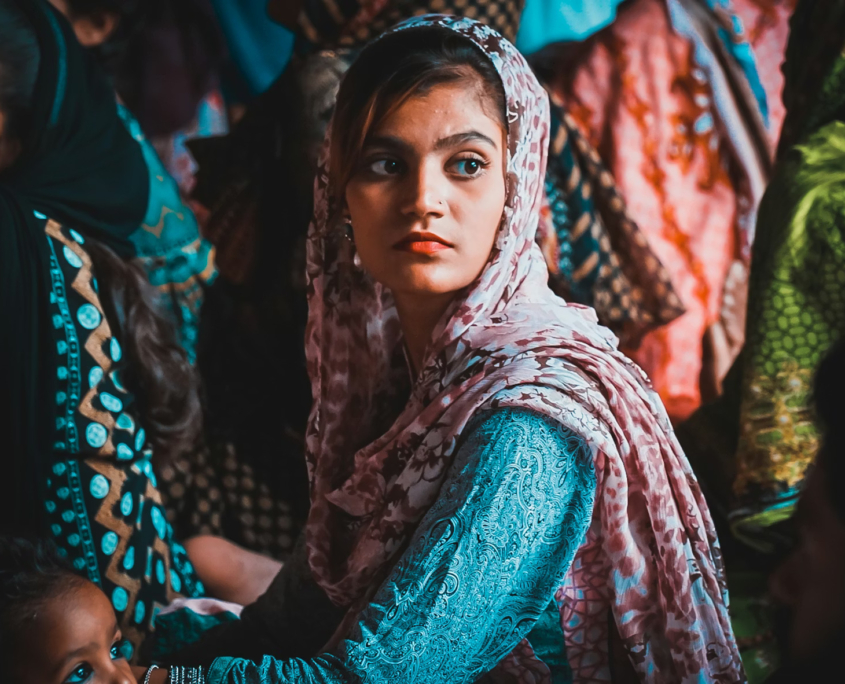
Pakistan’s HPV Vaccine RolloutIn September 2025, the Government of Pakistan initiated a transformative public health landmark with the launch of Pakistan’s Human Papillomavirus (HPV) Vaccine Rollout. This national campaign targets 13 million girls aged 9-14, providing them with critical protection against the virus. Given that Pakistan loses approximately eight women every day to cervical cancer, totaling more than 2,500 preventable deaths annually, this initiative represents one of the most significant advancements in women’s health in the nation’s history.

A Phased Strategy for National Coverage

Central to the success of Pakistan’s HPV Vaccine Rollout is a strategic, phased implementation plan supported by Gavi, the Vaccine Alliance, the World Health Organization (WHO) and UNICEF. The first phase of the campaign focuses on Punjab, Sindh, the Islamabad Capital Territory and Azad Jammu and Kashmir. Following this initial push, the government plans to expand the program to Khyber Pakhtunkhwa in 2026, with Balochistan and Gilgit-Baltistan scheduled for 2027.

By the end of this period, the program aims to reach more than 17 million girls nationwide. The campaign utilizes the Cecolin bivalent vaccine, which the WHO pre-qualifies for use in immunizing against HPV types 16 and 18. These two strains are responsible for the vast majority of cervical cancer cases globally.

To make the program sustainable, Gavi provided 67% of the initial funding, while the Pakistani government committed to a 33% co-financing share. This financial arrangement ensures that the vaccine remains free of charge for all eligible girls. This, thereby, removes the economic barriers that often hinder access to health care for impoverished families.

Overcoming Stigma Through Community Leadership

Since the HPV vaccine is administered to adolescent girls, health officials anticipated challenges regarding social stigma and vaccine hesitancy. To address these concerns, Pakistan’s HPV Vaccine Rollout adopted a “whole-of-society” approach. The government collaborated with local civil society organizations and influential Islamic scholars to build community trust.

These religious leaders played a vital role by publicly endorsing the vaccine, emphasizing that protecting life and preventing disease are core values that align with religious teachings. This communication strategy also utilized the powerful slogan “Sayhat Mand beti Sayhat Mand Gharna,” which translates to “Healthy daughter, healthy family.” By framing the vaccine as an investment in the prosperity of the entire household, the campaign successfully shifted public perception.

Data from the first phase of the rollout indicate a significant decline in vaccine refusals. At the start of the campaign, approximately 300,000 families expressed hesitation. However, through targeted counseling and outreach, this number dropped to 90,000, allowing the campaign to achieve more than 72% coverage in its early stages.

Mobile Outreach for Marginalized Groups

A critical component of the rollout is its ability to reach marginalized and underserved populations, including the 50% of eligible girls who are currently out of school. To ensure no girl is left behind, the government deployed a multi-pronged delivery system. While schools and fixed health facilities serve as primary vaccination sites, mobile teams and special outreach units travel to remote villages and high-risk urban areas to administer vaccinations.

This approach brings the vaccine directly to those who face the greatest geographic and social barriers to care. To support this massive logistical effort, the WHO trained more than 49,000 health workers in vaccine administration, cold chain management and community engagement. These workers are also part of a new digitization project that integrates training manuals into a unified digital learning system.

This technological advancement enables frontline vaccinators to access updated information and report data in real-time, thereby strengthening the overall resilience of Pakistan’s immunization infrastructure.

Building a Sustainable Future for Women’s Health

The long-term success of Pakistan’s HPV Vaccine Rollout will depend on its transition from a campaign-style initiative to a routine part of the national health system. Starting in the second year, the government intends to integrate HPV vaccination into routine immunization schedules for all 9-year-old girls. This integration will ensure that every new cohort of adolescent girls receives protection as a standard part of their primary health care.

By prioritizing evidence-based solutions and fostering international partnerships, Pakistan is moving closer to the World Health Assembly’s goal of eliminating cervical cancer as a public health problem by 2030. The progress made in 2025 demonstrates that even in complex social environments, determined political leadership and community-focused strategies can overcome obstacles to save thousands of lives. This rollout stands as a powerful example of how targeted health interventions can break the cycle of illness and poverty, securing a brighter and healthier future for the next generation of Pakistani women.

– Elena Cárdenas

Elena is based in Monterrey, México and focuses on Global Health and Politics for The Borgen Project.

Photo: Flickr
January 9, 2026
https://borgenproject.org/wp-content/uploads/borgen-project-logo.svg 0 0 Hemant Gupta https://borgenproject.org/wp-content/uploads/borgen-project-logo.svg Hemant Gupta2026-01-09 03:00:522026-01-09 01:58:14Pakistan’s HPV Vaccine Rollout: Protecting 13 Million Girls
Disease, Global Poverty, Health

GPEI Funding: $1.9 Billion Toward the Fight Against Polio

Fight Against PolioPoliovirus is a highly infectious viral disease that attacks the nervous system and could lead to paralysis or even death, mainly affecting children. Today, the virus mainly affects Afghanistan and Pakistan, along with other developing nations. The Global Polio Eradication Initiative (GPEI) is a partnership between the World Health Organization (WHO), Rotary International, U.S. Centers for Disease Control and Prevention (CDC), the United Nations Children’s Fund (UNICEF), the Gates Foundation and Gavi, the Vaccine Alliance that works to eradicate polio completely.

On December 8, 2025, it was announced that political leaders had collectively pledged $1.9 billion to the GPEI. In the fight against Polio, this generous fund has the potential to protect hundreds of millions of children from polio each year and possibly eradicate the virus.

How Polio Affects the World Today

Afghanistan and Pakistan remain the only countries where vaccines have not eliminated wild poliovirus. Other developing nations with low immunization rates continue to experience outbreaks of virus variants. This year, there have been 39 paralysis cases across Pakistan and Afghanistan.

Although polio cases are currently rare, “failure to stop polio in these last remaining areas could result in a global resurgence of the disease.” It is important to eradicate this virus in order to prevent it from spreading once again. Efforts have come very close to eradication and the recent GPEI funding will help bring the world even closer to this goal.

Successes in the Fight Against Polio

The GPEI was established in 1988 with the goal of ensuring that every child receives a polio vaccination. Since then, polio cases have dropped by 99% and vaccines have prevented approximately 20 million cases of paralysis. The virus once affected thousands of children across more than 100 countries but has now been eliminated in all except two, Afghanistan and Pakistan, where only a handful of cases occur each year.

About the Funds Against Polio

Pledges to the GPEI came from multiple donors, including:

  • $1.2 billion from the Gates Foundation
  • $450 million from Rotary International
  • $140 million from the Mohamed bin Zayed Foundation for Humanity
  • $100 million from Bloomberg Philanthropies
  • $154 million from Pakistan
  • $62 million from Germany
  • $46 million from the United States
  • $6 million from Japan
  • $4 million from the Islamic Food and Nutrition Council of America (IFANCA)
  • $3 million from Luxembourg

These funds will help protect 370 million children from polio through vaccination and reduce GPEI’s remaining resource gap. The shortage of vaccines and resources is a key reason polio still persists. With this recent funding, the complete eradication of poliovirus could become achievable.

– Renata Hirmiz

Renata is based in San Diego, CA, USA and focuses on Global Health for The Borgen Project.

Photo: Unsplash

January 4, 2026
https://borgenproject.org/wp-content/uploads/borgen-project-logo.svg 0 0 Hemant Gupta https://borgenproject.org/wp-content/uploads/borgen-project-logo.svg Hemant Gupta2026-01-04 07:30:312025-12-22 00:22:33GPEI Funding: $1.9 Billion Toward the Fight Against Polio
Global Poverty, Humanitarian Aid, Natural Disaster

Sikh Humanitarian Organizations Rebuilding Punjab

Rebuilding PunjabLate August and September 2025 saw the North Indian and Pakistani regions of Punjab hit with some of the worst floods in decades. Although the worst of these floods has passed, the damage left behind has pushed many who call these places their home deeper into poverty and ruin. Nearly 70% of the province was underwater after severe breaches in the Ravi and Sutlej rivers. In addition to the projected $6 billion to $10 billion in economic damages, at least 842 people died, more than 1.2 million were displaced and 4 million were impacted nationally.

With agricultural communities forming most of Punjab’s population, whatever affects farmers affects the entire region. Geographically, Punjab has always lived with a water-heavy existence defined by monsoon seasons. Punjab, literally “land of the five rivers,” has always embraced these conditions. Yet what once supported life now contributes to devastation. Every flood deepens poverty and erodes hope for those already living on the edge of survival. As the waters recede, one truth stays clear: if Punjab’s farmers cannot feed themselves, the survival of the wider population rests on fragile ground.

Poverty here is not evident only in rupees but in diminished worth, fractured families and futures placed on hold. Yet through the murky waters, people found hope in the form of seva, or selfless service, a key motto of the Sikh faith that guides the Sikh humanitarian organizations rebuilding Punjab after the floods, such as Global Sikhs, Khalsa Aid and United Sikhs. Each organization plays a unique role that extends far beyond immediate help. Their work presents rebuilding Punjab as a testament to the power of community, religious service and international cooperation. Here, Sikh faith-based charities show that seva is not only a spiritual ideal but also a practical, life-changing force in times of crisis.

The Principle of Seva in Action: Tackling Poverty

Guru Nanak Dev Ji says,
“Do Seva and service in this world and find a seat in the court of God.”
ਵਿਚਿ ਦੁਨੀਆ ਸੇਵ ਕਮਾਈਐ ॥
ਤਾ ਦਰਗਹ ਬੈਸਣੁ ਪਾਈਐ ॥
(Sri Rag M-1, 26)

This philosophy of service sits at the heart of the Sikh community and shapes the work of the charities rebuilding Punjab after the floods’ destruction. Seva, rooted in the teachings of the Sikh Gurus, calls for selfless and unconditional service performed without seeking praise or reward. Sikhs see it as a way of honoring the divine by serving humanity and fulfilling a moral obligation.

This custom turned into a lifeline in the wake of the floods. Volunteers (or sevadars) of all ages, from local villagers to Sikhs in the diaspora, put seva into action by delivering aid, rebuilding livelihoods and reminding communities that solidarity stays stronger than anguish even during turbulent times.

In the aftermath, one of the greatest challenges was helping communities rise from the deeper poverty the catastrophe created. Families who once depended on modest harvests now faced barren granaries and empty farms. The disaster erased even the most basic security in places where poverty already ran deep, leaving parents wondering how they would afford their next meal or whether they needed to send their children overseas to survive.

Impact of the Floods

For many farmers, the human toll defies measurement. After days of relentless monsoon rains, countless families awoke to shattered livelihoods. In talks with The Guardian, Amritsar-based farmer Parmpreet Singh described his reality: “The crops are ruined, and even our homes are in danger of collapsing.”

His family — including his two young daughters and his elderly mother — currently lives on the roof of their home to stay above the water. Singh fears he may need to sell his land and abandon farming after seven hectares of crops were destroyed. Livestock farmers, who depend on only two or three buffaloes, face similar devastation. The shortage of fodder and the soaring cost of silage have pushed their financial stability to a breaking point.

Abad Khan, a small farmer from central Punjab, told Dawn News, “These families were already struggling, and now they are facing a level of poverty almost impossible to escape.” More than 2.2 million hectares of crops — from vegetables to rice and wheat — have been wiped out. In just one week, the price of wheat flour rose by 25%. The scale of economic and social hardship has made recovery daunting, but Sikh organizations have responded by turning seva into focused and sustained action.

Khalsa Aid

Khalsa Aid mobilized its volunteers within hours of the first flood warnings and reached the affected districts before most organizations. Their teams have worked across Gurdaspur, Kapurthala, Ferozepur and Abohar since mid-August, evacuating livestock — often a rural family’s main source of income — and rescuing stranded residents. Alongside these emergency actions, Khalsa Aid supplies clean drinking water, medical assistance, ration bags and crucial fodder for animals suffering after prolonged exposure to stagnant floodwater.

The charity installed industrial dewatering devices in Abohar, where floodwaters persisted long after the rains ended. This equipment helped recover more than 1,000 acres of submerged farmland. To help farmers restore their fields, restart agricultural work and prevent long-term economic collapse, Khalsa Aid’s teams continue to work directly with the communities.

Global Sikhs

Global Sikhs has taken on the equally important responsibility of long-term rehabilitation. Through their Sanjha Sahara Project, volunteers work in 25 severely affected villages to help families rebuild their lives from the ground up. Their approach recognizes that restoring livelihoods is as essential to Punjab’s recovery as clearing water or distributing aid.

They support soil restoration, repair damaged irrigation channels and replace lost livestock, a vital resource for rural households whose earnings depend on a few buffaloes or goats. Global Sikhs also help families rebuild homes damaged by weeks of flooding to ensure children, the elderly and vulnerable people stay safe.

UNITED SIKHS

Sevadars for UNITED SIKHS mobilized across the region and worked tirelessly to evacuate residents from submerged homes, relocate families to safer areas and set up relief camps in villages such as Dhera Ghara and Nihala. They provided medical care, food and clean water to households cut off by flooding. UNITED SIKHS also partnered with local health officials to distribute chlorine tablets and teach safe water practices to prevent the rise of skin infections and waterborne illnesses as stagnant floodwaters lingered. At the same time, the organization addressed severe shortages of cattle fodder caused by flooded fields and blocked roads to help farmers keep their livestock alive.

Rebuilding Punjab: Looking Ahead

These are only some of the organizations rebuilding Punjab. Although the damage devastated countless families, livelihoods and communities, the active service of these charities and the seva they embody brings hope back into people’s lives and provides practical solutions that lay the foundations for long-term recovery. In a glistening and rich culture, the harmony of community and faith shines brighter than ever.

– Prubleen Bhogal

Prubleen is based in London, UK and focuses on Good News and Politics for The Borgen Project.

Photo: Flickr
December 31, 2025
https://borgenproject.org/wp-content/uploads/borgen-project-logo.svg 0 0 Precious Sheidu https://borgenproject.org/wp-content/uploads/borgen-project-logo.svg Precious Sheidu2025-12-31 07:30:052025-12-21 01:07:26Sikh Humanitarian Organizations Rebuilding Punjab
Education, Gender Equality, Global Poverty

Education or Survival? Educational Challenges in Rural Punjab

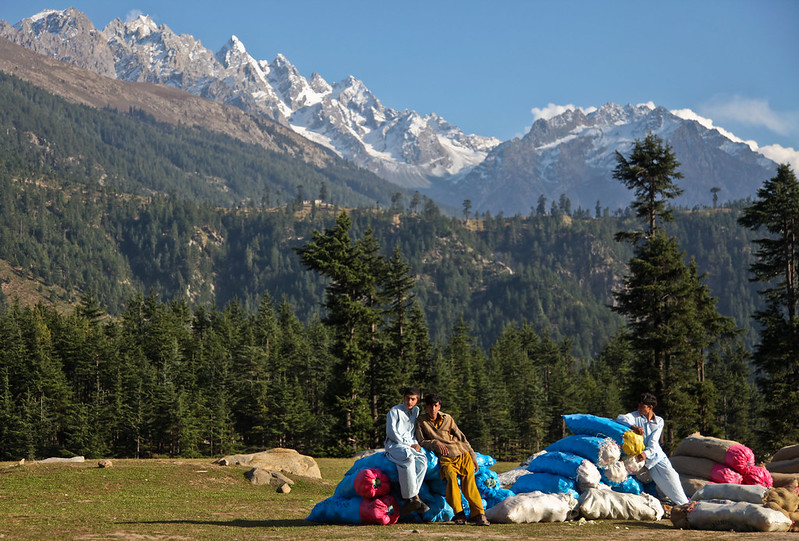
Educational Challenges in Rural PunjabThe literacy rate in Pakistan has increased significantly over time, with the national figure now exceeding 60%. Punjab leads this progress with a rate slightly above 66%. However, these statistics do not override the province’s barriers to education, particularly for working-class families. Thus, to learn more about the educational challenges in rural Punjab, The Borgen Project interviewed Laiba Waris. Waris is a 22-year-old girl whose family moved from Sialkot to Islamabad to escape societal pressure and seek better opportunities.

Despite being close to Pakistan’s industrial hubs, rural Sialkot still faces deep-rooted inequality. Most families rely on small trades, farming or daily labor to make a living. For many, educating their children, especially daughters, feels out of reach. Schools are limited, transportation is expensive and traditional gender norms remain strong.

Waris is the only one in her family still in school. Her brothers fully support her, doing what they can despite financial strain. “We do have a small business, but education expenses are a big burden,” she says.

Waris’ Story: Education Beyond Boundaries

To overcome these educational challenges in rural Punjab, Waris’ family moved to Islamabad. This marked a turning point in Waris’ life. “It’s good for my personality development and my life,” she says, explaining that university education has given her confidence and exposure that rural girls rarely experience.

Yet, the journey has not been easy. “I face difficulties in paying my fees and managing transport. My family supports me, but it’s not easy for them,” she adds. Her words reflect the quiet determination of many rural students who leave their homes in search of a better future.

The Gender Divide in Rural Punjab

Educational challenges in rural Punjab are deeply intersectional with gender. This reflects the province’s wider gender gap, where female literacy is just about 63.4% compared to 75.4% for males. In her hometown, education beyond matriculation is not very common for girls. “In our area, education is so difficult for girls after matric, very few continue,” Waris explains. “Most get married early or start working in factories.”

Waris considers herself lucky to have parents who believe in education. “They’re not conservative. They want me to study and have a good job. But there’s still a lot of social pressure. People talk, but my family appreciates me and is standing by me.” Encouragingly, she also notes progress. “In old times, there were very few girls going to school. But now, things are changing. More girls are studying and they’re more passionate than boys.”

Dreams and Determination

Waris’ ambitions stretch far beyond her village. She aspires to enter politics to represent and uplift her community. “Education is as important as water,” she says. “It gives life meaning and power. Without it, people remain trapped.”

Her words carry a powerful message for policymakers and citizens alike: scholarships, free education and transport systems are essential if rural students are to compete equally with their urban counterparts.

The Path Forward

Waris’ story, from rural Sialkot to Islamabad, mirrors the broader dilemma faced by Pakistan’s working class: whether to prioritize education or focus on survival. Her journey highlights the significance and ever-cascading educational challenges in rural Punjab.

She shares her story as both a personal triumph and a reminder that true progress depends on making education accessible to all, regardless of geography, gender or income. For now, Waris continues to study, fueled by hope that one day her success will help open doors for others in her village who still dream of learning.

– Sidra Tahir

Sidra is based in Rawalpindi, Pakistan and focuses on Technology and Politics for The Borgen Project.

Photo: Flickr
November 8, 2025
https://borgenproject.org/wp-content/uploads/borgen-project-logo.svg 0 0 Hemant Gupta https://borgenproject.org/wp-content/uploads/borgen-project-logo.svg Hemant Gupta2025-11-08 07:30:362025-11-08 01:27:19Education or Survival? Educational Challenges in Rural Punjab
COVID-19, Global Poverty, Technology

How COVID-19 Technology in Pakistan Accelerated Progress

COVID-19 Technology in PakistanFor Pakistan, COVID-19 became an incubator for innovation. The country adopted global practices through digital transformations to sustain governance and daily operations during the lockdown. These practices, such as hybrid and remote work, soon became a permanent part of the professional culture, bridging the gap created by reduced resources across multiple sectors.

Initially, the COVID-19 outbreak led to severe economic deterioration for Pakistan. For example, an overall decline in economic parameters such as GDP growth, unemployment rate, inflation, per capita income, debt, tax collection, poverty and trade (imports/exports). These disruptions were major challenges to its economic activities. The result was that during the fiscal year 2020, for only the second time in Pakistan’s history after 1951–1952, the country recorded a negative GDP growth rate of −0.4%.

Initial Challenges Caused by the COVID-19 Pandemic

The primary challenges caused by COVID-19 in Pakistan were rising unemployment and poverty. The pandemic caused nearly three million people to lose their jobs, leading to a sharp increase in the unemployment rate, which reached 9.56% in the 2020 fiscal year. Global trade disruptions also hit the country hard.

In 2020, exports fell by 6.36% to $22 billion, while imports declined by 8.56% to $45 billion. Meanwhile, pressure on debt servicing intensified as total debt rose from $95.2 billion in 2018 to $112.8 billion in 2020. This pushed Pakistan further into a debt trap, forcing it to borrow new loans to repay old ones.

Innovation in COVID-19 Technology in Pakistan

Despite the initial setbacks, Pakistan showed resilience by adopting global best practices that fueled digital transformation. The COVID-19 pandemic became a turning point for digital progress in Pakistan, especially in the work and education sectors. The introduction of hybrid work models and remote employment systems reshaped professional environments, including public and private institutions.

Organizations increasingly use digital tools, online platforms and cloud-based communication systems to maintain productivity and ensure operational continuity. According to a report, the pandemic significantly boosted digital payments in Pakistan as citizens reduced their use of physical cash to minimize health risks.

The introduction of COVID-19 technology in Pakistan improved efficiency. It helped conserve vital resources such as time, paper and energy by reducing physical commuting and manual workflows. It also accelerated the adoption of online education, pushing schools and universities to embrace digital learning platforms to maintain academic progress.

According to the World Bank, Pakistan responded swiftly by launching the federal TeleSchool program for students nationwide and the Taleem Ghar initiative for learners in Punjab. These e-learning programs in Pakistan ensured continued access to education during lockdowns, demonstrating how technology bridged learning gaps and supported the country’s broader digital transformation.

Economic Adaptation Through COVID-19 Technology in Pakistan

During the COVID-19 pandemic, Pakistan saw a shift toward digital transformation, as technology became the only possible adaptation for individuals and institutions. The pandemic caused a shift toward remote work, freelancing and digital entrepreneurship, helping sustain livelihoods in widespread economic uncertainty.

According to The Dayspring, “Pakistan’s freelancing economy surged by 22% amid COVID-19.” Payoneer also reported the country’s overall freelancing revenue growth from 47% to 69% during the pandemic. Government initiatives such as Punjab’s e-Rozgaar program also played a significant role.

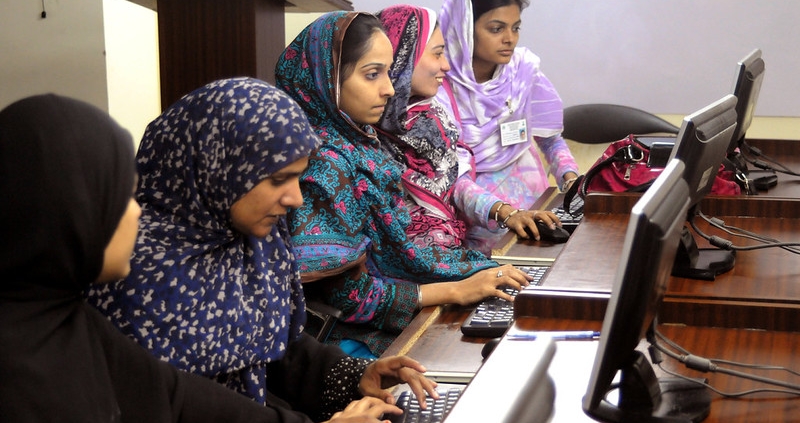
This program empowered youth to earn through online platforms, providing training and access to freelance marketplaces. As INP-WealthPK highlighted, Pakistan witnessed a record 47% growth in freelancing earnings in 2021, with women making up 52% of total graduates and contributing around half of the total earnings. This marked a significant step toward digital inclusion and women’s economic empowerment in Pakistan’s gig economy.

Similarly, the Ministry of IT’s DigiSkills program, a national-level training initiative, has trained more than 1.28 million individuals in freelancing, enabling them to generate sustainable incomes from home. Federal Minister Syed Amin Ul Haque emphasized the goal of expanding female participation in the program from 23% to 33%, reflecting the government’s vision for inclusive digital growth.

Furthermore, the private sector quickly adapted to the new normal of remote work and virtual collaboration. Many companies eliminated mandatory office attendance, providing employees with the necessary resources such as computers, internet connectivity and secure data access to work efficiently from home.

Technology in Public Services and Broader Social Impact

Sehat Kahani emerged as one of Pakistan’s leading examples of digital health care innovation during the COVID-19 pandemic in Pakistan. The platform provided telemedicine services through its mobile app, including free online consultations and e-prescriptions. It helped thousands of patients in remote and low-income areas.

According to Gavi, the Vaccine Alliance, Sehat Kahani’s expansion during the pandemic demonstrated how digital health services in Pakistan can bridge access gaps and empower women doctors to serve communities from home. In the education sector, digital transformations in Pakistan helped sustain learning during lockdowns. The government launched several e-learning programs, ensuring continued education through televised and online lessons.

The World Bank reported that these programs successfully reached millions of students. A report by the United Nations Development Programme (UNDP) further highlighted the broader social impact of digitalization. It revealed that districts showing stronger digital transformation also ranked higher in human development outcomes.

All these studies highlight how Pakistan’s growing investment in digital public services, from telehealth to education, has strengthened national resilience and paved the way for inclusive growth.

Conclusion

All these digital transformations from remote work and freelancing to telemedicine and online education helped Pakistan rebuild its economy and move toward sustainable growth. By 2023, Pakistan’s GDP growth rate recovered to around 3.04%, reflecting how the nation’s digital adaptation turned adversity into opportunity. This evolution shows that when a crisis is met with innovation, collaboration and the right technological tools, it can become a catalyst for development rather than decline.

– Sidra Tahir

Sidra is based in Rawalpindi, Pakistan and focuses on Technology and Politics for The Borgen Project.

Photo: Unsplash

October 28, 2025
https://borgenproject.org/wp-content/uploads/borgen-project-logo.svg 0 0 Hemant Gupta https://borgenproject.org/wp-content/uploads/borgen-project-logo.svg Hemant Gupta2025-10-28 07:30:592025-10-27 23:58:49How COVID-19 Technology in Pakistan Accelerated Progress
Global Poverty, Natural Disaster, Nonprofit Organizations and NGOs

Gilgit Baltistan Floods 2025: A Voice From the Village

Gilgit Baltistan FloodsFrom June to September 2025, Pakistan experienced one of the deadliest floods in its history. More than 1,000 people lost their lives, 274 of them children. On July 13, 2025, a cloudburst occurred in Gilgit Baltistan, followed by floods that isolated villages and blocked key highways.

The Borgen Project spoke with a 20-year-old girl, Eman Khan from Ghizer, who experienced firsthand the devastating impact of the floods, including the loss of essential family documents.

Warning Signs and Immediate Reactions

A cloudburst triggered the Gilgit Baltistan Floods of July 13. According to the Gilgit-Baltistan Disaster Management Authority, the floods damaged 13 houses, destroyed farmland and washed away irrigation channels. The floods also blocked the Gilgit–Ghizer Highway and isolated communities.

Khan told The Borgen Project that the day began with no major warning signs. The clouds, however, seemed unusually dark and the heavy and intense rain turned into a cloudburst within minutes. According to Khan, while Gilgit experiences seasonal floods, this cloudburst’s sheer force and speed were unlike anything she had witnessed before.

After the cloudburst, the first instinct, she recalled, was to rush outside, gather the family in one safe spot, call the children and move to higher ground as quickly as possible.

Khan said her family stayed calm during the crisis and avoided the river. They then took shelter at a relative’s house, which was built on slightly higher land. Khan added that the neighbors were also very helpful, shouting warnings to each other, helping evacuate children and older adults and sharing food and blankets with families that had to leave their homes.

Damage, Loss and Recovery

Khan told The Borgen Project that the Gilgit Baltistan Floods occurred in a sequence of a cloudburst followed by subsequent floods. The Gilgit Baltistan floods partially destroyed homes, washed away fields of crops, blocked roads and swept electricity poles into the water.

She added that her family lost some household belongings and important family documents. Other villagers lost livestock and stored food they depended on. Despite devastation, Khan said the community showed strong unity and support; people opened their homes to those displaced, cooked meals together and organized local volunteers to clear debris.

In the aftermath of the Gilgit Baltistan Floods, NGOs and local administration sent emergency relief, including food supplies, tents and medical aid. Volunteers from youth groups also played a vital role in rescue and relief work.

Impacts and Future Prospects

Khan shared that the Gilgit Baltistan Floods made her realize how vulnerable her family is in front of the forces of nature. She now recognizes the importance of preparedness and deeply respects the environment.

In the future, she hopes for better adaptive strategies in disaster-prone areas, including early warning systems, flood defences, stronger infrastructure and long-term support for rebuilding livelihoods. Above all, she hopes for a future where children are safe when disasters strike.

– Sidra Tahir

Sidra is based in Rawalpindi, Pakistan and focuses on Technology and Politics for The Borgen Project.

Photo: Pexels

October 10, 2025
https://borgenproject.org/wp-content/uploads/borgen-project-logo.svg 0 0 Hemant Gupta https://borgenproject.org/wp-content/uploads/borgen-project-logo.svg Hemant Gupta2025-10-10 01:30:472025-10-09 03:16:12Gilgit Baltistan Floods 2025: A Voice From the Village
Gender Equality, Global Poverty, Women's Empowerment

How Roshaneh Zafar Built a Feminist Microfinance Empire

Roshaneh ZafarContrary to popular belief, debt can play an important role in building wealth and enabling upward mobility. When non-usurious, it provides access to education or the startup funds needed to launch new businesses. In the United States, the average small business loan is $458,497. However, in many parts of Asia and the developing world, the loan amount can be small and still have a massive impact.

Microloans can range from $50 to about $50,000. They primarily target underfunded groups, such as women and rural communities. There is ongoing debate about the effectiveness of microloans and as with any system, some bad actors attempt to misuse them. Nevertheless, they currently remain one of the more ethical ways to provide capital to underserved communities.

The gender pay gap is entrenched in the world’s economy. Nowhere is this more true than in Pakistan. Pakistan currently ranks last in overall gender parity.

About Roshaneh Zafar 

Roshaneh Zafar is a Wharton-educated social entrepreneur who helped build a microfinance empire in Pakistan. While Zafar may not have humble origins, she strives to empower women across Pakistan through her work. After earning her graduate degree from Wharton, Zafar worked on Wall Street. However, she became disillusioned with the social impact of investment banking.

She transitioned to social development at the World Bank, where her work against poverty began. Eventually, she would come in contact with Muhammad Yunus, the founder of microfinance and a Nobel Peace Prize winner. Following in his footsteps, she would ignore naysayers and go on to start the microfinance empire known as the Kashf Foundation.

The Kashf Foundation

The Kashf Foundation is a Pakistan-based organization that strives to counter gender inequality in one of the most stratified nations in the world. It aims to bring financial tools, such as microfinance and microinsurance, to female entrepreneurs throughout Pakistan. Access to these tools is just the beginning, as proper education and management are crucial to the success of any company. The Kashf Foundation offers “capacity building,” educational programs that build the skills necessary for operating and growing a business.

Initially, the Kashf Foundation mimicked many of the practices of Yunus’ Grameen Bank. However, since its formation in 1996, the foundation has become a microfinance empire in its own right. Different populations require different solutions. Many told Zafar that microfinance would never work in Pakistan. As of August 2024, the Kashf Foundation has a staff of 4,500 people.

It has worked with more than seven million micro-entrepreneurs and provided almost $1 billion in financing. Not only is the Kashf Foundation a microfinance institution, but it also uses media to raise awareness about social issues in Pakistan. Its television series “Udaari,” focusing on child sexual exploitation, was named one of the most popular programs in 2016.

Final Remarks

The Kashf Foundation and Zafar have received numerous awards, including the Mehergarh Award for Leaders of Change and the COVID-19 Action Award. Their impact extends beyond their own employees. Rizwana Bibi, a Kashf client, won the N-Peace Award in 2016 for her community work in female empowerment.

– Patrick Feeney

Patrick is based in Los Angeles, CA, USA and focuses on Business and New Markets for The Borgen Project.

Photo: Flickr
October 2, 2025
https://borgenproject.org/wp-content/uploads/borgen-project-logo.svg 0 0 Hemant Gupta https://borgenproject.org/wp-content/uploads/borgen-project-logo.svg Hemant Gupta2025-10-02 01:30:172025-10-01 22:41:07How Roshaneh Zafar Built a Feminist Microfinance Empire
Education, Global Poverty, Sustainable Development Goals

Updates on SDG 4 in Pakistan

SDG 4 in PakistanSDG 4 focuses on quality education, promoting inclusive, equitable and lifelong learning opportunities for all. Pakistan committed to the SDGs in 2015, and since then, it has made efforts to improve the quality of education for its people; however, it continues to face serious challenges due to inequality, the high number of out-of-school children and a lack of resources.

Initial Stages

Since the successful completion of the Millennium Development Goals in 2015, the UN introduced the SDGs, a global call for action that aim to eradicate poverty, protect the environment and ensure peace and prosperity around the world.

In 2016, Pakistan’s parliament officially adopted the SDGs as the National Development Goals. The Ministry of Planning, Development and Special Initiatives internalized the SDGs. The Ministry also included them in the strategic Pakistan Vision 2025 document and established a Planning Commission. The Commission issued a National Framework to achieve its sustainability goals. 

Considering Pakistan’s resource and institutional constraints, the government divided the goals into tiers. The initial framework, however, mainly focused on the federal level, with minimal participation from provinces. In both the National and Provincial Frameworks, SDG 4 remained a top-tier priority goal.

Despite initiatives, challenges remain. From gender gap disparities to poor disaster management, factors hinder the basic educational right of children across Pakistan. 

School Attendance and Literacy

According to a UNICEF report of Pakistan, ‘’Pakistan stands as the state with the world’s second-highest number of out-of-school children (OOSC) population, with an estimated 22.8 million children aged 5-16 not attending school, representing 44 percent of the age group.’’ Another report, UN Pakistan Annual Report 2021, states that almost 32% of children aged between 5 to 16 are out of school, one of the highest rates globally. Meanwhile, about 53% of those children are girls, signifying the gender inequality in access to education in Pakistan.

Pakistan’s literacy rate did rise to 62.3% ( as per the 2021 consensus), but considering the population growth, around 60 million people remain illiterate. Girls in Pakistan not only have lower enrollment but also have higher dropout rates, especially when they reach adolescence. UNICEF’s National Gender Strategy (2024–2027) also highlights that more than 54% of adolescent girls in Pakistan become pregnant before turning 18, and that child marriage rates are among the highest, both of which halt education.

Literacy rates within Pakistan also show a rural-urban divide, with children in urban areas having higher access to education resources compared to their rural peers. Urban districts like Islamabad (82%) and Karachi (79%) have much higher literacy rates compared to rural districts such as Rajanpur (34%), Thatta (36%), Kohistan (26%) and Dera Bugti (1%), highlighting the disparity in access to education and learning resources between urban and rural areas.

The Effects of Conflicts and Disasters

Conflict and disasters further worsen conditions for education. For example, security and displacement in conflict-affected regions like Khyber Pakhtunkhwa and Balochistan obstruct education.

A very explicit example is the 2014 attack on the Army Public School in Peshawar (A city in the Province of Khyber Pakhtunkhwa), in which militants killed 145 people, mostly children. Gunmen systematically went from class to class and killed children and teachers. Balochistan (Khuzdar) also saw one of the deadliest attacks on a school bus carrying children. Militants killed six and injured dozens.

Systemic gaps in disaster preparedness and crises also affect the educational environment of Pakistan. The 2025 floods disrupted education for 25 million children in Punjab. In Khyber Pakhtunkhwa, the floods destroyed 860 schools, affecting the education of more than 119,000 children.

Steps Toward SDG 4 in Pakistan

The government has taken comprehensive steps towards SDG 4 in Pakistan. In February 2025, the Federal Education and Professional Training (MoFE&PT) ministry, along with UNESCO and the Pakistan Institute of Education, launched the SDG-4 Midterm Review (MTR) Report, which introduced policy reforms, increased investment and data-driven approaches that would reduce regional education disparities and accelerate progress toward SDG 4 by 2030.

In May of the same year, Pakistan and UNDP co-hosted the “Pakistan SDGs Policy Dialogue for Action,” aligning with the Uraan Pakistan economic transformation plan (a roadmap to sustainable growth). This dialogue focused on enhancing institutional coordination, data governance, financing and parliamentary oversight to fast-track SDGs progress.

The government has also adopted strategies to incorporate technology in educational environments. The Education Ministry, in compliance with UNESCO, launched an initiative that set up 40 smart classrooms for 3,000 girls in primary schools of Muzaffarabad, Bagh and Neelam Valley. This initiative also trains 100 teachers in ICT, creates modern learning environments and rehabilitates school facilities.

China is also contributing to the educational development of Pakistan. On May 28th, 2025, the Federal Ministry of Education and Professional Training (FE&PT) and the Tang International Education Group of China signed a Memorandum of Understanding (MoU) to enhance educational infrastructure in Pakistan. The Tang International Education Group will modernize 20 vocational institutes in Karachi by establishing IT and smart laboratories, and will open Centers of Excellence across Pakistan.

The Way Forward

For Pakistan to achieve its targets of SDG 4, a comprehensive approach involving various strategies and initiatives is crucial. A significant increase in public investment in education is essential to addressing infrastructure, ensuring adequate teacher training and providing learning resources. Thus, the collaborative efforts that are in place between Pakistan’s government, civil society and private sector stakeholders can address the challenges in Pakistan’s educational landscape.

– Sidra Tahir

Sidra is based in Rawalpindi, Pakistan and focuses on Technology and Politics for The Borgen Project.

Photo: Unsplash

September 24, 2025
https://borgenproject.org/wp-content/uploads/borgen-project-logo.svg 0 0 Jennifer Philipp https://borgenproject.org/wp-content/uploads/borgen-project-logo.svg Jennifer Philipp2025-09-24 01:30:572025-09-24 01:03:47Updates on SDG 4 in Pakistan
Education, Global Poverty, Water

Progress in Fighting Poverty in Balochistan

Fighting Poverty in BalochistanBalochistan is Pakistan’s largest province. While it is nearly half of Pakistan’s territory, it is home to roughly 6% of the Pakistani population, 14.8 million. Poverty and a lack of economic development have exacerbated systemic issues of insecurity and nationalist tensions. Thanks to the international community and local government initiatives, there has been major progress in fighting poverty in Balochistan.

The World Bank has helped the Pakistani government to address the two main sources of poverty: water insecurity and a lack of education, both of which contribute to violence and the ongoing Baloch insurgency. These solutions help address much of the core issue and have integrated local communities in the implementation, which has been critical to sustainable success.

Poverty in Balochistan

Fighting poverty in Balochistan is a critical security issue in the region. Yunas Samad, professor at the University of Bradford and research fellow of Political Science at the Lahore University of Management Sciences, points out that Balochistan is neglected and instead is mostly treated as a place to extract resources, in particular minerals and natural gas. Despite its critical location for mining and the important Gwadar Port, the region remains impoverished.

The province has been subjected to resource extraction. Yet, locals and the provincial government receive minimal benefits or returns, even though mining and energy extraction are constitutionally designated as provincial and not federal subjects. The region has been earmarked as crucial to the new China-Pakistan Economic Corridor (CPEC). However, its Human Development Index (HDI) is 0.421 below the national average of 0.562.

This has resulted in a poverty rate of more than 71% in 2015, well above the national average of 38%. This is despite the region being home to the Suri Gas Field, one of Pakistan’s largest reserves. This systemic poverty and neglect have created the conditions for a new phase in the Balochistan conflict. Imtiaz Baloch, a journalist and researcher focusing on Balochistan, notes that the region’s marginalization has always been the fuel for the conflict.

The Baloch Insurgency

The Baloch insurgency began when the region joined Pakistan in 1948, with major outbreaks throughout the 20th century as the Islamabad government centralized control over provinces like Balochistan. Although major insurgent factions declared a ceasefire in 2018, significant attacks, including recent hijackings and suicide bombings in 2025, continue to occur.

After relative calm in the ’90s, the fifth phase of the conflict emerged from escalating tensions between weakened Baloch nationalist parties, unable to form a united political front and the Pakistani state over persistent social and economic inequalities. The Baloch people’s demands for greater political rights, resource control and increased autonomy intensified.

Ironically, increased economic investment from the Pakistani and Chinese governments has only deepened Balochistanis’ feelings that they are being exploited. This sense of isolation and disempowerment created a new insurgency movement, one that has spread beyond Pakistan to other Baloch regions in nearby Iran and Afghanistan.

Armed factions like the Baloch Liberation Army – Jeeyand (BLA-J) use this disempowerment to conduct suicide attacks on Gwadar Port facilities, the Pearl Continental Hotel in Gwadar and especially on foreign investment in Balochistan. Unlike previous phases, the new Baloch insurgency has focused on economic targets.

Despite its economic potential, CPEC has intensified the Baloch insurgency, exacerbating grievances over resource control, marginalization and cultural erosion. The growing sophistication and frequency of attacks on CPEC-related targets underscore the persistence of the insurgency. These threats endanger regional stability and the project’s success if left unaddressed through inclusive development and dialogue.

Fighting Poverty in Balochistan

The Baloch provincial government recently started a new initiative. It will focus on increased water security, energy infrastructures and agricultural development for the Baloch people to create new opportunities. A partnership from the World Bank has matched this effort. In 2025, the World Bank pledged $94 million to the Balochistan Water Security and Productivity Improvement Project. It aims to provide improved water access and irrigation to more than 500,000 additional people.

In addition to these efforts, the international organization also focuses on the future through increased access to education. The World Bank is providing an additional $100 million for the Getting Results: Access and Delivery of Quality Education Services in Balochistan (GRADES-Balochistan) program, which will educate 250,000 students and 5,000 teachers. Inga Afanasieva, Team Leader for the project, calls the program “a strategically important initiative that addresses critical gaps in access to and quality of pre-primary and primary education in the province.”

More importantly, this new progress is focusing on integrating local communities directly. The Pakistan Poverty Alleviation Fund is tackling the issue of providing more schools and enrolling nearly 8,000 students in Balochistan, through its Balochistan Education Initiative. These coordinated efforts are important, as only 40% of Baloch children and only 20% of Baloch women are educated. Dr Shahnawaz Khan, Chief Executive of the Balochistan Rural Support Program, highlights these new models as the ones that will be a “foundation for change.”

Conclusion

The Balochistan insurgency is a thorny issue that impacts the lives of millions of people in the wider region. Decades of central government neglect, ethnic tensions and economic marginalization have created a conflict that, without action, shows little signs of stopping. Yet a coalition of governmental and private organizations is finally creating change. Baloch society can finally move past the violence by fighting poverty in Balochistan and providing education and economic opportunities.

– Joseph Laughon

Joseph is based in Sacramento, CA, USA and focuses on Good News amd Politics for The Borgen Project.

Photo: Wikimedia Commons

September 1, 2025
https://borgenproject.org/wp-content/uploads/borgen-project-logo.svg 0 0 Hemant Gupta https://borgenproject.org/wp-content/uploads/borgen-project-logo.svg Hemant Gupta2025-09-01 01:30:482025-08-31 14:02:51Progress in Fighting Poverty in Balochistan
Page 2 of 7‹1234›»

Get Smarter

  • Global Poverty 101
  • Global Poverty… The Good News
  • Global Poverty & U.S. Jobs
  • Global Poverty and National Security
  • Innovative Solutions to Poverty
  • Global Poverty & Aid FAQ’s
Search Search

Take Action

  • Call Congress
  • Email Congress
  • Donate
  • 30 Ways to Help
  • Volunteer Ops
  • Internships
  • Courses & Certificates
  • The Podcast
Borgen Project

“The Borgen Project is an incredible nonprofit organization that is addressing poverty and hunger and working towards ending them.”

-The Huffington Post

Inside The Borgen Project

  • Contact
  • About
  • Financials
  • President
  • Board of Directors
  • Board of Advisors

International Links

  • UK Email Parliament
  • UK Donate
  • Canada Email Parliament

Get Smarter

  • Global Poverty 101
  • Global Poverty… The Good News
  • Global Poverty & U.S. Jobs
  • Global Poverty and National Security
  • Innovative Solutions to Poverty
  • Global Poverty & Aid FAQ’s

Ways to Help

  • Call Congress
  • Email Congress
  • Donate
  • 30 Ways to Help
  • Volunteer Ops
  • Internships
  • Courses & Certificates
  • The Podcast
Scroll to top Scroll to top Scroll to top