• Link to X
  • Link to Facebook
  • Link to Instagram
  • Link to TikTok
  • Link to Youtube
  • About
    • About Us
      • President
      • Board of Directors
      • Board of Advisors
      • Financials
      • Our Methodology
      • Success Tracker
      • Contact
  • Act Now
    • 30 Ways to Help
      • Email Congress
      • Call Congress
      • Volunteer
      • Courses & Certificates
      • Be a Donor
    • Internships
      • In-Office Internships
      • Remote Internships
    • Legislation
      • Politics 101
  • The Blog
  • The Podcast
  • Magazine
  • Donate
  • Click to open the search input field Click to open the search input field Search
  • Menu Menu

Tag Archive for: Poverty In Pakistan

Posts

Children, Disability, Global Poverty

Improving Conditions for Children with Disabilities in Pakistan

children with disabilities in pakistan
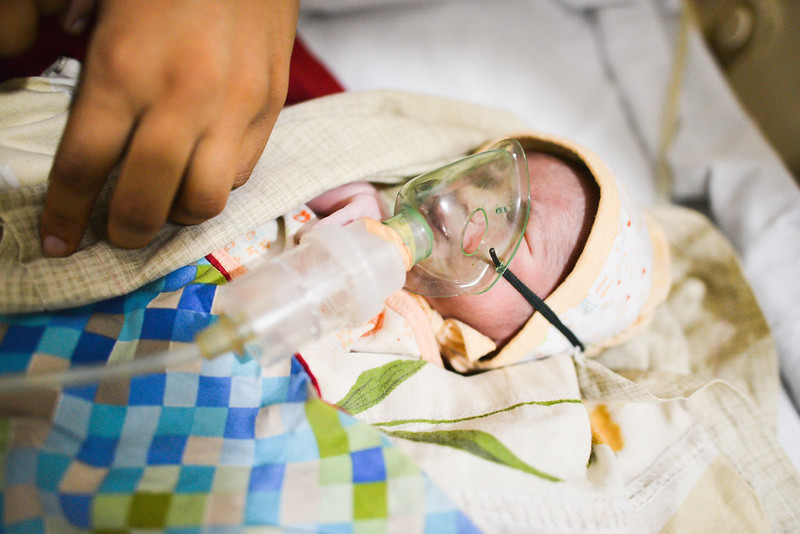
Internal and external conflicts have clouded Pakistan’s current climate. Recorded as of 2023, Pakistan’s political, economic and social crises have taken a toll on the state. Food insecurity and the increase of inflation have led to an outcry of suffering Pakistani people. According to the World Report 2024, the prison system is a breeding ground for the mistreatment of Pakistani people who seek mental health support. Additionally, children with disabilities are facing challenges in Pakistan. Here is what Family Network is doing to help children with disabilities in Pakistan.

Children With Disabilities in Pakistan

The BMC Health Services Research reports that “children with disabilities make up around 150 million of the billion people with disabilities in the world.”  Furthermore, the research articulated a big concern among sub-Saharan Africans who are concerned about their children being treated badly by others in the community, causing them to hide or not seek proper treatment for their children. These stigmas exist everywhere, including the Western world, and they harm children with developmental needs by neglecting their ability to have access to the special care they need. Oftentimes, developmental disabilities affect a child’s cognitive growth, potentially hindering the development of their nervous system, behavior and motor skills. Moreover, certain Mexican, Haitian and Latin American cultures may see a disability (physical or intellectual) as a curse, further ostracizing children with additional needs and developmental disorders.

Oftentimes children with disabilities experience neglect in their formative years due to a lack of resources. This issue is ever present in Pakistan as it is riddled with all sorts of conflict. Children who have additional needs often develop at a slower rate than their peers (talking, walking, sitting later than their peers).

Developmental disorders can cause society to ostracize these children as they are unable to conform to societal norms. This can be a burden to these Pakistani parents in rural lower class areas as the children with disabilities may not be able to take care of themselves, placing the pressure on an extremely codependent relationship between parent and child (including but not limited to; not knowing when danger is prevalent, being unable to function by themselves/without a parent present). According to FaNs “Over 6% of children in Pakistan have developmental disorders” Treatment is oftentimes consolidated in urban areas, leaving the rural Pakistani children with these developmental disorders to suffer.

The Family Network for Kids

 The Family Network for Kids (FaNs) has committed to bettering life for the children of Pakistan, primarily those with disabilities. FaNs is an organization and supportive network that uses technology to aid people in rural Pakistan who have a child with disabilities (developmental disorders) to provide sufficient care. Using mhGAP tech, FaNs is training families through interactive technology to educate and equip society/families to cater and care for children with disabilities.

Roleplay technology that plays scenarios through three animated children who teach the dismantling of stigma, as well as allow parents to practice parental management and problem-solving skills. Once a family passes the training, they become champions who will then further equip their communities with the skills to care for children through a peer-supervised group focused on building community. These champions have monthly check-ins with health specialists, keeping the program in order while pursuing the self-sustenance of the champion families. Implemented in Rawalpindi Pakistan, roughly 70 trained families, 36 of those being trained “family volunteers” who do further diligence to the community as they are training 270 families to properly care for their children.

Looking Ahead

Every child dreams and deserves to be understood regardless of their circumstance. FaNs is working to ensure that every child with a disability in Pakistan has the support system to do so. Cultural stigmas contribute to the exclusion of children with developmental disabilities being shunned from society. By doing the work to abolish cultural stigma, the Family Network for Kids is making rural Pakistan a safe space for kids who are normally ignored and taught to suppress themselves. By giving children the space to be themselves, the world becomes a place filled with authentic adults who can focus on bringing change to the world instead of changing themselves for the world.

– Petralyn Yeboah-Manson

Petralyn is based in New Jersey, USA and focuses on World News for The Borgen Project.

Photo: Flickr

September 20, 2024
https://borgenproject.org/wp-content/uploads/borgen-project-logo.svg 0 0 Jennifer Philipp https://borgenproject.org/wp-content/uploads/borgen-project-logo.svg Jennifer Philipp2024-09-20 03:00:082024-09-20 03:29:58Improving Conditions for Children with Disabilities in Pakistan
Developing Countries, Global Poverty

Poverty in Pakistan: Ongoing Reduction Efforts

Poverty in PakistanAffected by political turmoil, Pakistan has faced numerous socioeconomic challenges. By 2018, these issues culminated in record levels of poverty, with more than 39% of Pakistan living below the poverty line. Amid widespread unemployment, the government has also grappled with nutritional poverty, particularly affecting the youth. This has led to significant issues, such as nationwide stunting in growth, which is directly linked to these dietary deficiencies. Here are some of the initiatives that are tackling these problems:

Prime Minister’s Youth Skill Development Program

This initiative, led by Prime Minister Shehbaz Sharif, offers vocational training in various industries, helping young people haul themselves out of poverty and find work. With more than 25,000 youths trained nationwide, the program has played a crucial role in decreasing national poverty. Most notably, the focal point concentrating on an intake of 35% girls has ensured that the marginalized remain a focus. Ultimately, these efforts have contributed to the limitation of poverty and increased job prospects among the youth.

The Sehat Sahulat Program

Initially launched in 2015, the Sehat Sahulat Program is a social health insurance initiative providing free health care services for Pakistan’s underprivileged groups. As a result of the program, the most disadvantaged are supported by free health care. The initiative covers a range of conditions, including cancer and diabetes. Ultimately, the scheme provides financial protection and access to sustainable, quality health care to those most in need.

UNICEF Nutrition Counseling

With more than a third of children suffering from severe food poverty, the country faces an endemic in which its young are at a heightened risk of malnutrition and an unbalanced, scarce diet. The United Nations Children’s Fund’s (UNICEF) initiative develops cooking demonstrations tailored to new and soon-to-be mothers, ensuring their children can be fed and energized correctly.

Alongside nutritional education, the sessions aim to educate women about the importance of hygiene and its strict relationship with food, with a particular emphasis placed on washing hands before and after preparing food. This focus has been adopted worldwide and in 2022, UNICEF counseling reached 79.3 million people globally.

Combat Against Nationwide Stunting

In Pakistan, more than 40% of children younger than 5 are stunted. A product of long-term malnutrition, stunting “impairs cognitive and physical development, which in turn impacts a child’s potential and productivity.’’ With a large proportion of pregnant women living below the poverty line, many children experience stunted growth in the womb due to their mothers’ poor diet, leading to inhibited development.

The government has launched several initiatives to fight malnutrition to address this issue, with the Ehsaas Nashonuma Program being the most prominent. The program provides nutritional education and cash transfers to pregnant or nursing women. The quarterly stipend is about $5 for mothers and boys and $7 for girls. Nongovernmental organizations (NGOs) have also played a crucial role in the fight against stunting. Water, Sanitation and Hygiene Services (WASH) initiatives have thrived with the support of NGOs like HANDS. In 2022-23, HANDS conducted 16 WASH projects in 34 districts and nearly 2,000 villages in Pakistan, benefiting more than 1.8 million people.

Nutritional awareness is fundamental to the resurgence of the health of the next generation in Pakistan, pulling them out of poverty. The government has guaranteed that various schemes are in place to tackle widespread poverty. Additionally, it has ensured that the health and hygiene of the population of Pakistan are also addressed. It’s both transparent and reassuring that while the government recognizes this importance, various NGOs share the same concern.

– Jonny Wilkinson

Jonny is based in London, UK and focuses on Global Health for The Borgen Project.

Photo: Pexels

September 18, 2024
https://borgenproject.org/wp-content/uploads/borgen-project-logo.svg 0 0 Hemant Gupta https://borgenproject.org/wp-content/uploads/borgen-project-logo.svg Hemant Gupta2024-09-18 01:30:302024-09-18 00:32:46Poverty in Pakistan: Ongoing Reduction Efforts
Global Poverty, Women's Empowerment

The Ehsaas Program: Empowering Women and Fighting Poverty

The Ehsaas ProgramThe Ehsaas Program, launched by the Government of Pakistan, has become one of the world’s most recognized social protection initiatives. Ehsaas is a word in the Urdu language meaning “to feel,” representing empathy and a commitment to helping those in need. It is the Government of Pakistan’s comprehensive initiative to tackle poverty and inequality. Launched to mitigate the socioeconomic fallout of the COVID-19 pandemic, Ehsaas has provided financial relief to millions of vulnerable households, particularly women, through direct cash transfers. The program, led by Dr. Sania Nishtar (currently serving as the CEO of GAVI, the Vaccine Alliance), continues to be a model for innovative and scalable poverty alleviation.

Global Recognition and Impact

In a 2021 report by the World Bank, Pakistan’s Ehsaas Emergency Cash Program was highlighted for its remarkable reach, ranking fourth globally in terms of the number of people covered and third in terms of the percentage of the population served. The Ehsaas Emergency Cash initiative disbursed stipends of PKR 12,000 ($48) to nearly 15 million households, benefiting more than 100 million people—almost half of Pakistan’s population. The World Bank praised the program for its rapid rollout and extensive coverage, calling it one of the most impressive large-scale social protection measures worldwide.

Economic Empowerment Through Targeted Initiatives

A significant aspect of the Ehsaas Program is its emphasis on women’s empowerment. More than 50% of its initiatives focus on providing financial security to women. By targeting women for poverty alleviation and supporting the United Nations (U.N.) SDG 5 on gender equality, Ehsaas is empowering women economically and socially.

The Ehsaas Kafaalat Program provides direct cash transfers to low-income women, ensuring that they have the financial support needed for necessities such as food, health care and education. Women have been the focal point of the Ehsaas Interest-Free Loan Scheme, which enables them to start small businesses and gain financial independence. Nishtar highlighted how the empowerment of women is beneficial for society and the economy and that the “government is determined to lift seven million poorest women in Pakistan out of poverty and help them achieve their potential.”

Promoting Sustainable Livelihoods

The Ehsaas Aamdan Program provides sustainable assets such as sewing machines, shops, livestock and vehicles to help individuals generate long-term income. This asset-based approach empowers women to contribute to their families’ economic stability while fostering entrepreneurship at the grassroots level.

Similarly, the Ehsaas Nashonuma Program promotes gender-sensitive financial support for nutrition. Families receive $7.18 for girls and $5.39 for boys younger than 2 years of age, which not only provides vital nutrition for children but also encourages a shift in societal attitudes toward gender equality. By offering higher financial incentives for female children, the program aims to combat cultural practices like female feticide and emphasize the value of female children.

Final Remark

Ehsaas’ implementation provides valuable lessons for other nations, especially in light of the recent crises that have highlighted the need to redefine the role of the welfare state. This presents a unique chance to create a pivotal moment in advancing global social welfare. Moreover, its emphasis on gender equality mirrors the development strategies of economically advanced countries, which have leveraged the potential of their female populations to achieve sustainable growth.

This realization is paving the way for Pakistan’s future economic, social and political development, with women playing a crucial role in these advancements. By empowering women, the Ehsaas Program is driving Pakistan closer to achieving its national development goals while addressing the pressing issues of poverty and inequality.

– Irtija Ahmad

Irtija is based in Slough, UK and focuses on Global Health for The Borgen Project.

Photo: Wikimedia Commons

September 17, 2024
https://borgenproject.org/wp-content/uploads/borgen-project-logo.svg 0 0 Hemant Gupta https://borgenproject.org/wp-content/uploads/borgen-project-logo.svg Hemant Gupta2024-09-17 01:30:192024-09-17 01:21:28The Ehsaas Program: Empowering Women and Fighting Poverty
Education, Global Poverty, Nonprofit Organizations and NGOs

Khilo aur Barho: Education Initiative in Pakistan

Khilo aur Barho: Education Initiative in Pakistan The Khilo aur Barho initiative, translating to “Grow and Flourish,” aims to transform education for girls and out-of-school children in Pakistan. The British High Commission (BHC) launched this program as part of the Girls and Out of School Children: Action for Learning (GOAL) initiative. The initiative addresses educational access and quality in the provinces of Khyber Pakhtunkhwa (KP) and Punjab. Targeting children aged 5 to 16, this five-year program, which began in January 2023, strives to expand educational opportunities by enhancing the quality of teaching and learning outcomes. With a budget of up to £20 million, Khilo aur Barho aims to enroll at least 100,000 children in school. Additionally, the aim is to ensure that an additional 150,000 girls can read by the age of 10.

British Foreign Aid Allocation

In the 2023/24 fiscal year, the Foreign, Commonwealth and Development Office (FCDO) allocated £41.54 million in official development aid (ODA) to Pakistan. Furthermore, current plans are to increase this amount to £133 million in 2024/25. The aid strategically focuses on education, support for women and girls, humanitarian efforts and climate change initiatives. Programs like GOAL have already had a positive impact on millions of children.

Educational Challenges in Pakistan

Despite some progress in recent years, Pakistan’s education system still faces significant challenges. Both government and private schools struggle to provide quality education. A nongovernmental organization focused on women’s rights in Punjab attributes the state’s historic neglect of education to insufficient resource allocation and lack of budget prioritization. This situation highlights widespread governance failures that compromise educational standards and perpetuate public distrust in the system. Reports indicate problems such as absentee teachers, bribery for teaching positions and inadequate government oversight in private schools, all of which further exacerbate the educational crisis.

The COVID-19 pandemic has exacerbated educational challenges, resulting in 26.2 million children out of school by 2024. Girls face disproportionate effects, with only 64% in Punjab and 54% in KP ever attending school. Systemic deficiencies and socio-cultural barriers compound these ongoing challenges, as families in impoverished areas often prioritize boys’ education due to financial constraints and traditional gender roles. High education costs, including fees and related expenses, frequently push girls into labor or early marriage.

Strategies for Educational Reform

Khilo aur Barho’s approach to improve educational outcomes:

  1. Foundational Learning. The program employs accelerated and alternative learning programs (ALPs) providing access to education for marginalized, over-age and out-of-school children, enabling them to enrol in mainstream schools or gain educational certification.
  2. Reading and Maths Skills. Direct interventions aim to enhance literacy and numeracy among children, with monitoring and evaluation mechanisms in place to measure progress.
  3. School Safety and Inclusivity. Efforts to promote school safety and inclusivity involve sensitizing school administrations, parent-teacher councils, teachers and students to safeguarding principles and addressing issues such as violence, bullying and corporal punishment. Training initiatives for school stakeholders aim to foster a culture f safety and tolerance, utilizing positive storytelling, media interventions and inclusive pedagogy to cultivate empathy and build tolerance across communities.
  4. Community and Parental Engagement. Engaging communities and parents is crucial for boosting enrolment and retention rates. This includes addressing home and environmental factors that impact learning, such as lead poisoning. By involving communities in educational initiatives, Khilo aur Barho ensures that children are supported academically, emotionally and socially. This approach aims for the program’s sustainability beyond its initial funding period.
  5. Support for Marginalised Groups. The program targets marginalized children, including those with disabilities, religious minorities and girls. They provide specialized support to ensure their inclusion in the education system.

Looking Ahead

The Khilo aur Barho initiative is making strides toward addressing educational disparities in Pakistan. With the goal of enrolling 100,000 children in school and ensuring that 150,000 girls can read by age 10, this program focuses on improving access to education in Khyber Pakhtunkhwa and Punjab. By targeting marginalized groups and enhancing teaching quality, the initiative aims to create lasting change in the educational landscape of Pakistan.

– Georgia O’Keeffe

Georgia is based in Wiltshire, UK and focuses on Technology and Politics for The Borgen Project.

Photo: Flickr

July 17, 2024
https://borgenproject.org/wp-content/uploads/borgen-project-logo.svg 0 0 Precious Sheidu https://borgenproject.org/wp-content/uploads/borgen-project-logo.svg Precious Sheidu2024-07-17 03:00:002024-07-16 01:26:49Khilo aur Barho: Education Initiative in Pakistan
Developing Countries, Global Poverty, Women's Rights

Addressing Poverty and Gender Inequality in Pakistan

Gender Inequality in PakistanAccording to the World Bank, Pakistan’s poverty rate is 40.1%, about the same as in 2018. However, when accounting for population growth, approximately 7 million more Pakistanis are living in poverty today. Pakistan has faced several setbacks in combating poverty, such as its slow economic growth in the last six years.

However, there is another facet of Pakistan’s poverty that is equally important to consider. Women are disproportionately represented among the nation’s vulnerable communities, with 75% of Pakistan’s extremely impoverished population being women and girls. This phenomenon, sometimes referred to as the “feminization of poverty,” is critical to consider when attempting to address the country’s poverty rate.

Gender Inequality in Pakistan

Pakistan ranks low on global gender inequality indexes. The nation ranked 145th out of 146 countries on the World Economic Forum’s 2024 Global Gender Gap Index, which examines the current state and evolution of gender equality across four categories: Economic Participation and Opportunity, Educational Attainment, Health and Survival and Political Empowerment. Pakistan’s performance in each domain warrants brief discussion.

  • Economic Participation and Opportunity: In 2023, only 24% of women aged 15–64 participated in the workforce, compared with 81% of men in the same age range. Reasons for this gap include lower salaries (the gender wage gap was about 34% in 2022) and discriminatory work environments. Moreover, traditional gender roles discourage women’s participation in the workforce, establishing men as wage earners for their families and expecting women to perform more domestic tasks such as caring for their home and children.
  • Educational Attainment: As of 2021, the average number of years of education was 3.9 for women and 6.4 for men across the country — while these numbers varied by region, in all provinces, 10% or fewer of women completed secondary school. As of October 2022, the literacy rate for men in Pakistan was 69.3%, compared with 46.5% for women.
  • Health and Survival: About 27% of women in Pakistan experience intimate partner or domestic violence throughout their life, according to a United Nations (U.N.) report in 2023. Furthermore, only 51% of Pakistani women perceived their communities to be safe. While the nation has passed laws and policies against violence, implementing and enforcing them remains a challenge. Many women have little access to services such as police and social support that ensure their safety and protection.
  • Political Empowerment: Women’s representation in parliament remains limited. As of 2023, women held only 20.4% of seats in Pakistani national parliaments.

How Does Gender Inequality Affect Poverty in Pakistan?

Pakistan’s adherence to traditional gender roles limits educational, occupational and political opportunities for women. But how does this account for the disproportionate share of women among the country’s poor? According to the U.N., gender disparities in poverty stem from women’s lack of access to economic resources and financial independence. Pakistan’s substantial gender gap in economic participation reveals this disparity. Lower literacy rates and education levels also reinforce these numbers. Education is essential to securing a well-paying job — fewer years of schooling reduce a woman’s economic opportunities and serve as an obstacle to overcoming poverty.

Addressing Gender Inequality in Pakistan

While Pakistan needs to make considerable progress to overcome gender inequality, some organizations are currently working to provide more opportunities for Pakistani women. The U.N. Women Pakistan supports U.N. initiatives to implement global gender equality standards in Pakistan and encourages the Pakistani government to comply with those standards. Recent efforts include creating committees for the Convention on the Elimination of All Forms of Discrimination Against Women and strengthening Pakistan’s Women Development Departments.

The Women’s Parliamentary Caucus also works to influence gender-related legislation in Pakistan. The nonpartisan caucus works with international organizations to strengthen women’s rights and implement policies combating gender inequality in Pakistan. It recently organized a roundtable titled “Gender Responsive Budgeting for Women’s Empowerment in Pakistan,” during which it addressed various gender-related topics, including women’s lack of access to educational and medical facilities in rural areas and the prevalence of gender bias against national and provincial women legislators.

Pakistan’s gender gap in educational and economic participation is substantial. While the U.N. Women Pakistan and the Women’s Parliamentary Caucus are working toward improving educational and financial opportunities for women, much more work remains to reduce gender inequality in Pakistan. Bridging the gender gap will help diminish the feminization of Pakistan’s impoverished population—a major step in addressing the nation’s poverty rate as a whole.

– Lana Swindle

Lana is based in Princeton, NJ, USA and focuses on Global Health and Politics for The Borgen Project.

Photo: Flickr

July 8, 2024
https://borgenproject.org/wp-content/uploads/borgen-project-logo.svg 0 0 Hemant Gupta https://borgenproject.org/wp-content/uploads/borgen-project-logo.svg Hemant Gupta2024-07-08 07:30:372024-07-07 14:48:17Addressing Poverty and Gender Inequality in Pakistan
Developing Countries, Global Poverty, Sanitation

Update on SDG 6 in Pakistan

SDG 6 in PakistanIn 2015, the United Nations (U.N.) and its member countries set forth 17 Sustainable Development Goals (SDGs) to be achieved by 2030 to improve the world. SDG 6 is specifically dedicated to clean water and sanitation. Clean water and sanitation are fundamental human rights that are crucial for the health and economies of communities and countries. They play a vital role in the health of children as water-borne diseases can cause stunting, malnourishment and even mortality, underscoring the significance of this issue.

SDG 6 and Pakistan

According to the Sustainable Development Report 2023, Pakistan is making “moderate improvements with major challenges remaining” in its pursuit of SDG 6 by 2030. The report states that these efforts are insufficient to achieve the goal.

Current Situation

  • Official statistics mention that 90% of the population has access to drinking water.
  • Only 36% of the water is safe for human consumption.
  • The percentage of the population using at least one basic sanitation service has risen from 40 % in 2015 to 68 % in 2020.
  • Pakistan is on track to end open defecation by 2030 with continued government involvement, which indicates the achievement of the sanitation part of SDG 6.

Challenges in Achieving SDG 6

Pakistan’s significant challenges in achieving SDG 6 are multifaceted and mainly involve uncontrolled population growth, water scarcity and instability. The changing climate and minimal water storage are a few factors contributing to these problems. Political instability has also led to less focus on planning and implementation. As a result, 54,000 children die every year because of waterborne diseases like diarrhea and cholera, which can be prevented.

Progress

In the last decade, progress towards achieving the goal has been made. This has been achieved via collaborations with the U.N., the United Nations Children’s Fund (UNICEF) and other organizations like Global Waters and Water Aid Pakistan. The following are a few of the programs implemented to achieve SDG 6.

  1. Hand Hygiene: In 2015, the government of Pakistan established the Ministry of Climate to achieve SDGs by 2030. The ministry has an SDG department that evaluates the progress made through data collection and sets the pathway for the future. In 2020, the Climate Ministry launched a roadmap called Hand Hygiene For All. The campaign targets the whole population and aims to achieve universal handwashing by 2030.

    For this purpose, a Water, Sanitation and Health (WASH) cell has been established at the ministry. Around $1 billion is allocated annually for this cause. The provincial governments are ensuring the training of school teachers, female health workers and other community workers in hand hygiene and other behavior-modifying techniques to achieve the roadmap’s targets. Implementing the roadmap would improve sanitation practices and reduce mortality related to waterborne diseases.
  1. Monitoring Water Quality: Recently, the Korean International Cooperation Agency (KOICA), in collaboration with the United Nations Office for Project Services (UNOPS) Pakistan, has completed a project called “Enhancing Water Quality Monitoring System to achieve SDG 6 in Islamabad, Punjab and KP.”

    The project targeted 62 million people and cost $4.4 million. It includes installing the latest equipment in the laboratories and upgrading existing labs. Aditionally, eight vehicles have been converted into mobile laboratories to monitor water quality in two of Pakistan’s most populated provinces. These labs would test water for 16 parameters that the World Health Organization (WHO) has mandated in its guidelines. This will help Pakistan ensure clean water provision for its population.

Final Remark

Despite the hurdles and slow progress in achieving SDG 6, the Government of Pakistan is working closely with international organizations like USAID, UNICEF and other nongovernmental organizations to overcome them. These organizations provide crucial support in funding, technical expertise and advocacy, contributing significantly to Pakistan’s efforts.

– Maria Waleed

Maria is based in Yokohama, Kanagawa, Japan and focuses on Good News and Global Health for The Borgen Project.

Photo: Flickr

June 21, 2024
https://borgenproject.org/wp-content/uploads/borgen-project-logo.svg 0 0 Hemant Gupta https://borgenproject.org/wp-content/uploads/borgen-project-logo.svg Hemant Gupta2024-06-21 07:30:342024-06-20 03:59:53Update on SDG 6 in Pakistan
Child Poverty, Child Soldiers, Global Poverty

Child Soldiers in Pakistan

Child Soldiers in PakistanPakistan is an emerging middle power within the East Asia hemisphere quickly on the incline to becoming one of the world’s largest militaries and economic power in the East. However, for all its recent growth, a multitude of issues still plague the nation; terrorism, corruption, religious strife, illiteracy and poverty are all issues that remain, including the use of child soldiers in armed civil and religious conflict. Let’s take a look at the history of child soldiers in Pakistan and what steps the government has taken to eliminate and reduce the issue.

The Past

According to UNICEF, conflict parties around the world recruited more than 105,000 children between 2005 and 2005 and that number could be “much higher than reported.” It is hard to quantify just how responsible Pakistan is to these numbers due to the lack of statistics surrounding the subject, but that does not detract from its role in the involvement of child soldiering.

Pakistan struggles with the problem of active recruitment from factions and parties that are not associated with an official government. These militant groups work on cross-border recruitment strategies to bolster their ranks. The Taliban in Afghanistan forced recruitment through madrassas, Islamic seminary groups acting to radicalize the children. Similar situations arise in the bordering regions in Kashmir and Jammu, where party elders recruit teenagers and subject them to informal combat training. The elders push the envelope further as after combat training, they monitor the recruits at home to make sure that they are following the recruitment program.

In Pakistan, internal recruitment independent of outside parties was also going strong. The Mohajir Quami Movement (MQM) represents the Mohajir community in Pakistan but concurrently engages in periodic violence to resolve religious disputes. It is unknown how many numbered the ranks of MQM in the early 20th century, but the Coalition to Stop the Use of Child Soldiers reported that a degree of their number did consist of underage soldiers.

Socioeconomic Realities

Forced recruitment is not the only underlying cause of the prevalence of child soldiers in Pakistan: many choose to enlist. The reasons vary according to political circumstances and geographical and socioeconomic realities and can explain voluntary recruitment. In 2018, 21.9% of people in Pakistan lived in poverty. Poverty was prevalent while economic opportunity was scarce and many children did not have viable options to support themselves. The onset of poverty and financial instability led many children to resort to becoming child soldiers as a way to escape the poverty of Pakistan.

To further the issue, an increased number of underage soldiers is a result of the legislation and constitution of Pakistan. Under Article 39 of the 1973 Pakistan Constitution, “the state shall enable people from all parts of Pakistan to participate in the Armed Forces of Pakistan.” The law of Pakistan meant that as long as one volunteered, they could serve, independent of a legal and required age. As the U.N. reported in Geneva in 1997, the legal age [was] between 17 and 22 for officers and between 16 and 25 for soldiers, according to the Coalition to Stop the Use of Child Soldiers.

The constitutional mandate of 16 being the minimum age to serve in an official capacity paired with the active recruitment of militants through madrassas and grievance causes created a pipeline of child soldiers, however, in a more progressive turn, the government has slowly decreased the amount of child soldiers in Pakistan.

Government’s Initiatives

The Pakistani government is all too aware of their issues and has taken the first steps to overcome the issue of recruitment. Beginning with the problem of madrassas and radicalization of religion for terrorism, the Pakistani military announced it would bring more than 30,000 religious schools under government control in 2019. Many non-state armed groups used these schools to forcibly recruit children. By recognizing the issue of indoctrination at a young age from outside militants, the government is protecting the children and giving them an opportunity for education without the possibility of forced recruitment for armed conflict.

Other initiatives can help increase the education retention rate and act as a deterrent to becoming child soldiers voluntarily. There are multiple options for rehabilitating and inclusion besides forced participation in school. Programs like sports and recreation centers can keep kids engaged and able to experience childhood without the ramifications of militant group recruitment. Additionally, the Pakistani government can implement reintegration centers to destigmatize and de-radicalize former child soldiers. By addressing their issues, accepting them as part of society and taking steps towards integration, the rate of child soldiers will drop dramatically.

Child Soldiers Prevention Act (CSPA)

In 2008, the U.S. federal government passed the Child Soldiers Prevention Act (CSPA). This Act had one major goal: to combat the recruitment or use of children as soldiers by publicly identifying countries that engage in this practice. Since its inception, Pakistan has appeared on the CSPA list every year. However, in 2021, Pakistan, notably, was removed from the list, no longer being seen as a country that engages and participates in the practice of child soldiers. The justification waiver the President released upon the removal of Pakistan from the CSPA list relates as follows: maintaining “security assistance to Pakistan subject to the CSPA restriction supports critical U.S. objectives of promoting regional stability and counterterrorism in South Asia,” according to the Stimson Center.

Pakistan, a country once embroiled in political turmoil and radicalization has taken the first steps to legitimize itself. Taking the initiative to protect the education of children, increasing education rates and the protection of children shows that leadership is reforming the problems of the past. Children are no longer subjected to the active recruitment practices of internal militants and outside organizations. Stability within the region provided by the Pakistani military has created a wave of progression that is slowly eradicating the practice of child soldiers in Pakistan, serving as an example to other countries within the region and the globe.

– Luke Scroggins

Luke is based in Tolar, TX, USA and focuses on World News for The Borgen Project.

Photo: Flickr

June 7, 2024
https://borgenproject.org/wp-content/uploads/borgen-project-logo.svg 0 0 Jennifer Philipp https://borgenproject.org/wp-content/uploads/borgen-project-logo.svg Jennifer Philipp2024-06-07 01:30:352026-01-07 02:32:23Child Soldiers in Pakistan
Agriculture, Global Poverty

How Mangroves in Pakistan Are Helping Local Communities

How Mangrove Expansion in Pakistan Is Helping Local Communities Sindh, the southeastern region of Pakistan, hosts up to 600,000 hectares of mangroves and tropical trees that primarily grow in saltwater. Over the past century, the country has lost up to three-quarters of its mangrove forests, but there have been significant efforts to restore and expand these areas. The current Prime Minister, Imran Khan, has committed to planting 10 billion trees by 2023. Expanding mangrove forests has yielded numerous benefits for local communities, including creating jobs, enhancing food security and protecting neighborhoods from natural disasters.

Mangroves as Natural Protectors

Before the mangrove expansion, severe flooding and monsoons in the Sindh region displaced 8 million people and caused financial losses of up to $30 billion. Fortunately, mangroves naturally function as protective barriers against storms, cyclones and floods. This trait inevitably adds a layer of protection, helping to mitigate serious destruction in many communities.

Economic and Ecological Benefits

In Sindh province, up to 100,000 people work in fisheries and the expansion of mangroves in Pakistan has led to a healthier and more diverse habitat for fish and shrimp, enhancing food and employment security. Many locals have seen improved seafood yields, attributing the increase in crab, shrimp and fish to the expansion of mangroves. This growth has also boosted community welfare by creating jobs and community projects. Locals find employment in planting and transporting mangrove saplings and protecting these planted areas from damage.

The proactive restoration of mangroves in Sindh, Pakistan, is set to bolster ecological resilience, with the expanded forests acting as vital carbon sinks. This initiative, aligning with global climate action goals, not only supports local biodiversity but also integrates community development with environmental conservation, thereby positioning the region as a leader in ecological restoration efforts.

Community Empowerment

Local women and young people can also earn money by supplying, growing and providing their mangrove seeds to developers and government agencies, creating valuable income sources for many households living below the poverty line. The expansion of mangroves in Pakistan has proven successful, with the area of mangrove forests increasing from approximately 184 square miles in 1990 to 565 square miles in 2020. Moreover, this growth has helped local communities lessen the impact of natural disasters, secure sustainable income and employment and protect food sources.

Looking Forward

The expansion of mangrove forests in Sindh represents a beacon of environmental and economic renewal. As these ecosystems thrive, they continue to provide essential protection against natural disasters and bolster local economies through fisheries. Community engagement in mangrove restoration not only empowers residents but also instills a sense of stewardship over natural resources. The ongoing efforts to restore mangrove areas are expected to further enhance biodiversity and ecological stability in the region. Each new mangrove planted is a step toward a more sustainable and resilient future for the Sindh communities.

– Zaynab Yusuf

Zaynab is based in London, UK and focuses on Good News for The Borgen Project.

Photo: Unsplash

April 15, 2024
https://borgenproject.org/wp-content/uploads/borgen-project-logo.svg 0 0 Precious Sheidu https://borgenproject.org/wp-content/uploads/borgen-project-logo.svg Precious Sheidu2024-04-15 07:30:052024-04-15 01:38:33How Mangroves in Pakistan Are Helping Local Communities
Developing Countries, Global Poverty, Humanitarian Aid, NGOs

The Impact of Concern Worldwide in Pakistan

Concern WorldwideConcern Worldwide, an international nongovernment organization “that strives for a world free from poverty, fear and oppression,” has been pivotal in driving positive change and significantly impacting Pakistan through its range of programs and initiatives. With a commitment to addressing the most pressing needs of communities across the country, Concern Worldwide has established itself as a key player in the realm of humanitarian aid and development. From health care and education to livelihood support and emergency response, the organization’s multifaceted approach aims to uplift and empower individuals and communities in Pakistan, ultimately contributing to a brighter and more sustainable future for all.

Why Is Concern Worldwide Helping Pakistan?

Pakistan faces a significant risk of natural disasters, including droughts, earthquakes, floods and landslides. These events often lead to mass displacement, increased humanitarian needs and worsened food insecurity and malnutrition. In fact, from June to September of 2022, Pakistan experienced significant impacts from heavy monsoon rains and glacial lake outbursts, which led to widespread flooding and landslides. Approximately 33 million people were affected, with more than 1,700 reported deaths, nearly 12,900 individuals injured and an estimated 7.9 million people displaced.

Additionally, more than 2.3 million houses and millions of acres of agricultural land and crops were damaged or destroyed. As of 2023, according to the latest Global Hunger Index (GHI) report, Pakistan has been placed 99th out of 129 nations and has classified its hunger level as “serious.” The intersection of political conflict, the changing climate and the COVID-19 pandemic has placed millions at risk of food insecurity.

What Is Concern Worldwide Doing To Help?

Concern Worldwide is making an impact in Pakistan and creating substantial positive changes. Through community empowerment and enhancing education and health care accessibility, its efforts focus on building a better tomorrow for those most in need. In partnership with local entities in the South Asian nation, its efforts are concentrated on building resilience to natural challenges, swift responses to crises, tackling malnutrition and encouraging the development of skills, livelihoods and economic self-reliance.

Health and Nutrition Programs

By improving access to health care services, providing nutritional support to children and pregnant women and raising awareness about hygiene and sanitation practices, the organization is helping to improve the overall health and well-being of communities in Pakistan.

Its Community Management of Acute Malnutrition (CMAM) Surge strategy is geared towards improving the health care system and enhancing the skills of health care professionals. The nonprofit has trained medical officers, nutrition assistants and paramedical staff in 28 health facilities to provide essential care to malnourished children, pregnant women and nursing mothers.

Emergency Responses

One of the main ways in which Concern Worldwide is making an impact in Pakistan is through its emergency response efforts. From distributing food and water to offering medical assistance, its emergency response teams work tirelessly to ensure that individuals and families have the support they need during times of crisis. For example, the initiative’s Responding to Pakistan’s Internally Displaced (RAPID) Fund Program helps those affected by natural or artificial disasters nationwide.

The organization also tackles the underlying factors contributing to emergencies by emphasizing disaster risk reduction and building resilience. In 2018, the initial phase of the DFID-funded Building Disaster Resilience Program (BDRP) was completed successfully, improving resilience at the community and household levels in districts prone to flooding.

Economic Opportunities and Gender Equity

Using the Building Disaster Resilience program, Concern Worldwide is working to empower individuals to create lasting income sources through Climate Smart Agriculture by providing workshops for both women and men. These workshops include male and female farmers learning climate-smart practices to improve their crop production, leading to better incomes.

However, these interventions were specifically targeted at women. In fact, in 2018, 2,250 nutritious and locally-grown vegetable packages were provided to women, along with the necessary tools to help them create home-based kitchen gardens. These initiatives aim to enhance women’s economic prospects and boost their confidence and motivation to assist in making their communities a better place.

Agriculture

Furthermore, Concern Worldwide is impacting Pakistan through its efforts to promote environmental sustainability and climate resilience. By working with communities to implement sustainable agricultural practices, conserve natural resources and adapt to the changing climate, the organization helps protect the environment and build resistance against the impacts of the changing climate in Pakistan.

This has benefited the environment and improved the livelihoods and well-being of vulnerable communities in the country. In 2019, more than 200 sessions were held on Climate Smart Agriculture. Additionally, 129 training sessions on livestock management were conducted for households relying on livestock for their income. Furthermore, 240 community livestock extension workers were trained to ensure the availability of cost-effective livestock services.

Conclusion

By focusing on education, health care, emergency response, livelihoods, gender equality and environmental sustainability, Concern Worldwide is positively changing the lives of millions of people in Pakistan and helping to create a more stable society for future generations.

– Sara Hatab
Photo: Flickr

March 28, 2024
https://borgenproject.org/wp-content/uploads/borgen-project-logo.svg 0 0 Hemant Gupta https://borgenproject.org/wp-content/uploads/borgen-project-logo.svg Hemant Gupta2024-03-28 01:30:592024-03-31 08:38:45The Impact of Concern Worldwide in Pakistan
Global Poverty, NGOs, Technology

Hydropower Plants Light Up Northern Pakistan’s Path Out of Poverty

Hydropower Plants Light Up Northern Pakistan's Path Out of PovertyIn the heart of Pakistan, where rural areas often face a lack of infrastructure and limited access to amenities like electricity, exacerbating poverty, the Aga Khan Rural Support Programme (AKRSP) has become a beacon of hope. Established in 1982, AKRSP aims at fostering sustainable development and empowering marginalized communities. Furthermore, among its transformative projects are hydropower plants, which illuminate the path out of poverty for Northern Pakistan’s rural communities, ensuring access to reliable electricity and promoting economic growth.

Comprehensive Community-Led Development

AKRSP primarily focuses its efforts on rural regions of Pakistan, spanning provinces such as Gilgit-Baltistan and Chitral. It employs a comprehensive approach to community-led development and support projects in agriculture and food security, early childhood development, credit and savings, community infrastructure development and education. Moreover, the Aga Khan Rural Support Programme commemorates 40 years of community-led development in Pakistan.

Sustainable Energy Solutions in Chitral

The Aga Khan Rural Support Programme (AKRSP) has installed 148 micro-hydropower plants in Chitral, addressing the area’s significant electricity access challenges. These run-of-the-river systems, which do not require large reservoirs, harness the natural flow of rivers and lakes to generate sustainable energy. Moreover, water is diverted from rivers and channeled to turbines through penstocks and the movement of turbines generates electricity, distributing power to local communities and improving their access to basic needs. This initiative exemplifies a sustainable approach to enhancing rural electrification and living standards.

Local Empowerment and Global Recognition

Part of these installations is getting the local communities involved in running the plants and putting them in control of their own long-term prosperity and energy creation. Furthermore, the Aga Khan Rural Support Programme (AKRSP) received a global award for a sustainable rural electrification project in Pakistan and it plays a crucial role in poverty alleviation in Chitral, providing access to electricity for 49% of the population. In addition, AKRSP empowers local communities to engage in income-generating activities.

Social and Economic Benefits of Hydropower Plants

The School for International Training’s study highlighted the positive social and economic impacts of micro-hydropower plants. With the newfound electricity access, communities have seen behavioral changes through television viewing, leading to personal development improvements. Additionally, the switch to hydropower from kerosene has resulted in financial savings for families, enabling investment in new activities and business ventures and further catalyzing community growth and prosperity.

Hydropower Plants: Empowering Rural Communities

The Aga Khan Rural Support Programme (AKRSP) stands as a testament to the power of community-driven and NGO-backed development can significantly uplift rural areas in Pakistan. Furthermore, by focusing on sustainable hydropower projects, AKRSP not only provides reliable energy but also encourages economic growth and environmental stewardship. Moreover, the initiative’s success highlights the importance of aligning development goals with community needs and aspirations.

In addition, as AKRSP moves forward, its model serves as a blueprint for similar endeavors globally, aiming to achieve sustainable progress and equity. Above all, through continued dedication to empowering rural communities, the organization is helping to illuminate the path toward a brighter, more sustainable future in Pakistan.

– Emily Shapiro
Photo: Unsplash

March 16, 2024
https://borgenproject.org/wp-content/uploads/borgen-project-logo.svg 0 0 Precious Sheidu https://borgenproject.org/wp-content/uploads/borgen-project-logo.svg Precious Sheidu2024-03-16 01:30:262024-03-15 03:59:32Hydropower Plants Light Up Northern Pakistan’s Path Out of Poverty
Page 4 of 7«‹23456›»

Get Smarter

  • Global Poverty 101
  • Global Poverty… The Good News
  • Global Poverty & U.S. Jobs
  • Global Poverty and National Security
  • Innovative Solutions to Poverty
  • Global Poverty & Aid FAQ’s
Search Search

Take Action

  • Call Congress
  • Email Congress
  • Donate
  • 30 Ways to Help
  • Volunteer Ops
  • Internships
  • Courses & Certificates
  • The Podcast
Borgen Project

“The Borgen Project is an incredible nonprofit organization that is addressing poverty and hunger and working towards ending them.”

-The Huffington Post

Inside The Borgen Project

  • Contact
  • About
  • Financials
  • President
  • Board of Directors
  • Board of Advisors

International Links

  • UK Email Parliament
  • UK Donate
  • Canada Email Parliament

Get Smarter

  • Global Poverty 101
  • Global Poverty… The Good News
  • Global Poverty & U.S. Jobs
  • Global Poverty and National Security
  • Innovative Solutions to Poverty
  • Global Poverty & Aid FAQ’s

Ways to Help

  • Call Congress
  • Email Congress
  • Donate
  • 30 Ways to Help
  • Volunteer Ops
  • Internships
  • Courses & Certificates
  • The Podcast
Scroll to top Scroll to top Scroll to top