• Link to X
  • Link to Facebook
  • Link to Instagram
  • Link to TikTok
  • Link to Youtube
  • About
    • About Us
      • President
      • Board of Directors
      • Board of Advisors
      • Financials
      • Our Methodology
      • Success Tracker
      • Contact
  • Act Now
    • 30 Ways to Help
      • Email Congress
      • Call Congress
      • Volunteer
      • Courses & Certificates
      • Be a Donor
    • Internships
      • In-Office Internships
      • Remote Internships
    • Legislation
      • Politics 101
  • The Blog
  • The Podcast
  • Magazine
  • Donate
  • Click to open the search input field Click to open the search input field Search
  • Menu Menu

Tag Archive for: Poverty In Pakistan

Posts

Financial Instruments, Global Poverty

Surviving Poverty in Pakistan

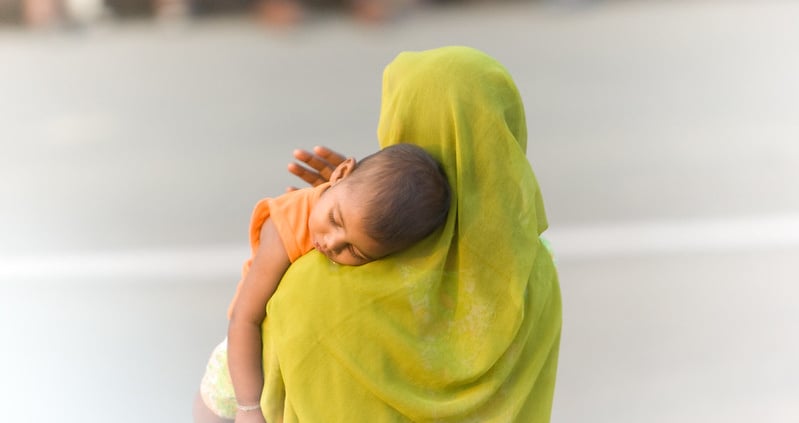
Poverty in PakistanWhen Maryam was a little girl, she loved going to school.

“As I grew up, I became more fond of studying,” Maryam told The Borgen Project. “I thought that I would become a teacher, doctor, anything — but that I would study for sure.”

When Maryam was in fifth grade, she stopped going to school to work as a maid and help support her parents and three younger siblings. Her mother wanted her to continue her education, but her father did not think it was feasible.

“The circumstances did not allow it, so I had to stop studying,” she said. “There was no other adult to help out. I was the eldest. I saw that the situation at home was difficult, so I started working on my own.”

Now, Maryam is 26 and works as a maid for three households in Karachi, Pakistan. She lives with her husband, whom she married at 17, and their 4-year-old son in a small one-room apartment that has no gas, a leaky roof and a bathroom with no ceiling and a curtain as a door.

Poverty in Pakistan

Every month, Maryam earns Rs 30,000, equivalent to $150. Including her husband’s income as a rickshaw driver, there is just enough to cover their rent of Rs 15,000, rickshaw installment of Rs 20,000 and their son’s school fees and gas cylinder, both Rs 5,000, along with other monthly household expenses.

Maryam said she used to purchase groceries such as flour, sugar, oil, tea leaves, salt and pepper on a monthly basis for up to Rs 15,000, not including staples like rice or lentils. Currently, she buys her groceries in small amounts every day because it is cheaper.

For those living in poverty in Pakistan, sticking to a tight budget forces them to make sacrifices. When her son started school, Maryam said she sold her phone to pay for his uniform, school bag and stationery on top of tuition fees. She also recently purchased a small fridge for Rs 50,000, which cut into her budget for new Eid clothes, even though one of her employers loaned her Rs 37,000 to help pay for it.

“You have to kill your wishes,” Maryam said. “If I have an interest in something, then I have to look after the house first…either the child or the house, nothing else.”

She said her household usually runs well with her income, but she never has money left at the end of the month.

“I get really angry because I work for the whole month and as soon as some money comes into my hands, it all gets spent,” Maryam said. “If I had my own house, I would not have to pay rent or if I had my own rickshaw, I would have saved some of my income. But no, I never have any savings.”

Rising Cost of Living

Sometimes Maryam picks up extra cleaning jobs after work to pay for new shoes, clothes and educational expenses for her child.

“I work in three houses and I am not saving, so I feel like I should work more. But with time, I am losing my strength. I have been doing this work for so long, I get tired,” she said.

When Maryam managed to save some money, she put a down payment of Rs 120,000 on a 120-acre plot of land with the hope of owning a house and started paying monthly installments totaling Rs 170,000. However, she later found out that five other people were also paying for the same property. Although she was refunded her down payment, she lost the money she put toward the installments. Maryam said she did not pursue legal action, even if it would be free, because she is afraid someone will come after her family.

Another time, Maryam spent Rs 150,000 on a hysterectomy operation for her mother. The procedure required confirmation from an MRI scan, which costs Rs 16,000, an expense her family could not afford. Eventually, one doctor was willing to perform the surgery based on the results of an ultrasound.

Lack of Fair Pay

Maryam said her family only knows two professions: maid or rickshaw driver. The same applies to her relatives who completed their education at the matric, or 10th-grade, level.

“The boys are well-educated, but they still drive a rickshaw and the girls are also well-educated, but they still work,” she said. “It is very difficult to find a job in Pakistan.”

After Maryam married, she pursued a long-time interest and learned beauty work at a salon. Even then, she could not land a job because she had only one year of experience in the field. As a maid, Maryam completes various household tasks, including sweeping, mopping, dusting, ironing clothes, cooking, washing dishes and cleaning bathrooms.

One of her employers pays her Rs 9,000 per month, but Maryam said it should be closer to Rs 15,000 based on the size of the house. Another employer pays her Rs 7,000 per month when it should be Rs 18,000 given the workload. Once, Maryam mentioned her low pay to one of her employers but was told that someone else would do the work for less.

Poor Treatment

Maryam said the most challenging part of her job is not the work itself but tolerating insults from her employers.

“Everyone scolds me…. When people scold me, it makes me feel bad,” she said. “I cannot say anything. I stay quiet. I just cry.”

Whenever her employers feel she did not adequately complete a chore, Maryam said they require her to redo it without paying for the extra work.

“They are not paying me for free, nor am I working for free, so why should I have to listen to so many scoldings?” she said. “I am a human being too.”

Maryam said she does not share these struggles with her husband anymore because he would stop her from working, but her income keeps the peace in her home and pays for her child’s education.

Benazir Income Support Program

Maryam said many people in her husband’s family receive financial assistance from the government through the Benazir Income Support Program (BISP). Families living in poverty in Pakistan are eligible for this assistance if they have a monthly salary of less than Rs 50,000.

Every four months, qualified recipients receive Rs 13,000 in cash, which accounts for Rs 3,250 per month. To register, an individual brings their National Identity Card and children’s Child Registration Certificate to a BISP office and fills out a survey to complete the application, which is free.

However, Maryam said she has not signed up because it would be difficult for her to collect the payments. The address on her National Identity Card is for her family’s home in her village, not where she lives and works in Karachi.

“It costs Rs 3,000 to go to the village and again Rs 3,000 to come back. There is no point,” she said.

She was also told that registering for the program is expensive and lengthy. Maryam said her family members paid someone Rs 20,000 to collect their documents and enroll on their behalf. That person also pocketed the first payment her relatives received.

Saverya Foundation UK

Saverya Foundation, United Kingdom (U.K.), is a women’s empowerment charity that provides shelter and training to women living in poverty in Pakistan. Maryam said she may have heard of it but has not used its services.

The organization’s goal is to help women become financially independent by building skills that will allow them to work or start their own business from home. These skills range from computer education to beauty work, sewing, stitching and embroidery. The charity has helped more than 10,000 women in Pakistan.

The Future for Maryam

Maryam said that whenever she comes home tired from a long day at work, she often thinks about opening her own food stall.

“I really want to cook,” she said. “It is better than doing this job. I have to listen to everyone’s scolding here, but I will not have to [over] there. It will be my own work.”

As for her son, Maryam is determined that he stay in school.

“Whatever degree he wants to study, whatever it is, I will make sure that he can do it,” she said. “I could not fulfill my dreams, but my son will fulfill his.”

– Umaymah Suhail

Umaymah is based in Karachi, Pakistan and focuses on Good News and Global Health for The Borgen Project.

Photo: Umaymah Suhail

April 14, 2026
https://borgenproject.org/wp-content/uploads/borgen-project-logo.svg 0 0 Precious Sheidu https://borgenproject.org/wp-content/uploads/borgen-project-logo.svg Precious Sheidu2026-04-14 03:00:372026-04-27 07:07:04Surviving Poverty in Pakistan
environment, Global Poverty, Sustainable Development Goals

Towards Climate Collaboration: The U.K.–Pakistan Green Compact

U.K.–Pakistan Green CompactPakistan, consistently ranked among the top 10 nations most vulnerable to climate emergencies, has experienced an increasing frequency of floods, droughts and heatwaves in recent decades. As a result, its population remains in constant flux, facing the dual challenges of poverty and a deteriorating ecological system. Like other climate-affected nations, an increasingly volatile environment poses a significant barrier to sustained, wholesale development.

In response to these challenges, the U.K.–Pakistan Green Compact stands as a landmark agreement in global climate cooperation, marking a critical step toward safeguarding one of the world’s most at-risk nations.

The Deal

The U.K.–Pakistan Green Compact offers Pakistan a collaborative means to ameliorate some of the most pressing ecological challenges that it has faced in recent years. The agreement unlocks more than $35 million in targeted U.K. funding for projects that support the development of green energy and promote preventative solutions, such as the investment in expanding mangrove conservation. 

The compact is centered around five pillars:

  • Clean energy transition
  • Nature-based solutions
  • Innovation and youth empowerment
  • Climate finance and investment
  • Adaptation and resilience

Stabilizing Pakistan’s Vulnerable Regions

The accessibility of finance to support sustainable climate projects is one of the major barriers to progress in Pakistan, a central concern that this compact hopes to address. The climate development that this will facilitate will, in turn, stabilize the regions in Pakistan most directly impacted by the floods, droughts and heatwaves that claimed more than 1,000 lives in 2025 alone. In particular, greater efforts in mangrove conservation made possible by this deal will help protect coastal communities from ongoing flooding risks. 

These floods weaken local economies, destroy homes and infrastructure and threaten the lives of both people and their livestock. More than 18 million Pakistanis were affected by the 2025 monsoon floods. The disaster led to widespread displacement and the destruction of vital public assets.

Essential cropland exceeding 2.23 million acres was either submerged or destroyed. This loss erased critical resources that support regional food security and an economy partly dependent on agriculture. The macroeconomic effects of the disaster are severe. It is projected to reduce the nation’s GDP for 2025–26 by up to 2%, posing a significant barrier to development.

The targeted solutions that the U.K.–Pakistan Green Compact provides hope to the roughly 60 million people living in poverty in Pakistan. The highest concentration of national poverty is found in the most rurally situated districts. As a result, it is the communities most reliant on agriculture that are made the most vulnerable by the impacts of changing climatic conditions. 

Final Thoughts

Collaborative action between international powers, such as the U.K.–Pakistan Green Compact, is essential for building a global framework for climate cooperation. This approach enables the sharing of data, resources, systems and expertise to address the climate crisis and its direct link to high poverty rates.

The future of climate action and poverty reduction is closely interconnected. It depends largely on sustained, large-scale international collaboration. The Green Compact deal stands as a strong example of the kind of coordinated economic action needed to support a more environmentally stable and economically resilient future.

– Evan Meikle

Evan is based in Kingston Upon Hull, UK and focuses on Global Health and Politics for The Borgen Project.

Photo: Flickr
April 7, 2026
https://borgenproject.org/wp-content/uploads/borgen-project-logo.svg 0 0 Hemant Gupta https://borgenproject.org/wp-content/uploads/borgen-project-logo.svg Hemant Gupta2026-04-07 01:30:192026-04-06 12:24:26Towards Climate Collaboration: The U.K.–Pakistan Green Compact
environment, Global Poverty, Health

Extreme Heat and The Lady Health Workers of Pakistan

Lady Health Workers of PakistanAs the changing climate drives temperatures to new extremes, heat is emerging as an underrecognized threat to maternal health. In Pakistan, one of the world’s most heat-exposed countries, pregnancy is increasingly unfolding under conditions that strain the body, health systems and communities alike. Yet despite mounting scientific evidence of the danger extreme heat poses during the perinatal period, maternal health remains largely absent from many national heat-health policies. Thankfully, community health workers, like the Lady Health Workers of Pakistan, are stepping up when the heat becomes too much to bear.

Intensifying Heatwaves in Pakistan

Pakistan is highly vulnerable to extreme heat, with heatwaves becoming more frequent, prolonged and intense in recent decades. Pre-monsoon months often see dangerously high temperatures in combination with high population densities, as seen in cities such as Karachi and Lahore. Several severe events in recent years have emphasized the scale of this risk, including the 2015 heatwave that devastated the southeastern Sindh province and ultimately claimed more than 1,000 lives. In more recent years, Pakistan experienced a heatwave in June 2025, during which temperatures in many parts of the country exceeded 113°F.

Prolonged periods of extreme heat place significant strain on urban and rural communities alike, affecting infrastructure and health systems. Climate change is expected to intensify these trends, increasing the likelihood of longer and more severe heatwaves and expanding the geographic areas affected. For populations with limited access to cooling, reliable electricity or adequate health care, these conditions create public health risks and highlight the need for stronger heat-health preparedness measures.

Extreme Heat and Maternal Health Risks

Extreme heat poses significant risks during pregnancy due to the body’s changes in temperature regulation and fluid balance. During pregnancy, fetal development increases fluid requirements, making it more difficult for the body to dissipate heat. This increases susceptibility to dehydration and heat stress. High temperatures may disrupt hormonal regulation and impair the function of the placenta, potentially reducing oxygen and nutrient delivery to the fetus.

Evidence also links exposure to extreme heat with several adverse pregnancy outcomes, including gestational diabetes, preterm birth and stillbirth in some cases. Heat exposure can also increase the likelihood of infections and complicate care during labor. Because public health care systems in Pakistan are often described as overwhelmed, these risks may increase further. As temperatures continue to rise with climate change, these issues underscore the importance of recognizing pregnancy as a period of heightened vulnerability to extreme heat and ensuring appropriate support for pregnant populations.

Omission of Pregnancy in Heat-Health Action Plans

The National Heatwaves Guidelines released by the Pakistani government do not make direct reference to pregnancy during extreme heat events. The guidelines recommend that “individuals should check on neighbors, especially the elderly, children and those with chronic illnesses,” but they do not mention people in the perinatal period. The report encourages community care for “vulnerable residents,” but it does not define which groups fall into this category.

This highlights an ongoing issue within Heat-Health Action Plans (HHAPs) across the globe. As extreme heat events occur more frequently, many countries have implemented national HHAPs, as urged by the World Health Organization (WHO). However, while WHO guidelines outline strategies to protect pregnant individuals from extreme heat, a recent review found that of 83 eligible HHAPs from 24 countries, only 52% recognized the need to protect this population during heatwaves. Furthermore, none of the HHAPs comprehensively addressed the risks heatwaves pose to maternal, newborn and child health.

The Lady Health Workers of Pakistan

Pakistan’s Lady Health Worker (LHW) Program, established in 1994, plays a critical role in delivering maternal health services to communities across the country, particularly in rural areas and urban informal settlements. The program deploys more than 100,000 trained female community health workers who live within the communities they serve, each covering roughly 1,000 people. Although they are not physicians, they provide services that health professionals may not be able to deliver consistently at the household level. This includes conducting regular household visits to provide health education, basic preventive care and referrals to formal health facilities.

LHWs focus heavily on maternal and newborn health. They counsel pregnant individuals on the importance of antenatal care while monitoring pregnancies and linking families with clinics or midwives when complications arise. They are trusted members of their communities and provide care directly at the household level. As a result, LHWs often serve as the first point of contact for pregnant populations during environmental or health crises.

LHWs guide hydration, rest and heat-related illness. They also monitor vulnerable pregnancies and facilitate timely referrals to health facilities, helping ensure continuity of maternal care even when extreme heat and strained hospitals make access to services more difficult.

– Charlotte Bunn

Charlotte is based in Bristol, UK and focuses on Global Health for The Borgen Project.

Photo: Flickr

April 3, 2026
https://borgenproject.org/wp-content/uploads/borgen-project-logo.svg 0 0 Precious Sheidu https://borgenproject.org/wp-content/uploads/borgen-project-logo.svg Precious Sheidu2026-04-03 03:00:052026-04-02 12:43:38Extreme Heat and The Lady Health Workers of Pakistan
Global Poverty, Health

DRAP cracks down on the fake drug crisis in Pakistan

fake drug crisis in PakistanRecently, the Drug Regulatory Authority of Pakistan (DRAP) intensified its nationwide efforts toward combating the illegal sale, manufacturing and distribution of contaminated and falsified medicines in the country. DRAP implemented increased surveillance, intelligence-led enforcement and stricter regulations to combat, in other words, the fake drug crisis in Pakistan.

Background

The Ministry of National Health Services reports that 85% of medicines in Pakistan are either counterfeit or substandard. According to DRAP, 50% of the medication samples tested were fake — including life-saving treatments for cancer, cardiovascular diseases, mental illnesses and infections.

The issue of counterfeit medicines has been harming the health of Pakistanis for decades. Contaminated drugs often include arbitrary dosages of certain ingredients and deadly additives that can cause fatal effects, such as respiratory paralysis or death. A victim of fake medicine would need additional treatment to cure the damage from these drugs, which takes a toll on both the individual already suffering from an illness and the Pakistani health care system. Even if a fake drug has no effect at all, it is still dangerous, as a patient could unknowingly be left untreated for a serious disease.

Fake Drugs Affect the Poor the Most

The fake drug crisis in Pakistan disproportionately affects the poor, who cannot afford branded medicines or, in some cases, receive certain drugs from pharmacies for free. In 2012, a public cardiology pharmacy in Lahore distributed a contaminated drug to the poor. As a result, 125 people died due to fatal bone-marrow suppression.

Counterfeit drugs are also most often found in rural areas, where drug regulation is less strict. For these reasons, people living in poverty often have to resort to cheaper, falsified drugs, according to Wolters Kluwer Health.

To combat this, Muhammad Omar Larik recommended that the Pakistani government establish pharmaceutical support programs for the poor, as mentioned in his study published in the Journal of the Pakistan Medical Association.

Raids, Seizures and Closures

In recent crackdown efforts on the fake drug crisis in Pakistan, DRAP raided several pharmacies and local medicine shops. If lab testing revealed that the store sold falsified drugs, DRAP would shut it down.

DRAP sealed multiple establishments across the country, including the Al-Waali Care Concepts medical supplies store in Lahore. There were more drug regulation violations behind each closure, such as operating without a valid drug license and unlawfully storing medical devices. When officials raided Al-Waali Care Concepts, they brought legal action against the owner and started a formal investigation into the store.

In a surprise raid, a federal drug inspector shut down a pharmaceutical factory in Nooriabad for its illegal production of unregistered high-dose tramadol tablets. The production of this opioid is illegal nationwide due to smuggling concerns, public safety risks and especially its abuse abroad. DRAP suspects the factory produced the tablets with the intention of shipping them to foreign drug markets.

DRAP lab-tested several pharmaceutical products and consequently banned three newly-found counterfeit medicines: batch 251986 of Duphalac syrup, batch 091 of Taskeen Dard tablets and batch 01 of Pain-Nil tablets. The authority seized the identified batches of the medicines, removed them from the markets and tracked down the suppliers.

In Karachi, officials seized a large quantity of medicine that was sold across the city. In Lahore, DRAP caught individuals selling Urografin, an iodine-containing injection, and a dealer selling unregistered infertility medication, Lipiodol Ultra Liquid, beside a hospital, Dawn reported.

Provincial drug control officials also confiscated several batches of medicines meant to treat allergies, anxiety disorders, kidneys, fevers, body pain, bacterial infections and ulcers. Lab testing revealed that these medications were fake and completely ineffective. According to DRAP, these drugs were illegally produced and falsely labelled under well-known pharmaceutical brands.

Identifying Fake Drugs

A significant lack of public awareness also feeds into the fake drug crisis in Pakistan, as the public is not aware of the severity of the issue and unsure how to differentiate counterfeit medicines from real, safe medication.

As one solution, Dvago, a reputable pharmacy and medical store in Pakistan, outlined several warning signs to look for when identifying counterfeit drugs. These include packaging irregularities, missing or fake security seals, inconsistencies in the medicine’s appearance, an incorrect batch number or expiry date, extremely low prices and a lack of a proper leaflet or labels.

When purchasing medication, the store urges the public to only buy from licensed pharmacies, consult a pharmacist beforehand, verify the drug manufacturer, use track and trace systems with unique codes and most importantly, report suspicious medicines.

Increasing the Quality of Health and Life in Pakistan

Overall, the DRAP crackdown on illegal pharmaceutical drugs is a significant step toward increasing the quality of health and life for Pakistanis, especially for those living in poverty. Unfortunately, the fake drug crisis in Pakistan persists due to inadequate legislation, ineffective law enforcement and drug regulators’ failure to effectively interpret and implement the law.

Nevertheless, with consistent drug surveillance, more pharmacists, stronger law enforcement, trained drug regulators and a solid infrastructure for drug control, Pakistan can achieve its goals.

– Umaymah Suhail

Umaymah is based in Karachi, Pakistan and focuses on Good News and Global Health for The Borgen Project.

Photo: Flickr

April 3, 2026
https://borgenproject.org/wp-content/uploads/borgen-project-logo.svg 0 0 Naida Jahic https://borgenproject.org/wp-content/uploads/borgen-project-logo.svg Naida Jahic2026-04-03 01:30:482026-04-02 12:33:06DRAP cracks down on the fake drug crisis in Pakistan
Gender Equality, Global Poverty, Violence Against Women

Initiatives Helping Domestic Violence Survivors in Pakistan

Domestic Violence Survivors in PakistanAccording to the Human Rights Commission of Pakistan, about 70% of women in Pakistan have experienced domestic violence. The Pakistan Bureau of Statistics reports that one in three women experiences at least one form of domestic abuse during her lifetime. Women living in poverty are more vulnerable to domestic violence, especially when they lack education and financial independence. 

Impoverished women also do not have their community or family’s support when it comes to gender-based violence. Furthermore, the police are often unwilling to help them, which further exacerbates their situation. 

Domestic Violence and the Law

This year, Pakistan’s President Asif Ali Zardari approved the Domestic Violence (Prevention and Protection) Bill of 2026. The new law imposes stricter punitive measures for perpetrators and increases protections for those suffering from domestic violence. Under the bill, domestic violence includes acts causing bodily harm, stalking, harassment, repeated humiliation, threats of violence, false allegations, abandonment and coercion. 

It also includes threats of divorce, threats of a second marriage, sexual conduct that violates dignity, depriving someone of financial resources or restricting access to money or property. Stronger legal protections for victims and penalties for aggressors are steps toward ending domestic violence. However, they do little for women whose cases never reach the courts, whose abuse goes unreported or whose perpetrators are protected by local police. 

Thus, below are some initiatives helping domestic violence survivors in Pakistan, especially those already living in poverty. 

Panah 

The Panah Shelter Home provides refuge for survivors of domestic violence in Pakistan. It aims to rehabilitate abused women, improve their well-being and help them reintegrate into society stronger. The home provides survivors with resources, social services and access to social workers, lawyers, doctors and psychiatrists. 

Panah also equips them with skills for financial independence through literacy classes and vocational training in arts, crafts, cooking, sewing and beauty treatments. Women can also participate in recreational activities such as art therapy, yoga and games.

Bedari

Bedari is a national nongovernmental organization that addresses violence against women and children. It established the country’s first crisis center for domestic violence survivors. At first, the organization provided domestic violence survivors with resources such as legal aid, medical care, psychiatric counseling and other support services. 

Recently, Bedari launched initiatives to educate the public and raise awareness about the harms of domestic violence, aiming to denormalize abuse against women in Pakistani society. It also runs programs that empower, educate and train women to become financially independent, helping them escape abuse and poverty. These projects have impacted more than 3,000 women and girls in the Khushab and Bhakhar districts of Pakistan.

Dastak

Dastak Society is a justice center that supports survivors of domestic and gender-based violence in Pakistan through its women’s protection and child rights units. The center provides crisis management services, a 24/7 helpline, free legal assistance and shelter for survivors. Dastak Society also runs campaigns and programs to increase outreach, build capacity, raise community awareness and sensitize the public. 

These projects aim to shift sociocultural attitudes that enable domestic violence and ultimately bring an end to all violence against women.

Shirkat Gah

The Shirkat Gah Women’s Resource Center is one of Pakistan’s leading women’s rights organizations, advocating for gender equity and addressing gender-based violence. It supports survivors of domestic violence, forced marriage and sexual violence. The center also provides training and safe spaces for connection, learning and social services. 

Its goal is to help women become more resilient and better informed about their right to live free from violence.

Humqadum Mobile App

With funding from the U.N. Trust Fund, the Shirkat Gah Women’s Resource Centre, the National Commission on the Status of Women and Lahore University of Management Sciences collaborated to release a free mobile application called Humqadam. The app connects survivors of domestic and gender-based violence with existing support services across Pakistan, including legal aid and psychosocial counseling. 

It provides 24/7 support while helping break the taboo around seeking help and raising awareness of available resources.

Ending Domestic Violence in Pakistan

To conclude, several initiatives support domestic violence survivors in Pakistan, including a mobile app that connects them to available services. However, domestic violence will persist as long as gender-based violence remains normalized and widely ignored in Pakistani society. Ending domestic violence requires stronger educational initiatives and a broader societal shift in attitudes toward gender-based violence.

– Umaymah Suhail

Umaymah is based in Karachi, Pakistan and focuses on Good News and Global Health for The Borgen Project.

Photo: Unsplash

March 31, 2026
https://borgenproject.org/wp-content/uploads/borgen-project-logo.svg 0 0 Hemant Gupta https://borgenproject.org/wp-content/uploads/borgen-project-logo.svg Hemant Gupta2026-03-31 01:30:062026-03-31 00:18:27Initiatives Helping Domestic Violence Survivors in Pakistan
Agriculture, Developing Countries, Global Poverty, Nonprofit Organizations and NGOs

Organizations Supporting Farmers in Pakistan

Farmers in PakistanMore than 54% of farmers in Pakistan live below the poverty line. According to the latest national census of agriculture in Pakistan, 97% of farmers own less than 12.5 acres and 26% own less than one acre. Meanwhile, the average farm size is now 5.1 acres. These figures suggest that farmers are not generating enough profit to save and are instead living from crop to crop.

Pakistan ranks among the world’s 10 most climate-vulnerable countries, with devastating monsoon rains, floods, droughts, landslides and earthquakes. These natural catastrophes destroy livelihoods, shove civilians into poverty and hit the agricultural industry the hardest. When the aftermath damages crop yields, farmers suffer.

There are more than 11 million farmers in Pakistan. When major climate shifts strike, the government cannot provide for such a large segment of the population. Thus, farmers have no economic security in the event of a natural disaster. On top of this, a recent sharp increase in the costs of fertilizers, diesel, pesticides, farming machinery and electricity in Pakistan makes it expensive for farmers to produce the few crops that survive amid unpredictable climate instability.

Crop costs have also fallen globally and this growing disparity leaves farmers at a loss. Fortunately, here are five organizations that uplift farmers and minimize poverty in Pakistan by providing rural farms with supportive resources.

Hidaya Trust

Hidaya Trust is a nongovernment organization that aims to help underprivileged persons in Pakistan “stand on their own feet”, including farmers. The organization runs various programs covering education, social welfare, health care, the environment and self-employment. Hidaya Trust supplies families in the farmer assistance program with fertilizers, seeds and equipment, as well as education on farming techniques.

For those in the animal farming program, the organization uses its donations to provide families with livestock to start a farm. For example, a $50 donation can buy five chickens and one rooster to start a poultry farm; it costs $70 for seven rabbits, $220 for a pair of goats and $500 for a cow.

Kissan Madadgar

Kissan Madadgar is a real-time farming advisory service that provides expert support and consultation through various channels to farmers at no cost. Farmers in Pakistan can access this service through its 24/7 helpline, mobile application or YouTube channel. Agricultural experts at Kissan Madadgar also visit farms in person to offer on-site support.

This involves teaching farmers more sustainable, productive and feasible solutions and techniques. The goal is to empower farmers, help them prosper and improve Pakistan’s agricultural ecosystem.

Chamber of Food and Agriculture

The Chamber of Food and Agriculture is an independent, nonprofit organization based in Pakistan, created by farmers, for farmers. Agricultural experts and rural development practitioners in Pakistan work with food producers and policymakers worldwide to empower farmers. Run by a people-first policy, the Chamber of Food and Agriculture directly provides training workshops and resources to rural farmers in Pakistan.

It also promotes climate-smart agriculture and technical agricultural innovation. Through this initiative, the organization aims to facilitate stable, accessible markets for farmers, support policy advocacy and increase women’s participation in the farming industry.

The World Bank Group

In 2022, the World Bank Group launched the Punjab Resilient and Inclusive Agriculture Transformation Project, with $200 million in funding. The ongoing project supplies small rural farms in Pakistan with climate-smart farming technology to increase agricultural productivity and farmers’ incomes. This includes training farmers in climate-smart techniques, facilitating efficient and equitable access to water and building resilience to extreme climate emergencies.

The World Bank Group’s project is expected to help 190,000 rural farmers and 1.4 million acres of land.

The Food and Agriculture Organization of the United Nations

In 2020, the Food and Agriculture Organization of the United Nations (FAO) established a livestock farmer field school in the Umerkot district of Pakistan to expand farmers’ knowledge beyond local practices. The organization also distributed 315 kilograms of animal compound feed to each farmer among more than 1,400 of the most vulnerable households to support them throughout the agricultural crisis. Additionally, with support from the World Bank Group, FAO worked with local governments to construct water storage tanks with underwater solar-powered water pumps in 25 rural villages in the Tharparkar district of Pakistan.

FAO provided the villages with water troughs for livestock and drip irrigation systems for kitchen gardens. These resources supported farmers by reducing the impact of the COVID-19 pandemic on their farms. The construction of the water systems also created temporary employment opportunities for those most affected in the region.

The Future for Farmers in Pakistan

In Pakistan, agriculture is the largest sector in the economy. Farming makes up 24% of the country’s total gross domestic product (GDP), employs half of the labor force and is the greatest source of international exports. Farmers also create food security in the country. However, the agricultural sector struggles with low productivity due to its vulnerability to climate change and volatile markets.

Farmers in Pakistan require support with modern technology that accounts for climate instability, as well as further education on proactive farming techniques to maximize crop yields and ultimately help farmers overcome poverty. Given their contribution to Pakistan’s economy, policymakers and government leaders must prioritize farms when allocating funding and resources.

– Umaymah Suhail

Umaymah is based in Karachi, Pakistan and focuses on Good News and Global Health for The Borgen Project.

Photo: Pexels

March 5, 2026
https://borgenproject.org/wp-content/uploads/borgen-project-logo.svg 0 0 Hemant Gupta https://borgenproject.org/wp-content/uploads/borgen-project-logo.svg Hemant Gupta2026-03-05 07:30:172026-03-05 03:19:33Organizations Supporting Farmers in Pakistan
Child Marriage, Child Poverty, Global Poverty

Child Marriage Restraint Act, 2025: End Child Marriage in Pakistan

Child Marriage Restraint ActIn a leap toward ending child marriage in Pakistan, the Islamabad Capital Territory government passed the Child Marriage Restraint Act of 2025. This new legislation is the first legal precedent in Pakistan to illegalize child marriage and set the legal minimum for marriage to at least 18 years of age for girls. Under the previous Child Marriage Restraint Act of 1929, the legal minimum age for marriage was 14 for girls, later amended to 16.

The new act also entails harsher punitive measures than the outdated law. For example, a man who marries an underage girl will now be looking at up to three years in prison. Anyone who facilitates or forces marriage onto a child can face up to seven years in prison, including marriage registrars, religious clerics or family members.

Child Marriage and Poverty

In Pakistan, 20.5 million or 18% of girls are married before they reach the age of 18. Approximately 5 million girls or 4%, are married before the age of 15. Poverty is the driving factor behind child marriage, along with gender inequality and cultural customs.

Child brides usually come from impoverished families who sell them to older men for a price as high as 2.5 million Pakistani rupees, which is more than $8,000. Child marriage tends to spike in regions prone to natural disasters, which displace families, destroy homes and overall increase poverty in the area. The lack of education and access to health facilities in some parts of Pakistan further reinforces the tradition of child marriage.

Although the updated Child Marriage Restraint Act of 2025 is a significant step toward ending child marriage, the law does not address the other factors contributing to the issue. However, below are three organizations raising awareness of the dangers of child marriage in Pakistan by educating the public.

UN Women

In 2024, U.N. Women partnered with the Food and Agriculture Organization (FAO) to organize informational sessions across rural villages in Pakistan. These sessions showed parents the negative consequences of marriage for an underage girl, including health risks and limited access to education. They also sparked dialogue on women’s rights, inclusion in the agricultural industry and involvement in decision-making.

The awareness-raising program reached 1,732 people living in rural villages, as more families allowed their daughters to attend their local schools rather than keep them at home. One woman, Yasmin Gul and her husband attended an information session on child marriage in Pakistan’s Mohmand. Gul married young herself and married off two of her daughters when they were 14 and 15.

After the session, Gul and her husband decided against marrying off their youngest daughter until she is at least 18 years old. Until then, she would be allowed to grow and pursue an education — opportunities her older sisters never had. U.N. Women also launched a campaign where it hand-delivered wedding cards for a fictitious child marriage to Pakistani lawmakers and leaders, each card designed entirely by children.

The invitations displayed colourful artwork illustrated with crayons and markers. Some even included time for “games” in the itinerary. The children in the campaign were between 5 and 15 years old and one was an actual child bride. The invitations caught nationwide media coverage and inspired discussion across Pakistan.

The campaign also had a significant legislative impact, as lawmakers brought the wedding cards to parliamentary meetings to underscore the severity of the issue.

Pathfinder International

With a slightly similar approach, Pathfinder International launched the “End Early Child Marriage” campaign in partnership with the BPG advertising agency. The organization published an invitation to a fictitious wedding between a 13-year-old girl and a 56-year-old man across several media outlets in Pakistan, in English, Sindhi and Urdu. The goal was to reach a diverse audience covering varying demographics.

At the bottom of the card, it says, “This is not an actual event, but a metaphorical stand against the injustice of child marriage. Child marriage is synonymous with the premature ending of a child’s future.” The wedding invitation was published in two newspapers: The Express Tribune, with more than 25,000 readers and the Daily Express, with more than 350,000 readers.

The Express Tribune also shared the campaign on its YouTube podcast, which gained more than 100,000 views. The campaign circulated across popular radio stations, such as CityFM89 and FM100 Karachi, which garnered more than 1.5 million listeners. Express News TV also broadcast the campaign on-air, reaching more than 10 million viewers.

UNICEF Pakistan

UNICEF Pakistan launched its National Gender Strategy for 2024 to 2027. This involves a strategy to address gender inequalities and overall improve girls’ lives, especially when it comes to child marriage in Pakistan. The strategy entails investing in girls’ leadership, voice and agency.

It addresses traditional cultural attitudes perpetuating gender inequality as well as plans to work with leaders, religious figures, boys and men to change harmful beliefs. The strategy also outlines providing girls with greater accountability, social protection and reliable services in education, health care and nutrition.

In Pakistan, 54% of girls become pregnant before turning 18, 88% of girls between 10 and 17 live in poverty and 46% of girls have no education, employment or training. Pregnancy in underage girls poses a range of life-threatening health risks for both the mother and the baby. When paired with poverty and a lack of education or training, this also becomes detrimental to Pakistan’s progress as a country, highlighting the need for UNICEF’s strategy in Pakistan.

Ending Child Marriage For Good

Lawmakers and leaders establishing new legislation to restrict child marriage is a powerful stride. However, child marriage in Pakistan will not end for good until the government addresses the push behind it: poverty, inadequate facilities and a lack of education. Organizations must continue to focus on empowering girls and enabling a brighter future for Pakistan.

– Umaymah Suhail

Umaymah is based in Karachi, Pakistan and focuses on Good News and Global Health for The Borgen Project.

Photo: Pexels

February 9, 2026
https://borgenproject.org/wp-content/uploads/borgen-project-logo.svg 0 0 Hemant Gupta https://borgenproject.org/wp-content/uploads/borgen-project-logo.svg Hemant Gupta2026-02-09 01:30:442026-02-17 06:36:55Child Marriage Restraint Act, 2025: End Child Marriage in Pakistan
Global Poverty, Health

Pakistan’s Lady Health Worker Program & Poverty Reduction

Lady Health Worker ProgramFor a low-income family living on the edge of poverty in rural Pakistan, even a minor illness can become a life-altering crisis. One medical emergency can push them deeper into systemic poverty, force children out of school and trap the family in debt they may never escape. A large majority of the Pakistani rural population falls under this socioeconomic category, where they remain “clustered just above the poverty line.”

Lacking access to quality health care, education and secure land or housing, they struggle to establish themselves within the middle class and remain constantly at risk of slipping back into poverty. At the same time, rising public debt and fiscal constraints have limited government investment in infrastructure, resulting in uneven service delivery and reduced access to essential health and education services. According to the World Bank, these domestic challenges disproportionately affect women and girls.

For example, if the journey to a school is more than five kilometres, the likelihood of girls being out of school is 76% higher than for boys.

Gendered Impacts of Poverty and Weak Health Systems in Pakistan

Furthermore, in low- and middle-income countries (LMICs) like Pakistan, particularly in rural areas, the provision of appropriate antenatal care is constrained by limited health infrastructure and a shortage of skilled medical professionals. To provide vital services to children who are most difficult to reach, community health systems are crucial. Failing social structures expose the “gendered face of poverty,” where deprivation is not only economic but also social and deeply politicized.

Women are the most excluded from public services, yet they bear the greatest burden of inadequate care. Gender-disaggregated data show that although about 45% of Pakistan’s population lives below the poverty line, more than 75% of those in poverty are women and girls. This inequality is further reflected in the World Economic Forum’s Gender Gap Index, where Pakistan ranks last out of 148 countries, underscoring persistent disparities in economic opportunity, political representation, health and education.

As a result, the country forfeits significant productive potential, as women’s labor force participation remains among the lowest in South Asia at just 21% in 2019. In Pakistan, women remain disproportionately poor due to deeply entrenched patriarchal practices, discriminatory laws and restrictive social norms.

Pakistan’s Lady Health Worker Program

As part of its national public health strategy, Pakistan’s Lady Health Worker (LHWs) program was launched in the mid-1990s to support families with limited access to formal health care. The initiative trains local women to deliver basic health services within their communities, particularly in low-income and rural areas where clinics and hospitals are scarce. LHWs provide prenatal and postnatal care, childhood immunizations, family planning guidance and basic health education.

Because they live and work in the communities they serve, they are often the first point of contact for families with health concerns. This accessibility allows health issues to be identified and addressed early, reducing the risk of complications that would otherwise require costly emergency care. Pakistan’s maternal mortality ratio has improved significantly, falling from 432 deaths per 100,000 live births in 1985 to 155 in 2023, highlighting the importance of expanded maternal health services.

Earlier high mortality rates were largely driven by high fertility levels and limited access to health care, with only 15% of women reporting at least one antenatal care visit during their most recent pregnancy. Social and cultural constraints, such as women’s restricted mobility outside the home without an escort, further limit access to health treatment in Pakistan.

Pathways Out of Poverty

For the LHWs themselves, the position represents a significant opportunity and a pathway out of poverty. The paid role advances their education through training and practical work experience, enhancing social mobility and helping to break down class and gender barriers. After three months of classroom training, LHWs undergo a year of on-the-job training.

Although training patterns vary across provinces, this typically includes 15 days of refresher training annually, plus one week of training each month over 12 months. Because they are required to build relationships across caste and class boundaries, some LHWs have gone on to become leaders within their communities. The project also aligns with Pakistan’s broader socioeconomic transformation, including rapid urbanization, increased media exposure, growing acceptance of female education and a rising desire among women to work, particularly after gaining access to schooling.

The program is state-backed, giving participants the status of holding a “government job.” As provincial funding has increased to offset earlier federal shortfalls, the programs in Khyber Pakhtunkhwa, Punjab and Sindh are now adequately resourced, following a period of severe financial constraints across regions.

Contribution to Poverty Reduction

The LHW program contributes to poverty reduction by addressing one of the most common causes of financial instability in low-income households: preventable illness. In rural areas, many families depend on daily wages, meaning even a short illness can result in lost income. When health care is delayed or unavailable, minor health issues can quickly escalate into crises that require costly treatment or long trips to distant hospitals.

LHWs help families avoid these financial shocks by delivering preventive care at the household level. Early treatment of common illnesses, childhood immunizations and prenatal checkups all reduce the likelihood of expensive medical interventions. The program’s core objective is to provide basic preventive, promotive and curative health services within communities, particularly for women and children living in marginalized rural areas and urban slums.

Through this model, approximately 90,000 LHWs deliver primary health care to an estimated 115 million people who would otherwise have limited or no access to health services. National Vision Action Planning documents highlight the critical role of LHWs in improving the quality and accessibility of Reproductive, Maternal, Newborn, Child and Adolescent Health and Nutrition (RMNCH) services. Their work strengthens community-based care, ensures continuity of treatment in rural districts and urban slums and helps remove financial barriers that prevent families from seeking timely care.

Final Remarks

Pakistan’s Lady Health Worker program demonstrates how poverty reduction in Pakistan is closely linked to access to basic, preventive health care. By delivering essential services directly to underserved communities, the initiative helps families avoid medical expenses and income losses that often deepen poverty. Its emphasis on early intervention shows that health care can function not only as a social service but also as an economic safety net for low-income households.

Community-based health care offers a practical, affordable and sustainable response to Pakistan’s widespread poverty. Long-term funding for initiatives like these may improve public health, promote home and help end intergenerational cycles of poverty, demonstrating that significant development often starts at the community level.

– Prubleen Bhogal

Prubleen is based in London, UK and focuses on Good News and Politics for The Borgen Project.

Photo: Pixnio

February 3, 2026
https://borgenproject.org/wp-content/uploads/borgen-project-logo.svg 0 0 Hemant Gupta https://borgenproject.org/wp-content/uploads/borgen-project-logo.svg Hemant Gupta2026-02-03 07:30:412026-02-03 01:45:21Pakistan’s Lady Health Worker Program & Poverty Reduction
Global Poverty, Health, Women

Pakistan’s HPV Vaccine Rollout: Protecting 13 Million Girls

Pakistan’s HPV Vaccine RolloutIn September 2025, the Government of Pakistan initiated a transformative public health landmark with the launch of Pakistan’s Human Papillomavirus (HPV) Vaccine Rollout. This national campaign targets 13 million girls aged 9-14, providing them with critical protection against the virus. Given that Pakistan loses approximately eight women every day to cervical cancer, totaling more than 2,500 preventable deaths annually, this initiative represents one of the most significant advancements in women’s health in the nation’s history.

A Phased Strategy for National Coverage

Central to the success of Pakistan’s HPV Vaccine Rollout is a strategic, phased implementation plan supported by Gavi, the Vaccine Alliance, the World Health Organization (WHO) and UNICEF. The first phase of the campaign focuses on Punjab, Sindh, the Islamabad Capital Territory and Azad Jammu and Kashmir. Following this initial push, the government plans to expand the program to Khyber Pakhtunkhwa in 2026, with Balochistan and Gilgit-Baltistan scheduled for 2027.

By the end of this period, the program aims to reach more than 17 million girls nationwide. The campaign utilizes the Cecolin bivalent vaccine, which the WHO pre-qualifies for use in immunizing against HPV types 16 and 18. These two strains are responsible for the vast majority of cervical cancer cases globally.

To make the program sustainable, Gavi provided 67% of the initial funding, while the Pakistani government committed to a 33% co-financing share. This financial arrangement ensures that the vaccine remains free of charge for all eligible girls. This, thereby, removes the economic barriers that often hinder access to health care for impoverished families.

Overcoming Stigma Through Community Leadership

Since the HPV vaccine is administered to adolescent girls, health officials anticipated challenges regarding social stigma and vaccine hesitancy. To address these concerns, Pakistan’s HPV Vaccine Rollout adopted a “whole-of-society” approach. The government collaborated with local civil society organizations and influential Islamic scholars to build community trust.

These religious leaders played a vital role by publicly endorsing the vaccine, emphasizing that protecting life and preventing disease are core values that align with religious teachings. This communication strategy also utilized the powerful slogan “Sayhat Mand beti Sayhat Mand Gharna,” which translates to “Healthy daughter, healthy family.” By framing the vaccine as an investment in the prosperity of the entire household, the campaign successfully shifted public perception.

Data from the first phase of the rollout indicate a significant decline in vaccine refusals. At the start of the campaign, approximately 300,000 families expressed hesitation. However, through targeted counseling and outreach, this number dropped to 90,000, allowing the campaign to achieve more than 72% coverage in its early stages.

Mobile Outreach for Marginalized Groups

A critical component of the rollout is its ability to reach marginalized and underserved populations, including the 50% of eligible girls who are currently out of school. To ensure no girl is left behind, the government deployed a multi-pronged delivery system. While schools and fixed health facilities serve as primary vaccination sites, mobile teams and special outreach units travel to remote villages and high-risk urban areas to administer vaccinations.

This approach brings the vaccine directly to those who face the greatest geographic and social barriers to care. To support this massive logistical effort, the WHO trained more than 49,000 health workers in vaccine administration, cold chain management and community engagement. These workers are also part of a new digitization project that integrates training manuals into a unified digital learning system.

This technological advancement enables frontline vaccinators to access updated information and report data in real-time, thereby strengthening the overall resilience of Pakistan’s immunization infrastructure.

Building a Sustainable Future for Women’s Health

The long-term success of Pakistan’s HPV Vaccine Rollout will depend on its transition from a campaign-style initiative to a routine part of the national health system. Starting in the second year, the government intends to integrate HPV vaccination into routine immunization schedules for all 9-year-old girls. This integration will ensure that every new cohort of adolescent girls receives protection as a standard part of their primary health care.

By prioritizing evidence-based solutions and fostering international partnerships, Pakistan is moving closer to the World Health Assembly’s goal of eliminating cervical cancer as a public health problem by 2030. The progress made in 2025 demonstrates that even in complex social environments, determined political leadership and community-focused strategies can overcome obstacles to save thousands of lives. This rollout stands as a powerful example of how targeted health interventions can break the cycle of illness and poverty, securing a brighter and healthier future for the next generation of Pakistani women.

– Elena Cárdenas

Elena is based in Monterrey, México and focuses on Global Health and Politics for The Borgen Project.

Photo: Flickr

January 9, 2026
https://borgenproject.org/wp-content/uploads/borgen-project-logo.svg 0 0 Hemant Gupta https://borgenproject.org/wp-content/uploads/borgen-project-logo.svg Hemant Gupta2026-01-09 03:00:522026-01-09 01:58:14Pakistan’s HPV Vaccine Rollout: Protecting 13 Million Girls
Disease, Global Poverty, Health

GPEI Funding: $1.9 Billion Toward the Fight Against Polio

Fight Against PolioPoliovirus is a highly infectious viral disease that attacks the nervous system and could lead to paralysis or even death, mainly affecting children. Today, the virus mainly affects Afghanistan and Pakistan, along with other developing nations. The Global Polio Eradication Initiative (GPEI) is a partnership between the World Health Organization (WHO), Rotary International, U.S. Centers for Disease Control and Prevention (CDC), the United Nations Children’s Fund (UNICEF), the Gates Foundation and Gavi, the Vaccine Alliance that works to eradicate polio completely.

On December 8, 2025, it was announced that political leaders had collectively pledged $1.9 billion to the GPEI. In the fight against Polio, this generous fund has the potential to protect hundreds of millions of children from polio each year and possibly eradicate the virus.

How Polio Affects the World Today

Afghanistan and Pakistan remain the only countries where vaccines have not eliminated wild poliovirus. Other developing nations with low immunization rates continue to experience outbreaks of virus variants. This year, there have been 39 paralysis cases across Pakistan and Afghanistan.

Although polio cases are currently rare, “failure to stop polio in these last remaining areas could result in a global resurgence of the disease.” It is important to eradicate this virus in order to prevent it from spreading once again. Efforts have come very close to eradication and the recent GPEI funding will help bring the world even closer to this goal.

Successes in the Fight Against Polio

The GPEI was established in 1988 with the goal of ensuring that every child receives a polio vaccination. Since then, polio cases have dropped by 99% and vaccines have prevented approximately 20 million cases of paralysis. The virus once affected thousands of children across more than 100 countries but has now been eliminated in all except two, Afghanistan and Pakistan, where only a handful of cases occur each year.

About the Funds Against Polio

Pledges to the GPEI came from multiple donors, including:

  • $1.2 billion from the Gates Foundation
  • $450 million from Rotary International
  • $140 million from the Mohamed bin Zayed Foundation for Humanity
  • $100 million from Bloomberg Philanthropies
  • $154 million from Pakistan
  • $62 million from Germany
  • $46 million from the United States
  • $6 million from Japan
  • $4 million from the Islamic Food and Nutrition Council of America (IFANCA)
  • $3 million from Luxembourg

These funds will help protect 370 million children from polio through vaccination and reduce GPEI’s remaining resource gap. The shortage of vaccines and resources is a key reason polio still persists. With this recent funding, the complete eradication of poliovirus could become achievable.

– Renata Hirmiz

Renata is based in San Diego, CA, USA and focuses on Global Health for The Borgen Project.

Photo: Unsplash

January 4, 2026
https://borgenproject.org/wp-content/uploads/borgen-project-logo.svg 0 0 Hemant Gupta https://borgenproject.org/wp-content/uploads/borgen-project-logo.svg Hemant Gupta2026-01-04 07:30:312025-12-22 00:22:33GPEI Funding: $1.9 Billion Toward the Fight Against Polio
Page 1 of 6123›»

Get Smarter

  • Global Poverty 101
  • Global Poverty… The Good News
  • Global Poverty & U.S. Jobs
  • Global Poverty and National Security
  • Innovative Solutions to Poverty
  • Global Poverty & Aid FAQ’s
Search Search

Take Action

  • Call Congress
  • Email Congress
  • Donate
  • 30 Ways to Help
  • Volunteer Ops
  • Internships
  • Courses & Certificates
  • The Podcast
Borgen Project

“The Borgen Project is an incredible nonprofit organization that is addressing poverty and hunger and working towards ending them.”

-The Huffington Post

Inside The Borgen Project

  • Contact
  • About
  • Financials
  • President
  • Board of Directors
  • Board of Advisors

International Links

  • UK Email Parliament
  • UK Donate
  • Canada Email Parliament

Get Smarter

  • Global Poverty 101
  • Global Poverty… The Good News
  • Global Poverty & U.S. Jobs
  • Global Poverty and National Security
  • Innovative Solutions to Poverty
  • Global Poverty & Aid FAQ’s

Ways to Help

  • Call Congress
  • Email Congress
  • Donate
  • 30 Ways to Help
  • Volunteer Ops
  • Internships
  • Courses & Certificates
  • The Podcast
Scroll to top Scroll to top Scroll to top