Elderly Poverty in Pakistan
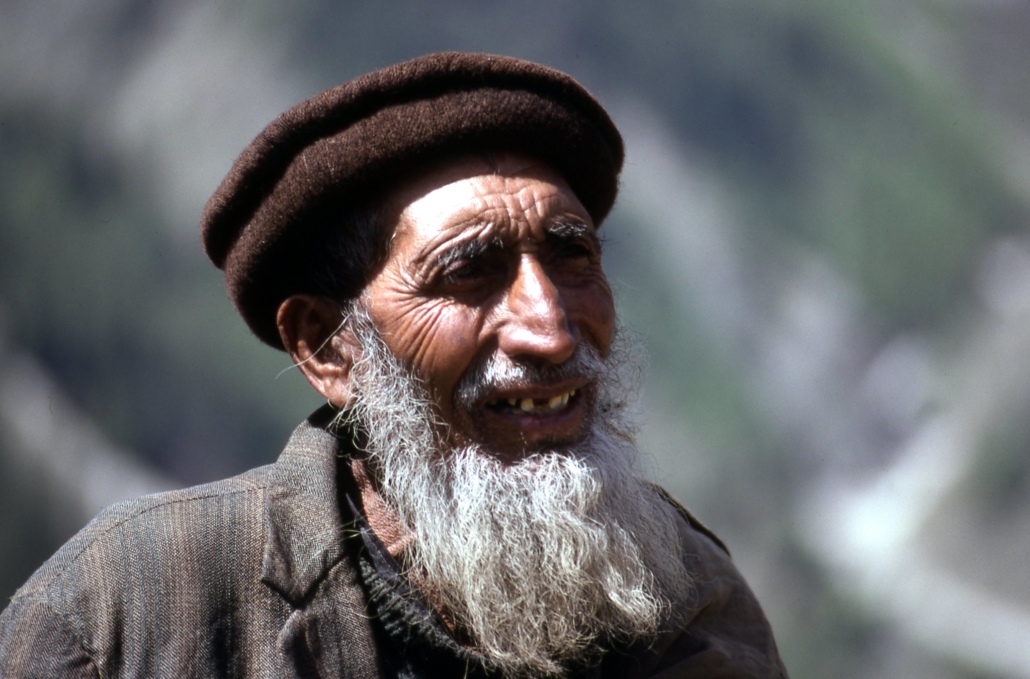
According to HelpAge International, in Pakistan, millions of elderly people endure conditions of poverty. In 2019, Pakistan had 15 million individuals over the age of 60, equating to 7% of the population. Though the elderly make up a smaller segment of the population now, projections indicate that the number of elderly people in Pakistan will rise to 40 million by 2050. In 2018, just “2.3% of the population older than the statutory pensionable age in Pakistan” received a pension. In the face of adversity, vulnerable groups, such as the elderly, suffer the most. For this reason, it is vital to address elderly poverty in Pakistan.
Floods in Pakistan
Recent floods in Pakistan have led to a humanitarian crisis. An October 2022 article by Arab News has indicated that, in flood-affected areas, almost 48% of Pakistani elders, according to a HelpAge International survey, lack access to health facilities.
The survey notes that close to 90% of the elderly “reported having a health condition, with 42[%] having more than one.” The survey lists the top six conditions affecting the elderly during the flooding as joint pains, high blood pressure, respiratory conditions, cardiac issues, diabetes and gastrointestinal problems.
Elderly Poverty in Pakistan
In Pakistan, as per the research of the Pakistan Institute of Development Economics, in 2001, about 37% of the elderly population lived either on or below the poverty line. Low-income elderly people tend to rely on their children, typically sons, for economic support and shelter as old-age homes do not form part of the country’s culture. Elderly people with lower incomes are more likely to live with their children but this rate is lower for elderly people with higher incomes.
Data from a 2001 survey shows that elderly poverty is more pronounced in rural areas than in urban areas. Almost 66% of the elder population resides in rural areas of Pakistan while 33% lives in urban areas. Rural elders are relatively worse off as towns and villages lack proper health care and facilities. About 45% of rural elders live below the poverty line compared to 23% of their urban counterparts. Urban elders have greater satisfaction with their living conditions as they have greater access to healthy food, electricity and clean water.
In 2001, about 19% of the elderly population in Pakistan engaged in employment. Out of the employed elderly segment, males accounted for 32% while females accounted for only 4.7%. Yet, statistics do not indicate that elderly poverty in Pakistan affects women disproportionally.
The literacy rate among the elderly stood at 23% in 2001. Male elderly literacy rates stood at 37% versus 8% among elderly women. These statistics reflect females’ lack of access to education while growing up, likely due to gender norms that prioritize the education of males as society expects females to manage household chores and caretaking.
National Policy for Elderly People
In 2014, Pakistan passed the Senior Citizens Act, which established the Senior Citizens Welfare Council. The council is responsible for advocating for the cause through policy proposals that aim to improve the well-being of the elderly. Pensions, old-age benefits, affordable transport and health facilities are part of the Act’s core agenda. Other provinces, such as Khyber Pakhtunkhwa, Sindh and Balochistan, established similar acts and councils to ensure a good quality of life for the elderly. For example, the Khyber Pakhtunkhwa Senior Citizens Act ensures free access for the elderly to “public museums, libraries, parks and recreation facilities.” It also established separate counters for the elderly in hospitals and lower medical/medicinal rates.
HelpAge International
HelpAge is an international NGO that has worked in Pakistan since 2010. It advocates for the rights of the elderly in Pakistan and collaborates with more than 200 associations for older people in Pakistan. HelpAge responds to emergency situations and provides “age-friendly support” to elders. Up until now, in Pakistan, the organization has provided cash grants to 2,495 elderly individuals.
The HelpAge website tells the story of 60-year-old Atta Muhammad Birohi from Sindh. HelpAge gave him $135 as microcredit to establish an income-generating activity. Using the microcredit, Birohi purchased supplies to make roof beds, also known as pattrons. He sold these beds to generate an income, paid the microcredit loan back timeously and purchased a goat to bring in supplementary income.
HelpAge has also “provided assistive devices and physiotherapy services” to 1,507 elders in Pakistan. It is also advocating for income security through social pensions to alleviate elderly poverty in Pakistan. In this regard, it has proposed many reforms that are yet to materialize.
In a nutshell, the elderly population in Pakistan will likely rise in the coming years. To avoid rates of elderly poverty in Pakistan rising along with it, comprehensive social protection is necessary.
– Sarmad Wali Khan
Photo: Flickr
