• Link to X
  • Link to Facebook
  • Link to Instagram
  • Link to TikTok
  • Link to Youtube
  • About
    • About Us
      • President
      • Board of Directors
      • Board of Advisors
      • Financials
      • Our Methodology
      • Success Tracker
      • Contact
  • Act Now
    • 30 Ways to Help
      • Email Congress
      • Call Congress
      • Volunteer
      • Courses & Certificates
      • Be a Donor
    • Internships
      • In-Office Internships
      • Remote Internships
    • Legislation
      • Politics 101
  • The Blog
  • The Podcast
  • Magazine
  • Donate
  • Click to open the search input field Click to open the search input field Search
  • Menu Menu

Tag Archive for: Poverty In Pakistan

Posts

Business, Global Poverty, Women's Empowerment

Loans + Health: Asasah’s Microfinance Model for Pakistani Women

Asasah’s Microfinance ModelMore than 115 million women worldwide rely on microfinance loans. At first glance, this may look like an empowering opportunity. However, research shows a darker side: many women from improvised households running these small businesses report health challenges linked to the stress of heavy debt.

This raises an urgent question: how do we ensure that microfinance does not come at the cost of women’s well-being? One answer lies in Asasah’s Microfinance Model.

What is the Problem?

A study involving 442 women across multiple cities and provinces in Pakistan asked open-ended questions to explore the health consequences faced by small business owners. The findings revealed numerous challenges categorized into social, physical, mental and economic issues.

Specific concerns included stress, infectious diseases, inadequate housing and limited access to gas lines and health care facilities. Loans alone are insufficient to secure a thriving business and a healthy life.

Asasah’s Microfinance Model

Asasah is a Pakistan-based social enterprise that supports entrepreneurs through financial services to reduce poverty. Its mission is to boost productivity while driving sustainable poverty alleviation. What truly sets Asasah apart is its exclusive focus on women and its unique blend of financial services and health support.

Grounded in the belief that empowering women is one of the most powerful catalysts for social change, Asasah provides microloans and integrates health services to ensure long-term well-being and productivity. Every client receives mandatory health and credit life insurance, with coverage extending to their spouses.

Beyond insurance, Asasah also conducts health workshops to raise awareness and promote healthier living, ensuring that women remain productive and supported. The impact of Asasah’s approach is measurable.

Between its founding in 2003 and June 2013, the institution successfully disbursed 170,000 microloans, issued 170,000 life insurance policies and provided 35,000 health insurance plans.

Why It Is Important

Building on its findings, the study recommended several ways to address the challenges that arise after loans are provided in the microfinance sector. One key recommendation was to pair financial services with health interventions. These could include health insurance, housing loans and improvements to basic living conditions such as water and gas lines.

In other words, microfinance must be combined with health services to prevent the triple burden of debt, disease and destitution faced by many hard-working women. Only by acting on these recommendations can women sustain their businesses without being trapped in the cycle of poverty.

Thanks to Asasah’s approach and efforts, the institution has gone beyond simply providing tools for survival. Instead, it has asked a deeper question: How can we ensure women continue in their efforts? While the fight against poverty is far from over, Asasah’s microfinance model demonstrates how addressing immediate needs and long-term challenges can create lasting impact.

– Majida Mohamed

Majida is based in Minneapolis, MN, USA and focuses on Good News and Global Health for The Borgen Project.

Photo: Pixabay

August 30, 2025
https://borgenproject.org/wp-content/uploads/borgen-project-logo.svg 0 0 Hemant Gupta https://borgenproject.org/wp-content/uploads/borgen-project-logo.svg Hemant Gupta2025-08-30 03:00:392025-08-29 13:46:46Loans + Health: Asasah’s Microfinance Model for Pakistani Women
Global Health, Global Poverty, Technology

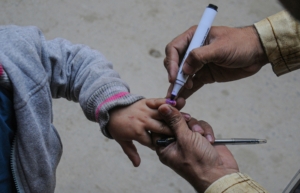
Using AI to Support Maternal Health in Pakistan

How A Scientist Is Using AI to Support Maternal Health in Pakistan Pakistan has one of the highest maternal mortality rates in South Asia. Despite being a signatory to Agenda 2030, the country still lags considerably behind in achieving the Sustainable Development Goals (SDGs). Approximately 20% of the deaths that occur among women of childbearing age are related to maternal complications.

Dr. Maryam Mustafa, assistant professor of computer science at Lahore University of Management Sciences and co-founder of Awaaz-e-Sehat (“Voice of Health”), is harnessing speech-based artificial intelligence to revolutionize maternal health in Pakistan. Funded by the Gates Foundation’s Grand Challenges, her AI app enables under-resourced frontline maternal health workers to record and assess patient information by talking into a smartphone.

Maternal Health Challenges in Rural Pakistan

Maternal health in Pakistan faces serious obstacles, especially in rural areas where women lack access to skilled care. Pakistan Maternal Mortality Survey 2019, conducted by the National Institute of Population Studies and funded by the United States Agency for International Development (USAID), reveals considerable demographic differences between rural and urban areas of Pakistan.

The maternal mortality ratio (MMR) is nearly 26% higher in rural areas than in urban areas due to a major difference in health care services provided to people living in urban areas as compared to those living in distant regions. In addition, delays in medical care during obstetric complications are another factor that leads to maternal deaths. Every year, thousands of women die from causes like bleeding, infections and high blood pressure during pregnancy. In Pakistan, an estimated 154 women die per 100,000 live births. Globally, maternal mortality has decreased by approximately 40% since 2000; however, this progress has slowed.

How Awaaz-e-Sehat Works

In many clinics, doctors and nurses only have a few minutes to spend with each patient. Symptoms, like swelling, headaches or blurred vision, can go unnoticed. Awaaz-e-Sehat helps by guiding health workers through structured questions in Urdu or other local languages before digitally saving each response. The app also analyzes responses for warning signs, such as high blood pressure or anemia and sends automatic alerts if a patient is at risk. The tool was tested at Shalamar Hospital in Lahore, where it supported care for 500 pregnant women in its early phase.

Helping Women at Home

Not all women in Pakistan can regularly travel to clinics for checkups. To help bridge this gap, Awaaz-e-Sehat also works through WhatsApp. Pregnant women can respond to voice messages from home, answering simple health questions. Artificial Intelligence (AI) reviews their responses and if something seems wrong, a health worker receives a prompt to follow up.

Making a Difference

After several months of use, the Awaaz-e-Sehat team saw a clear improvement in early risk detection. The tool helped identify health concerns in about 40% of patients, compared to only 7% in traditional short visits, highlighting a notable step forward in maternal health in Pakistan.

What Comes Next

Dr. Mustafa and her team plan to expand Awaaz-e-Sehat across more clinics and provinces. By collaborating with hospitals, health organizations and the government, they aim to provide AI-powered support to a broader range of health workers and expectant mothers. Their goal is to help Pakistan reach the United Nation’s (U.N.) target of fewer than 70 maternal deaths per 100,000 live births by 2030. 

– Anna Chiaradonna

Anna is based in Philadelphia, PA, USA and focuses on Good News and Politics for The Borgen Project.

Photo: Flickr
July 17, 2025
https://borgenproject.org/wp-content/uploads/borgen-project-logo.svg 0 0 Precious Sheidu https://borgenproject.org/wp-content/uploads/borgen-project-logo.svg Precious Sheidu2025-07-17 01:30:382025-07-16 13:52:23Using AI to Support Maternal Health in Pakistan
Global Poverty, Water Crisis

Pakistan’s Water Crisis: The Indus Water Treaty Suspension

Pakistan’s Water CrisisIndia and Pakistan, two adjacent nations in Southern and Southeastern Asia, gained independence from British rule in 1947. Once the countries became sovereign, disputes regarding water from the Indus Basin, a critical body of water consisting of six rivers, predominantly in India and Pakistan, became increasingly common. After nine years of negotiations, the two nations signed the Indus Water Treaty in 1960 to allocate crucial natural resources to both countries.

The Indus Water Treaty is one of the most successful international treaties in the world; however, after a military conflict between India and Pakistan that began in April 2025, India’s Prime Minister Narendra Modi suspended the treaty, attempting to increase India’s control of the basin. While infrastructure to control the basin would take India some time to complete, Pakistan’s existing water crisis would certainly worsen without access to this resource.

Pakistan’s Water Crisis

Water has always been scarce in Pakistan due to low rainfall in its alluvial plain climate, but currently, Pakistan could be one of the most water-stressed countries in the world. Administrative challenges and shortcomings – such as policy implementation delays, regulatory enforcement deficiencies, inefficient data collection and unsatisfactory climate adaptations – have hindered resource management and, as a result, access to water for people in Pakistan, significantly worsening the water crisis.

In June 2025, usable water reserves dropped drastically, with experts reporting a cumulative decrease of 723,000 feet over just four days. Pakistan experienced 67% less rainfall than usual in the winter 2024 to 2025, making the season one of the driest in the country’s history. The hardest-hit region, Sindh, recorded a 90% reduction in rainfall, and Pakistan’s agricultural center, Punjab, documented a 69% reduction.

As Pakistan relies on the basin’s water for around 90% of its agriculture, water from the Indus Basin is essential for food cultivation. Farming in Pakistan could be severely limited due to a lack of water from the basin, causing people to lose both livelihoods and access to indispensable crops.

Unstable Hydropower System

Because of an unstable hydropower system, Pakistan relies heavily on coal imports. A lack of water and an increased investment in power from fossil fuels could cause an increase in coal imports; at a time when around 60% of Pakistan’s GDP is burdened by debt, this will further economic hardship and hinder Pakistan’s ability to invest in hydropower infrastructure or diversification in the energy sector.

In 2022, Pakistan suffered the costliest flood ever recorded: the disaster disrupted lives, upended agricultural infrastructure and rendered water undrinkable. Because the Indus Water Treaty suspension has resulted in India withholding information on Indus Basin water levels, Pakistan may experience a greater risk of sudden, disastrous floods.

As it stands, only about 39% of people living in Pakistan have access to clean water, and estimates place up to 90% of available water being subpar quality. If water from the Indus Basin is cut off, Pakistani people are at risk of further losing access to the drinking water needed to sustain lives and communities.

NGOs Support Communities in Need

As Pakistan’s water crisis has endured, NGOs have played a pivotal role in offsetting harm. Humanitarian groups help install handpumps, solar-powered filtration systems and water-extracting boreholes to help ensure people in Pakistan have access to clean water.

Ek Plate Biryani installed more than 600 hand pumps across Thar – a district in Sindh, Pakistan –  by the end of 2024. Each pump provides about 50 to 100 Pakistani people with safe drinking water daily.

Human Appeal uses donations to help build water wells in Pakistan with its multinational Water and Sanitation projects. Water wells are critical to combating water scarcity, as they can provide whole communities with water for drinking, cooking, bathing and agriculture.

In November 2023, WaterAid Pakistan announced its Country Programme Strategy for 2023-2028 that aims to expedite WASH progress in the country, emphasizing solutions that bolster public health outcomes and consider climate change challenges.

Looking Ahead

Following sustained tensions between Pakistan and India that instigated the Indus Water Treaty suspension, Pakistan’s water crisis is becoming increasingly dire. Though it could take years for India to build the infrastructure needed to cut off Pakistan from the Indus Basin, imperative next steps to support those affected by Pakistan’s water crisis include community mobilization, practical legislation, dam building, water conservation and diplomatic negotiations between Pakistan and India.

– Erin Hellhake

Erin is based in Old Bridge, NJ, USA and focuses on Global Health and Politics for The Borgen Project.

Photo: Flickr

July 16, 2025
https://borgenproject.org/wp-content/uploads/borgen-project-logo.svg 0 0 Naida Jahic https://borgenproject.org/wp-content/uploads/borgen-project-logo.svg Naida Jahic2025-07-16 07:30:522025-07-15 14:10:18Pakistan’s Water Crisis: The Indus Water Treaty Suspension
Agriculture, Food Insecurity, Global Poverty

Food Systems in Pakistan

Food Systems in PakistanFrom inefficient supply chains to outdated frameworks, food systems in Pakistan are under significant strain. Behind spoiled harvests and empty shelves is a configuration of a fractured food crisis, where millions go hungry because of these vulnerabilities. More than 11 million people in Pakistan’s rural areas are facing these challenges, with 1.7 million in emergency conditions. Addressing the urgency of Pakistan’s systemic challenges may help reform a more sustainable infrastructure to transform the food system.

Pakistan’s Agricultural Sector

Agriculture drives Pakistan’s economy with around 44% of the labor force and contributing nearly a quarter of the country’s GDP. Aside from this sector being vital for economic stability, 67% of rural households also rely on agriculture for their livelihoods. However, challenges arise within environmental and systematic divisions, including chemical fertilizer overuse, poor irrigation techniques and outdated farming methods that have led to soil degradation, salinity and waterlogging. 

However, agricultural abundance does not automatically translate into national food security. As an example, Pakistan has produced bumper wheat crops in recent years, greater than 23 million tons in 2006 alone, yet millions still suffer from food insecurity due to poor distribution networks. The imbalance between production and access showcases a deep-rooted problem within the food system in Pakistan: a discrepancy between supply and sustainable delivery. Climate shocks, infrastructure gaps and a lack of investment in rural supply chains further exacerbate this disconnect. To ensure long-term food security, Pakistan must go beyond crop yields and focus on building a resilient and equitable food system. Addressing inefficiencies in the distribution of the food supply chain and ensuring that sustainable agricultural practices are supported from farms to households is not just a logistical challenge but a moral imperative.

Distribution of the Food Supply Chain

The distribution of food systems in Pakistan is facing challenges impacting farms and consumers. The causes of substantial post-harvest losses, from perishable fruits, vegetables and dairy are due to inadequate rural roads, lack of cold storage, unreliable transportation and market access barriers. About 30–40% of these goods never make it to the market, which threatens food availability, resulting in an annual economic loss of millions.

Yet, within these challenges lie opportunities. Investments in rural infrastructure and more localized supply chains may reduce spoilage and stabilize food prices; one major issue is the highly unequal distribution of land and water; only 37% of rural households own land, and most of those own fewer than five acres, which limits the ability of small farmers to benefit from agricultural growth. To address this, Pakistan has introduced programs aimed at improving rural infrastructure, such as expanding rural road networks and electrification projects, which may help reduce transport costs and increase access to markets. However, many rural enterprises still face frequent power outages and limited credit access, hindering productivity. Policies that invest in human capital and support both farm and non-farm rural sectors to build a more inclusive and resilient food system in Pakistan must complement these efforts.

Upgrading Infrastructure for Sustainable Food Systems

Action Against Hunger, for example,  is a non-government organization that began working in Pakistan in 2005 to combat hunger and malnutrition, especially in vulnerable rural areas. The organization focuses on improving food security by supporting home gardens, promoting climate-resilient agriculture and distributing livestock and fish to boost access to nutritious food. In the Sindh province, where child malnutrition is highest, it has helped more than 314,000 people in the past year through programs like Farmer Field Schools and vertical gardening. Its efforts have led to more diverse diets, increased crop yields and promoted better nutrition for families across 10 districts.

– Hibah Iqbal

Hibah is based in Houston, TX, USA and focuses on Global Health for The Borgen Project.

Photo: Unsplash

June 1, 2025
https://borgenproject.org/wp-content/uploads/borgen-project-logo.svg 0 0 Jennifer Philipp https://borgenproject.org/wp-content/uploads/borgen-project-logo.svg Jennifer Philipp2025-06-01 07:30:182026-04-16 10:10:39Food Systems in Pakistan
Financial Instruments, Global Poverty, Technology

JazzCash: How Fintech Innovations in Pakistan Reduce Poverty

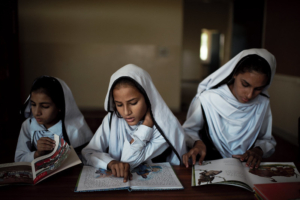
JazzCashPakistan faces significant economic challenges, with a substantial portion of its population living in poverty. As of 2024, the poverty rate stood at 25.3%, marking a sharp increase from the previous year and adding approximately 13 million people to the impoverished population. Financial exclusion exacerbates this issue, particularly among women. In 2021, only 13% of women had access to formal bank accounts compared to 34% of men, highlighting a significant gender gap in financial inclusion. ​

JazzCash’s Role in Financial Inclusion

With 44.4 million customers, JazzCash stands as one of Pakistan’s largest digital financial services platforms. Launched in 2012 by the Pakistani mobile operator Jazz, JazzCash has played a pivotal role in digitalizing Pakistan’s economy, promoting financial inclusion, expanding economic participation and reducing poverty.

Through partnerships with institutions such as the United Nations (U.N.) Women and the Sindh Flood Emergency Rehabilitation Project, JazzCash has introduced microloans, mobile banking and digital finance solutions that support economic activity and empower underserved communities. By leveraging fintech innovations, JazzCash provides secure, efficient and accessible financial services to millions of Pakistanis who previously lacked access to banking.

Here are four key JazzCash initiatives that demonstrate how fintech innovations in Pakistan reduce poverty through economic growth and financial inclusion:

Empowering Women Through Digital Finance

A 2022 partnership with U.N. Women enabled JazzCash to support 10,000 women micro-entrepreneurs by providing mobile wallets, free SIMs, data, calls and SMS bundles by 2025. In addition to digital tools, the initiative offers financial literacy training, ensuring that women gain the knowledge and confidence to effectively use fintech services for business growth and financial independence. With women making up only 21% of Pakistan’s workforce, increasing their participation in the economy is essential for both gender equality and overall economic growth.

The initiative aligns with U.N. Sustainable Development Goal 5 (Gender Equality) and fosters broader poverty reduction by expanding economic opportunities for women. In November 2024, JazzCash announced plans to expand its reach, setting a target to increase the number of women-led businesses using JazzCash from 100,000 to 300,000 by 2027. By integrating women into the digital economy, JazzCash helps close the financial gender gap and provides greater economic independence for female entrepreneurs.

Supporting Disaster Relief Through Fintech

The Sindh Flood Emergency Rehabilitation Project (SFERP), a collaboration between JazzCash and the Government of Sindh, has helped deliver financial assistance to families affected by the 2022 and 2024 floods. As of May 2024, JazzCash has disbursed PKR 2 billion to flood-affected families, with a goal of reaching PKR 15 billion and assisting 1 million households. Additionally, 80,000 new mobile wallet accounts have been created, ensuring that 45% of account holders are women. Traditional relief programs often rely on cash-based assistance, which can lead to delays, inefficiencies and security risks. By offering direct digital transfers, JazzCash provides a more inclusive, transparent and secure alternative, enabling families to rebuild independently and participate in the economy after disasters.

Expanding Social Protection Through Digital Payments

In February 2024, JazzCash became a key partner in the Benazir Income Support Program (BISP), Pakistan’s largest poverty reduction initiative. BISP provides unconditional cash transfers to underserved communities, including 9 million women, serving as a critical social safety net for Pakistan’s most vulnerable populations. JazzCash’s digital disbursement system ensures secure and efficient delivery of PKR 78 billion in cash payments to 1.3 million women by the end of 2025. By November 2024, JazzCash had already successfully transferred PKR 15 billion, demonstrating the effectiveness of fintech in expanding financial accessibility. Beyond facilitating direct aid, this initiative promotes long-term financial inclusion, encouraging women to open digital bank accounts, save money and engage in economic activities that lead to greater financial independence.

Microfinance and Entrepreneurship

JazzCash continues to promote economic inclusion through microfinance, enabling entrepreneurs and small businesses to access capital, process digital payments and expand their operations. Small business owners, particularly in rural and underserved communities, often face significant barriers to accessing credit and banking services. The organization’s microfinance solutions provide secure and efficient financial services, allowing entrepreneurs to scale their businesses, create jobs and contribute to economic growth.

Looking Ahead: The Future of Fintech in Pakistan

As fintech adoption expands, JazzCash remains committed to bridging financial gaps and empowering underserved communities. CEO Aamir Ibrahim has set a target to increase the female customer base from 30% to 50%, ensuring that women gain equal access to financial tools. With the continued integration of financial services into daily transactions, JazzCash is shaping a more inclusive economy where digital finance drives economic participation and poverty reduction in Pakistan.

Expanding financial literacy programs—such as those introduced through the U.N. Women partnership—could be essential in helping more Pakistanis navigate digital finance effectively. By leveraging fintech for economic empowerment, JazzCash is paving the way for sustainable economic growth and greater financial inclusion across Pakistan.

– Oliver Tanner

Oliver is based in London, UK and focuses on Technology and Politics for The Borgen Project.

Photo: Flickr
March 18, 2025
https://borgenproject.org/wp-content/uploads/borgen-project-logo.svg 0 0 Precious Sheidu https://borgenproject.org/wp-content/uploads/borgen-project-logo.svg Precious Sheidu2025-03-18 07:30:352025-03-18 01:35:52JazzCash: How Fintech Innovations in Pakistan Reduce Poverty
Global Poverty, Migration, Refugees

Migration to Pakistan and the Afghan Refugee Crisis

Migration to PakistanPakistan has been a longstanding host to Afghan refugees, providing asylum for over four decades. Migration to Pakistan continues to be a necessity for many Afghans seeking safety and stability.

About Migration to Pakistan

As of October 2024, Pakistan shelters approximately 1.35 million registered Afghan refugees, while the government estimates an additional 600,000 Afghans have entered the country since the Taliban’s return to power in 2021. This influx has placed immense pressure on Pakistan’s economic and social infrastructure, as the country struggles with rising inflation, political instability and security concerns.

Since October 2023, the Pakistani government has tightened its policies, announcing the Illegal Foreigners’ Repatriation Plan (IFRP), which aims to expel undocumented foreigners, primarily targeting Afghan refugees. Nearly 600,000 Afghans have already returned to Afghanistan, fearing arrest or deportation. The situation raises serious humanitarian concerns, as many returnees face poverty, unemployment and insecurity in Afghanistan.

Pakistan’s Role as a Host Country

Pakistan has been one of the largest refugee-hosting countries in the world. Afghan refugees migrated to Pakistan in multiple waves, beginning with the Soviet invasion in 1979, followed by the civil wars of the 1990s, and the U.S.-led war on terror in the 2000s. The most recent crisis emerged after the Taliban’s takeover in 2021, prompting many Afghans—particularly women, journalists and activists—to flee due to threats of persecution.

For decades, migration to Pakistan has been a safe refuge for Afghans escaping conflict and oppression in Afghanistan. Despite its economic struggles, Pakistan has facilitated education, health care and work opportunities for many Afghan refugees. Several international organizations, including the United Nations High Commissioner for Refugees (UNHCR), have collaborated with the Pakistani government under the Solutions Strategy for Afghan Refugees (SSAR) to provide legal protection, assistance and voluntary repatriation programs. Pakistan Poverty Alleviation Fund (PPAF) and the UNHCR launched the UNHCR-PPAF Empowerment Initiative in 2019. This program aims to support Afghan refugees in Pakistan by improving their livelihoods. Since its inception, the initiative has provided vocational training to more than 11,000 refugees and host community members, supported 900 Afghan refugee families through the Poverty Graduation Programme, and helped 2,000 refugee women develop artisanal skills. However, increasing domestic challenges have led Pakistan to reconsider its long-term refugee policies.

Deportation and Legal Complexities

Pakistan is not a signatory to the 1951 Refugee Convention or its 1967 Protocol, which means it has no legal obligation to grant asylum under international refugee law. However, the principle of non-refoulement, a core aspect of international humanitarian law, prohibits states from forcibly returning refugees to a country where they face persecution or harm.

The Pakistani government argues that security conditions in Afghanistan have stabilized, and many refugees do not face a “serious or credible” threat upon return. Additionally, Pakistan’s strained economy and security concerns—including the rise in cross-border terrorism—have contributed to harsher policies against undocumented Afghan nationals. This has led to mass deportations, which human rights organizations, including Amnesty International, have criticized as inhumane and unlawful.

Challenges That Afghan Refugees are Facing

Afghan refugees in Pakistan struggle with economic hardship, discrimination, and legal uncertainty. Many lack official documentation, making it difficult to access formal employment, education and health care. Women and children, in particular, face higher risks of exploitation and poverty.

As negative perceptions regarding refugees in Pakistan become more prevalent, fears of unforeseeable arrests and harassment by police are increasing among the Afghan refugees. Various reports suggest that under the threats of deportation, many refugees left for Afghanistan after selling their possessions at low prices, returning to a life of poverty and insecurity. While inadequacy of basic services in Afghanistan persists, forced repatriation in the absence of sustainable reintegration plans further debilitates Afghanistan’s humanitarian crisis.

International Response and the Way Forward

UNHCR and other humanitarian organizations have questioned Pakistan for its forced expulsion of the Afghan refugees. Voluntary repatriation and long-term integration policies have been the key aspects of UNHCR’s proposals, which offers economic and logistical assistance to both refugees and host populations.

Although the international community, inclusive of European Union and the United States, has partaken in the provision of financial assistance to the Afghan refugees in Pakistan and adjacent nations, the fundraising effort have been insufficient in meeting the actual funding requirements, restraining the success of the humanitarian efforts. In order to address the dire Afghan refugee situation mindfully, a regional scheme incorporating Pakistan, Afghanistan, and the international stakeholders is needed more than ever.

Conclusion

Even though Pakistan is increasingly challenged by its economic and security issues, tackling the Afghan migration to Pakistan situation humanely and diplomatically remains essential for its stability. Afghan refugees are more than uprooted individuals – they possess the skills and resilience to contribute to both their sponsoring nations and their native land.

With investment in education, labor force and legal channels, the regional and international stakeholders will likely be able to provide enduring solutions that improve the conditions of the refugees and the indigenous communities.

– Syeda Khadija Zafar

Syeda is based in Karachi, Sindh, Pakistan and focuses on Business and Technology for The Borgen Project.

Photo: Pixabay

March 6, 2025
https://borgenproject.org/wp-content/uploads/borgen-project-logo.svg 0 0 Jennifer Philipp https://borgenproject.org/wp-content/uploads/borgen-project-logo.svg Jennifer Philipp2025-03-06 01:30:372025-03-06 01:02:41Migration to Pakistan and the Afghan Refugee Crisis
Education, Global Poverty, Nonprofit Organizations and NGOs

Pashtun Poverty in Central Asia

Pashtun Poverty in Central AsiaThe Pashtun people are a nomadic ethnic group whose woes continue to escape global conversation. The group of around 60-70 million people continues to face impoverished conditions across Pakistan and Afghanistan, respectively. With a life expectancy of 46 years, these people’s problems cannot be ignored. Ethnic conflicts and the lack of stability in Afghanistan throughout the last decade have drastically reduced the quality of life for Pashtuns.

FATA

Pashtun poverty is directly tied to destabilization and ethnic violence in Central Asia. Previously called “the most dangerous place in the world,” the Federally Administered Tribal Area (FATA) of Pakistan was home to 20% of the world’s Pashtuns. Although absorbed in 2018, FATA was home to blatant and widespread poverty, with 60% of people living below the poverty line.

This area was described as a “legal vacuum” because no neighboring country would assume administrative control. This led to a 33% literacy rate and plagued the area with intense ethnic and religious violence. In 2018, Pakistan merged the areas into Khyber Pakhtunkhwa in the hopes of improving conditions. Most terror attacks occurred in Pashtun areas in 2022, which points to continuing destabilization and a failure to address the conditions.

Drug Trafficking in Afghanistan

Over the border in Afghanistan, the Pashtuns have additionally dealt with decades of conflict and now Taliban rule. Although Pashtun’s relationship with the Taliban is complicated, the Taliban’s ban on narcotic production has disrupted a significant source of income for Pashtun communities. The U.N. estimated that it had affected the lives of nearly 7 million people who relied on growing opium for income.

Farmers were believed to have lost $1.3 billion in 2023 due to the halt in production, while landowners sold their stockpiles at a hiked price. While the production of narcotics is a complex issue, it is an industry upon which millions depend for their livelihoods. Its cessation has likely pushed many into poverty. Many farmers have continued to defy the ban as it’s their only way to avoid hunger and provide for their families.

Education in Pakistan

Although the situation for Pashtuns seems quite dire, great strides have been made for the education of the next generation. The village of Khanozai, in Balochistan, has a successful education scheme with an estimated 98% literacy rate. Although many Pashtun families must face the dilemma between having their children work or attend school, this village has insisted on the education of the next generation.

The Pakistani education activist Malala Yousafzai is actually Pashtun. In 2012, she spoke out against the Taliban in favor of education for girls. This led to an attack on her life. She survived and has become a global face of the movement for the right for a girl to learn. She is the only Pashtun and youngest ever person to win a Nobel Prize laureate.

The Pashtun Trust

The Pashtun Trust is an England-based charity that works to support both the local community and those in Central Asia. The nonprofit’s Khyber Pukhtunkhwa Projects work to alleviate poverty and provide education to people in Pakistan and Afghanistan. In 2019, the Trust managed to build 50 water wells throughout the region to tackle dehydration.

Pashtun poverty in Central Asia is an ongoing issue. However, nonprofit organizations like the Pashtun Trust are committed to improving the conditions of Pashtuns.

– Charley Dennis

Charley is based in London, UK and focuses on Good News and Politics for The Borgen Project.

Photo: Flickr

February 12, 2025
https://borgenproject.org/wp-content/uploads/borgen-project-logo.svg 0 0 Hemant Gupta https://borgenproject.org/wp-content/uploads/borgen-project-logo.svg Hemant Gupta2025-02-12 01:30:122025-02-12 00:04:40Pashtun Poverty in Central Asia
Global Poverty, Health, Period Poverty

Organizations Advancing Menstrual Health Awareness in Pakistan

Menstrual Health Awareness in PakistanPeriod poverty is an ongoing global issue that prohibits millions of girls and women from living their daily lives. Limited access to sanitary products, clean water and sanitation means women, especially those living in developing countries, struggle with their menstrual health and personal hygiene. The impact of this is damaging as it keeps many girls and women from attending school or work.

According to the World Health Organization (WHO), more than 1.5 billion people worldwide are still deprived of access to basic sanitation facilities. Period poverty also arises from the lack of education and proper awareness of one’s menstrual health. Even today, many girls only come to know about menstruation once they experience it. That said, here are three organizations improving menstrual health awareness in Pakistan, as well as equipping them with the tools they need.

HER

HER is a women-headed organization focusing on creating lifelong social change by supporting communities to overcome the menstrual-related obstructions they face. It does this by delivering educational programs such as the “School Puberty Education Program,” which is aimed at educating and providing training to parents and teachers. Hence, they are aware of puberty changes and can create safe spaces for their children.

“Oh my period” is a group run by the organization which allows girls and women to openly talk about everything related to menstruation and provides the opportunity for young people to learn from one another’s experiences. HER also encourages policy change, hoping to end poverty and reduce the stigma around menstruation by advocating for menstrual equity. The organization has served 38,000 periods, impacting more than 110,000 people.

Santex

Santex is a well-known pioneer in the personal hygiene brand. Founded in 1983, it began as a family-led business focusing on providing a healthy lifestyle for everyone, irrespective of their socioeconomic background. It aims to develop innovative and unique sanitary products to serve women from all corners of Pakistan. One of its leading products, “Butterfly” sanitary pads, was the first “stick-on” menstruation product in Pakistan. In Santex’s own words, it is “the only company to introduce breathable sanitary napkins and panty liners in Pakistan that allows women to breeze through puberty and periods.”

The organization aims to remove taboos relating to menstruation and raise awareness about personal hygiene. In 2022, Santex joined hands with the United Nations Children’s Fund (UNICEF) to continue the discussion of period poverty and barriers women face due to a lack of menstrual health awareness. Both organizations have committed to developing innovative research that will provide high-quality and safe menstrual products for women. Santex has served more than one million periods and trained 184,867 women regarding menstrual health.

Aahung

Aahung, a nonprofit organization founded in Karachi in 1995, aims to spread awareness and improve the sexual and reproductive health and rights (SRHR) of women, men and youths across Pakistan. The organization focuses on empowering and educating young girls and women about their reproductive health rights. This is achieved by disseminating information and ensuring high-quality access to health care facilities. Aahung collaborates with educational institutions and workplace structures to deliver training to people through its various programs.

In 2022, the organization reached 73,645 people, trained 75 schoolteachers and held 40 training sessions to educate parents about SRHR. When catastrophic floods hit Sindh in 2022, Aahung worked to ensure young girls and women facing menstrual issues during the crisis were not abandoned. The organization distributed 300 menstrual kits containing essential sanitary products, soap and other personal hygiene items. It also held informational sessions where women could openly discuss menstruation-related issues and receive needed support.

Final Thoughts

The stigma around a woman’s period remains widespread and is a primary cause of period poverty in developing nations. However, the organizations mentioned above are making significant progress in reducing the taboo surrounding women’s bodies and health. Their work will continue to improve menstrual health awareness in Pakistan, to the benefit of many women across the country.

– Aleena Shahid

Aleena is based in Bradford, UK and focuses on Good News for The Borgen Project.

Photo: Flickr

November 3, 2024
https://borgenproject.org/wp-content/uploads/borgen-project-logo.svg 0 0 Hemant Gupta https://borgenproject.org/wp-content/uploads/borgen-project-logo.svg Hemant Gupta2024-11-03 01:30:272024-11-03 01:23:10Organizations Advancing Menstrual Health Awareness in Pakistan
Child Labor, Children, Global Poverty

Child Labor in Pakistan: From Factories to Classrooms

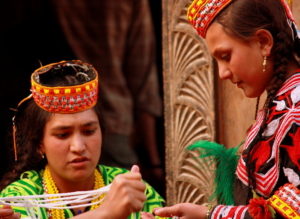
child labor in pakistanIn 2021, Pakistan made minimal progress in combating the worst forms of child labor, despite some positive legislative efforts. Key developments included the passage of laws in Balochistan prohibiting hazardous work for children under 14, banning corporal punishment of children, and establishing special courts dedicated to child protection. Moreover, the Federal Investigative Authority trained law enforcement agencies, and more than 1,000 children were rescued from begging in Punjab. However, Pakistan’s advancement remained minimal due to practices that hindered significant progress.

To address this issue, vocational training programs are trying to reduce child labor in Pakistan. These programs focus on equipping children with practical, market-driven skills to enhance their employability as they transition into adulthood. Training in various fields allows these children to acquire skills that are in high demand, giving them a chance to secure stable, better-paying jobs.

Vocational Training Reducing Child Labor in Pakistan

The Prime Minister’s Youth Skill Development Program (PMYSDP) plays a pivotal role in providing vocational training opportunities for Pakistan’s youth. By focusing on both high-tech and conventional skills, the program equips young people with market-driven expertise, enabling them to transition from exploitative labor conditions into stable and dignified employment. Through these efforts, PMYSDP could not only help curb child labor in Pakistan but also empower young individuals to improve their socio-economic standing and contribute to the future development of Pakistan.

The Pakistan Bait-ul-Mal School for Rehabilitation of Child Labor, established in 1995, aims to remove children aged 5-14 from hazardous labor and provide them with free education, clothing and a stipend, along with subsistence support for their families. With 159 centers across the country, the program currently benefits 17,871 students. The program helps children from industries like brick kilns, mining and agriculture enroll in schools and receive primary education over four years, with opportunities for higher education.

The joint projects on eliminating child labor in Pakistan have implemented successful strategies, including the use of a unified non-formal education curriculum across districts for consistency and scalability. Furthermore, collaborating with government partners and using the Supporting Children’s Rights through Education, the Arts, and the Media (SCREAM) initiative for teacher training has fostered ownership and improved program delivery. A key achievement is extending pre-vocational and vocational training to working children, including those under 12 and their mothers, offering alternatives to child labor. Involving mothers has empowered them and strengthened their commitment to ensuring their children attend training programs regularly.

Making a Change

In conclusion, Pakistan is making progress in the fight against child labor through education, skills training and empowering families. Programs like the Prime Minister’s Youth Skill Development Program and Pakistan Bait-ul-Mal are giving children the tools to break free from exploitative work and build brighter futures. Indeed with continued commitment to enforcement and support for vocational training, Pakistan can create lasting change, transforming the lives of its youth and unlocking their potential for a better tomorrow.

– Aneela Agha

Aneela is based in Dubai, United Arab Emirates and focuses on Technology and Global Health for The Borgen Project.

Photo: Flickr
October 24, 2024
https://borgenproject.org/wp-content/uploads/borgen-project-logo.svg 0 0 Naida Jahic https://borgenproject.org/wp-content/uploads/borgen-project-logo.svg Naida Jahic2024-10-24 07:30:082024-10-24 00:34:47Child Labor in Pakistan: From Factories to Classrooms
Disease, Global Health, Global Poverty

5 Effects of Water Pollution in Pakistan

5 Effects of Water Pollution in PakistanCurrently, more than 21 million Pakistanis face a water sanitation crisis affecting the entire country. Major cities like Karachi and Lahore struggle to provide access to clean and safe drinking water. The situation is even more dire in rural villages that lack modern systems and adequate health care. The Pakistan Council of Research in Water Resources predicts that by 2025, the country will face extreme water shortages. Large-scale industrialization has contaminated many essential water sources, benefiting the economy but causing unchecked environmental damage. The pollution introduces high levels of chemical and biological toxins into the water. Understanding the top five effects of water pollution in Pakistan could help quantify the challenges faced by the population.

5 Effects of Water Pollution in Pakistan

  1. Waterborne Diseases. The outdated water distribution network in Pakistan, located near many industrial plants and sewage systems, introduces numerous toxins into the drinking water. Bacteria such as E-coli and Salmonella, when ingested, can be detrimental to health, leading to diseases such as typhoid, intestinal worms and cryptosporidium infections, which account for more than 40% of communicable diseases in Pakistan. Widespread poverty exacerbates the effects of these diseases, as many Pakistanis cannot afford the necessary medications.
  2. Infant Mortality.  The infant mortality rate in Pakistan is among the highest in developing nations, with water pollution playing a significant role due to the vulnerability of infants to harmful bacteria and fecal matter. According to UNICEF, only 35.8% of the Pakistani population has access to clean drinking water. Exposure to toxic bacteria during pregnancy and early childhood can lead to birth defects and early onset of severe diseases, both of which significantly increase the risk of infant mortality, especially given the limited access to medical care for many families.
  3. Agricultural Damage. Man-made agricultural fertilizers are a significant source of water pollution, which poses severe challenges to Pakistan’s agricultural sector. Given the country’s predominantly dry and hot climate, manufactured water sources are crucial for the survival of many farms. Additionally, small family-owned farms in numerous villages depend entirely on agricultural profits for their livelihood. The broader population also relies heavily on this produce for sustenance. Contaminated water, which harms more than it helps the plants, forces farmers to use scarce freshwater supplies. This situation creates substantial economic and social impacts due to the limited availability of clean water.
  4. Contaminated Food Products. Contaminated food products often result from crops irrigated with impure water. Livestock exposure to polluted water, contamination in marine waters and the use of pesticides and fertilizers further toxify essential resources. Without access to healthy, clean food for consumption and sale, many populations face starvation and life-threatening diseases.
  5. Decreased Biodiversity. Water pollution destroys numerous habitats, including lakes, rivers and ponds. Pollution renders them unable to support aquatic life due to chemical contamination and nutrient depletion. This disrupts food chains as smaller, less chemically resistant organisms die off, impacting species that rely on them for sustenance. Additionally, eutrophication, spurred by excessive nitrogen and phosphorus, triggers algae blooms that further degrade marine ecosystems by limiting sunlight and reducing energy available to aquatic species.

The Paani Project

The Paani Project, headquartered in Ann Arbor, Michigan, is actively enhancing water quality in Pakistan. Founded by four Pakistani Americans seeking to address the water crisis, the nonprofit has developed more than 20,000 water systems since its inception. Additional projects include deepwater wells, solar wells and reverse osmosis plants. As of June 2024, Paani collaborates closely with local partners to identify the most suitable water solutions for each rural community, maximizing the impact of donations. The organization emphasizes transparency, providing donors with approximately 30 photos of the construction process, a video of the completed water system and a comprehensive water quality report.

Looking Ahead

Pakistan’s water crisis poses significant challenges, from waterborne diseases to agricultural damage, impacting millions of lives. Efforts by organizations like the Paani Project offer hope. Their tailored water solutions work to improve access and quality across the country. With a focus on addressing the immediate needs of affected communities, these ongoing initiatives contribute to mitigating the long-term effects of water pollution and ensuring a more sustainable future for Pakistan.

– Sophia Kharal

Sophia is based in San Jose, CA, USA and focuses on Global Health for The Borgen Project.

Photo: Pexels

October 8, 2024
https://borgenproject.org/wp-content/uploads/borgen-project-logo.svg 0 0 Precious Sheidu https://borgenproject.org/wp-content/uploads/borgen-project-logo.svg Precious Sheidu2024-10-08 01:30:282024-10-07 22:51:085 Effects of Water Pollution in Pakistan
Page 3 of 7‹12345›»

Get Smarter

  • Global Poverty 101
  • Global Poverty… The Good News
  • Global Poverty & U.S. Jobs
  • Global Poverty and National Security
  • Innovative Solutions to Poverty
  • Global Poverty & Aid FAQ’s
Search Search

Take Action

  • Call Congress
  • Email Congress
  • Donate
  • 30 Ways to Help
  • Volunteer Ops
  • Internships
  • Courses & Certificates
  • The Podcast
Borgen Project

“The Borgen Project is an incredible nonprofit organization that is addressing poverty and hunger and working towards ending them.”

-The Huffington Post

Inside The Borgen Project

  • Contact
  • About
  • Financials
  • President
  • Board of Directors
  • Board of Advisors

International Links

  • UK Email Parliament
  • UK Donate
  • Canada Email Parliament

Get Smarter

  • Global Poverty 101
  • Global Poverty… The Good News
  • Global Poverty & U.S. Jobs
  • Global Poverty and National Security
  • Innovative Solutions to Poverty
  • Global Poverty & Aid FAQ’s

Ways to Help

  • Call Congress
  • Email Congress
  • Donate
  • 30 Ways to Help
  • Volunteer Ops
  • Internships
  • Courses & Certificates
  • The Podcast
Scroll to top Scroll to top Scroll to top