GPEI Eliminating Polio: Ongoing Efforts and Future Challenges
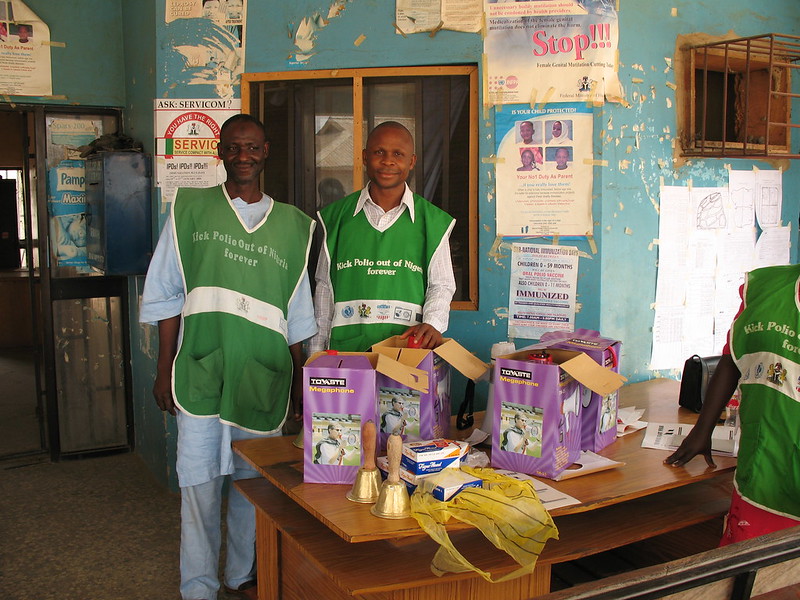 Since launching the Global Polio Eradication Initiative (GPEI) in 1988, the World Health Organization (WHO), United Nations International Children’s Emergency Fund (UNICEF) and several other international organizations have worked tirelessly to eliminate poliovirus. As of Oct. 2023, cases due to wild poliovirus have decreased by more than 99% since 1988, from an estimated 350,000 cases in more than 125 endemic countries, to just two endemic countries.
Polio Aftermath
There is no consensus on the number of polio survivors experiencing the effects of paralytic polio; however, estimates from 2014 suggest about 20 million people are affected. Most of these cases occur in countries where polio remains endemic or has only recently been eradicated, such as Pakistan, Afghanistan and Nigeria.
Research indicates that most individuals living with paralytic polio reside in rural, low-income and isolated communities. A 2019 study found that nearly 80% of polio survivors develop post-polio symptoms, which can lead to chronic medical issues if not addressed. Apart from local community support groups, these survivors have limited resources to aid their rehabilitation and recovery. Consequently, due to this lack of resources, polio survivors often must manage their chronic post-polio or paralytic polio symptoms on their own. This combination of isolation and limited access to medical care creates a poverty spiral that is incredibly difficult to break.
GPEI and Polio Eradication
UNICEF received funding to support vaccinations for 370 million children worldwide. Recently, the Global Polio Eradication Initiative (GPEI) enhanced its relationship with Pakistan, boosting funding and resources to eliminate polio in the nation’s endemic regions.
In 2024, Luxembourg and Japan pledged significant funds toward the global eradication of polio. In May, authorities officially ended two wild poliovirus outbreaks in Malawi and Mozambique. Amid these successes, there is a growing need to focus more on polio survivors and the needs of individuals beyond vaccination. The effort to eliminate polio is incomplete until all those affected by polio, especially survivors who will never fully recover, receive the proper medical and social care necessary to ensure their quality of life and safety.
Current Support Systems
While many polio support and survival groups exist, most primarily function as support networks and often lack the resources to provide extensive post-polio disability care, although some can finance care in certain instances. When these groups do offer medical assistance, it typically comes from volunteer medical professionals who face challenges due to insufficient funding and equipment, much like the Turkish Polio Society.
Most major relief organizations focusing on global polio eradication develop infrastructure to distribute vaccines to as many people as possible. Historically, polio disability care centers have primarily been established for high-income populations in wealthy nations like France and the United States (U.S.) However, there is minimal effort to establish similar care centers in regions with higher rates of polio-related disabilities, where medical and social support could have the greatest impact.
Looking Ahead
Efforts to eradicate polio have made significant strides, with UNICEF securing funding to vaccinate 370 million children in 2024 and additional pledges from Luxembourg and Japan. However, addressing the long-term needs of polio survivors, especially in regions with limited medical access, remains crucial. Comprehensive support systems could ensure the well-being and quality of life for those affected by the aftermath of polio.
– Jamie Sackett
Jamie is based in Hutto, TX, USA and focuses on Global Health and Politics for The Borgen Project.
Photo: Flickr
