• Link to X
  • Link to Facebook
  • Link to Instagram
  • Link to TikTok
  • Link to Youtube
  • About
    • About Us
      • President
      • Board of Directors
      • Board of Advisors
      • Financials
      • Our Methodology
      • Success Tracker
      • Contact
  • Act Now
    • 30 Ways to Help
      • Email Congress
      • Call Congress
      • Volunteer
      • Courses & Certificates
      • Be a Donor
    • Internships
      • In-Office Internships
      • Remote Internships
    • Legislation
      • Politics 101
  • The Blog
  • The Podcast
  • Magazine
  • Donate
  • Click to open the search input field Click to open the search input field Search
  • Menu Menu

Archive for category: Child Poverty

Child Poverty, Education, Global Poverty

Child Poverty in Panama Through One Woman’s Story

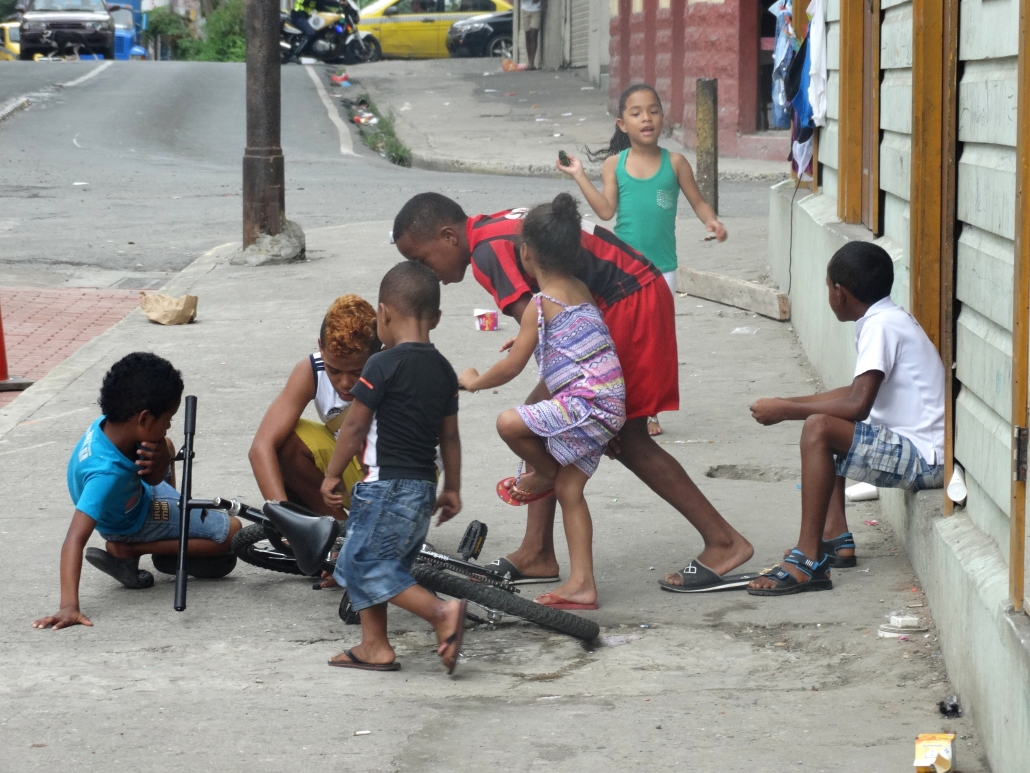
Child Poverty in PanamaPeople often use percentages to measure child poverty in Panama. However, it also shows up in the choices families make regarding school, work and survival. The Borgen Project spoke with a woman in her late 70s from Colón, Panama, who asked to remain anonymous for privacy reasons. 

She remembered how her childhood was shaped by church, school and carnival traditions, as well as by financial difficulties and limited opportunities. Her story is an example of a broader problem across this Central American country. A report from the World Bank and UNICEF in 2026 stated that 34.5% of children and teens in Panama live in monetary poverty, with 16% living in extreme poverty.

Employment Shaped Daily Life

The interviewee reminisced that, while daily life in Colón felt close-knit and joyful growing up, finding steady work was difficult. She discussed living in an economy where jobs paid very little. She remembered that many families depended on better wages from employment in the Canal Zone.

In her account, unemployment affected every aspect of people’s lives. Current research supports this view. According to the World Bank and UNICEF, households with children living in poverty are more likely to be led by adults with limited education and participation in the labor market, making it harder for these families to move toward financial stability.

When Poverty Interrupts Education

The woman said her family struggled to keep paying for private school and she eventually moved to a lower-cost government school. This shift shows that financial hardship can narrow a child’s opportunities early in life. Reflecting on that reality, she told The Borgen Project, “If you don’t pay, you can’t go to school.”

UNICEF says preschool and secondary education services in Panama remain hard to access in rural, peri-urban and Indigenous communities and around 30% of children still lack access to preschool education. UNICEF also reports that girls in Indigenous areas face a greater risk of educational exclusion than children in other parts of the country. When a family’s income is unstable, school becomes one more cost that is difficult to sustain.

The Burden Falls Unevenly Across Panama

Although the interview centers on life in Colón, a city with a significant Afro-descendant population, today’s data shows that child poverty in Panama is especially severe in rural and Indigenous territories. The World Bank-UNICEF report says 83% of children in Indigenous comarcas (regions) live in poverty, while 55% live in extreme poverty. In the Ngäbe-Buglé comarca, child poverty exceeds 90%.

UNESCO likewise reports that children and youth in both remote rural and Indigenous areas face lower participation rates and weaker learning outcomes compared to other students in Panama. These extreme disparities show that child poverty in Panama does not affect everyone evenly across the country. It is highly concentrated in places where families have less access to services, infrastructure and formal employment.

Cash Transfers Offer One Active Response

One existing response is Red de Oportunidades (Opportunities Network), Panama’s conditional cash transfer program. The United Nations Economic Commission for Latin America and the Caribbean (ECLAC) describes it as a national program that supports households living in extreme poverty. The program places special attention on those living in rural and Indigenous areas. 

It is designed to help impoverished mothers with children obtain sufficient schooling and health follow-ups. Programs like this are important because they ease immediate pressure on families while helping children stay connected to education and basic services. For households facing precarious financial situations, this support prevents temporary hardship from becoming further exclusion.

Early Childhood Support Could Make a Long-Term Difference

Panama is also placing more attention on early childhood. A 2024 report from the Panama Ministry of Social Development (MIDES) states that three in 10 children in Panama live in multidimensional poverty. That figure rises to nine in 10 in the comarcas. The same report notes that most early childhood centers are concentrated in urban areas and estimates that only 3% of children under 3 have access to them.

In response, MIDES says the Contigo Creciendo model is being tested in 13 pilot communities in Panamá Oeste and the Emberá-Wounaan comarca, with UNICEF’s support. MIDES, UNICEF and the Development Bank of Latin America and the Caribbean (CAF) also presented three caregiving guides in 2024 for children from birth to 47 months, designed for low-cost use in vulnerable and hard-to-reach communities. These are the kinds of interventions that can help families before poverty causes even greater damage to children’s development.

The interviewee said that access to better employment and housing would have made a significant difference for families like hers. As she put it, “Without money, you can’t do anything.” Her story shows how survival often depended on persistence, family sacrifice and adaptation, not on actual security.

Current data suggests that many Panamanian children still face those same structural barriers today, especially in more impoverished rural and Indigenous areas. However, Panama has effective tools to reduce child poverty, including cash transfer programs, early childhood initiatives and more targeted support for socially isolated communities. If these efforts continue to expand where the need is greatest, the next generation may face fewer of the limits that shaped her childhood.

– Ashirah Newton 

Ashirah is based in Brooklyn, NY, USA and focuses on Global Health for The Borgen Project.

Photo: Flickr

May 8, 2026
https://borgenproject.org/wp-content/uploads/borgen-project-logo.svg 0 0 Hemant Gupta https://borgenproject.org/wp-content/uploads/borgen-project-logo.svg Hemant Gupta2026-05-08 12:08:042026-05-08 12:08:04Child Poverty in Panama Through One Woman’s Story
Child Poverty, Global Poverty

Multidimensional Poverty in Sierra Leone

multidimensional poverty in Sierra LeoneSierra Leone is located in West Africa, bordering the Atlantic Ocean, with a population of 8.5 million as of 2023. The country has a tropical climate and diverse landscapes, ranging from mountains to forests, farmlands, savannas and rainforests. Its western coastline provides scenic views and strong tourism potential.

The global Multidimensional Poverty Index (global MPI) is a method used to measure poverty across 100 developing countries. It analyzes and assesses deprivations in health, education and living standards. 

The History of the Global MPI

The Oxford Poverty and Human Development Initiative (OPHI) and the United Nations Development Program (UNDP) developed the global MPI in 2010. Since then, it has been used to gauge a country’s poverty intensity by tracking indicators across its population. These indicators include nutrition, child mortality, years of schooling, school attendance, cooking fuel, sanitation, drinking water, electricity, housing and assets.

Why Is Measuring Poverty a Vital Tool?

The Borgen Project spoke with an individual at OPHI’s communications department, who emphasized that the importance of measuring poverty “cannot be overstated.” They added, “Without knowing whether poverty is going up or down or what the components of poverty are, we cannot design policies that are likely to reduce poverty or evaluate whether policies intended to reduce poverty are working.” 

They also described MPIs as “vital tools for examining the breadth and depth of poverty in a country, as well as for showing how the composition of poverty differs from group to group.”

The Alkire-Foster Method in Sierra Leone

Sierra Leone’s MPI is based on the Alkire-Foster method, a counting approach used to identify people living in poverty and the deprivations they experience. The individual said, “The purpose of Sierra Leone’s multidimensional poverty measurement journey has been to understand the extent and depth of multidimensional poverty in Sierra Leone to complement monetary poverty measurement and to support national development planning and monitoring.”

Its steps include:

  • Creating a deprivation profile — determining whether an individual is deprived in each indicator.
  • Applying weights to the deprivations — assigning an overall deprivation score to the individual as a percentage.
  • Identifying the underserved — classifying an individual as multidimensionally poor if their score is greater than or equal to the poverty line.
  • Aggregating the information — grouping the results into broader categories after determining whether a person is poor or not.

Child Poverty

According to the Government of Sierra Leone (GoSL), multidimensional poverty among children is expected to fall from 66% to 40% by 2030. Several social factors continue to drive child poverty in Sierra Leone, including:

  • Female genital mutilation (FGM): A widespread practice across the country. According to UNICEF USA, nine out of 10 girls in Sierra Leone undergo the procedure.
  • Child marriage: More common in the north and east of the country, child marriage remains widely accepted in many rural communities. In 2024, new legislation introduced stricter protections by placing a full ban on marriage for anyone under the age of 18.
  • Education: Many children live far from schools and school attendance remains low in some parts of the country. Gender discrimination also means girls are more likely to stay at home rather than attend school.

Achieved Targets and Ongoing Progress

The 2019–2023 Medium-Term National Development Plan prioritized education, health care and nutrition, domestic revenue growth, improved governance and the promotion of peace and stability across the country.

Some of the milestones achieved included:

  • Education: School enrollment increased under the Free Quality School Education Program, with more than one million students enrolled since 2018 across all levels of education.
  • Employment: More than 10,000 young people were employed in sectors such as agriculture, waste collection and car wash services.

The 2024–2030 Medium-Term National Development Plan has since established a roadmap to guide the country’s poverty reduction goals and development targets over the next seven years.

The Big Five Gamechangers include:

  • Feed Salone: Boost agricultural production and enhance food security.
  • Human Capital Development: Invest in human capital to build a healthier population for the 21st century.
  • Youth Employment Scheme: Aims to create 500,000 jobs for young people over the next five years.
  • Technology and Infrastructure: Increase investment in technology, digitalization and infrastructure.
  • Transforming Public Service Architecture: Improve service delivery and efficiency in the public sector while strengthening democratic governance.

Looking Ahead

The interviewee described the MPI as “a high-impact tool for evidence-based, integrated, multisectoral policymaking.” By using the Alkire-Foster method to measure poverty across Sierra Leone, the country has been able to track progress and guide ongoing implementation. These efforts aim to strengthen governance and improve living conditions across the population.

– Zara Ashraf

Zara is based in London, UK and focuses on Good News and Global Health for The Borgen Project. 

Photo: Unsplash

April 7, 2026
https://borgenproject.org/wp-content/uploads/borgen-project-logo.svg 0 0 Hemant Gupta https://borgenproject.org/wp-content/uploads/borgen-project-logo.svg Hemant Gupta2026-04-07 07:30:032026-04-06 12:42:56Multidimensional Poverty in Sierra Leone
Child Poverty, Global Poverty, Nonprofit Organizations and NGOs

EDISCA in Brazil

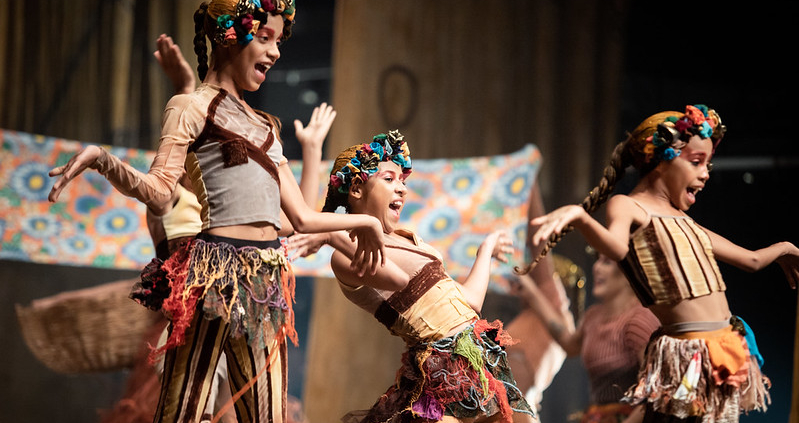
edisca in brazilEDISCA is an example of showcasing how dance can be a supportive outlet for young girls in turning their lives around. Dancing, no matter who does it or where it’s happening, can convey a stronger, deeper message underneath. Dancers don’t always need lights, costumes, or a stage to learn everyday skills that many kids, who don’t dance, don’t get the opportunity to, or tell an important story.

If dance groups are lucky enough, they have the chance to make a difference in the world. In Brazil, using the unique medium of dance as a way to help children create a life for themselves that is safer than the roads on which many young girls fall in Fortaleza.

Background

Escola de Dança e Integração Social para Criança e Adolescente (EDISCA) is a non-governmental group based in Fortaleza, Brazil. Fortaleza faces many challenges with urban poverty, extreme inequality, and a large expanding slum population, and these problems infiltrate the lives of young girls who want to make a life for themselves.

According to the 2025 census data, Fortaleza could have a population of around 2.58-3.24 million. With an estimated 23.1% below the country’s poverty line in 2023-2024. The majority of the children who go to EDISCA cannot read or write, many have health problems, and are close to running away from their violent home lives. EDISCA is important for these young girls to break the habit of global poverty that many children face.

Importance of EDISCA with Poverty

The mission of EDISCA is to promote human development through education, art, and practices that encompass goodness, beauty, and justice. Founded in 1992 by Dora Andrade, EDISCA was made to “provide dance, theater and various other art forms… helps the children understand their and their families’ struggles.”

Andrade first started her dance career in the USA, but quickly changed her pathway when she returned home to teach girls to dance their way out of the slums, along with multiple life skills, critical skills, education, and self-esteem.

Andrade, along with other staff members, teaches the students about health care, nutrition, art, theater, and reading and writing. There is even a psychologist at EDISCA, Madeline Abreu, who talks to the children about the emotional burdens they may carry, according to PassBlue.

EDISCA focuses on children and adolescents who live in the most vulnerable favela communities, offering them an opportunity for an empowering path. The idea is that the girls can become ambassadors of change and take control of their lives by breaking the cycle of poverty and social exclusion. Families and government officials have the opportunity to come and witness the changes being made in EDISCA.

Dance as a Stepping Stone for Change

EDISCA helps outsiders understand that children, specifically from favela communities, can be an important resource for change. Indeed, the performing arts give people the chance to “learn teaching, and teach learning,” SIT study abroad reports. Politicians who come to see some of the work going on at EDISCA see that these underprivileged kids are part of the change, not just the elite

In a country facing extreme poverty, like Brazil, dance serves as an important outlet for young people. For children who go to EDISCA, it is a way to learn basic everyday skills, the chance to turn their life around, and even develop healthy habits, instead of falling down a pathway of prostitution or drug abuse.

EDISCA goes around the world, performing for a wide audience, showcasing the talent that the children have, with the potential to gain more students. It uses dance as a way to push for social justice and build a better future. EDISCA has changed so many lives, and hopes to continue that.

With all the success EDISCA has achieved using dance as a unique medium, it has become a stepping stone for other organizations, including “Dance Out of Poverty” in India, to create their own dance group. The poverty these children face in the favela communities was imposed on them by the higher communities, but EDISCA has flipped the cards by showing them the problems and how EDISCA is making a change.

– Elizabeth Fryer

Elizabeth is based in Philadelphia, PA, USA and focuses on Good News and Global Health for The Borgen Project.

Photo: Flickr

April 6, 2026
https://borgenproject.org/wp-content/uploads/borgen-project-logo.svg 0 0 Naida Jahic https://borgenproject.org/wp-content/uploads/borgen-project-logo.svg Naida Jahic2026-04-06 01:30:122026-04-05 12:17:24EDISCA in Brazil
Child Poverty, Education, Global Poverty

Rouble Nagi: Solving Child Poverty in India With Art and Education

Child Poverty in IndiaFew activists can say that their work has made a difference in more than 100 communities and improved the lives of more than a million underprivileged children. But Rouble Nagi, a teacher and an artist from India, has a resume unlike any other. Through her work as an artist and educator, she has developed a unique and innovative approach to alleviating child poverty in India by providing adolescents with free, flexible education. 

Her work primarily involves building education facilities and transforming the walls of abandoned buildings into educational murals. Indeed, these murals, which she calls “Living Walls of Learning,” teach reading, math, science and more, providing children with accessible learning opportunities. In February 2026, she was awarded the 2026 GEMS Education Global Teacher Prize for her outstanding work on the ground in marginalized communities.

A Hero for India’s Underprivileged Youth

India has the largest child population in the world, with 253 million adolescents out of 1.46 billion people and 25% of these children are living in poverty without access to education. As one of the largest nations in the world, India’s youth will be essential to the future of India and the world. But not enough of these children are getting the care and services they need to grow up with good physical and intellectual health. 

Many factors keep impoverished children from attending school, primarily child labor, child marriage and a lack of proper education facilities. However, Nagi has found a way to work around this. She has designed an education system that works around the challenges facing India’s youth. Her education facilities offer lenient schedules, where children learn practical skills they will use in everyday life.

Nagi has created more than 800 classrooms and murals across more than 100 slums and communities through her organization, the Rouble Nagi Art Foundation (RNAF), resulting in astounding progress. For the one million children who attend her classrooms, she has reduced the dropout rate by 50% and helped ensure they stay in school until completion. Through art, compassion and hard work, Nagi has been a hero to India’s youth and a pioneer in ending child poverty.

Recipient of the 2026 Global Teacher Prize

The GEMS Education Global Teacher Prize is an initiative organized by the Varkey Foundation and UNESCO. Each year, judges select a teacher who has exemplified what it means to be an outstanding educator. The winner receives a $1 million prize for their accomplishments. 

The most recent Global Teacher Prize went to Nagi for the sheer expanse of her positive impact on children’s education in India. She received this award at the 2026 World Governments Summit in Dubai. Judges chose Nagi out of more than 5,000 nominees from 139 countries, describing her as representing the very best of what teaching can be.

What Is Next?

With the $1 million reward she received, Nagi plans to continue providing education to marginalized youth to expand their opportunities and help them lead better lives. Specifically, she plans to build a specialized skilling institute, where she will provide free online and in-person literacy training. She exemplifies what it means to take action to improve the lives of those less fortunate. 

Though child poverty in India remains alarmingly high, pioneers like Nagi are always emerging from the woodwork and taking charge of creating a better future. Her work isn’t done either; she plans to improve the lives of millions more, bringing an end to child poverty step by step.

– Lucas Cain

Lucas is based in Pittsburgh, PA, USA and focuses on Good News and Technology for The Borgen Project.

Photo: Flickr

March 2, 2026
https://borgenproject.org/wp-content/uploads/borgen-project-logo.svg 0 0 Hemant Gupta https://borgenproject.org/wp-content/uploads/borgen-project-logo.svg Hemant Gupta2026-03-02 01:30:062026-03-02 00:35:58Rouble Nagi: Solving Child Poverty in India With Art and Education
Child Marriage, Child Poverty, Global Poverty

Child Marriage Restraint Act, 2025: End Child Marriage in Pakistan

Child Marriage Restraint ActIn a leap toward ending child marriage in Pakistan, the Islamabad Capital Territory government passed the Child Marriage Restraint Act of 2025. This new legislation is the first legal precedent in Pakistan to illegalize child marriage and set the legal minimum for marriage to at least 18 years of age for girls. Under the previous Child Marriage Restraint Act of 1929, the legal minimum age for marriage was 14 for girls, later amended to 16.

The new act also entails harsher punitive measures than the outdated law. For example, a man who marries an underage girl will now be looking at up to three years in prison. Anyone who facilitates or forces marriage onto a child can face up to seven years in prison, including marriage registrars, religious clerics or family members.

Child Marriage and Poverty

In Pakistan, 20.5 million or 18% of girls are married before they reach the age of 18. Approximately 5 million girls or 4%, are married before the age of 15. Poverty is the driving factor behind child marriage, along with gender inequality and cultural customs.

Child brides usually come from impoverished families who sell them to older men for a price as high as 2.5 million Pakistani rupees, which is more than $8,000. Child marriage tends to spike in regions prone to natural disasters, which displace families, destroy homes and overall increase poverty in the area. The lack of education and access to health facilities in some parts of Pakistan further reinforces the tradition of child marriage.

Although the updated Child Marriage Restraint Act of 2025 is a significant step toward ending child marriage, the law does not address the other factors contributing to the issue. However, below are three organizations raising awareness of the dangers of child marriage in Pakistan by educating the public.

UN Women

In 2024, U.N. Women partnered with the Food and Agriculture Organization (FAO) to organize informational sessions across rural villages in Pakistan. These sessions showed parents the negative consequences of marriage for an underage girl, including health risks and limited access to education. They also sparked dialogue on women’s rights, inclusion in the agricultural industry and involvement in decision-making.

The awareness-raising program reached 1,732 people living in rural villages, as more families allowed their daughters to attend their local schools rather than keep them at home. One woman, Yasmin Gul and her husband attended an information session on child marriage in Pakistan’s Mohmand. Gul married young herself and married off two of her daughters when they were 14 and 15.

After the session, Gul and her husband decided against marrying off their youngest daughter until she is at least 18 years old. Until then, she would be allowed to grow and pursue an education — opportunities her older sisters never had. U.N. Women also launched a campaign where it hand-delivered wedding cards for a fictitious child marriage to Pakistani lawmakers and leaders, each card designed entirely by children.

The invitations displayed colourful artwork illustrated with crayons and markers. Some even included time for “games” in the itinerary. The children in the campaign were between 5 and 15 years old and one was an actual child bride. The invitations caught nationwide media coverage and inspired discussion across Pakistan.

The campaign also had a significant legislative impact, as lawmakers brought the wedding cards to parliamentary meetings to underscore the severity of the issue.

Pathfinder International

With a slightly similar approach, Pathfinder International launched the “End Early Child Marriage” campaign in partnership with the BPG advertising agency. The organization published an invitation to a fictitious wedding between a 13-year-old girl and a 56-year-old man across several media outlets in Pakistan, in English, Sindhi and Urdu. The goal was to reach a diverse audience covering varying demographics.

At the bottom of the card, it says, “This is not an actual event, but a metaphorical stand against the injustice of child marriage. Child marriage is synonymous with the premature ending of a child’s future.” The wedding invitation was published in two newspapers: The Express Tribune, with more than 25,000 readers and the Daily Express, with more than 350,000 readers.

The Express Tribune also shared the campaign on its YouTube podcast, which gained more than 100,000 views. The campaign circulated across popular radio stations, such as CityFM89 and FM100 Karachi, which garnered more than 1.5 million listeners. Express News TV also broadcast the campaign on-air, reaching more than 10 million viewers.

UNICEF Pakistan

UNICEF Pakistan launched its National Gender Strategy for 2024 to 2027. This involves a strategy to address gender inequalities and overall improve girls’ lives, especially when it comes to child marriage in Pakistan. The strategy entails investing in girls’ leadership, voice and agency.

It addresses traditional cultural attitudes perpetuating gender inequality as well as plans to work with leaders, religious figures, boys and men to change harmful beliefs. The strategy also outlines providing girls with greater accountability, social protection and reliable services in education, health care and nutrition.

In Pakistan, 54% of girls become pregnant before turning 18, 88% of girls between 10 and 17 live in poverty and 46% of girls have no education, employment or training. Pregnancy in underage girls poses a range of life-threatening health risks for both the mother and the baby. When paired with poverty and a lack of education or training, this also becomes detrimental to Pakistan’s progress as a country, highlighting the need for UNICEF’s strategy in Pakistan.

Ending Child Marriage For Good

Lawmakers and leaders establishing new legislation to restrict child marriage is a powerful stride. However, child marriage in Pakistan will not end for good until the government addresses the push behind it: poverty, inadequate facilities and a lack of education. Organizations must continue to focus on empowering girls and enabling a brighter future for Pakistan.

– Umaymah Suhail

Umaymah is based in Karachi, Pakistan and focuses on Good News and Global Health for The Borgen Project.

Photo: Pexels

February 9, 2026
https://borgenproject.org/wp-content/uploads/borgen-project-logo.svg 0 0 Hemant Gupta https://borgenproject.org/wp-content/uploads/borgen-project-logo.svg Hemant Gupta2026-02-09 01:30:442026-02-17 06:36:55Child Marriage Restraint Act, 2025: End Child Marriage in Pakistan
Child Poverty, Global Poverty, Mental Health

Yoga Alleviates Child Poverty in India

Child Poverty in IndiaDespite India’s rich culture, food and traditions, stark gaps in wealth and education persist. Moni Basu of CNN reports that approximately 35% of Indians are illiterate, meaning they cannot read or write. Of the country’s nearly 1.3 billion people, about 60% live on less than $3.10 a day and 21% (more than 250 million people) survive on less than $2 a day.

The caste system reinforces these inequalities. Jill Lawson of HuffPost writes that many Indians are “rich in spirituality yet struggling to survive.” At the same time, wealth at the top continues to grow. According to BBC reporter Meryl Sebastian, the number of billionaires in India rose to 166 from 102 in 2020 alone, reflecting a system shaped by inherited wealth and social status.

Sebastian also reports that taxing the country’s top 100 billionaires at 2.5% could nearly fund the cost of returning an estimated 150 million children to school.

Child Poverty in India

For those not living in luxury, daily life is marked by limited access to education, unemployment or underemployment, inadequate health care infrastructure and persistent social inequalities. Discrimination based on caste, gender and ethnicity often creates cycles of poverty that are difficult for future generations to escape. UNICEF India Representative, Cynthia McCaffrey, notes that improving children’s well-being requires a “collective will” and is not solely dependent on resources.

Some organizations argue that yoga can help address child poverty by fostering mental well-being and community. Accessible to both the affluent and the less fortunate, yoga promotes calmness and a shared purpose, creating a more supportive environment for learning and personal growth. According to Yogift, the benefits of yoga are wide-ranging, with regular practitioners reporting improvements in daily life, self-awareness and relationships with others.

How Does Yoga Alleviate Child Poverty in India?

Yoga classes can offer several benefits, particularly for children living in poverty. They:

  1. Provide mindfulness and resilience. These sessions provide a break from daily life, where minds are taken off of hardship outside. Students gradually develop inner strength and willpower that they can take home with them.
  2. Build a community. Children feel safe making friends and coming out of their shells. They will feel less alone and it makes the day-to-day that little bit easier.
  3. Improve physical health. By building physical strength, students are less likely to contract illnesses and injuries, thereby increasing attendance at school and reducing stress on health care systems.

Organizations Using Yoga To Address Child Poverty

YoGift, founded in 2020, works to combat child poverty by highlighting the health and economic challenges faced by children in India. The organization notes that about one-third of Indian children suffer from lung problems caused by pollution and unsafe living conditions. At the same time, limited access to job training perpetuates generational poverty.

YoGift raises funds in the United Kingdom (U.K.) through workshops, events, donations and partnerships. Proceeds support Harmony House, a children’s day center in Delhi founded in 2010. The center serves more than 1,000 children daily, providing support in areas such as well-being, education, nutrition and career preparation.

Since its inception, the group has raised more than $8,000 for Harmony House. Another organization, Yoga Gives Back, founded in 2006, also emphasizes community through yoga-based fundraising. Its Sister Aid program provides primary education to about 600 girls and abandoned children and offers microloans to nearly 600 mothers.

The organization’s Scholarship for Higher Education program supports approximately 440 disadvantaged youths who are pursuing college degrees. According to Yoga Gives Back, these efforts have helped approximately 600 girls avoid child labor or early marriage and provided additional educational support to around 800 rural children following the COVID-19 school closures.

Balancing Bodies and Economies

McCaffrey shed light on India’s vast progress on poverty reduction and how “India’s flagship programs have supported investments in children, putting India on track for SDG 1.2 ahead of the 2030 endline.” Evidence of this progression is presented in the World Bank Group’s 2025 Report. It states that rural poverty has decreased from 64.9% to 27.7% and urban poverty decreased from 39.7% to 14.3%.

Despite this progression, there is still further to go. The top 1% of the country’s population still holds 73% of the wealth. Empowering and educating India’s next generation means investing in not only its economy but its people.

The Bhagavad Gita itself invites us to “participate actively in the world, [we are] encouraged to fight for justice and righteousness.” Through practices such as yoga and its mass funding opportunities, we can all use this soft power to make life that little bit more equal, one balance at a time.

– Gemma Nailer

Gemma is based in Manchester, UK and focuses on Good News for The Borgen Project.

Photo: Flickr
January 12, 2026
https://borgenproject.org/wp-content/uploads/borgen-project-logo.svg 0 0 Hemant Gupta https://borgenproject.org/wp-content/uploads/borgen-project-logo.svg Hemant Gupta2026-01-12 07:30:262026-01-12 01:24:18Yoga Alleviates Child Poverty in India
Child Poverty, Education, Global Poverty

Addressing Poverty in Uruguay

Poverty in UruguaySituated between Argentina and Brazil, Uruguay holds a modest population of around 3.4 million – 0.041% of the total world population. Successfully, the nation ranks low in national poverty on a regional level. Boasting a relatively high Gross Domestic Project (GDP), Uruguayan poverty is at one of its lowest points. Recently, the nation scored a Gini index value of 40%, holding the largest middle class in Latin America. With an extreme drop in poverty in Uruguay in the mid-2000s, government assistance programs continue to keep rates stable.

Poverty in Uruguay

About 18.9% of its population are in poverty, per the Multidimensional Poverty Index (MPI). The MPI classifies multidimensional poverty as a deficit in four or more areas of housing, employment, education and government services. About 17.5% of households have at least one member without adequate education. 29.2% of households have at least one informally employed member,  and 17.4% of residents have unreliable housing. The government supplies direct payments through a Conditional Cash Transfer (CCT) program, membership is reliant on school attendance and routine health checks. Payments increase with the number of children per household. 

The government also provides additional benefits to retirees with childcare exceptions, along with disability and survivor benefits. Simultaneously, the government also provides benefits to widowed individuals or children with lost or disabled parents. The previous year’s median wage index determines annual cost of living. However, despite social programs’ impact, poverty is still largely disproportionate.

Groups Experiencing Higher Numbers of Poverty in Uruguay

The Multidimensional Poverty Index (MPI) uncovered higher rates of poverty among Afro-descendants and children aged 0-14. One of South America’s more homogeneous countries, less than 5% of Afro-descendants comprise its population, with 2% identifying as Indigenous, and a smaller percentage identifying as “other.” Afro-descendants make up a fourth of Latin America and are regionally 2.5% more likely to face poverty. In Uruguay alone, extreme poverty most likely affects Afro-descendants. Afro-descendants’ disposable income is 41% lower than white’s, and indigenous people’s is lower by 27%. Consequently, Afro-descendants and indigenous people receive more financial assistance, largely through programs including CCT. In 2018, the government allocated 6.1% towards Afro-descendants through CCT programs and 7.9% towards food transfer programs.

As for child poverty, the lack of child assistance programs likely leads to these disparities. In contrast, Uruguay holds a Human Capital Index (HCI) value of 0.06, relatively high in Latin America. The HCI measures the probability of a child’s success based on rates of employment, education and health. 

Looking Ahead

Progressively, Uruguay’s social assistance programs have been successful in lessening national poverty. The MPI and other programs introduce factorial approaches to understanding poverty. As poverty remains disproportionate among certain populations, implementation of new programs, through demographic-specific programs and education may address income disparities between racial minority groups and create not just regional, but global records as well.

– Sarah Licon

Sarah is based in Whittier, CA, USA and focuses on Technology and Solutions for The Borgen Project.

Photo: Flickr
December 25, 2025
https://borgenproject.org/wp-content/uploads/borgen-project-logo.svg 0 0 Jennifer Philipp https://borgenproject.org/wp-content/uploads/borgen-project-logo.svg Jennifer Philipp2025-12-25 07:30:532025-12-23 06:59:47Addressing Poverty in Uruguay
Child Poverty, Global Poverty

School Meals Fighting Child Poverty in Cyprus

Child Poverty in CyprusCyprus is an island-state in the north-eastern end of the East Mediterranean area, the crossroads between Europe, Asia and Africa. Cyprus has been a member of the European Union since 2004 and with the EU’s help, it provides school meals for children affected by poverty.

Equality Through Food

According to the 2024 report, Cyprus links the constitutional right to equal education opportunities for every child with food inequality. Minimum one subsidized meal per day is a guarantee under the Declaration Combating Child Poverty by Leaving No Child Behind, which the country signed. The country recognizes a meal as a pillar of equality and inclusion for pupils in need.

The report states: “In 2021, only 0.6% of children under 16 who were at ‘Risk of Poverty or Social Exclusion’ experienced deprivation due to household financial difficulties in having one meal a day of meat, chicken, fish or a vegetarian equivalent meal.” It may seem that child poverty in Cyprus is not a significant problem; however, it still affects the quality of life and education for some students.

Free school meals help bridge the gap and consequently eradicate the problem of food inequality at school and child poverty in Cyprus in this particular aspect.

Free Breakfast Program

The “Providing Free Breakfast to Pupils in Need” program started in 2013. It is currently implemented by the Ministry of Education, Sport and Youth as part of the European Union’s THALEIA 2021-2027 project, co-financed by the European Social Fund Plus, which covers 90% of the costs.

Its goal is to support families at risk of poverty and exclusion and to ensure equal educational opportunities for all children, as well as provide them with adequate nutrition and social support.

Pupils in need are children from low-income families. The program provides free breakfast on every school day for the duration of the school year in public schools at all levels of education. In the school year 2022-2023 there were 14,502 pupils who benefited from the program.

Extending the Support

The government plans to extend the program of free meals for pupils starting in April 2026 to further address child poverty in Cyprus. The scheme is to create free breakfast clubs in primary schools for every student. Currently, 750 schools participate in the meal clubs, and an additional 2000 plan to enroll next year.

The investment in the program is estimated at £80 million. Its goal is to support parents and children and to ensure that every pupil has an equal start to the school day, therefore an equal chance to participate in education.

– Patrycja Pietrzak

Patrycja is based in Cyprus and focuses on Good News for The Borgen Project.

Photo: Flickr

November 11, 2025
https://borgenproject.org/wp-content/uploads/borgen-project-logo.svg 0 0 Naida Jahic https://borgenproject.org/wp-content/uploads/borgen-project-logo.svg Naida Jahic2025-11-11 07:30:362025-11-11 01:40:20School Meals Fighting Child Poverty in Cyprus
Child Poverty, Global Poverty

How Supergmiri.ge Helps Fight Poverty in Georgia

Supergmiri.ge
Everyone needs a superhero in their life – someone to look up to and someone who helps without expecting anything in return. In Georgia, everyday superheroes are stepping in to make that difference.

What is Supergmiri.ge?

Supergmiri.ge, which translates to “Superhero,” is a Georgian nonprofit platform that connects children living in poverty with donors who provide personalized, ongoing support. By covering essentials such as school supplies, clothing and daily needs, the initiative eases the financial strain on families while helping children participate fully in education and community life.

The platform operates with a 0% commission model, ensuring that every contribution directly benefits a child. This transparency builds trust and keeps the focus where it belongs – on changing lives. While not a substitute for national welfare programs, Supergmiri.ge offers a hopeful path toward breaking cycles of poverty, one child, one act of care and one everyday superhero at a time.

How It Works

Supergmiri.ge identifies children living in vulnerable or socially difficult conditions – those from families in poverty or without access to school activities, materials or other basic needs. The organization gathers profiles including their stories, needs, interests and ages.

These profiles appear on the Supergmiri website, allowing potential donors to learn about each child and choose whom to support

Donors, or “Superheroes,” can provide ongoing monthly assistance and support multiple children if they wish. Each donation funds customized items such as educational supplies, clothing, hygiene products and activity materials tailored to each child’s interests.

Transparency and Partnerships

Supergmiri.ge maintains strict transparency standards through its 0% commission model, meaning 100% of donations go to beneficiaries. Donors can track how their funds are used and see updates on the delivery of gift packages, according to Meliora.

The organization also partners with local businesses to expand its reach. Collaborations with e-commerce platforms like VELI.store, banks and CSR-focused companies help source and deliver products efficiently. The company Qwerty, for example, provided technical development and maintenance for the Supergmiri.ge website.

Scale and Impact

By the end of 2022, Supergmiri.ge had supported about 450 children with the help of 330 donors, collecting more than 900,000 GEL, Meliora reports. On its website, Supergmiri.ge stated it has raised 2,461,305 GEL as of 2025. During a collaboration with VELI.store, 506 children received 5,143 packages containing nearly 54,882 products (On.ge, 2023).

The website also publishes detailed records of donations, showing exactly how each contribution was used – reinforcing its commitment to transparency and accountability.

Real-Life Examples of Everyday Superheroes Changing Lives

  1. Mariam, Age 9: Mariam is a 9-year-old living in a low-income neighborhood outside Tbilisi. Her family struggled to afford school supplies and books, limiting her ability to participate fully in class and extracurricular learning. Through Supergmiri.ge, Mariam matched with her everyday superhero, who now sends monthly packages tailored to her interests, including notebooks, reading materials and art supplies. Supergmiri.ge connects children like Mariam with donors who help remove barriers to education and give every child a chance to thrive.
  2. Giorgi, Age 12: Giorgi is a 12-year-old who dreams of playing soccer and attending a sports club, but his family could not afford registration fees or equipment. Supergmiri.ge published Giorgi’s profile, including his age, hobbies and goals. A donor stepped in as his everyday superhero and now supports him with monthly contributions that include team gear, training shoes and a sports club membership voucher.Supergmiri.ge’s personalized approach recognizes not just material need but also each child’s passion and potential.
  3. Nino, Age 7: Nino is a 7-year-old whose family faced hardship after her single parent lost work during the pandemic. The stress of covering food, clothes and childcare risked pushing the family deeper into poverty. Nino’s profile on Supergmiri.ge highlighted her immediate needs and interests in educational puzzles and drawing sets. A superhero donor now sends monthly packages that include nutritious food, clothes and development materials. Supergmiri.ge’s 0% commission model ensures that every contribution goes directly to children like Nino, turning small acts of care into meaningful change.

Why These Stories Matter

These stories aren’t just blurbs; they’re real-life children whose lives have been impacted by donors. Supergmiri.ge humanizes poverty in Georgia by showing that even modest, sustained support from everyday superheroes can make a measurable difference in a child’s development and well-being.

The Future

While Supergmiri.ge tackles immediate needs, its real impact lies in the awareness it generates. The project humanizes poverty and invites public empathy – both critical ingredients for long-term social change. By combining transparency with personal connection, the initiative offers a model that other nations could replicate to empower children in need.

The platform’s success also reinforces a key global lesson: fighting poverty requires both systemic policy reform and grassroots compassion. Programs like Supergmiri.ge bridge that gap by showing that even small, consistent acts of care can create meaningful change.

In Georgia and beyond, everyday superheroes are proving that empathy, transparency and collective action can be just as powerful as policy when it comes to breaking the cycle of poverty.

– Salome Jincharadze

Salome is based in Tbilisi, Georgia and focuses on Good News and Politics for The Borgen Project.

Photo: Flickr

November 4, 2025
https://borgenproject.org/wp-content/uploads/borgen-project-logo.svg 0 0 Naida Jahic https://borgenproject.org/wp-content/uploads/borgen-project-logo.svg Naida Jahic2025-11-04 07:30:252026-01-05 12:13:32How Supergmiri.ge Helps Fight Poverty in Georgia
Child Poverty, Global Poverty, NGOs

Child Poverty in Ghana: How Al-Ayn is Working to Solve It

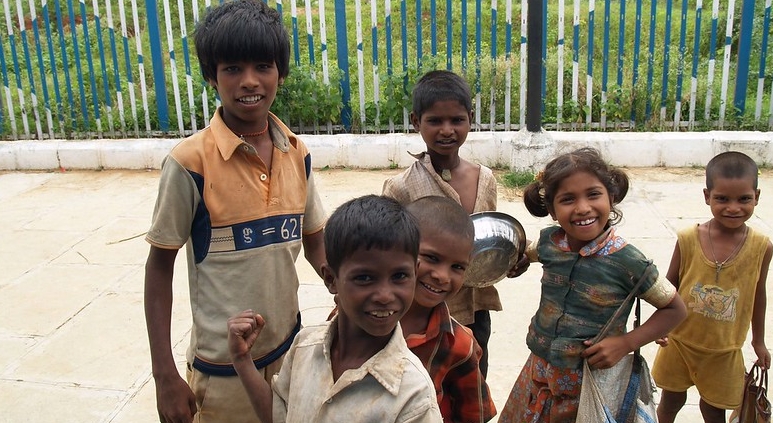
Child Poverty in GhanaGhana is a West African nation with Côte d’Ivoire to its west, Burkina Faso to its north, Togo to its east and the Atlantic Ocean to its south. Ghana is a low-income state, and children are particularly affected by poverty. According to the United Nations Children’s Fund (UNICEF), three-quarters of Ghanaian children are deprived in at least three dimensions of poverty. Al-Ayn is an organization that works with children across the world to bring them out of poverty and has recently started working in Ghana. It addresses poverty in a multidimensional sense, focusing on numerous areas rather than just income.
How Poverty Affects Children in Ghana

  • Health. In Ghana, one in 17 children do not survive to adulthood. This is largely due to disease and malnutrition, facilitated by overburdened and ineffective infrastructure. In 2018, 97.4% of children under five years old who were malnourished were classed as underweight, wasting or stunted. This shows that food security is a problem for young children. Alongside malnutrition, child labor has a negative effect on children’s health. More than 20% of children between 5 and 17 years old engage in child labor, mostly in the cocoa business where they are exposed to dangerous chemicals such as mercury.
  • Education. Education is important for Ghanaian children because it can allow them to pull themselves out of poverty in adulthood. However, Ghana’s rapid population growth has caused significant overcrowding in classrooms, limiting the effectiveness of education. Ghana’s literacy rate is around 80%, which is high compared to other African countries, but only 47% of Ghanaian children complete lower secondary education. Although primary education and, to an extent, secondary education are both free, major inequality remains.
  • Housing and Sanitation. Living conditions are closely linked to both health and education for children in Ghana. Many impoverished children live in unhygienic and sometimes dangerous conditions. Lack of clean drinking water causes the spread of diseases such as cholera and various parasitic infections. Beyond the immediate effects of disease, this also disrupts children’s education. Unreliable housing and sanitation negatively affect children later in life, stunting immune system growth and impeding development.

The Impacts of Al-Ayn

Al-Ayn is a nongovernmental organization that has worked with children, particularly orphans, around the world who are living in poverty. It focuses on these children because they are among the most vulnerable members of society. Al-Ayn was influential in Iraq, helping more than 170,000 orphaned children gain access to housing, education and health care.

Al-Ayn has been tackling child poverty in Ghana since 2021. Its focus is on the multidimensional nature of poverty, addressing it from multiple angles. Al-Ayn focuses on health care, education, housing and sanitation. Although separate, these areas are closely linked and work together to improve the environment in which impoverished children grow up.

Al-Ayn is largely a boots-on-the-ground organization, directly involving itself with orphaned children in particular. As of 2023, more than 160 orphans in Ghana have been supported by Al-Ayn through safe housing and sanitation, reliable health care and effective education. Another important way Al-Ayn has been helping children and families in Ghana is by assisting them in obtaining legal documentation. This gives them a better chance of receiving education, health care and employment. Legal documentation also makes children and families eligible for government programs, which can help lift them out of poverty.

Looking Ahead

Child poverty in Ghana is a national problem that affects millions of children across the country. However, Al-Ayn’s work offers reason for optimism. Its multidimensional approach, combined with its continued commitment, is helping improve the lives of children in Ghana.

– Oliver Evans

Oliver is based in Devon, UK and focuses on Good News for The Borgen Project.

Photo: Flickr

October 31, 2025
https://borgenproject.org/wp-content/uploads/borgen-project-logo.svg 0 0 Precious Sheidu https://borgenproject.org/wp-content/uploads/borgen-project-logo.svg Precious Sheidu2025-10-31 01:30:522025-10-31 02:49:28Child Poverty in Ghana: How Al-Ayn is Working to Solve It
Page 1 of 17123›»

Get Smarter

  • Global Poverty 101
  • Global Poverty… The Good News
  • Global Poverty & U.S. Jobs
  • Global Poverty and National Security
  • Innovative Solutions to Poverty
  • Global Poverty & Aid FAQ’s
Search Search

Take Action

  • Call Congress
  • Email Congress
  • Donate
  • 30 Ways to Help
  • Volunteer Ops
  • Internships
  • Courses & Certificates
  • The Podcast
Borgen Project

“The Borgen Project is an incredible nonprofit organization that is addressing poverty and hunger and working towards ending them.”

-The Huffington Post

Inside The Borgen Project

  • Contact
  • About
  • Financials
  • President
  • Board of Directors
  • Board of Advisors

International Links

  • UK Email Parliament
  • UK Donate
  • Canada Email Parliament

Get Smarter

  • Global Poverty 101
  • Global Poverty… The Good News
  • Global Poverty & U.S. Jobs
  • Global Poverty and National Security
  • Innovative Solutions to Poverty
  • Global Poverty & Aid FAQ’s

Ways to Help

  • Call Congress
  • Email Congress
  • Donate
  • 30 Ways to Help
  • Volunteer Ops
  • Internships
  • Courses & Certificates
  • The Podcast
Scroll to top Scroll to top Scroll to top