• Link to X
  • Link to Facebook
  • Link to Instagram
  • Link to TikTok
  • Link to Youtube
  • About
    • About Us
      • President
      • Board of Directors
      • Board of Advisors
      • Financials
      • Our Methodology
      • Success Tracker
      • Contact
  • Act Now
    • 30 Ways to Help
      • Email Congress
      • Call Congress
      • Volunteer
      • Courses & Certificates
      • Be a Donor
    • Internships
      • In-Office Internships
      • Remote Internships
    • Legislation
      • Politics 101
  • The Blog
  • The Podcast
  • Magazine
  • Donate
  • Click to open the search input field Click to open the search input field Search
  • Menu Menu

Tag Archive for: OECD

Posts

Disease, Education, Global Poverty, Life Expectancy

10 Facts About Life Expectancy in Germany

10 Facts About Life Expectancy in Germany
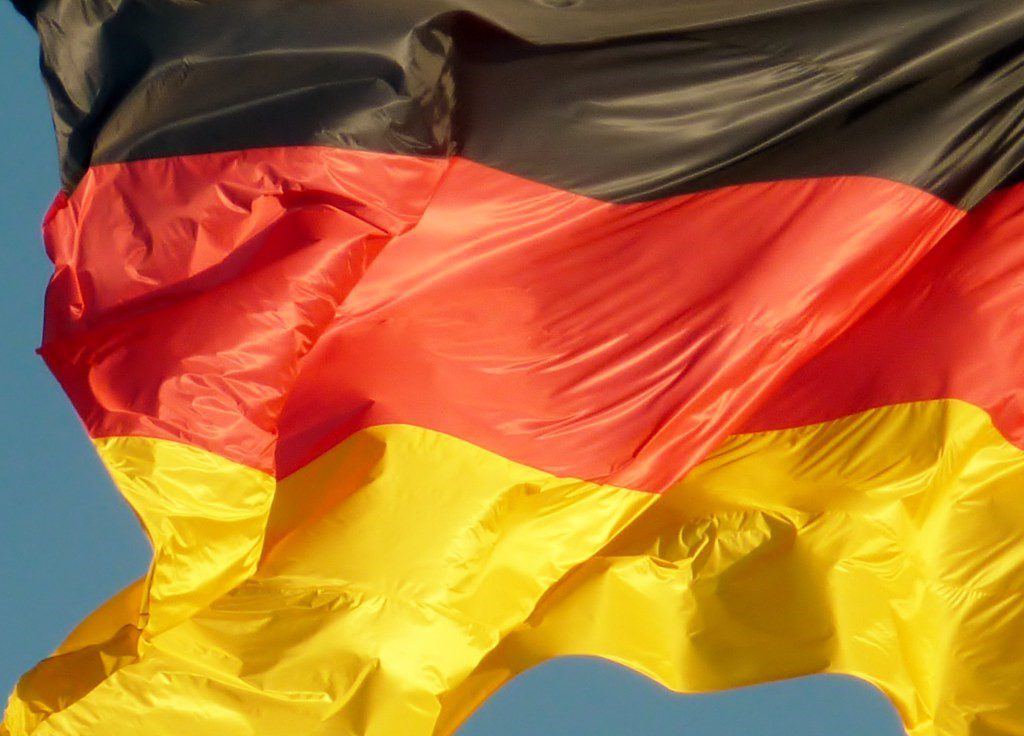
Germany is a developed country that offers decent living conditions for its citizens. The average life expectancy is 81 years, which aligns with Europe’s average life expectancy. While there are numerous factors that play a role in determining life expectancy, Germany makes a tremendous effort to manipulate these factors and extend the average. Here are 10 facts about life expectancy in Germany.

10 Facts About Life Expectancy in Germany

  1. Education and Skills: When examining the 10 facts about life expectancy in Germany, it is important to consider schooling. To benefit its citizens, Germany features a highly respected dual-apprenticeship system in its high schools. Students receive both general and occupation-specific education, indirectly improving job quality and earning potential. Eighty-seven percent of German adults between the ages of 25 and 64 have completed upper-secondary education, which is well above the Organization for Economic Cooperation and Development’s (OECD) determined 78 percent average.
  2. Jobs and Earnings: Job security and salaries often determine the living conditions of families, making it an important factor in determining life expectancy. Seventy-five percent of Germans between the ages of 15 and 64 have a paid job. Only 1.6 percent of Germany’s labor force do not have employment, which is less than the OECD’s average of 1.8 percent. The government recognizes the importance of income and takes a stand by protecting its labor force. In 2015, Germany established a statutory minimum wage. Collective bargaining has diminished, allowing financial-security for low-income workers.
  3. Environment: The German government has made a public effort to make public transportation more efficient by investing in cleaner trains and hybrid buses in order to reduce emissions. The government has also acted to modify heating units such as wood-burning stoves. In 2010, Germany mandated the refitting of these units with particulate filters by 2024 if emissions do not reduce by then.
  4. Social Connection: While it seems odd to include social connections in a list of 10 facts about life expectancy in Germany, people’s social network plays a large role in guiding their life. In Germany, the FAMILIENwerkSTADT project aids migrant families by easing them through the process of assimilation. In this program, childcare facilities focus on providing children with better access to education. Immigrant families are less isolated through such programs. Ninety percent of Germans are confident that they know someone outside of immediate family that they can count on in bad times, similar to the OECD average of 89 percent.
  5. Health Status: Germany has a life expectancy of 81 percent, slightly above the OECD average of 80 percent. The government is able to provide equal health care for all of its citizens by recognizing those with disabilities. Any workers with health issues have the right to receive aid from their employers such as a modified workplace, special help and part-time opportunities. Germany has spent a GDP of nearly 0.3 percent on disabled people, which is much higher than in other OECD countries.
  6. Work-Life Balance: The government encourages flexible schedules because of the importance of family commitments. In 2015, Germany instituted the Erfolgsfaktor Familie (Family as a Success Factor) to achieve work-life balance. This program advocated for flexi-time for all employees as well as more affordable childcare. Later that same year, Germany established a parental reform in which parents receive money for taking more time off. Currently, full-time Germans are able to spend 65 percent of their day (15.6 hours) for personal care, compared to the OECD average of 15 percent.
  7. Civic Engagement: When people are more satisfied, their life expectancy increases. The German government has a “strong youth policy infrastructure,” in which it gives younger generations higher importance. This means to allow people to feel involved in their community and be much happier. In recent German elections, estimates determined voter turnout as 76 percent, which was much higher than the OECD average of 68 percent.
  8. Housing: Clean and safe living conditions determine whether people can have healthy lives. German households have an average of 1.8 people per room, which is in line with the OECD standard. The government launched a program to expand housing in 1993 and it modified 1.1 million units. In fact, 99.8 percent of every household unit in Germany has access to a private indoor flushing toilet.
  9. Personal Security: Another factor that determines life expectancy is personal security. While organized crime was a major hazard in the streets of Germany, the police have conducted a major crackdown on Middle Eastern crime families. Before the police crackdown occurred, “The streets are [were] actually regarded as a separate territory. Outsiders are [were] physically assaulted, robbed and harassed.” The homicide rate in Germany is at 0.5, whereas the average of the OECD 3.7.
  10. Cardiovascular Disease: As the leading cause of death in Germany, cardiovascular disease takes a large toll on the population. In fact, cardiovascular disease caused 92 percent of deaths in 2018 for people 65 and older. In order to draw attention to current research, the government gave the German Heart Center of the State of Bavaria membership in the German Center for Cardiovascular Research. The German Heart Center of the State of Bavaria is the leading center in Germany for therapeutic interventions and treatments. By giving the Center membership in the German Center for Cardiovascular Research, it will receive more funding and opportunities to continue its research.

These 10 facts about life expectancy in Germany go well beyond a person’s living conditions, health, happiness or education. In fact, the German government has demonstrated its role in ensuring that people are living their lives to the fullest.

– Haarika Gurivireddygari
Photo: Flickr

September 2, 2019
https://borgenproject.org/wp-content/uploads/borgen-project-logo.svg 0 0 Jennifer Philipp https://borgenproject.org/wp-content/uploads/borgen-project-logo.svg Jennifer Philipp2019-09-02 01:30:162024-05-29 23:12:1910 Facts About Life Expectancy in Germany
Global Poverty, Health, Life Expectancy

10 Facts About Life Expectancy in Iceland

10 Facts About Life Expectancy in Iceland
Iceland, one of the healthiest European countries, lies between the Greenland Sea and the North Atlantic Ocean. Icelanders tend to outlive people from other richer, warmer and more educated countries. Below are 10 facts about life expectancy in Iceland that determine what factors may help Icelanders live longer lives.

10 Facts About Life Expectancy in Iceland

  1. On average, males and females in Iceland have a life expectancy at birth of 81 and 84 years respectively. Life expectancy increased from a combined national average of 78.8 years in 1994 to a combined national average of 82.4 years in 2016.
  2. Iceland has one of the lowest mortality rates in Europe. The average mortality rate is 6.5 per 1,000 inhabitants and the infant mortality rate is 2.7 per 1,000 live births, both below the European average of 10.2 and four. Not only do children under the age of five have better survival rates, but they also have a better chance of growing into healthier adults.
  3. Compared to the OECD average of 3.4 and three per 1,000 population, Iceland has a higher number of doctors and nurses with 3.8 doctors and 15.5 nurses per 1,000. A higher proportion of medical practitioners is a reflection of Iceland’s well-performing health care system.
  4. The health expenditure in Iceland picked up in 2012 after a dip following the 2008 financial crisis. The expenditure of $4,376 per capita is higher than the OECD average of $3,854 and accounts for 8.7 percent of its GDP. It has universal health care, 85 percent Icelanders pay through taxes. Private insurance is almost absent. This shows that health care is affordable and accessible in Iceland.
  5. The diet of the Icelandic people contains more fish and less meat. Fish is more beneficial for heart health due to the presence of omega-3 fatty acids. Healthier diet choices could be one factor that helps Icelandic people live longer.
  6. Research shows that the environment is a major determinant of health, and therefore, longevity. Iceland boasts clean air and water. Its dependence on geothermal resources for energy instead of fossil fuels ensures an unpolluted environment. Further, natural hot springs occur all across the country. The cleaner and colder environment protects people from many communicable and infectious diseases which may help them live longer and healthier lives.
  7. Iceland is the eighth-most urban country in the world. Ninety-four percent of its population lives in urban areas and cities with access to basic amenities like electricity, clean drinking water and sanitation. Life expectancy for a country increases with an increase in urbanization.
  8. Good genetics may have played a role in higher life expectancy of Icelanders. Studies showed that those above 90 years of age share more similar genes compared to control groups. One possible explanation could be the harsh environmental conditions that Icelanders faced historically, which filtered their genes so that they would pass on the ones that helped them survive.
  9. Despite the harsh weather conditions, Icelanders have higher physical activity when compared to other European nations. Almost 60 percent of the Icelandic people perform some form of exercise for at least 150 minutes per week. Icelandic people like to participate in outdoor activities such as hiking, swimming and skiing.
  10. Iceland has the lowest proportion of substance abusers among all European countries. It reduced its percentage of drug users from 42 percent in 1998 to five percent in 2016. By imposing curfews and keeping teens busy in sports and activities, Iceland was able to divert them from drugs towards healthy habits. This is an important factor when considering the life expectancy of a nation. People do not tend to die from drug-overdose and they also live healthier and economically stable lives.

Icelanders show that lifestyle can have a major effect on how long people live. Both the Icelandic people and their government made efforts to improve their health statistics by reducing the consumption of fossil fuels and drugs and increasing physical activity. These top 10 facts about life expectancy in Iceland are full of lessons that people of other nations can learn and apply as successful health interventions.

– Navjot Buttar
Photo: Flickr


August 30, 2019
https://borgenproject.org/wp-content/uploads/borgen-project-logo.svg 0 0 Kim Thelwell https://borgenproject.org/wp-content/uploads/borgen-project-logo.svg Kim Thelwell2019-08-30 07:30:572019-12-17 14:58:0010 Facts About Life Expectancy in Iceland
Foreign Aid, Global Poverty

Why Sweden is a Leader in Foreign Aid


foreign aid leader

Sweden is a Scandinavian country known for providing an impressive amount of humanitarian aid. Sweden’s foreign aid strategies are both similar and unique to the objectives of other countries. The Organisation for Economic Cooperative and Development (OECD) praises Sweden as a leader in foreign aid because of the nation’s “consistent generous levels of official development assistance” and for “its global development leadership on peace and conflict prevention.”

Sweden’s Foreign Aid Record

The Swedish government has long shown concern for humanitarian issues. In 1975, the country achieved the United Nations’ goal of providing 0.7 percent of the nation’s gross national income (GNI) on official development assistance (ODA). In 2008, Sweden contributed 1 percent of its GNI. This number has continued to escalate and is now at 1.4 percent.

In comparison to other countries, Sweden is the largest donor in proportion to the productivity of its economy. Countries that follow are the United Arab Emirates, which contributes 1.09 percent of its GNI, and Norway, which contributes 1.05 percent. These countries are the only three countries whose foreign aid agenda reserves more than one percent of their GNI.

Equality is a core tenant of the Swedish foreign aid mission. In 2014, Sweden was the first country to implement a Feminist Foreign Policy, a strategy that promotes gender equality and women’s rights. Socially, women in countries receiving aid have been provided with programs on how to prevent and resolve instances of discrimination and abuse. Legally, female representation in the government and in the private sector has improved in these countries as well.

Other long-term foreign aid objectives in Sweden focus on installing democracy, peace and security, health equity and efficient education systems in the countries that lack these necessities.

Sweden’s Foreign Aid Agency

Sweden’s most effective agency that works to downsize poverty and foster development is called Sida, or the Swedish International Development Cooperation Agency. The agency methodically establishes democracy throughout countries in order to achieve these two goals.

Sida provides impoverished countries with humanitarian aid for emergency relief and long-term aid for development. Long-term development is the more intricate of the programs. The Swedish government implements this long-term aid with two principles in mind. First, that varying policy areas need to work together to produce positive development; second, that humanitarian aid should be implemented with the perspective that people are capable and eager to accept change.

As of 2007, Sida has 33 partner countries to which they are currently providing aid. While this number has reduced from approximately 125 since the 80s, the extensive efforts put into individual projects illustrate why Sweden is a leader in foreign aid.

Sida’s Work in Syria

Most recently, Sweden has proven itself as a leader in foreign aid through its dedication to those suffering through the Syrian crisis. Due to the disastrous conflict, there are currently 11.7 million individuals in need of assistance. Many hospitals, schools and markets have been destroyed as well.

Sida has allocated more than SEK 367 million (approximately 37.2 million USD) to humanitarian relief in Syria in 2019. This aid goes directly toward life-saving interventions. Basic needs are given to the country’s most vulnerable individuals who live in refugee camps and other communities. Much of Sida’s aid has also gone to Syria’s neighboring countries who receive the most refugees such as Jordan, Turkey and Lebanon.

Lastly, Sida donates to United Nations organizations present in Syria. The Swedish foreign aid machine has worked closely with the International Red Cross and Red Crescent Movement, as well as UNICEF, to improve the infrastructure required to fulfill the needs of Syrian refugees. These organizations have access to local partnerships scattered around the region that continue to provide health care, education and safe housing to displaced individuals.

What Does the Future Hold?

The Ministry of Foreign Affairs estimates that the number of refugees around the world will increase in the years to come. As this reality materializes, global leaders will only benefit from emulating the Swedish government’s extensive efforts to fund, provide and implement efficient humanitarian aid policies.

– Annie O’Connell
Photo: Flickr

August 20, 2019
https://borgenproject.org/wp-content/uploads/borgen-project-logo.svg 0 0 Kim Thelwell https://borgenproject.org/wp-content/uploads/borgen-project-logo.svg Kim Thelwell2019-08-20 01:30:482019-12-18 13:40:18Why Sweden is a Leader in Foreign Aid
Global Poverty

Tackling Corruption in Tajikistan

corruption in tajikistan
Tajikistan is a small country in Central Asia with a population of 8.92 million people. Corruption in Tajikistan is widespread and infiltrates all levels of society. Emomali Rahmon, President of Tajikistan, has been in power since the collapse of the Soviet Union in 1991. There is almost no political renewal and a small number of the elite class control political and economic relations.

The Organization for Economic Cooperation and Development (OECD) made a report on corruption in Tajikistan which found that anti-corruption legislation and institutions lack funding and support in the country. The report also found that there have been no major improvements introduced to Tajik legislation to combat corruption as international standards require.

Daily Corruption

Corruption in Tajikistan affects people on a day to day basis, whether dealing with police, traffic guards or even public services. A public opinion survey that UNDP and the Centre for Strategic Studies conducted in 2010 found that 70 percent of the respondents had either paid a bribe or wanted to despite an inability to afford it. The survey showed that farmers and entrepreneurs are the two segments of society that are most vulnerable to petty, day to day corruption.

Citizens suffer daily police corruption that the large networks of organized crime and drug trafficking in the region only heighten. Some view the police and traffic guards as some of the most corrupt state institutions in the country. The same public opinion survey found that 90 percent of the respondents recognized that they experienced corruption when stopped by traffic guards and that these confrontations happen regularly. Traffic corruption can include an authority pulling someone over for speeding, asking them to pay a bribe to avoid a ticket and threatening jail time if the individual does not pay the bribe. Traffic guards will stop people for speeding even if they were at the speed limit, simply to pocket bribed money.

Political Corruption

Political corruption in Tajikistan is also widespread. All of its elections since gaining independence from the Soviet Union do not qualify as democratic electoral processes as international organizations such as the United Nations observed. The Tajik government functions heavily on patronage networks and family ties. Many of the President’s family members and allies hold political positions. For example, his son, Rustam Emomali, is the mayor of Dushanbe and is among the top 10 most influential individuals in Tajikistan.

Solutions

The Tajik government has taken some steps to combat domestic corruption that infiltrates all levels of society. For example, it adopted the United Nations Convention Against Corruption and anti-corruption legislation. The country still lacks many important factors that are essential to cracking down on corruption such as widespread access to information and an independent audit agency, however, international pressures could greatly improve political corruption in the country.

The OECD is an international organization with a mission to work with governments to construct policies that improve the lives of individuals. It is currently working with the Tajik government to come up with corruption fighting legislation. Amnesty International has also called out the Tajik government for its human rights abuses such as the persecution of LGBTQ members and the censoring of human rights activists. Amnesty does not currently have an office in Tajikistan, however, its media campaigns garnered support from activists and foreign governments such as Norway and Denmark.

Further Measures

Further pressures such as sanctions, naming and shaming techniques and advocacy have the potential to greatly reduce corruption in Tajikistan. If economically advantaged countries such as the U.S. placed pressure on Tajikistan to increase anti-corruption legislation and measures, it could vastly increase the quality of life for the citizens of Tajikistan. Naming and shaming is a method that nonprofit and international organizations use to call out a country or organization for unethical practices, which can pressure the Tajik government to crackdown on debasement. Lastly, advocacy and educational campaigns can increase awareness of the issue and also increase the supply of information about corruption in Tajikistan both to its citizens and the international community.

– Laura Phillips-Alvarez
Photo: Flickr

August 18, 2019
https://borgenproject.org/wp-content/uploads/borgen-project-logo.svg 0 0 Kim Thelwell https://borgenproject.org/wp-content/uploads/borgen-project-logo.svg Kim Thelwell2019-08-18 09:52:582019-12-17 14:38:19Tackling Corruption in Tajikistan
Global Poverty

7 Facts About Living Conditions in Australia

7 facts about living conditions in australia
In 2015, Australia was ranked as the second-best country in the world in terms of quality of life. This report was based on a number of living condition factors, including financial indicators, like average income, and health standards, education and life expectancy. The following 7 facts about living conditions in Australia further illustrate what life is like in the Land Down Under. Many of these facts are based upon data retrieved from the Organisation for Economic Cooperation and Development (OECD), comprised of 36 member countries and founded to stimulate world trade.

7 Facts About Living Conditions in Australia

  1. Children Are an Impoverished Group: As of 2018, 13.2 percent of Australians (around three million people) were living below the poverty line, 730,000 of which are children under the age of 15. According to the Poverty in Australia 2018 report, a large reason for the overwhelming number of impoverished children is the high poverty rate among single-parent families relying on a single income. In terms of money, living below the poverty line in Australia translates to earning $433 per week for a single adult, or $909 per week for a married couple with two children. Most individuals experiencing poverty in Australia rely on Government allowance payments, like Youth Allowance and Newstart.
  2. Sanitation is Good: The percentage of homes in Australia that have access to an indoor flushing toilet is more than 95.6 percent, which is the OECD average. Additionally, more than 90% of Australians report satisfaction with their water quality. Access to running water and the high quality of water makes Australia above average in relation to the other 36 OECD member countries.
  3. A Wage Gap Exists: The gap in income between the rich and poor in Australia is quite large; the wealthiest 20 percent of Australians earn almost six times as much as the poorest 20 percent of Australians. This income inequality has been steadily rising since the mid-1990’s. One attempt to remedy income inequality in Australia is a progressive system of income tax, meaning that as an individual’s income increases, they will pay a higher amount of their income in tax. Additionally, social welfare payments account for around 35 percent of the Australian government’s budget. In 2017-2018, this translated to a $164 billion budget for social security and welfare.
  4. Australians Are Staying Employed: Seventy-three percent of Australians aged 15 to 64 have paid jobs, while the percentage of Australians who have been unemployed for one year or longer is 1.3 percent. The percentage of employed Australians is higher than the OECD average. Though the Australian job market thrives, Australians have a below-average ranking in work-life balance.
  5. Strong Education: The average Australian citizen will receive 21 years of education between the ages of 5 and 39, which is the highest amount of education in the OECD. Roughly 64 percent of children in Australia attend public schools, while 34 percent attend private or Catholic schools. Additionally, not only is the education system strong for Australian citizens, but international education offered to foreign students is Australia’s third largest export, valued at $19.9 billion.
  6. Rising Crime Rates: Over the past 2 decades, the number of reported crimes has risen dramatically; for example, from 1977-1978, the number of reported break-ins was 880 per thousand. From 1997-1998, this number rose to 2,125 per thousand. In the same period, assaults have risen from 90 to 689 per thousand of population and robberies have risen from 23 to 113 per thousand. While many of these 7 facts about living conditions in Australia indicate increasing quality of life for citizens, rising crime rates affect feelings of security, which has a negative effect on standards of living in Australia.
  7. Improving Health Standards: Health standards in Australia have risen substantially since 1947. From 1947 to 1989, the life expectancy of women increased by 10.9 years, while the life expectancy of men has risen by 9.8 years. Since 1990, life expectancy has risen even more, increasing by another 1.4 years for women and 2 years for men.

With one of the strongest performing economies in the world, Australians experience thriving, stable financial conditions. The education system is well organized and accessible, and health standards have increased and driven the life expectancies of Australians up over the last 70 years.

Yet, despite the tremendous growth and development in Australia, there are areas in standards of living that demand improvement. Perhaps most importantly, income inequality in Australia is alarmingly high, and poverty rates of citizens, and especially children, plagues the strength of Australian society. These 7 facts about living conditions in Australia indicate a thriving and desirable country with a need for concentrated focus on income inequality to eradicate staggering poverty in the lower class.

– Orly Golub
Photo: Flickr

July 16, 2019
https://borgenproject.org/wp-content/uploads/borgen-project-logo.svg 0 0 Kim Thelwell https://borgenproject.org/wp-content/uploads/borgen-project-logo.svg Kim Thelwell2019-07-16 07:30:162019-12-17 12:14:117 Facts About Living Conditions in Australia
Global Poverty

Tax Evasion in Sub-Saharan Africa

tax evasion in sub-Saharan Africa

Tax evasion, while a global issue, particularly hinders sub-Saharan Africa economic growth. In fact, the total amount of lost taxes exceeds the amount of foreign aid sent to the region. Tax evasion in Sub-Saharan Africa deprives governments of the ability to provide vital services, such as healthcare, education and disaster relief, to the 413 million people living below the poverty line.

By the Numbers

The Organization for Economic Cooperation and Development (OECD) estimates that Africa loses $50 billion to tax evasion annually. Some place the figure much higher; for example, the United Nations Economic Commission for Africa (UNECA) estimates that $100 billion is lost.  Compared with the total amount of foreign aid sent in 2017, $43.5 billion, the region experiences a net loss of approximately $6.5 billion, while using the more conservative OECD estimate.

The United Nations Conference on Trade and Development (UNCTAD) found that a wide financing gap exists in Africa. A financing gap refers to the difference between the amount needed to achieve Sustainable Development Growth (SDG) and actual government revenue. The UNCTAD estimates that there is a financing gap of $210 billion for key government initiatives, including infrastructure, food security, healthcare and education.

Resource Extraction Drives Tax Evasion in Sub-Saharan Africa

Multinational companies involved in resource extraction are particularly effective at paying only a small share of the taxes that they owe. Mineral and oil extraction companies are responsible for much of the tax evasion in Sub-Saharan Africa, accounting for total annual losses of up to 6 percent of African GDP. The Southern African Catholics Bishops Conference recently wrote a letter to 21 mining companies operating in South Africa; they asked each to explain their use of tax havens, the purpose of their subsidiaries, and if tax evasion was consistent with their corporate social responsibility policies.

The OECD launched the Africa Initiative Report in 2014, which includes 29 of the 46 countries in sub-Saharan Africa, as a means to combat tax evasion. The OECD hopes to increase cooperation between member countries, which will provide greater transparency. The progress being made is incremental, but most member countries are meeting the requirements set out by the OECD. The first and among the most important steps is for African countries to develop Exchange of Information (EOI) systems. EOIs allow for member countries to request relevant profit and tax information from one another. The 29 countries had a total of 23 people on EOI staff in 2014; in 2018, that number has grown to 79 staff members, prompting the OECD to describe the situation as “greatly improved.”

Tax Justice Network Africa

Tax Justice Network Africa (TJNA) is a research and advocacy organization working to promote “equitable, inclusive and sustainable development”. They point to tax evasion in Sub-Saharan Africa as a major cause of revenue loss. To stymie tax loss, TJNA calls for a more transparent global financial network; tax havens, or countries with very low effective tax rates, present an obstacle to achieve this goal. However, TJNA hopes to establish an Intergovernmental Tax Commission (ITC) in the United Nations in order to set international tax standards. The ITC, according to TJNA, would allow for greater conformity and make it more difficult for businesses to evade taxation.

A Broad Coalition

Tax evasion in Sub-Saharan Africa is a major cause of concern. However, international organizations and African countries are partnering to tackle it. If successful, Africa can expect to reap an additional $50-100 billion in annual tax revenue. While the 413 million people living in poverty will benefit significantly from higher rates of tax compliance, business can expect to benefit as well. As African economies continue to develop, businesses will have more opportunity for investment in emerging markets. Capital currently flows out of African economies. If the trend is reversed, governments, citizens and businesses will all benefit.

– Kyle Linder
Photo: Flickr

July 3, 2019
https://borgenproject.org/wp-content/uploads/borgen-project-logo.svg 0 0 Kim Thelwell https://borgenproject.org/wp-content/uploads/borgen-project-logo.svg Kim Thelwell2019-07-03 01:30:582024-05-29 23:00:56Tax Evasion in Sub-Saharan Africa
Global Poverty, Life Expectancy, Refugees

Top 10 Facts About Living Conditions in Germany

Living Conditions in Germany
The world knows Germany, a Western European nation, for its rich history spanning back two millennia, famous cities, such as Berlin, Munich and Frankfurt and a festive culture that includes famous events, like Oktoberfest. However, the living conditions in Germany may surprise those who have not lived there.

Top 10 Facts About Living Conditions in Germany

  1. Most German cities have a strong sense of order, influenced by a strict and efficient bureaucracy. People keep cities clean due to sanitary rules. There are many regulations concerning everyday life, especially in small cities. For example, Swabia, a region of Germany, has laws for cleaning that go back to 1492. Swabia has the tradition of Kehrwoche, which translates to sweep week and involves residents taking up the responsibility of cleaning their homes and neighborhoods.
  2. PM2.5 describes a measurement of particulate matter in the air that can cause damage to the lungs. The PM2.5 in Germany is “14 mg per cubic meter” which is higher than the average. The particulate can come from “power generation, domestic heating and in vehicle engines.” Germany does not use significant amounts of renewable energy, so the use of coal is causing a high amount of PM2.5 to be present. Germany’s water quality, however, is great with “91% of people [saying] they satisfied” with their water quality.
  3. A sense of community tends to be strong for the average German citizen, and a survey by the OECD found that “90% of [Germans] believe that they know someone they could rely on in time of need.” This strong support for others is an integral part of German culture.
  4. The average German household has a “relatively high average household disposable income per capita,” and the families are able to spend more on wants over needs. This is due to the fact that the average German worker has higher job security and earnings than in other countries.
  5. In general, children have high-quality living conditions. “However, 31.7% of German children live in homes with self-reported poor environmental conditions,” which means that these children are missing many things that their peers are able to enjoy, such as homes with outdoor “areas to play…winter clothing…seeing a film once a month.” Though children in upper-class families tend to have overall high-quality lives, people tend to bully their low socio-economic counterparts more frequently, who often have a lower quality of life at home.
  6. The life expectancy in Germany is approximately 81 years, which is close to the European average of 80 years. “Life expectancy for women is 84 years, compared with 79 for men.” This shows improvement over time since the life expectancy in 2002 was 81 years for women and 75 years for men. Easy access to good health care and high food and water security may contribute to this.
  7. For education, 86.3 percent of German adult workers have finished an upper secondary education. Adults have literacy and numeracy skills that are similar to other European nations. Also, “about 75% of people aged 15 to 64” have employment in Germany.
  8. The positive living conditions of the average citizen are drastically better than asylum seekers, who are living in horribly dirty conditions in refugee centers. They do not have access to clean bathrooms and reside in overcrowded bedrooms. Some fear that Germany is keeping the conditions unlivable in order to deter refugees from seeking asylum in the country.
  9. Rural towns in Germany are rife with unemployment, and a majority of citizens are moving to cities in search of jobs. The main types of jobs for a rural town, such as farming, are starting to lose value. According to the Federal Statistical Office, “more and more people are moving into the towns as new jobs in our knowledge society become available.”
  10. The population is aging, with more people dying than being born. The baby boomer generation, which includes 50 to 60-year-olds, are starting to retire, but there are not adequate numbers of youth to fill the growing vacancy in the average workplace. A study found that “Germany will need at least 260,000 immigrants a year…to meet increasing demand for labour.”

Germany has a culture that focuses on efficiency, cleanliness and high living conditions. The population is falling, but the life expectancy is rising, while many educated Germans are able to join the growing knowledge sector in many major cities. Though the situation in the refugee centers is grim, Germany is processing many refugees every day to join the millions of people who enjoy the living conditions in Germany.

– Anish Kelkar
Photo: Flickr

June 20, 2019
https://borgenproject.org/wp-content/uploads/borgen-project-logo.svg 0 0 Jennifer Philipp https://borgenproject.org/wp-content/uploads/borgen-project-logo.svg Jennifer Philipp2019-06-20 13:36:022024-05-29 23:00:41Top 10 Facts About Living Conditions in Germany
Global Poverty

Radical Health Care Reform in Turkey

Health Care Reform in Turkey
In a very revolutionary move, Turkey has made cancer treatment essentially accessible for all. Labour and Social Security Minister Jülide Sarıeroğlu announced in a written statement that the country has abolished all extra fees that were charged in treatment, surgery and medication of cancer.

This new shift in policy is part of a longstanding effort to improve health care in Turkey and make health care coverage available for all, particularly the nation’s poor.

Universal Health Care in Turkey

The policy was approved earlier this year and shows further commitment to universal health care in Turkey. Sarıeroğlu added that Turkey will continue to make improvements to its health care system regardless of costs.

The impact this will have on the population is significant as 20 percent of deaths in Turkey are caused by cancer and 450 individuals are diagnosed with cancer on a daily basis, totaling to approximately 164,000 cases every year. As part of the shift, the government also increased cancer treatment payments in private hospitals by 200 percent for those with social benefits.

The Labour and Social Security minister has additionally committed to improving the conditions of public health care providers and state universities. Lastly, to avoid overcrowding, hospitals owned by the Health Ministry and the Sosyal Güvenlik Kurumu (Social Security Institution) were merged.

The History of Health Care in Turkey

In 2002, Turkey’s health care system was riddled with inefficiencies. The country’s allocation towards cancer treatment was a paltry 3 percent in overall spending. The infant mortality rate was at 26.1 per 1,000 live births, and two-thirds of the population had no access to health insurance.

With the support of the World Bank Group, the Health Transformation Programme was initiated. The programme’s main goal was to overhaul the previous health care infrastructure and equalize access to health facilities in rural and urban areas alike. Along with addressing systemic regional imbalances, the World Bank has helped Turkey confront non-communicable diseases, including but not limited to cancer, cardiovascular disease and diabetes.

Reform of the Health Care in Turkey

Since the implementation of better and more comprehensive health care in Turkey, the citizens of the country have seen an increase in insurance coverage from 2.4 million people in 2003 to 10.2 million people in 2011. Coverage specifically for Turkey’s poorest decile jumped from 24 percent in 2003 to 85 percent in 2011. The enhanced financial protection provided by insurance has reduced the relative number of out-of-pocket payments, especially for lowest-income households, subsequently leading to a decline in exorbitant health expenditures.

Furthermore, life expectancy at birth is now close to the average level proposed by the Organisation for Economic Cooperation and Development (OECD). An average Turkish newborn in 2014 has the chance to live 6 years longer than a Turkish baby born in 2002. This is an increase from 71.9 to 77.7 years. Only 39 percent of the population was content with health services in 2003, whereas 2011 saw satisfaction bloom to 75.9 percent.

This upward trajectory of health care in Turkey has validated the optimism of citizens looking forward to universal health care. The country’s existing hospitals are experiencing a reformation period and 500 new hospitals have opened in recent years. In her written statement, Jülide Sarıeroğlu assured that there are more improvements to come in the future period.

– Yumi Wilson
Photo: Flickr

December 31, 2018
https://borgenproject.org/wp-content/uploads/borgen-project-logo.svg 0 0 Kim Thelwell https://borgenproject.org/wp-content/uploads/borgen-project-logo.svg Kim Thelwell2018-12-31 19:30:542019-12-16 14:32:49Radical Health Care Reform in Turkey
Global Poverty

10 Facts About Life Expectancy in South Korea

10 Facts About Life Expectancy in South Korea
South Korea is home to beautiful great plains, cherry blossom trees and charming architecture of centuries worth of history and many other awe-inspiring attractions.

Along with its rich cultural heritage, the average life expectancy in South Korea is rising rapidly due to advanced medical and technological innovation.

This list of 10 facts about life expectancy in South Korea articulates the importance of the nation’s universal health care system and how it contributes to the rising impoverished elderly population and the rapidly increasing average life expectancy.

10 Facts About Life Expectancy in South Korea

  1. The National Institute of Biomedical Information conducted a study that researched the cause of life expectancy in South Korea increasing over the past few decades. The study compared life table data and mortality statistics to observe the age and cause-specific contributions to life expectancy. It concluded that the rapid increase of life expectancy in South Korea can be attributed to the reductions in infant mortality rate, cardiovascular diseases (especially stroke and hypertension diseases), stomach cancer, liver cancer and tuberculosis through the advancement of medicine and technology.
  2. With life expectancy increasing at a rapid rate, the quality of life also contributes to its growth. South Korea achieved a universal health care plan called the National Health Insurance Program that allows medical aid to anyone who needs it without worrying about cost. In 2010, all private insurance companies were integrated into the National Health Insurance Program.
  3. Funding for the National Health Insurance Program comes from contributions, government subsidies and tobacco surcharges. Employee insured individuals are required to contribute 5 percent of their salary. Self-employed individuals’ contributions are based on their level of income. The contributions calculations take into account gender, age, motor vehicle and private property of an individual. Those living on islands or remote areas have reduced contribution percentages.
  4. The Medical Aid Program covers about 3.7 percent of the South Korean population. It was established in 1979 for low-income households and provides paid expenses for those who could not afford high medical costs. After 2004, the program expanded to cover rare and chronic disease and those under the age of 18. It is jointly funded by the local and federal government, with the local government choosing beneficiaries based on a set of criteria set forth by the South Korean Ministry.
  5. Nongovernment organizations such as the Federation of Evicted People of Seoul (FEPS), the Federation of National Street Vendors (FNSV), the Korean Coalition for Housing Rights (KCHR), the Korea Centre for City and Environment Research (KOCER) and the Korea National Association of the Urban Poor focus attention on low-income areas and housing difficulties. They aim to secure housing of tenants and demand that the government stops evicting residents from their homes without offering proper compensation. These organizations also take action in the form of public demonstrations in front of government buildings, lectures with different approaches to solving housing crises and host anti-eviction movements.
  6. An international team of scientists in the summer of 2017 predicted that by 2030, the life expectancy of women and men in South Korea on average would rise up to 90 and 83, respectively. However, according to the OECD, older adults over the age of 65 still live in poverty. A survey concluded that 48.6 percent of the elderly were in poverty, the highest level of the 36 OECD countries.
  7. Elders who live in poverty are not in absolute poverty, but relative poverty. They live below 50 percent of the South Korea median income. With access to universal health care and free treatment, they are able to live longer due to easily accessible medical intervention.
  8. With the ideals of Confucianism fading away, the traditions of filial piety disappear along with it. Many elders refuse financial support from their children because they do not want to burden them. Those over 65 with social security often live on most of their meager monthly pension.
  9. Almost a quarter of the impoverished elderly live in isolation and many commit suicide in fear of being a burden to their family. This results in high levels of depression, anxiety, and loneliness. South Korea has the 10th highest rate of suicide in the world and elderly suicide has risen from 34 per 100,000 people in 2000 to 72 per 100,000 people in 2010.
  10. Facilities such as the Buddhist temple that offers free lunches in Tapgol Park in Seoul serve about 140 people a day. The economy and market strain possibility of elders finding work, resulting in them begging for food or waiting in long lines in facilities such as the one in Tagpol Park. Some elders will work past the retirement age in order to live with basic necessities such as food and water because monthly pension plans are not sustainable enough.

These 10 facts about life expectancy in South Korea show that the majority of the impoverished people in the country are from the elderly community.

Despite the fact that the elderly live on low pension wages in poor living conditions, they also receive universal health care that covers medical expenses.

The list above highlights how the universal health care system in South Korea affects growing impoverished, elderly population and how does it increase the life expectancy and improves living conditions in the country.

– Aria Ma
Photo: Flickr

December 30, 2018
https://borgenproject.org/wp-content/uploads/borgen-project-logo.svg 0 0 Kim Thelwell https://borgenproject.org/wp-content/uploads/borgen-project-logo.svg Kim Thelwell2018-12-30 13:30:282024-05-29 22:57:5210 Facts About Life Expectancy in South Korea
Global Poverty

What is the Development Assistance Committee?

Development Assistance Committee
The Development Assistance Committee is an arm of the Organization for Economic Co-operation and Development (OECD). Founded in 1961 by the OECD to better organize and execute its agenda, the Development Assistance Committee also has the duty of innovating and monitoring future and ongoing development projects.

These projects target sustainable economic growth in countries who seek the committee’s aid. It also monitors how members of the committee and the OECD use development aid. The Development Assistance Committee is made up of 30 member nations, as opposed to the OECD’s 35 members.

The World Bank, the International Monetary Fund and the UNDP are all observing members of the committee. The members, along with the observing members of the Development Assistance Committee form the world’s leading forum for bilateral economic development and cooperation. It is known for its neutrality.

Official Development Assistance is the or ODA is the term used by the Development Assistance Committee (DAC) to define all assistance rendered by member nations that target sustainable economic development. Due to the fact that the Committee is dedicated to furthering bilateral relations between member nations and nations it deems in need of assistance, ODA is not the only form of aid.

Member nations foster development in areas that are important to their national agendas. For example, Canada, which is a member of the DAC, will focus its foreign aid towards girls’ and women’s rights over the next five years. Denmark, another member nation, will be spending much of its aid in combating the refugee crisis.

This is not the only difference between member nations. Because there is no legally binding agreement holding a nation to the amount of money it must spend each year, there is a wide range in the percentage of assistance money spent. The DAC uses a percentage of a nation’s gross national income.

In 2014, Sweden, Luxembourg, Norway and Denmark all donated more than 0.07 percent of their GNI, a target set in 1974 by the DAC. Germany spent 0.04 percent of its GNI on foreign aid and South Korea spent just 0.01 percent.

The OECD agenda is mostly economic. They focus on economic stability within nations. Currently, it is focusing on re-establishing confidence in markets, promoting public financing as a strong driver of economic growth, developing green strategies for economic growth and ensuring job growth and security for people of all ages.

In 2016, saw the appointment of a new chair of the DAC, Petri Gornitzka, who was the former head of the Swedish Foreign Aid Agency. Gornitzka is pushing for reform within the DAC and she hopes to bring smaller member nations into the fold when making decisions about future projects and funding. She also plans to make the private sector a more viable partner.

In the 2016 DAC Global Plan, the DAC also states that it wants to survey nations who receive aid linked to the DAC on what can be improved. The DAC also plans to bring the smaller donors into the fold by helping them improve the effectiveness of their aid. This is also one of the incentives that the DAC boast to countries who wish to become members.

The last members who joined the committee were Iceland, the Czech Republic, the Slovak Republic, Poland and Slovenia in 2013 and Hungary in 2016. The European Union has made it a goal of all member nations to work towards joining the DAC.

Although the DAC does not do much direct work, its work behind the scenes promoting cooperation greatly benefits the world. The continued growth of the organization will also benefit the world. 

– Nick DeMarco
Photo: Flickr


May 27, 2018
https://borgenproject.org/wp-content/uploads/borgen-project-logo.svg 0 0 Borgen Project https://borgenproject.org/wp-content/uploads/borgen-project-logo.svg Borgen Project2018-05-27 16:08:162019-10-27 18:47:00What is the Development Assistance Committee?
Page 6 of 8«‹45678›»

Get Smarter

  • Global Poverty 101
  • Global Poverty… The Good News
  • Global Poverty & U.S. Jobs
  • Global Poverty and National Security
  • Innovative Solutions to Poverty
  • Global Poverty & Aid FAQ’s
Search Search

Take Action

  • Call Congress
  • Email Congress
  • Donate
  • 30 Ways to Help
  • Volunteer Ops
  • Internships
  • Courses & Certificates
  • The Podcast
Borgen Project

“The Borgen Project is an incredible nonprofit organization that is addressing poverty and hunger and working towards ending them.”

-The Huffington Post

Inside The Borgen Project

  • Contact
  • About
  • Financials
  • President
  • Board of Directors
  • Board of Advisors

International Links

  • UK Email Parliament
  • UK Donate
  • Canada Email Parliament

Get Smarter

  • Global Poverty 101
  • Global Poverty… The Good News
  • Global Poverty & U.S. Jobs
  • Global Poverty and National Security
  • Innovative Solutions to Poverty
  • Global Poverty & Aid FAQ’s

Ways to Help

  • Call Congress
  • Email Congress
  • Donate
  • 30 Ways to Help
  • Volunteer Ops
  • Internships
  • Courses & Certificates
  • The Podcast
Scroll to top Scroll to top Scroll to top