• Link to X
  • Link to Facebook
  • Link to Instagram
  • Link to TikTok
  • Link to Youtube
  • About
    • About Us
      • President
      • Board of Directors
      • Board of Advisors
      • Financials
      • Our Methodology
      • Success Tracker
      • Contact
  • Act Now
    • 30 Ways to Help
      • Email Congress
      • Call Congress
      • Volunteer
      • Courses & Certificates
      • Be a Donor
    • Internships
      • In-Office Internships
      • Remote Internships
    • Legislation
      • Politics 101
  • The Blog
  • The Podcast
  • Magazine
  • Donate
  • Click to open the search input field Click to open the search input field Search
  • Menu Menu

Archive for category: Poverty Reduction

Information and stories about poverty reduction.

Global Poverty, Human Rights, Poverty Reduction

Poverty in the World: Top Things to Know

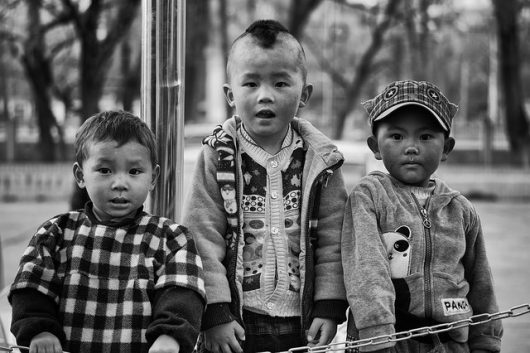
Poverty in the WorldAccording to Irina Bokova, Director-General of UNESCO,“Poverty is about money, but never just about money”. Read further to understand what poverty in the world looks like today. 
Understanding Poverty

  • Around the world, 3 billion people have $2 to live on per day. The World Bank defines those people as the ones who live below the poverty line.
  • Fighting poverty in the world means understanding human rights.
  • Unfair distribution of income affects poverty dramatically.
  • 29 million children live in poverty in North Africa and the Middle East. Without help, they can be trapped in a three-generation poverty cycle and develop future cognitive problems.
  • Nonprofit organizations have a key role in giving the needy a voice.

If poverty were addressed as a violation of human rights, the needy in the world would have a more fair fight for better living conditions. Understanding poverty takes a more comprehensive approach than just labeling the poor as those who are deprived of food or a roof over their heads.

Poverty in the World

According to the Universal Declaration of Human Rights that was adopted by the U.N. in 1948, the five families of human rights are:

  1. Civil
  2. Political
  3. Cultural
  4. Economic
  5. Social

The UNESCO report on Freedom from Poverty as a Human Right states that poverty infringes social rights because it deprives citizens of meeting their basic needs such as education, healthcare, housing and proper nutrition.

The fight to abolish poverty in the world does not solemnly belong to those who suffer it but also to citizens of all nations. The people who live in poor nations deserve the same living standards enjoyed by those in developed nations. Governments also have a crucial role in defending the rights of those who cannot fight for themselves.

“Were such justice to exist, there would no longer be a single human being dying of hunger or of diseases that are curable for some but not for others. Were such justice to exist, life would no longer be, for half of humanity, the dreadful sentence it has hitherto been,” reflects Nobel Laureate, Jose Saramago.

Unequal Wealth Distribution

Fighting poverty also means understanding the concept of inequality and its consequences for the global economy. Poverty is inherently connected to wealth distribution in nations.

The report on Freedom from Poverty as a Human Right also stated in 2010 that about 1.2 percent of the world income is distributed to a surprising number of 3 billion receivers, while an astonishing 1 percent of rich countries’ citizens receive 80 percent of the same income.

UNESCO World Social Science report listed one of the factors that influence the distribution of income: the concentration of wealth in the hands of business owners is unfairly higher compared to the laborers’ pay. Also, wages are not increased to meet the economic demands of inflation and the high cost of living in underdeveloped countries.

North Africa and the Middle East have an astounding 29 million children living in poverty as stated in a UNICEF analysis. They are deprived of basic human rights mentioned earlier, such as education, proper nutrition and healthcare. These children live in impoverished conditions with no potable water and lack of vaccination. They also support their families to earn the income that further keeps them from attending school.   

They could be trapped in a three-generation poverty cycle if leaders don’t give their families opportunities to increase their income.

Poverty and Poor Nutrition

Poor nutrition is another key factor that directly affects education in the Middle East and North Africa. Underdeveloped children have a higher risk of performing poorly in school just because they didn’t get the necessary nutrients that play a key role in brain development. 

Children in Algeria, Libya, Morocco, Iraq and Syria are extremely affected by the lack of nutrition and one in four of them will be physically and cognitively impacted by a poor diet.

There is also a relevant connection between the quality of a nation’s workforce and children’s nutrition. When children get a well-balanced diet, they develop stronger cognitive skills. These skills will help them assimilate the knowledge gained through education. The Middle East and North Africa countries need these future professionals to stabilize the economy.

How Nonprofit Organizations Alleviate Poverty

Global leaders have a responsibility to provide children with adequate living standards to meet the fundamental human rights.

United Nations Secretary-General Ban Ki-moon states, “We must break down the walls of poverty and exclusion that plague so many people in every region of the world. We must build inclusive societies that promote participation by all. We must ensure the voices of all those living in poverty are heard.”

Getting involved in the fight for poverty is within anyone’s reach. Nonprofit organizations can make influential connections between the needy and the people who can make a difference. Poverty can only be eradicated if the ones affected by it have a voice.  

Nonprofit organizations can educate people about how poverty affects poor nations. They work in liaison with agents of change such as UNESCO, providing them with a closer look at poverty-stricken communities. 

A nonprofit organization called Potters for Peace helps communities in Central America by giving them the tools to get easy access to filtered water and thereby reducing waterborne diseases. They train poor communities on how to make low-cost ceramic water filters that purify 1.5 to 2.5 liters per hour. It has also helped 37 factories in 25 countries around the world via filtering technique innovations.

Projects like this can only continue with the help of supporters from around the world. Reducing the effects of poverty in the world is everyone’s responsibility. The fight to stop the vicious cycle of poverty belongs to citizens of the globe.

– Nijessia Cerqueira
Photo: Flickr

July 9, 2018
https://borgenproject.org/wp-content/uploads/borgen-project-logo.svg 0 0 Borgen Project https://borgenproject.org/wp-content/uploads/borgen-project-logo.svg Borgen Project2018-07-09 01:30:412024-05-29 22:43:01Poverty in the World: Top Things to Know
Global Poverty, Poverty Reduction

Fish and Freedom: Saving Coral Reefs to Reduce Poverty

Saving Coral Reefs
Coral reefs cover only 0.1 percent of Earth’s surface but sustain around 1 billion people worldwide and 25 percent of all marine life. This impact alone is a major factor as to why saving coral reefs is an imperative mission, according to the United Nations Environment Program. Coral reefs protect coastlines from the damaging effects of wave action and tropical storms particularly in the Philippines, the Caribbean and Australia.

In addition, coral reefs also provide habitats for marine organisms, help with nutrient recycling and create a healthier environment to breathe in and do agriculture. They also provide environmentally-friendly fishing for human consumption while increasing marine job opportunities and tourism. For example, Fiji relies on the Great Sea Reef, the third largest in the world, for all of its food security and income for a population with over 250,000 people living on the poverty line.

Yet, the United Nations has reported that 70 percent of Earth’s coral reefs are threatened —  20 percent are already destroyed, 24 percent are at high risk of collapse and an additional 26 percent are at risk due to long-term threats. Acts such as coral bleaching, sale of live coral, plastic and chemical pollution and unregulated water activities and fishing contribute to dramatic reef loss. Coral reefs are vital for the environment, food and income globally.

NGO and Government Initiatives

Greater levels of protection are implemented by governments and NGOs. The United Nations 2030 Agenda for Sustainable Development has created a future protection plan that involves the need to reduce marine pollution, regulate the harvesting of fish and end overfishing, unregulated fishing and destructive fishing practices to restore fish stocks. Proper fishing can even provide secure food aid based on fish and shellfish to hundreds of thousands of people living in poverty.

The International Coral Reef Initiative (ICRI) in conjunction with the United Nations Conference on Sustainable Development in 2012 created a document titled, “The Future We Want.” This proposal emphasizes the importance of economic relief for the poor living coastal to reefs. The document outlines economic means to build “green-economic” societies that do not harshly deteriorate coral reefs and educate the poor. The ICRI also places importance on aid and public-private business partnerships as essential to saving coral reefs and reducing poverty.

The National Oceanic and Atmospheric Administration (NOAA) reported that widespread coral bleaching has reduced dramatically as of 2018. The non-profit, Coral Reef Alliance (CRI), has also provided reef community infrastructure projects and scholarships for reef education to students in Fiji since 2005.

CRI encouraged the Honduras government to declare two areas as Sites of Wildlife Importance: Cordelia Banks in Roatán and Tela Bay. This denotation offers a greater level of protection and regulation, reduces fishing pressure and enables coral reefs to thrive. In collaboration with the Puakō community and universities in Hawai’i, CRI conducted dye tracer studies to track the movement of wastewater to oceans in an effort for saving coral reefs.

How To Protect Coral Reefs

Coral reefs do not just rely on government and NGO projects for aid. The ICRI has declared 2018 the International Year of the Reef and has partnered with Green Fins and the Reef-World Foundation to make sustainable diving practices the norm. The following list denotes five ways to protect coral reefs.  

  1. Always wear a life jacket and practice buoyancy prior to diving to not accidentally harm marine life.
  2. Use reef-friendly sunscreen. A report by the ICRI addresses toxics in UV products. Sunscreens that use non-nano zinc oxide as their active ingredients do not contribute to coral bleaching nor harm fish.
  3. Do not leave unwanted fishing nets or plastic into the water, as that only adds to suffocation of organisms and pollution.
  4. Build a coral reef.
  5. Contact representatives by call, email or in person. Demand action to pass legislation to protect coral reefs, stop ocean pollution and expand marine protected areas.

Saving coral reefs prevents poverty traps from occurring. A poverty trap is a situation where poor communities are forced to degrade resources of coral reefs in order to make ends meet. In Madagascar and Papua New Guinea, the populations living in poverty rely on government protection of coral reefs for food to prevent a poverty trap. With the right environmental, economic and social initiatives, reefs can be sustained to save marine life and the world’s poor.

– Areina Ismail
Photo: Flickr

July 9, 2018
https://borgenproject.org/wp-content/uploads/borgen-project-logo.svg 0 0 Borgen Project https://borgenproject.org/wp-content/uploads/borgen-project-logo.svg Borgen Project2018-07-09 01:30:272024-05-29 22:43:01Fish and Freedom: Saving Coral Reefs to Reduce Poverty
Global Poverty, Poverty Reduction

More High-Paying Jobs to Reduce Poverty in the Philippines

poverty in the philippines
Poverty in the Philippines has declined from 26.6 percent in 2006 to 21.6 percent in 2015. A report released by the World Bank on May 30, 2018 titled ‘Making Growth Work for the Poor: A Poverty Assessment of the Philippines’ reveals the major factors that contributed to this decrease.

Factors for Poverty Decline in Philippines

  • A rise in income and introduction of new job opportunities beyond the agricultural sector led to about two-third of decline in poverty.
  • The Pantawid Pamilyang Pilipino Program, a cash transfer program of the Philippine government, enhanced the living conditions of 1.5 million people thereby reducing national poverty by 1.5 percent. The program works towards alleviating poverty by providing financial assistance to 77 percent of poor households.
  • Houses that received foreign or domestic remittances experienced significant changes in their living conditions. Around 15 million households in the Philippines receive money through domestic or foreign employment sources; this helped reduce poverty by up to 4 percent.

However, though these positive developments helped reduce poverty in the Philippines, the rate of decline has been very slow compared to East Asian countries. Between 2006 and 2015, there has only been a 0.9 percent decline in poverty as per the international poverty line ($1.90/day), while the East Asian countries — including China, Indonesia and Vietnam — have shown 2-2.5 percent in poverty reduction.

Education, Employment and Disaster Relief

Lack of education is one of the main reasons for this slow decline. Since a majority of the poor lack an education, they lack access to better employment opportunities; this trend thus keeps the majority of citizens trapped in the poverty cycle.

Many poor households also have only one earning member in the family, who is generally employed as a laborer in the agricultural sector. Such households are often the poorest and remain extremely vulnerable to the frequent changes in production rates.

Another reason for poverty in the Philippines is the deterioration of the quality of employment over the years. A report reveals that although the Philippines has experienced economic growth, it has failed to maintain consistently high standards in various sectors. In addition, poor disaster management skills have often lead to failure of timely protection and evacuation of people.

The Need for Productive Employment

The U.N. clearly highlights the link between economic growth, high-paying jobs and poverty eradication. The group states that economic growth of the country as a whole on its own will not help in reducing poverty; rather, economic growth has to be combined with an increase in the number of “productive employment” made accessible to the poor.

As mentioned in the report, “The vicious cycle of inequitable investment in human capital and lack of well-paying job opportunities traps the poor in poverty generation after generation.” What is needed then is to transform the pattern of growth to make it more inclusive, and to provide better jobs to achieve higher and more stable incomes. The vice chairman of the labor committee, Senator Juan Edgaro Angara states that “jobs remain the key to poverty. If there is enough income, a permanent and decent job, the lives of Filipinos would be surely uplifted.”

The Public Employment Service Office of Philippines (PESO) held a job expo on June 2, 2018, at which around 103 people were hired on the spot. This gathering is considered to be one of the biggest job fairs in Visayas, Philippines and this year it presented people with around 33,000 positions. Sen. Juan Angara commended the expo and said that every province, city and municipality in the Philippines has its own PESO — this prevalence should ensure that every Filipino gets a job to help them rise out of poverty.

Just days after this job expo, another job fair was organized at Rizal Park, Manila on June 12, 2018, to mark the 102nd anniversary of Philippine Independence. According to the Department of Labor and Employment, around 30,000 jobs were offered which included 45 local, 25 overseas and eight government agency positions. Generally, though, it was the transportation and domestic construction sectors that offered a majority of the vacant positions.

New Initiatives to Alleviate Poverty in the Philippines

The Philippines has around 22 million people — or around one-fifth of its population — still living below the poverty line. The launch of AmBisyon 2040 by the National Economic and Development Authority (NEDA) is a long-term commitment to uplift the underprivileged sections of the society.

Functioning parallel to such an effort is also the Philippines Development Plan 2017-2022. Both these initiatives have set out ambitious goals to eradicate poverty in the Philippines by transforming the country into a prosperous middle-class society where “people will live long and healthy lives, be smart and innovative and will live in a high-trust society.”

To make this a reality, the government has taken up the task of reducing poverty by one percent every year to see a reduction of 13-15 percent by 2022. In addition to these two initiatives, the poverty assessment stresses the following to catalyze the rate of poverty decline:

  • Focusing on creating a greater number of high-paying jobs
  • Improving the business environment to attract more investment
  • Making means to improve productivity in all sectors, mainly agriculture
  • Ensuring skill development to make the Filipino population highly capable for the 21st century economy
  • Improving health and nutrition
  • Placing special emphasis on initiatives to reduce poverty in Mindanao
  • Making better provisions to manage disasters and protect the vulnerable sections of the society

Thus, with new initiatives and a greater focus on creating more well-paying jobs, the government hopes to reduce poverty in the Philippines and bring about a permanent change in the lives of the Filipino people.

– Shruthi Nair
Photo: Flickr

July 6, 2018
https://borgenproject.org/wp-content/uploads/borgen-project-logo.svg 0 0 Borgen Project https://borgenproject.org/wp-content/uploads/borgen-project-logo.svg Borgen Project2018-07-06 01:30:502019-10-24 11:18:49More High-Paying Jobs to Reduce Poverty in the Philippines
Poverty Reduction

Upward and Onward: Main Reasons for Indonesia’s Resilience

Reasons for Indonesia’s Resilience
Indonesia is a beautiful country home to over 18,000 islands, the komodo dragon, jungle elephants, beautiful beaches and incredible volcanoes. Its beauty brings tourism and natural resources, but there is still high poverty rates that the Indonesian government is determined to decrease. Despite challenges of poverty and natural disasters, here are the main reasons for Indonesia’s resilience.

Indonesia Learns from the Past

Indonesia is particularly exposed to natural disasters such as volcanoes, flooding earthquakes and tsunamis. Over the last ten years Indonesia has undergone multiple earthquakes with over a 6.0 magnitude. Of the more recent earthquakes, the most devastating was one that hit Sumatra at the end of September 2009 with a 7.6 magnitude that caused over a 1000 casualties.

The history of natural disasters coupled with a high risk of more to come has fortified the Indonesian government to be ready for any future events. In April of 2012, Indonesia’s National Tsunami Warning Center alerted the Banda Aceh community of a tsunami threat.

Luckily the earthquake did not create a tsunami, and the alarm went off as intended, but misunderstood and confused procedures lead to panic and disorder. However, events like these contribute towards finding the holes, implementing solutions and ultimately, fixing the problems. Many locations like Banda Aceh have now marked evacuation routes and built safety shelters.

Fighting Poverty

At 10.2 percent, Indonesia’s poverty rate is the lowest it’s ever been. With a population of about 261 million, the fourth largest in the world, Indonesia still hosts over 26 million people living below the poverty line. However, the nation’s standard of living and social assistance increased over the last twenty years.

In particular, the poverty rate dropped about 5 percent over the last ten years. The National Development Planning Minister Bambang Brodjonegoro acknowledged the need for further improvement and hoped to see the rate drop to under 10 percent in the near future.

Growing Tourism and Economic Strength

With so many beautiful attributes, it’s not hard to believe that Indonesia’s tourism rose from a little over 12 million tourists in 2015 to over 14 million in 2017. The growing tourism industry goes a long way towards helping Indonesia make comebacks.

Even when the worldwide slowdown hit after 2011, Indonesia still received an increasing number of foreign tourists — 7.65 million in 2011, 8.04 in 2012 and 8.8 million in 2013. 

Indonesia has the tenth largest economy in the world for purchasing power. The nation’s gross domestic product grew from $861.3 billion in 2015 to $932.3 billion in 2016.

This bounce-back occurred after a dip in the GDP output but was still an overall increase. The government is still looking for ways to strengthen the economy, such as outing corruption by strengthening the legal framework or improving infrastructure by decreasing fuel and electricity subsidies.

Looking at the Long-Term Goal

Powerful changes, such as those listed for the building economic strength, will help to make Indonesia more attractive for foreign investment. However, some changes — such as cutting fuel subsidies — can result in a short-term struggle causing many citizens to become dissatisfied.

If the country can make it past the initial difficulty, the eventual removal of the subsidies will lead to long-term gain. Indonesia’s ability to recognize what sacrifices will lead to longevity is one of many reasons for Indonesia’s resilience, and a hopeful sign for the future. 

– Natasha Komen
Photo: Flickr

July 3, 2018
https://borgenproject.org/wp-content/uploads/borgen-project-logo.svg 0 0 Borgen Project https://borgenproject.org/wp-content/uploads/borgen-project-logo.svg Borgen Project2018-07-03 01:30:562024-05-29 22:42:56Upward and Onward: Main Reasons for Indonesia’s Resilience
Global Poverty, Poverty Reduction

Progress Made in Addressing Poverty in Belarus

Poverty in Belarus
The prevalence of poverty in Belarus has made a significant shift in the past decades, for the better. The number of people living in poverty dropped from 60 percent in 2000 to less than 1 percent in 2013. This dramatic change was largely due to an economic boom in Belarus. Fast forward a few years later to a period of less economic growth and one in which poverty is a problem once more. The following is a look at the progress made in addressing poverty in Belarus once more.

Current Economy in Belarus

Great economic growth has allowed Belarus to preserve high levels of employment and good wages for workers. A recent recession, however, has contributed to rates of poverty climbing once again. The economies of the Vitsiebsk region declined by 3.2 percent during the first half of 2017 and the Mahiliou region’s declined by 2.6 percent. In 2014, the average Belarus citizen made $7,500 annually but now the average Belarusan makes $4,000.

According to the World Bank, there are four major factors that contribute to poverty:

  • living in rural areas
  • youth
  • unemployment
  • lack of education

Unemployment and Current Poverty Crisis

In Belarus, unemployment is the most prevalent factor that affects poverty. Many complain that Belarus does not have an adequate social protection program for the unemployed. Additionally, the World Bank deduced in 2012 that the reported employment rate in Belarus, 0.5 percent, was actually seven times higher. Many Belarusians opt to not register as unemployed precisely because of the lack of government benefits. It is due to this that the World Bank reported the unemployment numbers as so skewed.

In the winter of 2017, around 20,000 Belarusians gathered to march against their government’s tax on the unemployed. The law required people who work less than 183 days out of the year to pay the government $250 each year. Thanks to the protests, however, the Belarusian government opted not to require citizens to pay that year. Unemployment is clearly still contributing to poverty levels, as can be seen from the number of people who protested the unemployment tax. Those living below the poverty line were not being provided for by their government.

Thankfully, the unemployment tax was officially canceled in January of this year. Belarusian President Alyaksandr Lukashenka canceled the tax, announcing that instead, unemployed citizens will have to pay in full for government services and they will not receive subsidies.

A Focus on the Positive

Belarus would benefit substantially from alleviating the issue of poverty in the nation. With poverty comes a higher rate of disease and a perpetual cycle that locks families into low-income statuses for generations. Although poverty in Belarus has ameliorated significantly, the country is not entirely out of the dark. The good news, however, is that conditions in Belarus are significantly better than the 1990s when poverty levels were much higher.

The amount of people living in poverty in Belarus is now 10 times less than it was in the 1990s. The country has come a long way but must continue to do everything in its power to keep poverty levels low. The government is a powerful tool in this fight, and they have the ability to create instant change such as amending laws surrounding the benefits unemployed people receive.

With a lack of government assistance, those unemployed in Belarus will have no ability to mobilize themselves out of poverty. An amendment to the program provided for the unemployed in Belarus could considerably contribute to progress against poverty. This is just one of many steps to be taken that would positively influence poverty rates in Belarus.

– Amelia Merchant
Photo: Flickr

July 1, 2018
https://borgenproject.org/wp-content/uploads/borgen-project-logo.svg 0 0 Borgen Project https://borgenproject.org/wp-content/uploads/borgen-project-logo.svg Borgen Project2018-07-01 14:22:202019-09-26 16:41:12Progress Made in Addressing Poverty in Belarus
Poverty Reduction, Technology

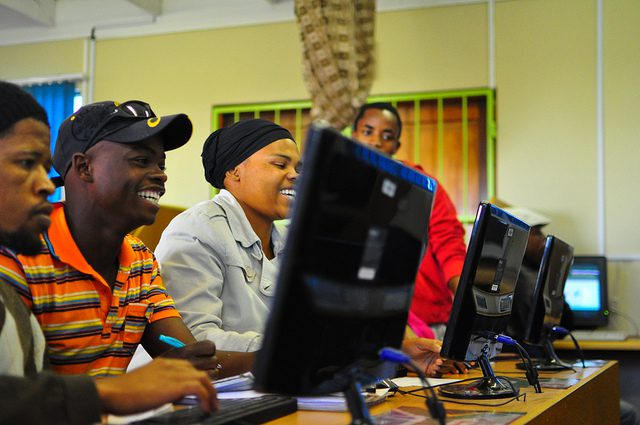
Tackling Poverty Alleviation Through Technology Programs

poverty alleviation through technology

Although breaking the cycle of poverty is difficult, poverty rates around the world have been improving. According to a report issued by the World Bank, 35 percent of the world’s population lived in extreme poverty 1990. In 2013, that number was down to 10.7 percent, which means the U.N.’s first Millenium Development Goal, to cut poverty in half by 2015, has been accomplished.

However, while many have moved out of extreme poverty, statistics show that the end of poverty is far from over. As a potential way to help speed up the process even more, many companies are helping with poverty alleviation through technology programs.

Companies Tackling Poverty Alleviation Through Technology

  1. Microsoft 365: Microsoft teamed up with the United Nations Development Programme on Jan. 23, 2004, to help with poverty alleviation through technology in Africa. It strongly believes that technology is a crucial aspect that can bridge the gap between schools in urban and rural areas, eventually eliminating world hunger and poverty. Co-founder of Microsoft Bill Gates hopes to end poverty by 2030 by launching his software in more developing countries around the world.Microsoft set up a three-pillar model in order to make sure the technology was applied correctly in schools. The first pillar provided the appropriate service for the individual based on their technological ability or age group. The second pillar equipped more than 200,000 teachers with the software in order to make sure the teachers were trained and familiar with the technology before it was introduced to students. The third pillar encouraged participation and creativity. The students were introduced to programs such as Skype or OneNote.
  2. GeoPoll: GeoPoll is a company that is taking advantage of mobile phones becoming more common in developing countries. Since 2012, it has partnered with more than 85 mobile network operations and has had connectivity in 64 countries of the world. Its purpose is to send a survey text through those living in the developing countries. Once citizens fill out the survey, the results are sent to the government and NGOs, allowing them to help with poverty alleviation.An example of when a GeoPoll survey was used was during the outbreak of Ebola in 2014. GeoPoll conducted food security surveys in countries that were affected and helped gather data on food prices and wages. From these results, it was able to decipher which areas needed more aid and which areas should continue to be monitored.
  3. Humanitarian Accelerators: Humanitarian Accelerators was launched in 2016 by the Ruler of Dubai, Sheikh Hamdan Bin Mohammed Bin Rashid Al Maktoum. It is meant to help with cultural, social and environmental issues in the region by connecting businesses all around the globe to United Arab Emirate’s humanitarian sector. Humanitarian Accelerators has set up its technology in over 116 different countries with the hopes of improving the lives of those in developing countries.In the past, the company has worked to provide educational technology to refugee students in order to ensure they receive the same level of education as other children. One of the company’s current initiatives is to employ technology in order to provide job opportunities to refugees.
  4. Poverty Spotlight: Poverty Spotlight is a program that is currently working in 18 countries and is most advanced in South Africa. It is meant to help with poverty alleviation through a mobile app that enables those in poverty to self-diagnose their own level of poverty. Its mission is to help individuals and families in poverty discover innovative solutions to lift themselves out of their situations.Individuals complete a survey about what they are in need of, then their neighbors fill out the same assessment and together they work on achieving them. The app allows individuals to become aware of their situation and build motivation and support from others to overcome it. The staff behind Poverty Spotlight also creates a personalized plan for every family.

Technology allows for many things today that were impossible in the past. The more technology advances, the more opportunities it gives us to learn, educate and help poverty alleviation through technology around the world.

– Negin Nia

June 17, 2018
https://borgenproject.org/wp-content/uploads/borgen-project-logo.svg 0 0 Borgen Project https://borgenproject.org/wp-content/uploads/borgen-project-logo.svg Borgen Project2018-06-17 07:30:092019-10-29 15:17:43Tackling Poverty Alleviation Through Technology Programs
Poverty Reduction

Dispelling the Myths of “Charity”: Social Safety Nets in Asia

Social Safety Nets in Asia
Regardless of its title—alms, gifts, handouts, welfare, aid—the true meaning of social safety nets is not universally accepted in the developing world. As a useful form of poverty reduction, there are several purported reasons as to why “charity” is regarded as wasteful spending. One is the belief that social assistance programs diminish incentives to work and create dependency on the program’s benefits into the foreseeable future.

The Issues with Social Safety Nets in Asia

The myth of “crutch economies” being the bane of current work ethic and the cause of further, more established and resilient poverty, appears to be losing its already slippery empirical footing. Recent studies conducted by the World Bank in countries such as Mexico, Indonesia and the Philippines have found no evidence that workers who receive assistance go on to work less. Instead, social safety nets routinely form a stable barrier for further slides into economic degradation in developing countries.

But spending on them still appears to be minimal. Although the levels of spending as a percentage of GDP varies across countries, spending on social safety nets in Asia, South and East Asia especially, is relatively low. The developing world on average spends 1.5 percent of its GDP on some form of welfare programs. South Asia, meanwhile, spends only 0.9 percent of GDP on social safety nets.

In lieu of more conventional welfare programs, the region has relied instead on more customary and time-tested economic assistance programs. A mix of ample growth, a youthful population and a devoted and helping family has filled the void of official government social safety nets in Asia.

While an admirable economic support system, there are more modern social safety net programs that do not become victim to the “crutch economy” fears. A unique pension plan in Mexico is disproving both the myth of diminishing work ethic and future drags on the economy due to dependency.

The Older Adults Program in Mexico

Pension plans provide better well-being later in life, as they allow people to project their current earnings into the future. But the regency of informal labor in developing countries has made large-scale worker contribution plans rather toothless in practice. Instead, Latin American countries are trying a pension program that targets age and income and does not rely on the contributions of workers. This form of social security could encourage Asian countries to provide a more substantial safety net at home.

Removing the fear of falling into abject poverty, or burdening close relatives once workers are removed from the labor market, is the goal of the Older Adults Program (OAP) in Mexico. The OAP is a noncontributory universal pension system for elderly Mexicans living in small towns. Initiated in 2007, the program took only four years to cover 2.1 million elderly people in 76,000 communities in Mexico. A recent study of the OAP by the International Development Bank (IDB) helps dispel the myth of crutch economies.

One concern of social safety nets in Asia is that they instill a sense of complacency in the younger population. Expecting to receive future income from the program’s benefits, the pension warps the savings and work ethic of the younger generations. The IDB’s study, however, found no evidence of such dependence. These “anticipation effects” that are widely feared and cited by critics of social safety nets were not backed up with any empirical findings. Negative labor supply effects of working age citizens was not a side effect of the pension plan for the elderly.

Work ethic among the elderly was not negatively affected either. Although beneficiaries working for pay in the official labor force dropped, this was more than compensated for by the rise in informal, unpaid family business employment. Rather than sapping their willingness to work, the pension program transferred those efforts to where families deemed most urgent.

The Coming of Age in Asia

But despite the lack of spending, there is hope that social safety nets in Asia will soon grow in usage and acceptance. This is already the case in Indonesia and the Philippines, even if they are outliers in the region.

A cash-transfer scheme in the Philippines, having covered four percent of the population in 2009, increased coverage to 20 percent in 2015. A similar scheme in Indonesia has grown in coverage from two percent of the population in 2009 to nine percent in 2016 with help from the World Bank.

In Indonesia, the payments from the Family Hope Program provide benefits to those in the bottom 10 percent of income distribution. Benefits are available to households with a pregnant mother or a child between the ages of zero to 18. Assistance focuses on promoting education and health of the family. The cash payments are made only if beneficiary households keep children enrolled in school and respond to health issues by taking children to clinics.

As promising as the Family Hope Program is, other countries in Asia have yet to adequately address welfare programs relative to other regions of the world. A fear of diminishing labor supply motivation and perpetual dependency on benefits should not deter the acceptance and administration of social safety nets.

Other than evidence-based research, there is one persuasive reason for adopting more widespread social safety nets in Asia: human kindness. Harry Truman, commenting in 1946, said, “The word ‘charity’ has regained its old, true meaning—that of goodwill toward one’s fellowman; of brotherhood, of mutual help, of love.” Until that is realized, the world will have to rely on empirical arguments to persuade decision makers that social safety nets are necessary.

– Nathan Ghelli
Photo: Flickr

June 12, 2018
https://borgenproject.org/wp-content/uploads/borgen-project-logo.svg 0 0 Borgen Project https://borgenproject.org/wp-content/uploads/borgen-project-logo.svg Borgen Project2018-06-12 07:30:362019-10-13 17:37:02Dispelling the Myths of “Charity”: Social Safety Nets in Asia
Global Poverty, Poverty Reduction

Significant Strides in Poverty Reduction in Jamaica

poverty reduction in Jamaica
The poverty rate in Jamaica has declined dramatically between 2015 and 2016, marking the largest annual decrease in poverty in a decade. Job creation and government policies have allowed for significant poverty reduction in Jamaica.

The Minister of Finance and Public Service, Dr. the Hon. Nigel Clarke, reported that the poverty rate fell 4 percent in 2015-2016, dropping from 21.1 percent to 17.1 percent. This is a six-year low for the nation and representative of a larger trend. Poverty levels in Jamaica have fallen to their lowest since 2009, for a total drop of 19 percent.

These figures, delivered by the Minister of Finance and Public Service in a public statement, came from the Jamaica Survey of Living Conditions, which is a survey conducted annually by the Statistical Institute of Jamaica.

Both Rural and Urban Areas of Jamaica Seeing Poverty Decreases

Not only has the national level declined, rural and metropolitan areas are also seeing significant poverty reduction in Jamaica. Rural poverty has seen an 8 percent decrease in poverty to 20 percent, while the poverty rate in the Kingston metropolitan area has hit an eight-year low, dropping 2.5 percent to 11.9 percent.

It is important to note that not all towns have seen a decrease in poverty rates, indicating that it is an unbalanced decline, which could point to the need for policies that target all vulnerable groups in the nation. While it is good news that the rates are decreasing, there is still room for improvement.

Causes of the Decline

According to Clarke, unemployment rates are one of the key areas that have prompted the decline in poverty rates. He states that “the unemployment rate has been falling steadily from a high mid-teens in 2013 to 9.6 percent in January 2018.” The Jamaican government has focused on job creation, which is helping spur poverty reduction in Jamaica.

There has also been a 12 percent increase in agricultural output, which brings in money to the economy and creates jobs.

The Future of Poverty Reduction in Jamaica

The Planning Institute of Jamaica is expecting the poverty decline identified in the last decade to continue. This is based both on government policies and increased job creation, said the Director General of the Planning Institute of Jamaica, Dr. Wayne Henry.

It is expected that job creation in the wholesale, retail trade, construction, hotel and restaurant industries will continue into the future. These industries have seen large increases in the past few years. For example, the wholesale and retail trade industry was up 7,900 persons, and construction was up 7,300 persons in 2015-2016.

The Planning Institute of Jamaica has also said that they will keep an eye on the Poverty Reduction Policy that was launched by the Jamaican government this year to see how it impacts poverty reduction in the nation.

Other institutions are also contributing to poverty reduction efforts in Jamaica that promise further reduction in the future. The Caribbean Development Bank pledged $1 million to renew its program helping countries in the region support poverty reduction efforts.

Huge strides have been made in poverty reduction in Jamaica, and through policy and job creation, the trend will likely continue.

– Katherine Kirker
Photo: Flickr

June 8, 2018
https://borgenproject.org/wp-content/uploads/borgen-project-logo.svg 0 0 Borgen Project https://borgenproject.org/wp-content/uploads/borgen-project-logo.svg Borgen Project2018-06-08 01:30:322024-05-29 22:42:40Significant Strides in Poverty Reduction in Jamaica
Poverty Reduction

doTERRA’s Healing Hands Foundation Provides Jobs to Alleviate Poverty

Healing Hands Foundation
Oxfam estimates that it would take $60 billion annually to end extreme global poverty, less than one-fourth of the income of the top 100 richest people in the world. Although there are billionaires that donate to certain organizations, some of the most powerful efforts come from companies, like doTERRA’s Healing Hands Foundation, which works diligently with the actual individuals suffering from extreme poverty.

doTERRA Makes Social Responsibility Part of Its Corporate Mission

doTERRA, an essential oils company with $1.2 billion in annual revenue in 2016, was founded in 2008 with the vision of producing a new standard of therapeutic-grade essential oils that would positively influence individuals and communities around the world. In addition to making products such as lotions and supplements, as well as the pure essential oils themselves, the company truly desired to serve people and communities with the resources they had. In June 2012, doTERRA created the Healing Hands Foundation, a nonprofit organization that serves communities in need.

The organization partners with other groups and doTERRA Wellness Advocates to offer hope to millions around the world. One of the corporate partners, Operation Underground Railroad, works with the doTERRA Healing Hands Foundation to bring healing and hope to the world by rescuing children from sex trafficking by using some of the world’s experts in extraction operations and anti-child trafficking efforts. Through the foundation’s efforts, not only are the lives of many freed from disease and poverty, communities are empowered with the tools they need to become self-reliant.

Healing Hands Foundation Focuses on Innovative Co-Impact Sourcing Model

A major part of the Healing Hands Foundation’s efforts are based around its concept of co-impact sourcing, a model in which farmers are paid a fair wage for their work and in turn, the company receives a higher quality product, creating a strategy of economically sustainable development. The Healing Hands Foundation has co-impact sourcing initiatives in 10 different countries: Guatemala, Nepal, Somalia, Kenya, Madagascar, Haiti, India, New Zealand, Jamaica and Bulgaria; this list is predicted to grow further. The initiatives have sustained social impact and benefit farmers, harvesters, and distillers, their families and communities.

The doTERRA Co-Impact Sourcing Initiative in Somalia pays frankincense harvesters equal and fair wages. Frankincense harvesters have been around for thousands of years in Somalia; however, they often have treacherous journeys to collect the resin. Frankincense is grown from wild Boswellia trees, and it takes more than five months to complete the delicate process, forcing harvesters to leave their families and often live in caves. Even after all of this dedication, the harvesters are often unable to sell the frankincense at a fair price.

Because of doTERRA’s co-impact sourcing, all harvesters receive fair wages and on-time payments by bypassing the middlemen and instead working directly with the harvesters themselves. Because it is often the responsibility of women to clean and sort the frankincense resins, the foundation makes it a top priority to ensure that the women are able to do their work as close to the harvesters as possible. The foundation has made an impact on Somalia as a whole, due to the construction of two new schools for hundreds of students from harvester clans.

The doTERRA Healing Hands Foundation is actively eliminating global poverty by not only collaborating with other organizations, but by providing thousands of poverty-stricken individuals and communities worldwide with well-paying jobs. The foundation works to promote healing, hope, community and self-reliance in many developing countries.

– Angelina Gillispie
Photo: Flickr

June 7, 2018
https://borgenproject.org/wp-content/uploads/borgen-project-logo.svg 0 0 Borgen Project https://borgenproject.org/wp-content/uploads/borgen-project-logo.svg Borgen Project2018-06-07 01:30:152024-05-29 22:42:37doTERRA’s Healing Hands Foundation Provides Jobs to Alleviate Poverty
Development, Global Poverty, Poverty Reduction

Economic Development In Iraq Contributes To Fight Poverty

Economic Development In Iraq Contributes To Fight Poverty
According to the World Bank, after the complete eradication of ISIS in all of its territory, economic development in Iraq will most likely be deployed and bear fruitful results.

ISIS and Iraq

More specifically, the increase of oil prices and the promising rise of investments towards reconstruction are presumably fueled by a set of government actions. These decisions are set to facilitate and accelerate the process of economic and social recovery in the wake of ISIS which, as of December 2017, is no longer a major threat for Iraq.

Since 2014, the ISIS war and prolonged decrease of oil prices heavily contributed to the contraction of a non-oil economy by 21.6 percent. Therefore, a safer economic and social environment will bring nothing but economic and social relief.

Indeed, the most treasured tool for economic development in Iraq is certainly oil extraction, which accounts for 55 percent of the GDP. The remaining part of this number is divided between the services sector (33 percent), manufacturing, construction, water and electricity production (8 percent) and agriculture (4 percent).

Iraq’s Economic Growth

Oil prices and restored security, then, have been the main factors for Iraq’s solid economic growth in 2016, which amounted to 10 percent. However, fiscal responsibility and curbing corruption should go hand-in-hand with such economic development in Iraq.

To maintain a steady trend in economic growth and the road of improvement, the Iraqi government should take a serious look at how tax revenue as a percentage of GDP is barely detectable because of quite high levels of evasion and poor enforcement. Moreover, in terms of public spending, the government has been spending an amount close to to 42.7 percent of the (GDP) over the past three years, and budget deficits have averaged 8.6 percent of GDP. Public debt, as a consequence, is equivalent to 63.7 percent of GDP.

Poverty Eradication

Actions, however, have been taken towards the greater goal of poverty eradication in Iraq. In terms of analysis and planning, the government has, in fact, determined an official poverty line based on the 2006/07 IHSES (Household socio-economic survey), which also formed the basis for Iraq’s National Strategy for Poverty Reduction 2009.

Assessment reports measuring causes of poverty paired with high frequency, advanced impute expenditure surveys are top methods used to estimate poverty.

Road to Improvement

The Iraqian economy is largely state-run and oil extraction represents some 90 percent of government revenues. Meanwhile, 3.9 percent of people in Iraq are living in extreme poverty (2012). In fact, 18.9 percent live below the national poverty line (2012), with greater rural poverty than urban poverty; 11.6 percent of people in Iraq are multidimensionally poor (2011).

In recent years, economic improvement has been proven effective due to major social internal accomplishments — liberating ISIS territory is certainly on top of the list. Government and state presence can certainly encourage investments and economic development in Iraq, as they have done sporadically in previous occasions. However, it would be quite beneficial towards goals of poverty reduction if a larger portion of the economy could be left to the private sector.

– Luca Di Fabio
Photo: Flickr

June 5, 2018
https://borgenproject.org/wp-content/uploads/borgen-project-logo.svg 0 0 Borgen Project https://borgenproject.org/wp-content/uploads/borgen-project-logo.svg Borgen Project2018-06-05 01:30:202024-06-06 00:08:00Economic Development In Iraq Contributes To Fight Poverty
Page 41 of 63«‹3940414243›»

Get Smarter

  • Global Poverty 101
  • Global Poverty… The Good News
  • Global Poverty & U.S. Jobs
  • Global Poverty and National Security
  • Innovative Solutions to Poverty
  • Global Poverty & Aid FAQ’s
Search Search

Take Action

  • Call Congress
  • Email Congress
  • Donate
  • 30 Ways to Help
  • Volunteer Ops
  • Internships
  • Courses & Certificates
  • The Podcast
Borgen Project

“The Borgen Project is an incredible nonprofit organization that is addressing poverty and hunger and working towards ending them.”

-The Huffington Post

Inside The Borgen Project

  • Contact
  • About
  • Financials
  • President
  • Board of Directors
  • Board of Advisors

International Links

  • UK Email Parliament
  • UK Donate
  • Canada Email Parliament

Get Smarter

  • Global Poverty 101
  • Global Poverty… The Good News
  • Global Poverty & U.S. Jobs
  • Global Poverty and National Security
  • Innovative Solutions to Poverty
  • Global Poverty & Aid FAQ’s

Ways to Help

  • Call Congress
  • Email Congress
  • Donate
  • 30 Ways to Help
  • Volunteer Ops
  • Internships
  • Courses & Certificates
  • The Podcast
Scroll to top Scroll to top Scroll to top