• Link to X
  • Link to Facebook
  • Link to Instagram
  • Link to TikTok
  • Link to Youtube
  • About
    • About Us
      • President
      • Board of Directors
      • Board of Advisors
      • Financials
      • Our Methodology
      • Success Tracker
      • Contact
  • Act Now
    • 30 Ways to Help
      • Email Congress
      • Call Congress
      • Volunteer
      • Courses & Certificates
      • Be a Donor
    • Internships
      • In-Office Internships
      • Remote Internships
    • Legislation
      • Politics 101
  • The Blog
  • The Podcast
  • Magazine
  • Donate
  • Click to open the search input field Click to open the search input field Search
  • Menu Menu

Archive for category: Poverty Reduction

Information and stories about poverty reduction.

Global Poverty, Poverty Reduction

Jewelry and Female Empowerment in Uganda

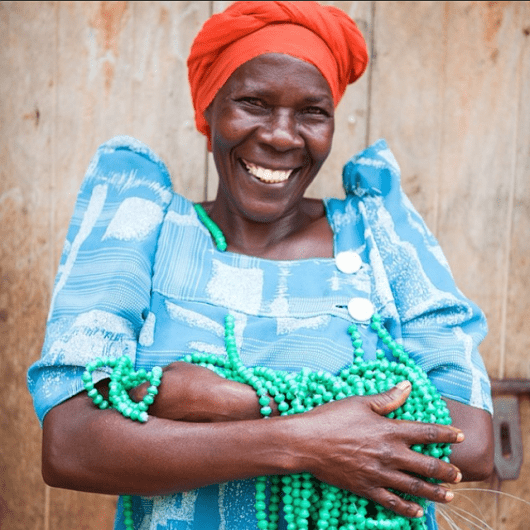
female empowerment in UgandaOne proven way to fight poverty is through entrepreneurship and empowerment, specifically among women. In Uganda, where poverty is still prevalent, there are various jewelry companies working locally to employ women and teach them skills they need to escape poverty. Through female empowerment in Uganda, along with education and financial security, these five jewelry brands are making substantial efforts to eradicate poverty locally, and engage businesses globally.
Projects Have Hope

Projects Have Hope is a certified non-profit organization promoting female empowerment in Uganda, specifically the Acholi Quarter region. In 2006, Projects Have Hope began buying locally made paper-bead jewelry from the Acholi women. Women, in turn, received compensation, which created a steady source of income in these vulnerable regions.

Beyond financial security, the program has an educational aspect. In 2007, the adult literacy program was created. Currently, there are 32 students enrolled in the program, women aged 18 to 45. New sessions are constantly conducted in the hopes of improving the literacy rate amongst women in the country, which is 71.5 percent.

Vocational training also occurs so that women can expand their professional skills in a variety of ways: “catering, hairstyling and salon management, tailoring, knitting, computer and general office skills studies, and driver’s education.” All these efforts can help increase women’s ability to combat poverty in their lives.

Akola

Akola is a company that ensures 100 percent of its revenue generated from jewelry sales returns to the mission of fighting poverty amongst women in Uganda. Women are employed to make jewelry from paper, cow horns, leather, glass, bone, metals, gemstones and textiles. All materials are sourced ethically and all training for the jewelry making is provided by Akola.

Akola also provides various tiers beyond jewelry-making, including economic employment and social services such as wellness training and educational programs. All are meant to help vulnerable women achieve security in life through female empowerment in Uganda.

Bead For Life

Developed in 2004, Bead For Life is based entirely on female empowerment in Uganda. The company trains women locally on entrepreneurial skills and paper-bead production.

In addition to jewelry, the company created a school called the Street Business School. Thus far, 52 thousand Ugandans have been impacted through the program. Eighty-nine percent of graduates have a business within two years of graduation and the average increase in income is 211 percent. Participating women often live below the national poverty line before attendance so the skills they learn greatly impact their future.

31 Bits

The force behind 31 Bits is generating a cycle of support: women support women by buying jewelry they want to wear. Female empowerment in Uganda is achieved as the company employs women with dignified jobs for their artisanal skills. The company has seen great success and many endorsements from celebrities like Sophia Bush, Jessica Alba and Candace Cameron Bure.

Business, along with physical and mental health, are all aspects taken seriously by the company; in fact, they provide training and educational programs for both. Profound progress against fighting poverty often means elevating these factors.

Tuli

Tuli recognizes sustainable change as being linked to long-term solutions, such as job growth. Their work connects women to a larger market of buyers, which ensures that participating communities will have consistent access to a global economy.

In addition to financially compensating the artists for their work, Tuli reinvests their profits back into Kampala, the capital city of Uganda. As more people migrate to the cities, the capital is becoming an important center of development in the country. Tuli gives back in the form of social projects within the city.

Tuli is a registered social purpose corporation, which allows them to take social or environmental issues into consideration during its decision-making processes instead of just focusing on profit-maximizing efforts. As a result, female empowerment in Uganda is a focus of their work.

Local and Global Success

The World Bank reports that Uganda, as a Sub-Saharan African country, is one of the fastest to reduce its amount of the population living below the $1.90 a day poverty line. In 2013, they reduced their population living below the national poverty line to 19.7 percent — a momentous accomplishment.

As women work locally, crafting their jewelry, their ability to sell globally is having tremendous effects on their ability to become financially secure and escape poverty.

– Taylor Jennings
Photo: Google

September 7, 2018
https://borgenproject.org/wp-content/uploads/borgen-project-logo.svg 0 0 Borgen Project https://borgenproject.org/wp-content/uploads/borgen-project-logo.svg Borgen Project2018-09-07 01:30:372024-05-29 22:42:21Jewelry and Female Empowerment in Uganda
Global Poverty, Poverty Reduction

Reducing Food Insecurity in Haiti: Oxfam Livelihoods

food insecurity in Haiti
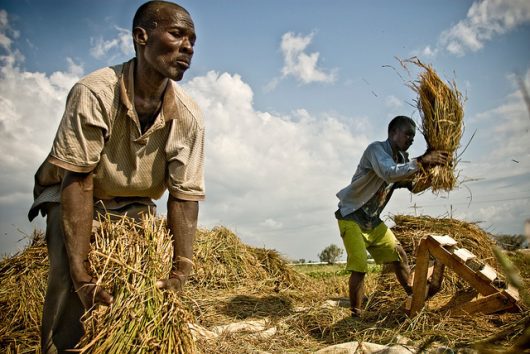
Since 2011, Oxfam Livelihoods Program has been influential in Haiti’s Artibonite Valley, working with rice farmers in the region. Due to extreme food insecurity, a vast majority of families in Haiti rely on local agriculture for survival. Oxfam’s Haiti Livelihoods Program aims to increase rice production, improve production techniques, empower local farmers and decrease food insecurity in this small country.

The poverty rate in Haiti falls just below 60 percent, with 24 percent of Haitians living on less than $1.23 per day. Only 6 percent of the Artibonite Valley’s inhabitants are unaffected by hunger, and 43 percent are extremely food insecure.

The Program

This is in large part due to the natural disasters that plague the country. Within the last ten years, Haiti has experienced hurricanes, floods, droughts and an earthquake, ranking fifth among countries most likely to have a natural disaster. Approximately 98 percent of the nation is at risk to experience one or more of these disasters, as well as epidemics. A lack of sanitation and health services increases the risk of fecal waterborne diseases, including cholera.

Oxfam began its Artibonite Valley Livelihoods Program in 2011 following the earthquake that struck the country the year before. Up to 80 percent of the nation’s rice is produced in this valley, making its success and growth crucial to reducing food insecurity in Haiti. Additionally, food production, processing and marketing are essential components of Haiti’s economy, employing more than 70 percent of the population. Oxfam states that they are helping Artibonite’s residents to “overcome barriers and realize the potential of the valley.”  

The program relies on partnerships with local organizations, including government agencies, NGOs and microfinance institutions. Oxfam has been working with the Ministry of Agriculture to ensure that program accomplishments have long-lasting effects.

On a local level, Oxfam works with local farmers groups, women’s associations, water users organizations and training centers. The process of improving systems of agricultural production, processing and marketing includes upgrading irrigation and drainage canals to decrease flooding, training youth in the mechanical skills needed for agriculture, helping farmers expand and diversify their sources of income, improving access to agricultural credit and promoting the System of Rice Intensification (SRI).

The System of Rice Intensification

The SRI is a critical component of improving farming systems around the world, enabling farmers to produce more food in a way that is cost-effective and sustainable, using less water, seeds, fertilizer and labor. This increase in production helps meet local food needs, helping to reduce food insecurity in Haiti. SRI also decreases pollution and the negative effects agriculture can have on the environment. Farmers in Madagascar, Vietnam, Cambodia, India and Mali have adopted SRI methods.

Recommended SRI practices include spacing rice seedlings farther apart and transplanting them when they are young to reduce crowding and strengthen root systems, using integrated pest management instead of herbicides, applying water intermittently rather than continuously, using organic matter to enrich the soil, aerating the topsoil and removing weeds with manual weeders.

As SRI requires no additional machinery and farmers can easily make site-specific adaptations that will meet their needs, SRI is affordable for small-scale farmers, in addition to being environmentally friendly and aiding in the reduction of food insecurity. An evaluation of the Livelihoods Program from 2011 to 2014 found that SRI had succeeded in more than doubling rice production in some farms.

Program’s other methods

The Artibonite Valley Livelihoods Program also employs other methods for transforming Haiti’s environment and improving conditions for its inhabitants. Oxfam has been facilitating networking across geographic areas to improve cross-learning and coordinating, improving the technical, business and administrating capacities of community organizations, raising awareness among Haitian consumers on the importance of local production and supporting the newly developed National Federation of Haitian Rice Producers.

Oxfam also addresses gender inequality in Haitian agriculture by ensuring women are participating in all activities and by holding workshops on gender issues, advocacy and campaigning. In 2014, the program was found to have improved women’s roles in the public and economic spheres and increased their decision-making within their households.

Possible improvements of the Program

The 2014 evaluation of the Livelihoods Program did, however, note a few areas in need of improvement. First, the program did not help increase the competitiveness of the goods produced, causing farmers to have continuing difficulties selling their products. The program also did not provide solutions for access to fertilizers, seeds and irrigated water.

Recommendations for program improvement include ensuring all projects are locally-appropriate, increasing the adoption of SRI by working with the Ministry of Agriculture and distributing data on SRI techniques, creating a reliable system to monitor crop yield and looking for more efficient and affordable farming equipment.

Overall, Oxfam’s Artibonite Valley Livelihoods Program has made great strides in improving rice production and continues to be an integral part of decreasing food insecurity in Haiti and improving the overall livelihoods of its residents.

– Sara Olk
Photo: Flickr

September 6, 2018
https://borgenproject.org/wp-content/uploads/borgen-project-logo.svg 0 0 Borgen Project https://borgenproject.org/wp-content/uploads/borgen-project-logo.svg Borgen Project2018-09-06 15:04:352024-06-04 01:08:29Reducing Food Insecurity in Haiti: Oxfam Livelihoods
Global Poverty, Poverty Reduction

Combating Ignorance: 10 Facts About Poverty in Vietnam


In terms of poverty reduction, Vietnam has seen leaps and bounds in the last two decades. Ever since it opened up its markets to international businesses in the mid-1980s, its GDP has grown rapidly from about 2 percent to an average of 6 percent over the last twenty years. 
Significant economic and political reforms in 1986 by then-leader-Đổi Mới made this possible. As Hanoi continues to improve the country’s living standards, here are the top 10 facts about poverty in Vietnam of note.

Top 10 Facts About Poverty in Vietnam

  1. The status of Vietnam’s ethnic minorities have drastically improved; since 2008, poverty rates declined by 13 percent. Ethnic minorities represent a large majority of Vietnam’s poor, and an increase in living standards means that much more in the national context.
  2. Only 2.6 percent of the population lived under the World Bank’s poverty line of $1.90 a day in 2014.
  3. The Children’s Education Foundation works to supply education to Vietnamese girls and young women living in poverty. Their programs cover many of Vietnam’s cities and provinces; one of their ten-year programs in Da Nang City helped girls graduate high school.
  4. Habitat for Humanity helped 13,300 Vietnamese families find sustainable, sanitary housing and clean water in 2014. Their programs continue to provide education and training services in fields such as finance and hygiene to many of Vietnam’s poor.
  5. In 2015, Vietnamese high schoolers ranked 12th in the global Pisa tests in the categories of math and science. It outpaced the United States in every field; this is due to high government investment in education and a widespread cultural respect of learning.
  6. Vietnam’s unemployment rate sits at 2.01 percent in 2018; the government supplies most of the jobs in the country, in addition to a growing private sector. However, wages still remain behind most developed countries.
  7. Life expectancy for Vietnamese women reached an all-time high of 80.88 in 2017, only slightly behind the United States (81.1 in 2016). However, male life expectancy lags behind at 71.53.
  8. Vietnam’s national healthcare system frequently has to deal with tobacco-related diseases; tobacco remains the top risk factor contributing to death and disability, according to the Institute for Health Metrics and Evaluation.
  9. Vietnam experiences frequent natural disasters that, more often than not, are exacerbated by human factors such as poor infrastructure and vulnerable populations that often consist of ethnic minorities. In August 2017, floods in northwestern Vietnam took 27 lives and caused $43 million of damages to property and infrastructure.
  10. Discontentment with the government has spiked in recent years despite economic growth. In fact, Vietnam’s deals with China to net funding for 99-year leased infrastructure projects have sparked concern among Vietnamese citizens about Chinese overreach. China’s approval rating polls at a measly 10 percent in Vietnam.

Historic Improvement

These top 10 facts about poverty in Vietnam showcase a historic improvement in the quality of life for its poor. Despite lagging public confidence in the government, Vietnam can expect a bright future for its economy if it maintains its rapid growth and becomes more responsive to the needs of its citizens.

– Alex Qi
Photo: Flickr

September 6, 2018
https://borgenproject.org/wp-content/uploads/borgen-project-logo.svg 0 0 Borgen Project https://borgenproject.org/wp-content/uploads/borgen-project-logo.svg Borgen Project2018-09-06 01:30:082019-08-15 10:49:21Combating Ignorance: 10 Facts About Poverty in Vietnam
Global Poverty, Poverty Reduction

Historically Impactful Facts about Poverty in Sierra Leone

top ten facts about poverty in sierra leone
Poverty has held a tight grip on Sierra Leone for as long as most people can remember. Sierra Leone remains one of the least developed low-income countries in the world. With a population of around six million people, the level of poverty is vast. The poverty status is well-known, although not many people know its extent or how it became this way. To clarify, here are the top 10 facts about poverty in Sierra Leone.

Key Facts About Poverty in Sierra Leone

  1. Sierra Leone’s social, economic and political unrest began around the time they gained independence from the British in 1961. This led to many economic and political challenges.
  2. In 1991, the state of Sierra Leone was devastated by extreme brutality when a civil war broke out as a result of a rebel group’s attempt to overthrow the government in power. Over 50,000 civilians were killed and an estimated two million were displaced.
  3. Since the end of the civil war in 2002, poverty alleviation has been a priority for the region; however, the level of poverty still remains high at its impact on 50-60 percent of the population.
  4. Most of Sierra Leone is rural communities with a few urban exceptions like the capitol, Freetown. Poverty levels in the rural areas have been gradually declining but remain relatively stagnant in the more urban communities.
  5. Sierra Leone has made considerable progress in the economy as a result of poverty alleviation efforts. The growth in Gross Domestic Product (GDP) increased from 4.5 percent to 5.3 percent in 2010. It has been projected that the economy will grow 6 percent on average every year.
  6. The impoverished conditions are also not always the people’s fault. The region is prone to natural disasters, climate change and epidemics. Climate change alone can cause an annual loss between $600 million and one billion. It also leads to heightened pollution and the devastation of critical crops.
  7. Another one of the top ten facts about poverty in Sierra Leone is that it is heavily dependent on aid. An estimated 50 percent of public investment programs are being financed by foreign sources.
  8. The progress of poverty alleviation was halted by the Ebola outbreak of 2014. The outbreak ravaged the area and hit the economy with a decrease of almost 3 percent in average growth rate.
  9. USAID, since the civil war, has been aiding Sierra Leone specifically in gaining political stability and strengthening democratic governance. Maintaining stability will help ensure the proper development of the region as well as maintain peace and security.
  10. The educational completion levels are low in the region with more than half of the people over the age of fifteen having never attended school. In general, the access to public services such as education is very low.

Projected Progress

Sierra Leone, while being underdeveloped, is still a very young country. There is progress each year that will only continue from here. Many foreign aid agencies are invested in the progression of poverty alleviation in Sierra Leone and wish to assure peace and security.

– Samantha Harward
Photo: Flickr

September 6, 2018
https://borgenproject.org/wp-content/uploads/borgen-project-logo.svg 0 0 Borgen Project https://borgenproject.org/wp-content/uploads/borgen-project-logo.svg Borgen Project2018-09-06 01:30:012024-05-27 09:34:50Historically Impactful Facts about Poverty in Sierra Leone
Global Poverty, Poverty Reduction

How Galapagos Tourism Reduces Poverty in Ecuador

Galapagos tourism reduces poverty
Tourism can be an important tool for developing countries to reduce domestic poverty. The global industry is responsible for 5 percent of the world’s GDP and helps provide foreign exchange earnings and over 235 million jobs. Many of these jobs belong to the poor in developing countries because of the labor-intensive and low-skill nature of work in the tourism sector.

Tourism’s Impact

Workers can often make $1,000 to $4,000 a year which can help bring workers and their families above the poverty line. Employment can be scarce in some developing countries, which makes tourism a necessary stimulant in otherwise stagnant economies. International arrivals continue to increase each year, which creates an even greater demand for labor.

One developing nation that sustainably benefits from the tourism industry is Ecuador.

Equador and the Galapagos Islands

The Galapagos islands host one of the few remaining natural sanctuaries for marine and bird life such as sea lions, octopi, sharks and flamingos in the world. Many of these species are endemic to the Galapagos, which means that they do not exist anywhere else in the world.

The animal life, geologic activity and lack of development have made the archipelago a premier travel destination for wealthy patrons looking for an expeditionary vacation. The islands continue to gain popularity as the number of visitors has grown from 17,500 in 1980 to over 200,000 in 2012.

The Ecuadorian government has kept pace with growing demand, while still preserving the untouched beauty of the Galapagos by employing a platform of Eco-Tourism.

Eco-Tourism

The World Conservation Union defines Eco Tourism as “responsible travel to natural areas that conserves the environment and sustains the well-being of local people.” The goals of eco-tourism are to capitalize on the economic benefits of tourism while minimizing the negative effects it can have on the environment and local people.

Ecuadorian policymakers have actualized this approach in a manner that has maximized benefits to tourists, the local population and ecosystems alike.

The increasing popularity of the Galapagos islands for tourists has been met with several regulations designed to protect the environment and interests of the local people. The government mandates that cruise ships must be kept in Ecuadorian ports, which incentivizes international cruise liners to staff their boats with locals and purchase supplies from the mainland.

Poverty Reduction

Such occurrences couples the direct benefits of tourist expenditures on the islands with the indirect benefits of employment, trade, transport, construction and social services.

A study by Edward Taylor entitled Ecotourism and Economic Growth in the Galapagos (2006) found that overall tourism generates $200 million in revenues. Meanwhile, the locally-owned hostels have gained more popularity with tourists as a more affordable option to the small cruises.  These hostels expose tourists to local markets and restaurants, which further directs capital flows away from international cruise lines and towards the people of Ecuador.

Galapagos tourism reduces poverty by focusing on the inclusion and welfare of the locals. The environment has also benefited from this Eco-Touristic approach.

Economic and Environmental Benefits

The islands were made a national park in 1959 and have become further protected as tourist numbers have increased. “Cruises are limited to having 100 guests per trip,” only certain areas are designated for expeditions and 97 percent of the island is protected from human habitation. Measures like these have protected the endemic wildlife of the Galapagos from human interference and invasive species.

The Borgen Project had the opportunity to interview an expedition leader for the Silver Seas cruise in the Galapagos, and he stated that “tourism only adds an average of 1,500 extra people to the islands each day because of the regulations.” Thus, Galapagos tourism reduces poverty without harming the environment.

The conservation measures taken by the Ecuadorian government have minimized the effects of human activity, but the presence of humans has still caused problems for some of the native wildlife.

Migration Ramifications

The migration of mainland Ecuadorians to the three percent of the island not protected by national park statuses has created a presence of feral dogs, cats and goats that outcompete the native animals and bring some to the point of starvation.

The guide even explained that “feral dogs eat the baby giant tortoise eggs and the goats feed on the plants that several of native herbivores rely on to survive.”

A Prosperous Balance

The governing body of the Galapagos has responded by attempting to exterminate these feral animals and create breeding centers for endangered native species, but it’s important for tourists and migrants alike to respect the true natives of the archipelago.

Eco-Tourism, as seen in the Galapagos, should serve as a model for other vacation destinations. The Galapagos tourism reduces poverty through the influx of foreign spending and the jobs created, without harming the natural environment which is allowing tourism to flourish as well.

– Anand Tayal
Photo: Google

September 5, 2018
https://borgenproject.org/wp-content/uploads/borgen-project-logo.svg 0 0 Borgen Project https://borgenproject.org/wp-content/uploads/borgen-project-logo.svg Borgen Project2018-09-05 01:30:032024-05-29 22:53:05How Galapagos Tourism Reduces Poverty in Ecuador
Global Poverty, Poverty Reduction

Top 10 Facts about Poverty in Ireland

Top Ten Facts about Poverty in Ireland
The poverty rate in Ireland has been increasing since the recession in 2008. Along with poor health and economic inequalities, unemployment has been a huge factor contributing to poverty in Ireland. 

Top 10 Facts About Poverty in Ireland

  1. Almost 800,000 people in Ireland live in poverty despite the improved economy: According to the Irish Times, although the economy is doing well, the people are not. Children make up a quarter of a million of the 790,000 people living in poverty in Ireland today.
  2. The “working poor” make up 105,000 of those in poverty: According to Social Justice Ireland, 18 percent of the adults in Ireland are working, but their salaries aren’t enough to afford the basic necessities for themselves or their families.
  3. Poverty is worse in rural areas: In Ireland, in the Border, Midlands and West regions there is a much higher number of those living in poverty. In fact, the Eastern and Southern regions of Ireland fewer than 50 percent of the people per capita live in poverty when compared with their rural counterparts. 
  4. The rent in Ireland has increased: The rent in Ireland is six times the average rate of other European countries. Poor families aren’t able to afford the basic necessities let alone a house with inflated rent despite the Housing Assistance Payments provided by the government. New plans are being considered to work to solve the issue.
  5. The gender gap is a large cause of women in poverty: Women often have to work in lower paying, sometimes temporary jobs. During the recession men in working families saw a 9 percent pay decrease, but women saw 14 percent. When coupled with the fact that women were already making less money than men, this cut only made the situation worse. 
  6. Single parents are more at risk: Single parents, of whom 84 percent are women, face some of the highest childcare costs in Europe, making it extremely difficult to work for a livable wage and take care of the family. The organization One Family is working to help alleviate poverty for single-parent families in Ireland. They hope to reduce poverty rates and create legislation to help support all families as well as bring recognition to the complications that single-parent families must face.
  7. Ireland’s Deprivation Gap has increased over time: Ireland has a significant and still increasing gap in deprivation between vulnerable adults (single parents and those with disabilities) and other adults in society. Between 2004-2015, Ireland’s showed the largest increase in its deprivation gap out of the 11 EU countries.
  8. The United Nations is working to help with the problem: The director of Social Justice Ireland was invited by the U.N. Department of Economic and Social Affairs to be part of a meeting on “Strategies for Eradicating Poverty to Achieve Sustainable Development for All.” This was held at The United Nations in New York in May 2017. This group of experts was brought together to make policy recommendations to help reduce poverty.
  9. Social justice Ireland is helping with Five Outcomes to reduce poverty: Social Justice Ireland is an organization working to create a stronger, sustainable future in Ireland. The group wants to help face the issues by setting out goals for the government to achieve. Its view for a better future involves “a vibrant economy, decent services and infrastructure, just taxation, good governance and sustainability.” In April 2018, the government launched The Sustainable Development Goals National Implementation Plan 2018-2020. This plan highlights 19 high-level actions that will promote awareness, participation, support and policy alignment to achieve sustainable goals for Ireland’s future.
  10. Despite the poverty, the economy is doing well: The Irish economy has been recovering since the recession of 2008 and has had time to grow. Since 2017, 55,000 jobs were created. Also, in 2018, Ireland saw a 4 percent growth in the economy. Although many are still in poverty, the creation of new jobs can help many struggling. One way the government is working to provide jobs is through energy reform. By alleviating energy poverty, the government would not only provide energy and fuel to poverty-stricken areas but also could create an estimated 3,200 jobs per year over the 15-year plan.

The poverty rates in Ireland have increased despite the some of the progress in the economy. The main reasons seen in the top 10 facts about poverty in Ireland can be solved by new government policies. Organizations like Social Justice Ireland are doing their best to help bring awareness of these policies to the government and the U.N. to build a better future for Ireland.

– Negin Nia
Photo: Pixabay

September 4, 2018
https://borgenproject.org/wp-content/uploads/borgen-project-logo.svg 0 0 Borgen Project https://borgenproject.org/wp-content/uploads/borgen-project-logo.svg Borgen Project2018-09-04 01:30:492019-11-05 12:39:24Top 10 Facts about Poverty in Ireland
Global Poverty, Poverty Reduction

Labor Reform in Vietnam Promoting Growth

Labor
From 2010 to 2016, Vietnam’s poverty headcount ratio fell considerably from 20.7 to 9.8 percent of its population. Another significant amount of growth is reflected in Vietnam’s GDP, which increased from approximately $6.3 billion in 1989 to an estimated $205.3 billion in 2016. This extensive growth is linked to Vietnam’s reform in economic policy in the mid-1980’s, which in turn prompted labor reform in Vietnam.

Đổi Mới Economic Policy

In 1986, the Vietnam government initiated the Đổi Mới, a series of economic policy reforms that affected the country’s rapid recovery and furthered development.

The reform marked Vietnam’s transition from a centralized economy to an open-market one, otherwise known as an open door policy. The open door policy was intended “to promote a multi-sector economic system, emphasizing the state sector, while encouraging the private sector.”

According to the Social Watch, this change increased the gap between the rich and poor, which threatened the progress of poverty reduction.

Amid these economic policy changes and growing disparities between socioeconomic classes, labor rights came to the forefront in Vietnam’s policy agenda. Below are several examples of the reformed labor rights.

Formation of Labor Unions

The Human Rights Watch reported the formation of “independent trade unions” as a result of activist efforts in October 2006. These unions aimed to “protect the rights of workers” and “disseminate information about worker’s rights and exploitive and abusive labor conditions.”

For example, the United Worker-Farmers Organization of Vietnam and the Independent Worker’s Union of Vietnam supported farmers whose lands were taken. It is important to note that these “independent trade unions” are not officially acknowledged by Vietnam law.

Recorded Improvements

According to the World Bank, the gender gap is lessening. As of 2015, households led by women were “less likely to be poor than male-headed households” while the enrollment rates for girls and boys in primary and junior secondary school were almost equal.

In addition, the World Bank noted that women’s participation in the labour force “is within 10 percent of that of men”, a gap which is smaller than in most countries worldwide.

Labour Reform in Vietnam and Problems Today

Despite advances in labor reform in Vietnam, the move toward independent labor unions was halted when the U.S. left the Trans-Pacific Partnership (TPP). In July 2017, The Diplomat noted that trade unions in Vietnam strongly relied on the financial support and management from the state. Furthermore, Vietnamese laws require contributions to a trade union fund from employers, effectively making trade unions financially dependent on employers.

This is especially concerning in the wake of the U.S. leaving the TPP, as it halted Vietnam’s labor rights reform. The Diplomat emphasized that “many people argued that the need for labor rights reform is gone because there is no more demand for reform from the United States.”

However, there is a solution to the current state of limited labor rights and corrupt workplaces.

Addressing Corruption with a Potential “Đổi Mới II”

Vietnam can counter corruption through reform, coined as “Đổi Mới II,” which focuses on fighting corruption and enhancing institutional legitimacy through increased democratization. By applying the rule of law more rigorously, governance can be improved.

Labor reform in Vietnam, while not occuring rapidly, is experiencing activism, protests, and potential uncertainty. Despite these factors, however, improvements are possible, especially with the “Đổi Mới II” reform policy and initiatives like introducing independent labor unions, which curtail corruption and advocate on behalf of Vietnam’s laborers.

– Christine Leung

Photo: Flickr

September 1, 2018
https://borgenproject.org/wp-content/uploads/borgen-project-logo.svg 0 0 Borgen Project https://borgenproject.org/wp-content/uploads/borgen-project-logo.svg Borgen Project2018-09-01 01:30:162024-05-29 22:52:58Labor Reform in Vietnam Promoting Growth
Global Poverty, Poverty Reduction

Top 10 Facts About Poverty in Kosovo

Top 10 Facts About Poverty in Kosovo
The Kosovo War in the late 1990’s destroyed much of country’s agricultural sector and infrastructure, and a large portion of the working population was crippled by war consequences. Currently, Kosovo’s total population is about two million. The scars of the war can still be seen in its high poverty rate and human development index (HDI) score compared to its neighbors. Here is the list of the top 10 facts about poverty in Kosovo.

  1. Kosovo’s GDP per capita or Gross Domestic Product (the number that gives an estimation of individual-based economic health) tripled from 2000 to 2017 and is currently at $3,902. However, Kosovo is still the third-poorest country in Europe.
  2. In 2015, approximately 17 percent of the population was living below the poverty line of $2.11 a day, and about five percent of the population was living below the extreme poverty line of $1.51 a day.
  3. UNICEF, based on 2006-2007 data, found that families in Kosovo with children were less likely to be poor than families without children. However, this research also concluded that children aged 0-19 were more likely to be at risk of poverty than the general population.
  4. Kosovo is rich in lignite (a type of coal) and many other natural resources, but the population’s energy needs exceed the production of the country’s two power plants. Less than 0.8 kW (kilowatts) is generated per person, which is under half of that in Slovenia and under a quarter of that in Austria.
  5. From December 2014 to February 2015, the number of migrants seeking asylum from Kosovo to the EU had grown by 40 percent.
  6. Economic growth in Kosovo is projected at between two to four percent for the period from 2018 to 2020. It has held a steady rate of growth since the 2008 global recession.
  7. Nearly two decades after the Kosovo War, ethnic tensions began to ramp up again. Local politicians are taking advantage of fear from potential conflicts and are using nationalist slogans for their political campaigns.
  8. Foreign aid and remittances from countries such as the United States, France, and others reached more than 700 million dollars in 2017, reducing poverty and trade deficits in Kosovo, according to the country’s Central Bank.
  9. Self-employment is widely recognized as one of the solutions to poverty in Kosovo, but conducted surveys show that the low investment capital and limited access to loans keep most of the people away from starting a business.
  10. Kosovo’s transportation infrastructure is very weak, with undeveloped networks of railways and motorways. It lags behind the EU average as well as other Balkan states, such as Macedonia and Albania.

Silver lining

Despite many domestic challenges Kosovo faces regarding the economy and its infrastructure, the country is back on track in economic growth and self-sustainability. Country’s quality of life has steadily improved, while poverty has decreased over the last two decades and this can be attributed to international aid and domestic policy reform.

If Kosovo can continue to maintain its growth rate and effectively integrate foreign aid and advising into both its public and private sectors, in addition to addressing its social issues, the country can expect a brighter future for its citizens in the upcoming decades.

– Alex Qi

Photo: Flickr

August 28, 2018
https://borgenproject.org/wp-content/uploads/borgen-project-logo.svg 0 0 Borgen Project https://borgenproject.org/wp-content/uploads/borgen-project-logo.svg Borgen Project2018-08-28 15:48:172024-05-29 22:52:56Top 10 Facts About Poverty in Kosovo
Global Poverty, Poverty Reduction

7 Reasons Why Cooperatives Are Important To Poverty Reduction

7 Reasons Why Cooperatives Are Important To Poverty Reduction
Cooperatives are critical to reducing poverty. All cooperatives, social or economic, are mechanisms that ensure the growth and prosperity of communities. In developing and transitioning countries that lack access to capital, education, and training, cooperative structures allow communities to pool together their resources to solve problems, identify common goals and target the causes and symptoms of poverty.

What Are Cooperatives?

Cooperatives, or co-ops, are organizations of all types that address a wide range of issues — from food producers and consumers in sub-Saharan Africa, to credit and hybrid cooperatives all around the globe.

Anytime people have common concerns, face similar struggles or are looking for solutions bigger than they alone can accomplish, cooperatives offer an answer via strength in numbers. This is why cooperatives are important to poverty reduction.

When Did Cooperatives Begin?

Co-ops date back to the 1840s when the Rochdale Society of Equitable Partners came together after losing their jobs to industrialization. This group decided to band its resources together and open a store that provided goods they all needed, but couldn’t afford on their own.

Out of their individual experiences, we were left with the Rochdale Principles — a set of operations still in use today that helped the pioneering group manage the realities of poverty in an organized and productive manner.

What Are Cooperatives Core Principles?

The success of co-ops depends upon seven core principles of cooperative development:

  • Voluntary and open membership
  • Democratic member control
  • Member economic participation
  • Autonomy and independence
  • Education, training and information
  • Cooperation among cooperative
  • Concern for community

More than 760 million people around the world are a part of the cooperative movement. Here are seven reasons why cooperatives are important to successful poverty reduction.

7 Reasons Cooperatives are Important to Poverty Reduction

  1. Co-ops directly answer community needs, adjusted to local concerns. They are anchors that distribute, recycle and multiply local expertise, resources and capital. Autonomous cooperatives reach the poorest people in the community, offering upward mobility and basic infrastructure ignored by large businesses. Consumer Cooperatives, like Rochdale play a vital role in distributing food and basic resources in poor and rural areas. Profits and benefits also circulate within the same community.
  1. Co-ops help build peaceful societies. In the process of transforming poverty-ridden communities into vibrant economies, cooperatives contribute to skill-development and education. They bolster gender equality and improve the health and living standards of an entire community. Cooperatives have been instrumental in meeting the Millenium Development Goals, as nations are more likely to stay peaceful by escaping the poverty trap.
  1. Co-ops enable farmers to obtain higher returns. Agricultural and fishing cooperatives support its members by providing training, credit and resources. Rural cooperatives, dependant on agriculture, don’t have to look to international companies to grow. In impoverished communities with low inputs, it is unlikely they can produce the quality and quantity desired to make profitable margins. Combining supply purchases, sales and other expenses can help cooperatives operate at lower cost-per-unit than their individual farmer counterparts. This can allow for an entire community to re-market their product at a higher price.
  1. Worker co-ops promote collaborative entrepreneurship and economic growth. Cooperatives reduce individual risk in much-needed business ventures and create a culture of shared productivity, decision-making and creative problem-solving. Only 10 percent of co-ops fail while 60 to 80 percent of businesses fail; in fact, cooperatives can revive communities by allocating funds to rising workers with vested interests. Credit co-ops also supply money to start a new business or repair current ones. Profits from sales can then support larger community projects that help each member and the community as a whole to survive.
  1. Co-ops create competition within local markets. Since services come at a cost to members, pricing adjustments occur to benefit members and impact other organizations in order to compete at the same efficiency. Purchasing cooperatives, in particular, help businesses compete with large, national retailers. Co-ops not only provide positive outcomes for its members, but also excite local markets as a whole.
  1. Multi-purpose and credit co-ops provide small loans to their members. These loans go to self-employment, offering an opportunity for better wages through retail shopkeeping, farming or livestock. This allocation of funds can go towards building needed community infrastructure projects and financing small businesses that help local economies grow.
  1. Industrial and craft co-ops help members produce marketable products. In addition to training, shared facilities allow members to access raw materials and technical machinery otherwise unavailable in rural areas. These cooperatives can provide an additional source of income for families and allow them to grow in their communities, rather than travel to urban centers at a high cost.

Empowerment and Collaboration

Co-ops organize all over the world because they can help in almost every circumstance. Both developing and developed countries depend on cooperatives because they are an empowering model that promotes collaborative social change.

While foreign aid and investments drastically help impoverished communities, external remedies are only half the battle. Co-ops provide a grassroots initiative and social structure to address all symptoms of poverty.

Cooperatives also make aid and assistance all the more powerful. With strong communities and the right foreign assistance, eradication of extreme poverty becomes all the more feasible.

– Joseph Ventura
Photo: Flickr

August 28, 2018
https://borgenproject.org/wp-content/uploads/borgen-project-logo.svg 0 0 Borgen Project https://borgenproject.org/wp-content/uploads/borgen-project-logo.svg Borgen Project2018-08-28 01:30:262024-05-29 22:52:537 Reasons Why Cooperatives Are Important To Poverty Reduction
Global Poverty, Poverty Reduction

Unlocking Legal Aid in Egypt Changes Lives

UNDP Provides Legal Aid in Egypt for Impoverished and Illiterate
For those who are poor or illiterate, understanding and using legal services is often difficult and preventative from obtaining justice. Since 2008, the United Nations Development Programme (UNDP) has worked with the Ministry of Justice to provide free legal aid in Egypt for the impoverished and illiterate, establishing 35 Legal Aid Offices as of 2016.

Free Legal Aid in Egypt

This project focuses on disputes in family courts and handles cases that do not require an attorney. Without this help, those who are impoverished generally cannot afford legal services and the illiterate do not have the skills to successfully fill out the required paperwork. These two populations often intersect, as the poor are more likely to be illiterate.

Financed by UNDP and Swedish International Development Agency (SIDA), over 50,000 cases in Egypt have now been assisted by free Legal Aid Offices.

The project also trains staff, holds roundtables for family court judges and assists with digitizing family court records. Approximately 17 training sessions and workshops for family court judges have been organized, reaching over 500 judges and legal aid employees.

Dispute Settlement offices have been upgraded as well, and employees have received training on dispute settlement skills, child rights and personal status laws. Additionally, efforts have been made to influence lawmakers to amend laws that would make the processing of cases more efficient and lead to cases being resolved more quickly.

New Goals, New Connections

Beginning in 2013, new goals were added to the project after an evaluation by an independent consultant of the free legal aid in Egypt. These goals include:

  • Developing adequate training programming
  • Improving court and case management
  • Modernizing hotlines in order to get feedback
  • Increasing dissemination of legal information
  • Designing outreach programs for both literate and illiterate women

The Ministry of Justice is working to establish a central electronic database of court decisions to link electronically to Egypt’s national bank. This connection would make payments awarded by the courts easier to collect.

In December 2014, UNDP, the Egyptian Ministry of Justice, the National Center for Judicial Studies, and the French Cultural Center in Egypt organized a workshop for legal aid employees. This workshop was “to strengthen participants’ knowledge of French legal framework for family mediation and introduce practical tools for mediation based on international best practices and relevance to local family courts.”

Legal Aid in Egypt Empowers Egyptian Women

Approximately one million cases are filed in Egyptian family courts each year, and 80 percent of those are brought by women. Therefore, the UNDP’s legal aid in Egypt is often for women in desperate need of legal services. In fact, over 70 percent of the 50,000 cases handled by the project were filed by women.

Without this support, women — particularly poor and illiterate women — often do not have the resources to settle marital or family disputes. Male family members or spouses can often get away with violent behavior or criminal acts if the woman they’ve harmed is barred from legal aid by a system not amenable to vulnerable populations.

Incidents of Personal Distress

For example, “Yasmin” is an Egyptian woman who faced legal difficulties after her ex-husband kidnapped her oldest daughter. She went to the court on multiple occasions, unable to find a resolution to this problem. However, with the free legal services provided by UNDP, Yasmin was finally able to file her claim in the family court system.

Another woman, Omaima Abdel Khaleq, utilized free legal aid in Egypt to file a domestic violence case against her husband. She explains, “The legal aid office made me aware of what exactly I should do instead of being lost among lawyers.”

Situations like these are not uncommon for women, and the project’s Legal Aid Offices help women complete the required paperwork, as well as provide legal advice about their rights and claims.

Helping the Impoverished and Illiterate

If an individual is illiterate, they are far less likely to be knowledgeable about the laws that protect them (or the person they wish to file a claim against). Without the help of an oftentimes unaffordable attorney or legal services, these people will not be able to access the information they need to correctly file a claim and obtain justice.

Project manager Gihane El Batouty states, “We are helping people themselves — and women themselves — with their legal rights.” UNDP wants to continue to grow this project, as it has become essential to helping the impoverished and illiterate, many of whom are women, access legal aid in Egypt.

Across the globe, UNDP supports similar initiatives in 54 other countries. This support reflects the organization’s commitment to making legal services available to vulnerable populations.

– Sara Olk
Photo: Flickr

August 28, 2018
https://borgenproject.org/wp-content/uploads/borgen-project-logo.svg 0 0 Borgen Project https://borgenproject.org/wp-content/uploads/borgen-project-logo.svg Borgen Project2018-08-28 01:30:102024-05-29 22:52:55Unlocking Legal Aid in Egypt Changes Lives
Page 39 of 63«‹3738394041›»

Get Smarter

  • Global Poverty 101
  • Global Poverty… The Good News
  • Global Poverty & U.S. Jobs
  • Global Poverty and National Security
  • Innovative Solutions to Poverty
  • Global Poverty & Aid FAQ’s
Search Search

Take Action

  • Call Congress
  • Email Congress
  • Donate
  • 30 Ways to Help
  • Volunteer Ops
  • Internships
  • Courses & Certificates
  • The Podcast
Borgen Project

“The Borgen Project is an incredible nonprofit organization that is addressing poverty and hunger and working towards ending them.”

-The Huffington Post

Inside The Borgen Project

  • Contact
  • About
  • Financials
  • President
  • Board of Directors
  • Board of Advisors

International Links

  • UK Email Parliament
  • UK Donate
  • Canada Email Parliament

Get Smarter

  • Global Poverty 101
  • Global Poverty… The Good News
  • Global Poverty & U.S. Jobs
  • Global Poverty and National Security
  • Innovative Solutions to Poverty
  • Global Poverty & Aid FAQ’s

Ways to Help

  • Call Congress
  • Email Congress
  • Donate
  • 30 Ways to Help
  • Volunteer Ops
  • Internships
  • Courses & Certificates
  • The Podcast
Scroll to top Scroll to top Scroll to top