• Link to X
  • Link to Facebook
  • Link to Instagram
  • Link to TikTok
  • Link to Youtube
  • About
    • About Us
      • President
      • Board of Directors
      • Board of Advisors
      • Financials
      • Our Methodology
      • Success Tracker
      • Contact
  • Act Now
    • 30 Ways to Help
      • Email Congress
      • Call Congress
      • Volunteer
      • Courses & Certificates
      • Be a Donor
    • Internships
      • In-Office Internships
      • Remote Internships
    • Legislation
      • Politics 101
  • The Blog
  • The Podcast
  • Magazine
  • Donate
  • Click to open the search input field Click to open the search input field Search
  • Menu Menu

Archive for category: Human Rights

Information and stories about human rights.

Activism, Advocacy, Charity, Global Poverty, Human Rights, Philanthropy

Martin Luther King Quotes on Poverty

Dr. Martin Luther King Jr will forever hold a place in the hearts of millions of people around the world. The immediate need for freedom from racism, discrimination and flat out brutality toward African Americans will forever be King’s message. However, Dr. King also used his platform to shed light on global poverty.

He expressed the need for poverty to be abolished and the need for nations to come together to combat this growing problem. Here are excerpts of Dr. King’s written documents concerning the dire need to end poverty.

Excerpts from Dr. King’s Nobel Peace Prize address in 1964:
“A second evil which plagues the modern world is that of poverty. Like a monstrous octopus, it projects it’s nagging, prehensile tentacles in lands and villages all over the world. Almost two thirds of the peoples of the world go to bed hungry at night. They are undernourished, ill-housed, and shabbily clad. Many of them have no houses or beds to sleep in. Their only beds are the sidewalks of the cities and the dusty roads of the villages. Most of these poverty-stricken children of God have never seen a physician or a dentist.”

“So it is obvious that if a man is to redeem his spiritual and moral ‘lag,’ he must go all out to bridge the social and economic gulf between the ‘haves’ and ‘have not’s’ of the world. Poverty is one of the most urgent items on the agenda of modern life.”

“There is nothing new about poverty. What is new, however, is that we have the resources to get rid of it.”

“The time has come for an all- out world war against poverty.”

“The rich nations must use their vast resources of wealth to develop the underdeveloped, school the unschooled, and feed the unfed. Ultimately a great nation is a compassionate nation. No individual or nation can be great if it does not have a concern for ‘the least of these.'”

Excerpts from Dr. King’s “Let My People Go” speech. Human Rights Day December 10, 1965:
“Africa does have spectacular savages and brutes today, but they are not black. They are the sophisticated white rulers of South Africa who profess to be cultured, religious and civilized, but whose conduct and philosophy stamp them unmistakably as modern-day barbarians.

We are in an era in which the issue of human rights is the central question confronting all nations. In this complex struggle an obvious but little appreciated fact has gained attention-the large majority of the human race is non-white-yet it is that large majority which lives in hideous poverty. While millions enjoy an unexampled opulence in developed nations, ten thousand people die of hunger each and every day of the year in the undeveloped world.”

An excerpt from “Where do we go from Here: Chaos or Community” written in 1967:
Sadly this is Dr. King’s last book before he was tragically assassinated.

“I am now convinced that the simplest approach will prove to be the most effective – the solution to poverty is to abolish it directly by a now widely discussed matter: the guaranteed income.”

“The curse of poverty has no justification in our age. It is socially as cruel and blind as the practice of cannibalism at the dawn of civilization, when men ate each other because they had not yet learned to take food from the soil or to consume the abundant animal life around them. The time has come for us to civilize ourselves by the total, direct and immediate abolition of poverty.”

Nearly fifty years after these words were breathed, they still reign true; especially since poverty continues to be a problem for millions of people in 2013. Let us not allow Dr. King‘s words to remain in the past. We must give them life again and continue to make this world a better place, as Dr. Martin Luther King did nearly fifty years ago.

– Amy Robinson

Sources: Nobleprize, RFKSA Film, Progress,
Photo: BAR Photography

January 28, 2014
https://borgenproject.org/wp-content/uploads/borgen-project-logo.svg 0 0 Borgen Project https://borgenproject.org/wp-content/uploads/borgen-project-logo.svg Borgen Project2014-01-28 09:15:452024-06-04 03:01:14Martin Luther King Quotes on Poverty
Gender Equality, Human Rights, Human Trafficking, Violence Against Women, Women and Female Empowerment

White House Releases Strategic Human Trafficking Plan

human_trafficking
On January 14, the United States government took a strong step toward combating modern-day slavery. The White House released its Federal Strategic Action Plan on Services for Victims of Human Trafficking 2013-2017 in the United States — the first of its kind — on Monday. The Plan’s release is a timely one, as January marks National Slavery and Human Trafficking Prevention Month.

According to White House blog writer Cecilia Munoz, the Plan “describes the steps that federal agencies will take to ensure that all victims of human trafficking in the United States are identified and have access to the services they need to recover and to rebuild their lives.” The federal government anticipates increased coordination, collaboration and capacity across multiple agencies over the span of five years.

More than 15 federal agencies were involved in developing the Plan, with public feedback from concerned stakeholders; the Departments of Justice, Health and Human Services and Homeland Security spearhead the efforts.

While the ultimate aspiration – identification of and access to services for all trafficking victims – is ambitious, the Plan is broken down into four more succinct goals: align efforts at the federal, regional, state and local levels, improve understanding through amplified research and data evaluation, expand access to services via outreach and training and improve both short- and long-term outcomes for victims.

Concise methods and action steps for achieving these goals are delineated throughout the document.

Victim sensitivity and empowerment are the cornerstone of the government’s action plan. “Meaningful engagement with survivors,” states to the Plan’s core values, “in all aspects of program development, implementation, and evaluation is critical in order to develop effective service networks.”

Furthermore, the Plan will focus on increased public awareness and sustainable solutions for trafficking survivors.

Reiterating the importance of a victim-centered approach, President Obama offers an encouraging and personal sentiment in the opening pages of the release: “To those who are suffering and have suffered the horrors of human trafficking, our message remains: We hear you. We insist on your dignity.” This statement sets the tone for the goals of the Federal Strategic Action Plan and carries a message of justice to activists, advocates, victims and survivors across the country and the globe.

– Mallory Thayer

Sources: White House Blog, Office for Victims of Crime
Photo: News One

January 28, 2014
https://borgenproject.org/wp-content/uploads/borgen-project-logo.svg 0 0 Borgen Project https://borgenproject.org/wp-content/uploads/borgen-project-logo.svg Borgen Project2014-01-28 04:00:102014-03-03 14:45:57White House Releases Strategic Human Trafficking Plan
Developing Countries, Development, Disease, Global Health, Global Poverty, Health, Human Rights

A Picture of Polio

polio_immunizations_developing_countries
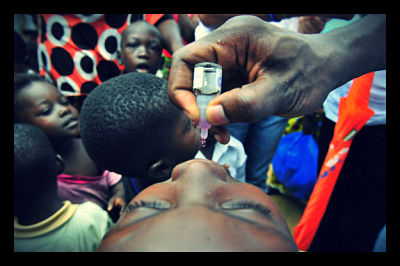
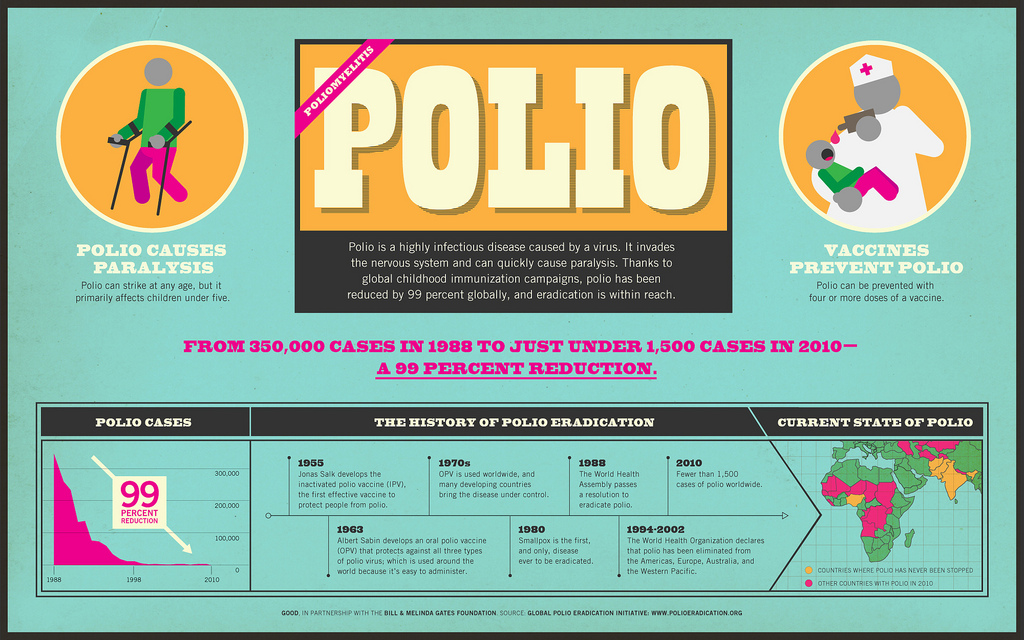
Since 1979 the United States has been free of the disease that at one point crippled 35,000 people per year. Although Polio has now been stopped in the United States, several countries continue to suffer from the Polio virus. This infectious disease spreads rapidly to the spinal cord and can ultimately lead to paralysis. Unfortunately there is no cure for the disease but thanks to the Polio vaccination, its spread is better controlled. Many are unaware of what causes Polio so an overview including symptoms will be presented. 

“Polio” is short for Poliomyelitis which is caused by a virus that infects the nervous system. Though the virus is usually transmitted through person to person contact, 95% of those infected don’t have any symptoms. The virus tends to remain inside the human body, reaching the environment through either a fecal or oral route. Infection is rampant in areas that are extremely unsanitary and where children are exposed to the fecal material of other infected people. Since the Poliovirus enters humans, for the most part, through the mouth or nose, it is inclined to spread easily. Once in the throat, the virus multiplies until reaching the bloodstream, possibly even infecting the nervous system. Complications that arise from the virus include the following:

  • Pneumonia
  • Shock
  • Urinary tract infections
  • Paralysis
  • Loss of intestinal function
  • Lack of movement
  • Muscle weakness

Several treatments in developing nations have been adopted to help counteract these symptoms including antibiotics for infections, painkillers for muscle pain, physical therapy and surgery for muscle complications. Additionally, the Polio immunization prevents the spread of the virus in over 90% of the population though cases in which the spinal cord and brain are not involved have a positive outlook from the start. This vaccination has proven to be extremely effective as illustrated through the fact that global immunization campaigns have diminished thousands of cases worldwide. Polio outbreaks are, however, still seen in Asia and Africa, but several organizations are continuing to campaign for vaccine accessibility.

Polio

– Maybelline Martez

Sources: Centers for Disease Control, Mayo Clinic, NIH,
Photo: Foreign Policy

January 27, 2014
https://borgenproject.org/wp-content/uploads/borgen-project-logo.svg 0 0 Borgen Project https://borgenproject.org/wp-content/uploads/borgen-project-logo.svg Borgen Project2014-01-27 04:00:192024-05-26 23:03:44A Picture of Polio
Global Poverty, Human Rights, Politics and Political Attention

Humanitarian Aid in Syria

humanitarian_aid_syria
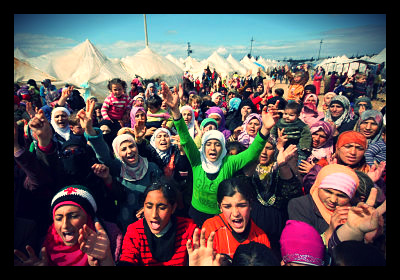
Syria has been engaged in a civil war ever since 2011.  As different rebel groups continue to clash against the authoritative and repressive regime of President Bashar al-Assad, over 130,000 people have died.  Furthermore, over 9.3 million people are in need of humanitarian assistance, 6.5 million Syrians have been internally displaced from their homes while an additional 2.3 million Syrians have fled to neighboring countries.

Relief reception areas and displacement camps are set up inside Turkey, Iraq and Jordan, though refugees are also fleeing to Lebanon and Egypt.  It is clear that the magnitude of this crisis is beyond the financial capacity of Syria’s neighbors.  So how is the rest of the international community contributing?

The United States government has been the single largest contributor of humanitarian aid, providing more than $1.3 billion to Syria and its neighbors.  The European Union has also pledged more than $800 million while the U.K., Germany and Kuwait comprise the remaining top five donors contributing $670 million, $415 million and $333 million respectively.

Aid is distributed through dozens of different implementing channels with the largest coordinator of aid being the United Nations through its Office for the Coordination of Humanitarian Affairs.  The UN has 15 different organizations on the ground in Syria including World Health Organization, World Food Program, UN Children’s Fund (UNICEF) and the UN Refugee Agency (UNHCR).  There are also 18 registered international NGO’s including Action Against Hunger, Danish Refugee Council, Oxfam and SOS international.

These organizations provide food to almost 3.4 million people in the form of rations and flour delivered to households and bakeries.  Drinking water, sanitation services and shelter materials are also being distributed to refugee camps throughout the region.  Relief programs are furthermore providing medical supplies and emergency and basic health care in attempt to counter the loss caused by damaged hospitals and medical facilities.  The health sector of the relief effort has provided about 5.9 million people with health care and medical supplies.

The UN Syrian Humanitarian Assistance Response Plan requested $1.4 billion in 2013.  As a result, nations were able to contribute approximately 74% of the requested amount.  Moreover, in December of 2013, the UN announced that aid agencies needed nearly $13 billion for humanitarian relief operations in 2014.  This includes $6.5 billion just for the Syrian conflict, $2.3 billion of which will go to aid people within Syria while the remaining $4.2 billion will be allocated for Syria’s five neighboring countries.

As the world powers continue to search for diplomatic solutions to end the civil war, the humanitarian crisis will undoubtedly extend well beyond the duration of the conflict.

– Sunny Bhatt

Sources: Huffington Post, USAID, UNOCHA, Reuters
Photo: BBC

January 26, 2014
https://borgenproject.org/wp-content/uploads/borgen-project-logo.svg 0 0 Borgen Project https://borgenproject.org/wp-content/uploads/borgen-project-logo.svg Borgen Project2014-01-26 04:00:452024-05-26 23:05:45Humanitarian Aid in Syria
Global Poverty, Human Rights, Politics and Political Attention, War and Violence

U.S. Launches Internal Investigation into Drone Strike

yemen_missile_fragment_wedding_drone_strike_us_investigation
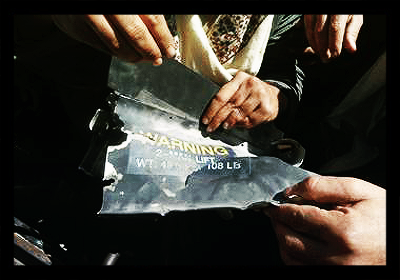
The United States government is launching an internal investigation into a December 12 drone strike in Yemen. The drone strike was meant for an al-Qaeda militant, but ended up hitting a wedding party, killing 12 civilians and leaving more injured. A local journalist soon after took images of the strike and turned them over to a human rights organization working in Yemen called Reprieve. That group then turned it over to NBC News, the resulting actions allowed many to say that the U.S. ‘turned a wedding into a funeral.’

The U.S. released a statement acknowledging the attack while also stating that officials are now reviewing what happened. This is one of the few times the U.S. government has mentioned or confirmed that a drone strike is being questioned. A U.S. official, after declining to give any sort of identification, stated that, “Given the claims of civilian causalities, we are reviewing it.”

Some are calling this a ‘wake up call’ that highlights the problems with the U.S. drone campaign. There are even reports that the target of the strike Shawqui Ali Ahmed al Badani, a mid-level militant, ended up escaping the attack. Others on the ground in Yemen said that Badani wasn’t even present at the time. Baraa Shiban, a human rights activist who was in the area at the time, said that he had not heard any reports that Badani was in the area. He explained that, “Badani was from a different region so he would have been a stranger in the region.” He, furthermore, added that he believes that the US acted on incorrect intelligence.

This drone strike has, moreover, garnered a strong reaction against the U.S. within Yemen. To illustrate this, the Yemen parliament passed a resolution that called for an end for all drone strikes in Yemen shortly after the wedding day drone strike. Official numbers provided by the U.S. government claim that they have carried out 59-69 drone strikes in Yemen, resulting in between 287-423 deaths, both civilian and militant. Though more strikes are suspected to have been carried out by the U.S., they have not been officially confirmed.

– Colleen Eckvahl

Sources: NBC, RT
Sources: Reprieve

January 24, 2014
https://borgenproject.org/wp-content/uploads/borgen-project-logo.svg 0 0 Borgen Project https://borgenproject.org/wp-content/uploads/borgen-project-logo.svg Borgen Project2014-01-24 12:02:052014-01-24 12:02:05U.S. Launches Internal Investigation into Drone Strike
Advocacy, Global Health, Global Poverty, Health, Human Rights

Revolutionize Healthcare, Revolutionize the World

healthcare_mental_health
In order to improve and manage community health, health advocates help organize a plethora of services ranging from health events to educational experiences. Advocates come in many different forms and settings. For instance, health advocates are generally doctors and nurses though other health advocates may come from a different professional background, such as social work. However, health advocates can also come from a background unrelated to medicine, so long as the individual is burgeoning with a passion that centers on raising awareness of health-related issues.

Individuals who work as health advocates will typically aid clients in improving their health care experience by ensuring that clients not only learn about but also have an opportunity to access available programs and resources. According to SoCal Health Advocates, individuals in this field often endeavor to improve the lives of clients by breaking down barriers that prevent people from access to quality healthcare in order to prevent serious illness or prevent relapses.

However, health advocacy is not limited to only physical health. Due to its nature of stigmatization, great effort has been expended into improving mental health advocacy as well. According to the World Health Organization, it is crucial for advocacy efforts to continue educating the public about mental illness in order to truly revolutionize not only the manner in which mental health is perceived but also improve access to mental health treatments.

As part of its mental health advocacy efforts, the WHO has created MiNDbank, an online resource that has pooled together information regarding global policies and services regarding mental health. One of the goals of MiNDbank is to facilitate open debate and discussion about mental health topics in order to promote human rights for mental health patients as well as improving the mental healthcare system as a whole.

It is imperative for advocates to work towards eliminating the stigma and ignorance regarding mental illness, particularly since individuals with mental disabilities are subject to maltreatment and discrimination on a daily basis. Unfortunately, in many parts of the world, legal institutions have been unable to protect the basic human rights of these individuals.

Although the United States struggles with the burden of a stigmatized and under-funded mental healthcare system, many countries, lack adequate mental health facilities due to even greater stigma and a general lack of awareness. Therefore, mental health advocates strive to inform society about mental illness in order to reverse the disagreeable image of mental health patients, and ultimately, construct a more efficient, more understanding and more accessible global mental healthcare system.

– Phoebe Pradhan

Sources: SoCal Health Advocates, World Health Organization
Photo: IIR Healthcare

January 24, 2014
https://borgenproject.org/wp-content/uploads/borgen-project-logo.svg 0 0 Borgen Project https://borgenproject.org/wp-content/uploads/borgen-project-logo.svg Borgen Project2014-01-24 08:33:312024-05-26 23:06:32Revolutionize Healthcare, Revolutionize the World
Gender Equality, Global Poverty, Human Rights

Bayan Mahmoud Al-Zahran the First Saudi Female Law Firm

Bayan Mahmoud Al-Zahran
The first all-female law practice has opened in Saudi Arabia, marking progress for women in a nation that has historically not afforded even many basic rights to women.

Bayan Mahmoud Al-Zahran, the first woman in Saudi Arabia to be issued a law license, along with Jihan Qurban, Sarra al-Omari and Ameera Quqani, opened the firm on January 1, 2014. While they will provide services for both genders, the stated objective of the new law firm is to advocate for the rights of Saudi women and to bring cases centered on women to court.

Al-Zahran officially became Saudi Arabia’s first female lawyer on November 2013 when she defended a client at the General Court in Jeddah. She had worked for many years as a legal consultant, the only legal position previously open to women, and had represented clients in dozens of court cases.

In a strictly sex-segregated society such as Saudi Arabia, it can be hard for men and women to speak openly and understand the issues put forth by an opposite-sex client, she says.

With more female lawyers in Saudi Arabia, this hurdle for women could be alleviated.

Al-Zahran asserts, “I believe women lawyers can contribute a lot to the legal system. This law firm will make a difference in the history of court cases and female disputes in the Kingdom. I am very hopeful…”

She also states her desire for the number of female lawyers to rise in the future.

At the opening of the firm, the vice president of the Jeddah Chamber of Commerce, Mazen Batterjee, congratulated the new lawyers, but cautioned them to remain true to Sharia law in their practice and in their personal lives. He reiterated that the women should always wear their hijabs to court.

Batterjee’s tentative praise and caution are outshined by the enthusiasm of Al-Zahran’s father, Sheikh Mahmoud.

He calls the move an important step for women’s rights and affirmed his complete support his daughter. “We are very proud of our daughter who stands firm for [the] protection of women’s rights,” he states.

The issue of women’s rights in Saudi Arabia has long been a contentious one.

Women living in the Kingdom still must have a male guardian who can decide if a woman can travel, work, marry or go to school—for their entire lives.

Women are also expected to fully cover themselves in public spaces and are forbidden from driving.

In October 2013, over 60 women drove cars in protest of the law, a move that earned global attention and praise while pointing to a growing, though still small, movement in Saudi Arabia toward increased rights for women.

If it is up to her and her firm’s lawyers, Al-Zahran plans to see the dream of women rights in Saudi Arabia fully realized.

– Kaylie Cordingley

Sources: Arab News, Feminist, International Business Times
Photo: The Art of 12

January 24, 2014
https://borgenproject.org/wp-content/uploads/borgen-project-logo.svg 0 0 Borgen Project https://borgenproject.org/wp-content/uploads/borgen-project-logo.svg Borgen Project2014-01-24 04:00:142018-03-13 13:04:38Bayan Mahmoud Al-Zahran the First Saudi Female Law Firm
Global Poverty, Human Rights, Migration, Politics and Political Attention, Refugees and Displaced Persons

Lack of Media Coverage For Syrian Refugees

media_coverage_syrian_refugees
Syrians have recently become the highest population of refugees on the planet at nearly 2.4 million people strong. The UN has, in fact, labeled the Syrian refugee crisis as “the greatest humanitarian crisis in modern history.” However, media throughout the world is strangely quiet about their monumental struggle.

In nearly every host country that Syrian refugees have been forced to flee into, they have been met with indifference, hatred or open hostility. Many have even chosen to go back to their Syrian homeland despite the overwhelming violence, deciding it best, if die they must, to die in their homeland. The international community has also been negligent to their needs while the aid that is being given lags far behind what the dire situation calls for.

This is only part of their plight, so why is there such silence in the media considering the scale of the issue? A simple reason may be reflective of the refugees’ inability to articulate for themselves; according to Nancy Baron, a UN psychologist who provides mental health to Syrian refugees in Egypt, “the Syrians don’t have a voice.”

Rattled by warfare and hostility in a foreign land, Syrian refugees are doing their best simply to stay alive. Most find it hard to talk about what they have been through, and even if they did want to talk, few (if any) are willing to listen. The international community seems to still be trying to figure out exactly what is going on in Syria. Most are eager for the peace talks scheduled for January 22 to begin both as a respite from the civil warfare as well as for a chance to hear both sides of the story and garner a better picture of the situation.

Furthermore, a great deal of the problem with attaining media coverage involves the lack of proper reportage. This dearth is caused by several issues, not least of which is the difficulty of finding a ‘fixer,’ a person who can provide interviewees, translations and safe passages to areas of interest. Due to this scarcity, many media outlets are forced to use the same fixers, and therefore have less to report, leading to empty and sometimes sensationalized news stories.

Moreover, if international media continues to be reticent in interceding on behalf of the Syrians, media outlets within host countries may become anxious to condemn the new Syrian presence. In Egypt, for example, TV presenters affiliated with the Muslim Brotherhood have accused Syrians of undermining their country’s well-being and have threatened violence upon the refugees.

Compelling stories have helped the United States and other countries rally on behalf of refugees in the past. There are stories waiting to be told, stories that need to be told. Hopefully, for the sake of millions of innocent lives, they will be.

– Jordan Schunk

Sources: FIDH, The Interpreter, Reuters
Photo: Religious Action Center

January 17, 2014
https://borgenproject.org/wp-content/uploads/borgen-project-logo.svg 0 0 Borgen Project https://borgenproject.org/wp-content/uploads/borgen-project-logo.svg Borgen Project2014-01-17 19:19:022024-05-26 23:06:03Lack of Media Coverage For Syrian Refugees
Human Rights

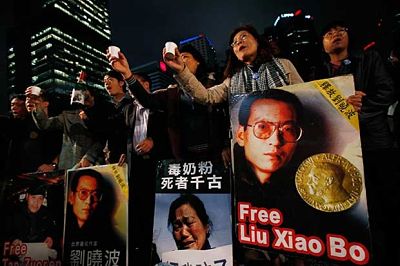
Liu Xiaobo: The Nelson Mandela of China

liu_xiaobo
For the last five years, Nobel Peace Prize laureate and Chinese dissident Liu Xiaobo has been detained and serving a sentenced term in prison.

In 2008, Liu was confined for participating in Charter 08, which was a manifesto that called for democratic reforms in China. Due to this, Liu is now serving an 11 year sentence “for inciting subversion of state power.”

In light of Liu’s fifth anniversary of imprisonment, the world also experienced a devastating loss with the passing of Nelson Mandela. Coincidentally, Liu has been dubbed the moniker of “The Nelson Mandela of China.”

Both individuals earned prison time for the same efforts that also landed them their Nobel Peace Prizes. The Chinese government became highly uncomfortable at the similarities of these two individuals, and at the timing of the events.

No different than the rest of the world’s media, China aired coverage of the funeral of Nelson Mandela in South Africa. The coverage was censored, however, and excluded any “sensitive topics” that would have correlated directly to human rights and democracy or South Africa’s close diplomatic relationship with Taiwan.

United States Secretary of State John Kerry honored the anniversary of Liu’s imprisonment by providing a statement, prodding China to release Liu from prison, and his wife from her house arrest. Chinese foreign ministry responded by saying that Kerry “had no right to comment on the fate of Mr. and Ms. Liu.”

Chinese foreign ministry also went on to say that “China’s 1.3 billion people have the best right to talk about the country’s human rights.” Although various parts of the world consider Liu to be the “Mandela of China,” Chinese government abhors the comparison between the two individuals.

An editorial in Global Times was quoted saying, “Mandela was a Nobel Peace Prize laureate for leading African people to anti-apartheid victory through struggles, tolerance, and efforts to bridge differences. However, awarding a Chinese prisoner who confronted authorities and was rejected by mainstream Chinese society derides China’s judiciary system.”

Yet at one point in time, South African authorities also considered Mandela a “prisoner who confronted authorities and was rejected by ‘mainstream’ society.”

As of November of this year, Liu’s lawyer released a statement saying that “the dissident intends to ask for a retrial.”

Retrials are not common, but with so much pressure from western countries, there may be an interesting turn of events. Nicholas Bequelin of Human Rights was quoted saying that the chances of winning a retrial were small, but nonetheless, worth a shot with new leadership in place.

Liu Xia, the wife that is on house arrest, is believed to be suffering from severe depression. She has been denied any private medical care, and was financially dependent upon her brother until he too was jailed in 2011.

Xia and her brother have yet to be charged with an actual crime, other than the support of Liu and his efforts. Chinese officials have yet to acknowledge that Xia is even being detained. As the U.S continues to build a relationship with China, they hope to see progress made for Liu and his loved ones.

– Samaria Garrett

Sources: The Guardian, The Guardian, US News

January 14, 2014
https://borgenproject.org/wp-content/uploads/borgen-project-logo.svg 0 0 Borgen Project https://borgenproject.org/wp-content/uploads/borgen-project-logo.svg Borgen Project2014-01-14 21:47:292017-03-20 13:13:04Liu Xiaobo: The Nelson Mandela of China
Activism, Advocacy, Education, Global Poverty, Government, Human Rights, Philanthropy, Politics and Political Attention

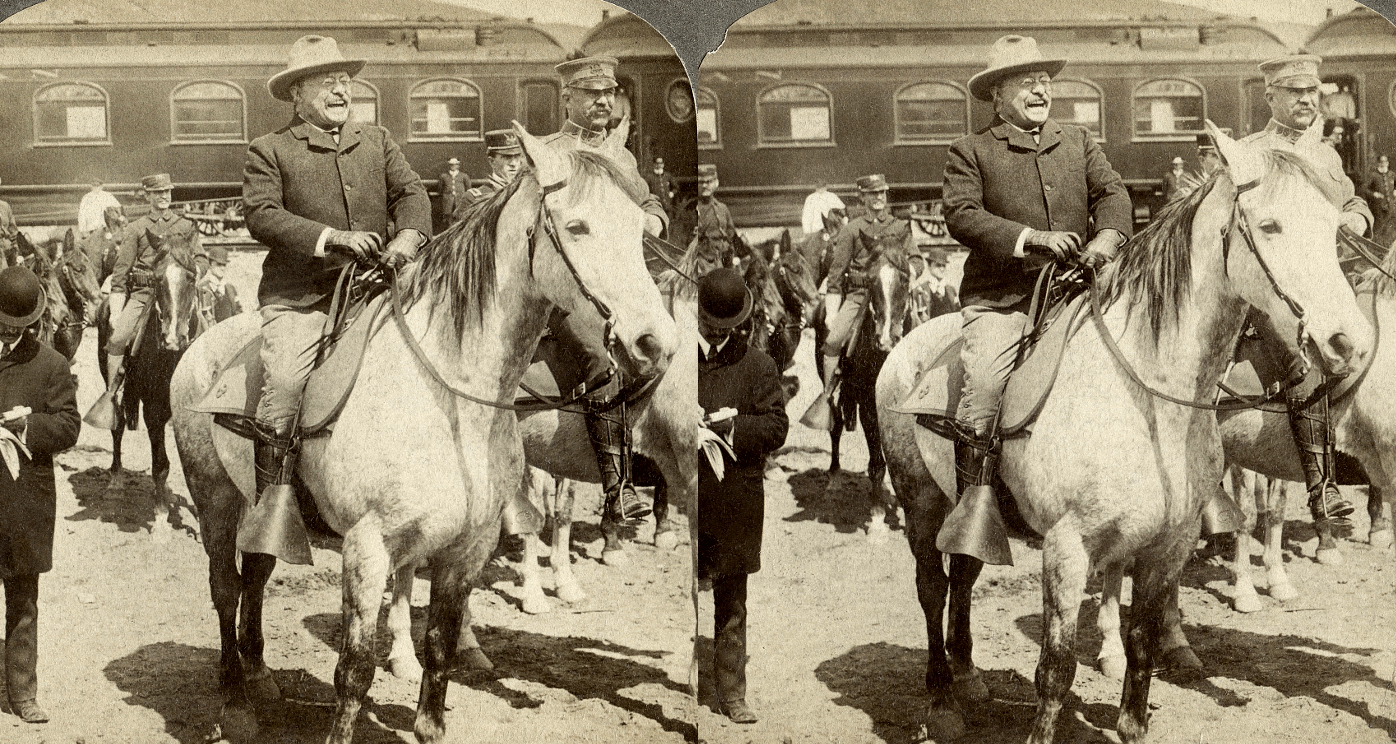
Quotes from 15 World Leaders on Human Rights

roosevelt Quotes from World Leaders on Human Rights
1. David Cameron, UK Prime Minister
“If we are going to try to get across to the poorest people in the world that we care about their plight and we want them to join one world with the rest of us, we have got to make promises and keep promises.”

2. Irene Khan, former Secretary-General of Amnesty International
“Poverty is not only about income poverty, it is about the deprivation of economic and social rights, insecurity, discrimination, exclusion and powerlessness. That is why human rights must not be ignored but given even greater prominence in times of economic crisis.”

3. Navanethem Pillay, UN High Commissioner for Human Rights

“Discrimination and multiple deprivations of human rights are also frequently part of the problem, sentencing entire populations to poverty… It is surely a matter of outrage that over half a million women die annually from complications related to pregnancy and childbirth. This is nearly half the annual global death toll, and arguably, a direct reflection of the disempowerment of women in social, economic and political life.”

4. Jesse Jackson, American Statesman and Civil Rights Activist
“The great responsibility that we have today is to put the poor and the near poor back on front of the American agenda.”

5. Pope Francis “A way has to be found to enable everyone to benefit from the fruits of the earth, and not simply to close the gap between the affluent and those who must be satisfied with the crumbs falling from the table, but above all to satisfy the demands of justice, fairness and respect for every human being.”

6. Dalai Lama XIV “No matter what part of the world we come from, we are all basically the same human beings. We all seek happiness and try to avoid suffering. We have the same basic human needs and concerns. All of us human beings want freedom and the right to determine our own destiny as individuals and as peoples. That is human nature.”

7. Malala Yousafzai, Pakistani Human Rights Activist
“I don’t know why people have divided the whole world into two groups, west and east. Education is neither eastern nor western. Education is education and it’s the right of every human being.”

8. Pranab Mukherjee, President of India 
“There is no humiliation more abusive than hunger.”

9. Kofi Annan, former Secretary-General of the United Nations
“Education is a human right with immense power to transform. On its foundation rest the cornerstones of freedom, democracy and sustainable human development.”

10. Barack Obama, President of the United States
“This is the moment when we must build on the wealth that open markets have created, and share its benefits more equitably. Trade has been a cornerstone of our growth and global development. But we will not be able to sustain this growth if it favors the few, and not the many.”

11. Desmond Tutu, Noble Peace Prize Laureate
“If you are neutral in situations of injustice, you have chosen the side of the oppressor. If an elephant has its foot on the tail of a mouse and you say that you are neutral, the mouse will not appreciate your neutrality.”

12. Vladimir Putin, President of Russia
“History proves that all dictatorships, all authoritarian forms of government are transient. Only democratic systems are not transient. Whatever the shortcomings, mankind has not devised anything superior.”

13. Mahmoud Ahmadinejad, Iranian President
“The world is in need of an encompassing and of course, just and humane order in the light of which the rights of all are preserved and peace and security are safeguarded.”

14. Bruno Rodriguez Parrilla, Cuban Foreign Minister
“This problem will knock on the doors of all of us, whether through uncontrolled and unmanageable migration flows, by means of diseases and epidemics, as a result of the conflicts generated by poverty and hunger, or as a result of events which are today unforeseeable.”

15. Warren Buffett, American Investor and Philanthropist
“Someone is sitting in the shade today, because someone planted a tree a long time ago.”

– Tyson Watkins

Sources: Office of High Commissioner for Human Rights: Quotes, Office of High Commissioner for Human Rights: Statement by Navenethem Pillay, Catholics Confront Global Poverty, Dalai Lama, Think Exist, Brainy Quote

Photo: Vintage 3D

January 13, 2014
https://borgenproject.org/wp-content/uploads/borgen-project-logo.svg 0 0 Borgen Project https://borgenproject.org/wp-content/uploads/borgen-project-logo.svg Borgen Project2014-01-13 22:30:312024-06-11 02:17:55Quotes from 15 World Leaders on Human Rights
Page 39 of 45«‹3738394041›»

Get Smarter

  • Global Poverty 101
  • Global Poverty… The Good News
  • Global Poverty & U.S. Jobs
  • Global Poverty and National Security
  • Innovative Solutions to Poverty
  • Global Poverty & Aid FAQ’s
Search Search

Take Action

  • Call Congress
  • Email Congress
  • Donate
  • 30 Ways to Help
  • Volunteer Ops
  • Internships
  • Courses & Certificates
  • The Podcast
Borgen Project

“The Borgen Project is an incredible nonprofit organization that is addressing poverty and hunger and working towards ending them.”

-The Huffington Post

Inside The Borgen Project

  • Contact
  • About
  • Financials
  • President
  • Board of Directors
  • Board of Advisors

International Links

  • UK Email Parliament
  • UK Donate
  • Canada Email Parliament

Get Smarter

  • Global Poverty 101
  • Global Poverty… The Good News
  • Global Poverty & U.S. Jobs
  • Global Poverty and National Security
  • Innovative Solutions to Poverty
  • Global Poverty & Aid FAQ’s

Ways to Help

  • Call Congress
  • Email Congress
  • Donate
  • 30 Ways to Help
  • Volunteer Ops
  • Internships
  • Courses & Certificates
  • The Podcast
Scroll to top Scroll to top Scroll to top