• Link to X
  • Link to Facebook
  • Link to Instagram
  • Link to TikTok
  • Link to Youtube
  • About
    • About Us
      • President
      • Board of Directors
      • Board of Advisors
      • Financials
      • Our Methodology
      • Success Tracker
      • Contact
  • Act Now
    • 30 Ways to Help
      • Email Congress
      • Call Congress
      • Volunteer
      • Courses & Certificates
      • Be a Donor
    • Internships
      • In-Office Internships
      • Remote Internships
    • Legislation
      • Politics 101
  • The Blog
  • The Podcast
  • Magazine
  • Donate
  • Click to open the search input field Click to open the search input field Search
  • Menu Menu

Archive for category: Human Rights

Information and stories about human rights.

Developing Countries, Disease, Food & Hunger, Global Health, Health, Human Rights, Hunger, Inequality, Violence Against Women, War and Violence, Women, Women & Children

4 Issues Contributing to Malnutrition in the DRC

malnutrition

Kinshasa, DR Congo

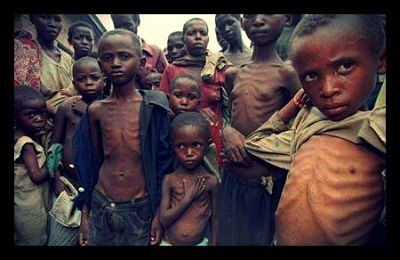
The second largest country in Africa and is located in the middle of the continent. Since the 1990’s the country has been in a state of political unrest and civil war which is the cause of many of the other problems in the region, such as disease, food insecurity, human rights violations, and violence against women.

Here are four issues that contribute to nearly 6.3 million people remaining food insecure and over half of the children under the age of 5 classified as malnourished in the DR Congo:

  1. Political instability between the government and several militia and rebel groups. Peace talks have been ongoing since 2009 with little progress. Since 1998, 5.4 million people have been killed. Less than 10% were killed during the fighting, instead the majority have died from diseases and malnutrition.
  2. 2.7 million people are internally displaced within the DRC as a result of the civil war. 1.6 million are in the North and South Kivu region, where much of the heavy militia activity takes place. There are an additional 116,000 refugees from neighboring countries currently living in the DRC. The large number of displaced people and perpetual fighting in the country has led to a high rate of abuse and sexual assault of women and children. It is estimated that 400,000 women between 15 and 49 were raped between 2006 and 2007. This is the equivalent of 48 women being assaulted every hour.
  3. 3.71% of the population lives below the poverty line, meaning they live on less than two dollars per day.
  4. Rampant infectious diseases are common across the country such as Malaria, Dengue Fever, Typhoid Fever, and HIV/AIDS. The ministry of health said that Malaria was their number one disease concern and in 2011 alone there were 4,561,981 reported cases.

– Colleen Eckvahl 

Sources: The International Campaign to Stop Rape and Gender Violence in Conflict , WFP, WHO
Photo: This is Africa

February 26, 2014
https://borgenproject.org/wp-content/uploads/borgen-project-logo.svg 0 0 Borgen Project https://borgenproject.org/wp-content/uploads/borgen-project-logo.svg Borgen Project2014-02-26 22:20:252024-05-26 23:15:194 Issues Contributing to Malnutrition in the DRC
Advocacy, Developing Countries, Development, Global Poverty, Human Rights, Inequality, Nonprofit Organizations and NGOs, Violence Against Women, Women, Women & Children

Conditions for Garment Workers in Bangladesh

garment_workers_bangladesh
When people buy from brands like Nike and shop at stores like H&M and Gap, they do not pay much attention to how the products arrived at the stores. In many cases, these clothing products are produced in sweatshops in developing countries like Bangladesh, Cambodia, and Indonesia. Almost half of the population in Bangladesh lives off of less than a dollar a day.

Garment workers in Bangladesh toil day after day under extremely harsh conditions for low wages, sometimes handling dangerous chemicals with their bare hands and inhaling toxic fumes due to poor ventilation in many factories.

In April of 2013, an eight story building in Bangladesh called Rana Plaza collapsed leaving over 100 dead and over 2,000 injured.

The poor conditions of the factory itself and the lack of safety precautions taken to ensure its workers’ well-being were neglected and therefore led to the collapse. In addition to this incident, there has been a history of factory mishaps over the past couple of years in Bangladesh. In November of 2012, the Tazreen garment factory in Bangladesh caught fire and killed 112 of its workers.

At this time, the factory was producing goods for Walmart.

Besides the incidents themselves, it is also important to focus on the working conditions and the violations of human rights that happen daily in factories like these. According to the Institute for Global Labor and Human Rights, workers in the Tazreen factory work 72-81 hours per week. Their salary depends on their sewing skill; senior sewing operators earn at minimum 23 cents per hour and junior sewing operators earn 21 to 22 cents an hour.

As a majority of the workers are women, abuse is common and some are even denied maternity leave — blatant violations of human rights that have been occurring for years. Even after one tragedy, further precautions are not taken to ensure the safety of the workers.

An article from the Daily Mail accounts a Canadian journalist who worked undercover in Bangladesh and witnessed the atrocities of one of the smaller garment factories. She reported that when she first arrived at the sweatshop, a nine-year-old girl named Meem was in charge of training her.

The article also noted that there were “no fire extinguishers, only one exit – the front door – and little more than a hole in the ground, down a rat-infested hall, for the toilet.” These accounts present the harsh reality for many garment workers in Bangladesh.

Violations of human rights are happening elsewhere too—most recently in Cambodia. Workers there have started protesting in the city Phnom Penh for higher wages.

Sometimes people take things for granted because they are easily accessible. Organizations like the Clean Clothes Campaign have been established to spread awareness of this issue and to help those who have been detained for protesting for higher wages and better conditions. By not purchasing products from companies who outsource their work unfairly to other countries, a better future can be created for garment workers whose human rights have been violated.

– Kenneth W. Kliesner

Sources: BBC News, The New York Times 1, The New York Times 2, The Epoch Times
Photo: Demotix

February 26, 2014
https://borgenproject.org/wp-content/uploads/borgen-project-logo.svg 0 0 Borgen Project https://borgenproject.org/wp-content/uploads/borgen-project-logo.svg Borgen Project2014-02-26 22:19:382024-06-04 01:17:34Conditions for Garment Workers in Bangladesh
Human Rights, War and Violence, Women, Women & Children, Women and Female Empowerment

Holocaust and the Power of Memory

herz-sommer
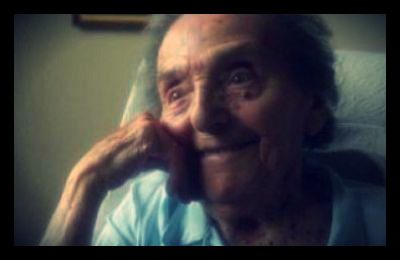
At 110 years of age, Alice Herz-Sommer lived longer than most and had experienced something that a diminishing number of people living the world today may claim: surviving the Holocaust.

As the oldest known survivor of the Holocaust, for the past 70 years Herz-Sommer has served as a living reminder of the perils of hubris and inaction — specifically, for the nations who failed to act when reports of Adolf Hilter’s ethnic cleansing plans first came to light.

Alongside her husband and son, Herz-Sommer was imprisoned in 1943 at Theresiendstadt, a concentration camp in Terezin, Czech Republic. Two years later, she and her son were among those released from the camp after the Soviet army liberated the camp.

Of the estimated 140,000 sent there, fewer than 20,000 remained alive by the war’s end.

These numbers don’t inform the reader of Herz-Sommer’s accomplished piano skills nor do they tell us about Herz-Sommer staged concerts at the concentration camp, an activity that enlivened both herself and her fellow inmates.

We have all learned about World War II. We have studied how Adolf Hitler warred against the allied forces and nearly conquered Europe. We have listened to lectures about his efforts to cleanse his empire of Jews, homosexuals, the Roma and Sinti, the disabled, blacks, Jehovah’s Witnesses and other targeted groups.

Herz-Sommer’s reminded us of the human experience behind a man-made tragedy. History may be compressed into facts and statistics, but she, herself, could not.

Since WWII, more genocides have occurred, some more publicly than others. The Bosnian and Rwandan genocides occurred within the past 3o years while the more recent burning of Kiev, the ethnic cleansing of Muslims in the Central African Republic, and the millions of Syrian refugees fleeing the civil war, all illustrate conflicts plaguing the world today.

The death of one of the few remaining Holocaust survivors should serve as a stark warning that even the most horrific crimes against humanity will eventually fade away into the annals of history.

While the irreparable erosion of memory and experience is inevitable, preserving an international consciousness of these crimes is an inalienable human obligation. By doing so, such an effort will both memorialize the victims and survivors of the past and help to safeguard potential victims in the future.

 – Emily Bajet 

Sources: New York Times, oas.org, Al Jazeera
Photo: Daily Mail

February 26, 2014
https://borgenproject.org/wp-content/uploads/borgen-project-logo.svg 0 0 Borgen Project https://borgenproject.org/wp-content/uploads/borgen-project-logo.svg Borgen Project2014-02-26 22:19:172024-12-13 17:50:07Holocaust and the Power of Memory
Advocacy, Children, Development, Global Poverty, Human Rights

Young Migrants Focus of UN Report

young migrants
On February 14th, the UN Department of Economic and Social Affairs (DESA) released the 2013 World Youth Report, aimed at addressing the significant impact of young migrants on both origin and destination countries. The report also highlights the specific concerns, challenges and successes faced by migrants across the globe.

Whether it be for work, study or family reasons, voluntary migration continues to increase every year. The UN estimates that there are 232 million international migrants worldwide, representing 3.2% of the world’s total population. More than 30% of these migrants are considered youth migrants under the age of 29 and approximately half of these are female.

Youth migration has a significant impact on not only individual lives, but also global economies. Many young migrants leave their country of origin in search of better job opportunities and often send remittances home to benefit their families. These individuals improve their financial situations while engaging in economic transactions that will benefit their destination country.

However, countries of origin often suffer the negative effects of “brain drain,” or human capital flight. This is the process by which professionals, often in the fields of health or education, leave developing countries in search of a higher salary and better living conditions.

The report also goes into detail about the specific struggles and opportunities that young migrants can face.

In the preparatory stage, migrants cited the difficulties they faced in obtaining accurate information about their intended destination, as well as in obtaining needed documents and making travel accommodations.

On arrival, migrants noted experiencing both culture shock and loneliness. Often communication barriers had to be overcome and in the long term, many faced both stereotyping and discrimination.

The report notes some recommendations made by migrants to ease the transition from origin to destination country. Among these is the development of tools to assess the readiness of a migrant and to help facilitate decision-making and planning. They recommended peer-to-peer initiatives, pre-departure orientation programs, and awareness-raising campaigns.

Despite these challenges, many young migrants have become exemplary examples of what can be achieved in the face of adversity.

As the report notes, “their capacity as agents of social change and development should not be underestimated.”

– Mollie O’Brien

Sources: UN News Centre, United Nation Regional Information Centre for Western Europe
Photo: Caritas

February 26, 2014
https://borgenproject.org/wp-content/uploads/borgen-project-logo.svg 0 0 Borgen Project https://borgenproject.org/wp-content/uploads/borgen-project-logo.svg Borgen Project2014-02-26 16:36:442024-06-05 01:57:10Young Migrants Focus of UN Report
Human Rights

Extensive Human Rights Violations in Eritrea

human rights violations in eritrea
Resting at the horn of Africa, the nation of Eritrea lies between the developing nations of Ethiopia and Sudan. It is home to some of the world’s worst longstanding and ongoing cases of human rights atrocities. The violations have ranged from arbitrary detainment and torture, forced labor and popular oppression on multiple fronts.

Eritrea’s current system of governance is labeled as a transitional government with the People’s Front for Democracy and Justice (PFDJ) as the only political party. The PFDJ party gained incumbency during the elections of June 1993; there have been no elections since then.

President Isaias Afewerki is in control of the PFDJ party and is presently the head of state and government. Moreover, PFDJ under the Afewerki regime holds authoritative control over all national, regional and local political offices.

Although there has been extensive documentation of human rights violations in Eritrea, there has been no participation in the Universal Periodic Review, a process in which each member state of the United Nations undergoes a human rights review every four and a half years. Unfortunately, Eritrea has not allowed access for the United Nations Special Rapporteur to conduct the review.

According to a 2013 annual report carried out by Amnesty International, just a few of the many human rights violations in Eritrea include compulsory military training and forced labor for children. The Afewerki regime has also arbitrarily detained and tortured thousands of civilians. There are no opposition parties, independent media or civil society organizations, as the government does not permit them.

The degree of oppression is quite appalling and has resulted with up to 3,000 refugees on a monthly basis, most of which are children. Last year, over 300,000 refugees fled from Eritrea to neighboring countries and have placed economic burdens upon them as a result.

After intensive analysis on the human rights paradigm, Sheila Keetharuth, the U.N. Special Rapporteur on Eritrea, spoke before the United Nations General Assembly in October 2013. She urged the international community to focus their efforts on Eritrea by stating, “The current human rights picture is desperately bleak. People feel trapped in a long hopeless situation as they see no end to it to the point that they take the irreversible decision to flee, forcing them on the road to exile.”

It has been over two decades since the “transitional” Afewerki regime under the PFDJ party has come into power. With the authoritative oppression that the people of Eritrea are subject to, it has become clear they have no power to control their own circumstances. Thus, the human rights tragedy can only be addressed with international intervention.

– Jugal Patel 

Sources: HRC, Amnesty USA
Photo: Ethiopian News Forum

February 26, 2014
https://borgenproject.org/wp-content/uploads/borgen-project-logo.svg 0 0 Borgen Project https://borgenproject.org/wp-content/uploads/borgen-project-logo.svg Borgen Project2014-02-26 09:48:412024-12-13 17:50:07Extensive Human Rights Violations in Eritrea
Advocacy, Developing Countries, Disease, Gender Equality, Global Health, Global Poverty, Health, Human Rights, Violence Against Women, Women

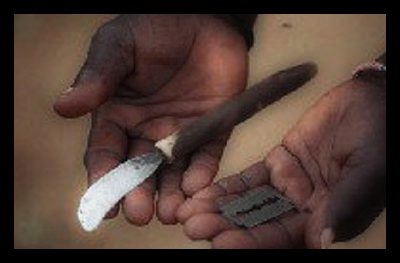
Female Genital Mutilation and Poverty

Female Genital Mutilation
Female Genital Mutilation (FGM) ruins countless lives every day. FGM is a humiliating torturous cutting of the female genitalia carried out by various groups of the community, including health practitioners, elderly people and female relatives. According to the World Health Organization (WHO,) four types of FGM procedures exist:

Clitoridectomy

The partial or complete removal of the clitoris.

Excision

Involves removal or partial removal of clitoris, as well as labia.

Infibulation

Narrowing of the vaginal opening.

Other

This includes other forms of FGM not classified above, such as, burning, piercing or scraping. Any one of these types of FGMs is carried out on a female at any time in her life.

Millions of cases of FGM are reported each year. According to the WHO, over 100 million women and girls have had their human rights violated.

FGM is considered a human rights violation because it inflicts unnecessary pain and harm to unwilling women and girls. Laws against FGM practices have been created in 18 African countries. If caught sentences from three months up to life in prison are given.

There are also 12 industrialized nations that have passed laws criminalizing FGM.

An 8-year-old girl from Djibouti died from the effects of FGM. She was held down by friends and neighbors while a “practitioner” subjected her to FGM. Her clitoris, labia minora and labia majora, all external genitalia, was cut away causing uncontrollable bleeding.

After the procedure was done the girl’s legs were tied shut to promote “healing” and she was refused water because the need to pass urine was thought to introduce bacteria to the wounds. The young helpless girl continued to bleed throughout the evening and sob uncontrollably due to pain.

Eventually the girl was taken to the hospital and given a blood transfusion. Sadly, it was too late to save her life.

FGM has been reported in 28 African countries and various Asian countries.

According to data from the WHO, seven countries: Djibouti, Egypt, Eritrea, Guinea, Mali, Somalia and Sudan have a FGM prevalence rate affecting 85 percent or more women. Other African countries have only slightly lower prevalence rates; a large portion of the African continent has not received FGM rates.

FGM is most likely performed in lower class poverty-stricken communities. This is due in part to the fact women and girls do not know FGM is against the law. Most believe that it is there duty as a woman to have FGM performed and if they refuse, they will be harshly criticized and shamed. These are the ones who are not held down and forced against their will.

Several campaigns to eradicate FGM from the world are underway. One government organization, the United Nations, has been tackling it as one of the world’s Millennium Development Goals. Also, Women against Female Genital Mutilation leads campaigns to increase awareness of FGM laws and harmful health and psychological effects of FGM on females.

The continuation of advocacy for women and girls suffering from Female Genital Mutilation needs to last until FGM prevalence is zero. People should continue to call their congressmen, write their legislature, and advocate for worlds helpless.

Hopefully, through the increased awareness, global campaigns, and laws FGM will become a thing of the past and no female will have to endure torturous inhumane pain ever again.

– Amy Robinson

Sources: World Health Organization, All Africa, WHO, UNICEF, Center for Reproductive Rights
Photo: International Business Times

February 25, 2014
https://borgenproject.org/wp-content/uploads/borgen-project-logo.svg 0 0 Borgen Project https://borgenproject.org/wp-content/uploads/borgen-project-logo.svg Borgen Project2014-02-25 22:21:082024-05-26 23:13:47Female Genital Mutilation and Poverty
Activism, Human Rights

Quotes about Strength for Social Justice Advocates

social_justice
True strength can be found beyond the confines of its traditional definition, which focuses primarily on the physical. Strength of mind, instead, is the crucial virtue for any successful activist.

In the fight for social justice, activists are pitched into a wide array of situations that require them to serve as leaders, amplifying the voices of those most in need.  Activists must be prepared to take on a variety of roles that require a mix of strong leadership, writing, and organizing skills.

They must also have strong communication skills and be prepared to gracefully face the gamut of reactions and opponents that accompany the plethora of people they will meet along their journey to justice.

The skills required for a life of activism all thrive on one’s mental strength.  Such strength is developed through the way we allow our minds to perceive the world around us. In order to strengthen your mind, you must consciously change and adapt your thought process in a positive manner.

Research abounds correlating positive psychological principles with behaviors that lead to success and the strength to pursue one’s goals.  It has been discovered that positivity is associated with “increased success, better relationships, better jobs, more altruism, improved health, being more open-minded, and many other personality traits and behaviors that help us to achieve goals and meet the kind of people that are positive and influential in our lives.”

People often turn to quotes for motivation or inspiration to influence their mindset and gain the strength to pursue a certain path. Below is a list of ten quotes about strength and success, which both rest upon the underlying principle of having a positive attitude:

  1. “People become really quite remarkable when they start thinking that they can do things. When they believe in themselves, they have the first secret of success.” – Norman Vincent Peale
  2. “I have not failed. I’ve just found 10,000 ways that won’t work.”- Thomas A. Edison
  3. “Don’t let the fear of losing be greater than the excitement of winning.” – Robert Kiyosaki
  4. “Pessimists may be right in the end, but an optimist has a much better time getting there.” – Samuel R Allen, CEO of Deere
  5. “Whether you think you can, or you think you can’t – you’re right.” – Henry Ford
  6. “You don’t have to hold a position in order to be a leader.” – Henry Ford
  7. “A successful man is one who can lay a firm foundation with the bricks others have thrown at him.” – David Brinkley
  8. “It’s not what you look at that matters, it’s what you see.” – Anonymous
  9. “Most of the important things in the world have been accomplished by people who have kept on trying when there seemed to be no help at all.” – Dale Carnegie
  10. “Go out on a limb. That’s where the fruit is.” – Jimmy Carter

Becoming an advocate for social justice rests upon a strong conviction in the cause you are fighting for.  Such conviction is transformed into successful action through maintaining a positive outlook, which is the foundation of mental strength.  The fight against world poverty, in particular, takes enormous mental strength to work through the difficult economic, social, and political factors that all play a role in perpetuating the problem.

It is easy for activists to get discouraged by the many uphill battles they will face along their journey, but the above quotes about strength should help to serve as inspiration and a reminder that maintaining strength of mind and a positive outlook are the keys to success.

– Rifk Ebeid

Sources: Epreneur TV, Addicted2Success, Forbes, HuffPost “100 Motivational Quotes”, HuffPost “GPS Guide”, HuffPost “50 Awesome Quotes on Risk Taking”, Psychology Today
Photo: Chattablogs

February 24, 2014
https://borgenproject.org/wp-content/uploads/borgen-project-logo.svg 0 0 Borgen Project https://borgenproject.org/wp-content/uploads/borgen-project-logo.svg Borgen Project2014-02-24 12:41:152020-07-31 11:39:39Quotes about Strength for Social Justice Advocates
Global Poverty, Human Rights, Women

Iraqi Prisons Illegally Detain Women

iraqi_women_prison
Thousands of women in Iraq are being illegally detained and abused, according to a report by Human Rights Watch (HRW). Many of these women, held by Iraqi security forces for months or sometimes even years without access to a judge, are often questioned about the crimes and activities of their male relatives and not about the crimes they are supposed to have committed.

Violence in Iraq is presently at its highest level since 2008, with more than 1,000 people dead in Iraq just in January. Human rights groups and diplomats are increasingly vocalizing the various cases of mistreatment within the country, yet to little avail. As stated by the HRW report, over 4,500 women are currently being detained in Iraqi prisons. While a majority of these women are Sunni, people of all sects and classes are affected, causing dire unrest among the masses.

One woman interviewed by HRW had suffered beatings, electric shocks and rape, abuses not uncommon among Iraq’s female prisoners. She was later executed, regardless of the medical report that had been filed in her favor. An employee at a women’s prison facility contributed to concern for sexual abuse, stating that employees assume police rape prisoners en route to the prison.

This tragic situation has indubitably angered Iraqis, adding to the frustrations long protested by Sunni Arabs. Breaches in civil and human rights of this sort only serve to exacerbate the sectarian divide within Iraq. Although most Sunnis are not thought to support militant jihadist organizations such as the Islamic State of Iraq and Syria (ISIS,) the abuses make them far less likely to support the efforts of the authorities working to rid the country of those groups.

A lack of trust between the groups and communities living within Iraq’s borders is cause for concern both regionally and globally. If Iraqi authorities desire cooperation, perhaps it would benefit to treat all members of the country’s makeup with the equal and adequate rights necessary to maintain a sustained peace.

– Jaclyn Stutz

Sources: Al Arabiya, Al Jazeera, BBC
Photo: The Brussells Tribunal

February 24, 2014
https://borgenproject.org/wp-content/uploads/borgen-project-logo.svg 0 0 Borgen Project https://borgenproject.org/wp-content/uploads/borgen-project-logo.svg Borgen Project2014-02-24 04:00:292016-02-16 12:05:54Iraqi Prisons Illegally Detain Women
Global Poverty, Human Rights

10 Dalai Lama Quotes

dalai_lama
The 14th Dalai Lama is a man with great wisdom and high morality. He is looked at in times of great need, times of compassion and times of guidance. He has given hundreds of words of advice, through speeches, books and interviews that people are able to reference for inspiration. Below are ten wise quotes from the Dali Lama that will bring clarity to the world around us.


10 Inspirational Quotes by the Dalai Lama


  1. “I consider human rights work or activism to be a kind of spiritual practice. By defending those people who persecuted for their race, religion, ethnicity, or ideology, you are actually contributing to guiding our human family to peace, justice, and dignity.”
  2. “Human rights are of universal interest because it is the inherent nature of all human beings to yearn for freedom, equality, and dignity and they have the right to achieve it.”
  3. “Rich or Poor, educated or uneducated, belonging to one nation or another, to one religion or another, adhering to this ideology or that, ultimately each of us is just a human being like everyone else. We all desire happiness and do not want suffering.”
  4. “We need to address the issue of the gap between the rich and poor, both globally and nationally. This inequality, with some sections of the human community having abundance and others on the same planet going hungry or even dying of starvation, is not only morally wrong, but practically also a source of problems.”
  5. “Even though they will lose money in the short term, large multi-national corporations must curtail their exploitations of poor nations. Tapping the few precious resources such countries possess simply to fuel consumerism in the developed world is disastrous; if it continues unchecked, eventually we shall all suffer. Strengthening weak, undiversified economies is a far wiser policy for promoting both political and economic stability.”
  6. “To me, it is clear: a genuine sense of responsibility can result only if we develop compassion. Only a spontaneous feeling of empathy for others can really motivate us to act on their behalf.”
  7. “Wherever it occurs, poverty is a significant contributor to social disharmony, ill health, suffering and armed conflict. If we continue along our present path, the situation could become irreparable. This constantly increasing gap between the haves and halve not’s, creates suffering for everyone.”
  8. “It is not enough to be compassionate we must act.”
  9. “Peace, in the sense of the absence of war, is of little value to someone dying of hunger or cold. It will not remove the pain of torture inflicted on a prisoner of conscience. I t does not comfort those who have lost their homes in floods caused by senseless deforestation in neighboring countries. Peace can only last where human rights are respected, where people are fed, and where individuals and nations are free.”
  10. “We must recognize that the suffering of one person or one nation is the suffering of humanity.”

Hopefully, these ten inspiring quotes will bring peace and guidance to the world around. The eradication of global poverty, world, suffering, and senseless destruction of humanity is the core vision of the 14th Dali Lama.

– Amy Robinson

Sources: DalaiLama.com (1), DalaiLama.com (2), DalaiLama.com (3), DalaiLama.com (4), DalaiLama.com (5), Dalai Lama Quotes (1), Dalai Lama Quotes (2), Dalai Lama Quotes (3)
Photo: Oregon Herald

February 19, 2014
https://borgenproject.org/wp-content/uploads/borgen-project-logo.svg 0 0 Borgen Project https://borgenproject.org/wp-content/uploads/borgen-project-logo.svg Borgen Project2014-02-19 04:30:582024-12-13 17:50:0210 Dalai Lama Quotes
Activism, Advocacy, Developing Countries, Development, Global Poverty, Human Rights

Dalai Lama: Non-Violent Resolve to Tibetan Oppression

dalai_lama_tibetan
The Chinese occupation of Tibet has been going on since 1949. The Tibetan people, under command of the “Holy Dalai Lama,” have been attempting to win back their freedom and independence through non-violent means. All over the world, international networks of people have been forming Tibet Support Groups, or TSG’s.

The support groups serve as initiatives that raise awareness among foreign nations and generate support and aid towards freeing the Tibetan people.

China is trying to gain membership status in the United Nations Human Rights Council, but the nation has an ongoing ban on all information concerning the exiled Dalai Lama. Although the Central Tibetan Administration and the Dalai Lama believe they can solve the oppression of the Tibetans and still remain a part of China, anti-Tibet propaganda still runs throughout the occupied territory.

Jiang Zemin was the former President of China, replaced this year by Xi Jinping. The previous leader was under investigation for crimes against Tibetan humanity, but the Spanish Government abruptly let the situation drop without consequences and the oppression continues today.

In January, the Intercontinental Hotel Group was issued a complaint by Tibetan protesters for plans to construct a high-class hotel in occupied Tibet. The Intercontinental Hotel Group has yet to respond to this complaint, and the U.N. Global Compact (UNGC) has given them a deadline to answer these complaints.

The UNGC was an initiative signed by the Intercontinental Hotel Group that serves to provide the most honorable and genuine business practices among companies with holdings in multiple countries. Another complaint with the hotel in Lhasa involves the main executive being corrupt and participating in fraudulent business dealings, but so far nobody has responded to any of the issues raised.

The Dalai Lama is adamant about solving Tibet’s problems through non violent means as a way to bolster the Buddhist way. The Chinese wants to build water powered projects on the large Brahmaputra river that originates in Tibetan India.

In a business-standard.com article, the Dalai Lama said, “The mighty Brahmaputra river, which flows through many parts of India and southeast Asia, has its origin in Tibet. The success of the Tibetan movement is an imperative for saving the environment and ecology of the entire world.”

The struggle against Tibetan oppression in China, especially its non-violence, is an important lesson for everyone to learn. The Tibetan movement is trying to prove that morally sound, peaceful, and righteous action against an enemy can be just as effective and more beneficial to everyone. Politicians, leaders and citizens on all sides of the earth can use this information to their advantage and take it forward into the future that we all share together.

– Kaitlin Sutherby

Sources: Tibet.net, Business Standard, Tibet.org
Photo: Telegraph

February 15, 2014
https://borgenproject.org/wp-content/uploads/borgen-project-logo.svg 0 0 Borgen Project https://borgenproject.org/wp-content/uploads/borgen-project-logo.svg Borgen Project2014-02-15 09:01:212024-12-13 17:50:02Dalai Lama: Non-Violent Resolve to Tibetan Oppression
Page 37 of 45«‹3536373839›»

Get Smarter

  • Global Poverty 101
  • Global Poverty… The Good News
  • Global Poverty & U.S. Jobs
  • Global Poverty and National Security
  • Innovative Solutions to Poverty
  • Global Poverty & Aid FAQ’s
Search Search

Take Action

  • Call Congress
  • Email Congress
  • Donate
  • 30 Ways to Help
  • Volunteer Ops
  • Internships
  • Courses & Certificates
  • The Podcast
Borgen Project

“The Borgen Project is an incredible nonprofit organization that is addressing poverty and hunger and working towards ending them.”

-The Huffington Post

Inside The Borgen Project

  • Contact
  • About
  • Financials
  • President
  • Board of Directors
  • Board of Advisors

International Links

  • UK Email Parliament
  • UK Donate
  • Canada Email Parliament

Get Smarter

  • Global Poverty 101
  • Global Poverty… The Good News
  • Global Poverty & U.S. Jobs
  • Global Poverty and National Security
  • Innovative Solutions to Poverty
  • Global Poverty & Aid FAQ’s

Ways to Help

  • Call Congress
  • Email Congress
  • Donate
  • 30 Ways to Help
  • Volunteer Ops
  • Internships
  • Courses & Certificates
  • The Podcast
Scroll to top Scroll to top Scroll to top