• Link to X
  • Link to Facebook
  • Link to Instagram
  • Link to TikTok
  • Link to Youtube
  • About
    • About Us
      • President
      • Board of Directors
      • Board of Advisors
      • Financials
      • Our Methodology
      • Success Tracker
      • Contact
  • Act Now
    • 30 Ways to Help
      • Email Congress
      • Call Congress
      • Volunteer
      • Courses & Certificates
      • Be a Donor
    • Internships
      • In-Office Internships
      • Remote Internships
    • Legislation
      • Politics 101
  • The Blog
  • The Podcast
  • Magazine
  • Donate
  • Click to open the search input field Click to open the search input field Search
  • Menu Menu

Archive for category: Global Poverty

Key articles and information on global poverty.

Global Poverty, Human Rights

Fragility and Rule of Law in Ukraine

Rule of Law in UkraineRussia’s full-scale invasion in February 2022 has strained the rule of law in Ukraine as the country navigates maintaining human rights and order amidst unprecedented challenges. While the invasion has caused the oppressive influence of the post-soviet Oligarchy to diminish with aid from Ukrainian President Zelenskyy’s introduction of the anti-oligarchy law in 2021, millions of people have sunk further into poverty due to key factors such as rising costs of basic resources, loss of livelihoods and forced displacement. The stability of civilian rights has become even more fragile, with more people falling into poverty and insecurity due to the state’s adoption of martial law to preserve overall national security.

Post-Soviet Rule of Law

The collapse of the Soviet Union in 1991 brought about the power of the Oligarchy, which due to the privatization of state-owned assets such as transport and utilities controlled a large majority of the political-economic landscape, using extra-legal methods to maintain severe monetary inequalities. Economic stagnation led to at least 30% of families living below the poverty line with heavily restricted access to health care and food security, creating a declining population.

At the turn of the century in 2000, Ukraine’s capital management and utilization improved and the economic output recovery was astounding; a rapid increase in labor activity resulted in a decrease in the poverty rate from 32% to 8% from 2001 to 2005, allowing the poverty rate to reach a stable plateau. However the power of the Oligarchs did not diminish and two revolutions followed; The Orange Revolution from 2004 to 2005 and The Revolution of Dignity in 2014, both sparked by political corruption traced back to the Oligarchs. 

Effects of the Russo-Ukrainian War on the Rule of Law

Following the Kerch Strait incident in November 2018, Ukraine introduced martial law for 30 days and it has been in effect again since February 2022 due to the invasion of Russian forces. As Amnesty International outlined, martial law has a devastating impact on socioeconomic rights such as freedom of expression, violence against minority groups and the right to a healthy environment.

Personal liberties are under threat, with Ukrainian men aged from 18 to 60 unable to leave the country without special exemption and the conscription age reduced from 27 to 25 in April 2024 to support a larger military. Ukraine allows forced alienation of property and the use of enterprises’ facilities for the need of the state, providing compensation only upon presentation of correct documentation. The Ukrainian government also postponed the Parliamentary elections, which were due in late 2023, for as long as the country remains under martial law to preserve government stability.

Additionally, World Bank data reports that the percentage of Ukrainians living in poverty spiked from 5.5% to 24.1% in 2022 when the full-scale invasion began. This translates to a further 7.1 million people living in poverty, setting the country back 15 years of progress.

Organizations Working to Stabilize the Rule of Law

Despite infringements on civilian rights, positive steps are occurring to help those forced into poverty because of the conflict, alongside legal forces working to ensure that the government does not overstep its jurisdiction while operating under martial law. The World Bank’s PEACE project is helping essential public support services from the government continue. It has reached 15 million Ukrainians since 2022, providing wages for essential workers, pensions for the elderly and social programs for vulnerable individuals.

Amnesty International has also recently launched a campaign to end war crimes against Ukrainians in Russian captivity, detailing that since the invasion in 2022, thousands of Ukrainian POWs (prisoners of war) have experienced detainment or torture. The campaign is still currently in its grassroots stages, however has gained the support of more than 100 former POWs and relatives of POWs, calling for messages to Russian authorities to end the widespread abuse of captive Ukrainians.

Furthermore, The International Bar Association reports that Ukraine as of late 2024 has been formally granted to join the International Criminal Court (ICC), having sworn in 250 judges at an oath-taking ceremony aimed at abolishing remaining corruptive forces and strengthening the rule of law in Ukraine within the current state of martial law.

Closing Remarks

The rule of law in Ukraine is currently in a delicate position, with the Russo-Ukrainian war and the introduction of martial law causing numerous setbacks in their post-soviet socioeconomic progression towards a stronger economy and a reduced poverty rate. However, the events have catalyzed hugely positive changes that have eroded the long-standing corruption within the government dating back to the Soviet era. The Russo-Ukrainian war is still in a volatile state and at the height of violence hitherto, however, the steps taken by the key nonprofit and legal institutions will prove pivotal in allowing for further progression and protection of civil liberties within Ukraine’s current compromised state of martial law and conflict.

– Helena Pryce

Helena is based in Nottingham, UK and focuses on Politics for The Borgen Project.

Photo: Wikipedia Commons

March 20, 2025
https://borgenproject.org/wp-content/uploads/borgen-project-logo.svg 0 0 Jennifer Philipp https://borgenproject.org/wp-content/uploads/borgen-project-logo.svg Jennifer Philipp2025-03-20 01:30:432025-03-20 01:15:41Fragility and Rule of Law in Ukraine
Global Poverty, Human Rights, Humanitarian Aid

Everything You Need to Know About Poverty in Myanmar 

Poverty in MyanmarMyanmar, also known as Burma, is a republic in Southeast Asia. Stretching from the foothills of the Himalayas to the Thai-Malay peninsula, the region is populated with more than 135 officially recognized ethnic groups (and numerous others). The National League for Democracy’s historic election in 2015 marked the country’s first civilian government after more than 50 years of military rule. Yet, this experiment with democracy was short-lived, as a military coup in 2021 has since plunged the state into a multifaceted conflict and humanitarian crisis. Today, poverty in Myanmar is worsening significantly. A third of the population requires humanitarian aid, and internally displaced people are the most vulnerable.

Crumbling Infrastructure 

The conflict’s impact varies across the states but has reversed years of poverty reduction efforts. In 2018, the government launched the Myanmar Sustainable Development Plan to encourage liberal trade policies, fund infrastructure projects and create more equitable access to markets, information, technology, education and health care. This plan recognized the importance of democratic principles, environmental sustainability and stability in directly addressing the key drivers of poverty.

Warfare has stifled this progress. In particular, the military junta’s scorched-earth tactics to crush actors have damaged civilian access to necessary resources, including health care, medicine, energy and food. Infrastructure destruction continues to isolate communities from economic opportunities and essential services. According to the World Bank, poverty rates have surged from 24.8% in 2017 to approximately 49.7% in 2023.

The humanitarian situation is dire: armed groups damaged 333 health care facilities between January and December 2024; food insecurity affects 15.2 million people; and more than half of the children of internally displaced people, returnees or stateless people can not access formal education. These factors combine to entrench intergenerational cycles of poverty in Myanmar.

Resource Wealth and Corruption

Natural resources dominate Myanmar’s economy, accounting for 43% of economic activity through agriculture, livestock, fisheries and forestry. The country also has significant mining and natural gas industries, with gas comprising 40% of exports. Kachin State produces most of the world’s jade, valued at up to $31 billion in 2014 — half of Myanmar’s GDP.

Despite this immense wealth potential, narrow interests can exploit weak institutions and absent checks and balances to the detriment of the local community. In Kachin, a mosaic of ethnonationalist conflict predates the 2021 coup. The Kachin Independence Army, one of the largest armed ethnic organizations, has fought for regional autonomy since 1961. This has created “war economies” where resource extraction is used to sustain the groups’ survival by maintaining a complex web of alliances and interests rather than supporting development. Despite generating billions in jade revenue, 37.4% of locals in the northern region live below the poverty line.

Human Rights Abuses 

Human rights violations — including torture, illegal killings and collective punishment — characterize the conflict. Both the military junta and opposing factions share responsibility, with civilian recruitment blurring combatant lines.

In many states, armed violence and abuses predate the coup — the Rakhine being a notorious example. The previous civilian government’s genocide against the Rohingya forced approximately 1 million people to flee to Bangladesh, while more than 140,000 remain in camps. Those remaining live under apartheid-like conditions, with restricted movement and limited access to healthcare, education and livelihoods.

These abuses directly perpetuate poverty in Myanmar. Displacement separates people from land and livelihoods; trauma impairs earning capacity; restricted movement prevents market access; and property destruction eliminates savings — creating persistent poverty traps across generations.

Humanitarian Response to Address Poverty in Myanmar

Humanitarian aid is crucial for Myanmar’s vulnerable populations. As Western governments reduce development assistance, the sector faces uncertainty. Recent policy changes under the Trump administration have refocused attention on reform initiatives like The Grand Bargain and Charter for Change, which emphasize locally driven aid. 

The Joint Strategy Team in Kachin and Northern Shan State is one local actor that has led humanitarian efforts in the Kachin State since the re-eruption of conflict in 2011. It is an intermediary body comprised of faith-based and community organizations like the Kachin Relief and Development Committee (KRDC), Kachin Women Association (KWA) and the Bridging Rural Integrated Development and Grassroot Empowerment (BRIDGE). Its 10 governing leaders have demonstrated the success of relevant, flexible and decentralized decision-making. Since August 2021, it has directed foreign-aid funding from the Livelihoods and Food Security Fund (LIFT) and the Foreign, Commonwealth & Development Office to respond to instability and crisis – supporting more than 200,000 internally displaced people as of July 2023.

This localization offers hope for more effective poverty reduction. Local organizations better understand community needs, can access areas international actors cannot and often deliver aid more cost-effectively. However, armed conflict, bureaucratic obstacles and targeted violence of humanitarian infrastructure create significant challenges. Myanmar has one of the world’s most underfunded humanitarian response plans. Donors have provided only 34% of the funding for the 2024 Humanitarian Needs and Response Plan, leaving 1.4 million people deprived of the assistance they need.

The Future of Addressing Poverty in Myanmar

Addressing poverty in Myanmar requires conflict resolution, governance reforms, infrastructure rebuilding, economic diversification and social protection systems. Until political stability returns, supporting locally led humanitarian initiatives provides the best path to mitigate extreme hardship while building foundations for recovery. Sustainable poverty reduction ultimately depends on achieving inclusive peace.

– Bijal Manoj Daialal

Bijal is based in Leicester, UK and focuses on Business and Politics for The Borgen Project.

Photo: Pixabay

March 20, 2025
https://borgenproject.org/wp-content/uploads/borgen-project-logo.svg 0 0 Jennifer Philipp https://borgenproject.org/wp-content/uploads/borgen-project-logo.svg Jennifer Philipp2025-03-20 01:30:302025-03-20 01:11:21Everything You Need to Know About Poverty in Myanmar 
Electricity and Power, Global Poverty, Refugees

Renewable Energy in Refugee Camps

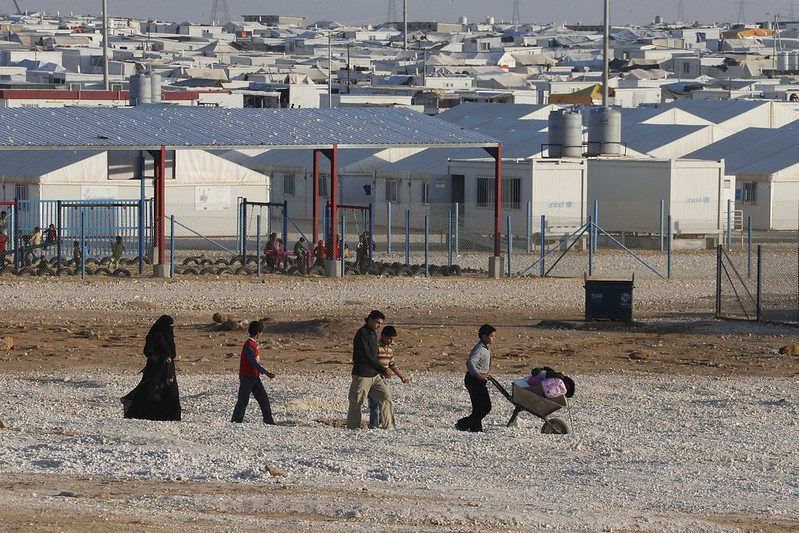
Renewable Energy in Refugee CampsRefugee camps face significant challenges in providing reliable access to electricity, which in turn limits health care, education and economic opportunities. Traditional energy sources, such as firewood and diesel generators, are inefficient, environmentally damaging and expensive. Inadequate lighting and power access also increase security risks, particularly for women and children.

Without sustainable energy solutions, these camps struggle to meet even the most basic needs of their residents. However, innovative renewable energy projects are emerging as a powerful solution, improving living conditions and fostering long-term resilience. The United Nations High Commissioner for Refugees (UNHCR) has been at the forefront of addressing energy poverty in refugee camps, particularly in Rwanda and Jordan.

Renewable Energy as a Transformative Solution

Renewable energy offers a sustainable path forward for refugee camps, reducing reliance on costly and harmful energy sources. Solar power, in particular, has proven to be an effective solution due to its affordability and ease of deployment in remote areas. By introducing clean energy technologies, camps can improve residents’ quality of life while minimizing environmental impact.

Rwanda: Kigeme, Nyabiheke and Gihembe Camps

In Rwanda, UNHCR, in collaboration with the IKEA Foundation, has worked to introduce solar-powered microgrids in the Kigeme, Nyabiheke and Gilhembe camps. Thanks to this partnership, 50,000 people in and around these camps have increased access to renewable energy for lighting, cooking and essential appliances.

These systems provide consistent electricity to schools, health care centers and community facilities. Access to clean energy has improved educational outcomes by enabling students to study after dark, while health care centers can now refrigerate vaccines and maintain critical medical equipment. This reliable energy supply has also supported small businesses, creating economic opportunities for residents.

Jordan: Irbid Camp

In Jordan, the Irbid camp has benefited from UNHCR and IKEA Foundation’s investment in solar power systems. These installations have helped reduce reliance on diesel generators, significantly lowering operational costs. By providing solar-powered water heating and electricity systems to low-income homes, schools and community centers, UNHCR and the IKEA Foundation have ensured that 10,000 refugees and host community members have access to safer, healthier living conditions.

The consistent power supply has enhanced water pumping systems, providing clean drinking water access for thousands of residents. Moreover, improved electricity availability has allowed educational institutions in the camp to incorporate digital learning tools, expanding access to quality education for refugee children.

Broader Implications for Refugee Well-Being

Beyond immediate benefits, these renewable energy projects foster economic resilience by reducing operational costs and enabling entrepreneurial ventures. Access to reliable electricity creates opportunities for small businesses, vocational training programs and improved communication networks, empowering refugees to build sustainable livelihoods. Further, investing in renewable energy helps mitigate environmental damage often caused by over-reliance on firewood and other traditional fuels.

A Path Forward

The success of renewable energy projects in Rwanda and Jordan highlights the potential for border implementation in other refugee settlements. By developing these solutions, international organizations and host governments can improve living conditions, empower displaced populations and promote environmental sustainability. Continued investment in renewable energy ensures that refugee camps evolve from temporary shelter sites into hubs of opportunity and resilience.

– Linnéa Matlack

Linnéa is based in Boston, MA, USA and focuses on Good News and Technology for The Borgen Project.

Photo: Pexels
March 19, 2025
https://borgenproject.org/wp-content/uploads/borgen-project-logo.svg 0 0 Lynsey 2 https://borgenproject.org/wp-content/uploads/borgen-project-logo.svg Lynsey 22025-03-19 07:30:342025-03-19 01:40:42Renewable Energy in Refugee Camps
Food & Hunger, Food Security, Global Poverty

Food Systems in Brazil: Key Challenges and Opportunities

Food Systems in BrazilFood systems in Brazil are diverse, complex and influenced by the country’s size, geography and rich cultural heritage. With 90% of its food domestically produced, the country is a leader in agribusiness and one of the world’s largest producers of agricultural products such as soybeans, coffee, sugarcane, beef and chicken. Yet, Brazil still faces a paradox—despite these impressive numbers, the nation struggles with hunger and inequality.

Sustainability and Environmental Impact

Brazil faces significant challenges in ensuring equitable food systems and access to healthy food, particularly for low-income populations. In 2021, 36% of Brazilians experienced food insecurity, according to research by FGV Social, a crisis exacerbated by changing weather patterns—one of the world’s most pressing concerns today. Droughts and extreme weather events have severely impacted food systems in Brazil, while industrial agriculture, particularly soybean and cattle farming, has contributed to deforestation and greenhouse gas emissions, further escalating environmental challenges.

Regions dependent on industrial agriculture are continually suffering from soil degradation and water pollution due to intensive farming practices, which affect food availability and increase the vulnerability of rural communities, especially in regions like the Northeast and Central-West, where the Amazon and Cerrado biomes are located and under threat.

Government subsidies often favor large agribusinesses over small-scale farmers, creating economic disparities and hindering the growth of sustainable local food systems.

Challenges and Opportunities

Brazil has strong food security and school feeding policies, but their effectiveness depends on political priorities. Changing weather patterns, global trade dynamics and social inequalities will continue to shape food systems in Brazil. The country’s current food system comes with significant hidden costs, estimated at about $500 billion annually, mainly due to unsustainable practices.

Brazilian President Luiz Inácio Lula da Silva emphasized this issue, stating: “Hunger is not the result of external factors. It is, above all, the result of political choices. Today, the world produces more than enough food to eradicate [hunger]. What is missing is creating the conditions for access to food.”

Addressing these challenges and adapting to these changes requires building resilient food systems, which will demand a multifaceted approach, including policy reforms, sustainable agricultural practices and initiatives to improve food access and equity. This was a key focus in the Webinar from the Sovereignty and Climate Center in partnership with the National Endowment for Democracy (NED), where experts analyzed the relationship between changing weather patterns and food security in Brazil.

PNAE & Bolsa Família

The Programa Nacional de Alimentação Escolar (PNAE) ensures that more than 40 million students in public schools receive free, nutritious meals daily. Established in 1955, PNAE prioritizes local food procurement, benefiting small-scale farmers while improving children’s access to healthy meals. The program has played a crucial role in reducing malnutrition and promoting food security in low-income communities.

As for the Bolsa Família Program, one of the most successful conditional cash transfer programs in the world, it benefits more than 21 million families. Launched in 2003, it provides financial aid to low-income families under the condition that children attend school and receive vaccinations. Through the program, extreme poverty reduced by 15% and significantly improved child nutrition and school enrollment rates across Brazil.

Strengthening these programs can help further advance sustainable food systems in Brazil, ensuring food security, supporting local farmers and reducing economic disparities.

Looking Ahead

There is a growing push toward more sustainable agricultural practices, such as agroecology and organic farming, driven by concerns over health and environmental sustainability. Transitioning to more sustainable food systems presents great potential for significant cost savings and ecological benefits.

One example is ProVeg Brazil, an organization promoting plant-based diets and sustainable food choices in a country where meat consumption and production are widespread. In 2024, 14% of Brazilians identified as vegetarian, reflecting a shift in dietary trends. While the vegan and organic markets are expanding, challenges remain, as organic and plant-based products are often more expensive than conventional options. Additionally, small-scale organic farmers face difficulties in distribution and certification, along with cultural preferences favoring traditional diets.

Despite these challenges, the growth of veganism and the organic food market signals a transformation in food systems in Brazil, offering promising opportunities for sustainability, health and economic innovation.

– Rhasna Albuquerque

Rhasna is based in Fortaleza, Ceara, Brazil and focuses on Good News and Celebs for The Borgen Project.

Photo: Pexels
March 19, 2025
https://borgenproject.org/wp-content/uploads/borgen-project-logo.svg 0 0 Jennifer Philipp https://borgenproject.org/wp-content/uploads/borgen-project-logo.svg Jennifer Philipp2025-03-19 01:30:312025-03-19 01:33:42Food Systems in Brazil: Key Challenges and Opportunities
Child Poverty, Global Poverty

Yamandú Orsi’s Plan to Reduce Child Poverty in Uruguay

Poverty in UruguayIn a continent of continual crisis, Uruguay is an outlier. The Latin American country has been a success story in recent years, boasting a lower poverty rate than the U.S. However, while previous governments have helped reduce poverty in Uruguay to a low level, the newly elected president, Yamandú Orsi, still faces several challenges surrounding poverty in the country.

About Yamandú Orsi

On March 1, Orsi took office for the first time, a remarkable achievement for someone from humble beginnings. Orsi, 57, grew up in a house without electricity in rural Uruguay before moving to the Canelones region, where he found political success. He served as intendant (like a mayor) of Canelones from 2015 to 2024. In November 2024, Orsi secured his most significant political victory by winning the Uruguayan presidency as a candidate for the Broad Front, a left-wing coalition.

A Country of the Future

Unlike many of its South American counterparts, Uruguay is widely seen as a success story. Since returning to civilian rule in 1985, the country has prioritized financial stability, economic growth and progressive policies. It has also emphasized sustainability, with approximately 93% of its electricity coming from renewable sources.

The previous president’s attempts at reducing poverty in Uruguay have proven to be largely successful, with the country holding a 10.4% monetary poverty rate, according to the United Nations Children’s Fund (UNICEF). While the low poverty rate is a success, the reduction in the poverty rate has slowed in recent years, something that Orsi will look to address.

Child Poverty and Gender Inequality in Uruguay

Poverty in Uruguay remains relatively low. However, the same cannot be said for the child poverty rate. According to UNICEF, the rate is estimated at 19.4%, nearly double that of the national poverty rate. Uruguay’s child poverty issue is also inherently gendered, with the World Bank estimating that 71.8% of needy children live in female-led households. The cause of such high child poverty rates has been attributed to COVID-19 and unemployment within the country. 

However, Orsi has pledged to expand the existing “Bono Crianza” scheme to alleviate this issue. The policy aims to improve the income and financial security of “households in situations of extreme socioeconomic vulnerability where pregnant women and/or children from 0 to 3 years old reside.”

Expanding this scheme will undoubtedly reduce child poverty in Uruguay. It will reach more and more parents in need of additional income, many of those being female-led households. Additionally, Orsi is also looking to raise social spending to “generate employment opportunities for young people.”

Poverty in Uruguay: Little Action as Positive Action

With Uruguay being a success story over the last few decades, Orsi is not looking to make wide scale changes. His plan to reduce poverty is derived from making subtle changes to the system rather than starting afresh. Through these subtle changes, Orsi will hope to bring down both the monetary and child poverty rates. Further emphasizing the impressive development that Uruguay has undergone since the 1980s.

– Andrew Nicoll

Andrew is based in Long Melford, UK and focuses on Business and Politics for The Borgen Project.

Photo: Flickr

March 19, 2025
https://borgenproject.org/wp-content/uploads/borgen-project-logo.svg 0 0 Lynsey 2 https://borgenproject.org/wp-content/uploads/borgen-project-logo.svg Lynsey 22025-03-19 01:30:292025-03-19 01:29:59Yamandú Orsi’s Plan to Reduce Child Poverty in Uruguay
Financial Instruments, Global Poverty, Technology

JazzCash: How Fintech Innovations in Pakistan Reduce Poverty

JazzCashPakistan faces significant economic challenges, with a substantial portion of its population living in poverty. As of 2024, the poverty rate stood at 25.3%, marking a sharp increase from the previous year and adding approximately 13 million people to the impoverished population. Financial exclusion exacerbates this issue, particularly among women. In 2021, only 13% of women had access to formal bank accounts compared to 34% of men, highlighting a significant gender gap in financial inclusion. ​

JazzCash’s Role in Financial Inclusion

With 44.4 million customers, JazzCash stands as one of Pakistan’s largest digital financial services platforms. Launched in 2012 by the Pakistani mobile operator Jazz, JazzCash has played a pivotal role in digitalizing Pakistan’s economy, promoting financial inclusion, expanding economic participation and reducing poverty.

Through partnerships with institutions such as the United Nations (U.N.) Women and the Sindh Flood Emergency Rehabilitation Project, JazzCash has introduced microloans, mobile banking and digital finance solutions that support economic activity and empower underserved communities. By leveraging fintech innovations, JazzCash provides secure, efficient and accessible financial services to millions of Pakistanis who previously lacked access to banking.

Here are four key JazzCash initiatives that demonstrate how fintech innovations in Pakistan reduce poverty through economic growth and financial inclusion:

Empowering Women Through Digital Finance

A 2022 partnership with U.N. Women enabled JazzCash to support 10,000 women micro-entrepreneurs by providing mobile wallets, free SIMs, data, calls and SMS bundles by 2025. In addition to digital tools, the initiative offers financial literacy training, ensuring that women gain the knowledge and confidence to effectively use fintech services for business growth and financial independence. With women making up only 21% of Pakistan’s workforce, increasing their participation in the economy is essential for both gender equality and overall economic growth.

The initiative aligns with U.N. Sustainable Development Goal 5 (Gender Equality) and fosters broader poverty reduction by expanding economic opportunities for women. In November 2024, JazzCash announced plans to expand its reach, setting a target to increase the number of women-led businesses using JazzCash from 100,000 to 300,000 by 2027. By integrating women into the digital economy, JazzCash helps close the financial gender gap and provides greater economic independence for female entrepreneurs.

Supporting Disaster Relief Through Fintech

The Sindh Flood Emergency Rehabilitation Project (SFERP), a collaboration between JazzCash and the Government of Sindh, has helped deliver financial assistance to families affected by the 2022 and 2024 floods. As of May 2024, JazzCash has disbursed PKR 2 billion to flood-affected families, with a goal of reaching PKR 15 billion and assisting 1 million households. Additionally, 80,000 new mobile wallet accounts have been created, ensuring that 45% of account holders are women. Traditional relief programs often rely on cash-based assistance, which can lead to delays, inefficiencies and security risks. By offering direct digital transfers, JazzCash provides a more inclusive, transparent and secure alternative, enabling families to rebuild independently and participate in the economy after disasters.

Expanding Social Protection Through Digital Payments

In February 2024, JazzCash became a key partner in the Benazir Income Support Program (BISP), Pakistan’s largest poverty reduction initiative. BISP provides unconditional cash transfers to underserved communities, including 9 million women, serving as a critical social safety net for Pakistan’s most vulnerable populations. JazzCash’s digital disbursement system ensures secure and efficient delivery of PKR 78 billion in cash payments to 1.3 million women by the end of 2025. By November 2024, JazzCash had already successfully transferred PKR 15 billion, demonstrating the effectiveness of fintech in expanding financial accessibility. Beyond facilitating direct aid, this initiative promotes long-term financial inclusion, encouraging women to open digital bank accounts, save money and engage in economic activities that lead to greater financial independence.

Microfinance and Entrepreneurship

JazzCash continues to promote economic inclusion through microfinance, enabling entrepreneurs and small businesses to access capital, process digital payments and expand their operations. Small business owners, particularly in rural and underserved communities, often face significant barriers to accessing credit and banking services. The organization’s microfinance solutions provide secure and efficient financial services, allowing entrepreneurs to scale their businesses, create jobs and contribute to economic growth.

Looking Ahead: The Future of Fintech in Pakistan

As fintech adoption expands, JazzCash remains committed to bridging financial gaps and empowering underserved communities. CEO Aamir Ibrahim has set a target to increase the female customer base from 30% to 50%, ensuring that women gain equal access to financial tools. With the continued integration of financial services into daily transactions, JazzCash is shaping a more inclusive economy where digital finance drives economic participation and poverty reduction in Pakistan.

Expanding financial literacy programs—such as those introduced through the U.N. Women partnership—could be essential in helping more Pakistanis navigate digital finance effectively. By leveraging fintech for economic empowerment, JazzCash is paving the way for sustainable economic growth and greater financial inclusion across Pakistan.

– Oliver Tanner

Oliver is based in London, UK and focuses on Technology and Politics for The Borgen Project.

Photo: Flickr

March 18, 2025
https://borgenproject.org/wp-content/uploads/borgen-project-logo.svg 0 0 Precious Sheidu https://borgenproject.org/wp-content/uploads/borgen-project-logo.svg Precious Sheidu2025-03-18 07:30:352025-03-18 01:35:52JazzCash: How Fintech Innovations in Pakistan Reduce Poverty
Gender Equality, Global Poverty, Women's Rights

How the PpDM is Addressing Women’s Rights in Portugal

How the PpDM is Addressing Women's Rights in Portugal According to the European Institute for Gender Equality, Portugal ranked 15th in Europe for gender equality in 2023. The study found that health care had the most significant gender disparities, while workplace equality showed the most progress. A Randstad study, conducted by the global talent company, reported that Portugal’s gender pay gap stood at 13%, aligning closely with the 2024 European average. Despite ongoing challenges, activists and nonprofit organizations continue working toward gender equality, advocating for women’s rights, awareness, policy change and social reform.

PpDM Promoting Women’s Rights in Portugal

The Portuguese Platform for Women’s Rights (PpDM), an independent, nonprofit humanist organization, promotes gender equality through research, advocacy, mobilization and training. Free from government, political or religious affiliations, PpDM represents Portugal in key international networks, including the European Women’s Lobby (EWL), the EU Civil Society Platform against Trafficking, the Association of Women from Southern Europe (AFEM) and the Euro-Mediterranean Women’s Foundation (FFEM). As the national coordinator for the EWL, PpDM works closely with European organizations to advocate for gender equality policies and initiatives. The organization focuses on eliminating discrimination and gender-based violence by providing training and resources to nongovernmental organizations (NGOs). PpDM fosters open discussions on gender issues, creating a platform for organizations to collaborate, exchange knowledge and implement gender equality initiatives.

Key PpDM Initiatives for Gender Equality

  • Mobilize Against Sexism!. Funded by the Council of Europe and organized by the EWL, raises awareness about sexism and discrimination. The initiative promotes public dialogue on gender-based biases and provides legal definitions of sexism to support advocacy efforts. To extend its reach, the campaign offers flyers, posters and educational materials for use in schools and public awareness programs.
  • Women in Climate. An initiative launched by the EWL integrates gender perspectives into climate policy. The project highlights how climate change disproportionately affects marginalized women and encourages civil society organizations to advocate for gender equality in environmental action. By bridging women’s rights and climate justice, the initiative strengthens policy discussions and advocacy strategies.
  • From the Voice III. It provides a digital platform for conversations about sexism, discrimination and gender-based violence. The initiative creates a safe online space where women can share experiences, participate in discussions and access educational resources. Webinars, podcasts and other digital content aim to challenge gender stereotypes and promote feminist discourse in Portugal.

Beyond these initiatives, PpDM has launched several other projects that amplify women’s voices, mobilize communities and influence policy change. Programs such as the Feminist Tribune, bE_SAFE, and Young Europe Sustainable Democracy Builders (YES) focus on human rights advocacy, gender-based cyber safety and youth involvement in democratic policy-making.

Advocacy and International Collaboration

PpDM actively engages in international human rights conventions that promote gender equality and women’s rights. The organization contributes to global policy discussions, influencing frameworks such as the Istanbul Convention and the Convention on the Rights of the Child. By working with international organizations and policymakers, PpDM strengthens its influence on gender policies at both national and global levels.

Looking Ahead

The PpDM calls for broader community participation in its mission to achieve gender equality. Indeed, by fostering education, advocacy and legal reforms, the organization remains a driving force in promoting women’s rights in Portugal. As challenges persist, continued collaboration with policymakers, activists and civil society could be essential in creating lasting change for future generations.

– Hannah Pacheco

Hannah is based in Boston, MA, USA and focuses on Good News and Global Health for The Borgen Project.

Photo: Flickr

March 18, 2025
https://borgenproject.org/wp-content/uploads/borgen-project-logo.svg 0 0 Precious Sheidu https://borgenproject.org/wp-content/uploads/borgen-project-logo.svg Precious Sheidu2025-03-18 01:30:342025-03-18 01:19:54How the PpDM is Addressing Women’s Rights in Portugal
Disease, Global Health, Global Poverty

How USAID Cuts Impact Global Polio Eradication Efforts

How USAID Cuts Impact Global Polio Vaccination EffortsPolio, a highly infectious viral disease, has affected millions of people worldwide. The introduction of the polio vaccine in the 1950s led to an exponential decrease in infection rates. However, access to vaccines remains limited in some countries, keeping the disease circulation alive in certain regions. The Global Polio Eradication Initiative (GPEI) works to vaccinate populations in endemic countries, striving for complete eradication. Recent funding reductions from USAID, a historically significant donor, have raised concerns about the initiative’s progress.

Polio primarily affects children under 5, with about 0.5% of cases leading to paralysis. Though most common in children, unvaccinated individuals of any age remain vulnerable to infection. The disease, once present in more than 120 endemic countries, now persists in only two—Afghanistan and Pakistan. Despite this significant progress, outbreaks of wild poliovirus continue to surface in regions with political instability, such as Gaza, where vaccination campaigns face disruption due to ongoing conflict.

GPEI’s Efforts to Eradicate Polio

The Global Polio Eradication Initiative was launched in 1988 with the goal of eliminating polio worldwide. Since its inception, polio cases have declined by 99%, a testament to the effectiveness of vaccination programs. GPEI focuses on two primary goals: permanently stopping poliovirus transmission in endemic countries and preventing outbreaks in nonendemic regions. GPEI’s strategy includes mass vaccination efforts, political advocacy, community engagement and infection surveillance. By collaborating with governments and organizations such as WHO, CDC, UNICEF and the Gates Foundation, the initiative has successfully reduced polio cases. However, continued progress depends on sustained financial support.

USAID Funding Cuts and Its Impact

GPEI relies on funding from multiple government and nongovernment organizations. The United States (U.S.) has historically contributed $40 billion to the initiative, making USAID a key financial supporter. However, recent reductions in USAID funding have raised concerns about the program’s sustainability. In early 2025, the Trump administration significantly reduced USAID funding, including a $131 million grant for UNICEF and GPEI’s polio immunization efforts. This loss of funding has forced GPEI to extend its five-year strategy to 2029, pushing back its original goal of eradication by three years. While USAID’s funding cut presents challenges, it remains unclear whether the reduction will be permanent. GPEI continues to operate with financial backing from other sources, though long-term funding gaps could slow vaccination efforts.

New Funding Sources and the Future of Polio Eradication

Despite the loss of USAID funding, other nations and organizations have stepped up to support GPEI’s mission. Countries such as Saudi Arabia and the United Arab Emirates (UAE) have pledged $500 million toward polio eradication efforts. Additionally, organizations such as the WHO and the Gates Foundation continue to provide financial support, ensuring that vaccination programs remain operational. Alongside large-scale government contributions, GPEI also relies on small individual donations from supporters committed to eradicating polio within this generation. The organization remains focused on vaccination, public awareness and policy advocacy, working toward its revised goal of eradication by 2029.

Looking Ahead

While USAID’s funding reduction poses obstacles for GPEI, global support for polio eradication remains strong. Ongoing contributions from international donors and nongovernmental organizations continue to drive vaccination efforts, bringing the world closer to a polio-free future. Regardless of the status of USAID funding, GPEI continues its vaccination and eradication efforts with support from international donors and organizations.

– Lizzie Mazzola

Lizzie is based in Raleigh, NC, USA and focuses on Global Health and Politics for The Borgen Project.

Photo: Flickr

March 18, 2025
https://borgenproject.org/wp-content/uploads/borgen-project-logo.svg 0 0 Precious Sheidu https://borgenproject.org/wp-content/uploads/borgen-project-logo.svg Precious Sheidu2025-03-18 01:30:112025-03-18 01:26:42How USAID Cuts Impact Global Polio Eradication Efforts
Children, Global Poverty, Homeless

Mercy Rescue Trust: Foster to Forever Family

Mercy Rescue Trust: Foster to Forever FamilyWorldwide, 16.6 million children under 18 have lost one or both parents to HIV; 90% of these orphans live in sub-Saharan Africa. In 2019, about 53 million children in this region had lost one or both parents. According to UNICEF, Kenya alone has approximately 2.08 million orphans. Previous estimates reveal that about 3.6 million children in Kenya are orphaned or vulnerable, comprising nearly one-fifth of the country’s population under 18 years old. To combat this, Mercy Rescue Trust, a rescue center based in Kitale, Kenya, finds homes for abandoned babies and young children. The organization aims to protect children in vulnerable situations by providing medical care, shelter and long-term support.

Mercy Rescue Trust’s Mission in Kenya

Financial challenges and family instability in Kenya have led to severe neglect and abandonment of many infants. With limited social support systems, children often endure harmful conditions, suffering from malnutrition and poor physical and emotional health. Rescuers find many in life-threatening situations and bring them to Mercy Rescue Trust, where doctors conduct comprehensive health screenings to detect diseases or health risks caused by exposure to unsafe environments. Once medically stable, children enter temporary foster care with local families who provide a nurturing environment until a permanent home becomes available. If a child requires emergency medical care, doctors oversee their treatment until they recover.

From Rescue to Reunification and Adoption

After rescuing an infant, Mercy Rescue Trust searches for biological family members and prioritizes reunification whenever possible. To support successful reintegration, the organization provides regular meals and financial assistance for education, increasing the child’s chances of thriving in their home. If reunification does not work, the child remains in temporary foster care while Mercy Rescue Trust arranges a permanent, loving home. The adoption process follows strict guidelines to ensure each child finds a secure and nurturing environment. Social workers follow up regularly to monitor the child’s development and well-being after placement.

The Role of Foster Families in Child Welfare

Mercy Rescue Trust emphasizes a family-centered approach by placing children in local, family-based foster care rather than institutional orphanages. Foster families, often volunteers, provide infants with a stable home environment during this transitional period. Since its inception, Mercy Rescue Trust has placed more than 400 children in homes, including 269 with local foster families and reunited 114 with their biological families. Foster care gives infants the emotional security needed to rebuild trust and recover from trauma. Living in a home-like environment allows them to develop attachments, experience daily routines and build a sense of stability, making their transition to a permanent family much smoother.

Emergency Care and Community Support

Mercy Rescue Trust operates a 24-hour emergency care center where medical professionals provide immediate care to rescued infants. These services depend on donations that fund food, medical care and education programs for children in need. The organization also welcomes volunteers, photographers and supporters to help raise awareness and expand outreach efforts.

Looking Ahead

Mercy Rescue Trust continues to rescue, protect and advocate for vulnerable children, ensuring they receive the care, stability and opportunities they deserve. Furthermore, by prioritizing family-based care, education and long-term support, the organization is working to break the cycle of abandonment and poverty, providing children with a path to a brighter future.

– Jennifer Cermak

Jennifer is based in Ontario, Canada and focuses on Good News for The Borgen Project.

Photo: Flickr

March 17, 2025
https://borgenproject.org/wp-content/uploads/borgen-project-logo.svg 0 0 Precious Sheidu https://borgenproject.org/wp-content/uploads/borgen-project-logo.svg Precious Sheidu2025-03-17 07:30:062025-03-17 01:15:00Mercy Rescue Trust: Foster to Forever Family
Development, Economy, Global Poverty

Cambodia’s GFT Sector Sees Wage Increase

cambodia's gftSince the 1990s Cambodia’s exports from the garment, footwear and travel (GFT) sector has grown significantly. Keeping labor costs low and the intensive nature of the industry have fueled the growth of this industry, as well as the signing of international trade agreements and presence of good investment conditions.

Cambodia’s GFT

In 2017, Cambodia became the world’s ninth largest producer of apparel and this accounted for 1.5% of worlds export value. In 2022, the GFT industry accounted for 56.1% of Cambodia’s total export of $22.48 billion, according to Textile Today.

Cambodia’s exported products had a 14.9% increase from 2021-2022 alone. The GFT (Garment, Footwear and Travel) sector was also crucial for Cambodia’s economy during the pandemic. “The sector accounted for 11% of the economy and contributed to half of Cambodia’s real GDP growth,” although the country was not operating at full capacity, the GFT sector was still functioning relatively well.

The garment worker industry consists of 1,188 factories and employs around 750,000 workers, most of whom are women. Around 76% of the female population work in the GFT sector which serves to stand as the backbone of the Cambodian economy.

Despite being one of the main drivers of the Cambodian economy, the GFT sector faces challenges when it comes to long-term sustainability, the sector is currently reliant on preferential market access granted by the U.S. and the EU which makes it susceptible to the withdrawal of the trade agreements.

New Plan

In September 2024, Cambodia increased the minimum wage in the GFT sector to $208 per month, an increase of $4. The plan has received both negative criticism and praise but ultimately lies in favor of the workers which is a step in the right direction. The decision follows discussions by the National Council for Minimum Wage, which initially proposed the wage be set at $206, however, Prime Minister Hun Manet, raised the figure an additional $2, in an ongoing effort to improve worker living standards.

In addition to the minimum wage increase, workers will also receive benefits like a $10 monthly bonus for regular work attendance and an extra $7 to aid with transport and rent. These benefits will help workers manage their daily living expenses alongside their base wages.

Cambodia, like many other countries, faces pressure to make sure that workers receive compensation without undermining the competitive nature of the GFT manufacturing sector. This approach by the government aims to ensure a balance between the workers’ needs and the industry’s sustainability.

Reception of the New Plan

Labor groups have acknowledged the rise in wages, however, have also addressed that the increase may not fully address the cost of living in many urban areas, where many workers reside. Industry leaders have also raised questions and concerns about the impact on production costs as the GFT sector remains competitive, both economically and production-wise, according to the Cambodia Investment Review.

Kim Chansamnang, a representative of the union stated that the workers are “satisfied with the increase”, however, he also urged the landlords not to raise rent prices and added that “the minimum wage has not risen significantly,” Khmer Times reports.

According to Prime Minister Manet, the government focuses on improving the living standards of the people, he also stated that he would “urge relevant ministries and authorities to monitor and implement measures to reduce worker costs”

Sin Sovan, of the Russey Keo district, said that she accepts the new figures but also appeals to markets and landlords to not increase prices of food. She also acknowledged that this was the government’s intervention and appeal to prevent raised rents and to keep food prices stable, according to Khmer Times.

The Future of Cambodia’s GFT

The recent minimum wage increase in Cambodia’s GFT sector marks another step in the right direction for the workers. It holds a significant place in the government’s plan to improve the livelihoods of workers in general, particularly those in the GFT (garment, footwear and travel) sectors. The raise provides relief to the workers, however, some concerns remain regarding the cost of living. Employers must now navigate survival in the competitive nature of the market alongside higher labor costs.

Cambodia continues to develop its economy and so a balance between worker satisfaction and business sustainability. The government, employers and workers must continue to work together and hold discussions to ensure that future wage policies are fair for all. Additional measures such as social protection and improved worker training could also complement the wage increase and contribute to long-term economic stability for the country.

– Ayat Aslam

Ayat is based in London, UK and focuses on Good News and Global Health for The Borgen Project.

Photo: Flickr

March 17, 2025
https://borgenproject.org/wp-content/uploads/borgen-project-logo.svg 0 0 Naida Jahic https://borgenproject.org/wp-content/uploads/borgen-project-logo.svg Naida Jahic2025-03-17 01:30:512025-03-17 01:09:53Cambodia’s GFT Sector Sees Wage Increase
Page 198 of 2162«‹196197198199200›»

Get Smarter

  • Global Poverty 101
  • Global Poverty… The Good News
  • Global Poverty & U.S. Jobs
  • Global Poverty and National Security
  • Innovative Solutions to Poverty
  • Global Poverty & Aid FAQ’s
Search Search

Take Action

  • Call Congress
  • Email Congress
  • Donate
  • 30 Ways to Help
  • Volunteer Ops
  • Internships
  • Courses & Certificates
  • The Podcast
Borgen Project

“The Borgen Project is an incredible nonprofit organization that is addressing poverty and hunger and working towards ending them.”

-The Huffington Post

Inside The Borgen Project

  • Contact
  • About
  • Financials
  • President
  • Board of Directors
  • Board of Advisors

International Links

  • UK Email Parliament
  • UK Donate
  • Canada Email Parliament

Get Smarter

  • Global Poverty 101
  • Global Poverty… The Good News
  • Global Poverty & U.S. Jobs
  • Global Poverty and National Security
  • Innovative Solutions to Poverty
  • Global Poverty & Aid FAQ’s

Ways to Help

  • Call Congress
  • Email Congress
  • Donate
  • 30 Ways to Help
  • Volunteer Ops
  • Internships
  • Courses & Certificates
  • The Podcast
Scroll to top Scroll to top Scroll to top