Community-Led Development in Comoros Driving Progress
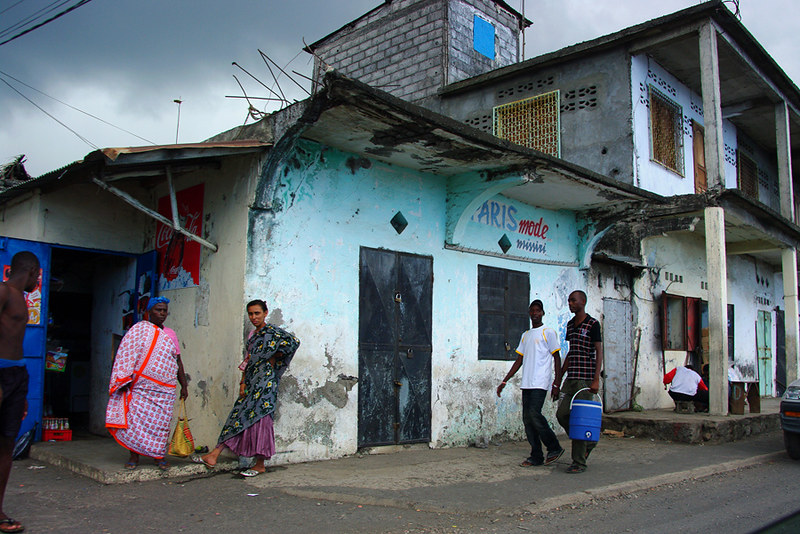 Comoros, a small island nation with one of the world’s most climate-vulnerable locations and topographies, faces significant challenges. More than 54.2% of the population lives in at-risk areas and 45% falls below the national poverty line. Amid these challenges, women’s cooperatives and marine conservation projects are reshaping livelihoods and ecosystems. These grassroots initiatives highlight how community-led development in Comoros can potentially address poverty while promoting environmental sustainability, turning vulnerability into opportunity and offering a model for resilience.
Reshaping the Vanilla Industry
Vanilla farming, a key source of income for many in Comoros, has long been hindered by fluctuating markets and outdated methods. However, women-led cooperatives are transforming this industry into a sustainable and profitable venture.
The Union of Women Vanilla Farmers of Comoros, established in 2015, trains farmers to use agroforestry techniques that preserve biodiversity while boosting crop yields. By combining vanilla cultivation with tree planting, farmers protect the soil and reduce the environmental impact of farming.
Direct trade agreements have empowered Comorian vanilla farmers by eliminating intermediaries, allowing them to earn significantly higher prices for their crops. For example, direct market access has contributed to Comoros becoming the 11th largest exporter of vanilla, with exports valued at $7.72 million in 2022.
Revitalizing Marine Ecosystems
Fishing is a vital industry in Comoros, but overfishing and environmental degradation have impacted fish stocks. Community-led marine protected areas (MPAs) are reversing this trend, promoting sustainable fishing and alternative livelihoods.
The Moheli Marine Park (MMP), established in 2000, involves local communities in managing marine resources. Studies in similar regions suggest that effective MPAs can lead to a 2 to 4 times increase in fish biomass. Additionally, MPAs have created opportunities in eco-tourism, such as snorkeling and marine research. These ongoing efforts align with Comoros’ Blue Economy National Plan, aiming to restore ecosystems and boost sustainable economic growth.
International Support Driving Grassroots Innovation
International support has significantly bolstered grassroots innovations in Comoros. The Global Environment Facility’s Small Grants Programme (SGP) has funded numerous community-led projects, directly benefiting local households. In 2017, three cooperative companies in Comoros secured trade financing worth more than $400,000 for vanilla and clove harvesting and export, due to a joint project by the International Trade Centre (ITC) and the Enhanced Integrated Framework (EIF). These initiatives have strengthened the vanilla industry’s contribution to the national economy, enhancing production efficiency and reducing post-harvest losses.
A Model for Sustainable Growth
Women’s cooperatives are revitalizing the vanilla industry, while marine conservation projects protect ecosystems and create sustainable livelihoods. For instance, the Enhanced Integrated Framework (EIF) has supported cooperatives and provided training for female entrepreneurs in the vanilla sector, laying the foundation for increased trade in the country.
Comoros’ story demonstrates the potential of local initiatives to drive change in low- and middle-income countries. By building on its successes and strengthening international collaborations, the nation offers a model for sustainable growth that can inspire others worldwide. The launch of the ReSea Project in 2024, for example, aims to empower coastal communities for climate resilience, further contributing to sustainable development. Through determination and innovation, Comoros is not only addressing poverty but also building a future of resilience and opportunity.
Looking Ahead
Community-led development in Comoros exemplifies how local solutions can address global challenges. Through the empowerment of women in vanilla farming and the revitalization of marine ecosystems, the nation has demonstrated that community-driven innovation can lead to sustainable economic growth and environmental stewardship. Supported by international partnerships and a commitment to grassroots leadership, these initiatives have improved livelihoods and provided a blueprint for development in other low-and-middle-income countries. Community-led development in Comoros is a reminder that resilience and creativity at the local level could drive transformative change, paving the way for a brighter and more sustainable future.
– Fiza Meeraj
Fiza is based in London, UK and focuses on Good News for The Borgen Project.
Photo: Flickr
