Nepal’s Poverty Reduction Through Local Solutions
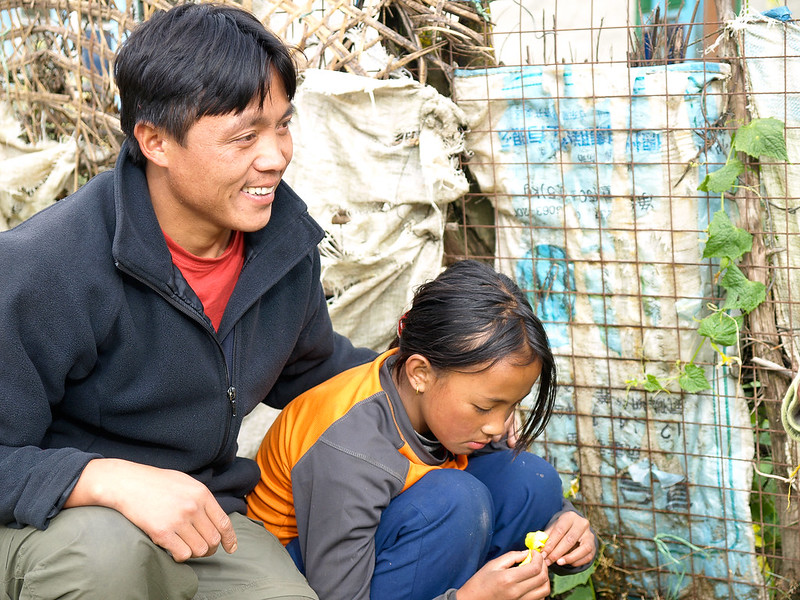 Nepal, a landlocked Himalayan nation, has made significant strides in poverty reduction over recent decades; however, significant challenges persist, particularly in rural and underdeveloped regions. According to the Fourth Nepal Living Standards Survey (NLSS) 2022–23, the national poverty rate stands at 20.27%. Rural areas are disproportionately affected, with a poverty rate of 24.66%, compared to 18.34% in urban regions. Contributing factors include limited access to essential services such as education, health care and clean drinking water. Youth unemployment remains a pressing issue, with more than 19% of young people unemployed, a figure significantly higher than the national average. This has led to increased migration, both internally to urban centers and externally abroad, as youths seek better employment opportunities.
Government Initiatives
The Nepalese government has implemented several programs aimed at poverty alleviation. The 15th Periodic Plan (2019–2024), developed by the National Planning Commission, focuses on achieving sustainable development goals and transitioning Nepal to a middle-income country. Key objectives include economic diversification, infrastructure development and social inclusion. Another significant initiative is the Prime Minister Employment Program (PMEP), which seeks to provide short-term employment opportunities to unemployed individuals, particularly in rural areas. The program aims to enhance skills and increase income levels among marginalized populations.
International Aid and Partnerships
International organizations have played a crucial role in supporting Nepal’s poverty reduction efforts. USAID has been instrumental in sectors such as education, agriculture and health through financial aid. However, recent budget cuts have led to the suspension of several projects, raising concerns about the continuity of essential services.
The World Bank’s Rural Access Improvement and Decentralization Project has improved rural infrastructure, facilitating better access to markets and services. Similarly, the United Nations Development Programme (UNDP) has supported climate resilience and local governance initiatives, including the implementation of Local Adaptation Plans of Action (LAPAs) that empower communities to address climate change impacts.
Community-Based Efforts
Grassroots organizations have been vital in addressing poverty at the local level. READ Nepal, part of the READ Global network, organizes Community Library and Resource Centers that offer educational resources, vocational training and women’s empowerment programs. These centers have reached millions in rural communities, fostering literacy and economic development while reducing income inequality. The Federation of Community Forestry Users, Nepal (FECOFUN) empowers local communities to manage forest resources sustainably. By providing employment opportunities and generating income from selling forest products, FECOFUN promotes environmental stewardship and economic development.
The Role of Remittances
Remittances from Nepalese working abroad account for a significant portion of the country’s GDP. In 2023, remittances totaled more than $11 billion, accounting for more than 25% of the GDP. These funds have been instrumental in reducing poverty, improving household incomes and contributing to economic stability.
Moving Forward
Nepal’s comprehensive approach to poverty reduction—combining government policies, international aid and community initiatives—demonstrates the effectiveness of collaborative efforts in addressing economic challenges. Continued support and investment in these areas are essential for sustaining progress and achieving long-term development goals.
– Giovanni Garcia
Giovanni is based in Long Beach, CA, USA and focuses on Good News and Politics for The Borgen Project.
Photo: Flickr
