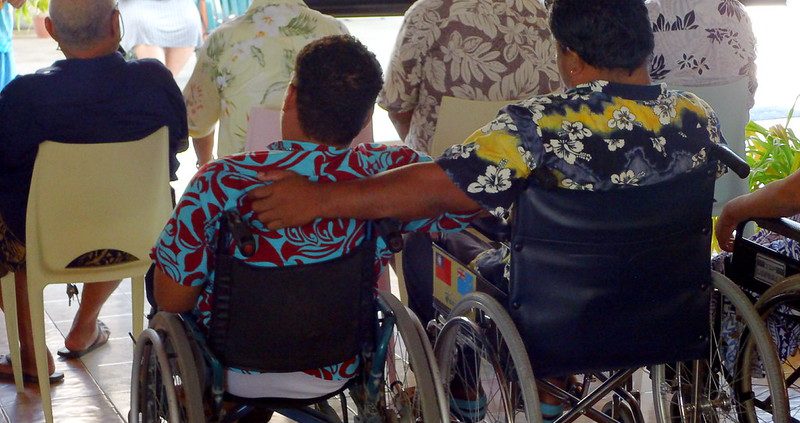
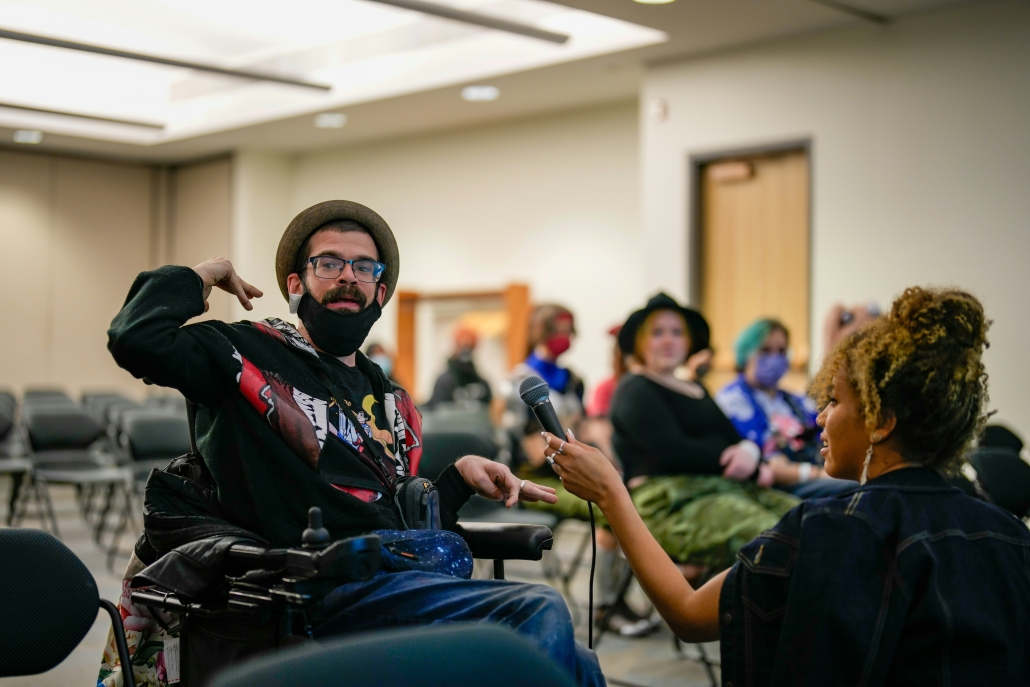
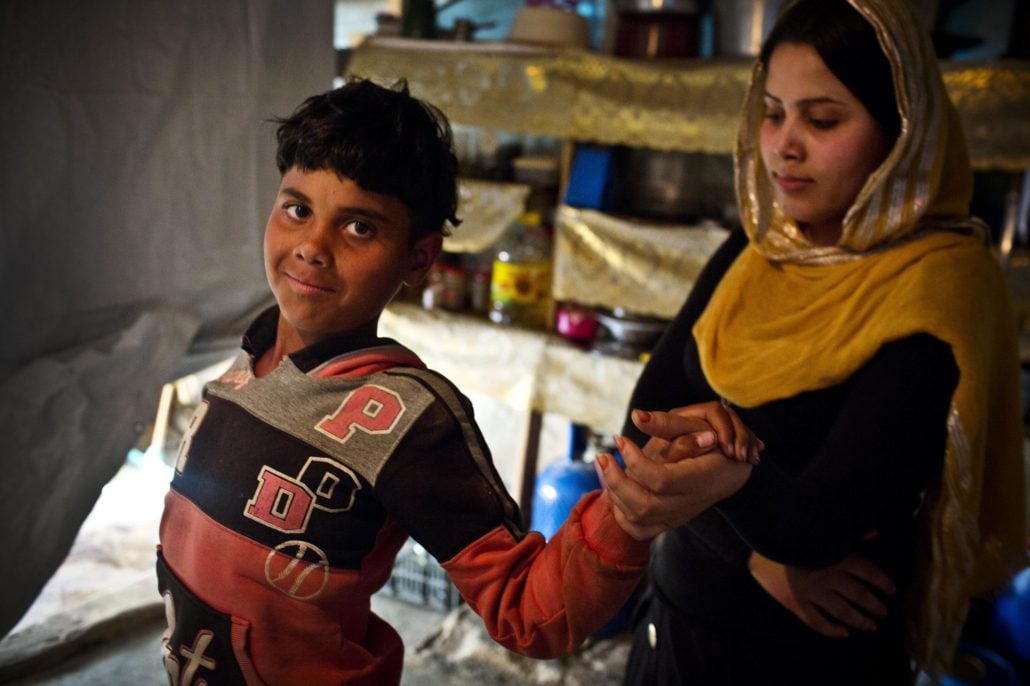
 Disability results from the interaction of health conditions and personal and environmental factors, including inaccessible buildings, transportation barriers and limited social support. According to the World Health Organization, approximately 1.3 billion people, or 16% of the world’s population, experience significant disability. Conflict and forced displacement can compound these barriers, making it harder to reach safety, access humanitarian services and rebuild livelihoods. Here is more information about the challenges that refugees with disabilities face and the efforts in place to address them.
Challenges That Refugees With Disabilities Face
For displaced people with disabilities, reaching a safer location does not necessarily mean that essential services become accessible. Crowded settlements, uneven pathways, inaccessible toilets and shortages of assistive devices can make everyday activities difficult. Refugees may also encounter discrimination, gaps in disability data and barriers to registration and assistance. These obstacles can increase the risk that their needs go unrecognized.
The Inclusive Futures initiative, working with Humanity & Inclusion, has documented lessons from refugee settlements in Kenya on removing barriers to education and livelihoods. Its guidance emphasizes designing programs with people with disabilities rather than assuming that standard humanitarian services reach everyone equally.
Global Disability Fund
The Global Disability Fund (formerly the United Nations Partnership on the Rights of Persons with Disabilities) supports disability-inclusive development through joint programs, institutional capacity building and policy reform. Rather than operating individual refugee-camp clinics or distributing personal assistance directly, the fund works with governments, U.N. agencies, civil society and organizations of persons with disabilities to improve the systems that determine access to services.
According to its United Nations fund profile, the fund reports supporting 111 joint programs across 100 countries, training more than 116,000 representatives in disability inclusion, helping advance 118 laws and policies and contributing to 264 changes in services and data systems. These cumulative results span several sectors and countries and should not be interpreted as outcomes for refugees alone.
The UN Refugee Agency
The U.N. Refugee Agency, UNHCR, works with partners to identify barriers affecting displaced people with disabilities and support more inclusive humanitarian assistance. Accessible shelter, pathways, sanitation facilities, legal information, rehabilitation referrals and community participation can all help refugees live more safely and independently. Providing these services requires attention to the different needs of individuals rather than a single approach to disability inclusion.
When refugees with disabilities are included in assessments and decisions about shelter and camp facilities, providers can better identify practical barriers. These measures are especially important for children, older adults and people with limited mobility, who may otherwise struggle to reach schools, water points or health services.
Humanity & Inclusion: Making Education Accessible
Founded in 1982, Humanity & Inclusion (HI) supports people with disabilities and other vulnerable groups in crisis-affected communities. Its education and livelihoods work offers examples of how targeted adaptations can address barriers that refugees face.
In Kenya’s Kakuma refugee camp, 12-year-old Patrick, who has a physical disability, benefited from an accessible digital-learning initiative. According to HI’s account of his experience, Patrick had struggled to balance classroom work with his interest in football. Adapted digital materials, storytelling sessions and audio content helped him keep up with lessons and reduced some of the practical demands of carrying books to school.
“The ability to complete work from anywhere and learn at my own pace has reduced the pressure of having to carry books to and from home every morning,” Patrick told HI. The organization and its partners expanded e-learning for refugees and host communities in Kakuma and Kalobeyei, including resources adapted for students with different disabilities.
Humanity & Inclusion: Rebuilding a Livelihood
HI also helped Ahmad, a Syrian refugee living in Jordan, rebuild his livelihood after injuries made it impossible for him to continue working long hours in a clothing factory. Its published profile of Ahmad explains that he received rehabilitation services before being referred to livelihood support. Staff assessed his skills and aspirations, then helped him develop a plan to start a home-based sewing business.
Through training, coaching, mentoring and financial assistance, Ahmad obtained sewing equipment and learned budgeting, self-employment and digital marketing skills. HI reported that the business enabled him to purchase mobility aids and, after its first month, a second sewing machine so his wife could join the work. He later planned to share his tailoring knowledge with others in his community.
“Currently, I have an agreement with one of the local organisations to teach sewing/tailoring to women, and I am happy to support anyone who needs help in sewing,” Ahmad said in HI’s account. His experience shows how rehabilitation and livelihood support can complement each other without implying that every refugee with a disability has the same needs or opportunities.
Looking Forward
People with disabilities face substantial barriers before, during and after displacement, but inclusive humanitarian services can help reduce those obstacles. The Global Disability Fund’s systems-level work and the practical education and livelihood programs that UNHCR partners and Humanity & Inclusion supported highlight different forms of action: strengthening policies, making services accessible and supporting people’s own goals. Meaningful progress depends on reliable disability data, accessible facilities and including displaced people with disabilities in decisions that affect their lives.
– Elora C Gunn
Elora is based in Louisville, KY, USA and focuses on Good News for The Borgen Project.
Photo: Flickr
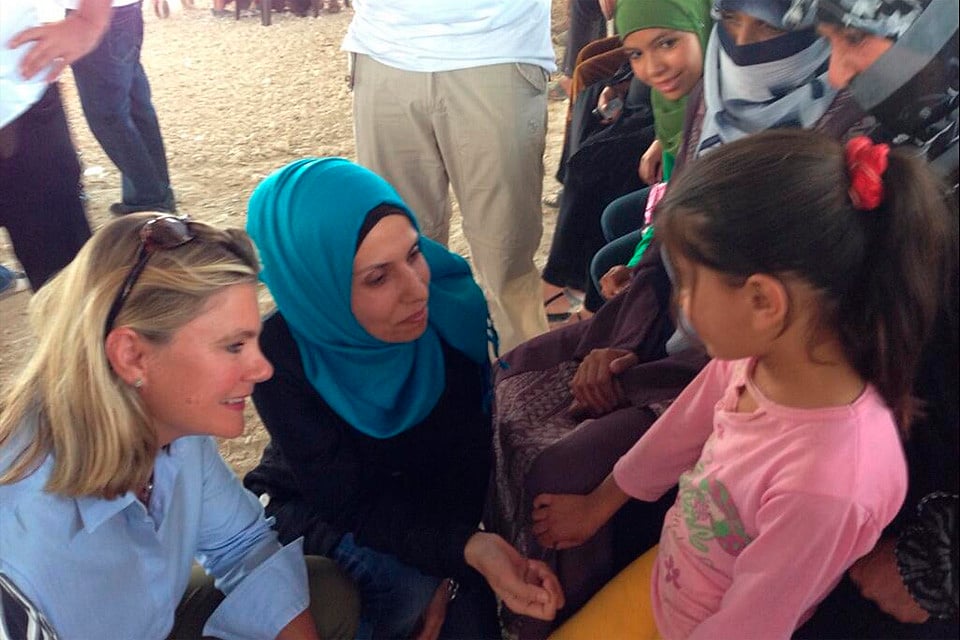
 Disabilities are a major contributing factor to poverty in many countries. Individuals
  From July 4 to 5, 2026, ART:DIS in Singapore, a nonprofit organization (NGO), held Pocket Fest, an event consisting of small workshops, a gallery, food and more. The exhibition featured many artworks from artists of ART:DIS, and it consisted of small classes teaching art skills from caricatures to cyanotype.