The $6.5 Billion Pledge: Syria’s Recovery Package
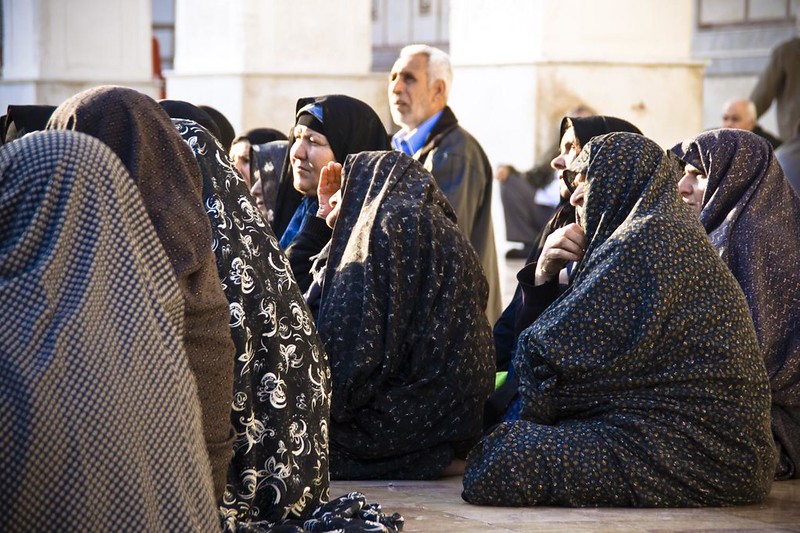 On March 17, international donors convened in Brussels and pledged nearly €6 billion (approximately $6.5 billion) in aid to revitalize Syria’s reconstruction efforts following the political transition after President Bashar al-Assad’s departure in December 2024. This financial commitment supports the country’s new leadership as it begins stabilizing and rebuilding after the civil war. The conference also aimed to reaffirm the global community’s commitment to a peaceful and inclusive future for Syria.
Discussions focused not only on physical reconstruction but also on strengthening civil society, expanding access to education and addressing widespread displacement. The event marked a renewed commitment to multilateral collaboration, bringing together more than 60 countries and international organizations to discuss not only funding but also sustainable strategies for Syria’s recovery.
Pledges for Syria’s Recovery Package
The European Commission reported that €4.2 billion (about $4.6 billion) of the pledged amount would be provided as grants, while €1.6 billion (about $1.7 billion) would come as low-interest loans. European Commission President Ursula von der Leyen announced that the EU is increasing its pledge to Syrians in the country and the region to almost €2.5 billion (about $2.7 billion) for 2025 and 2026.
Among major donor countries, Germany committed approximately €300 million (about $326 million), with more than half designated for aid within Syria and the remainder for displaced Syrians abroad. The United Kingdom (U.K.), despite reducing its foreign aid budget to 0.3% of GDP, pledged up to $208 million. The United States (U.S.), represented by Deputy Assistant Secretary for the Levant and Syria Natasha Franceschi, did not announce a new pledge, noting its status as the largest contributor to Syrian aid over the past 14 years and indicating that foreign aid commitments are under review.
Context and Challenges
The pledging conference comes at a pivotal time for Syria. The new leadership is tasked with unifying a country fragmented by war. Rebuilding efforts face obstacles, including a shattered economy and infrastructure, with United Nations (U.N.) estimates putting reconstruction costs between $250 billion and $400 billion. Security threats persist. Recent clashes, including an ambush on a Syrian security patrol and retaliatory attacks from supporters of the new government, have resulted in civilian casualties. These ongoing incidents have led some donors to delay investment until more stable conditions are confirmed.
International Community’s Role in Syria
The international community’s pledges demonstrate support for Syria’s transition toward peace and development. President Von der Leyen emphasized the urgency of assistance, stating, “At this critical time, the people of Syria need us more than ever.” However, this year’s total commitment falls short of the €7.5 billion (about $8.1 billion) pledged last year, reflecting financial constraints and competing global priorities.
Syria’s Path Forward
Syria’s recovery potentially depends on efforts to restore essential services, rebuild infrastructure and foster reconciliation among diverse communities. Syria’s recovery package represents an important step in addressing urgent humanitarian needs and laying the groundwork for long-term recovery. Coordination between the Syrian government, international donors and humanitarian organizations could be essential to ensure the transparent, inclusive and effective use of aid.
– Leighton Webber
Leighton is based in London, UK and focuses on Politics for The Borgen Project.
Photo: Flickr
