The Power of Refugee Entrepreneurship in Rebuilding Futures
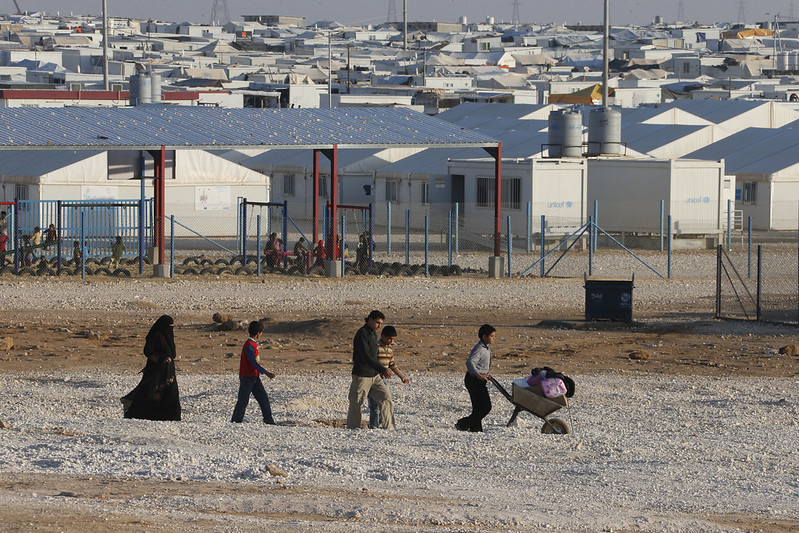 For the millions displaced by war, persecution, or natural disasters, rebuilding their lives is an overwhelming challenge. Yet amid the uncertainty of displacement, a powerful force is emerging: refugee entrepreneurship. Across regions often overlooked by global media, displaced individuals are turning hardship into opportunity by creating small businesses, generating income and restoring dignity in their host communities.
In countries bordering conflict zones, where formal job opportunities are scarce and refugees often face legal uncertainties, entrepreneurship emerges as both a lifeline and a source of empowerment. Many are launching bakeries, electronic repair stands and food stalls—ventures that reflect resilience and draw upon rich cultural traditions.
Uganda: A Refugee Economy in Action
One example can be seen in Uganda, home to more than 1.6 million refugees, primarily from South Sudan and the Democratic Republic of Congo. In the settlements of northern Uganda, informal markets have flourished. There, refugee-led businesses provide vital goods and services not only to fellow refugees but also to local Ugandan populations. This exchange fosters economic integration and builds social cohesion.
Key to this entrepreneurial growth is access to microcredit and skills training. Local NGOs and community-based organizations play a central role, offering workshops on financial literacy, digital skills and basic business management. Though resources are often scarce, these initiatives help refugees turn personal talents into viable livelihoods.
The Rise of Informal Businesses in Jordan
In Jordan, where more than 600,000 Syrian refugees reside, informal businesses have sprung up in camps and urban areas alike. While regulatory hurdles remain, particularly regarding business permits and movement, many Syrians have found ways to offer services such as hairdressing, tutoring or mobile phone sales. These businesses reflect both resilience and the desire to reclaim agency in an environment often defined by limitations.
Despite the barriers, refugee entrepreneurship thrives because of its adaptability. Refugees are uniquely positioned to identify gaps in local markets and respond with innovative solutions. In many cases, their businesses introduce new flavors, fabrics, techniques and perspectives that enrich the local culture.
Critically, the impact of refugee entrepreneurship extends beyond economic self-sufficiency. It cultivates hope and purpose, rebuilding identities fractured by displacement. It also challenges dominant narratives that portray refugees solely as victims or burdens. By creating jobs, paying taxes and participating in local economies, refugee entrepreneurs are demonstrating their potential as contributors to the future of their communities.
Policy, Legal Barriers Remain
Significant challenges still hinder these initiatives. Policy frameworks in many host countries remain restrictive, limiting refugees’ ability to register businesses, open bank accounts or move freely. Advocacy and inclusive policies are necessary to ensure that refugee entrepreneurship is not confined to the informal sector. Recognition of their economic potential must be matched by legal and institutional support.
In places where resources are limited, community-driven models of support have proven effective. Peer mentorship and shared workspaces are just a few of the grassroots strategies helping displaced individuals launch and sustain their businesses.
Refugee Entrepreneurship: The Future
As the global refugee population surpasses 100 million, according to the World Bank, the need for durable, dignified solutions has never been greater. Empowering refugees through entrepreneurship is not just a path toward economic stability; it is a pathway to healing, agency and long-term development. Refugees are more than their displacement. Through refugee entrepreneurship, they are redefining their futures—not as dependents, but as business owners, innovators and agents of change.
– Rhasna Albuquerque
Rhasna is based in Fortaleza, Brazil and focuses on Good News and Celebs for The Borgen Project.
Photo: Flickr
