• Link to X
  • Link to Facebook
  • Link to Instagram
  • Link to TikTok
  • Link to Youtube
  • About
    • About Us
      • President
      • Board of Directors
      • Board of Advisors
      • Financials
      • Our Methodology
      • Success Tracker
      • Contact
  • Act Now
    • 30 Ways to Help
      • Email Congress
      • Call Congress
      • Volunteer
      • Courses & Certificates
      • Be a Donor
    • Internships
      • In-Office Internships
      • Remote Internships
    • Legislation
      • Politics 101
  • The Blog
  • The Podcast
  • Magazine
  • Donate
  • Click to open the search input field Click to open the search input field Search
  • Menu Menu

Archive for category: Global Poverty

Key articles and information on global poverty.

Global Poverty, Trade

Impact of Trade on Poverty Reduction in Comoros

poverty reduction in comorosComoros is a country made up of three islands off the southeastern coast of Africa. It grapples with supporting its population, as 45% of people are living in poverty. There are a multitude of factors contributing to the issue, but one of the largest contributors is the state of the country’s economy and its relationship with trade.

The Issue with Trade

The economy of Comoros is dependent on trade and investment. Failing trade practices are then detrimental to the overall functioning of the country. There have been routine trade deficits because “the level of goods exports is lower than that of services exports, while the level of goods imports is higher than that of services imports.” Supporting the overall economy could help poverty reduction in Comoros.

Comoros has a history of an unstable political situation and fluctuating institutions. As a result, “most trade support systems remain fragmented in practice with very limited exchange of information between regional directorates.” The Comorian government must be able to establish a stable system of trade to create cash inflows for the country. A successful economy is necessary to support and provide services to the citizens of Comoros.

The vast majority of Comoros’s exports consist of a few products, which is why “plantations engage a large proportion of the population in producing the islands’ major cash crops for export: vanilla, cloves, perfume essences and copra.” Being dependent on these products makes the country vulnerable to price fluctuations, putting people’s incomes at risk. Expanding their market and sources of income will contribute to poverty reduction in Comoros.

Effects on Poverty

Poverty reduction in Comoros depends on stabilizing prices for people in the country. Comoros’s lack of exports and reliance on imported foods makes recent inflation detrimental, as “ongoing inflation has mostly been driven by food item prices, affecting the poor disproportionally.” The country’s poor are further isolated as they struggle to afford food and are unable to keep up with rising prices. The dangers of ineffective trade practices are evident in the ways they push people further into poverty.

In addition to the struggles of citizens to meet their needs due to financial hardships, the country as a whole has difficulty funding supportive programs. This means that investment and aid are crucial to poverty reduction in Comoros. Water shortages are an issue plaguing the impoverished, but “in 2019, with the backing of the Green Climate Fund (GCF), Comoros launched a $60 million eight-year project to increase reliable and safe water supply.” Until Comoros’s economy can support its population, aid is beneficial to the country’s poor.

Poverty Reduction in Comoros

Organizations are working to combat poverty along with the government of Comoros, one of which is the Comoros Red Crescent. This organization has been working to promote health, risk management, education, and income-generating activities since 1982. One of their courses is focused on “training about water sanitation,” which, as mentioned previously, is an area of need in the country. Comoros Red Crescent is supporting the people of Comoros in ways that the government is currently unable to do.

Comoros ratified the African Continental Free Trade Area (AfCFTA), which hopes to “mobilize the private sector to take full advantage of new trading opportunities on the continent.” The AfCFTA is meant to spearhead the transformation of the Comorian economy and contribute to poverty reduction in Comoros.

The implementation of AfCFTA could lead to economic growth, as “by 2043, GDP per capita in Comoros could increase to $5,581 in the Free Trade scenario, compared to $5,015 in the Current Path forecast.” These steps towards economic growth are promising for the future of poverty reduction in Comoros. Continual efforts for growth, like the beginning of AfCFTA, will provide more assistance to the impoverished in Comoros.

– Sydney Morrow

Sydney is based in London, UK and focuses on Good News and Politics for The Borgen Project.

Photo: Flickr

March 27, 2025
https://borgenproject.org/wp-content/uploads/borgen-project-logo.svg 0 0 Naida Jahic https://borgenproject.org/wp-content/uploads/borgen-project-logo.svg Naida Jahic2025-03-27 01:30:562025-03-26 05:52:55Impact of Trade on Poverty Reduction in Comoros
Education, Gender Equality, Global Poverty

Women’s Education and the Work of JAAGO in Bangladesh

JAAGO in BangladeshAccelerating Action is this year’s International Women’s Day theme, calling for urgent efforts to advance gender equality matters. The 2024 Global Gender Gap report shows that although significant progress has been made and several economies reached higher gender parity scores this year, others are far from ideal results.

Southern Asia ranks last in Economic Participation and Opportunity and shows low rates of women employed in the workforce, with Bangladesh declining by -3.3 points in the global ranking. Bangladesh (31.1%), Sudan (33.7%), Iran (34.3%), Pakistan (36%), India (39.8%) and Morocco (40.6%) are the economies with the lowest economic parity.

Gender parity in projected earned income is less than 30% in these economies. Furthermore, all the economies on the list have labor force participation rates below 50%.

Education as a Pathway to Economic Freedom

Global studies have long shown that education is one of the most effective ways to combat poverty and reach gender equality. According to the World Bank gender data, women with secondary education earn nearly 20% more than those without and those with tertiary education earn up to 323.4% more. Educated women are also less likely to marry before 18, reducing risks associated with early pregnancy and improving overall family health.

Bangladesh excels in educational attainment, with a 94% achievement rate that reflects gender parity in secondary enrolment, 93% in literacy and 84.1% in university enrolment. Generally, Southern Asia has also made the most remarkable progress since 2006, improving educational gender parity by +13.4 percentage points – more than twice the leap made by the Middle East, Northern Africa and sub-Saharan Africa regions during the same period.

The World Economic Forum’s 2024 Global Gender Gap Report also notes that 91.3% of girls and 74.8% of boys have completed lower secondary school in Bangladesh as of 2022. Hence, the female literacy rate rose to 84% in 2023.

The Work of JAAGO in Bangladesh

JAAGO is a leading foundation in Bangladesh dedicated to promoting gender equality and ensuring women have continued access to education. Its journey began in 2007 in a single room with only 17 children in the Rayer Bazar Slum of Dhaka. It aims to break the poverty cycle and ensure a bright future for children from underprivileged communities. JAAGO currently has 11 schools in 10 districts in Bangladesh, educating 5,000 children.

Through various programs, JAAGO has successfully implemented solutions to keep girls in school while fostering skill development. In many rural areas, schools are either too expensive or poor quality. To address this, JAAGO schools offer free education with highly qualified teachers. It provides online programs through the digital school initiative, ensuring access to quality education for all.

The Digital School Program of JAAGO in Bangladesh

JAAGO Foundation’s Digital School Program provides quality education to underprivileged children in remote areas of Bangladesh using online learning. It bridges educational gaps by offering interactive lessons, trained teachers and digital resources. The program focuses on accessibility, inclusivity and skill development, ensuring children receive a standardized education regardless of location. This initiative empowers students with knowledge and opportunities for a brighter future.

The program also focuses on delivering quality education and opportunities at every step, including counseling parents to encourage them to keep their daughters in school. Additionally, the programs provide medical and mental health sessions to ensure girls can continue their education without barriers.

ODOMMO

The ODOMMO project, launched by the JAAGO Foundation with the Malala Fund, promotes girls’ education in Bangladesh by tackling poverty, gender discrimination and societal barriers. It focuses on improving school enrollment, retention and learning environments. The initiative further includes teacher training, life-skills programs and school expansions, empowering girls to become future leaders and advocates for change.

The ODOMMO project has positively impacted 1,584 girls in Bangladesh’s flood-prone areas by reducing school dropout rates, increasing awareness about child marriage and encouraging greater participation in STEM. Additionally, the project conducted community-driven awareness initiatives, including courtyard meetings and discussions with school authorities, government officials and local leaders to advocate for girls’ education in the region.

Bandarban School Bus

Many impoverished families in Bangladesh struggle to afford schooling and recurrent flooding worsens job losses, making education even less accessible. In many cases, girls are sent to work or married off instead of continuing their studies, as families believe marriage offers them a more secure future.

Geographical challenges further limit access to education, especially in rural areas, where long and unsafe commutes discourage attendance. Without secure transportation or infrastructure, many girls cannot reach school safely.

The JAAGO Foundation launched the School Bus Initiative to tackle this issue, providing students with reliable transportation. This simple yet impactful solution has significantly increased attendance, ensuring more children, especially girls, stay in school. By removing safety concerns and commuting barriers, the initiative has helped reduce dropout rates, allowing students to focus on their education.

Volunteering and a Call to Action

Ensuring access to education requires a collective effort; governments, parents, corporations and communities all drive meaningful change. Raising awareness through social media campaigns, expert advocacy and corporate engagement can further mobilize resources and support.

Individuals and businesses can contribute by sponsoring a child’s education, covering school fees, meals, supplies, health check-ups and mentorship. Sponsors also receive monthly reports and can connect with the school or child via online calls or in-person visits.

Beyond financial support, volunteers play a key role in driving local change. During recent floods in Bangladesh, volunteers stepped up by raising funds, rescuing people, setting up medical camps and rebuilding homes, demonstrating how collective action can make a lasting impact.

– Arianna Distefano

Arianna Distefano is based in London and focuses on Good News, Politics for The Borgen Project.

Photo: Flickr

March 26, 2025
https://borgenproject.org/wp-content/uploads/borgen-project-logo.svg 0 0 Lynsey 2 https://borgenproject.org/wp-content/uploads/borgen-project-logo.svg Lynsey 22025-03-26 07:30:472025-03-25 05:20:32Women’s Education and the Work of JAAGO in Bangladesh
Africa, Development, Global Poverty

CPF in Madagascar

cpf madagascarMadagascar is the world’s fifth-largest island just off the coast of Africa with a population of about 30.3 million. As of 2023, 80.7% of these 31.2 million people live in poverty. In the south and southwest regions of Madagascar, natural disasters make this number soar to about 91.2% in these areas. However, hope still exists for the citizens of Madagascar, as with the support of the World Bank Group, a new Country Partnership Framework (CPF) in Madagascar will be in effect for four years between 2023-2027. The CPF is a World Bank’s plan/strategy to amplify its goal to end extreme global poverty.

CPF in Madagascar: Employment and Natural Disasters

The CPF in Madagascar specifically caters to Madagascar’s needs, and overall aims to lessen poverty rates, provide long-standing solutions and improve overall quality of life. One way they plan to do this is by improving job opportunities for citizens. The Integrated Growth Pole Project (IGPP) is one of the initiatives that could make this possible. The IGPP’s job focuses on pivotal economic sectors that have high growth potential. These include agricultural businesses, tourism businesses and building a foundation for a digital economy. While they help manage business, gain revenue and generate jobs they are also setting up for a digital economy which will benefit the economy because of its inclusion as well as its estimate to increase economic activity overall.

The CPF has also taken the initiative to strengthen the island’s resilience against natural shocks by investing in both landscape and seascape management, as well as creating a space within their funding and budget to account for these shocks with financial management that’s purpose is to create an economic resilience and overall improve public finances, according to the World Bank. This building of resilience is essential as it provides stability and security to the economy.

Additional Projects

Considering these two previous initiatives it’s clear the overall goal for the CPF is to improve the quality of life within Madagascar and multiple projects have been implemented by the World Bank that have greatly improved the lives of many, including the Agriculture Rural Growth and Land Management Project (CASEF). Thanks to the enactment of the land law, CASEF provided land tenure security for more than 800,000 farmers, as well as deliver certificates that benefited more than 500,000 farmers, according to the World Bank.

Other projects such as the Connectivity for Rural Livelihood Improvement Project (PACT) positively affected 110,000 people as it upgraded and paved 70 miles (113km) of road, giving residents better access to transport and services. The IGPP has also successfully created more than 20,000 jobs and has supported more than 28,000 agricultural producers working with specific crops, the World Bank reports.

The overall impact of the CPF in Madagascar has been incredibly beneficial for its economy and its people. From creating jobs to improving infrastructure on the island the CPF has improved the lives of many and continues to do so.

– Cheyenne Weller

Cheyenne is based in Boston, MA, USA and focuses on Good News for The Borgen Project.

Photo: Flickr

March 26, 2025
https://borgenproject.org/wp-content/uploads/borgen-project-logo.svg 0 0 Naida Jahic https://borgenproject.org/wp-content/uploads/borgen-project-logo.svg Naida Jahic2025-03-26 01:30:482025-03-25 05:12:21CPF in Madagascar
Charity, Children, Global Poverty

How Kids Club Kampala Is Helping Vulnerable Children in Uganda

Kids Club KampalaKids Club Kampala is an award-winning charity supporting vulnerable children in the slums of Kampala, the capital of Uganda. The organization aims to transform children’s lives by providing education and safeguarding their childhoods and futures. Uganda, one of the world’s most impoverished countries, has 42% of its population living in poverty, with 3.3 million people residing in slums as of 2012.

The slums are overcrowded, leading to poor sanitation and high crime rates. One in three adults has never received an education. Similarly, more than half of the population struggles to afford food, surviving just one meal daily. Kids Club Kampala currently supports 300,000 people across 12 slum communities in Kampala.

About Kids Club Kampala

Kids Club Kampala was founded in 2007 when two women visited Uganda for seven months and met a local who shared his struggles growing up in a challenging environment. Inspired by his story, the three joined forces, gathered volunteers and launched a charity to improve living conditions in Uganda’s slums.

Kids Club Kampala supports both children and their immediate families. The organization aims to transform children’s lives and lift their communities from poverty. It focuses on helping children aged 3 to 18 living in the slums through four key programs: community outreach, protecting, educating and skilling.

Community Outreach

Kids Club Kampala’s Community Outreach program efforts continue to make a significant impact, engaging children and youth in meaningful programs. In 2024, a total of 64 boys regularly participated in the initiative’s football project, benefiting from field training sessions that foster teamwork and discipline.

Additionally, 696 vulnerable girls have received crucial support through counseling sessions, providing them with guidance and emotional well-being. Every Saturday, 861 children actively join the charity’s Kids Clubs, creating a safe and enriching learning and social interaction space. To address period poverty, it has distributed 2,386 menstrual products to girls who would otherwise lack access, ensuring their dignity and uninterrupted education.

Child Protection

Further, the foundation’s Child Protection program safeguards children in imminent danger, ensuring their safety and well-being. In 2024, it rescued nine children from abuse and abandonment, while its community safeguarding officers responded to 14 child protection cases.

On top of that, the initiative, in efforts to provide stable and nurturing environments, has reintegrated 14 children into families through kinship care. Currently, 84 children are receiving love, care and protection at the Ewafe Project home, offering them a secure and supportive environment.

Access to Education

Kids Club Kampala’s Access to Education program is committed to providing high-quality education to children through sponsorship opportunities. In 2024, 17 new children were enrolled in the Child Sponsorship Project, bringing the total number of sponsored children to 176.

Additionally, 90 children have consistently attended its Encouraging Education Project every day over the past year, ensuring they receive the academic support they need. To further support their well-being, these 90 children have also benefited from daily nutritious meals at the charity’s education center, helping them stay healthy and focused on their studies.

The Skilling Program

Kids Club Kampala’s Skilling program equips individuals with essential business and professional skills to create sustainable livelihoods. Through the program, 12 young people enrolled in a carpentry training course in 2024, gaining practical expertise to secure future employment.

Additionally, 79 students have received business training and support, empowering them with the knowledge to start and manage their own ventures. To further enhance economic opportunities, the program provided training in tailoring and knitting for 132 individuals, enabling them to develop marketable skills that contributed to their financial independence and overall family stability.

Conclusion

Through community outreach, child protection, education access and family strengthening, Kids Club Kampala continues transforming lives. Indeed, the organization empowers vulnerable children and families by providing essential support, education and skill development, fostering a brighter and more sustainable future.

– Jennifer Cermak

Jennifer is based in York, Ontario, Canada and focuses on Good News for The Borgen Project.

Photo: Flickr

March 25, 2025
https://borgenproject.org/wp-content/uploads/borgen-project-logo.svg 0 0 Lynsey 2 https://borgenproject.org/wp-content/uploads/borgen-project-logo.svg Lynsey 22025-03-25 07:30:112025-03-24 03:38:04How Kids Club Kampala Is Helping Vulnerable Children in Uganda
Global Poverty, Poverty Reduction, SIDS

SIDS4 Brings New Hope for Small Island Developing States

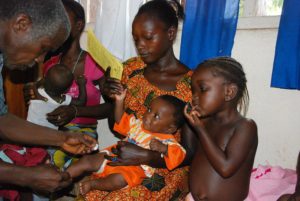
SIDS4In May 2024, the Small Island Developing States (SIDS) gathered at the fourth U.N. International Conference (SIDS4) held in Barbuda and Antigua. After being recognized internationally for their multifaceted struggles towards poverty, SIDS4 proposed the Antigua and Barbuda Agenda for SIDS (ABAS).

Disaster-Prone

SIDS are countries among the most disaster-prone areas of the world, frequently experiencing tsunamis, floods, sea-level rise and more. These factors result in the entrapment of an ongoing poverty cycle. While receiving lower levels of international development financing, about 20.7 million of the SIDS population faces poverty.

These countries reside in the Caribbean, the Pacific, and the Atlantic, Indian Ocean and South China Sea (AIS). The U.N. Office of Disaster Risk Reduction (UNDRR) has committed to numerous initiatives that invest in sustainable futures for these citizens, as disaster costs in SIDS are among the highest in the world. In the past 50 years, these countries have lost more than $153 billion on natural disaster recuperation.

ABAS was designed to build resilient economies, create prosperous societies, promote sustainable practices, and protect environmental development. Environmental concerns and natural disasters are the overwhelming priority of the U.N., due to the cumulative impacts of irregular weather patterns and natural disaster shocks.

Just in Caribbean SIDS, the UNDRR reports that between 2000 and 2022 SIDS experienced 91% of economic losses due to tropical storms, resulting in almost $32 billion in damages. While SIDS contribute less than 1% of global GHG emissions, they are the most impacted when it comes to noticeable destruction in their communities.

Poverty Rates

The United Nations Development Programme (UNDP) and Oxford Poverty and Human Development Initiative (OPHI) developed a Multidimensional Poverty Index (MPI) to determine causes and patterns in poverty rates among SIDS countries. As health and standard of living are leading contributing factors, almost 50% of the Pacific SIDS and 46% of AIS SIDS are facing poverty, according to the 2024 report.

The ABAS initiative targets preventative measures to ensure citizens will be better prepared for disasters both natural and expected. To reduce poverty, the U.N. states that they will implement “accelerated actions towards full and effective implementation of the UNFCCC and the Paris Agreement.”

The U.N. plans to support the implementation of the UAE Framework for Global Climate Resilience, operationalizing the global goal of solving natural disaster crises and reducing risks for SIDS. Another initiative to support the vulnerable population is the allocation of pre-disaster funds to build resilience and prevent a never-ending cycle of poverty.

After declaring in 1992 that SIDS were a special case regarding environment and social development, the U.N. Conference on Environment and Development committed to providing the necessary aid to meet sustainable long-term goals. With unique vulnerabilities such as small size remoteness, biodiversity loss and narrow resource space, the U.N. continues to this day to create programs of action.

The work from ABAS continues to work towards its Sustainable Development Goals (SDGs) of lessening the poverty rate in SIDS countries, policy intervention, and allowing access to international funding. Only with cross-regional research on the direct impacts of natural disasters on poverty will SIDS countries keep moving towards a more prosperous population as a whole.

– Rachael Wexler

Rachael is based in Chicago, IL, USA and focuses on Good News and Global Health for The Borgen Project.

Photo: Flickr
March 25, 2025
https://borgenproject.org/wp-content/uploads/borgen-project-logo.svg 0 0 Naida Jahic https://borgenproject.org/wp-content/uploads/borgen-project-logo.svg Naida Jahic2025-03-25 01:30:592025-03-24 03:53:09SIDS4 Brings New Hope for Small Island Developing States
Global Poverty, Health, Mental Health

Raising Awareness of Mental Health in Antigua and Barbuda

Mental Health in Antigua and BarbudaEveryone knows that mental health is just as important as physical health. That does not change the fact that mental health encounters neglect concerning overall health and well-being. Antigua and Barbuda, similar to other small Caribbean island nations, faces unique challenges in conversations focusing on mental health due to limited resources, stigma and lack of awareness. However, the government and various organizations, such as the World Health Organization (WHO) and the Antigua and Barbuda Association of Mental Health Counsellors Inc. (ABAMHC), have created public awareness campaigns and taken the steps necessary toward improving mental health in Antigua and Barbuda.

The majority of people with mental health challenges in Antigua and Barbuda are diagnosed with schizophrenia, schizoaffective disorder and depression. In 2007, only three male patients and one female patient made any visits to one mental hospital for psychiatric treatment, meaning a large number of Antigua and Barbuda citizens lived untreated. Data collected presents assessments and treatments for 174 outpatients through primary health care centers. Out of 174 patients, 114 (66%) carry schizophrenia and other related disorders, 23 (13%) mood (affective) disorders, and 8 (5%) other mental illnesses. In addition, people with mental disabilities are more likely to experience poverty. Social support groups, health care, jobs and education are not easily accessible to impoverished families to provide for the members, specifically children and adolescents, who require extra care.

Health Institutions

Care for mental health in Antigua and Barbuda is severely underdeveloped and primarily focused on confinement rather than treatment. The placement of individuals diagnosed as neurodivergent, someone whose brain processes information differently, in improperly trained health institutions, unfortunately, led to a crisis across the region, where mental health conditions proceed without formal examination, resulting in several people living without necessary care.

In addition to undertrained health institutions, there is one mental health hospital named Clarevue Psychiatric Hospital. Surprisingly, the Clarevue Psychiatric Hospital is the “sole mental health care facility in Antigua and Barbuda,” with enough space for 130 patients who are 18 years old or older. Similar to other health facilities, Clarevue Psychiatric Hospital was “ill-equipped to satisfy the mental health needs of the country.” 

Authorities and mental health specialists, like Health Minister Sir Molwyn Joseph, are stepping up to create a supportive environment for Antigua and Barbuda residents. Plans and programs are underway to construct new mental hospitals and provide appropriate training for mental health professionals. Thankfully, local leaders are passionate and persistent about positively changing other people’s lives by providing support and resources.

“When I reflected, back in 1998, I made [an] appeal…, so you can see the level of urgency,” Joseph said.

Effects of Poverty on Mental Health

Studies indicate that poverty significantly impacts mental well-being economically. Poverty and mental health in Antigua and Barbuda are intertwined as poverty leads to social stresses and trauma, and mental health can lead to impoverishment resulting in a cycle of hardships to access basic needs such as food, housing and healthcare. According to the United Nations Children’s Fund (UNICEF), 18% of Antigua and Barbuda citizens lived in poverty, and 5% were indigent in 2016. Compared to the remainder of the Eastern Caribbean, Antigua and Barbuda has a lower poverty rate than the average of 23%.

Economic hardships disproportionately affect children and adolescents. The poverty rate for children between the ages of zero and 17 is 24%, and for adolescents, it is 25%, which is higher than the rate of 16% for adults ages 18 years or older and the overall rate of 18.4%. The higher percentage among the younger population signifies an urgent call for social and economic policies to improve living conditions for vulnerable groups.

Mental Health Crisis Among the Youth

Experienced psychiatrists have expressed concerns about the mental health among the youth. “In a 2021 report showing that nearly 20 percent of teenagers in Antigua and Barbuda between the ages 13 and 15 had seriously considered taking their lives.”

Dr. Chenelle Joseph, a psychiatrist who has worked with the mental health challenges of the younger generation, has witnessed a growing mental health crisis in Antigua and Barbuda, with increasing reports of suicide idealization and mental health disruptions like depression, bullying and anxiety.

To lower the percentage of teens idealizing taking their lives, a new initiative to amplify community stability and address ascending suicide rates will launch in Antigua and Barbuda. Antiguan-born psychotherapist and former United Nations official Jamion Knight will introduce the Mango Bucket Project, the country’s first suicide prevention hotline to relieve the pressures of modern life of individuals in the Caribbean islands.

“If persons and communities across the country could make a small contribution to improving the mental fitness and resilience of the nation, we can collectively transform the lives of thousands of people who are facing significant and crushing pressures daily,” Knight said.

Mental Treatment Act of 1957

On February 7, 2025, the National Youth Parliament Association of Antigua and Barbuda (NYPAAB) hosted a debate to tackle the Mental Treatment Act of 1957, a 70-year-old piece of legislation that was enacted in various countries, including Antigua and Barbuda, to regulate the treatment and care of people with mental health conditions.

Several government officials have voiced their opinions on the Mental Treatment Act of 1957 and criticized it as insufficient for managing modern questions in mental health care services. Prime Minister Marver Woodley, Attorney General Christal Percival, and Speaker of the House Jessica Zouetr reconsidered the context of current comprehension of mental health and utilized their voices to lead some countries to call for reforms that better align with mental health care practices and rights. 

Mental Health Awareness

While the challenges to improving mental health in Antigua and Barbuda still exist, the collective efforts of the community, government and organizations signal a positive shift toward a more supportive mental health landscape. The nation’s ability to shine through as it navigates these difficulties together reminds everyone that they are not alone in their struggles.

As Antigua and Barbuda pushes forward, the need remains to maintain an environment where mental health is prioritized and celebrated. The road toward healing is bumpy, but the community strides toward a healthier, happier future with every development. The story of the mental health crisis in Antigua and Barbuda is one of hope, compassion and unwavering strength of the human spirit from which all beings should learn.

– Makayla Johnson

Makayla is based in Clayton, NC, USA and focuses on Good News and Technology for The Borgen Project.

Photo: Freepik

March 25, 2025
https://borgenproject.org/wp-content/uploads/borgen-project-logo.svg 0 0 Jennifer Philipp https://borgenproject.org/wp-content/uploads/borgen-project-logo.svg Jennifer Philipp2025-03-25 01:30:292025-03-24 03:31:05Raising Awareness of Mental Health in Antigua and Barbuda
Global Poverty, Women's Empowerment, Youth Empowerment

How SOIF Is Empowering Youth and Women in Nigeria

Youth and Women in NigeriaNigeria is an economic powerhouse in Africa. With a gross domestic product (GDP) of more than $360 million, it is one of the wealthiest countries in the region. Yet, the Nigerian population experiences significant wealth disparity. The country possesses the resources to lift its most impoverished out of poverty. Still, with 10 million children out of school and 112 million living on less than $2 per day, the cycle of poverty continues.

Youth and Women in Nigeria

Women in Nigeria experience additional inequalities among communities experiencing poverty. They are five times less likely to own land and face more obstacles to a decent education. This intersection of gender and income has led to only 25% of women in poverty attending school, with an alarming 94% illiteracy rate.

Young people seeking employment have to navigate Nigeria’s high unemployment rate, ranging from 12% to 21.5%. Oxfam International calls for stronger government efforts to address this crisis. In 2012, Nigeria allocated only 6.5% of its national budget to education, just one-third of Ghana’s expenditure. This underinvestment has led to persistent gaps in education and job training.

Single Oasis International Foundation

To address this crisis, Single Oasis International Foundation (SOIF) is uplifting women and educating youth in Nigeria. SOIF is a nonprofit that helps reduce the high unemployment rate in Africa by assisting individuals to find financial independence. It is currently focused on populations in Nigeria but is working to expand to all Africans in need.

Stable employment is a pillar of escaping poverty. This is why SOIF is committed to Goal 8 of the SDGs, which is to promote sustainable economic growth and decent work for all of a given population. Reliable work allows families to support their basic needs and build generation wealth, breaking the chains of poverty.

SOIF’s Programs for Youth and Women in Nigeria

SOIF conducts multiple programs to address specific issues among Nigerian communities. SOIF has already met great success in its efforts. It has provided nutritious food to 300 households and educational materials to 100 children. Through its curriculum initiatives, the organization has trained 900 youth and women in Nigeria and given 50 women the tools to manage their businesses.

  • Preparatory programs: The career and business preparatory programs allow women and youth in Nigeria to build skills for financial wellness and independence. These virtual courses aim to promote higher employment rates. Both programs provide students with eight virtual training sessions and the option for continued mentorship. The former bridges the employment skills gap in Nigeria and prepares students to enter the workforce confidently. In contrast, BPP motivates young people and women to open and manage independent small businesses effectively.
  • The Akara project: Business training and capital are hard to access in Nigeria, so owning a small business can be challenging. The Akara project has created a network of women in Nigeria who support one another in providing their communities with healthy, hygienically prepared food. The name “Akara,” comes from the traditional Nigerian food of fried cake made with beans or peas. These women are uplifting themselves financially and socially with the help of SOIF and improving local nutrition.
  • Rural Community Outreach program: Through RuCO, SOIF manages food and clothes banks. It collects donations of food, books and other items for redistribution to vulnerable communities, mostly women and children. Women and children in need can also access services like skills acquisition activities and health education through RuCO.

Summary

SOIF is significantly impacting Nigeria by empowering women and youth through education, job training and financial support. By addressing critical issues such as unemployment, financial literacy and food insecurity, SOIF helps individuals achieve self-sufficiency and break the cycle of poverty.

– Sarah Lang

Sarah is based in Pittsburgh, PA, USA and focuses on Technology and Politics for The Borgen Project.

Photo: Pexels

March 24, 2025
https://borgenproject.org/wp-content/uploads/borgen-project-logo.svg 0 0 Lynsey 2 https://borgenproject.org/wp-content/uploads/borgen-project-logo.svg Lynsey 22025-03-24 07:30:312025-03-23 04:20:56How SOIF Is Empowering Youth and Women in Nigeria
Children, Education, Global Poverty

Educational Disparities Among Ethnic Minority Groups in Vietnam

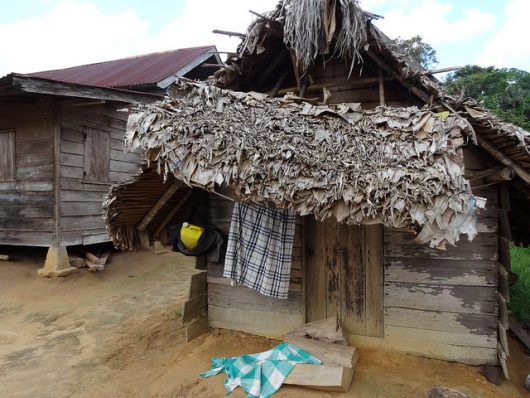
Ethnic Minority Groups in VietnamOver the past 20 years, Vietnam has prioritized education, with economic growth boosting funding from the government, international donors and parental tuition payments. These efforts are paying off, with the nation having a more than 95% literacy rate. However, education disparities still exist, especially among ethnic minority groups living in Vietnam.

Childhood Education Disparities

In Vietnam, primary schooling, covering grades one through five, is government-mandated. Secondary education consists of two levels: lower secondary (grades six through nine) and upper secondary (grades 10–12), neither of which is mandatory. In 2022, the United Nations Children’s Fund (UNICEF) and its partners reported that nearly 98% of children in Vietnam completed primary education.

However, completion rates dropped to 87% at the secondary level, with ethnic minority groups having the lowest rates (between 55%-60%). Although ethnic minorities only make up approximately 15% of Vietnam’s population, they represent the largest group of people with the lowest education, largely due to socioeconomic barriers.

Limited School Infrastructure and Language Barriers

About 86% of ethnic minorities in Vietnam live in rural and mountainous areas, where limited school infrastructure poses a significant challenge. Hazardous terrain and a lack of transportation further hinder access to education. As a result, 91% of urban children attend lower secondary school, compared to 85% in rural areas.

Vietnam is home to more than 50 ethnic minority groups, each with its own language. Many ethnic minority children struggle in lower secondary school because educational materials, including textbooks, are written in Vietnamese, a language they may not understand. As a result, more than three million ethnic minorities in Vietnam could not read or write in 2023.

Positive Changes to Address Education Disparities

Vietnam’s Politburo has announced a policy to waive tuition fees for all students from preschool to high school in the public school system nationwide, effective from the 2025-2026 academic year, starting in September 2025. This initiative aims to expand access to education and reduce financial burdens on families. Under this policy, private and nonpublic school students will receive tuition subsidies equivalent to those in public schools, with families covering any difference in fees. This move reflects the government’s commitment to ensuring equitable access to education and is expected to enhance the quality of education nationwide significantly.

Furthermore, Vietnam has collaborated with international organizations like the United Nations (U.N.) to enhance educational infrastructure and accessibility, particularly in mountainous and rural areas. The U.N. and other nonprofit organizations in Vietnam work closely with national partners to improve access to inclusive education. This collaboration leverages global partnerships, including the Global Partnership for Education (GPE), to support national initiatives to transform the education sector.

To address language barriers faced by ethnic minority children, a significant initiative was launched in March 2024. The Nippon Foundation and GPE announced a joint contribution of $5.2 million to support education for children from ethnic minorities across Vietnam. This program, implemented by Save the Children in collaboration with Vietnam’s Ministry of Education and Training, aims to provide high-quality, inclusive education by developing bilingual educational materials and training teachers to deliver instruction in native languages and Vietnamese.

These collaborative efforts underscore Vietnam’s commitment to providing equitable educational opportunities and addressing the unique challenges faced by ethnic minority children in accessing quality education.

– Kelly Chalupnik

Kelly is based in Kirkland, WA, USA and focuses on Global Health for The Borgen Project.

Photo: Flickr
March 24, 2025
https://borgenproject.org/wp-content/uploads/borgen-project-logo.svg 0 0 Lynsey 2 https://borgenproject.org/wp-content/uploads/borgen-project-logo.svg Lynsey 22025-03-24 01:30:322025-03-23 04:17:37Educational Disparities Among Ethnic Minority Groups in Vietnam
Global Health, Global Poverty

Lack of USAID and Tuberculosis in Kenya

kenya tuberculosisKenya is experiencing a resurgence in tuberculosis (TB). Thousands of Kenyans have lost access to public health care regarding Tuberculosis testing and treatments in the last month since the Trump administration eliminated foreign aid. The aid freeze went into effect on January 20, Inauguration Day. Many Kenyans have taken tuberculosis tests before the aid freeze but unfortunately have not received results due to the health program cuts. Tuberculosis is the deadliest infectious disease; in 2023 alone, 1.25 million died from TB. Half of the international donor funding for TB research and treatment came from the United States.

The U.S. personally funded TB Essentials for Kenya. With the loss of financing, public health programs have shut down, leaving many undiagnosed and suffering. Tuberculosis is fully treatable, yet with the lack of international funding, the entire program, including research, diagnostics and successful treatment, has been ceased.

Unaffordable Care

Many Kenyans live below the poverty line.  According to the UNDP report, 36% of them live below the national poverty line. This percentage is living off of less than $1 a day. This poverty rate prevents many Kenyans from obtaining basic necessities and creates many health issues. In the case of the resurgence in tuberculosis, this poverty rate is detrimental for many. A TB test can cost more than $80 and is highly inaccessible to Kenyans—the U.S.-funded testing for Kenyans and transportation for the movement of medical supplies and prescriptions, according to The New York Times. Most importantly, the U.S. paid for data management on the resurgence. TB treatments require long-term intense medication that often makes the infected feel dejected. Without constant care, it is most likely that TB patients will relapse.

In the neighborhood of Nairobi, the infected still live in their homes, spreading the disease to their families persistently. Community advocates are rallying together to protect their neighbors. TB survivor Doreen Kikuyu collects sputum samples for her neighbors and delivers them to one of the last standing labs herself. There is a lack of public health care workers to administer prescriptions to Kenyans who are not drug-resistant. TB drugs are intense; there are a dozen tests to be run on a patient to ensure their body is strong enough for life-saving treatment. A lot of Kenyans are drug-resistant and have been prescribed a rare drug concoction, according to The New York Times.

Since the foreign aid freeze,  prescriptions are not being re-stocked. TB patients must be consistent with treatment, and fall-off is a cause for a relapse in illness. It takes the average Kenyan family’s entire savings to treat TB and check those uninfected for the spread of the disease.

Survivor, Savior

The resurgence in tuberculosis resulted in almost 90,000 infections alone in Kenya in 2024. TB survivors are a trustworthy source of help for those struggling. Survivor Agnes Okose uses personal funds from her small business to fund visits to other villages to collect sputum samples and transport them to the remaining lab for testing. Twenty years ago, President George W. Bush established the Emergency Plan for AIDS Relief, setting up many clinics across Africa, The New York Times reports. These clinics have treated HIV and TB patients for the past two decades. These clinics are utterly separate from the nation’s primary medical systems. The foreign aid halt has affected this network of clinics.

African health officials claim that this has resulted in 40% more patients needing care in the primary medical systems throughout Africa, according to The New York Times. Due to the separation of the infectious disease clinics, clinicians in the primary medical systems are unaware of how to diagnose or treat HIV and TB. The resurgence in tuberculosis has left the Kenyan government grueling with no further details on how they will fix the loss of foreign funding.

Hope for surviving this resurgence and the world’s safety is that of the tuberculosis survivors in Kenya. It is unclear if foreign funding from the U.S. will return; what is constant is community care for each other and the desire to prevent tuberculosis from spreading. The Astellas Global Health Foundation works tirelessly with community health leaders to establish public health care access, specifically in Nyamaria County. Kenya’s resurgence in tuberculosis can quickly become another global pandemic with the lack of USAID. Kenyans are protecting their people, their nation, and the world.

– Mackenzie Inman

Mackenzie is based in Washington, DC, USA and focuses on Global Health for The Borgen Project.

Photo: Flickr

March 23, 2025
https://borgenproject.org/wp-content/uploads/borgen-project-logo.svg 0 0 Naida Jahic https://borgenproject.org/wp-content/uploads/borgen-project-logo.svg Naida Jahic2025-03-23 07:30:392025-03-21 14:26:30Lack of USAID and Tuberculosis in Kenya
Africa, Gender Equality, Global Poverty, Women's Empowerment

WEHAF Foundation: Knowledge is Power for Women in Tanzania

Women in tanzaniaThe women of the Maasai tribe in Arusha, Tanzania face extreme rates of poverty and violations of their human rights. Traditions and cultural norms perpetuate health risks and social injustice, diminishing their development and way of life. About 60% of women live in extreme poverty, on account of the unequal challenges they face.

These risks include Female Genital Mutilation (FGM), early marriages, vulnerable employment and unfit education on reproductive health. Indeed, as of 2016, 10% of women experienced the cultural practice of FGM. Furthermore, 35% of those women were under the age of 1.

WEHAF in Tanzania

Ensuring women in Tanzania have access to proper education and tools to fight economic and social issues was the deciding factor behind Widows Encouragement & HIV/AIDS Foundation (WEHAF). Founders Theresia Mollel and Silvia George are sisters who came together in 2016 to empower women of all ages to create a better life for themselves and their families.

WEHAF’s objectives include lobbying for human rights policy change, increasing psychosocial support services to victims of HIV/AIDS and women in need, providing legal assistance to these groups, etc. Further, most young women simply need educating on daunting practices like FGM and early marriage that propel them into adulthood. WEHAF holds workshops and open conversations surrounding FGM in Tanzania to get women equipped to overcome these hardships.

Unemployment

Along with human rights violations, these women lack the necessary resources to cultivate an adequate income. Women are more likely to participate in unpaid labor than men. The employment rate among women has dropped from 79% in 2005 to 72% in 2016.

Vulnerable employment rates, or informal work arrangements and fewer protections, have steadily stayed at a higher rate among women than men in Tanzania. In 2023, the vulnerable employment rate in women was 89.3%, with men at 77.8%. As this rate slowly decreases over time, WEHAF is building a New Mama Center to revive economic prosperity among Maasai women.

In December 2023, construction on WEHAF’s New Mama Center began in Moshono, a small suburb in Arusha, Tanzania. This facility will provide a more permanent care center for women and victims of HIV/AIDS. Furthermore, classes on menstrual hygiene practices are provided for an array of life skills that will set these women up for a successful future.

Success Story

From food packages to sewing classes, WEHAF has created real results that encourage the community in Tanzania to trust the process. One example of the sisters making an impact is through 63-year-old Aisha. She was an accomplished coal saleswoman, but after her leg was amputated, she could no longer invest in her business once the hospital bills came through. WEHAF provided two bags of coal and a food package to kick start her career again. Just one month later Aisha was flourishing once again.

The outreach programs graciously provided by WEHAF is proof that investing in the younger generation is highly important. There is a call to action regarding these women and children, through donations, volunteering or advocacy. The Mollel sisters and everyone fighting with WEHAF appreciate any efforts to break down barriers for women in poverty in Tanzania.

– Rachael Wexler

Rachael is based in Chicago, IL, USA and focuses on Good News and Global Health for The Borgen Project.

Photo: Flickr
March 23, 2025
https://borgenproject.org/wp-content/uploads/borgen-project-logo.svg 0 0 Naida Jahic https://borgenproject.org/wp-content/uploads/borgen-project-logo.svg Naida Jahic2025-03-23 07:30:122025-03-21 14:45:18WEHAF Foundation: Knowledge is Power for Women in Tanzania
Page 196 of 2162«‹194195196197198›»

Get Smarter

  • Global Poverty 101
  • Global Poverty… The Good News
  • Global Poverty & U.S. Jobs
  • Global Poverty and National Security
  • Innovative Solutions to Poverty
  • Global Poverty & Aid FAQ’s
Search Search

Take Action

  • Call Congress
  • Email Congress
  • Donate
  • 30 Ways to Help
  • Volunteer Ops
  • Internships
  • Courses & Certificates
  • The Podcast
Borgen Project

“The Borgen Project is an incredible nonprofit organization that is addressing poverty and hunger and working towards ending them.”

-The Huffington Post

Inside The Borgen Project

  • Contact
  • About
  • Financials
  • President
  • Board of Directors
  • Board of Advisors

International Links

  • UK Email Parliament
  • UK Donate
  • Canada Email Parliament

Get Smarter

  • Global Poverty 101
  • Global Poverty… The Good News
  • Global Poverty & U.S. Jobs
  • Global Poverty and National Security
  • Innovative Solutions to Poverty
  • Global Poverty & Aid FAQ’s

Ways to Help

  • Call Congress
  • Email Congress
  • Donate
  • 30 Ways to Help
  • Volunteer Ops
  • Internships
  • Courses & Certificates
  • The Podcast
Scroll to top Scroll to top Scroll to top