• Link to X
  • Link to Facebook
  • Link to Instagram
  • Link to TikTok
  • Link to Youtube
  • About
    • About Us
      • President
      • Board of Directors
      • Board of Advisors
      • Financials
      • Our Methodology
      • Success Tracker
      • Contact
  • Act Now
    • 30 Ways to Help
      • Email Congress
      • Call Congress
      • Volunteer
      • Courses & Certificates
      • Be a Donor
    • Internships
      • In-Office Internships
      • Remote Internships
    • Legislation
      • Politics 101
  • The Blog
  • The Podcast
  • Magazine
  • Donate
  • Click to open the search input field Click to open the search input field Search
  • Menu Menu

Archive for category: Global Poverty

Key articles and information on global poverty.

Agriculture, Disease, Global Poverty

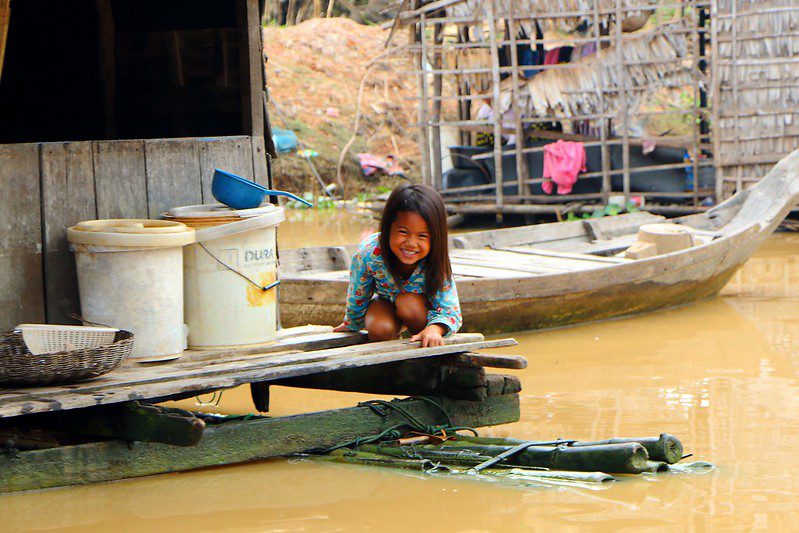
Clearing Invasive Water Weeds in Senegal Fights Disease

Clearing invasive water weeds in SenegalIn rural northern Senegal, a surprising anti-poverty strategy is taking root: cutting down invasive aquatic weeds. These plants, often seen as nothing more than a nuisance, are now at the center of a low-cost, community-led solution to two pressing issues: disease and declining farm productivity. Local villages are improving public health and raising agricultural incomes by removing vegetation that hosts disease-carrying snails and turning it into compost.

Schistosomiasis: A Barrier to Health and Economic Growth

This initiative targets schistosomiasis, a parasitic infection spread by snails that inhabit stagnant water. The disease affects more than 200 million people globally, mostly in sub-Saharan Africa. Infected individuals, especially children, suffer from fatigue, stunted growth and organ damage, which limit both education and income-generating potential. Senegal’s Saint-Louis region has long been a hotspot for the disease.

However, rather than relying solely on drug treatments, researchers from Cornell University and the University of Notre Dame partnered with eight Senegalese villages to try a local intervention: vegetation removal. Over three years, communities cleared more than 400 tons of invasive aquatic weeds from rivers, lakes and irrigation points. Within months, snail populations dropped by and schistosomiasis infections among children declined significantly.

Composting Waste Into Agricultural Wealth

The removed invasive weeds were composted and used to fertilize local crops such as onions, peppers and rice. Farmers who used the compost reported better soil quality, larger harvests and reduced need for synthetic fertilizers. As Molly Doruska, lead author of the study, explained, “This is about really thinking hard about the microeconomics in the cycle of poverty and disease, really thinking hard about households making decisions and the tradeoffs that they’re facing.”

Researchers developed a bioeconomic model to estimate the long-term impact of the intervention. The results were promising: communities that participated in vegetation removal and composting saw improved household incomes and lower rates of schistosomiasis. The low cost of implementation, using only machetes, baskets and compost pits, makes it both scalable and sustainable.

Environmental and Gender Benefits

The strategy yields environmental wins as well. Clearing invasive water weeds in Senegal helps restore freshwater ecosystems, reduces erosion and improves access to water. The composted material replaces chemical fertilizers, cutting input costs and supporting soil health. The approach also has significant gender implications. In many rural households, women are primarily responsible for water collection and caregiving. With fewer children getting sick, women could have more time for farming, education or income-generating activities.

Beyond physical health, the intervention contributes to long-term social development. Reduced infection rates mean more children can attend school regularly without suffering from the fatigue or pain associated with schistosomiasis. In addition, the project has sparked environmental awareness. In participating communities, residents now better understand the link between environmental care and health outcomes and many have begun to self-organize cleanup efforts.

Scalability Across the Continent

Experts believe this “win-win-win” model could be replicated across other parts of sub-Saharan Africa where schistosomiasis and aquatic vegetation are prevalent. Since the required tools are simple and the work is labor-based, it can be easily adapted to local conditions. It also aligns with several Sustainable Development Goals (SDGs), including No Poverty, Good Health and Well-being, Gender Equality and Life on Land.

Clearing invasive water weeds in Senegal has proven that locally driven, low-cost interventions can have wide-reaching benefits. By removing harmful plants and turning them into a resource, communities reduce disease and invest in their economic futures. In the global fight against poverty, sometimes the most effective tools are machetes, compost piles and a little teamwork.

– Mamie Hirsh

Mamie is based in Berkeley, CA, USA and focuses on Good News and Celebs for The Borgen Project.

Photo: Flickr

July 28, 2025
https://borgenproject.org/wp-content/uploads/borgen-project-logo.svg 0 0 Lynsey 2 https://borgenproject.org/wp-content/uploads/borgen-project-logo.svg Lynsey 22025-07-28 01:30:132025-07-27 16:19:41Clearing Invasive Water Weeds in Senegal Fights Disease
Disability, disability and poverty, Global Poverty

A Brief Overview of Disability and Poverty in Angola

Disability and poverty in AngolaAngola, a Portuguese-speaking country located in southwestern Africa, records a history of prolonged civil conflict and high poverty rates. These two situations result in the phenomenon of war-based disability and poverty in Angola, which profoundly influences the development of Angolan society in the present day.

Background

In the 1970s, Angola fought a war of independence against Portuguese colonial rule, followed by a prolonged civil war between rival political factions until 2002. This extended period of conflict left behind a large population of disabled individuals and severely damaged the country’s infrastructure and potential for economic development.

As of 2018, approximately 53% of Angola’s population earns less than $3.65 daily. The majority of this vulnerable population resides in rural areas, which, incidentally, were also the most heavily impacted by military action during the Civil War period. The land still bears marks of physical destruction, including destroyed infrastructure and other dangers affecting the population.

The presence of unexploded ordnances such as landmines is of particular concern: between 60,000 and 88,000 Angolans have been injured by landmines. However, the number is likely higher due to underreporting. Reports suggest that there are as many as 1,000 minefields left in Angola. Given the lack of reliable data and access to survivors, it is even more challenging to ascertain the extent of war-related psychological disabilities, such as PTSD.

At the same time, compensation is practically nonexistent: military veterans are entitled to pensions equivalent to $67 per month. However, even this relatively minor payment is only issued to a small percentage of eligible recipients. The Angolan government has similarly failed to deliver housing and infrastructure development promises.

Addressing the Problems

International organizations and aid groups have worked to alleviate problems relating to disability and poverty in Angola. The HALO Trust, a British charity that works to clear away explosives in former conflict areas, has been active in Angola since 1994. It reported eliminating 123,000 landmines as of 2025.

These efforts have helped restore access to farmland, schools and roads, reducing injury risks and improving livelihoods, especially for communities where landmine-related disabilities remain common. HALO’s work also supports Angola’s broader goals of rural development, poverty reduction and rehabilitation for those injured during the conflict.

Mine clearing operations are directly connected to infrastructure work. For example, it would permit the development of the so-called Lobito Corridor, a railway project linking the resource-rich African interior to the Angolan port of Lobito, facilitating mineral exports and providing economic opportunities for Angolans.

Conclusion

Disability and poverty in Angola go hand in hand. Clearing landmines would not only reduce injuries and disabilities but also support rebuilding efforts. These advances may help to restore economic productivity across the country. At the same time, greater involvement from authorities, particularly toward investing in issues that originate from the war’s legacy, will help improve the life quality of Angolans.

– Rafael Saavedra

Rafael is based in San Antonio, TX, USA and focuses on Politics for The Borgen Project.

Photo: Flickr
July 27, 2025
https://borgenproject.org/wp-content/uploads/borgen-project-logo.svg 0 0 Lynsey 2 https://borgenproject.org/wp-content/uploads/borgen-project-logo.svg Lynsey 22025-07-27 13:00:082025-07-27 03:22:36A Brief Overview of Disability and Poverty in Angola
Global Poverty, Health, Women

How Liberian Women Are Closing the Maternal Health Gap

Women are closing the maternal health gapLiberia’s health care system, devastated by civil war and the 2014–2015 Ebola outbreak, suffers from one of the highest maternal mortality rates globally, 628 deaths per 100,000 live births. Nonetheless, after the crisis, Liberian women are closing the maternal health gap and quietly spearheading a transformation.

Through decentralized networks of midwives, traditional birth attendants (TBAs) and grassroots advocates, they fill the gaps left by a fractured health system. Backed by nongovernmental organizations (NGOs) such as Last Mile Health, CARE Liberia and Mercy Ships, these women are lowering maternal mortality rates while challenging gender and political obstacles. Their approach, based on trust and cultural understanding, serves as a worldwide model for recovery in post-conflict settings.

Grassroots Networks: Midwives and TBAs on the Frontlines

In rural Liberia, where 44% of women deliver at home without skilled assistance, community health workers (CHWs) and TBAs are crucial. Initiatives like Last Mile Health have trained thousands of CHWs to provide prenatal care, make emergency referrals and treat malaria, reaching more than one million people in remote areas. Meanwhile, TBAs, often the only providers in villages, now collaborate with clinics through programs that combine traditional knowledge with medical training.

The Liberia Midwifery Program, supported by the World Health Organization (WHO) and the United Nations Development Fund (UNFPA), has expanded rural midwifery schools. The project achieved this, though shortages remain, with fewer than 200 midwives serving four million people. “We need midwives who can ensure safe pregnancies before conception,” Bentoe Tehoungue of the Liberian health ministry says. These efforts yield results: maternal mortality has decreased by 64% since 2000, demonstrating the impact of community-driven care.

Women’s Advocacy

Liberian women are closing the maternal health gap as they are not merely caregivers but also policymakers. Female-led local health committees actively lobby for improved clinics and higher midwife salaries. CARE Liberia supports these efforts through its Women’s Voice and Leadership program, which trains women to hold health budgets accountable.

Although patriarchal resistance is still strong, signs of progress are evident. For instance, in 2019, the Liberian Board for Nursing and Midwifery updated its curriculum to emphasise midwives’ roles as leaders, not just service providers. These changes illustrate a broader pattern: when women spearhead recovery efforts, the solutions tend to be more sustainable.

NGO Partnerships: Scaling Local Solutions

International allies offer vital support without replacing local expertise. Mercy Ships, active in Liberia since 2005, trains surgeons and donates equipment to tackle obstetric emergencies such as fistulas. Meanwhile, Last Mile Health helped establish Liberia’s National Community Health Program in 2016, which has become a global model for CHW systems. Challenges remain with USAID funding cuts straining services, but Liberian women maintain resilience.

Looking Forward

Liberia’s maternal health crisis persists, but women are closing the maternal health gap and have demonstrated that community trust can outperform top-down solutions. By blending traditional knowledge with modern health care, pushing for policy reforms and forming NGO collaborations, they save lives and reshape health care leadership. Their approach offers valuable lessons for societies recovering from crises: lasting change starts with those who understand the needs most.

– Emilia Bartle

Emilia is based in Watford, UK and focuses on Good News and Politics for The Borgen Project.

Photo: Wikimedia Commons

July 27, 2025
https://borgenproject.org/wp-content/uploads/borgen-project-logo.svg 0 0 Lynsey 2 https://borgenproject.org/wp-content/uploads/borgen-project-logo.svg Lynsey 22025-07-27 13:00:002025-07-27 03:26:35How Liberian Women Are Closing the Maternal Health Gap
Child Marriage, Global Poverty, Women's Empowerment

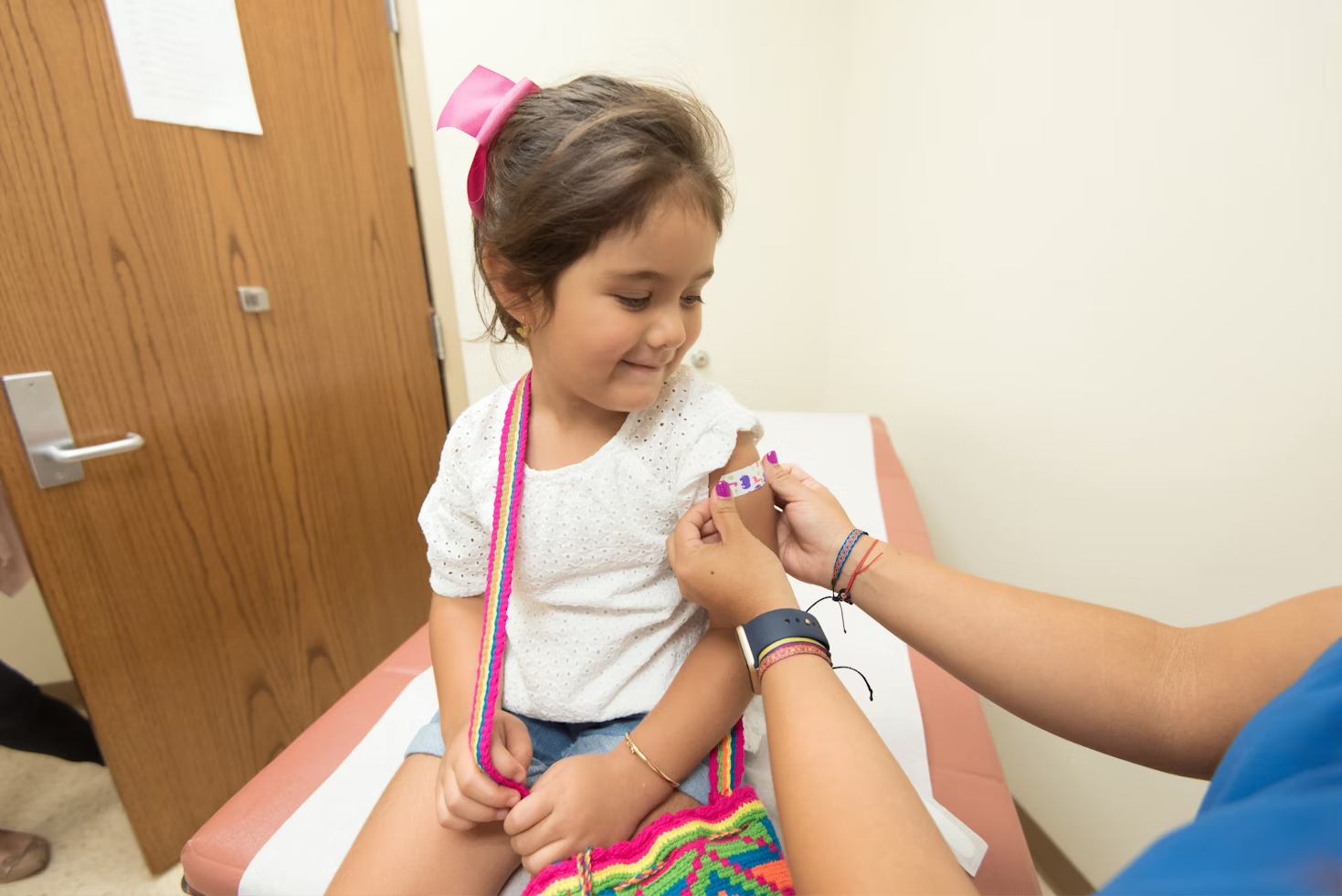
Ending Child Marriage in Madagascar

Child Marriage in Madagascar

Archaic gender norms and inequalities have been around for centuries. These inequalities still permeate Madagascan culture, leaving young girls under 18 vulnerable to fall victim to child marriages. In 2020, the total number of girls married before the age of 18 was a staggering 12 million per year. 

It is often the context in developing countries like Madagascar that others see girls as women as soon as they begin menstruating, so can begin their duties as a mother and a wife with immediacy. However, girls can start their period as young as 8 years old, at an age where their brain is not even one-third developed yet. 

Who Is Vulnerable?

Girls facing extreme levels of poverty are the most susceptible to child marriage in Madagascar. Nearly 40% of girls in the world’s poorest countries are victims of child marriages; this is twice the global average. This is because impoverished families see marriage – particularly to a wealthier man – as a way to achieve financial security. Poorer regions, such as Toliara, show the highest rates of child marriage in Madagascar. In Toliara, 69% of girls marry before the age of 18.

Low access to education also assists the prevalence of the child marriage route. If getting a substantial education is not feasible for girls in a developing country, families will see marriage for income as their only option. It is often the case that parents will invest in the education of their sons over their daughters if they have limited resources; this choice leaves girls vulnerable to falling victim to their families using them as a commodity in a child marriage.

Solutions To End Child Marriage in Madagascar

Charities like UNICEF and UNFPA are helping in the fight to end child marriage in Madagascar. Despite the introduction of the Law on Marriage and Matrimonial Regimes in 2007 – which sets the minimum age for marriage at 18 for both girls and boys – child marriage practices are still in place in Madagascan communities. Examples of this include “moletry,” which is the marriage of a young girl to an older man for the payment of money to the child’s family, and “tsenan’ampela,” an active girls’ market for prostitution.

However, there is still hope. The Madagascan government has committed to eliminate child marriage by 2030. The United Nations’ Sustainable Development Goal 5.3 lays this out – to achieve gender equality and empower all women and girls. Tools that are undergoing development with UNICEF to implement the national strategy include orienting government officials at a regional level, to guide local authorities in developing and implementing action to eliminate child marriage.

The Life Skills Framework

The Life Skills Framework – which focuses on self-awareness skills and community living – was implemented in several Madagascan communes with above average child marriage rates in the early 2020s. UNICEF is making efforts to prioritize the most vulnerable children and families, such as those in poverty with daughters susceptible to falling victim to an arranged marriage. This program explores topics such as the risk of child marriage, the challenges of young parenting and protecting oneself against violence and exploitation. There is a heavy focus on the rights of the child and the illegality of child marriage in the current day.

The implementation of the program long-term may pose an issue, as UNICEF is directly injecting funds instead of the government. It is simply not economically viable for the Madagascan government to prioritize child protection over all else. Nonetheless, this program has been largely successful in its implementation thus far. Men and boys learn about positive masculinity and the effect of the patriarchy on young girls, which would be an otherwise foreign topic to them. Between January 2020 and February 2021, the program reached almost 10,000 children across Madagascar, and from 2021 to 2024, child marriage rates have dropped from 38.8% to 32.4%. However, without funding, this program will have difficulty reaching all of the communities that it should.

Looking Ahead

Child marriage in developing countries is as pervasive an issue today as it has been for centuries. However, the statistics show that the rate of child marriage in nations like Madagascar is steadily decreasing. If initiatives like the Life Skills Framework receive support from communities and governments, the fight to end child marriage can be won.

– Sarina Maloy

Sarina is based in Bath, UK and focuses on Good News and Global Health for The Borgen Project.

Photo: Unsplash

July 27, 2025
https://borgenproject.org/wp-content/uploads/borgen-project-logo.svg 0 0 Jennifer Philipp https://borgenproject.org/wp-content/uploads/borgen-project-logo.svg Jennifer Philipp2025-07-27 07:30:452025-07-27 03:11:46Ending Child Marriage in Madagascar
Global Poverty, Health

Medical Aid in Jordan Receive Major Upgrades

Medical Aid in JordanJordan, a developing nation, continues to face challenges within its health care system. Like much of the world, the country was significantly impacted by the COVID-19 pandemic. The virus remains one of the leading causes of death in Jordan. Consequently, according to the World Health Organization (WHO), the nation experienced a decline in life expectancy, dropping from 79.8 years in 2019 to 75.6 years by 2021.

Beyond the direct health toll of COVID-19, which continues to affect the population, Jordan experienced a significant economic downturn during the pandemic. While tourism is not the country’s primary source of revenue, widespread closures of restaurants and local businesses highlighted the pandemic’s broader economic impact. Reduced consumer activity and a sharp decline in domestic and international visitors contributed to revenue losses across multiple sectors.

As a result, poverty levels in Jordan rose during and after the pandemic. According to the World Bank, 15.7% of the population now lives at or below the national poverty line. In comparison, the poverty rate stood at 14.4% in 2010, reflecting a marginal but notable increase over the past decade.

Medical Tourism in Jordan

Beyond its reputation for agriculture and natural beauty, Jordan is also widely recognized for its health care system. It ranks first in the Middle East for health services due to its well-regarded Western‑educated physicians and advanced medical facilities.

Medical tourism is a significant pillar of Jordan’s economy, generating more than $1 billion in revenue annually. It accounts for approximately 4% of the nation’s GDP. The sector has also created jobs for thousands of Jordanians, especially medical professionals.

Medical Aid Centers in Jordan

Medical aid centers in Jordan have increased recently, with the government upgrading six regional medical warehouses in Irbid, Jordan. According to Firas Hawari, the Health Minister of Jordan, “the new warehouses and vaccination center are part of broader efforts to modernize Jordan’s health care infrastructure, ensuring the efficient and equitable distribution of medicines and vaccines.”

The aim of upgrading Jordan’s medical warehouses is to improve access to efficient, high-quality health care services for medical professionals and the public. These upgrades focus on expanding storage capacity for essential supplies, such as vaccines, medications and medical equipment, thereby enabling streamlined distribution across health care facilities in the country.

Following the successful upgrade of the medical warehouse in Irbid, Jordan extended similar improvements to four additional facilities in Ma’an. Jordan implemented the upgrades through a partnership between the Jordanian Ministry of Health, the European Union (EU) and the WHO, further reinforcing the country’s robust health care system.

Jordan’s broader objective is to achieve universal health care coverage for its citizens and everyone else residing within its borders. To support this goal, the government allocated an estimated 850,000 Jordanian dinars (approximately $1.2 million) for the recent upgrade of its medical warehouses. These infrastructure improvements were completed by the end of March 2025, a key step in strengthening the country’s health care delivery system.

Looking Ahead

The expansion of warehouse upgrades across the country is expected to enhance health care delivery significantly. By increasing storage and distribution capacity, Jordan aims to ensure more affordable and accessible health care services. Furthermore, the upgrades are particularly for vulnerable populations, including refugees and citizens who depend on regular access to medication.

– Erin Lee

Erin is based in Queens, NY, USA and focuses on Global Health for The Borgen Project.

Photo: Flickr
July 27, 2025
https://borgenproject.org/wp-content/uploads/borgen-project-logo.svg 0 0 Lynsey 2 https://borgenproject.org/wp-content/uploads/borgen-project-logo.svg Lynsey 22025-07-27 07:30:262025-07-27 03:16:37Medical Aid in Jordan Receive Major Upgrades
Disability, disability and poverty, Global Poverty

Addressing Disability and Poverty in Kazakhstan

Disability and Poverty in KazakhstanKazakhstan, which gained its independence from the USSR in 1991, has been making efforts to operate on the world stage for many years. A country the size of Western Europe, it now has the biggest economy in Central Asia, thanks to huge reserves of oil, natural gas and minerals. Its first Constitution was created in 1993, but it was not until the 2010s under the “Kazakhstan 2050” program that it aimed to transform the country into one of the 30 most developed countries during the 21st century. How it compares to other developed countries in the implementation of things like government social security programs, particularly for those struggling with disability and poverty in Kazakhstan, however, has reportedly been lagging behind, though there are those who are trying to help.

The official report shows that 5.3% of Kazakhstan’s population is below the poverty line, though it is estimated that almost 50% of the nation survives just above the poverty line. Additionally, it shows that about 750,000 people are living with a disability in Kazakhstan, which includes 101,000 who are children under 18 years old. As of 2022, there were about 36,000 new cases of cancer, whereas 0.4% experienced blindness as of 2025 and about 150,000 people had hearing or hearing-related impairments.

Human Rights Watch: Holding Kazakhstan Accountable

A recent that the Human Rights Watch did looked into the condition of poverty and disability in Kazakhstan, particularly the role of Targeted Social Assistance (TSA). TSA is a state-led program that Kazakhstan implemented in 2001, which aims to give financial assistance to individuals and families with a monthly average per capita income below the poverty line. However, findings determined there were significant hitches to the TSA program.

TSA, which serves almost 1 million citizens of Kazakhstan, is designed to provide financial aid to the nation’s poor and disabled people through monthly payments and they have opened social centers which provide legal and financial services as well as free training programs. However, the 2022 study reported that there have been problems with widespread stigma for people with disabilities who seek aid from TSA, a lack of education (especially in rural areas) regarding the opportunities for TSA benefits and an application system that makes it hard to sign up.  

“A relatively prosperous country such as Kazakhstan should be able to step up and meet its human rights obligations to ensure that everyone has access to social security that offers an adequate standard of living,” Hugh Williamson, the Europe and Central Asia director at Human Rights Watch said. “At present, meager payments, bureaucratic hurdles, and stigma mean this is not happening.”

Stigma and Discrimination

Another recent study, a research study called “Disability, Livelihood and Poverty in Asia and the Pacific,” by the ESCAP Social Development Division, under the overall direction of Nanda Krairiksh, which included Kazakhstan among eight other countries, showed Kazakhstan doing favorably in comparison to countries like Fiji and the Republic of Korea. However, the study also highlighted that there are low numbers of people struggling with disability and poverty in Kazakhstan attending public or even private schools. According to a 72-page report entitled “On the Margins:” Education for Children with Disabilities in Kazakhstan” published in 2019, the education system segregates and isolates children with disabilities, teach children in separate classrooms, when they can make it to school and their closed psychiatric institutions receive very little or no education.

The ESCAP study generally showed that poverty in different countries often leads to disability and disability often leads to poverty, a compounding problem, and that access to social security benefits and gainful employment, when possible, is the key to stability—39% of people with disabilities are employed in Kazakhstan, with most of the people working in the research sector. Beyond that, “Policy should not only build and expand on the resources and opportunities that persons with disabilities have, but also remove the barriers that they face, including stigma and discrimination,” a rife issue that the Human Rights Watch found with Kazakhstan’s TSA program and society in general.

Solutions

There are those in Kazakhstan who are trying to use their experience with poverty and disability to better the conditions in the country for others in the same circumstances. Two such champions are Zhannat Yessmaganbetova, who lives in the western city Atyrau, and Roza Akzharkenova, who lives in the southeast. Zhannat, who considers that her own disability created the patience and fortitude to make her the perfect advocate, has been addressing issues like urban infrastructure and social space, dealing with details like access to state facilities by means of ramps, lifts and appropriate places for consultation. Roza is addressing the same issues in her region of Kazakhstan and also advocating for more research into a situation that she believes is more widespread and urgent than most people believe. 

The way advocates like Roza and Zhannat come at the issue from several directions in an effort to make social security programs like TSA more accommodating and accessible for people who struggle with disability and poverty in Kazakhstan, seem to be Kazakhstan’s road to keeping up with developed countries. Kazakhstan is catching up with modern expectations for how to deal with poverty and disability, after years of having almost no systematic research or international accountability. Studies by the likes of the Human Rights Watch and ESCAP, as well as figures like Zhannat Yessmaganbetova and Roza Akzkarkenova, have attempted to better the conditions for those dealing with disability and poverty in Kazakhstan.

– Gregory Walker

Gregory is based in York, PA, USA and focuses on Global Health for The Borgen Project.

Photo: Flickr

July 27, 2025
https://borgenproject.org/wp-content/uploads/borgen-project-logo.svg 0 0 Jennifer Philipp https://borgenproject.org/wp-content/uploads/borgen-project-logo.svg Jennifer Philipp2025-07-27 03:00:532025-07-27 03:04:32Addressing Disability and Poverty in Kazakhstan
Child Poverty, Global Poverty, Technology

Rwanda CHWs Child Survival: Volunteers Reduce Child Deaths

Rwanda CHWs child survivalRwanda’s community health worker model, widely known as “Rwanda CHWs child survival,” drove the nation’s under-5 mortality rate to plummet from 158 deaths per 1,000 live births in 2000 to about 40 in 2023, a drop exceeding three-quarters. That feat makes Rwanda one of only four low-income nations to clear the 75 % benchmark since 2000.

Life-Saving Trios in Every Village

At the core of Rwanda’s child survival strategy is a network of about 45,000 CHWs, three elected volunteers in each of the country’s nearly 15,000 villages. The “binôme,” a male-female CHW pair, treats common childhood illnesses such as malaria, diarrhea and pneumonia, diseases that pose serious risks to young children. Meanwhile, a female maternal health worker monitors every pregnancy from the first trimester to postpartum.

Most recruits complete about three months of intensive classroom and hands-on instruction in integrated community case management, maternal-newborn care, nutrition counseling and family-planning services. They must score at least 80 % on a post-course exam before being certified; brief refresher modules update drug protocols and data-reporting skills each year.

Cash for Results Keeps Quality High

Since 2009, Rwanda’s Ministry of Health has operated a community performance-based financing (cPBF) scheme that sends group bonuses directly to legally registered CHW cooperatives. These quarterly bonuses, wired through the Ministry of Economy and Finance, are released only after each group meets specific maternal and child health targets.

Under the original split, 30% of every payment went to individual workers and 70% stayed in the co-op account to build capital. Co-ops invest that reserve in income ventures and about 52.7% choose livestock projects such as dairy goat or poultry sheds. In contrast, others buy bicycles, maize mills, or seeds for micro-loan funds.

Profits boost household income and keep attrition low, while the promise of the next bonus keeps each village team laser-focused on service coverage and timely referrals.

RapidSMS: A Text That Saves a Life

A 2018 nationwide evaluation reported that Rwanda’s CHWs fired 9.3 million RapidSMS messages between 2012 and 2016, flagging births, danger signs and supply gaps in real-time. Those real-time alerts let supervisors dispatch antibiotics, restock bed nets and organize ambulances faster, raising antenatal care, facility delivery and post-natal rates in the districts studied.

Scaling Up Again

Rwanda is digitizing its frontline workforce by formulating an electronic Community Health Information System (eCHIS). It was built in 2023 and a pilot has already helped train 600 community health workers across three districts to capture visits on a smartphone app.

Also, on May 30, 2025, Rwanda’s Health Ministry rolled out a new AI-powered mobile platform to train and support all 58,567 CHWs on their smartphones, replacing costly face-to-face workshops. The system links each visit to the community electronic medical records (cEMR) database so supervisors can track patient trends and drug stocks in real-time.

Conclusion

Rwanda’s experience proves that community trust, modest pay for performance and real-time data can significantly reduce child deaths. Health ministries that are struggling with high under-5 mortality now have hope to combat it, especially with the Rwanda CHWs child survival model.

– Arabella D’Aniello

Arabella is based in The Hague, Netherlands and focuses on Good News for The Borgen Project.

Photo: Wikimedia Commons

July 27, 2025
https://borgenproject.org/wp-content/uploads/borgen-project-logo.svg 0 0 Lynsey 2 https://borgenproject.org/wp-content/uploads/borgen-project-logo.svg Lynsey 22025-07-27 03:00:442025-07-27 03:01:17Rwanda CHWs Child Survival: Volunteers Reduce Child Deaths
Disability, disability and poverty, Global Poverty

Disability and Poverty in Trinidad and Tobago

Disability and Poverty in Trinidad and Tobago Despite Trinidad and Tobago’s status as one of the Caribbean’s wealthiest nations, subpopulations of the islands continue to face impoverishment. While Trinidad and Tobago have financial assistance programs in place, these programs are not always enough to counteract disability as a determiner of socioeconomic status. The government of Trinidad and Tobago does however recognize this intersection of disability and poverty. Here is information about disability and poverty in Trinidad and Tobago.

Disability on the Rise

Consistent with international trends, an aging population in Trinidad and Tobago has led to an increase in individuals living with disabilities or chronic diseases. Recent figures show that roughly 5% of the nation’s population has a disability. For a small country of 1,300,000 citizens, that means that 52,000 individuals are living with a disability. About 6% of this figure is believed to be children, accounting for around 3,000 members of the population, although a lack of early detection likely skews these numbers.

Disenfranchisement of the Disabled

The medical or charity model is the persistent model for disability treatment in Trinidad and Tobago. The medical and charity model of disability largely ostracizes the disabled community. This is due to the conceptualization of disabled individuals as other and dependent. As a strategic analysis of disability in Trinidad and Tobago has suggested, disabled individuals experience consistent disenfranchisement and exist on the peripheries of society due to prevailing social, legal and economic barriers to social integration. This social positioning acts as a financial determiner, as there is a lack of systemic support for disabled individuals to be independent income earners. As the United Nations specifies in their strategic analysis, “poor access to essential services like health care, education, employment, and transportation[…]have led to poor economic outcomes and the inability of [people with disabilities] to live self-determined lives.”

Impact of COVID-19 on Disability and Poverty in Trinidad & Tobago

The COVID-19 pandemic that began in 2020 exacerbated these institutional and social barriers. While the entirety of the population was facing disruption to their employment and ability to receive an education, individuals with disabilities were particularly impacted. Many people with disabilities faced increased health risks from COVID-19 and during this time many support systems that are usually in place for the disabled community were unable to effectively function.

Government Assistance Programming

Trinidad and Tobago has several governmental ministries that provide assistance to individuals with disabilities, the most prominent of which is the Ministry of Social Development and Family Services. This ministry includes the dedicated Disability Affairs Unit and provides the Disability Assistance Grant to disabled adults who are unable to earn a living due to their disability. In 2019, the Ministry of Social Development and Family Services also introduced a grant for minors with disabilities to assist families in receiving costly services related to their child’s disability.

Institutional and Governmental Improvements

In addition to these existing social services for disabled individuals, the government of Trinidad and Tobago made a commitment in 2018 to update their policies surrounding the disabled population. The National Policy on Persons with Disabilities stands as a prominent component of the Government of Trinidad and Tobago’s Vision 2030 National Development Strategy. This policy recognizes how disability and poverty are related and has a newfound focus on improving the quality of life and social experience of disabled individuals. The policy recommends education, awareness raising, improved health care and health care access, transportation, housing and employment opportunity among other systematic improvements. The goal of these reforms is to improve not only the quality of life for disabled individuals, but also provide social integration and a form of justice to a community that has historically faced disenfranchisement and ostracization.

Looking Ahead

Historically, disability and poverty have been deeply interconnected in the Caribbean. However, recent legal and social developments aim to change the experience of disabled individuals in Trinidad and Tobago. In the wake of COVID-19 and with a changing understanding of the disabled community, the nation seeks to reform their treatment of the disabled population. As the policy states, the primary goal of these changes is to “protect and promote the human rights of all persons with disabilities.”

– Gwyneth Connor

Gwynethis based in Kensington, MD, USA and focuses on Global Health for The Borgen Project.

Photo: Pixabay

July 26, 2025
https://borgenproject.org/wp-content/uploads/borgen-project-logo.svg 0 0 Jennifer Philipp https://borgenproject.org/wp-content/uploads/borgen-project-logo.svg Jennifer Philipp2025-07-26 07:30:242025-07-25 16:52:14Disability and Poverty in Trinidad and Tobago
Disease, Global Poverty, Health

Diseases Impacting Egypt

Diseases Impacting EgyptEgypt, a country known for its pyramids and ancient civilizations, is facing a public health crisis. Sanitation, lifestyle habits and limited health care access, which are all characteristics of poverty, have led to multiple diseases impacting the Egyptian population. Ischaemic heart disease, kidney disease, liver disease and strokes are the prominent diseases impacting Egypt. Though these illnesses are among the top leading causes of death in Egypt, there are organizations and researchers that are successfully making a change that incorporates ending poverty.

Ischaemic Heart Disease (IHD)

IHD is the leading cause of death in Egypt. Commonly known as coronary artery disease, the AHA describes it as heart damage due to narrowed heart arteries. According to the World Health Organization (WHO), it is responsible for 129.3 deaths per 100,000 in Egypt. Poor diet and low physical activity are both factors that can cause IHD and are also caused by poverty. Low-income communities are more likely to be exposed to unhealthy lifestyles like poor nutrition and limited health care access because of financial instability.

To fight this disease and any others, poverty has to be addressed. Extending clinics to rural regions with affordable care options will help fight the problem. Community education programs will bring awareness about diseases impacting Egypt and aid prevention. To raise awareness, the Egypt Healthcare Authority and the Egyptian Society of Cardiology teamed up to start the “Discover the Undiscovered” campaign. By partnering with 45 health facilities, they have been able to bring vast awareness to this dominating disease. Not only will each of these actions help IHD victims, but it also actively combats poverty.

Kidney Disease

Chronic kidney disease has become an increasing health concern for the adult population and is high among the diseases impacting Egypt. It has become so prevalent that it is among their leading causes of death. According to the Mayo Clinic, chronic kidney disease is the gradual loss of kidney function.

Limited health care access and the lack of annual screenings result in most of their diagnoses occurring at severe stages. Issues due to poverty like contaminated water, limited health screenings and low health literacy have all contributed to the rise in kidney disease. Polluted water can damage kidneys over time, and the effects are more dangerous in areas where there is no proper filtration. In underdeveloped areas, there is a low health literacy and limited access to health care, which leads to a lack of health screenings, and results in the disease advancing. Clean water access, early screening and awareness programs are ways to fight poverty as well as addressing the rise of kidney disease.

The Egyptian Society of Nephrology and Transplantation has begun a mission to raise awareness, gain early detection and research into kidney disease. They have successfully collaborated with other medical societies to exchange knowledge and gain expertise. These efforts have made changes to health access and ending poverty.

Cirrhosis of the Liver

Another disease that is taking hold in Egypt is liver disease, more specifically cirrhosis of the liver. According to the Mayo Clinic, cirrhosis disease causes the advanced scarring of the liver. The most likely cause of cirrhosis is typically alcohol consumption or hepatitis. Poor sanitation, lack of health care access and poor nutrition are poverty factors that have contributed to the rise of this disease. 

The Egyptian Association for Research and Training in Hepato-Gastroenterology (EARTH) aims to advance research and improve treatment for the millions of Egyptians who have liver disease. They have been able to foster research that has led to improved treatment options. EARTH has organized educational conferences with other medical organizations to exchange the latest clinical practices and innovations. They also use peer networking to communicate new knowledge and discoveries that through time leads to research findings that combats this disease. With these new efforts, they are building a stronger domestic health care system by reducing the dependence on foreign aid and making treatment more affordable and accessible. 

Stroke

Strokes are also among the diseases impacting the Egyptian population. According to the Cleveland Clinic, a stroke is a disease in which a blood clot or broken vessel prevents blood from getting to your brain. Low health literacy and financial problems that feed into poverty issues have led to treatment delays, thus the acceleration of the disease. Establishing stroke-ready hospitals in rural areas as well as adapting health care access to reasonable levels will fight strokes and poverty.

The Ain Shams Neurology is an Egyptian research department that has made progress in the research and treatment of stroke victims. Ain Shams established the first stroke units in Egypt, and it remains among the leading units in the country. It has not only been able to treat and manage patients, but the department also provides education programs for students. 

Looking Ahead

The people of Egypt face numerous health concerns. The diseases impacting Egypt are in fact poverty-linked. Fighting poverty as well as disease takes time and resources that Egypt is actively trying to find. Through this hardship, there have come many organizations that have fought to help the sick. Researchers have made substantial progress with the research of these diseases, bringing unprecedented attention and progress to Egyptian health care, and in ending poverty as well. 

– Emily Herlehy

Emily is based in Denton, TX, USAand focuses on Global Health for The Borgen Project.

Photo: Unsplash

July 26, 2025
https://borgenproject.org/wp-content/uploads/borgen-project-logo.svg 0 0 Jennifer Philipp https://borgenproject.org/wp-content/uploads/borgen-project-logo.svg Jennifer Philipp2025-07-26 03:00:462025-07-25 16:50:35Diseases Impacting Egypt
Gender Equality, Gender Wage Inequality, Global Poverty

Tackling the Gender Wage Gap in Kazakhstan 

Gender Wage Gap in KazakhstanKazakhstan, the largest economy in Central Asia, has achieved notable advancements in enhancing women’s access to education and formal employment. However, the gender wage gap in Kazakhstan endures, with women consistently earning less than men in the majority of industries. This imbalance constrains economic progress and perpetuates obstacles in attaining fair labor conditions.

Overview of the Gender Wage Gap in Kazakhstan

Kazakhstan has achieved near-parity in education, yet there is still a large wage gap between men and women. In the World Economic Forum’s 2024 Global Gender Gap Report, the nation had an overall score of 0.710, placing it 76th out of 146 nations. With a score of 0.751 for Economic Participation and Opportunity, it shows modest advancements in workforce participation but persistent differences in leadership positions and pay.

According to the United Nations Development Program (UNDP), which cites Kazakhstan’s Bureau of National Statistics, men continuously earn more in almost every industry, with the average gender pay gap narrowing to 21.7% in 2021 before widening again to 25.2% in 2022.

The Asian Development Bank (ADB) reports that, on average, women in Kazakhstan only make 67% of what men do, with the disparity being particularly noticeable in high-paying industries like banking, construction and transportation. The research also emphasizes how under-representation in leadership positions and vocational segregation exacerbate this disparity.

Contributing Factors

A closer look at the factors influencing Kazakhstan’s gender pay wage identifies a number of recurring problems:

  1. Industrial and Occupational Segregation: Women’s over-representation in lower-paying sectors and under-representation in high-paying industries contributed to the wage gap’s consistent 30% level, according to a 2024 research that looked at Kazakhstan from 2011 to 2019. Additionally, the investigation identified “industrial segregation” as one of the primary reasons for the wage gap.
  2. Sticky Floors and Glass Ceilings: Experts point to structural trends such as the “sticky floor,” which traps women in low-paying jobs and the “glass ceiling,” and restricts their access to senior positions. Corporate and social conventions play a major role in creating these obstacles.
  3. The Cost of Motherhood and Unpaid Care Work: Due to workplace prejudice, shortened workdays and career disruptions, mothers in Kazakhstan have financial disadvantages. According to other research, women devote a disproportionate amount of their time to unpaid domestic labor, which exacerbates economic inequality.
  4. Stereotypes Based on Culture and Gender: Traditional gender norms remain widespread in Kazakhstan. According to a UNDP poll, 96% of participants had at least one prejudice against women, such as the idea that men are more qualified for positions of leadership and business. Gender stereotypes restrict women to jobs associated with maternity, childcare and unpaid domestic work, which hinders their ability to progress professionally, according to research on female civil service executives.

Despite Kazakhstan’s high levels of female education and employment access, the pay disparity is maintained by a combination of overlapping structural factors, including caregiving duties, leadership restrictions, industry segregation and deeply rooted prejudices.

Innovation & Solutions

Across Kazakhstan, government bodies, international organizations and civil society are taking concrete action to narrow the gender wage gap in Kazakhstan:

  1. The UNDP-Led Equal Pay Campaign: The UNDP in Kazakhstan started the “Closing the Gender Pay Gap” campaign in May 2023 with the goal of encouraging more openness and communication between businesses in order to narrow the pay gap, which was 25% in 2021 and 21.7% in 2022. The campaign emphasizes the need for gender-responsive workplace regulations and highlights factors, such as career disruptions brought on by parenthood.
  2. National Policy & Legal Reform: Kazakhstan’s government action plan for 2024–27 incorporates gender equality into national budgeting and labor laws while promoting equal rights and opportunities for men and women. In order to monitor pay trends and assess labor policy, the plan calls for the collecting of gender-disaggregated data.
  3. Strengthened Family Policy and Legal Framework: According to an OECD analysis, Kazakhstan’s National Gender Equality Strategy (2006–16) and Equal Rights and Opportunities statute (2009) established important foundations. The government is now putting its “Family and Gender Policy Concept 2030” into practice, with an emphasis on supporting working parents, enhancing women’s economic involvement and incorporating gender equality into legislation.
  4. Regulation of Equal Pay in the Workplace: Kazakhstan scored 75.6 out of 100 in the World Bank’s 2023 “Women, Business and the Law” assessment, which indicates that the country has acceptable legislation pertaining to marriage and mobility but falls short in terms of pay equality and labor rights. Ongoing initiatives to create fair remuneration guidelines and enhance workplace transparency are filling up these regulatory gaps.

Looking Ahead

Despite Kazakhstan’s advancements in education and labor market participation, the gender wage gap continues to be a significant obstacle to complete economic equality. However, momentum is building. Through international cooperation, government-led changes, and growing public awareness, Kazakhstan is creating the framework for more equitable economic development. Addressing the gender wage gap in Kazakhstan will need sustained investment in legal enforcement, transparency and assistance for women in under-represented fields. Kazakhstan has the potential to not only lessen pay gaps domestically but also serve as a strong model for the larger Central Asian area if these initiatives gather momentum.

– Ray Bechara

Ray is based in Glasgow, Scotland and focuses on Technology and Solutions for The Borgen Project.

Photo: Wikimedia Commons

July 26, 2025
https://borgenproject.org/wp-content/uploads/borgen-project-logo.svg 0 0 Jennifer Philipp https://borgenproject.org/wp-content/uploads/borgen-project-logo.svg Jennifer Philipp2025-07-26 03:00:322025-07-25 16:41:25Tackling the Gender Wage Gap in Kazakhstan 
Page 148 of 2162«‹146147148149150›»

Get Smarter

  • Global Poverty 101
  • Global Poverty… The Good News
  • Global Poverty & U.S. Jobs
  • Global Poverty and National Security
  • Innovative Solutions to Poverty
  • Global Poverty & Aid FAQ’s
Search Search

Take Action

  • Call Congress
  • Email Congress
  • Donate
  • 30 Ways to Help
  • Volunteer Ops
  • Internships
  • Courses & Certificates
  • The Podcast
Borgen Project

“The Borgen Project is an incredible nonprofit organization that is addressing poverty and hunger and working towards ending them.”

-The Huffington Post

Inside The Borgen Project

  • Contact
  • About
  • Financials
  • President
  • Board of Directors
  • Board of Advisors

International Links

  • UK Email Parliament
  • UK Donate
  • Canada Email Parliament

Get Smarter

  • Global Poverty 101
  • Global Poverty… The Good News
  • Global Poverty & U.S. Jobs
  • Global Poverty and National Security
  • Innovative Solutions to Poverty
  • Global Poverty & Aid FAQ’s

Ways to Help

  • Call Congress
  • Email Congress
  • Donate
  • 30 Ways to Help
  • Volunteer Ops
  • Internships
  • Courses & Certificates
  • The Podcast
Scroll to top Scroll to top Scroll to top